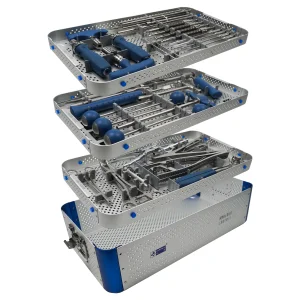
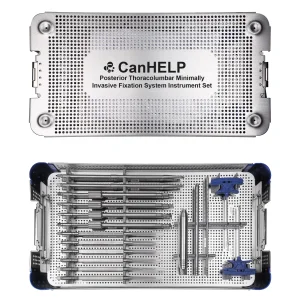
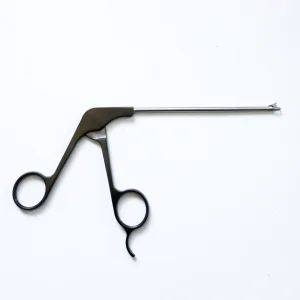
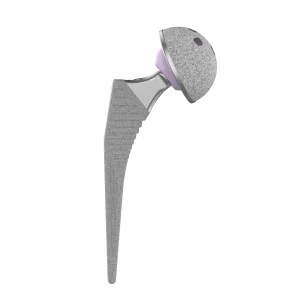
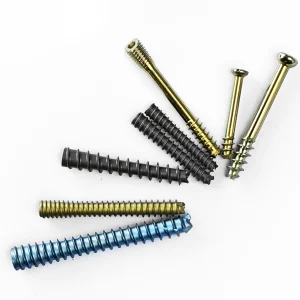
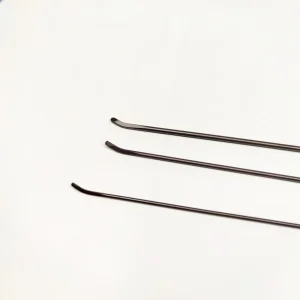
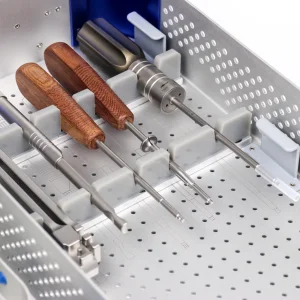
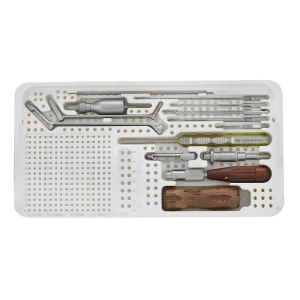
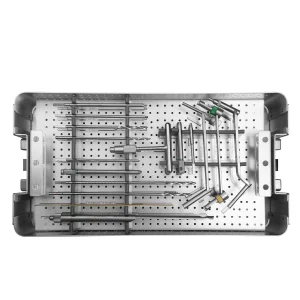
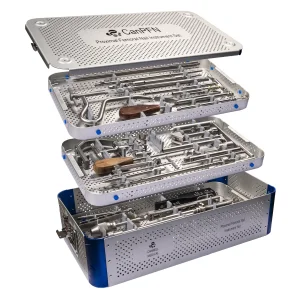
Spine Instrument Set Factories & Exporter in the Kuwait Market

Precision-Engineered Orthopedic Surgical Systems Compliant with MOH Standards, Empowering Kuwaiti Neuro & Spine Surgery Centers.

Send Inquiry Now
ISO 13485 & CE MDR Certified Manufacturer

Kuwait Clinical & Industrial Market Dynamics for Spinal Instrumentation

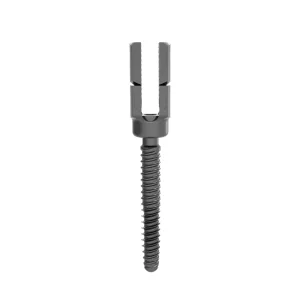
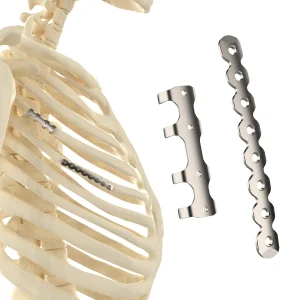
The healthcare landscape in the State of Kuwait has experienced significant growth over the past decade. Supported by the Ministry of Health (MOH) and backed by major clinical hubs like Al-Razi Orthopedic Hospital, Ibn Sina Hospital, and Jaber Al-Ahmad Al-Sabah Hospital, the demand for high-tier medical hardware has expanded. Spinal surgical sets, particularly pedicle screws and rods, minimally invasive surgical (MIS) retractors, and micro-discectomy instruments, are vital assets for Kuwait's healthcare facilities.

Kuwait's public health procurement operates through a strict centralized tender system overseen by the MOH, alongside a growing private healthcare market driven by specialized orthopedic centers. Local registration via authorized agents is mandatory, and clinical devices must demonstrate compliance with international standards, specifically CE MDR and ISO 13485.

Technical Evolution: Minimal Invasive & Navigation-Ready Platforms

Modern spinal surgeries in Kuwait are transitioning toward Minimally Invasive Surgery (MIS) and computer-assisted navigation systems. This shift requires spinal instrument sets to feature specific technical adaptations:

  • High-Contrast Color Coding: Ensures surgical scrub teams can quickly distinguish sizes in low-light theater setups.
  • Enhanced Radiolucency: Specialized carbon-fiber or PEEK components limit imaging interference under intraoperative O-arm or C-arm fluoroscopy.
  • Optimized Handle Ergonomics: Quick-connect silicone handles minimize hand fatigue and ensure secure torque transmission during pedicle screw insertion.
  • Direct-Navigation Compatibility: Designed with calibrated tracking arrays, compatible with major global spinal navigation platforms.

Materials Science & Structural Durability Protocols

Medical-grade titanium alloys (primarily Grade 5, Ti-6Al-4V ELI conforming to ASTM F136) and specialized implant-grade stainless steel (316L VM conforming to ASTM F138) serve as the foundation of our surgical instruments. These materials are selected for their biomechanical characteristics:

Property Ti-6Al-4V ELI (ASTM F136) PEEK-Optima® Stainless Steel 316LVM
Ultimate Tensile Strength ≥ 860 MPa ≥ 95 MPa ≥ 860 - 1100 MPa
Modulus of Elasticity 110 GPa 3.5 - 4.0 GPa 200 GPa
Corrosion Resistance Outstanding (Self-Passivating) Excellent (Bio-inert) High (Pitting-Resistant)
Key Use Case Pedicle Screws, Rods, Inserters Spinal Fusion Cages Surgical Retractors, Taps

China Industry 4.0 Manufacturing: Supply Chain Integrity & Quality Standards

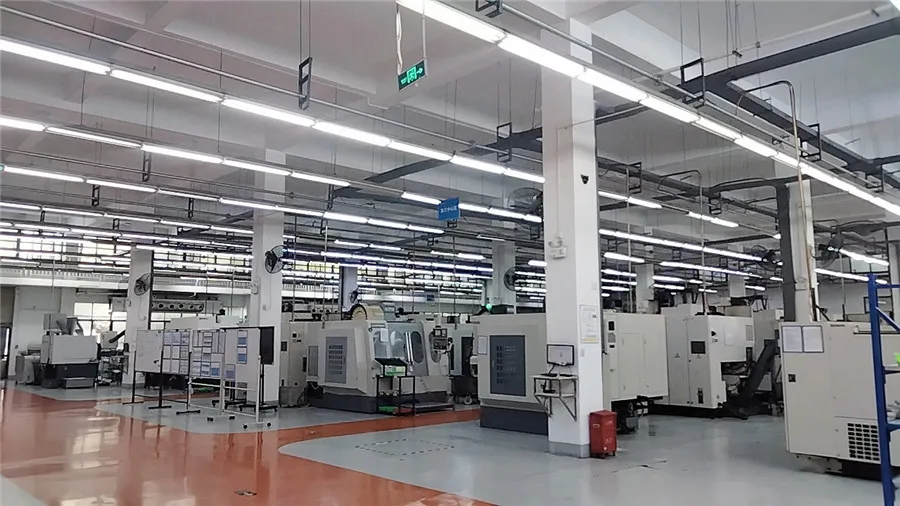
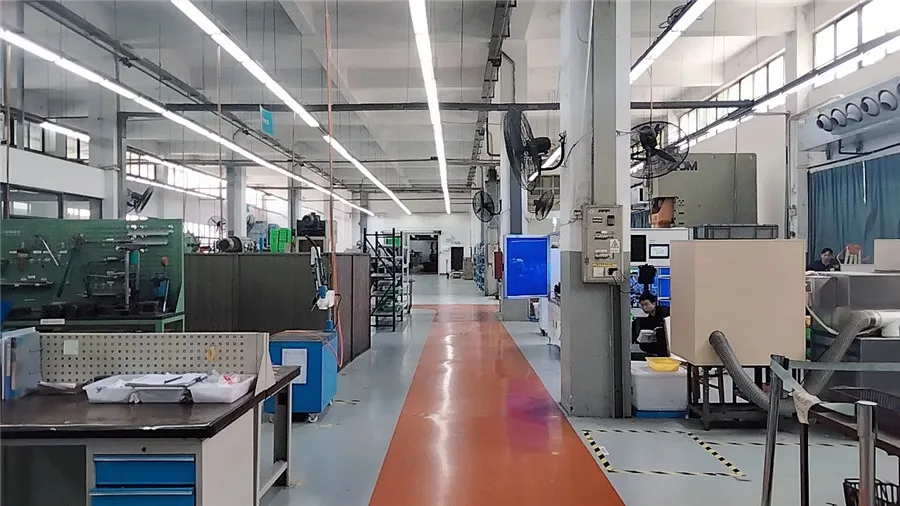
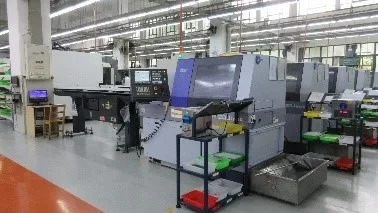
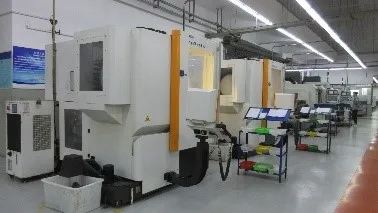
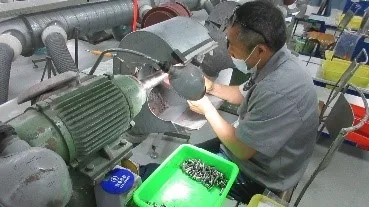
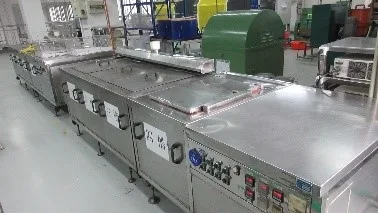
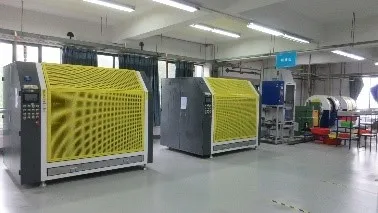
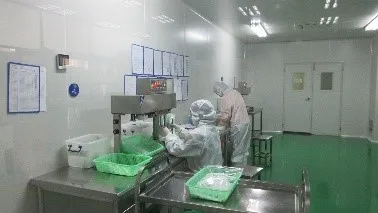
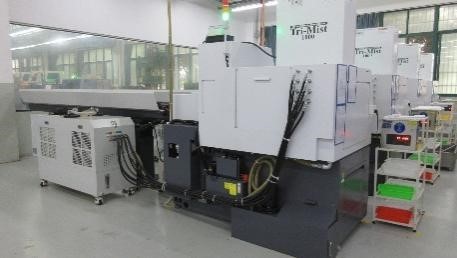
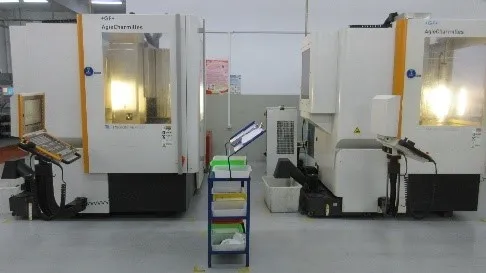
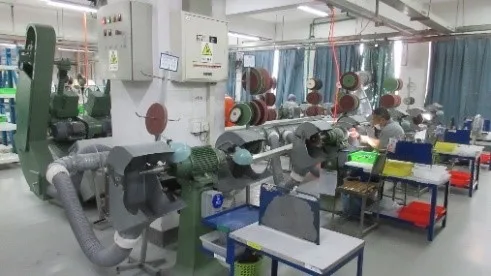
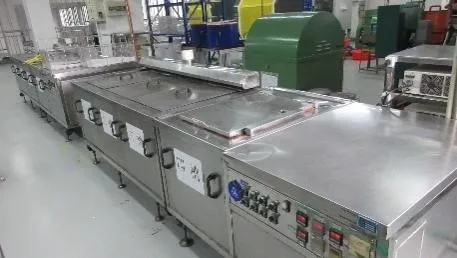
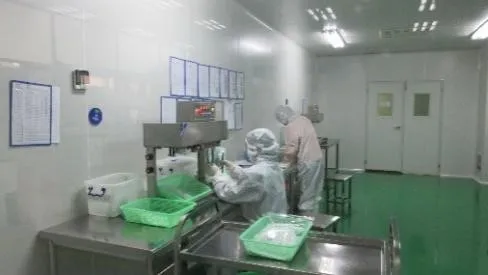
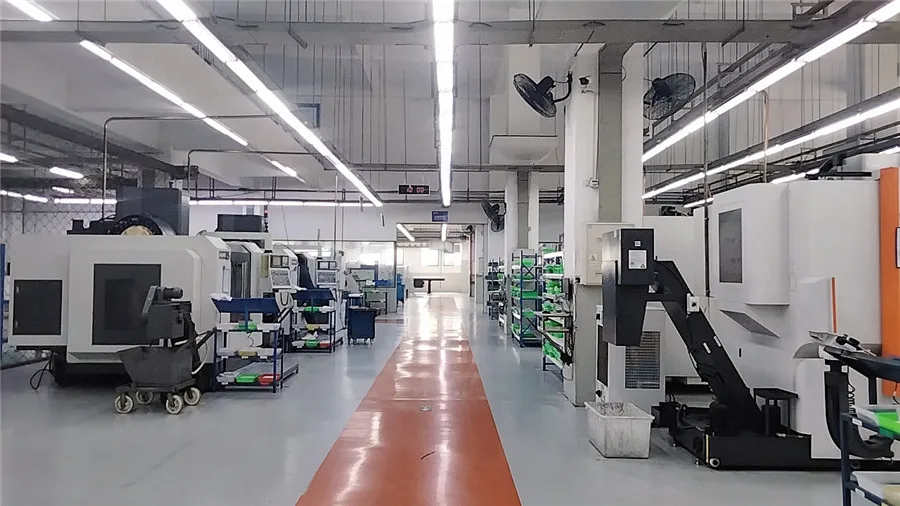
Our production facility utilizes advanced CNC machinery, Swiss-type high-precision automatic lathes, and multi-axis EDM (Electrical Discharge Machining) systems. Every batch of spinal instrument sets undergoes structural and surface validations, including chemical passivation, micro-polishing, and ultrasonic cleaning in an ISO Class 7 (Class 10,000) cleanroom.

With 59 dedicated R&D engineers, we specialize in high-capacity manufacturing, maintaining consistent mechanical tolerances within ±5 microns. Raw materials are sourced from verified suppliers with full traceability certificates, ensuring that all components meet international standards before shipment to Kuwait.

Logistical Integration & Localized Support in Kuwait

Working with established medical distributors in Kuwait City, we support local partners through:

  1. Document Support: Fast provision of ISO 13485, CE Certifications, and Certificates of Free Sale (CFS) for smooth MOH registration.
  2. Sterilization Validation Sheets: Comprehensive guidelines detailing autoclave cycle compatibility (gravity and pre-vacuum steam sterilization parameters).
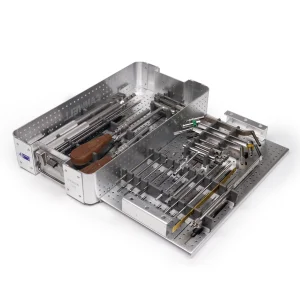
  3. Custom Instrument Layouts: Custom container designs and laser-marking to accommodate specific hospital autoclaving systems and tray storage spaces.

Verified Factory Profile

Registered OEM Exporter
Registration Year: 2004-11-03
Production Area: 29,523 m²
Years Exporting: 22 Years
R&D Engineers: 59 (Graduate Level)
Quality Inspectors: 69 QA/QC Staff
Languages Supported: English

System Standards

ISO13485
93/42/EEC
MDR Compliant
AO Standard

All raw metal inputs undergo spectrographic verification to ensure implant-grade safety prior to precision CNC milling.

Get Custom Quote

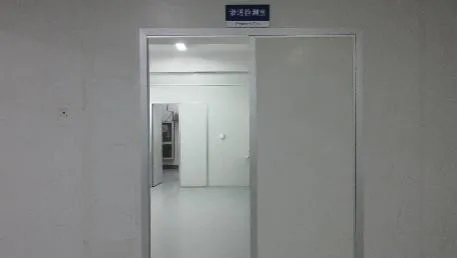
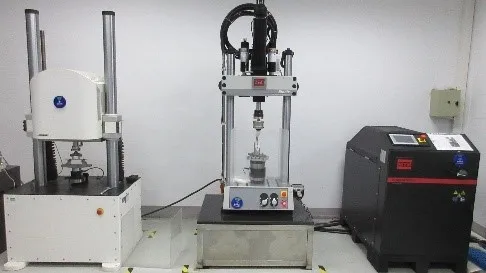
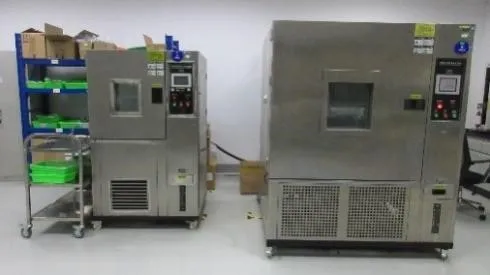
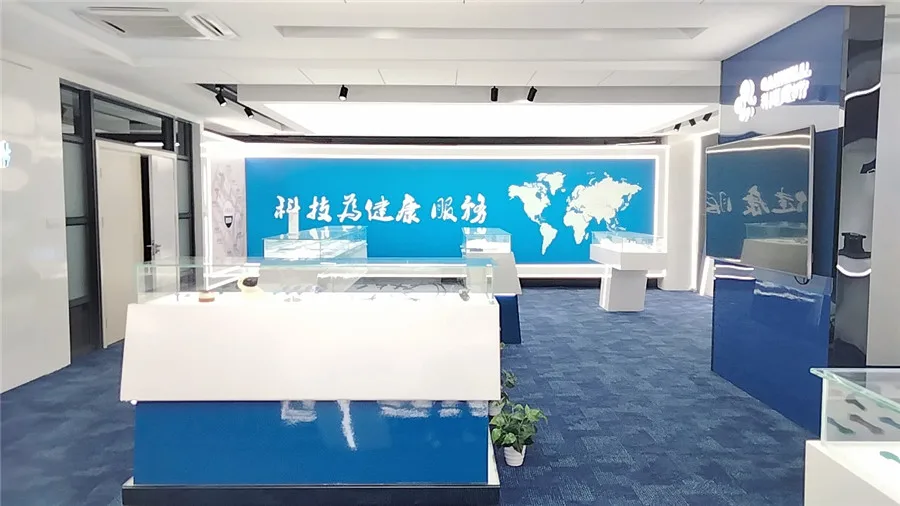
Production Facility Verification & Quality Control Audits

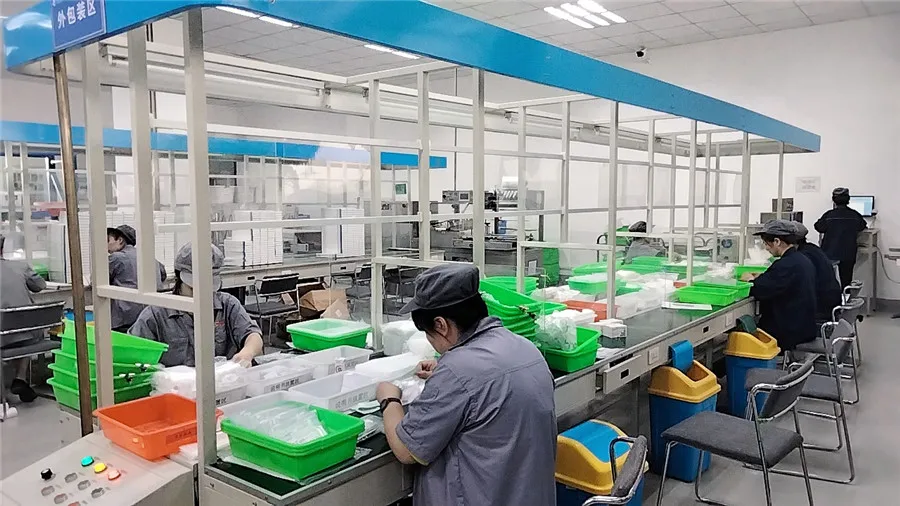
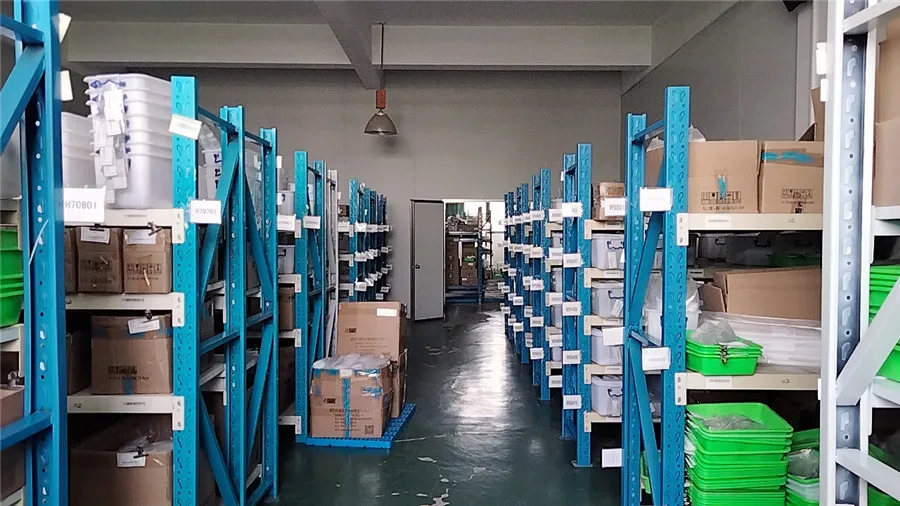
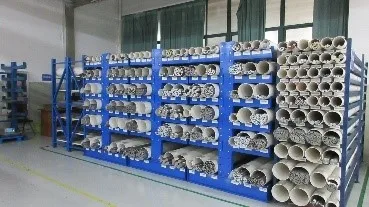
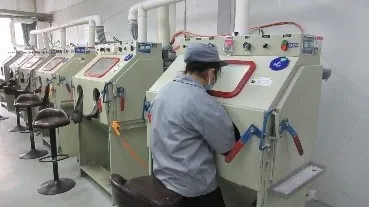
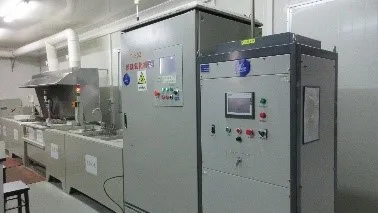
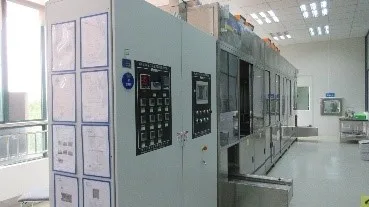
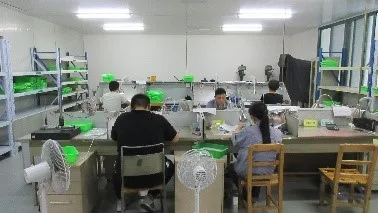
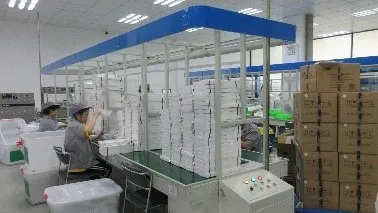
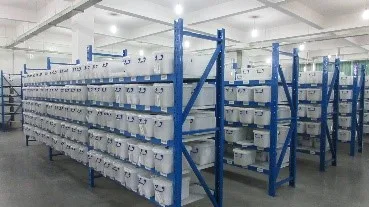
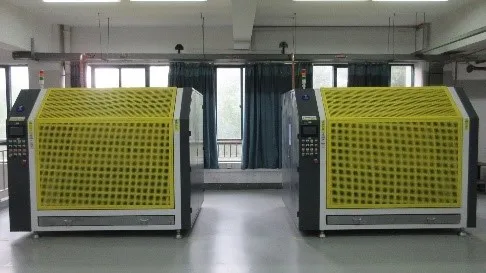
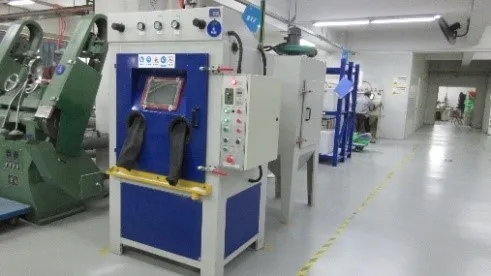
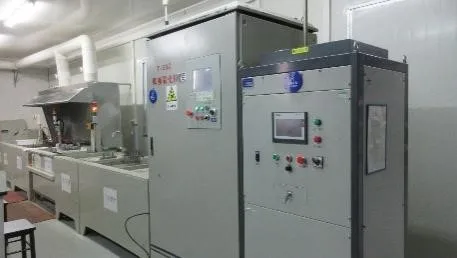
Visual documentation showing our CNC precision machining centers, medical-grade passivation lines, cleanroom packaging, and quality verification protocols.
Industrial Capacity & Quality Verification

Established 2004

Overview & Lifespan

Company Est. Date2004-11-03
Total Plant Space29,523 m²
Years in Industry22 Years
Export LanguagesEnglish

QA & Customization

Traceability ProtocolYes (Raw inputs verified)
In-Process QA Inspections100% on every line
QA/QC Inspectors69 Dedicated Professionals
R&D Team Depth59 R&D Engineers

Markets & Custom Options

South America Share30%
Southeast Asia Share20%
Western Europe Share20%
Customization FormatsLight, Sample, Design on demand
Request Factory Inspection

Clinical Procurement & Technical Q&A

Addressing the critical engineering, sterilization, and regulatory questions asked by healthcare providers and distributors in Kuwait.

What documentation do you provide to support the registration process with the Kuwait Ministry of Health (MOH)?
We provide a complete documentation package to support registration with the Kuwait MOH Drug and Food Control Administration. This includes ISO 13485 quality certificates, CE marking certifications under MDD 93/42/EEC and MDR compliance documents, dynamic fatigue and biocompatibility test reports, raw material analysis reports, and Certificates of Free Sale (CFS).
What grade of titanium is used in your posterior thoracolumbar spinal fixation sets?
We use Grade 5 Ti-6Al-4V ELI (Extra Low Interstitial) titanium alloy conforming to ASTM F136 / ISO 5832-3. This medical-grade material provides high mechanical strength, fatigue resistance, and biocompatibility, making it suitable for long-term implantation in spinal surgeries.
How do your spinal instruments maintain torque control and prevent thread damage during surgery?
Our spinal insertion systems feature torque-limiting handles calibrated to precise specifications (e.g., 4.5 Nm or 6.0 Nm depending on screw sizing). The driver interfaces are precision-machined with hexalobe or square drives to minimize cam-out, reducing the risk of screw head deformation.
What are the recommended sterilization parameters for your orthopedic instrument cases?
Our anodized aluminum and stainless steel instrument trays are validated for steam sterilization (autoclaving). The recommended protocol is pre-vacuum steam sterilization at 134°C (273°F) with a minimum exposure time of 4 minutes, followed by a drying phase of 20 to 30 minutes. Detailed reprocessing manuals are included with each set.
Do you offer OEM custom logo design and specialized layout printing on the instrument trays?
Yes, our R&D and engineering departments offer customization options. We can customize the layout of the instrument brackets, incorporate local brand markings, and apply high-contrast laser etching for size markings to match your clinical preferences.
How does your factory manage dimensional tolerances on complex spine instruments?
Our CNC Swiss machining and multi-axis grinding lines operate with high dimensional precision. Our cleanroom inspection processes verify critical dimensions using optical measurement systems, maintaining tolerances within ±5 microns on interface geometries.

Secure High-Performance Spine Instrumentation

Partner with an established manufacturer with over 22 years of export experience. Speak directly with our orthopedic engineers to customize your hospital tender packages.

Request Pricing & Technical Data