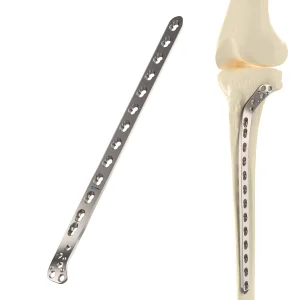
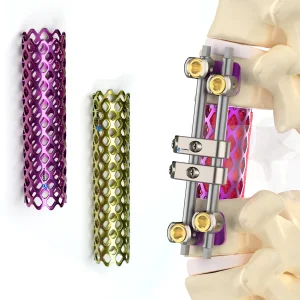
Engineered for Buenos Aires hospitals and major private clinics. Tested under ASTM protocols to ensure flawless surgical alignment.
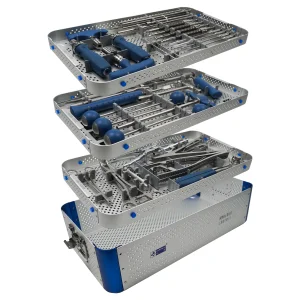
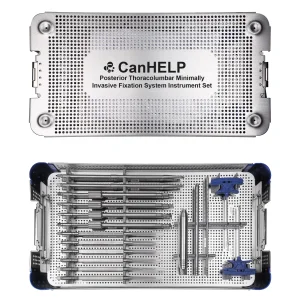
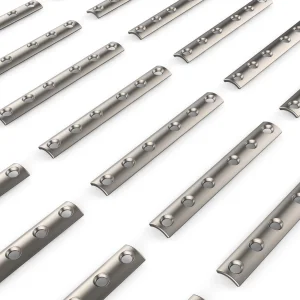
Argentina's healthcare infrastructure operates on a tripartite system: the public sector, the social security sector (Obras Sociales, such as PAMI), and private prepagas. Driven by macroeconomic realities and ongoing cost containment pressures, healthcare providers in key metropolitan centers like Buenos Aires, Córdoba, and Rosario are seeking premium spinal hardware without premium Western brand prices.
This dynamic has elevated the importance of premium Class III medical manufacturing. Standard spinal instruments must not only carry international clearance like CE 93/42/EEC or MDR, but they also require meticulous local alignment to bypass complex customs inspection protocols overseen by ANMAT (Administración Nacional de Medicamentos, Alimentos y Tecnología Médica).
The Strategic Shift: B2B medical distributors across Argentina are moving from high-cost North American brands to ISO 13485-certified manufacturers who offer full traceability of raw materials and flexible packaging sizes to accommodate challenging import allocations.
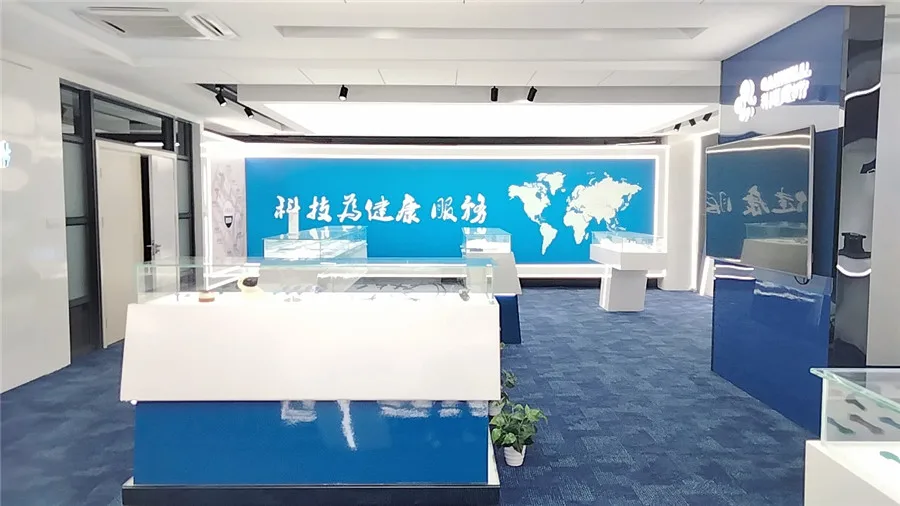
Transparent profile detailing our technical capabilities, compliance certifications, and extensive quality verification processes.
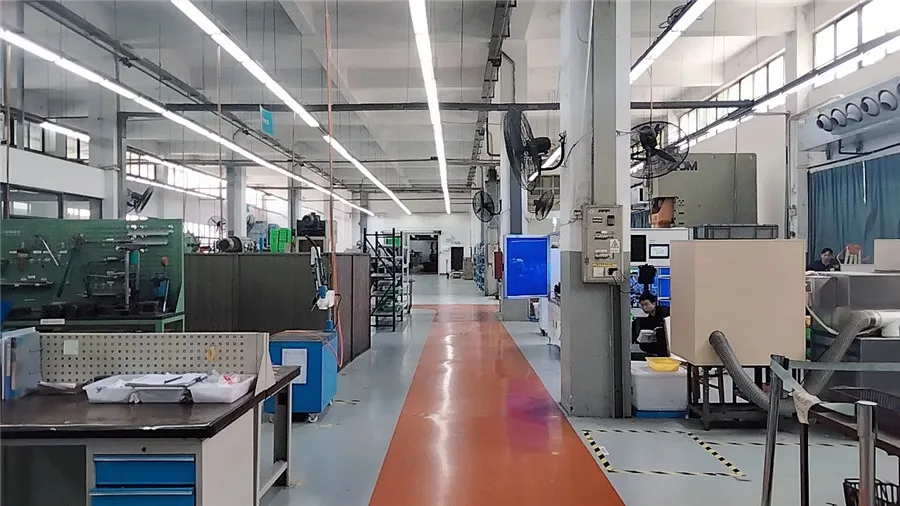
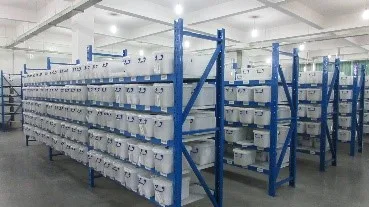
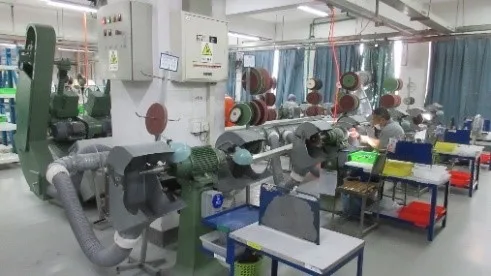
Our manufacturing complex represents the peak of modern orthopedic device fabrication, engineered to meet strict Western European and South American standards.
 ISO13485 - SX 2180356-1
 93/42/EEC - HD 2180356-1
 CE MDR - 6142788CE02
To assure surgeons in Argentina of total implant safety and geometric precision, every single batch undergoes multi-tiered quality gating:
Pioneering next-generation orthopedic solutions to elevate surgical efficiency and patient outcomes.
Moving from traditional open exposures to percutaneous and tubular systems. Our long-arm pedicle screws are engineered to minimize muscular trauma and accelerate recovery times.
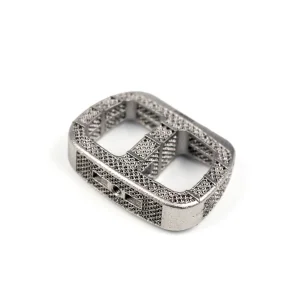
Transitioning from traditional PEEK to 3D printed porous titanium cages. The micro-porous structures mimic trabecular bone, accelerating osseointegration across anterior and lateral fusion paths.
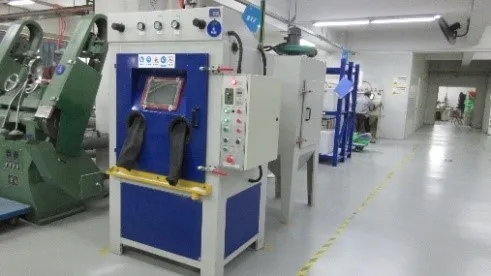
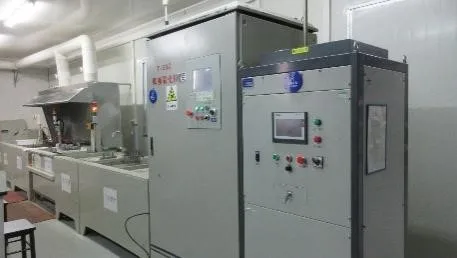
Implementing Physical Vapor Deposition (PVD) to enhance surface hardness on instruments, reducing reflectivity under high-intensity operating room lights and maximizing longevity through multiple sterilization cycles.
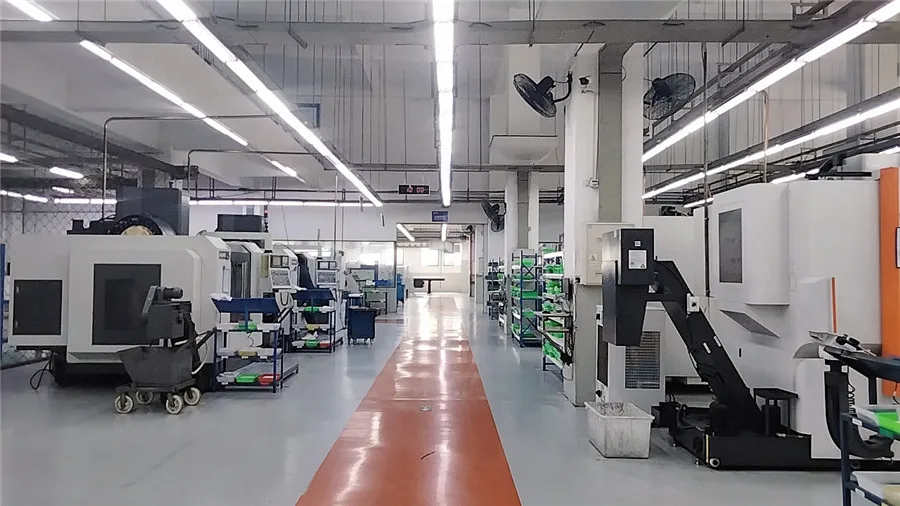
Faced with fluctuating import timelines, healthcare purchasing managers in Argentina require partners capable of providing predictable lead times. By leveraging advanced automation and integrated manufacturing management, we minimize supply chain vulnerabilities.
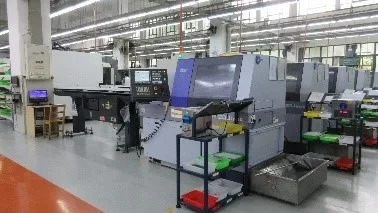
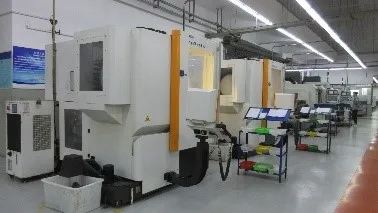
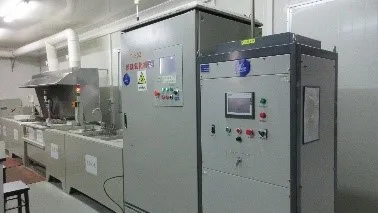
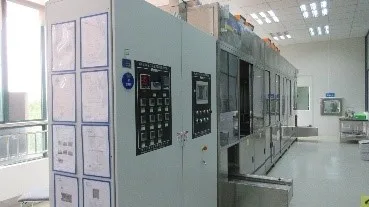
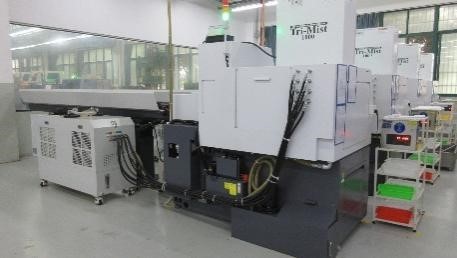
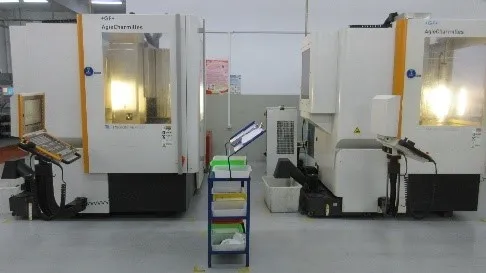
Our facility runs continuous, state-of-the-art multi-axis CNC machines that shape surgical instruments with micron-level tolerances. Raw titanium barstock enters one end, undergoes automatic inspection, cleaning, anodizing, and cleanroom packing—dramatically reducing manual handling contamination risks.
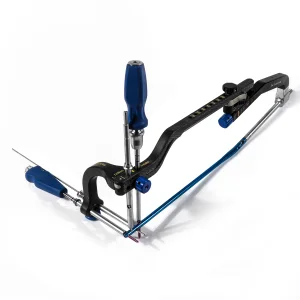
By producing implants and their corresponding surgical instrumentation in the same facility, we ensure that screws, plates, and rod drivers mesh perfectly. This tight integration prevents intraoperative thread mismatch issues that occur when buying tools and hardware from split vendors.
Request Factory Tour & CatalogNavigating technical documentation and importation processes for seamless delivery into Argentina.
Importing Class III orthopedic implants into Argentina requires detailed compliance validation. As an experienced exporter to South America, we provide the full suite of documentation required for the local registration dossier:
We work in tandem with local Authorized Representatives (A.A.R. / Importadores Autorizados) to ensure import permits are processed efficiently through customs, avoiding port delays.
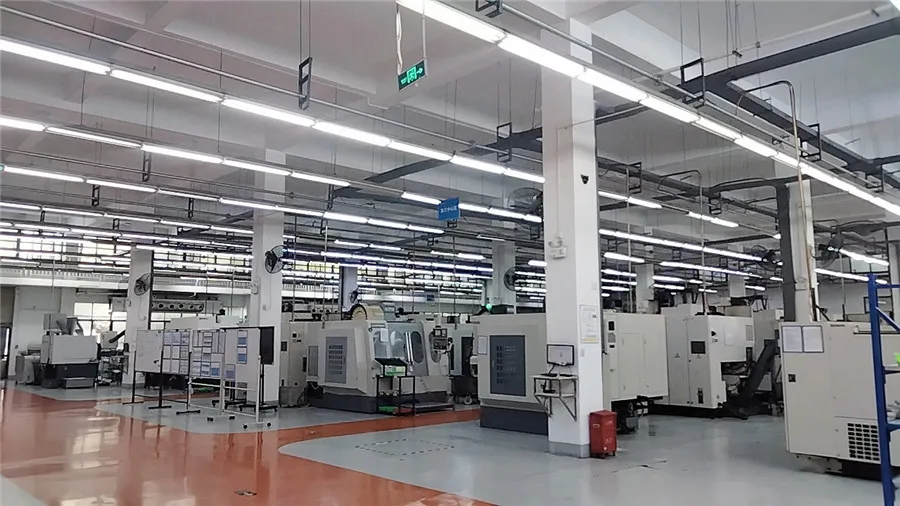
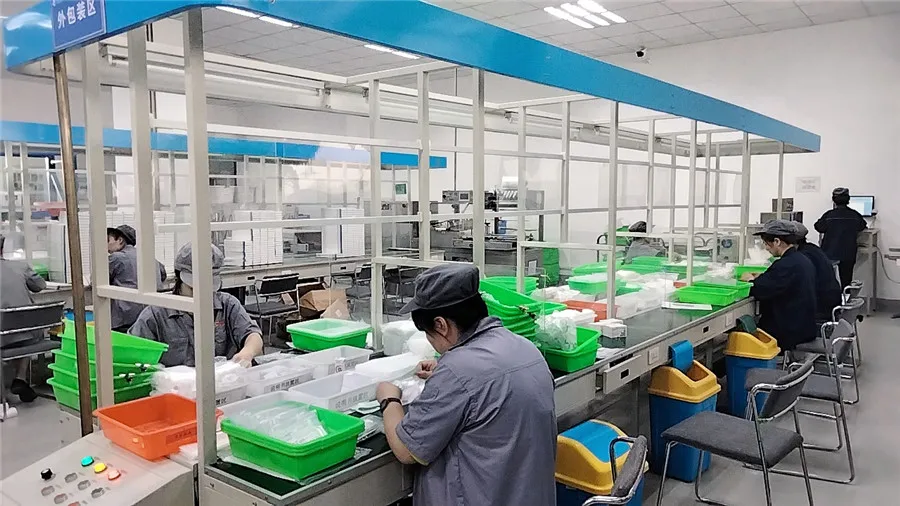
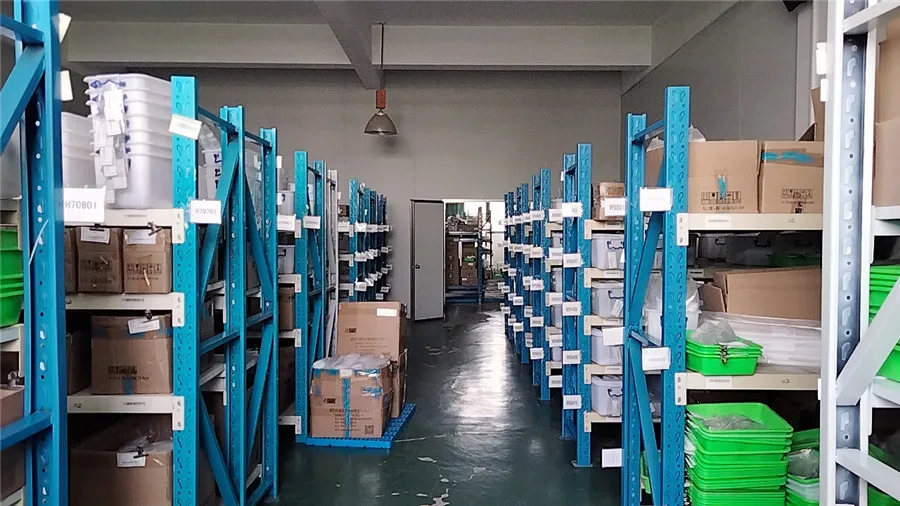
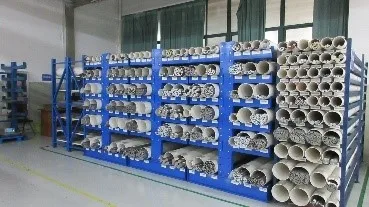
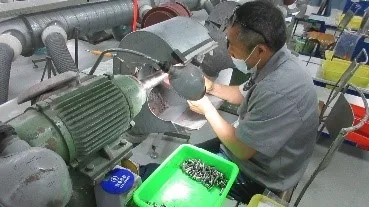
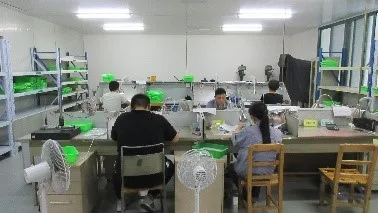
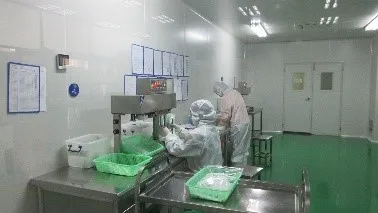
Take a closer look at our raw material validation, cleanroom assembly, and precision milling steps.

Select from our range of CE and ISO certified implants, modular fusion cages, and orthobiologic systems.
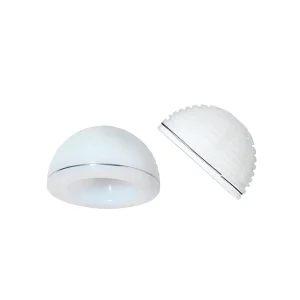
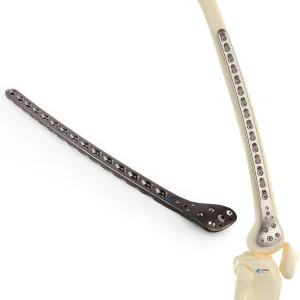
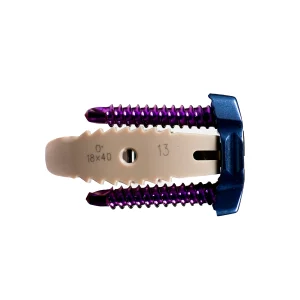
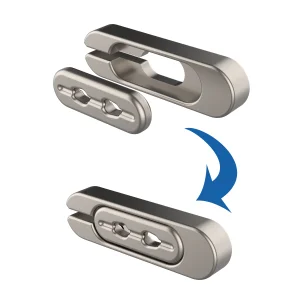
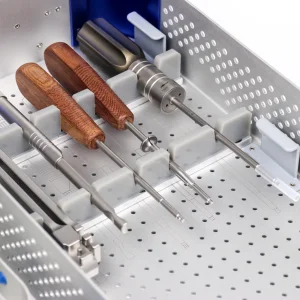
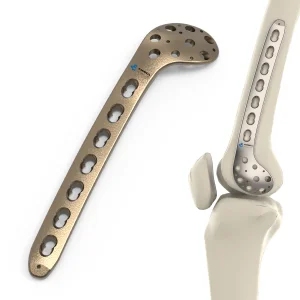
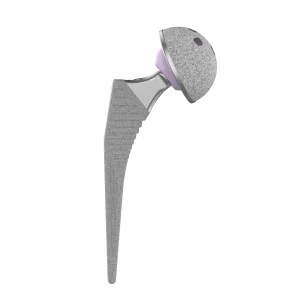
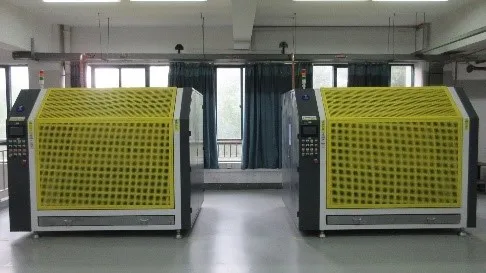
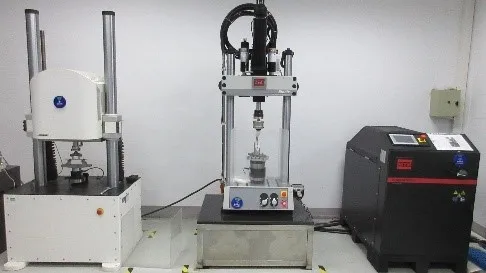
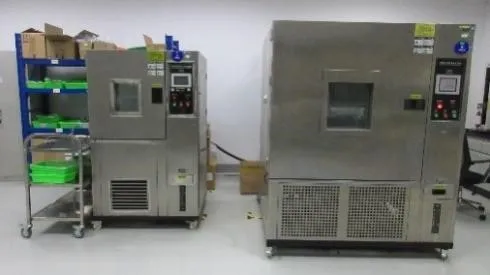
Every implant and instrument set undergoes intensive testing to ensure structural integrity under physiological load.
All incoming titanium alloy and medical-grade plastics (PEEK-OPTIMA) undergo spectroscopic testing to verify chemistry sheets and physical tensile properties.
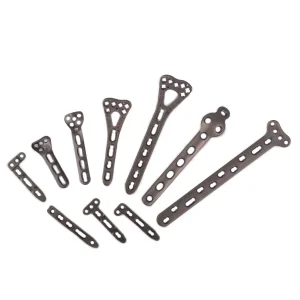
Automated precision lathe centers shape screw threads and modular plates, ensuring matching pitch tolerances below 5 microns.
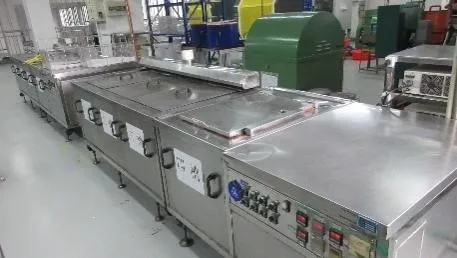
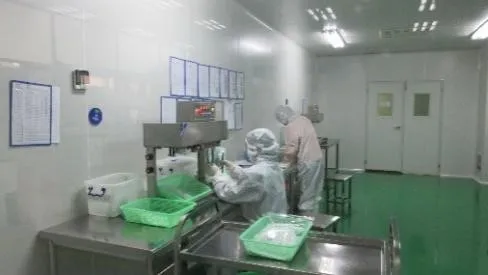
Implant kits are cleaned ultrasonically to remove machine residues before entering Class 100,000 cleanrooms for final clinical packing.
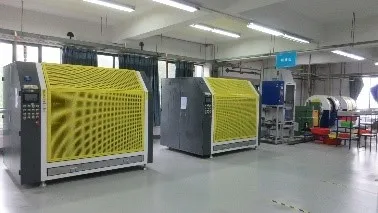
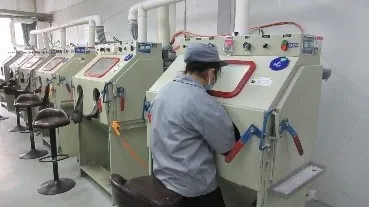

Addressing common queries regarding import logistics, ANMAT requirements, manufacturing capacities, and customization.

 Harney-Well