Advanced Surgical Instrumentation Platforms Engineerd for Dynamic Spinal Fixation & Fusions
Addressing Demographics, Medical Tourism, and Clinical Requirements
The spine instrument and implant market in Malaysia is undergoing structural transformations. Malaysia is rapidly transitioning toward an aging nation. By 2030, individuals aged 60 and above are projected to account for 15% of the total population. This demographic shift directly correlates with a surging clinical burden of degenerative spinal pathologies, including spinal stenosis, herniated nucleus pulposus, spondylolisthesis, and osteoporotic vertebral compression fractures.
Concurrently, Malaysia stands as a premier hub for global medical tourism, orchestrated by the Malaysia Healthcare Travel Council (MHTC). Patients across Southeast Asia choose private hospitals in Kuala Lumpur, Penang, and Johor Bahru for spine surgeries due to clinical outcomes comparable to Western nations at a fraction of the cost. Consequently, private medical centers demand next-generation, high-tolerance spine instrument sets to secure operating room throughput and ensure clinical safety.
Clinical procurement in Malaysia is bifurcated between Ministry of Health (MOH) public hospitals and private hospital networks (such as IHH Healthcare, KPJ Healthcare, and Sunway Medical). Public healthcare facilities require extremely durable, autoclavable instrument sets that demonstrate sustained structural integrity over thousands of sterilization cycles. These facilities must balance procurement budgets while maintaining strict patient safety standards.
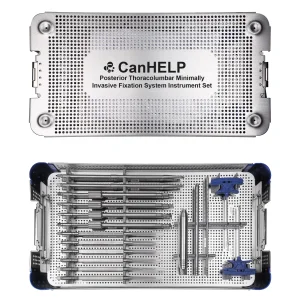
Conversely, private institutions demand advanced instrument sets designed for Minimally Invasive Spine Surgery (MISS). High-precision long-arm pedicle screw inserters, tubular retractors, and micro-spine instruments are highly prioritized to reduce recovery time, minimize intraoperative blood loss, and lower the rate of post-operative surgical site infections (SSIs).
Why Leading Healthcare Providers in Southeast Asia Partner with Chinese Factories
Over the past two decades, China has transitioned from an orthopedic parts supplier into a dominant global manufacturing hub for advanced spinal systems. This evolution is underpinned by massive capital investments in CNC machinery, material research, and quality management protocols. For Malaysian distributors, healthcare groups, and OEMs, sourcing directly from top-tier Chinese manufacturers yields clear structural advantages:
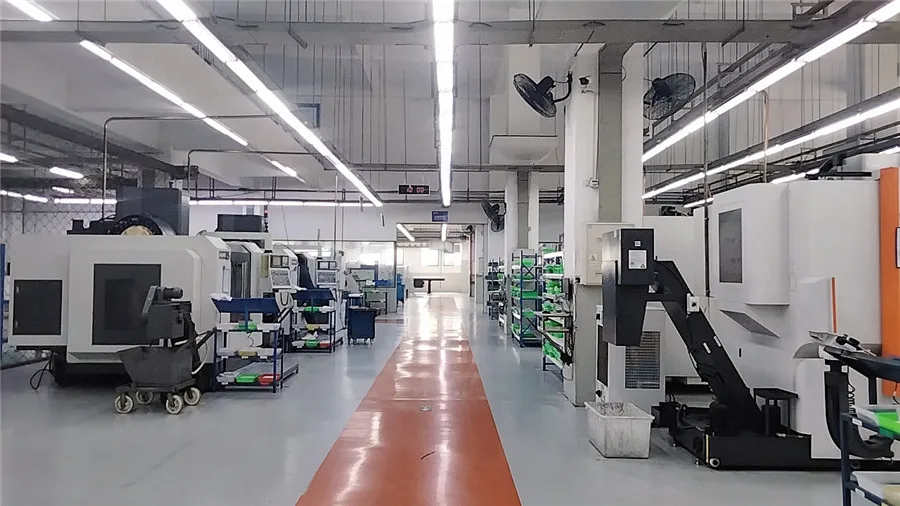
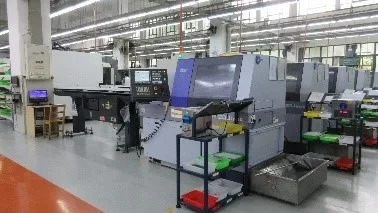
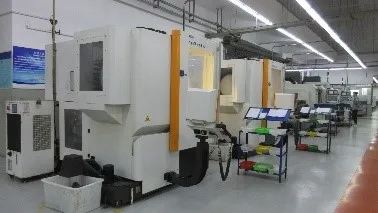
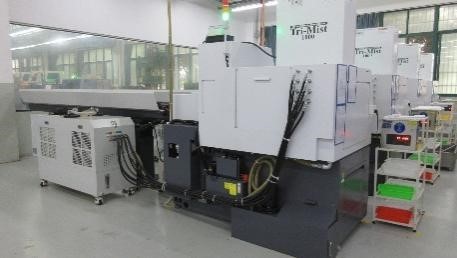
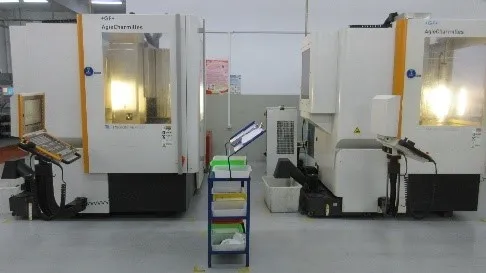
Utilizing multi-axis Swiss longitudinal lathes and CNC machining centers from Hermle and DMG Mori, ensuring the high-precision alignment of screw threads, drivers, and taps.
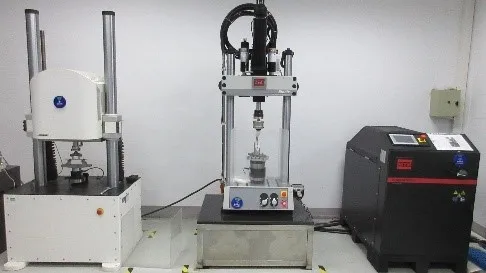
Every single batch of medical-grade titanium (ASTM F136) and PEEK undergoes chemical composition verification, mechanical tensile testing, and microstructural analysis with complete heat-number traceability.
Spanning over 29,523 square meters of floor space, the manufacturing site can scale production rapidly to fulfill large hospital tenders and OEM orders without supply chain bottlenecks.
"Medical device supply chain resilience is no longer just about manufacturing unit cost; it is about the reliability of lead times, predictable regulatory documentation, and consistent mechanical properties of instruments during repeated sterilizations." — Senior Quality Auditor
Alternative Trauma, Sports Medicine & Specialty Instrumentations for Malaysian Medical Institutions
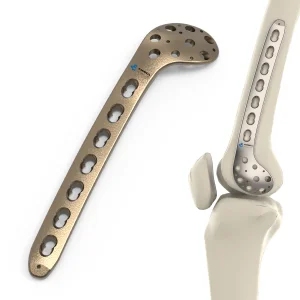
Translating Material Innovation into Better Clinical Outcomes
The efficacy of orthopedic implant systems relies on precision metallurgy and surface modification technologies. Manufacturers must establish a scientific technical roadmap to adapt to the evolving demands of surgeons. The current roadmap focuses on the synergy between structural mechanics and biological integration:
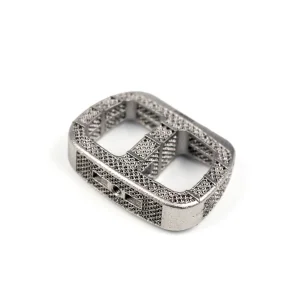
Traditional titanium cages may present risks of subsidence or fibrous encapsulation. Utilizing Electron Beam Melting (EBM) and Selective Laser Melting (SLM), modern factories fabricate porous titanium fusion cages featuring a 3D interconnected pore structure (60-80% porosity, pore size 400-600 μm). This structure closely mimics human trabecular bone, accelerating early osteointegration and reducing the need for extensive autologous bone grafting.
Polyetheretherketone (PEEK) remains a key material for spinal fusion cages due to its radiolucency and elastic modulus, which closely resembles human cortical bone. Research is currently focused on PEEK surface modification, applying thin titanium plasma spray or hydroxyapatite (HA) coatings to enhance early cell adhesion while retaining radiolucent properties for post-operative evaluation.
High-precision spinal surgeries depend on the durability of the instrumentation. Screwdrivers, rod benders, and retractors undergo advanced surface modifications like Physical Vapor Deposition (PVD) coating or Diamond-Like Carbon (DLC) coating. These coatings increase surface hardness, lower friction coefficients, and reduce mechanical wear, preventing metal debris shedding and extending the operational lifespan of the instrument set.
Navigating Act 737 and Good Distribution Practice for Medical Devices (GDPMD)
The regulatory pathway in Malaysia is governed by the Medical Device Authority (MDA) under the Ministry of Health, in accordance with the Medical Device Act 2012 (Act 737). In Malaysia, orthopedic implants and related instruments are categorized based on risk:
To successfully import and market spine instrument sets in Malaysia, the manufacturer and local distributor must collaborate to compile the Common Submission Dossier Template (CSDT). Key requirements include:
Global Industrial Standards and Traceable Quality Controls
With 22 years of exporting experience, our facility delivers orthopedic implants and surgical instruments worldwide. Spanning 29,523 square meters of advanced production floor space, we operate under rigorous quality control protocols. This operational model ensures that every implant and instrument set complies with global regulatory standards, including European MDR and ISO 13485.
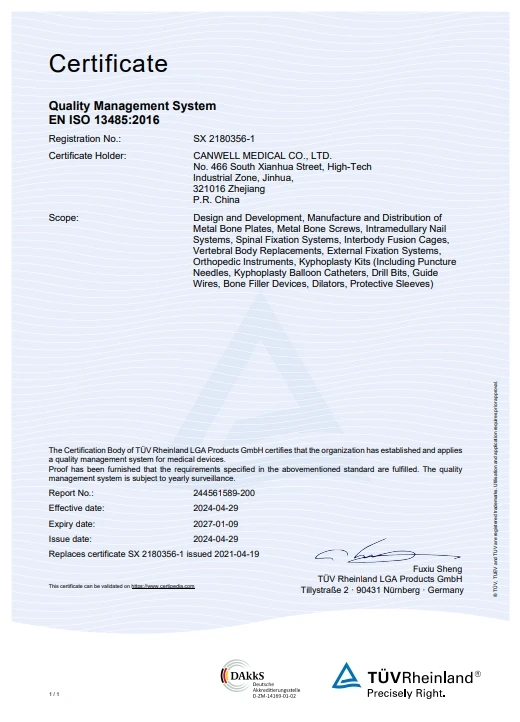
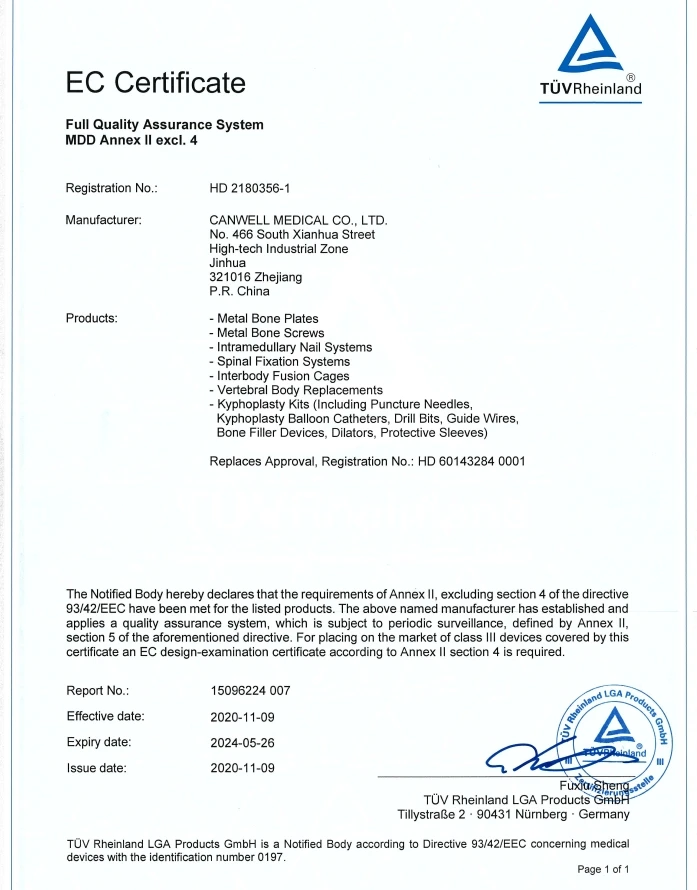
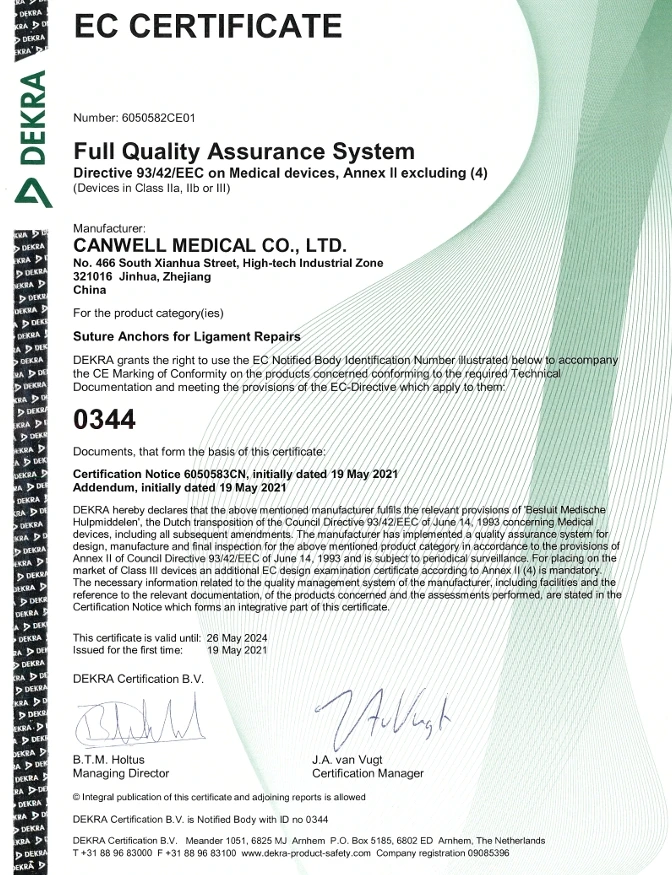
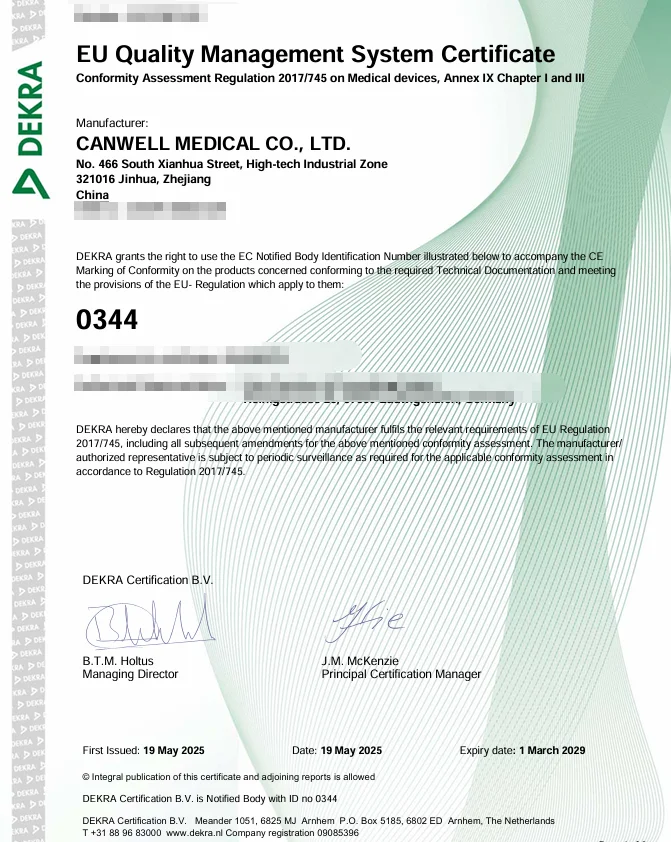
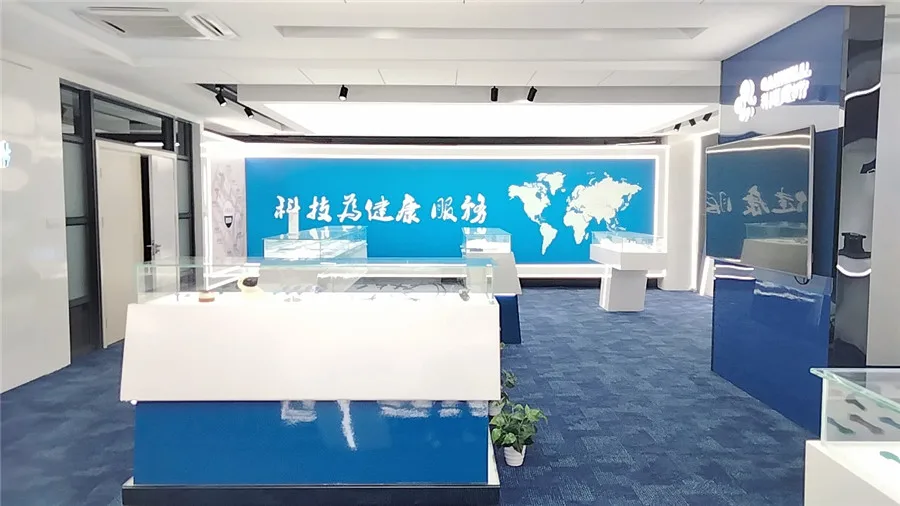
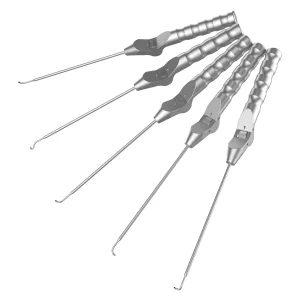
Complete Catalog Featuring Precision-Ground Surgical Instruments and High-Purity Implants
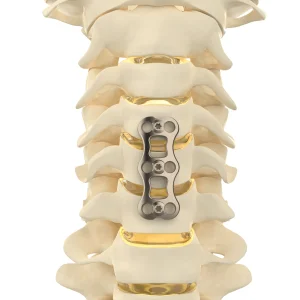

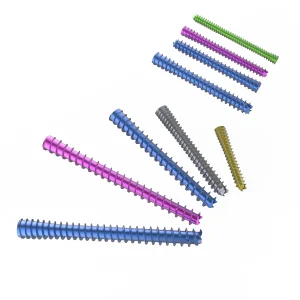
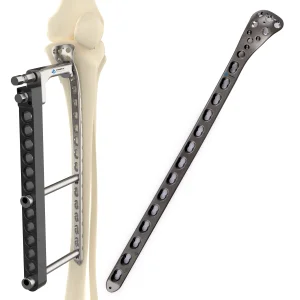
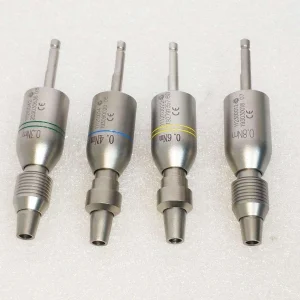
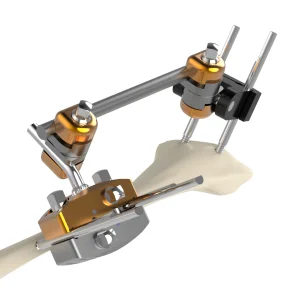
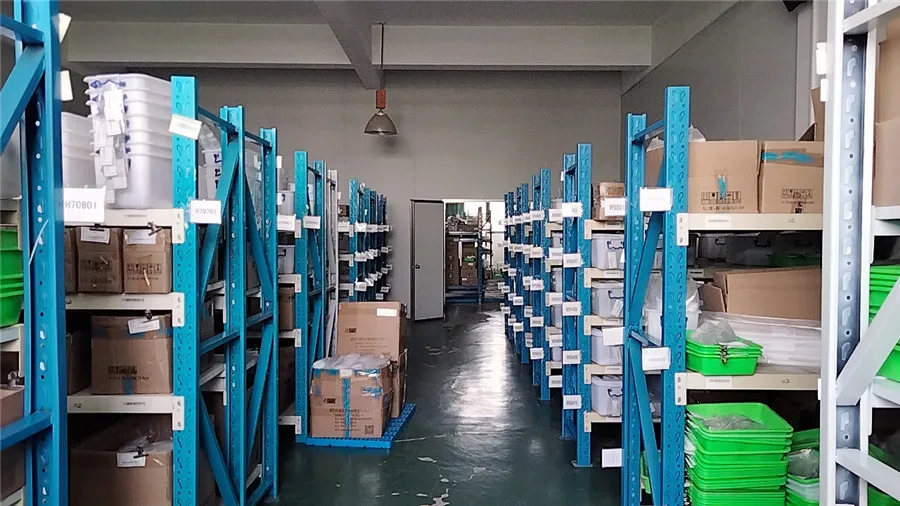
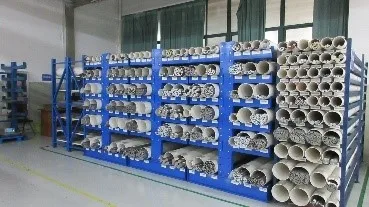
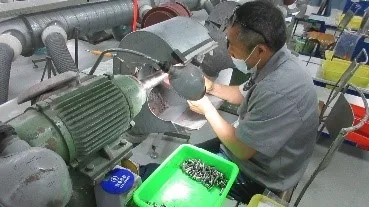
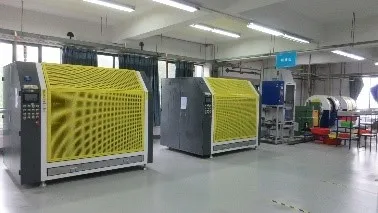
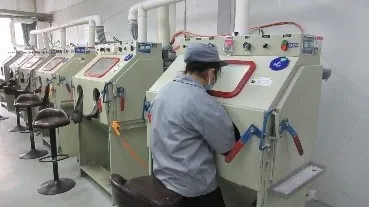
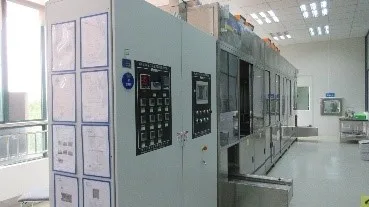
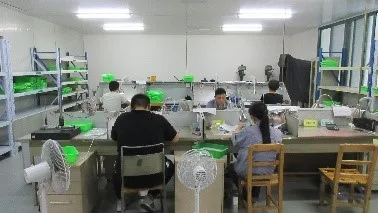
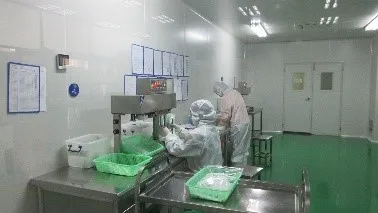
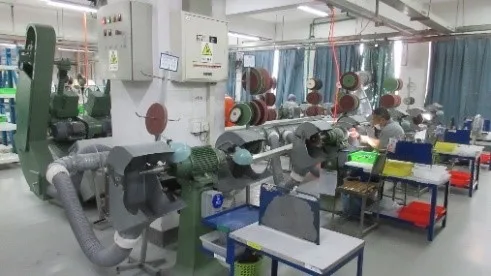
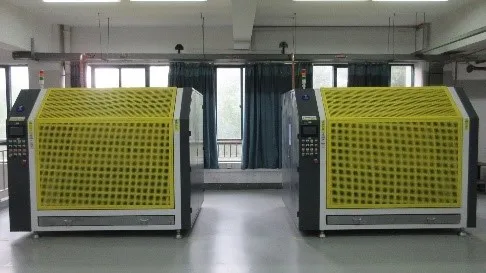
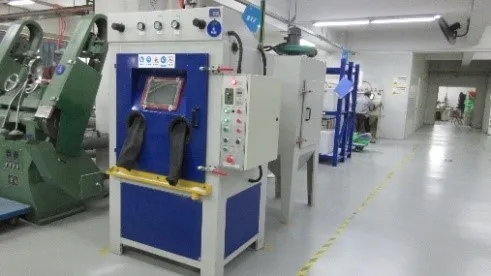
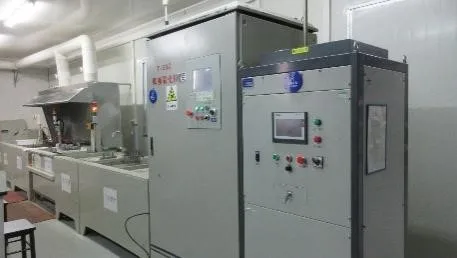
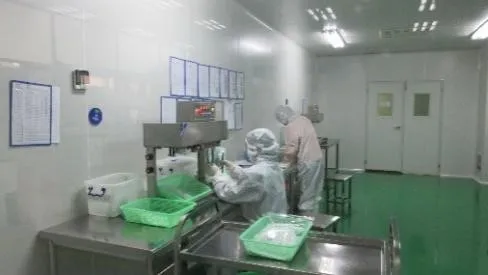
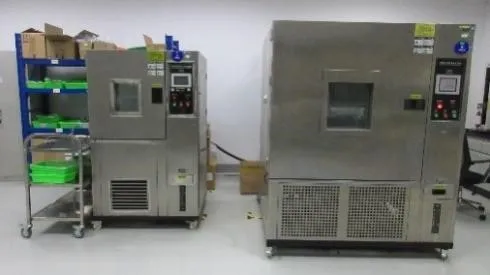
Preserving manufacturing details through visual verification
| Production Phase | Critical Quality Parameter | Inspection Equipment / Method | Standard Reference |
|---|---|---|---|
| Material Sourcing | Chemical Purity & Grain Structure | Spectrochemical & Ultrasonic Inspection | ASTM F136 / ASTM F67 |
| CNC Milling/Turning | Dimensional Tolerances to ±0.01 mm | Laser Micrometers & Coordinate Measuring Machines | ISO 286 ISO System of Limits |
| Surface Treatment | Roughness Control & Passivation Thickness | Stylus Profilometry & Nitric Acid Passivation | ASTM F86 standard protocols |
| Sterilization Prep | Bioburden & Particulate Contamination | 100,000 Class Cleanroom Monitoring | ISO 14644 Cleanroom Standard |
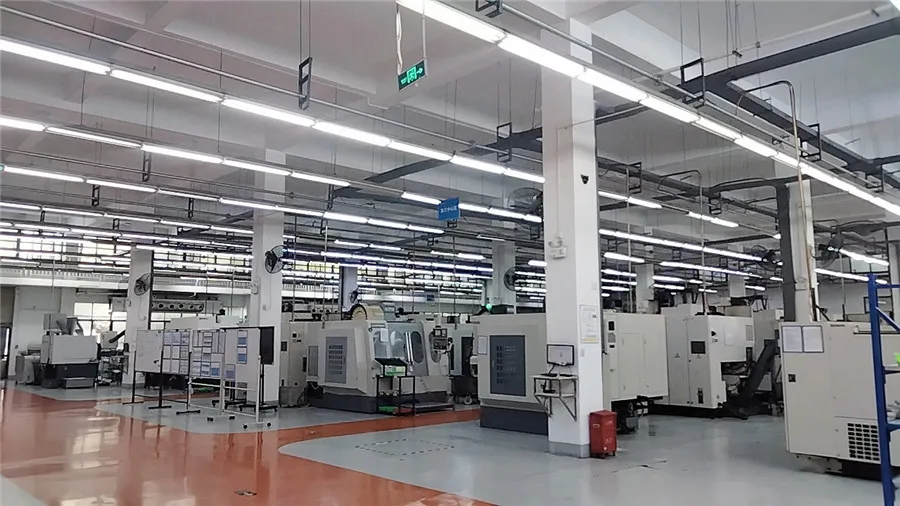
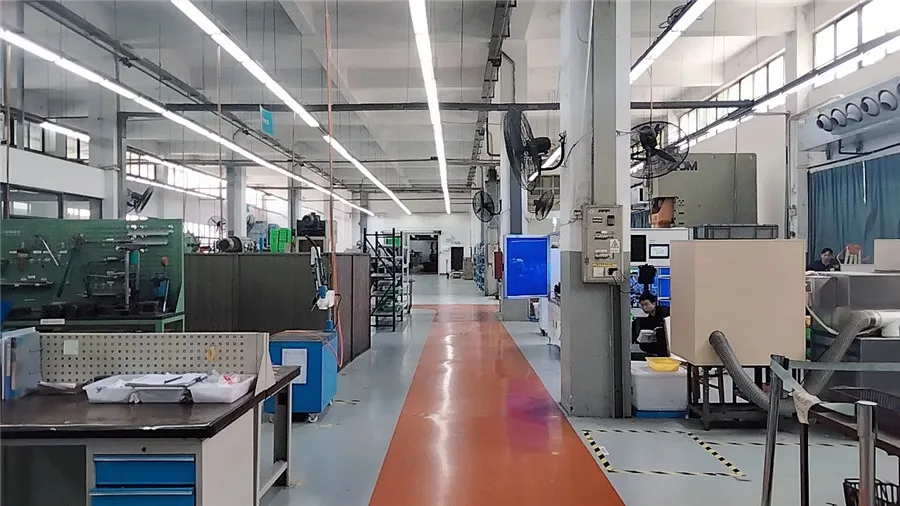
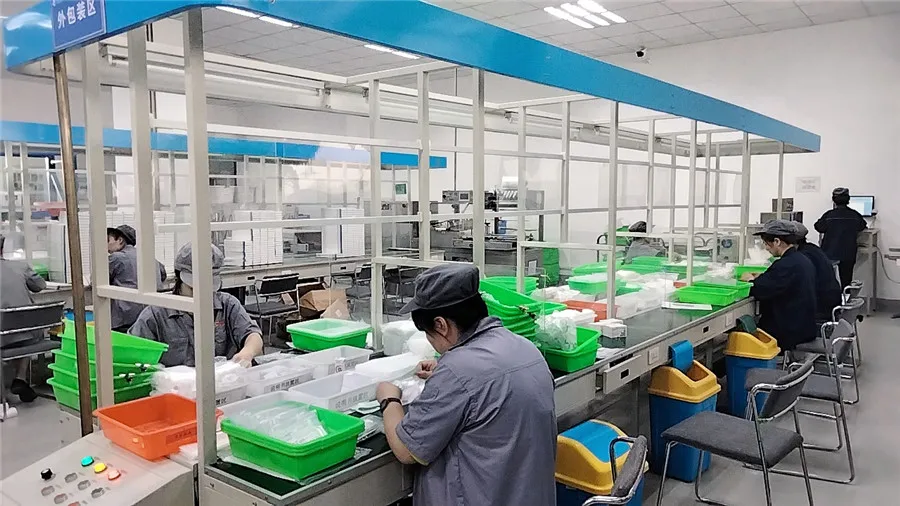







Key Industrial and Regulatory Information for Malaysia Procurement
 Harney-Well