Premium implant systems and instrument configurations optimized for Uruguayan orthopedic trauma centers and public hospitals.
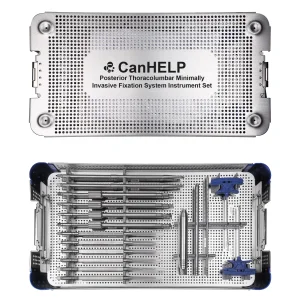
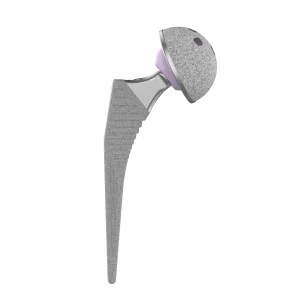
The demand for advanced orthopedic solutions and spine instruments in South America, particularly in Uruguay, has experienced significant growth over the past decade. Driven by an aging population, rising access to universal healthcare schemes via the Administración de los Servicios de Salud del Estado (ASSE), and a robust private healthcare sector managed by mutualistas, the standards for trauma and spinal surgery are aligning directly with international clinical benchmarks.
Globally, the spinal implant and instrumentation market is transitioning from standard open surgeries to complex Minimally Invasive Spine Surgeries (MISS). This evolution reduces hospitalization times, minimizes postoperative infections, and enhances kinetic recovery for patients. However, the success of MISS relies intensely on the precision, durability, and ergonomic refinement of the spine instrument sets. For distributors and hospitals in Montevideo, Salto, and Punta del Este, importing high-quality, internationally compliant orthopedic implants is vital since domestic production of Class III medical implants in Uruguay is limited.
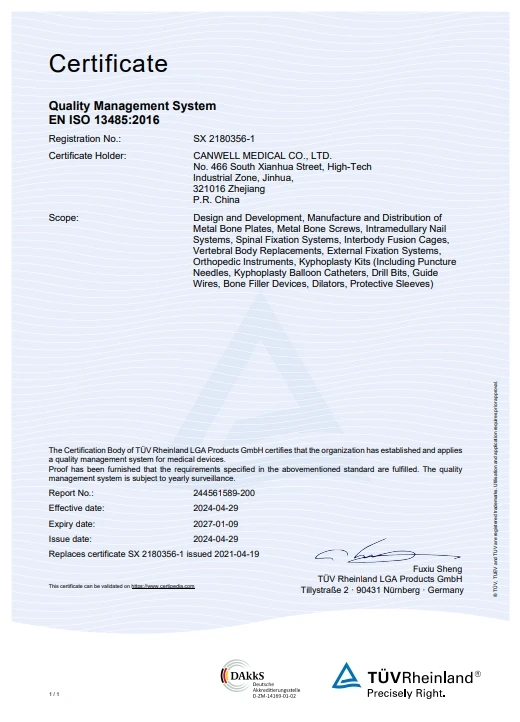
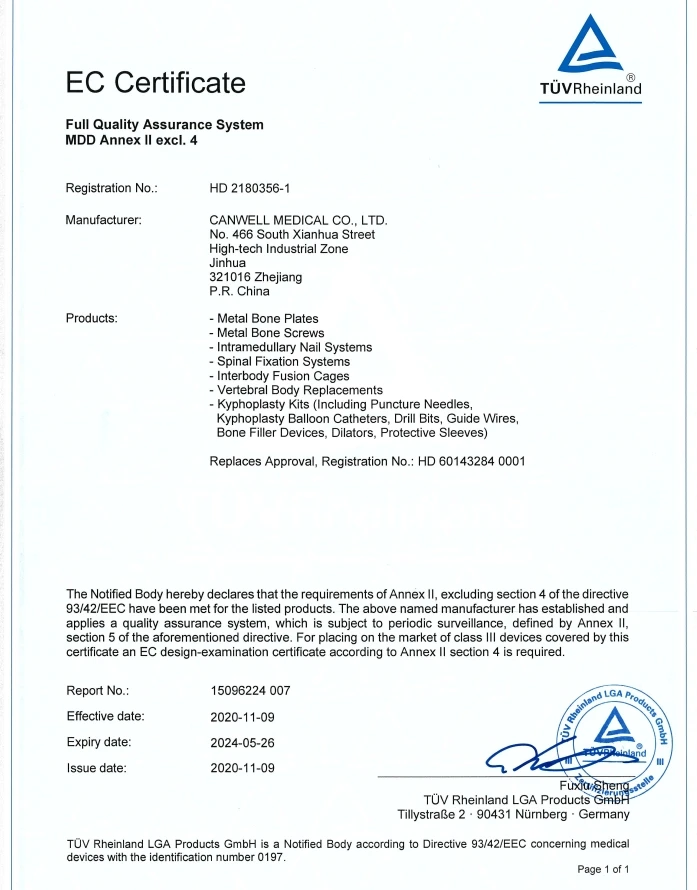
Any medical device or surgical instrument imported into Uruguay must undergo strict validation by the Ministerio de Salud Pública (MSP). The regulatory body assesses the manufacturing quality, raw material traceability, and safety profiles. As a supplier with an active export footprint spanning 22 years globally, including a substantial 30% focus on South American markets, our manufacturing lines adhere strictly to ISO 13485, MDR, and 93/42/EEC directive requirements. This makes registration processes with the MSP straightforward for local Uruguayan distributors.
Furthermore, local hospitals place a strong emphasis on autoclave sterilization compatibility. Instrument trays must endure repeated thermal and pressure cycles without showing signs of stress corrosion, galvanic pitting, or degradation. Our use of premium biocompatible titanium alloys (Ti-6Al-4V ELI) and medical-grade stainless steel ensures that Uruguayan clinical operations remain cost-efficient and patient-safe.
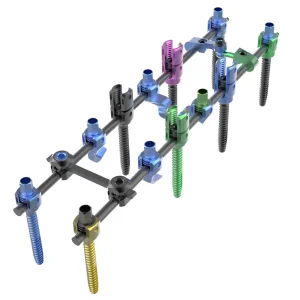
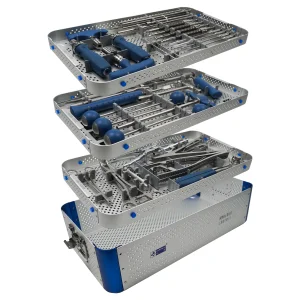
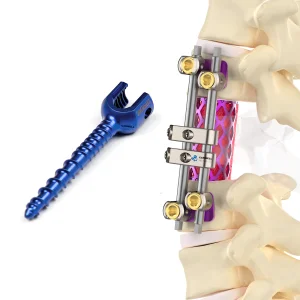
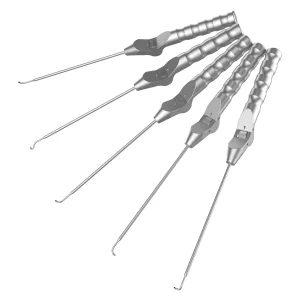
From lumbar pedicle screw fixation to cervical cage installations, modern orthopedic surgeons require instrument systems that provide absolute sensory feedback. When performing a posterior thoracolumbar fixation, the torque wrench, rod benders, and pedicle probes must behave predictably. In response, our research department has designed modular instrument sets that incorporate:
Pioneering the intersection of manufacturing engineering and biomechanical innovation.
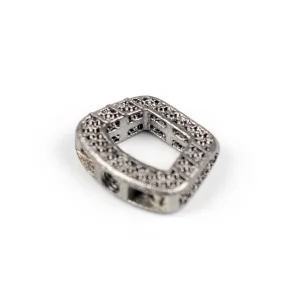
Utilizing advanced electron beam melting (EBM) and selective laser sintering (SLS) to build trabecular mesh networks. These biomimetic structures accelerate osseointegration and promote osteo-conduction, mimicking natural trabecular bone configurations.
Our engineering layouts and raw material traceability protocols conform fully to the European Medical Device Regulation (MDR) standards. This represents a gold standard in patient safety, reducing clinical risks for private clinics throughout Uruguay.
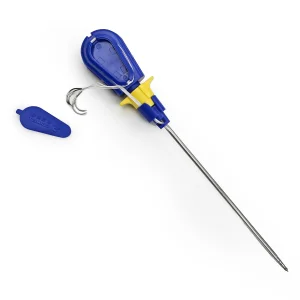
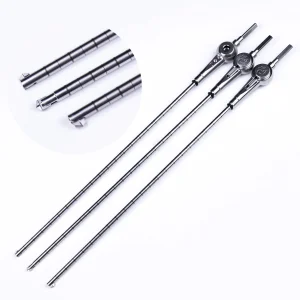
Developing next-generation cannulated screw systems and percutaneous instrumentation. These configurations facilitate smaller incisions, localized placement control, and optimized soft-tissue preservation during thoracolumbar surgeries.
Witness our highly integrated production, machining, and cleanroom quality validation pipelines.
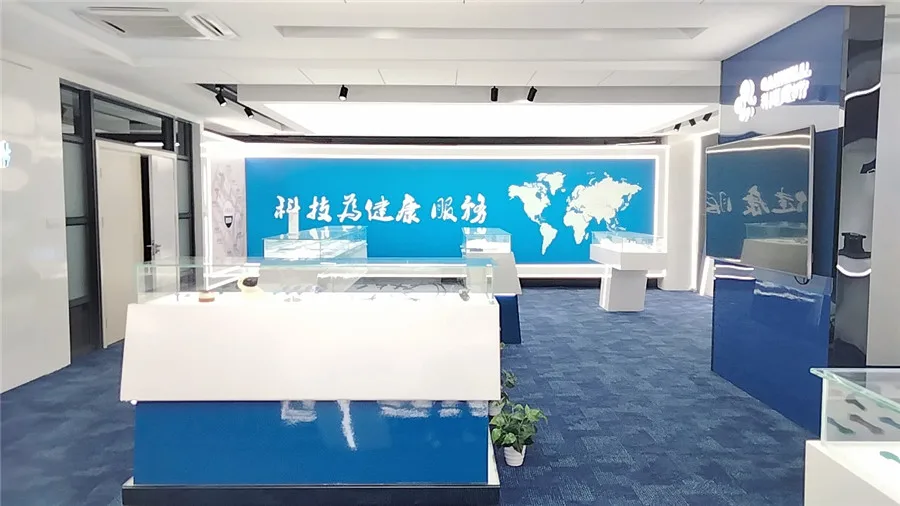
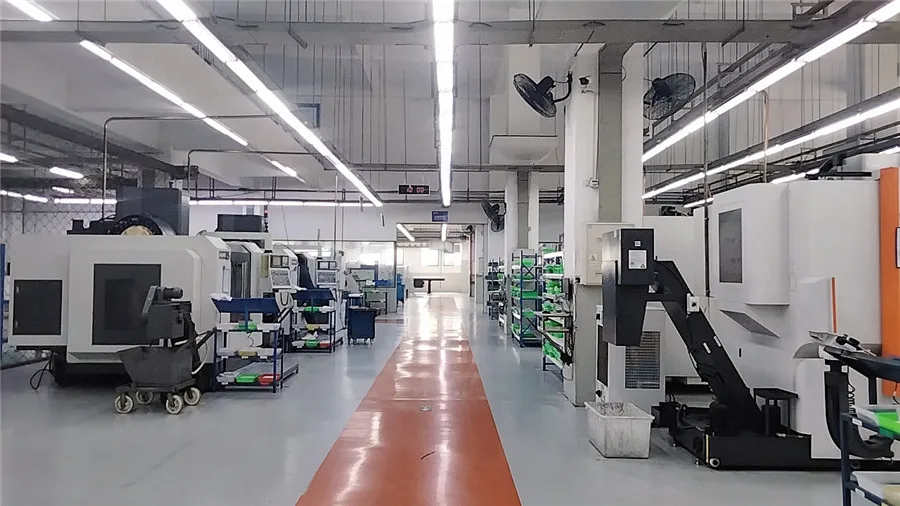
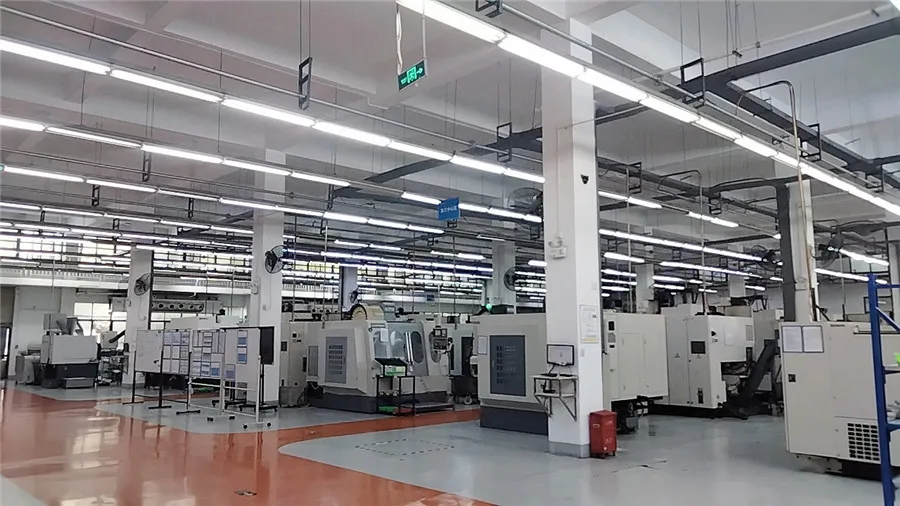
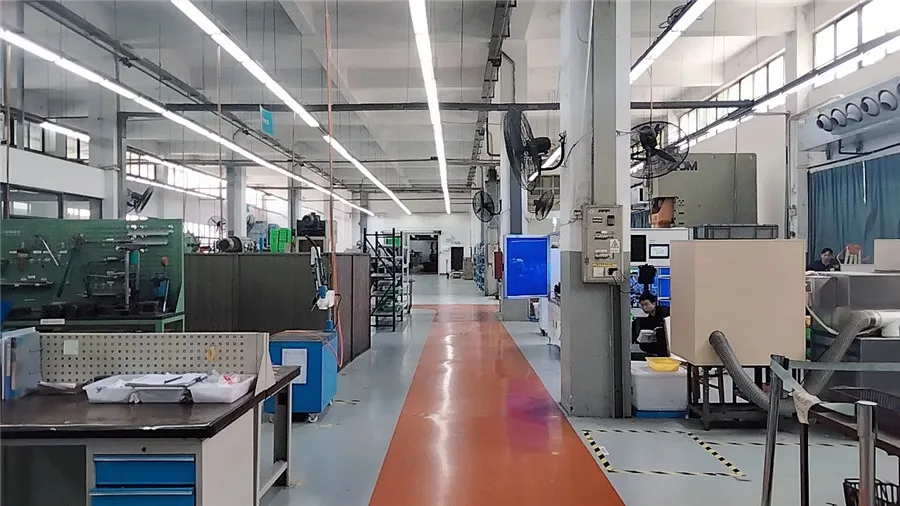
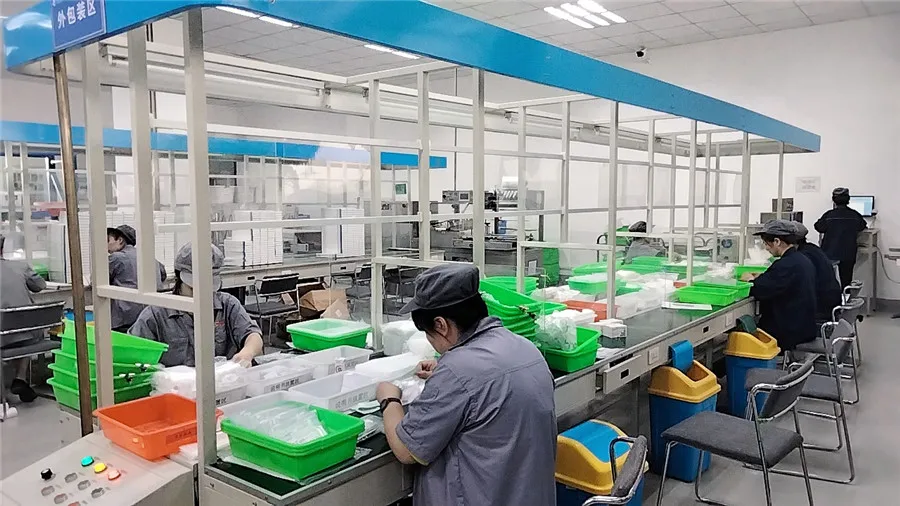
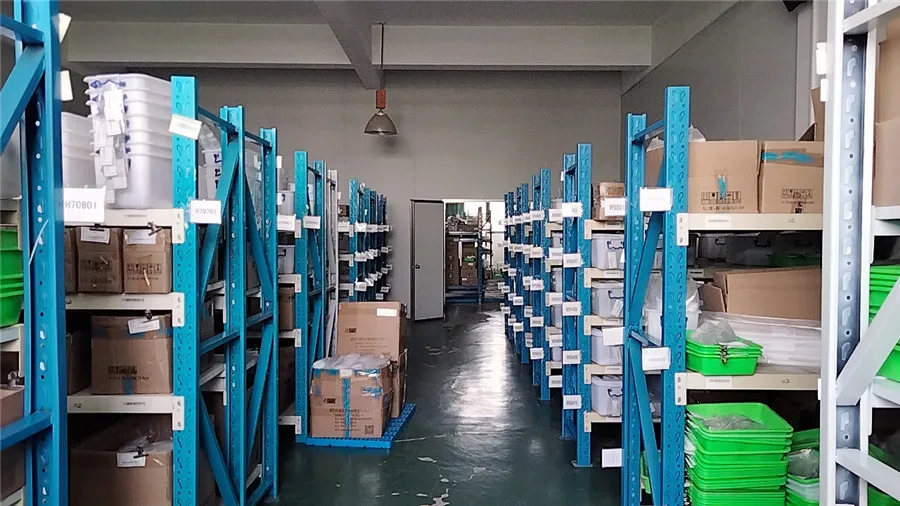
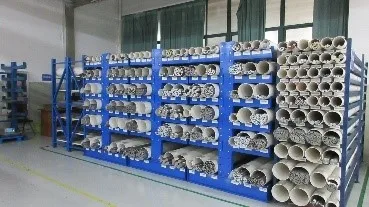
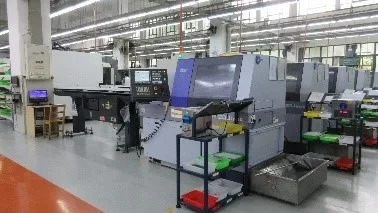
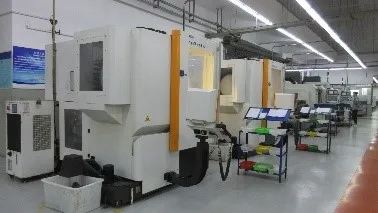
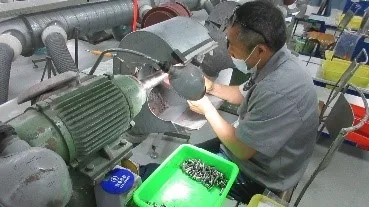


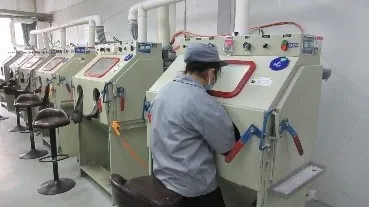



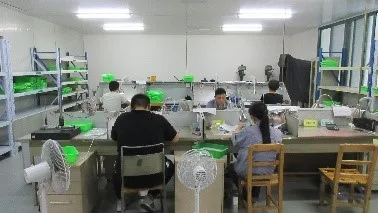



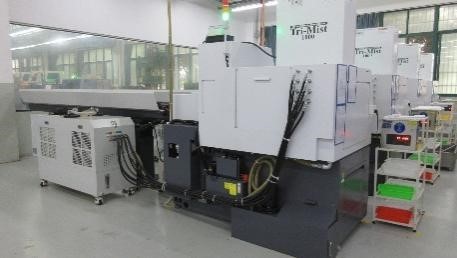
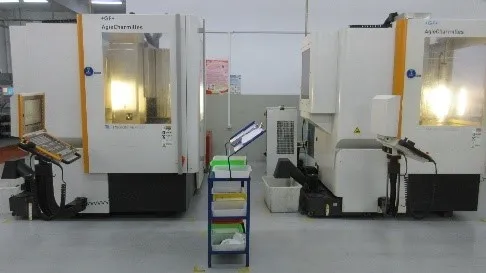
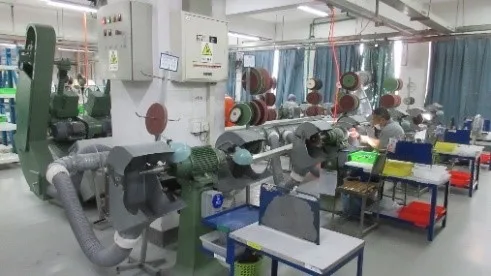


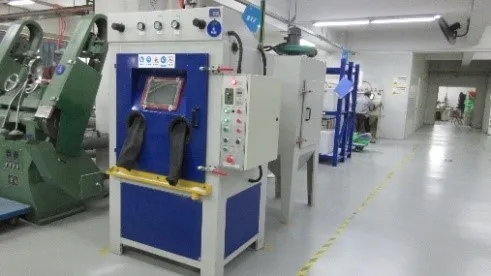


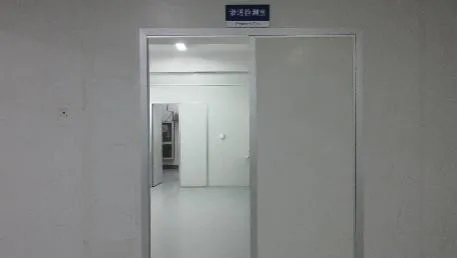
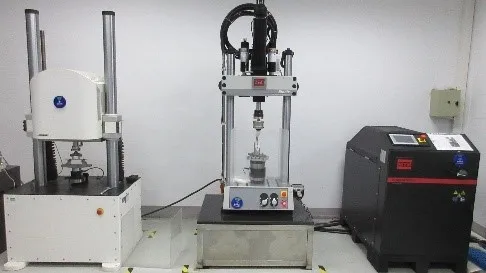

Transparent production capacity and regulatory validation metrics.


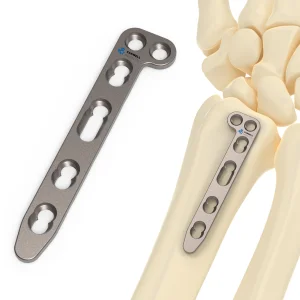
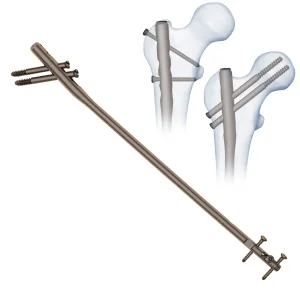
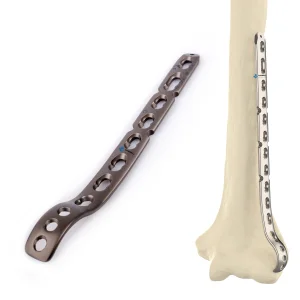
Extend your inventory portfolio with world-class trauma plates, intramedullary nails, and sports medicine kits.
Key insights for surgical procurement managers, importers, and orthopedic distributors in Uruguay.
Upgrade your surgical delivery standards in Uruguay with our precision spine instruments and biocompatible implants.
Start Direct Factory Procurement Harney-Well