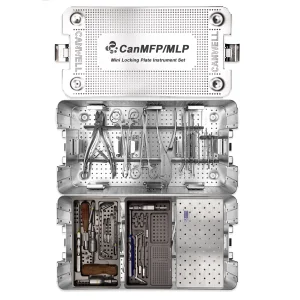
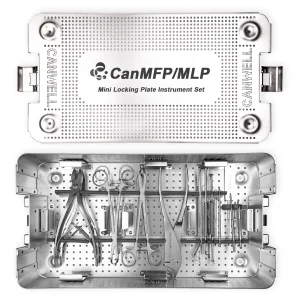
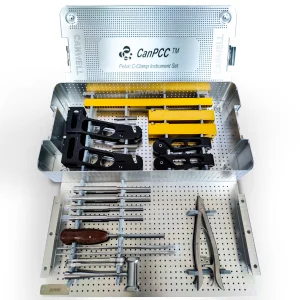
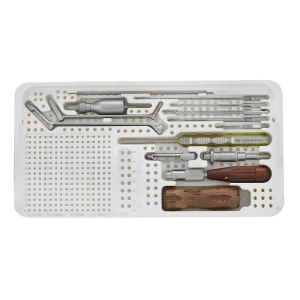
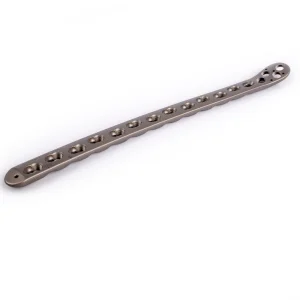
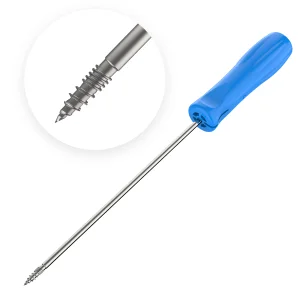
Trauma Instrument Set Manufacturer & Suppliers for Boston

Premium Orthopedic Fixation Systems, Intramedullary Nails, and Surgical Toolkits Certified under MDR & ISO 13485 for Advanced Trauma Centers and Medical Distributors in Massachusetts.

Send Inquiry Now

Boston's Orthopedic & Trauma Clinical Landscape

The Greater Boston area serves as a leading global nexus for medical innovation, clinical practice, and academic medicine. Anchored by prestigious Level I trauma centers such as Massachusetts General Hospital (MGH), Brigham and Women's Hospital, Boston Medical Center (BMC), and Tufts Medical Center, the region maintains an exceptionally high standard of clinical efficacy. For trauma surgeons operating within these high-acuity environments, the availability of reliable, durable, and highly precise trauma instrument sets is a baseline requirement to optimize patient outcomes and minimize intraoperative time.

Furthermore, Boston is home to a dense cluster of medical device distributors, research institutes, and clinical engineering departments. Driven by federal health guidelines and rigorous hospital value analysis committees (VACs), local healthcare buyers must balance clinical performance with economic viability. Our medical-grade orthopedic instrumentation kits address this dual demand, offering direct-from-manufacturer supply chains that meet all metallurgical standards and mechanical tolerances required by US and European regulatory frameworks.

Local Surgical Challenges in New England

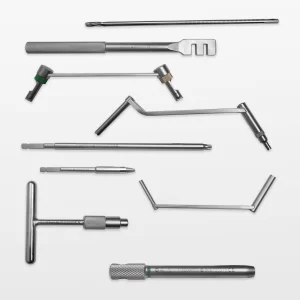
From seasonal orthopedic emergencies associated with winter-related slip-and-fall injuries to high-impact vehicular traumas, New England hospitals process a wide variety of skeletal fractures daily. The surgical instruments supporting these procedures—such as torque limiters, depth gauges, drill guides, and bone clamps—must perform flawlessly under rapid sterilization cycles. Repetitive autoclaving (steam sterilization at 134°C) places significant mechanical and thermal stress on instrument sets. This necessitates advanced material selection, including biocompatible medical-grade stainless steel (SUS316L/SUS630) and anodized titanium alloys (Ti6Al4V ELI), to prevent oxidation, galling, and premature wear.

🧪

Metallurgical Integrity

Utilizing premium raw materials sourced with complete chemical composition traceability. Every instrument set offers high fatigue strength, extreme corrosion resistance, and total biocompatibility.

📐

Micron-Level Tolerance

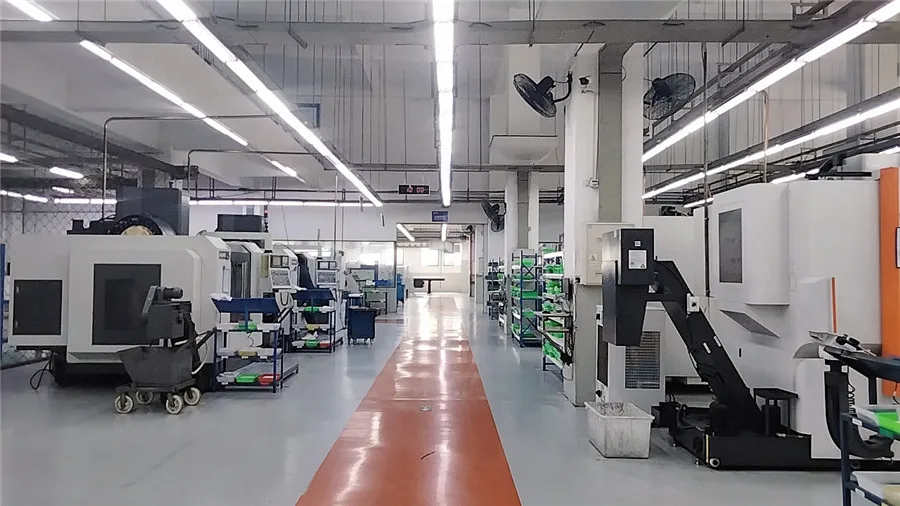
Manufactured using multi-axis CNC milling, Swiss lathes, and EDM cutting to ensure that drill guides, depth gauges, and locking sleeves interface perfectly with implants, minimizing toggle and screw strip-out risk.

Rapid Autoclaving Resilience

Specially treated surfaces (passivation and anodization) engineered to survive hundreds of cycles of hospital-grade steam sterilization without structural degradation or loss of markings.

Technological Roadmaps & Manufacturing Rigor

Modern trauma surgeries—ranging from Open Reduction and Internal Fixation (ORIF) of complex pelvic fractures to intramedullary nailing of proximal femoral fractures—rely on specialized surgical instruments to translate the surgeon's skills into stable structural alignment. Our manufacturing roadmap focuses on biomechanical precision and ergonomic design. Over 22 years of close collaboration with clinical consultants worldwide has allowed us to continually refine the mechanical profiles of our trauma product lines.

Precision Torque Control and Intramedullary Systems

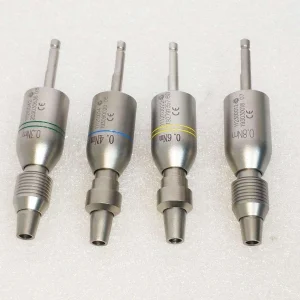
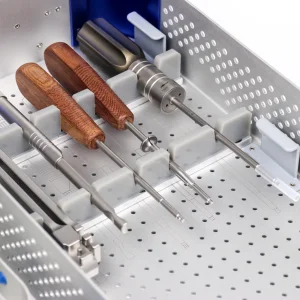
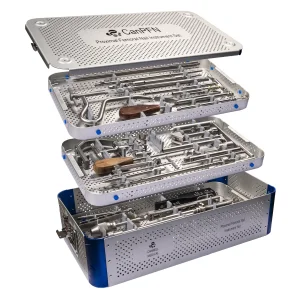
For locking plate systems, torque limiters are vital to prevent the over-tightening of screws, which can compromise the integrity of the locking thread or strip the implant interface. Our calibrated torque-limiting screwdrivers (ranging from 0.3Nm to 1.5Nm) are engineered with slip-clutch mechanisms that deliver tactile and audible feedback once the target torque threshold is achieved. Similarly, our PFN and PFNA intramedullary nailing kits feature robust alignment jigs and target guides to facilitate rapid locking bolt insertion, reducing intraoperative fluoroscopy exposure for both the surgical team and the patient.

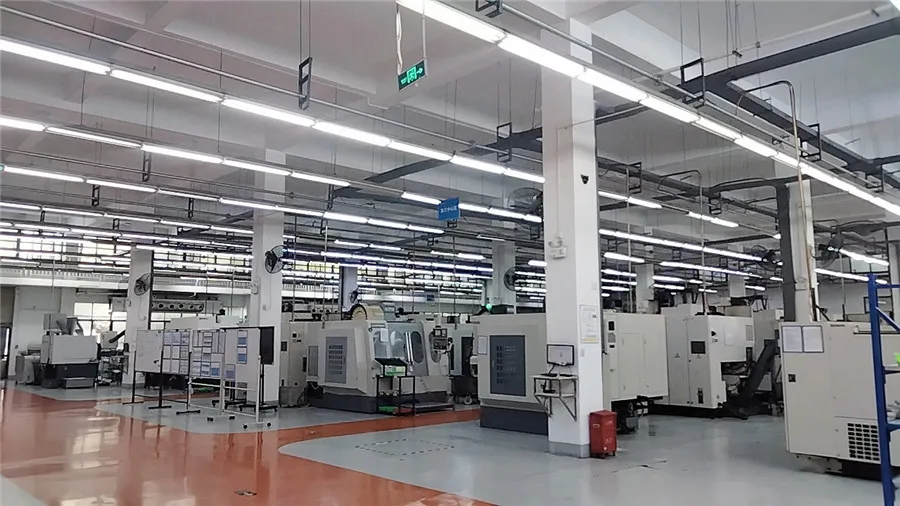
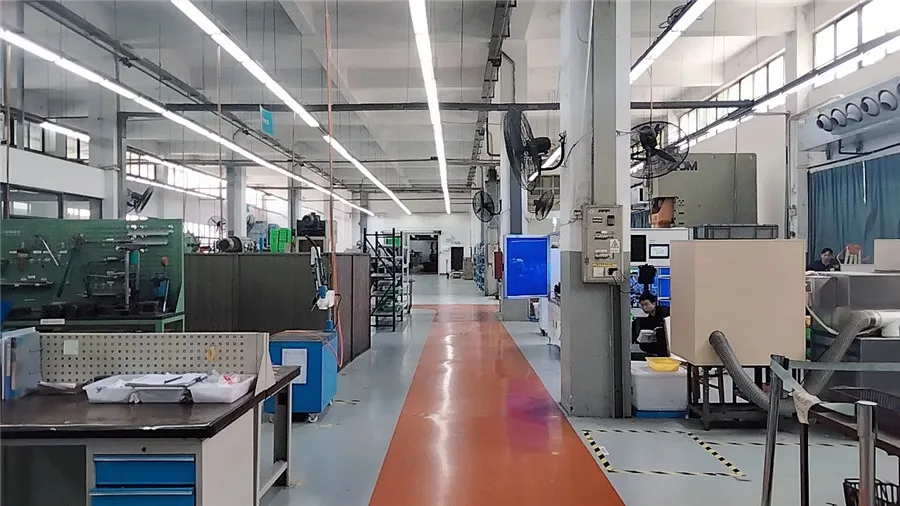
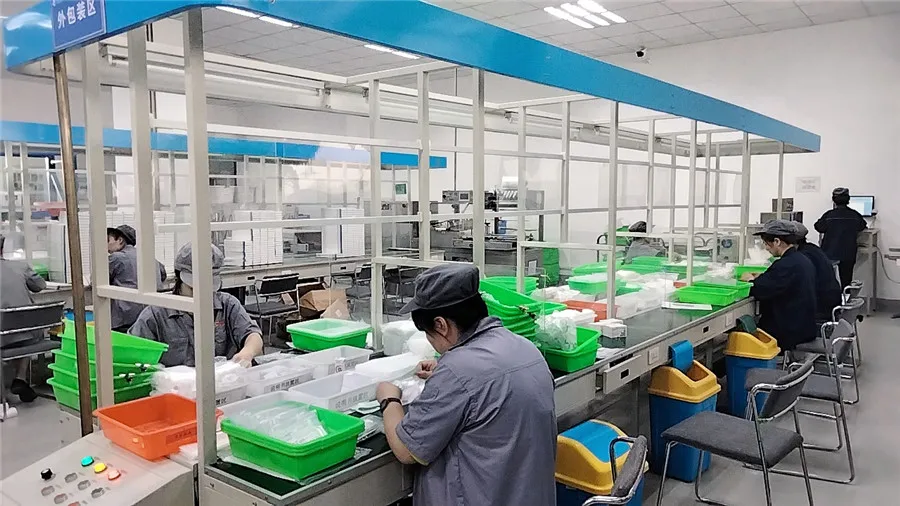
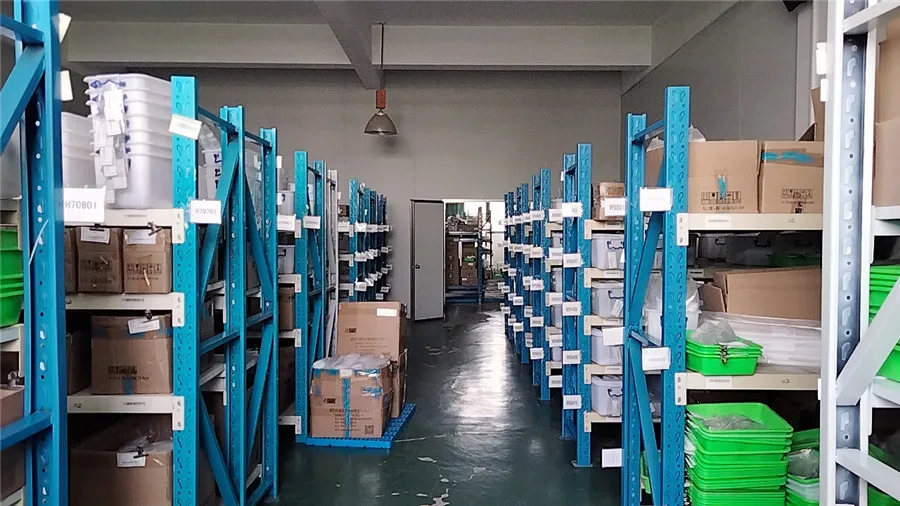
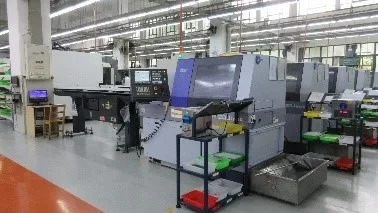
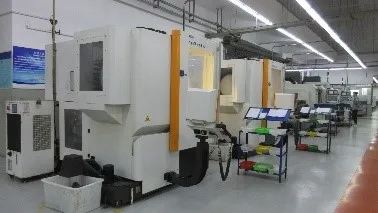
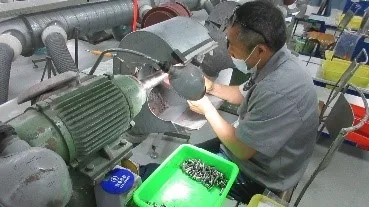
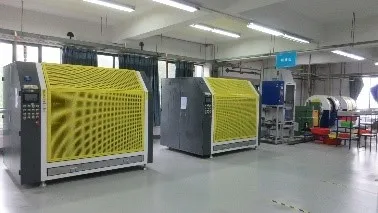
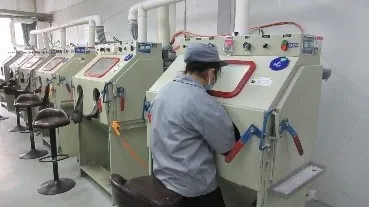
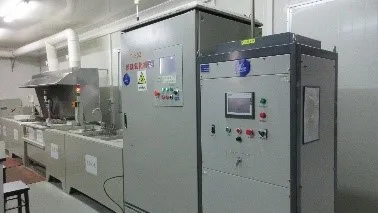
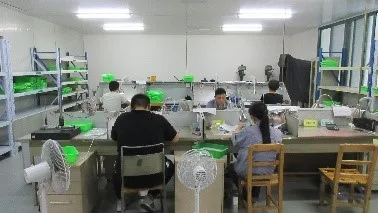
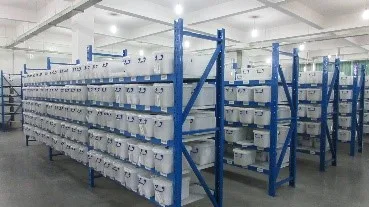
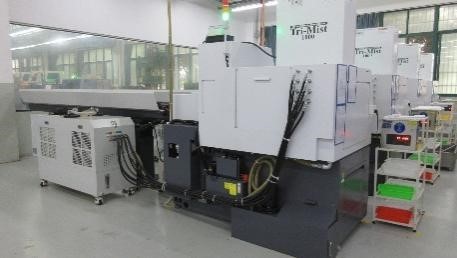
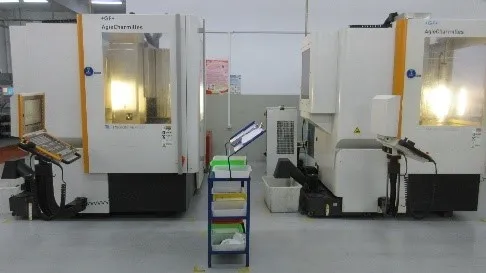
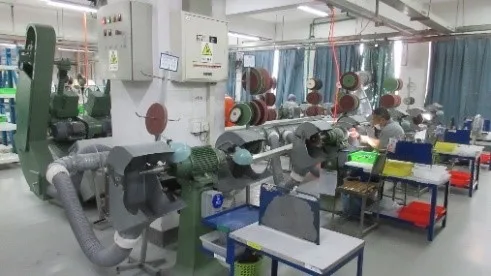
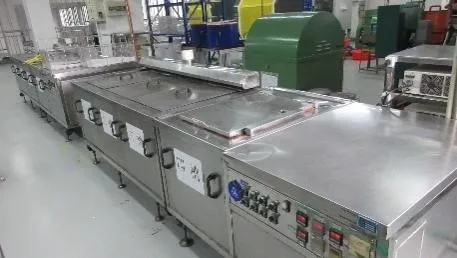
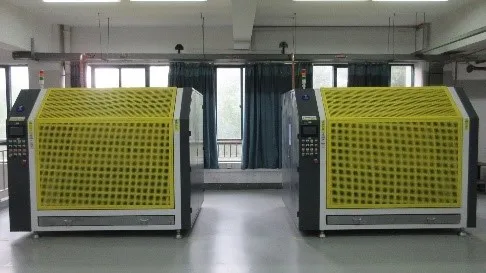
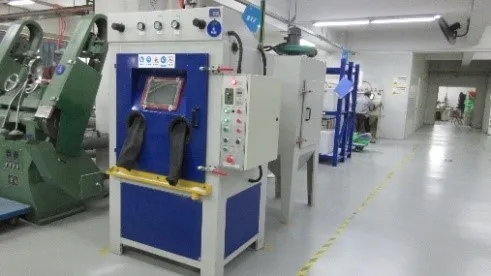
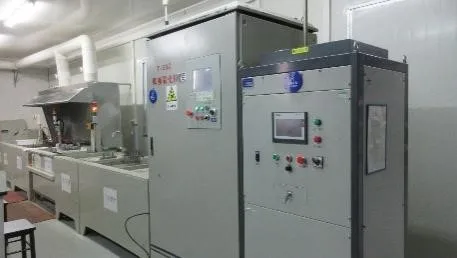
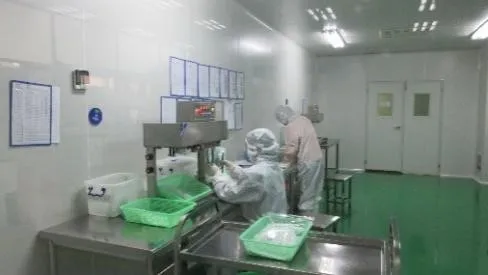
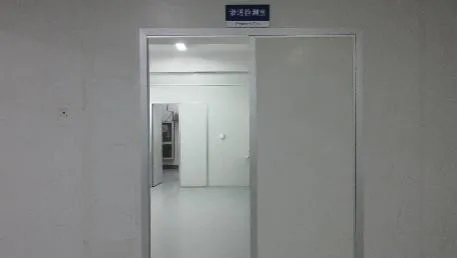
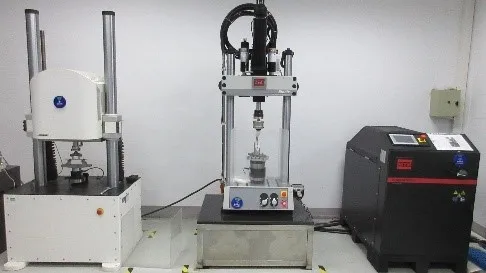
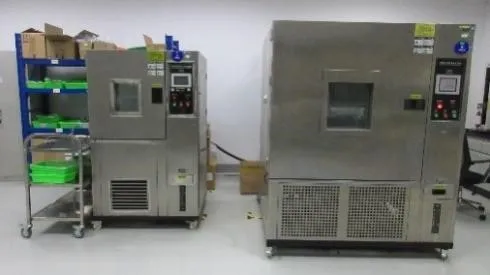
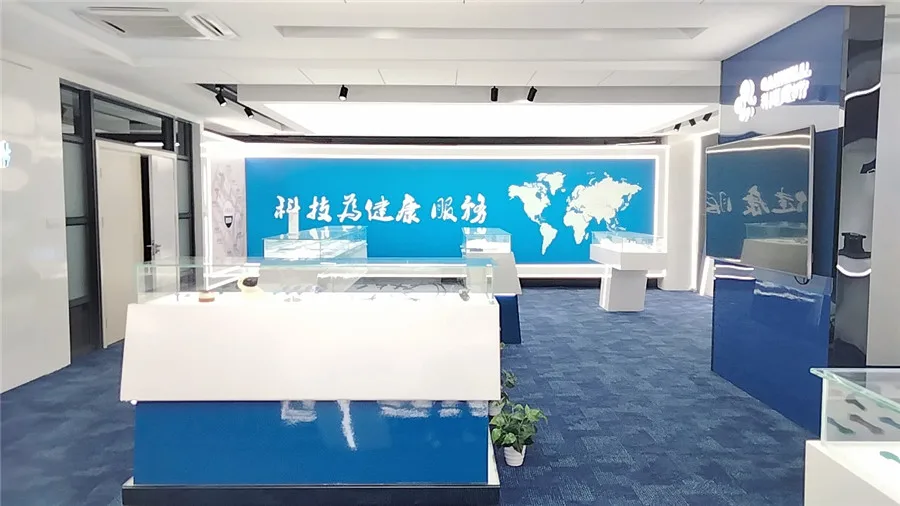
Visual Quality Control & Production Plant Operations

Every stage of our 29,523 m² production facility is monitored by 69 dedicated QA/QC inspectors to ensure compliance with strict international medical device directives.
🏢 Manufacturing Capability & Regulatory Verification

Operations Overview

Established Date: 2004-11-03
Total Facility Area: 29,523 m²
Industry Experience: 22 Years of Medical Manufacturing
Exporting Experience: 22 Years Globally
Main Client Demographics: OEM Brand Partnerships, Regional Wholesalers, Distributors, Hospital Systems

Quality Control & Testing Capacities

Raw Material Traceability: Yes, Full Batch Heat-Number Records Available
Inspection Protocols: 100% In-line QC, Random QA Audits, Custom Customer Protocols
Dedicated QC Inspector Team: 69 Specialists
R&D Engineering Department: 59 Graduate Engineers

International Certifications

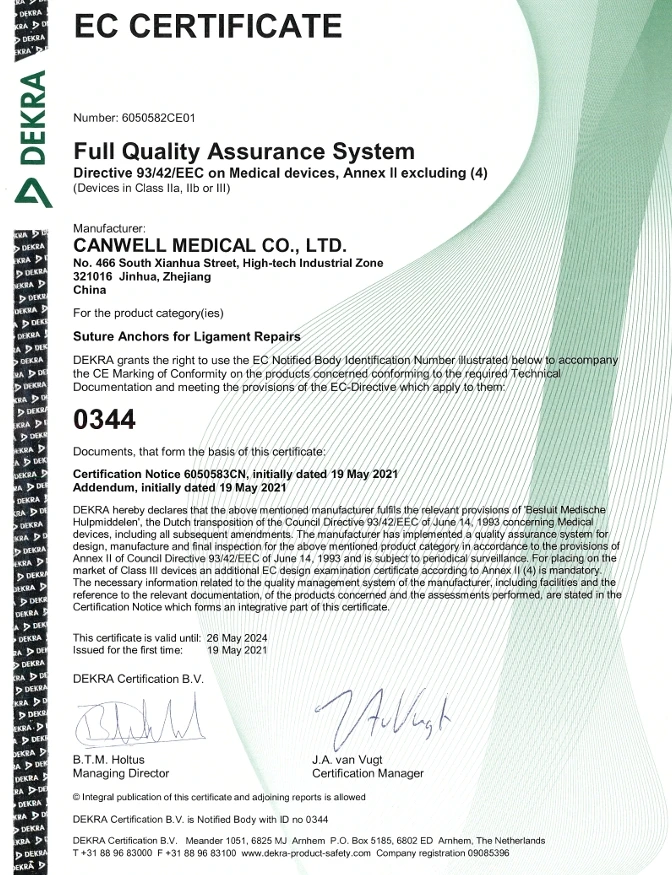
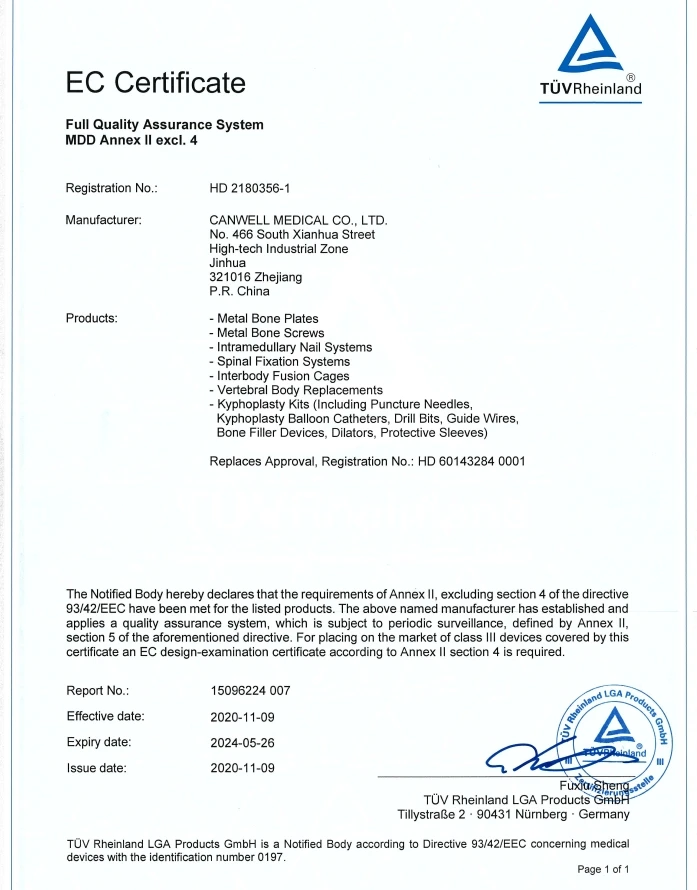
Our facilities and designs comply with stringent European and global safety requirements, enabling hassle-free regulatory processes for our Boston-based buyers.
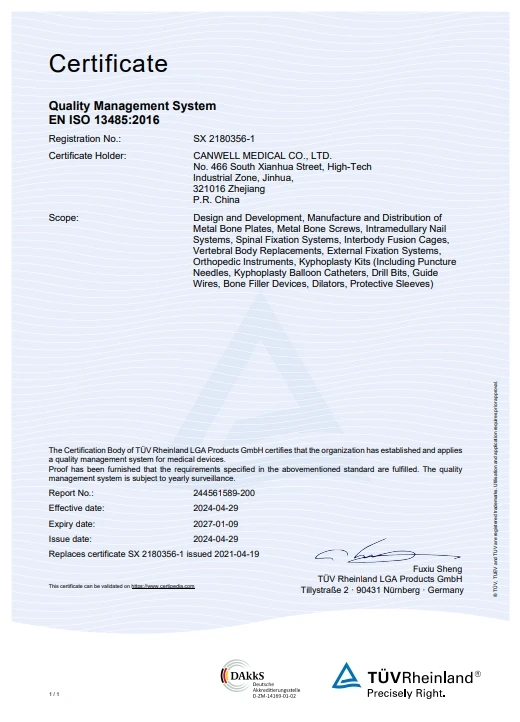
ISO13485 Certificate
ISO13485
SX 2180356-1
93/42/EEC CE Certificate
93/42/EEC
HD 2180356-1
CE Certificate
93/42/EEC CE
6050582CE01
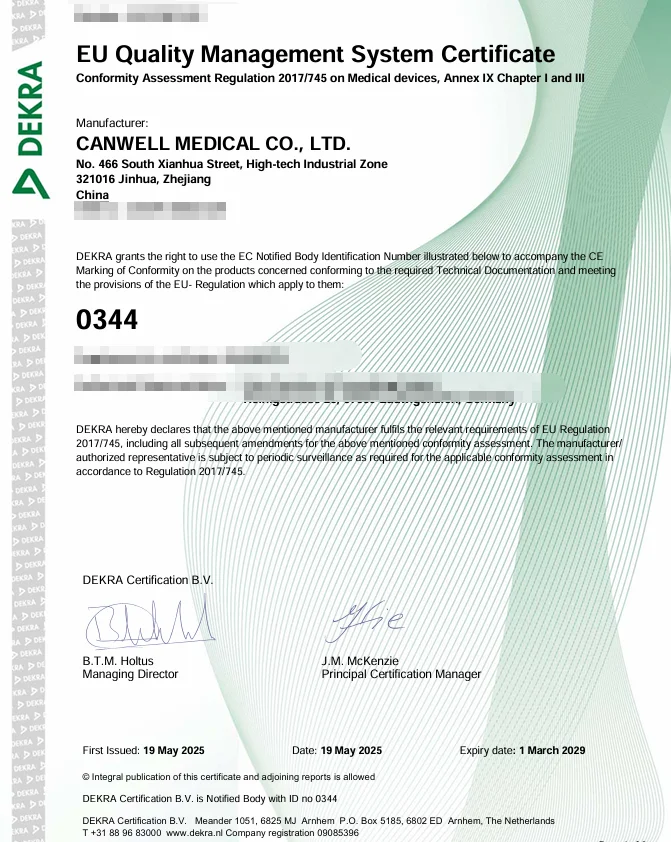
MDR CE Certificate
MDR Certificate
6142788CE02

Supply Chain & Global Footprint

Western Europe Market Share: 20%
Southeast Asia Market Share: 20%
South America Market Share: 30%
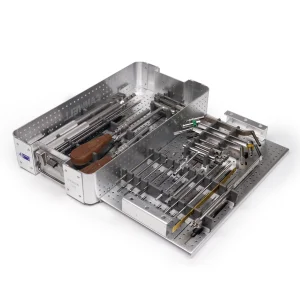
Customization Options: OEM/ODM, Laser Etching, Custom Instrumentation Jigs, Specialized Kit Organization

Supply Chain Resilience: Importing from China to Massachusetts

In the wake of recent supply chains disruptions in the medical device sector, clinical administrators in Boston emphasize supply chain resilience. Traditional domestic suppliers often struggle with backorders for niche instrument sizes or specialty torque limiters. Our factory mitigates these concerns through scaled manufacturing capacity and vertically integrated supply chains, ensuring constant stock levels for distributors and clinical settings.

Streamlined Delivery to Boston and New England Ports

Shipping to Boston, whether via Boston Logan International Airport (BOS) for express air consignments or the Port of Boston (Conley Terminal) for high-volume sea shipments, is handled by our dedicated export team. We maintain deep partnerships with tier-1 international freight forwarders, offering full customs assistance, pre-clearance documentation, and complete compliance verification. This reduces lead times and minimizes the risk of port holds, allowing Boston-based distributors to maintain lean inventory setups with predictable replenishment schedules.

  • Direct Air Cargo: Fast-track delivery for custom OEM/ODM tool configurations and immediate stock replenishments, arriving at BOS within 5 to 7 business days.
  • Consolidated Maritime Freight: Cost-efficient shipping for bulk instrumentation trays and matching implant lines, routed through East Coast ports for seamless logistics.
  • FDA-Compliant Labeling & UDI: Every component is marked with Unique Device Identification (UDI) codes, supporting automated inventory tracking and compliance checks at the hospital level.

22+

Years of Global Export Experience

59

Graduate R&D Engineers

69

On-Site QA/QC Inspectors

29,523㎡

High-Capacity Smart Factory

Future Outlook: Next-Generation Trauma Instrumentation

The field of orthopedic trauma surgery is rapidly advancing toward computer-assisted navigation, surgical robotics, and minimally invasive techniques. As a forward-looking manufacturer, our R&D pipeline is aligned with these technological developments to prepare tomorrow's operating rooms for upcoming clinical challenges:

  • Smart Torque Instrumentation: Integration of digital sensors within handpieces to record tightening history and send telemetry data directly to hospital EHR systems.
  • Composite Carbon-Fiber Construction: Incorporating radiolucent carbon fiber into targeting jigs to prevent visual obstructions during intraoperative X-ray and C-arm imaging.
  • Environmentally Conscious Cleaning Cycles: Optimization of tool geometry to ease automated washers-disinfectors (AWD) cleaning, reducing hospital water use and chemical exposure.

Complete Trauma & Orthopedic Product Portfolio

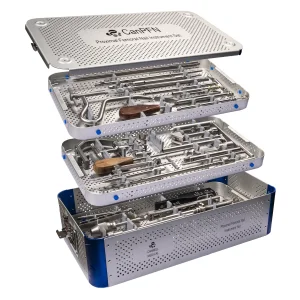
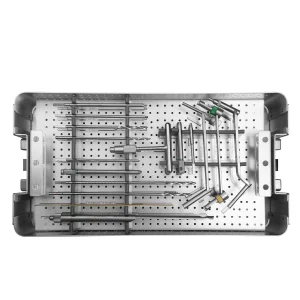
Explore our complete catalog of CE/ISO-certified trauma systems, specialized plates, intramedullary nails, and biomechanical instrumentation.
Frequently Asked Questions & Procurement Insights

In-depth responses detailing regulatory, structural, and chemical standards of our trauma instruments for New England hospitals.

1. What materials are used to construct CANWELL trauma instrument sets?
Our trauma instrument sets are manufactured using high-grade biocompatible metals. For components requiring maximum tensile strength and hardness (such as drill bits, bone taps, and screwdrivers), we use medical-grade Martensitic or Precipitation Hardening stainless steel (e.g., SUS630, SUS316L). For lightweight handpieces and targeting templates, we utilize anodized Ti6Al4V ELI (Grade 5 Titanium) to provide high fatigue limits and resist chemical degradation during autoclaving.
2. How do you guarantee the calibration accuracy of torque-limiting screwdrivers?
Each torque limiter is calibrated on specialized torque calibration analyzers. Our instruments (ranging from 0.3Nm to 1.5Nm) maintain a tolerance deviation of less than ±5%. We provide test calibration reports with each batch, allowing clinical engineers in Boston health systems to easily log quality verification data.
3. Are CANWELL trauma instrument sets compatible with other global AO standard implant brands?
Yes. Our trauma surgical sets are designed around international AO-style configurations. This ensures complete system interchangeability: our screwdrivers, drill guides, and depth gauges interface reliably with implants from major global manufacturers, reducing system friction in orthopedic ORs.
4. What quality control steps are taken at your 29,523 m² production plant?
We employ a team of 69 QC inspectors who oversee every phase of production. We use coordinate measuring machines (CMM) and optical comparators to verify tolerances down to the micron. Every batch is subjected to corrosion testing (boiling tests) and mechanical stress testing to simulate the conditions of long-term hospital reuse.
5. What is the typical lead time for shipping instrument sets to Boston?
For standard kits in stock, dispatch occurs within 3-5 working days. Air freight routes directly to Boston Logan Airport (BOS), with custom clearance typically completed within 7-10 days. Bulk OEM sea shipments arrive via the Port of Boston, requiring about 30-40 days for transit and delivery.
6. Do your products hold MDR certifications for import into strict markets?
Yes, our trauma and spinal implant lines and related instrumentation are CE certified under MDR (Regulation (EU) 2017/745) with registration number 6142788CE02. Our facility operates under ISO 13485 (SX 2180356-1) quality management systems, facilitating smooth compliance reviews for international hospital systems.
7. Can we request custom-labeled or bespoke configuration trays for our distributors?
We provide full OEM and ODM customization services supported by our 59 graduate R&D engineers. We can customize the instrument tray layout, modify handle geometries for surgeon preference, and laser-etch your company logos and custom UDIs onto each instrument.
8. How do you prevent corrosion and rust from repeated autoclaving?
We apply an advanced chemical passivation process (nitric or citric acid passivation) to all stainless steel instruments. This removes free iron from the surface and builds a chromium oxide passive layer, protecting the metal from rust and degradation during high-temperature steam sterilization cycles.
9. What is your policy on raw material traceability?
We maintain strict raw material traceability records. Every batch of titanium or stainless steel bar stock is delivered with mill test certificates (MTC) detailing its chemical composition and mechanical properties. This data is linked to the batch number laser-etched onto each finished tool.
10. Do you provide surgical technique guides and reprocessing instructions?
Yes. Every trauma set is accompanied by clear, step-by-step reprocessing instructions (detailing cleaning, disinfection, and sterilization parameters) and clinical technique guides. This documentation supports local Central Sterile Processing Departments (CSPD) in keeping sets clean and functional.

Partner with a Certified Trauma Instrument OEM Expert

Whether you represent a major Boston-based medical distributor or purchase for a hospital system, our engineering team is ready to deliver precise, high-performance trauma kits tailored to your requirements.

Send Inquiry Now