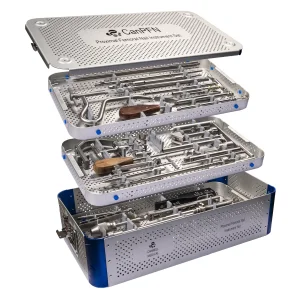
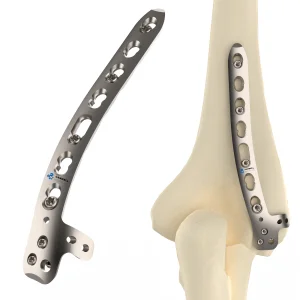
High-performance surgical instrumentation optimized for bone fixation, fragment reconstruction, and precise intraoperative handling.
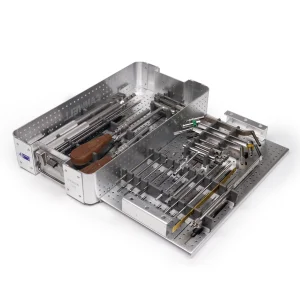
New Zealand's healthcare system is undergoing its most significant structural reform in a generation, consolidating 20 District Health Boards (DHBs) into a unified national agency: Te Whatu Ora (Health New Zealand). This centralization aims to standardize patient care pathways, remove regional clinical variance, and optimize public sector procurement through centralized medical device registries.
For clinical procurement directors and orthopedic coordinators, this means medical devices—particularly trauma instruments and implant systems—must undergo stringent review pathways. In New Zealand, all medical devices must be registered under the WAND (Web-based Database for Medical Devices) system database managed by Medsafe. Any clinical tool utilized in operating theatres from Auckland City Hospital to Christchurch Hospital must showcase clear regulatory alignment, high durability metrics, and reliable sterilization validation cycles.
Furthermore, New Zealand's geographic isolation presents distinct supply chain vulnerabilities. Operating theaters require trauma instrument configurations that exhibit standardized compatibility with AO principles (Arbeitsgemeinschaft für Osteosynthesefragen) to facilitate seamless multi-vendor implant configurations. The demand for robust, surgical-grade stainless steel and biocompatible titanium instrument sets is growing rapidly to meet the surge in elective orthopedic recovery surgeries and high-impact sports injury treatments.
Ensuring seamless compliance protocols for registration in the New Zealand medical database.
Fully compatible with AO-standard drill guides, locking screw sleeves, and depth gauges.
Tailored logistics networks designed to secure continuous supply lines to Auckland, Wellington, and Christchurch.
Over two decades of audited clinical-grade manufacturing, backed by international regulatory bodies.
Operating a specialized manufacturing center, our orthopedic trauma instrument systems and implants have served global healthcare markets for over 22 years. The facility integrates design, prototyping, cleanroom packing, and mechanical validation testing under a unified quality architecture.
| Accepted Languages | English, Spanish, Chinese |
| R&D Personnel | 59 Graduate Engineers |
| Traceability systems | Raw Material Heat Number + Laser-etched UDI |
| Customization Scope | Light Customization, Sample Processing, Graphic/CAD Design |
To qualify for procurement inside New Zealand public systems, orthopedic hardware must fulfill strict verification standards. Our manufacturing processes are fully certified to address high-risk clinical requirements.
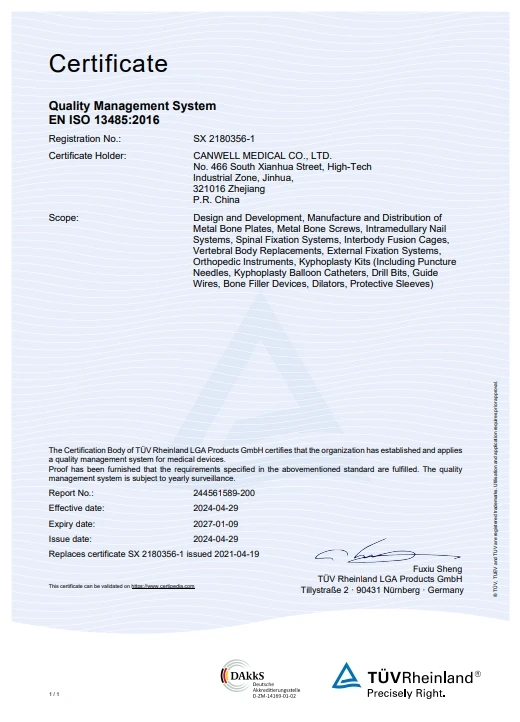
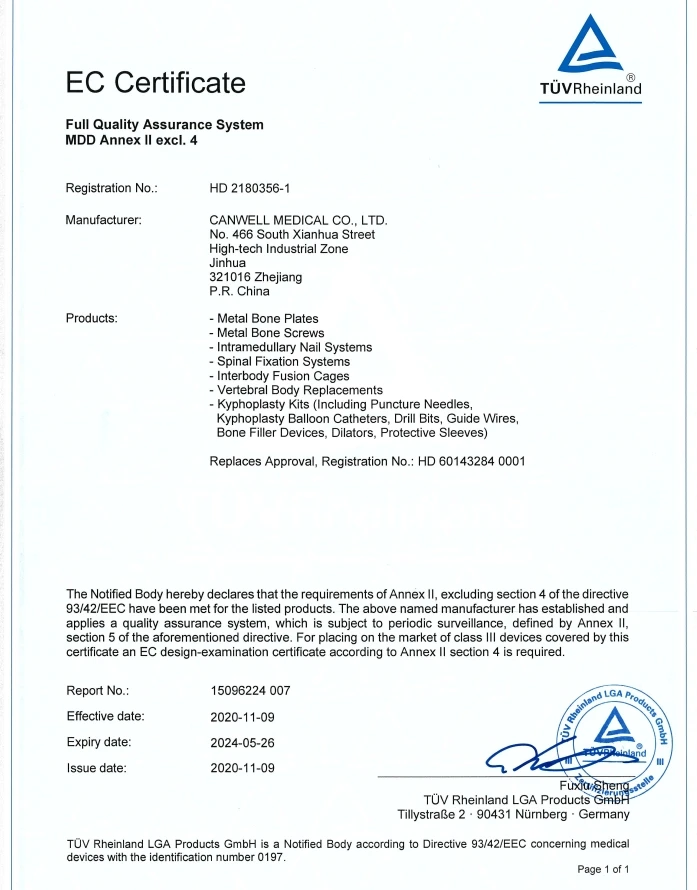
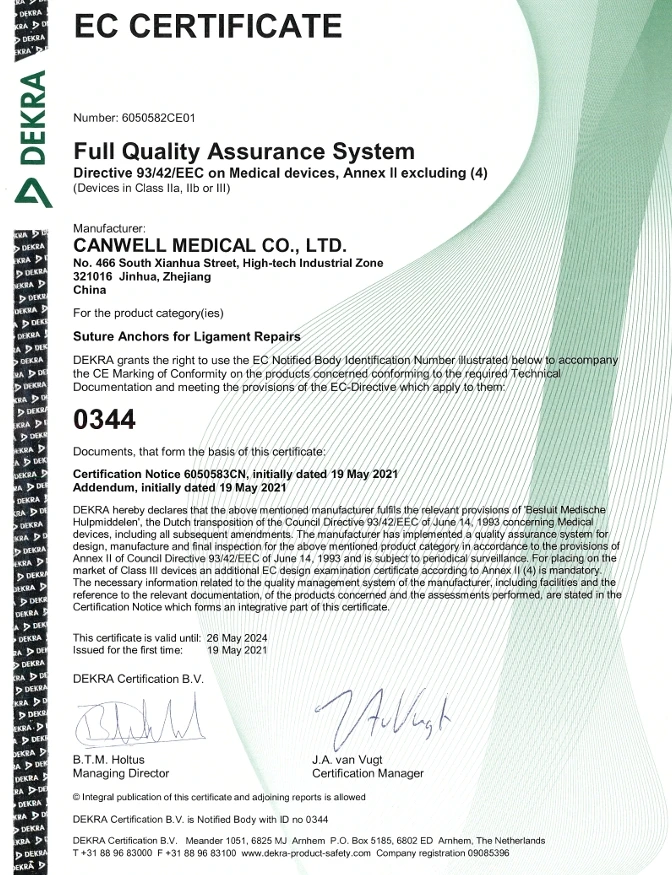
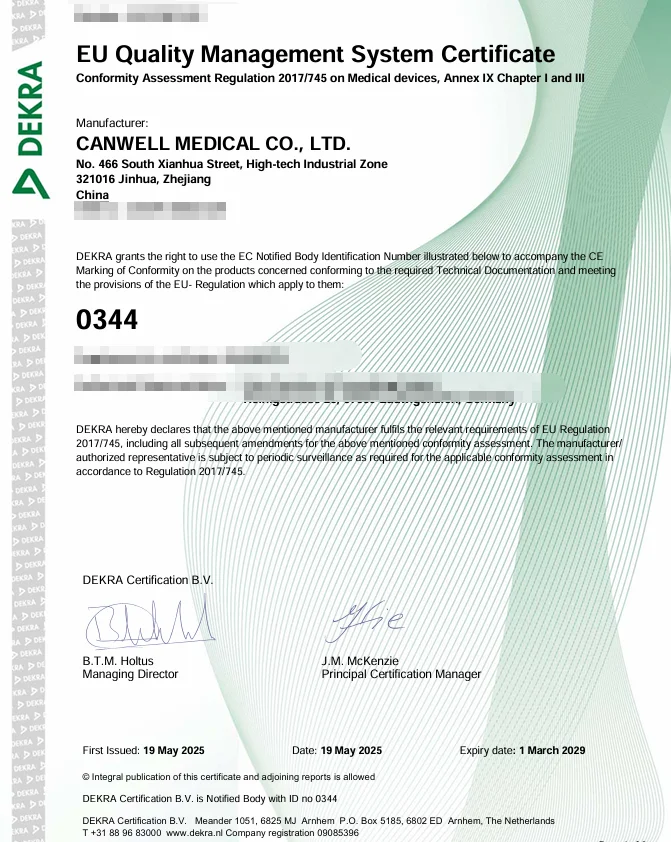
How our smart manufacturing capabilities solve procurement bottlenecks and pricing pressures for New Zealand distributors.
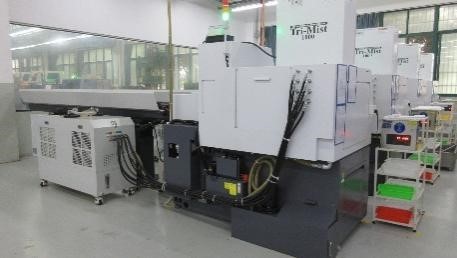
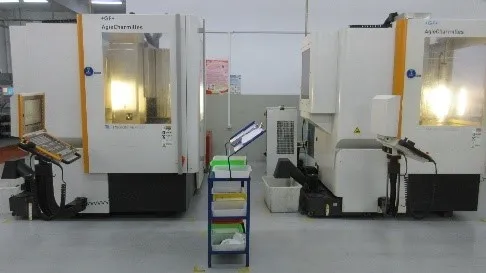
In the medical device supply chain, consistency is non-negotiable. Traditional manufacturing setups often suffer from tool wear variation, casting defects, or manual machining discrepancies. Our facility employs advanced Factory 4.0 concepts, integrating high-precision five-axis CNC machining centers, automated robotic EDM (Electrical Discharge Machining) systems, and real-time sensor monitoring to eliminate human error.
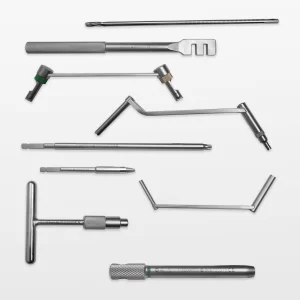
Our 69 QA/QC inspectors utilize coordinate measuring machines (CMM) and digital profile projectors to verify tolerances down to the sub-micron level. This guarantees that torque-limiting drivers, depth gauges, and screw-locking sleeves align perfectly with implant geometries, preventing intraoperative stripping or misaligned implant-plate interfaces.
For the New Zealand healthcare sector, which operates on defined budgets under Te Whatu Ora, balancing cost-efficiency with high safety profiles is essential. By cutting unnecessary middleman markups and sourcing directly from a Factory 4.0 manufacturer, procurement hubs can achieve significant budget optimization without compromising clinical standards.
Furthermore, we offer complete OEM customization. With 59 graduate R&D engineers, we can modify standard instrument handles, develop dedicated sports medicine drill guides, and engrave local health-board-specific tracking QR codes directly on the instruments using fiber laser-marking systems.
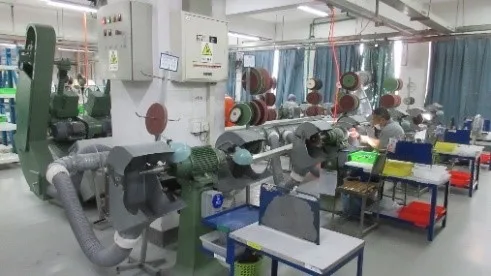
Take a virtual walk through our advanced production lines, automated testing, and validation chambers.
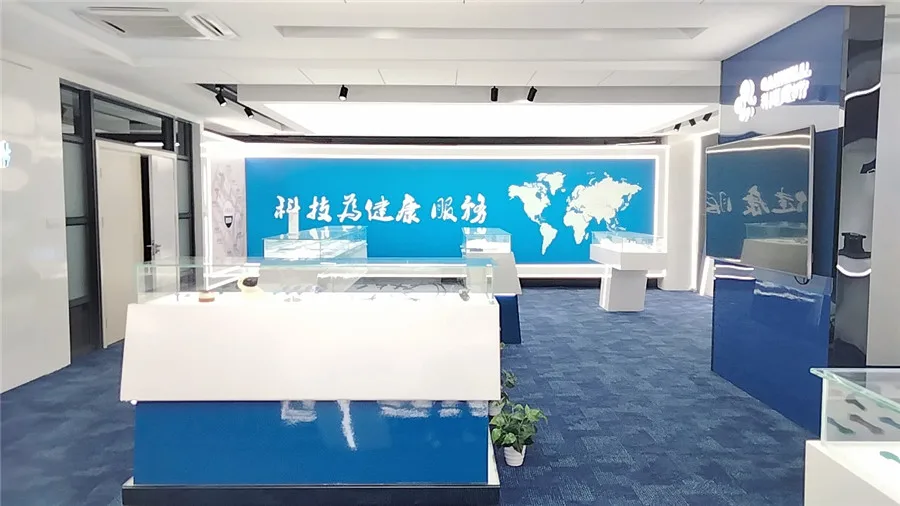
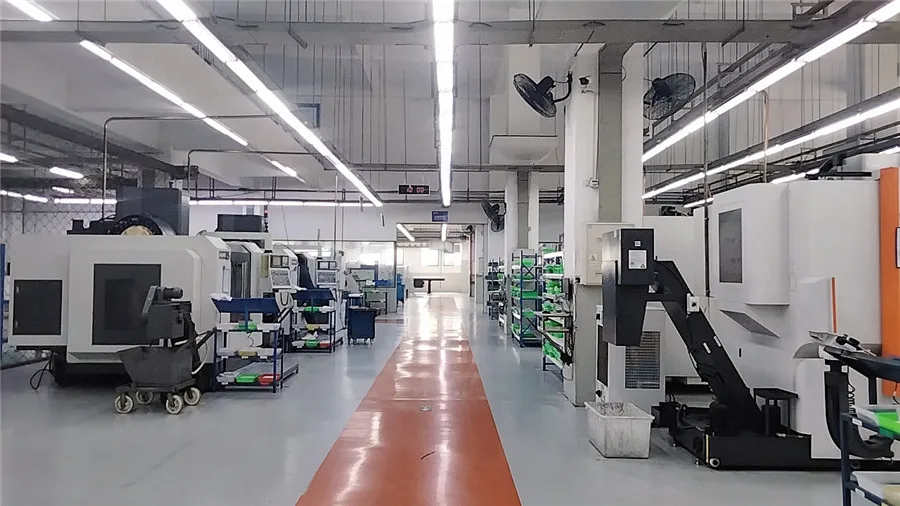
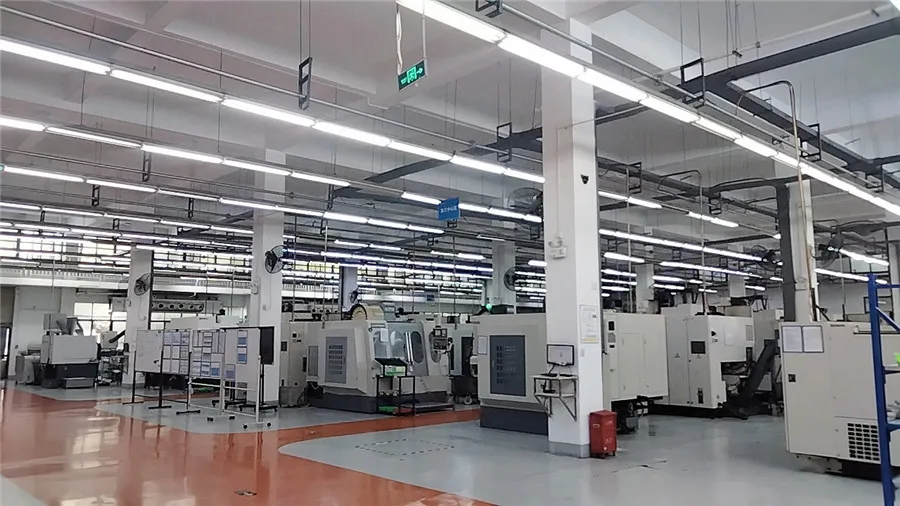
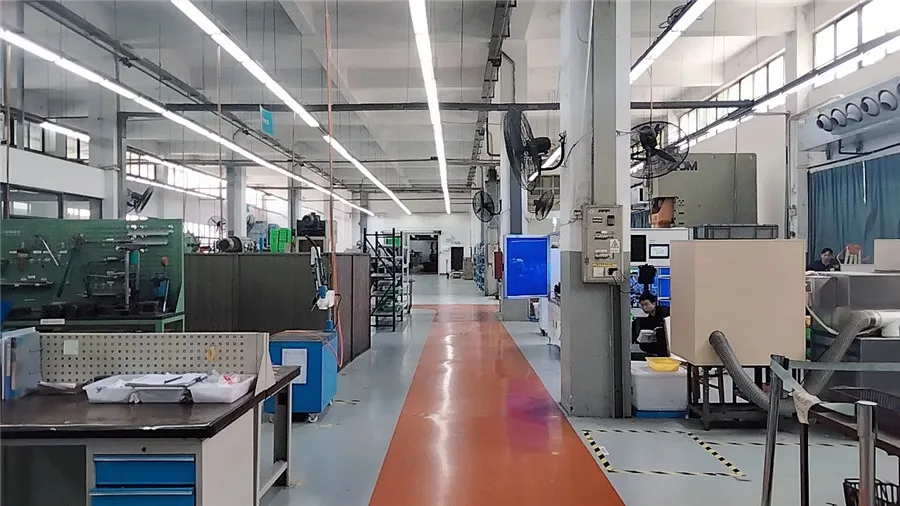
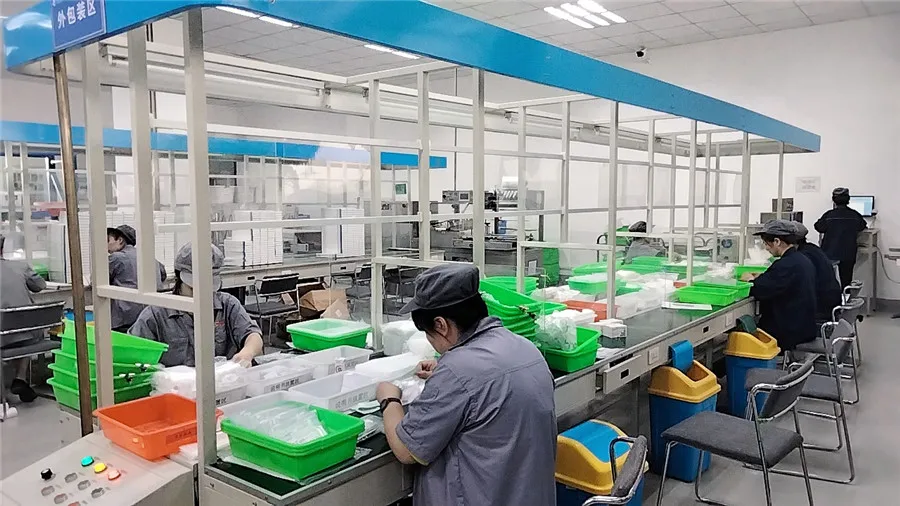
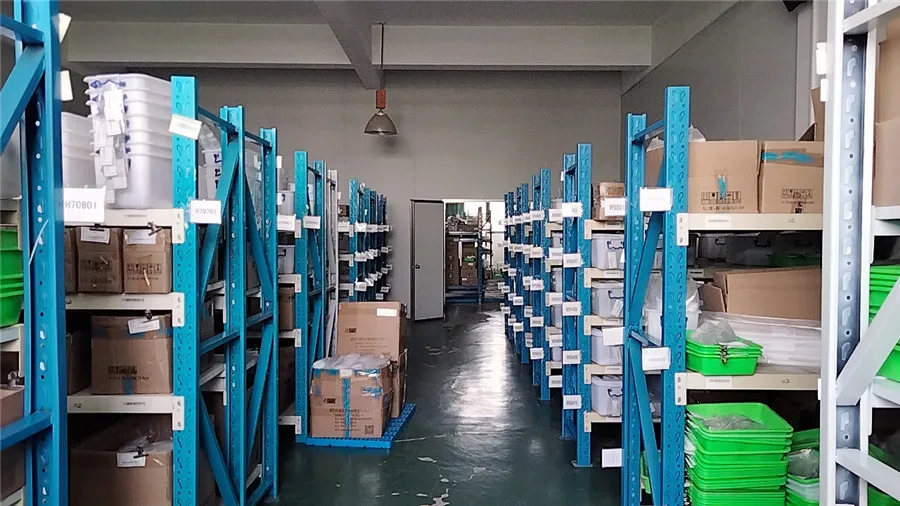
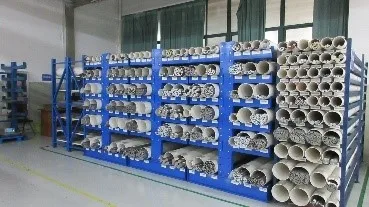
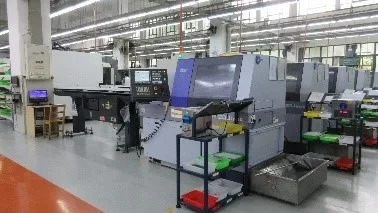
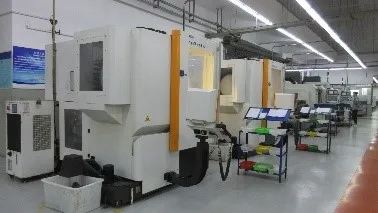
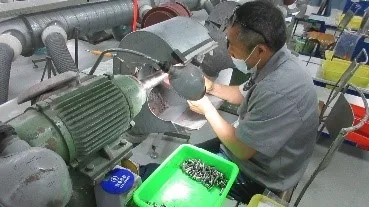
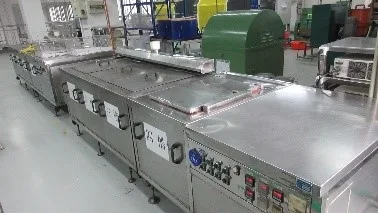
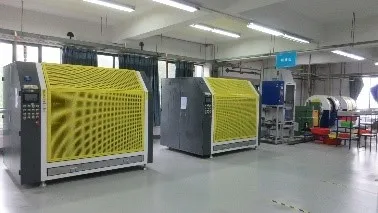
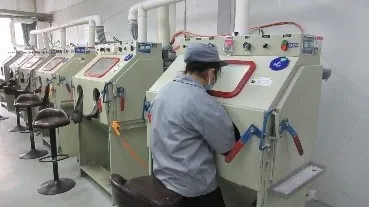
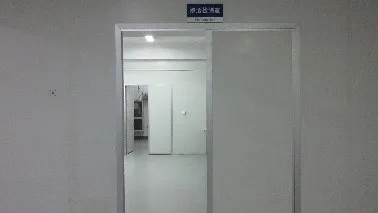
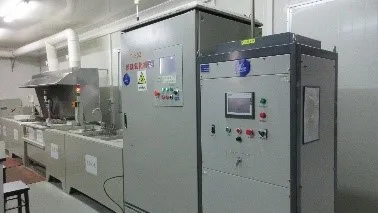
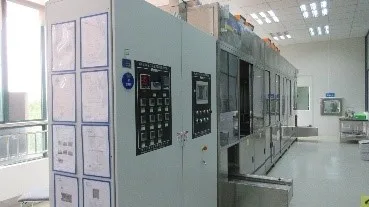
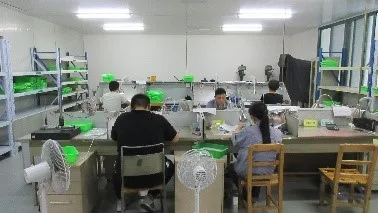
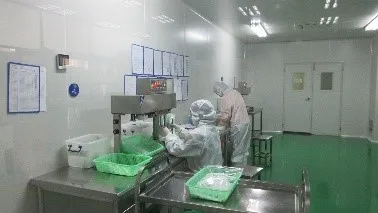
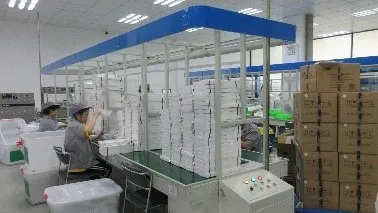
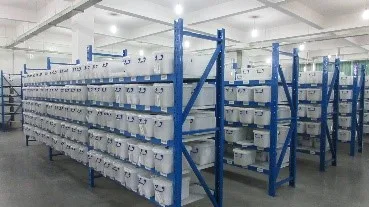
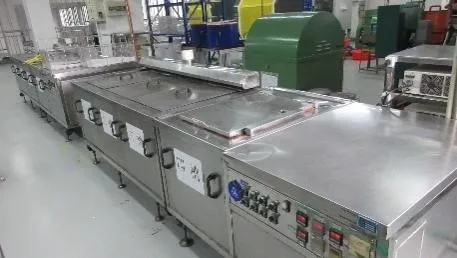
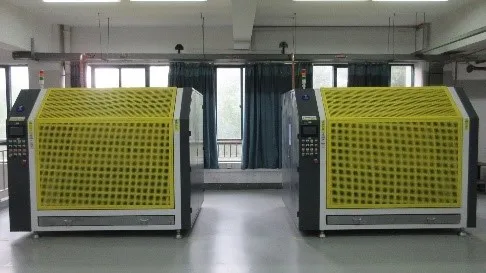
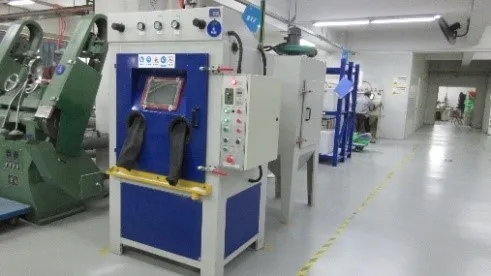
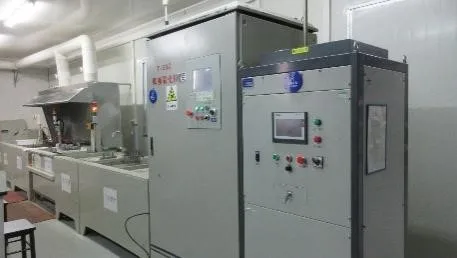
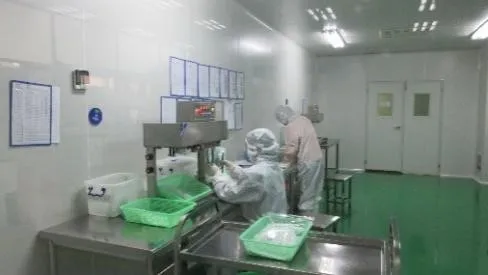
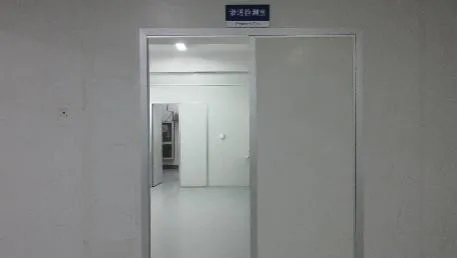
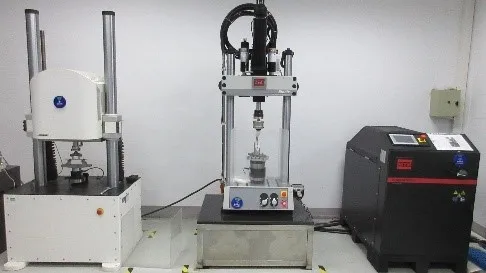
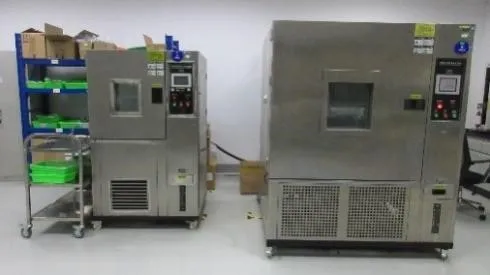
Full inventory of ISO-certified orthopedic implants and installation instruments ready for New Zealand import.
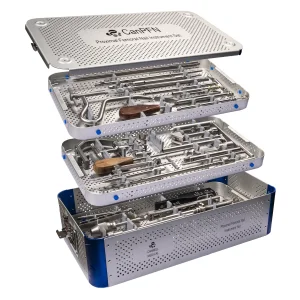
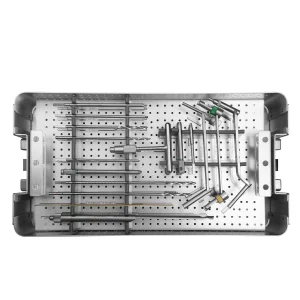
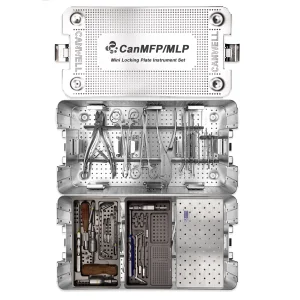
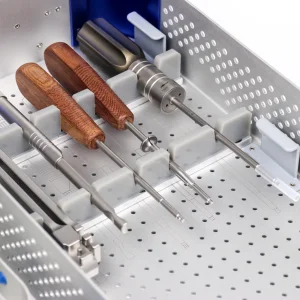
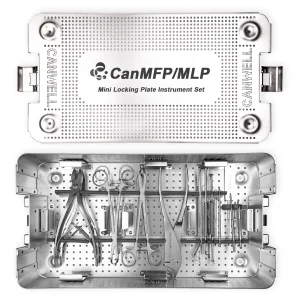
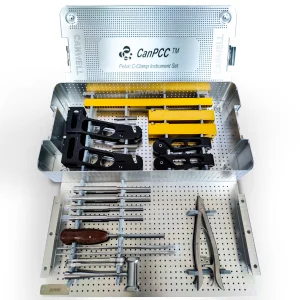
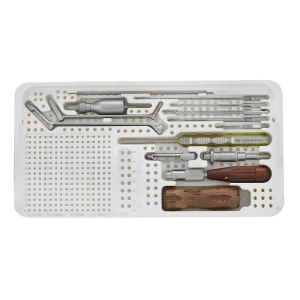
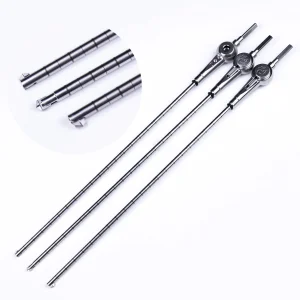
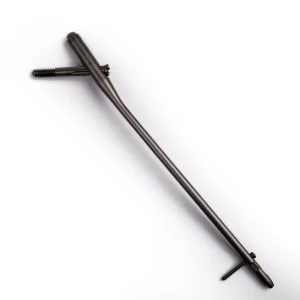
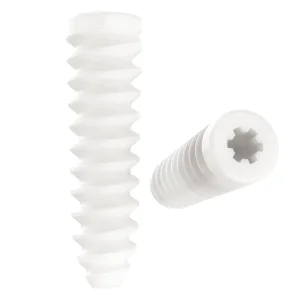
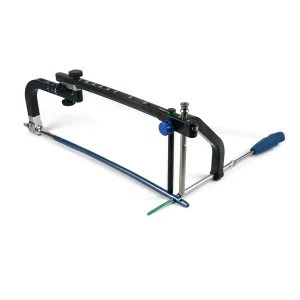
Optimized for dynamic environments within major regional hospitals. High-capacity trays featuring clear layout markings help operating theatre technicians reduce prep time, directly supporting Te Whatu Ora's targets to streamline patient flow.
Catering to facilities run by Southern Cross Healthcare or MercyAscot. Our instruments support rapid autoclave turnaround and high accuracy. Minimizing instrument fatigue ensures surgical staff experience reliable tactile feedback during critical screw-tightening steps.
Specifically addressing ACL/PCL reconstruction requirements common in rugby and outdoor-recreation related ligamentous repairs. Our Flip Cutters and guide loops provide accurate femoral and tibial tunnel drilling.
The performance of trauma instrumentation is closely tied to its metallurgy. Standard instruments often experience micro-pitting, corrosion from repetitive steam sterilization cycles, or minor dimensional shifts. We mitigate these risks through advanced processing:
| Parameter | Clinical Risk | Our Factory Standard | Surgical Value |
|---|---|---|---|
| Material Base | Chemical degradation, stress fracturing | High-Grade Stainless Steel (316LVM) / Ti-6Al-4V ELI | Exceptional mechanical strength and corrosion resistance |
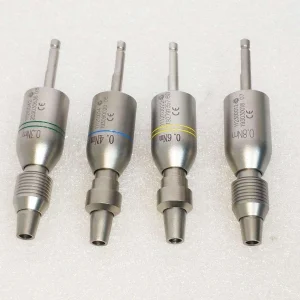
| Torque Limiter Deviation | Hex head strip-out, micro-fractures in locking plates | Strict calibration tolerance within ±5% (0.3/0.4/0.8/1.5Nm) | Accurate screw seating without bone damage |
| Passivation Testing | Post-autoclave rust, discoloration | ASTM A967 Standard Acid Passivation | High resistance to oxidation across repeated autoclave cycles |
| Surface Hardness | Premature wear on thread structures | Titanium Anodization Type II / Hardened SS coatings | Extended lifespan of threads and driver tips |
Key considerations for importing, registering, and validating surgical instruments in the Oceania region.
Connect directly with our engineering and regulatory affairs team. We provide sample sets, technical documentation, and pricing structures tailored for the New Zealand healthcare sector.
Send Inquiry Now Harney-Well