Engineered to comply with anatomical scales of pediatric patients, facilitating precision fixation and rapid skeletal recovery.
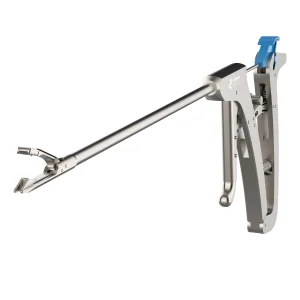
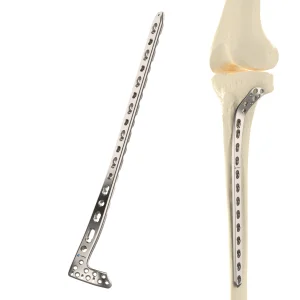
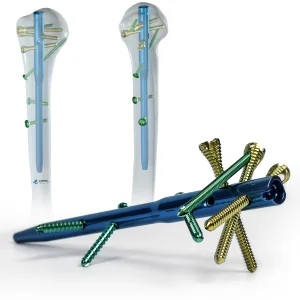
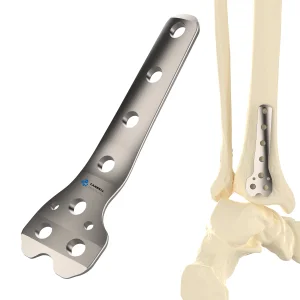
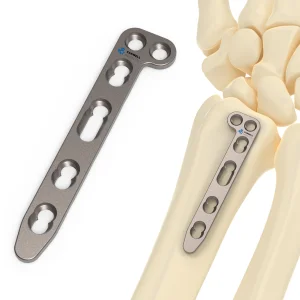
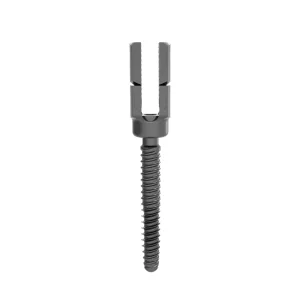
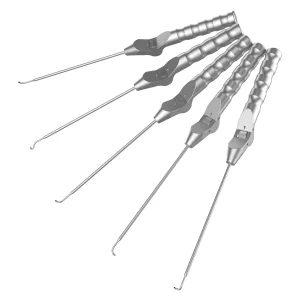
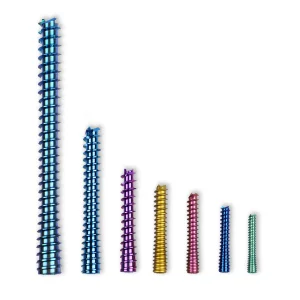
Unlike adult surgical interventions, pediatric orthopedic and trauma surgery must navigate the complex mechanics of active growth plates (epiphyseal lines) and highly flexible skeletal frames. Using downsized adult implants is clinical compromise. High-quality pediatric surgical instruments require dedicated R&D frameworks focused on low-profile design geometry, non-invasive implant fixation, and optimal biocompatibility.
“Anatomical variance in pediatric patients demands low-profile, high-integrity locking plates and micro-fixation tools that minimize soft tissue disruption and protect dynamic growth zones.”
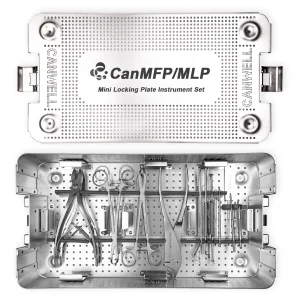
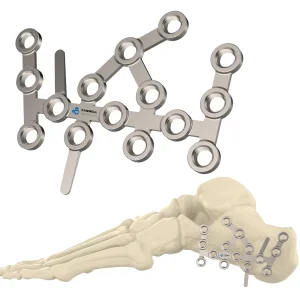
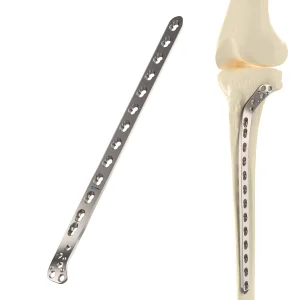
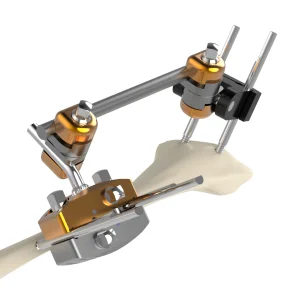
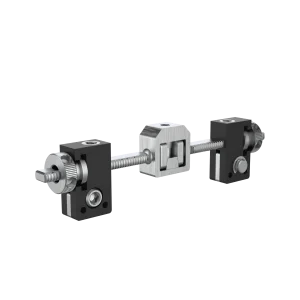
Modern pediatric surgical setups emphasize trauma solutions that reduce the need for secondary revision surgeries. The selection of materials (such as Extra Low Interstitial Grade 5 Titanium) and mechanical configurations (such as low-profile metaphyseal plates and mini external fixators) is optimized for structural integrity and biological compatibility.
Surgical technology is evolving toward minimally invasive techniques and biocompatible material structures. Standard industry roadmaps reveal three major transition points:
Developing bioabsorbable implants that secure fractures during osteosynthesis and gradually dissolve, eliminating secondary extraction procedures.
Anatomically contoured locking systems tailored specifically to pediatric long bones, preventing pressure necrosis in fragile skin covers.
Fast-track OEM adaptation, integrating precise digital parameters of pediatric models to custom-manufacture specific trauma plates.
The regulatory landscape for medical devices is undergoing a structural shift. The European Medical Device Regulation (MDR EU 2017/745) replaces the old MDD 93/42/EEC directive, requiring rigorous clinical data evaluations, strict raw material traceability records, and comprehensive post-market surveillance (PMS).
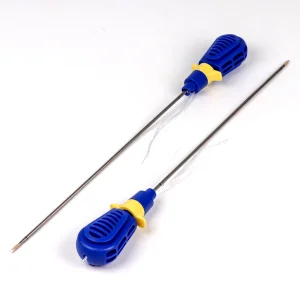
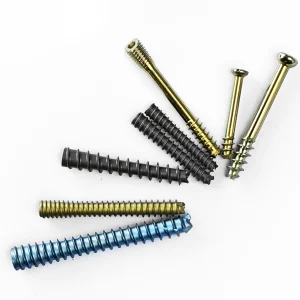
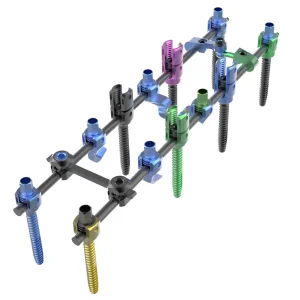
As a certified manufacturing facility, CANWELL has upgraded its quality systems to comply with the MDR framework. Our Class IIb and Class III orthopedic trauma configurations, including pediatric locking screws, intramedullary nails, and external fixation setups, are manufactured under active ISO 13485 certifications. This compliance mitigates import liability risks for global procurement managers and distribution channels.
Material properties determine long-term clinical safety. We prioritize medical-grade titanium (Ti-6Al-4V ELI) and PEEK (Polyetheretherketone) polymers to provide an optimal balance of structural strength and biocompatibility:
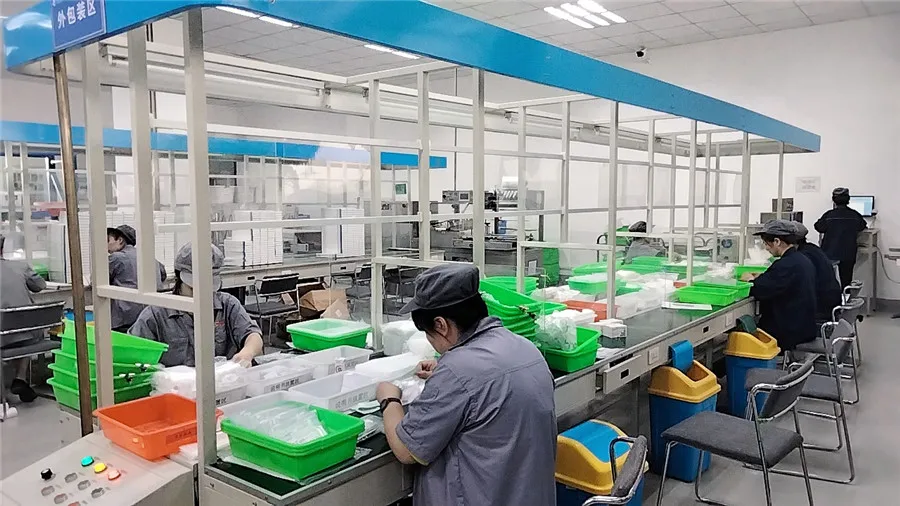
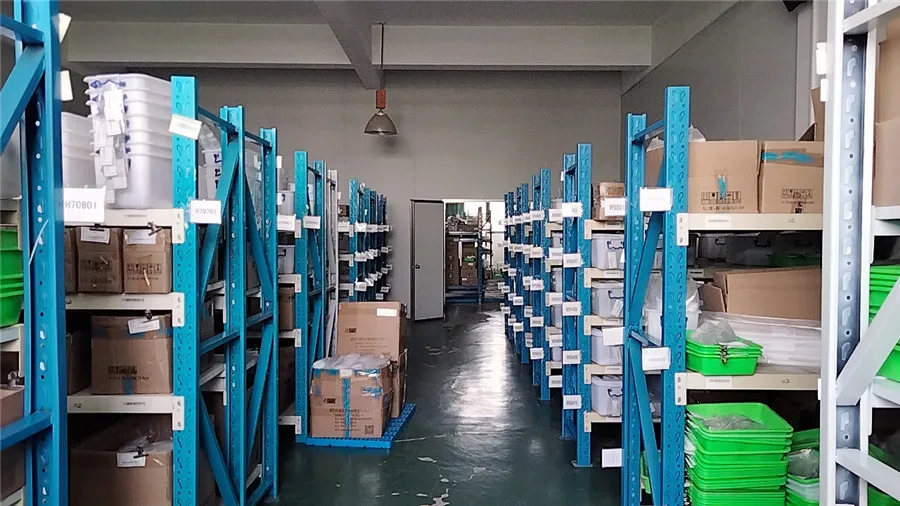
A visual tour of our production workshop, CNC milling machinery, dynamic fatigue testing laboratories, cleanrooms, and warehouse operations.
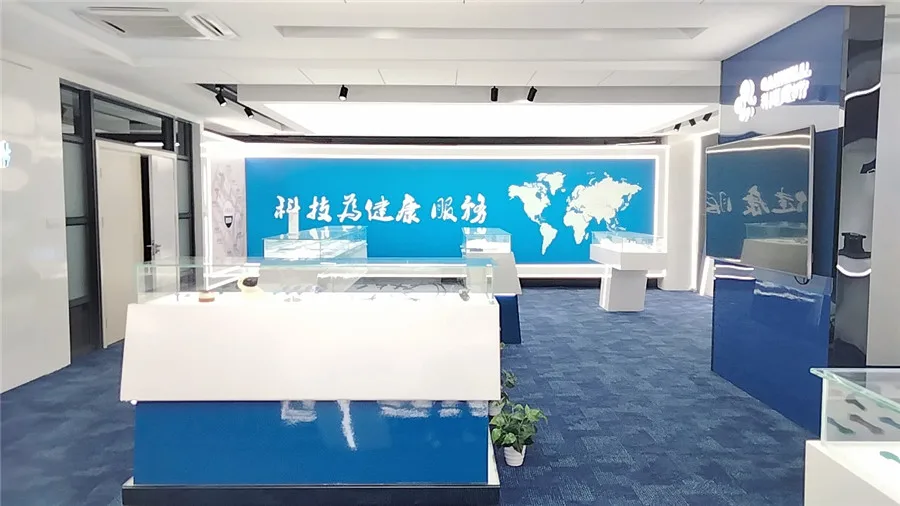
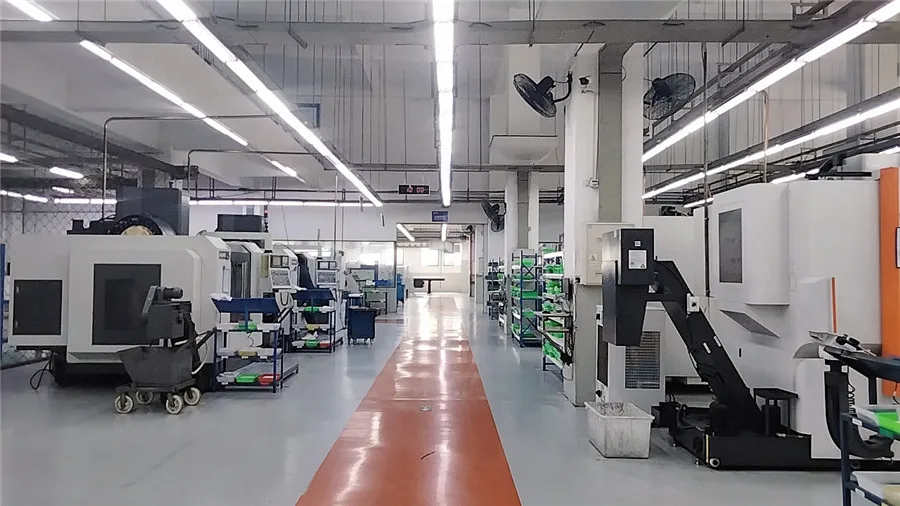
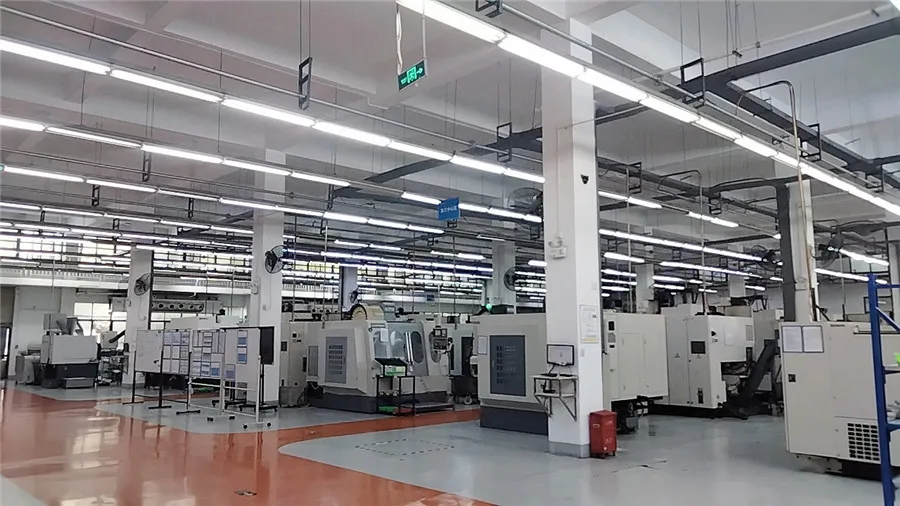
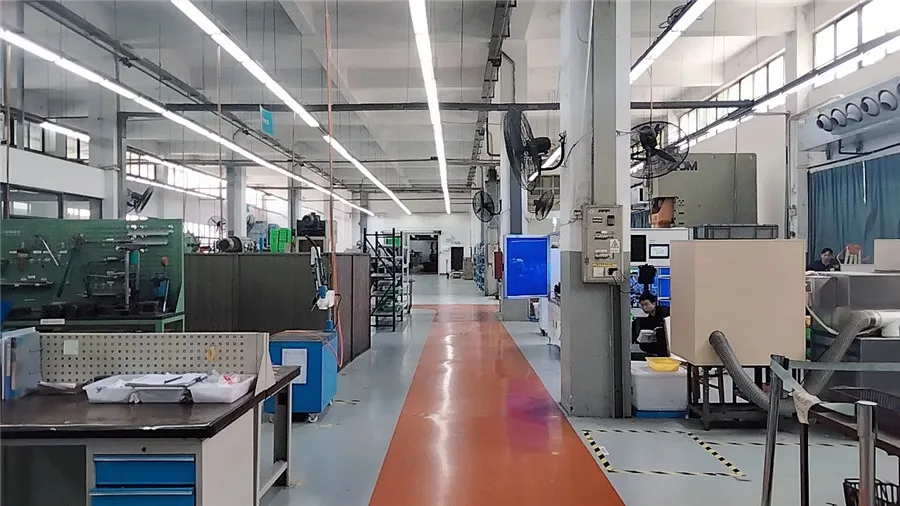
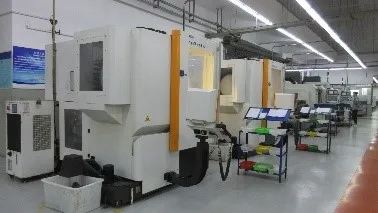


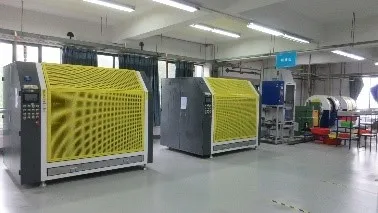
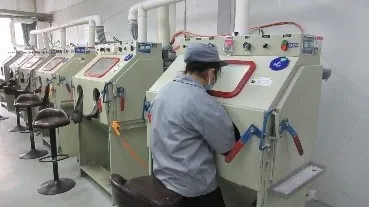






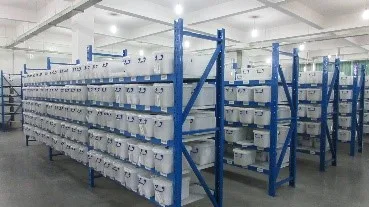
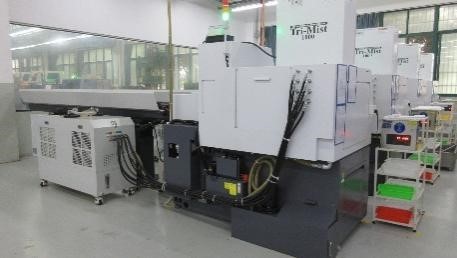
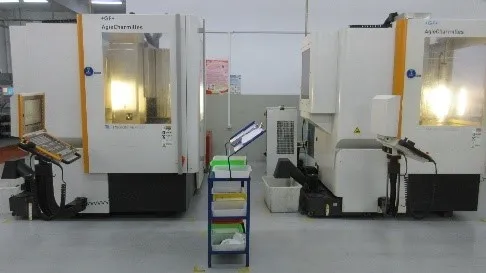
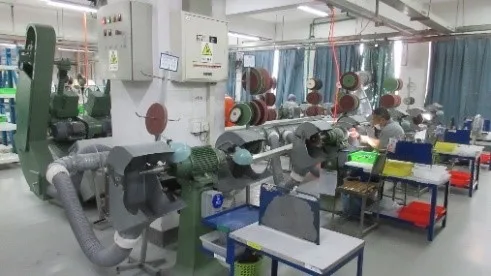
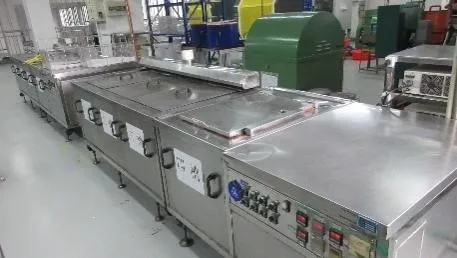
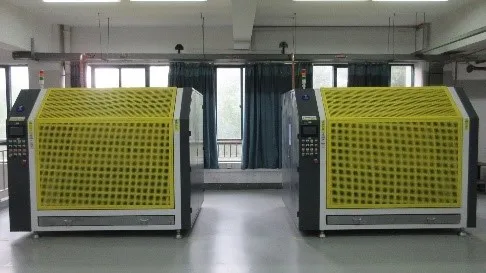
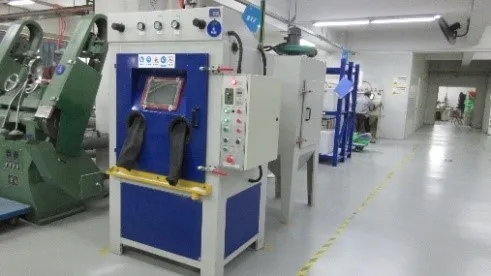



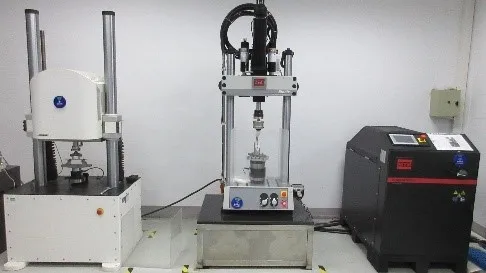
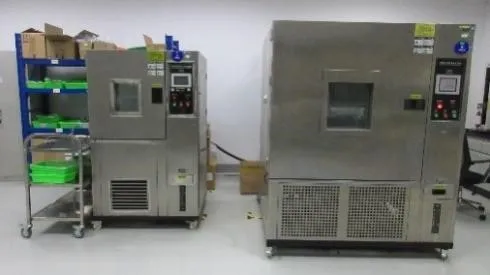
Fully traceable clinical implants engineered for high fatigue resistance and structural stability.
 Harney-Well