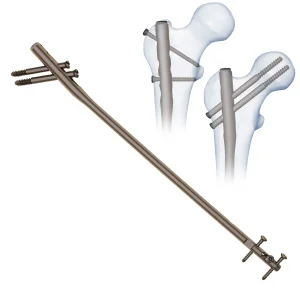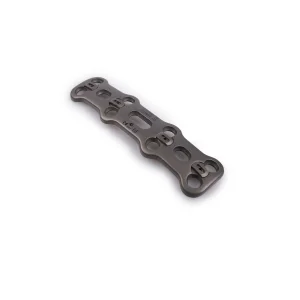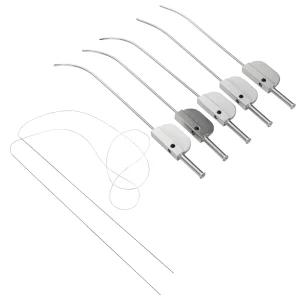
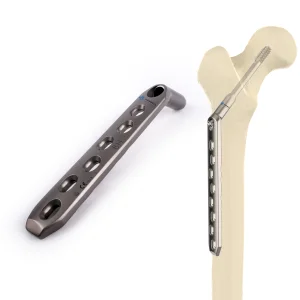
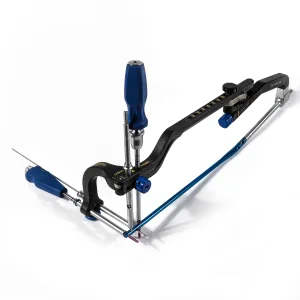
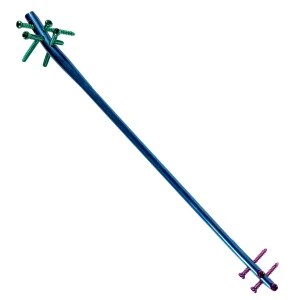
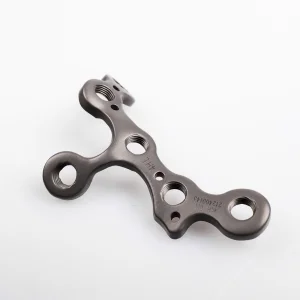
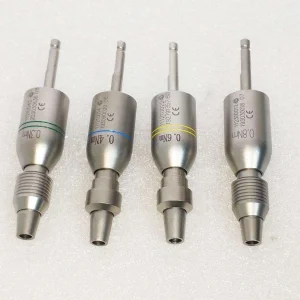
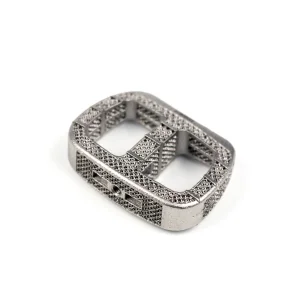
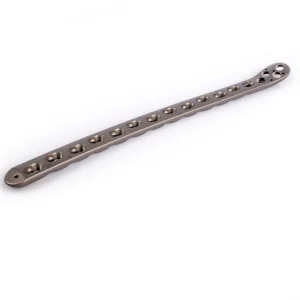
The global orthopedic trauma devices market, specifically focusing on advanced bone screws, locking plates, and intramedullary fixation systems, has experienced unprecedented growth. Driven by an aging global demographic, the rising incidence of osteoporosis, and an increase in traffic and sports-related trauma injuries, healthcare systems worldwide demand high-precision, bio-compatible, and durable internal fixation hardware. China has firmly established itself as the leading manufacturing and exporting hub for medical-grade orthopedic implants, combining state-of-the-art CNC machining capabilities with stringent international regulatory compliance such as ISO 13485, CE certification, and FDA standards.
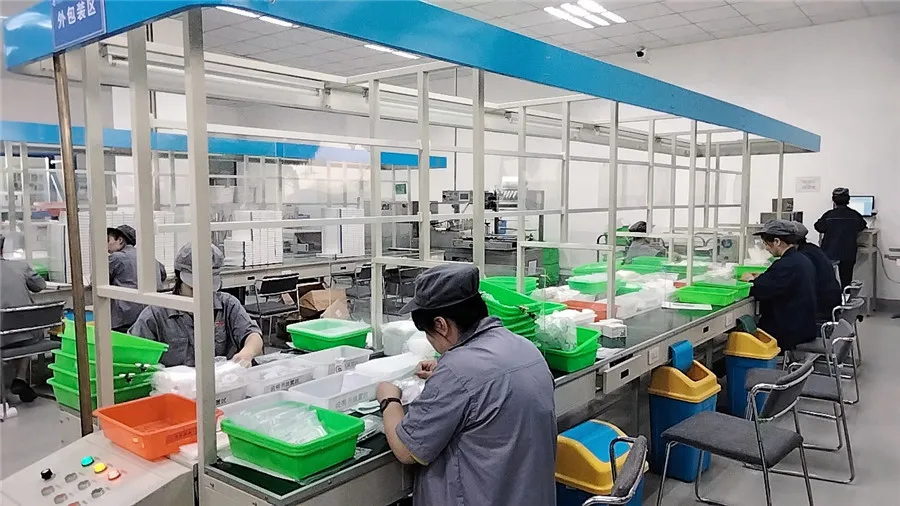
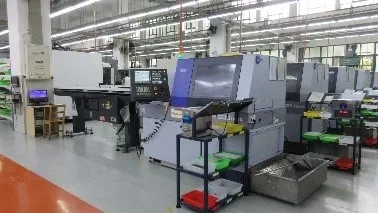
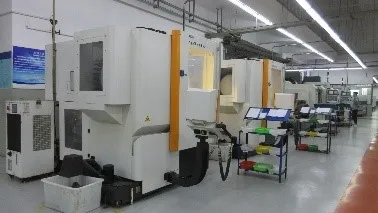
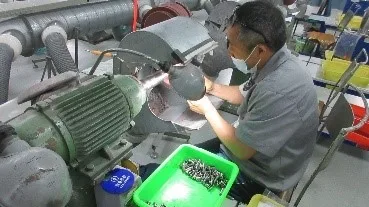
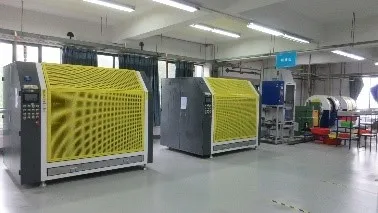
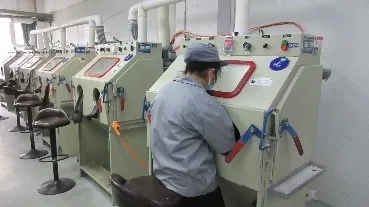
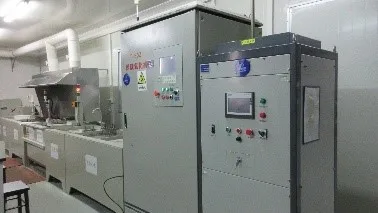
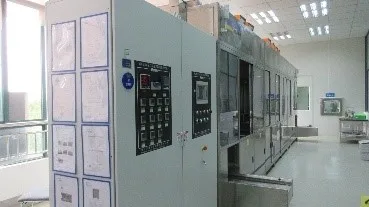
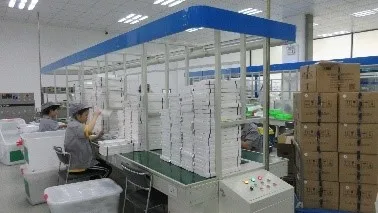
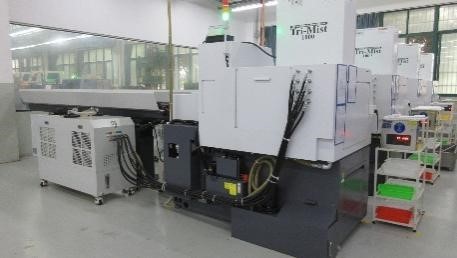
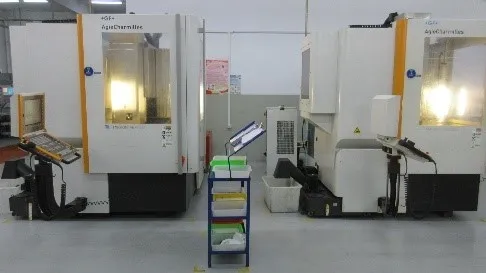
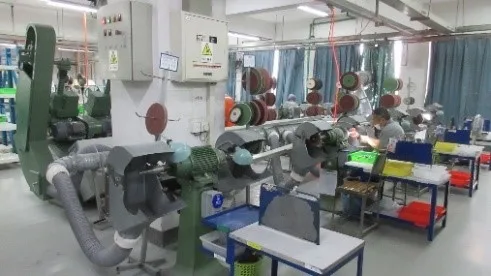
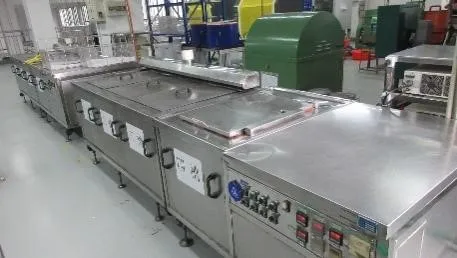
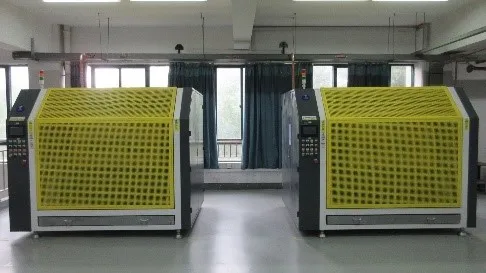
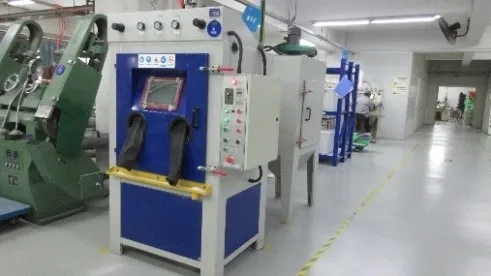
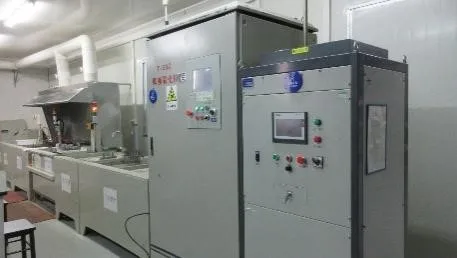
The manufacturing of bone screws and trauma plates has transcended traditional mechanical production. Modern Chinese factories leverage cutting-edge technologies to maintain competitive advantages in the global market:
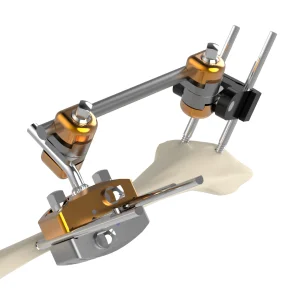
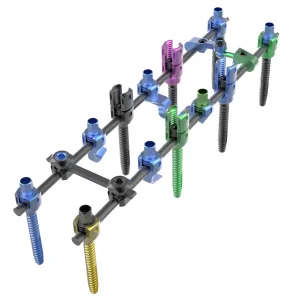
Orthopedic bone screws are not standalone items; they are integral components of complex biomechanical stabilization constructs. Application scenarios span across various surgical sub-specialties:
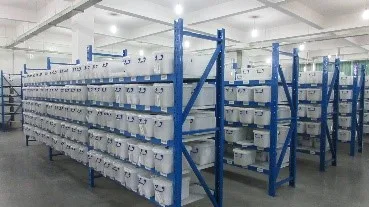
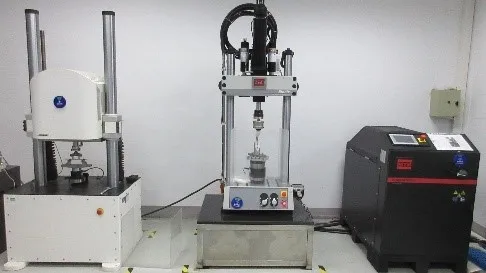
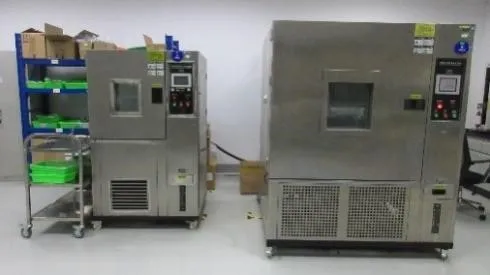
Looking ahead, the bone screw manufacturing sector is steering toward smart implants and fully traceable digital supply chains. Integration with computer-assisted orthopedic surgery (CAOS), robotic-assisted navigation, and patient-specific anatomical 3D modeling allows factories to supply custom-engineered solutions for complex revision surgeries. Quality assurance remains paramount, with 100% optical inspection protocols and rigorous fatigue testing ensuring safety profiles that match or exceed Western domestic equivalents.
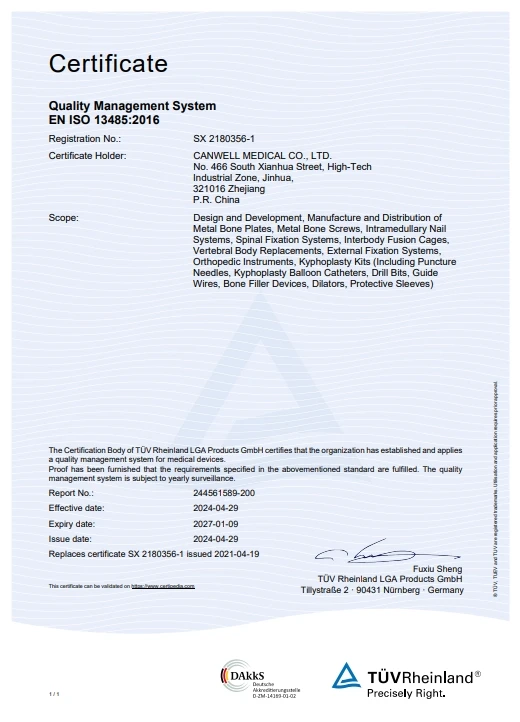
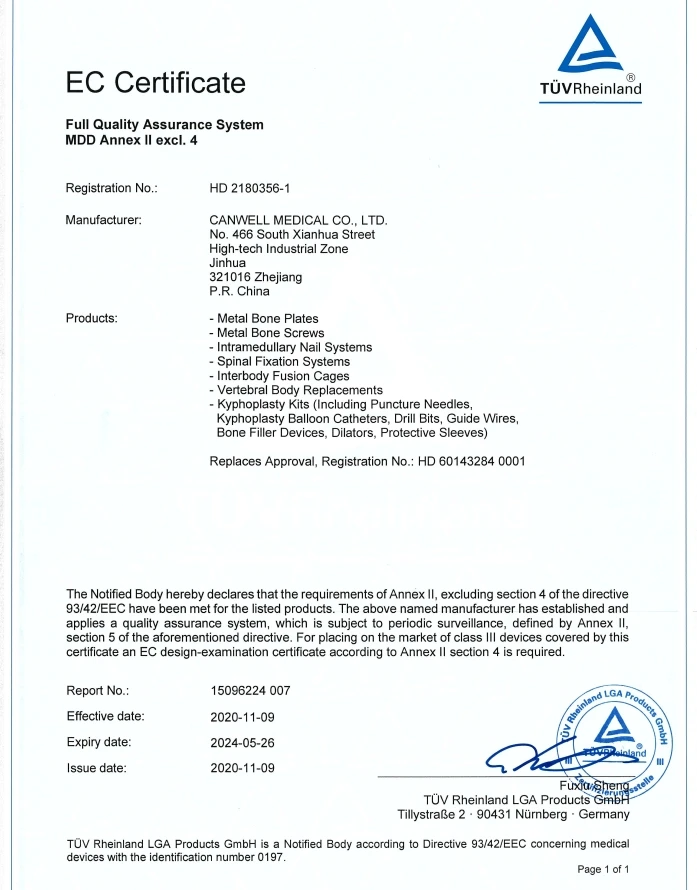
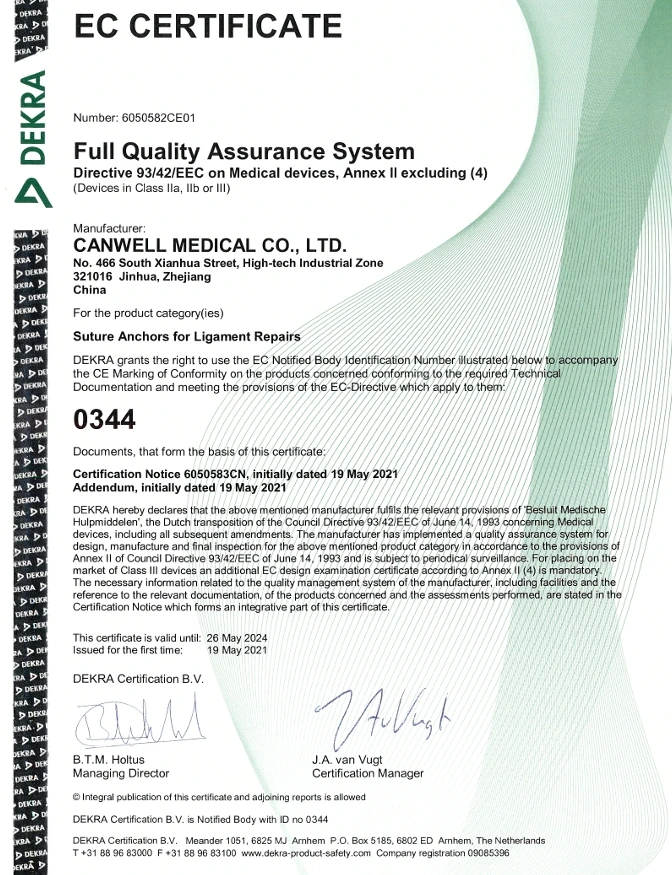
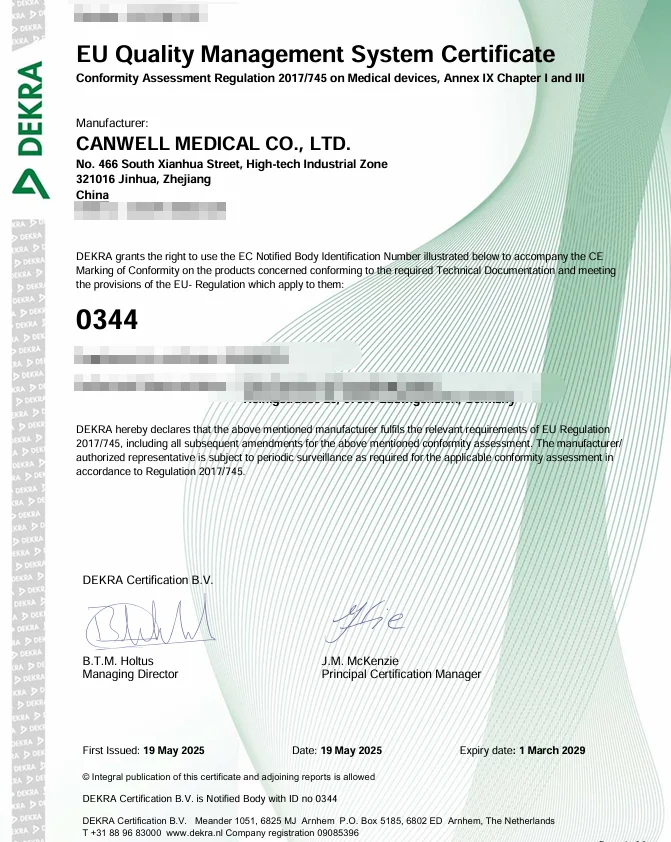
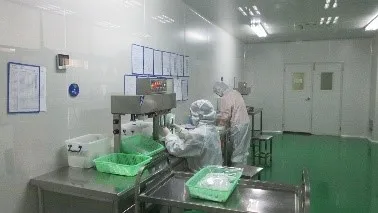
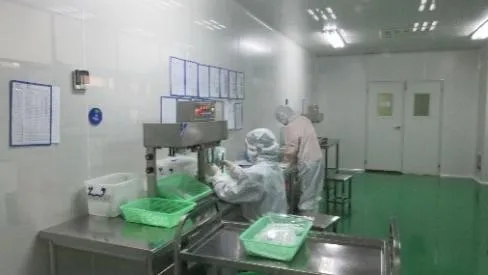
Leading Chinese exporters operate under rigorous quality management systems compliant with ISO 13485, European CE directives (MDR / 93/42/EEC), and Good Manufacturing Practice (GMP) guidelines, ensuring complete safety and global market acceptability.
Primary materials include medical-grade Titanium Alloy (Ti-6Al-4V ELI) and Pure Titanium (Grade 4), chosen for their exceptional corrosion resistance, biocompatibility, and magnetic resonance imaging (MRI) compatibility.
Yes, advanced manufacturers offer comprehensive OEM/ODM services including graphic processing, light customization, sample processing, and tailored instrumentation sets to meet specific institutional requirements.
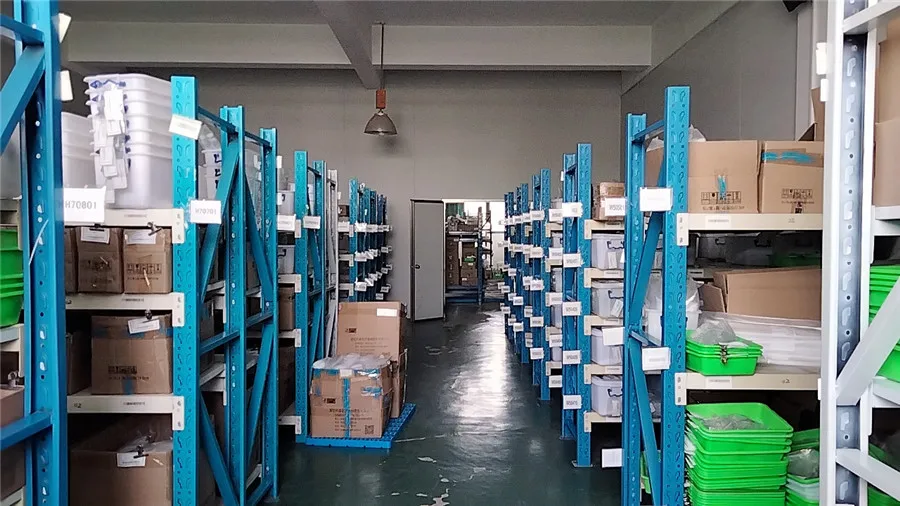
Traceability is enforced from raw material ingot certification down to final sterile packaging via laser-etched UDI (Unique Device Identification) barcodes and comprehensive batch tracking logs.
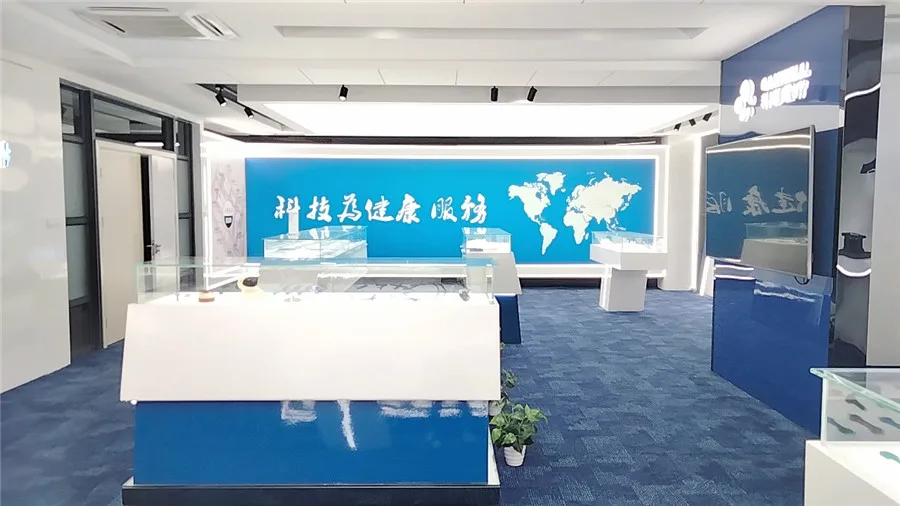
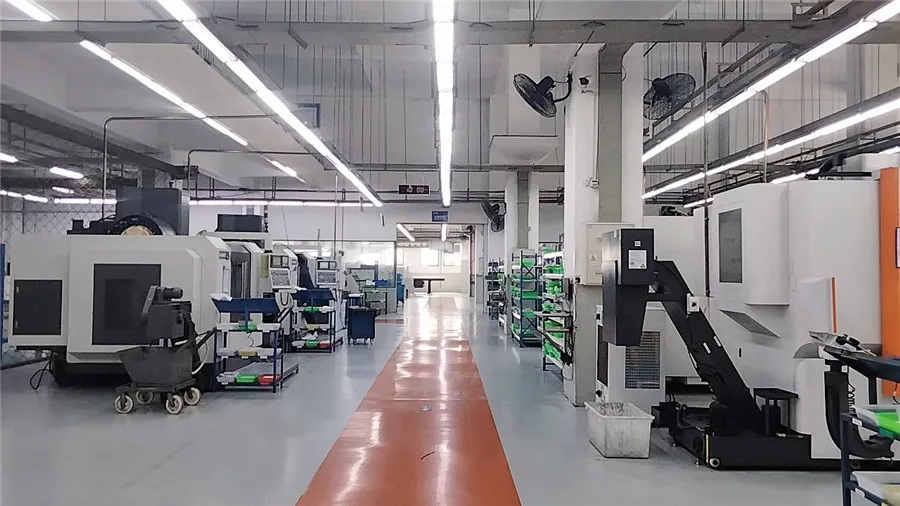
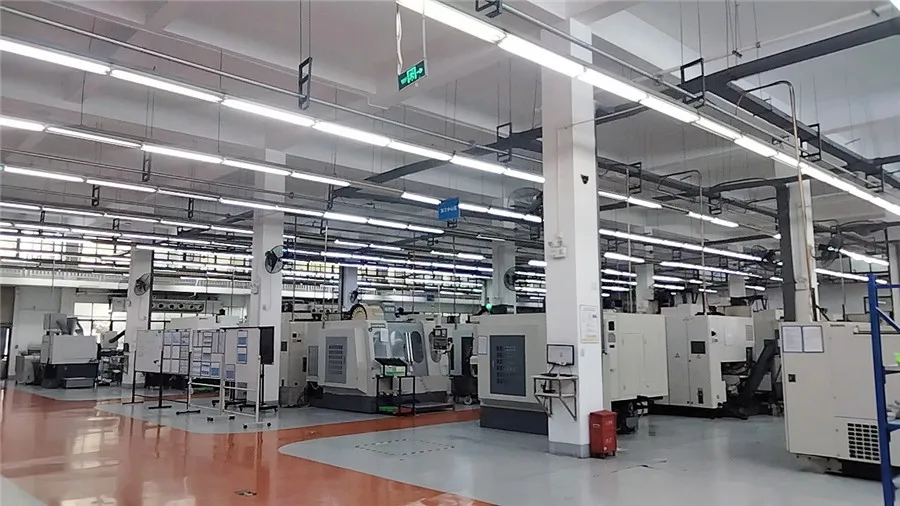
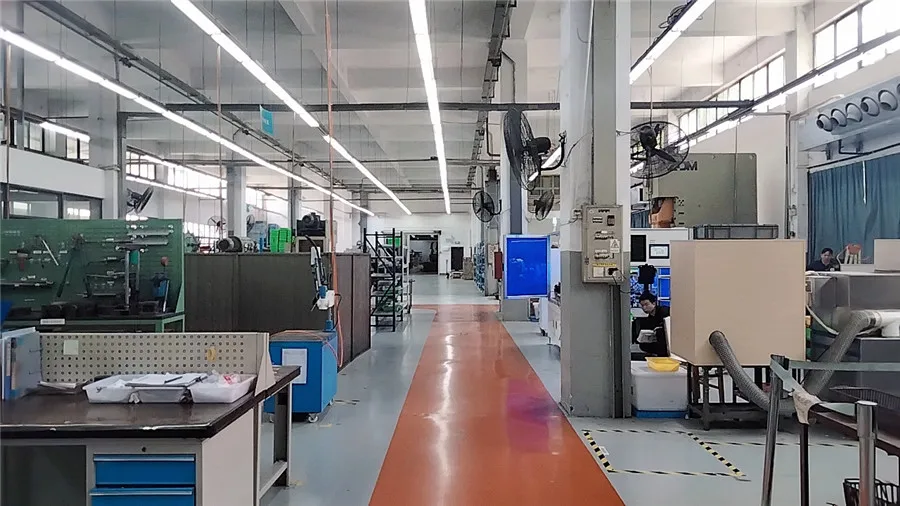



 Harney-Well