Engineered to meet international biocompatibility standards, presenting high mechanical resistance and dimensional stability.
Analyzing biomechanical loading patterns is key to establishing initial load-sharing capacities in severe comminuted extremity fractures.
MDR compliance dictates a transition from basic equivalence to robust, direct clinical evidence registries for high-risk trauma devices.
Integrating carbon-fiber composites and bio-absorbable elements prevents stress shielding and simplifies revision pathways.
The global external fixation device market is undergoing structural evolution. Once characterized as a secondary choice behind internal locking plates, modern external systems are recognized as crucial, high-efficacy tools for limb reconstruction, complex articular fractures, and initial damage control orthopedics (DCO). Factors such as an aging population, rising numbers of high-energy motor accidents, and the prevalence of metabolic bone disorders are driving B2B procurement networks to seek highly stable, modular, and biomechanically optimized fixators.
Today, the industry focuses on the "hybridization" of internal and external devices, where temporary external fixation transitions seamlessly to dynamic internal locking mechanisms. Procurement specialists at international medical conglomerates demand systems with high radiolucency (often achieved using premium PEEK or carbon-fiber rod systems), minimizing imaging artifacts during postoperative assessments. Consequently, suppliers must demonstrate cleanroom capabilities, high-precision surface treating, and advanced mechanical fatigue test credentials under ASTM and ISO standards.
Surgical success depends on finding a balance between rigid structural support and dynamic fracture micro-motion. This balance encourages callus formation and speeds up bone healing, avoiding the risk of nonunion.
Historically, stainless steel dominated external fixator structures due to its shear strength. However, the modern orthopedic implant paradigm is dominated by Grade 5 Titanium Alloy (Ti-6Al-4V) and advanced polymers like Polyetheretherketone (PEEK). Titanium alloys offer superior specific strength, biocompatibility, and corrosion resistance under biological environments. More importantly, titanium exhibits a lower modulus of elasticity compared to stainless steel, closer to human cortical bone, which mitigates stress shielding.
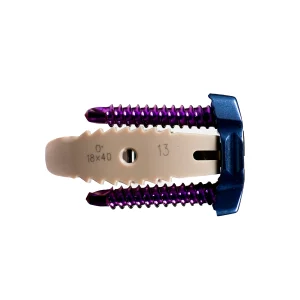
In parallel, the adoption of PEEK in suture anchors and spinal cages (such as our 3D Printed Porous Spine implants) provides clinical advantages. PEEK's structural radiolucency allows surgeons to monitor bone growth and cage integration without metal-induced X-ray scatter. This material-level distinction is a key decision factor for hospital supply chains, establishing a critical benchmark for quality and safety.
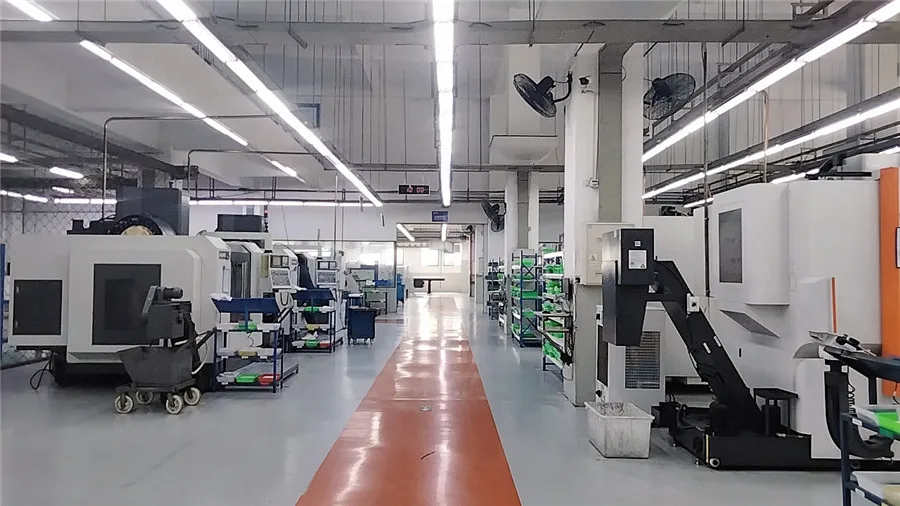
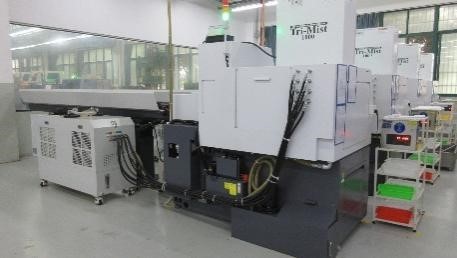
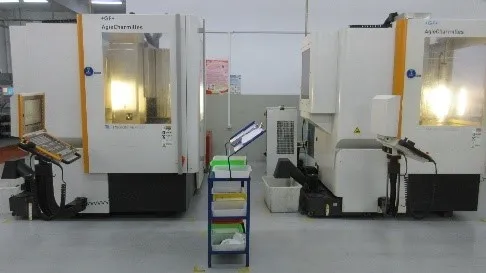
The global healthcare supply chain demands absolute reliability, rapid custom adjustments, and uncompromising quality compliance. China's orthopedic manufacturing sector has transitioned from manual CNC milling to fully automated, digital Factory 4.0 ecosystems. This technological shift ensures consistent component tolerances and minimizes structural defects.
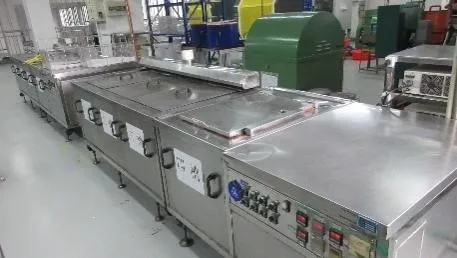
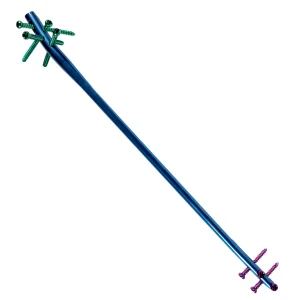
Industrial automation in China's leading orthopedic facilities leverages multi-axis Swiss CNC machining centers, automated robotic cleaning lines, and digital laser markings. This ensures that every locking screw, titanium rod, pin connector, and tibial compression plate meets tight dimensional tolerances (often within ±5 microns). These tight tolerances are critical for ensuring optimal interface fitment during orthopedic surgeries, reducing the risk of component failure.
Furthermore, digital raw material verification forms the backbone of supply chain integrity. Mill test certificates, chemical composition analyses (via spark spectrometry), and ultrasonic testing are standard protocols for every batch of incoming medical-grade titanium alloy. This material validation process ensures that the products remain free of internal defects and structural vulnerabilities throughout their clinical lifecycle.
B2B orthopedic buyers look for suppliers that can handle both high-volume production and customized, short-run modifications. Operating with an established industrial cluster enables Chinese manufacturers to compress lead times for new product introductions (NPI). This clustering of specialized heat-treatment plants, anodizing facilities, and sterile packaging providers reduces logistics overhead and accelerates time-to-market.
Detailed verification of physical manufacturing footprints, regulatory certifications, quality control structures, and research and development resources.
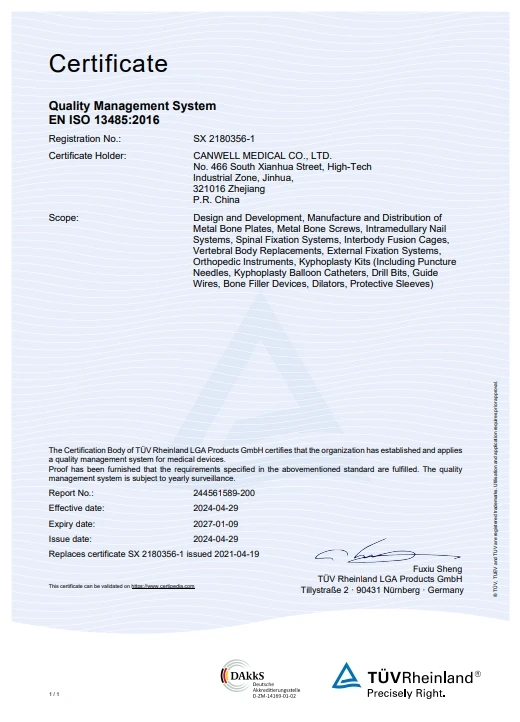
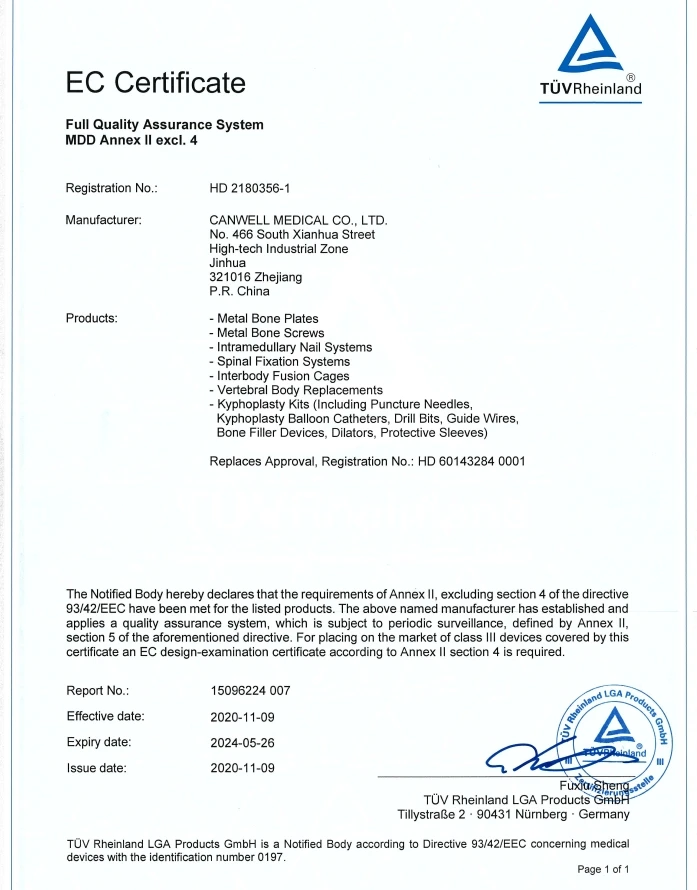

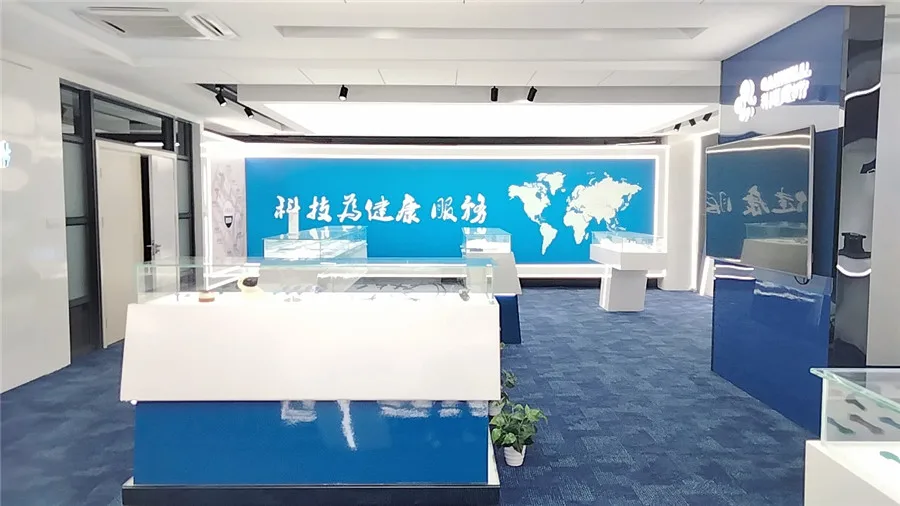
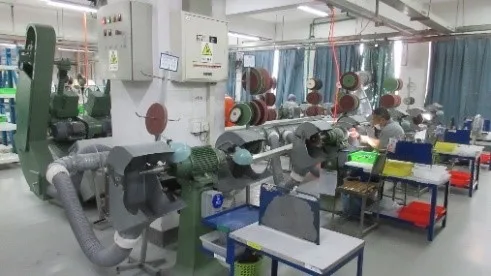
A visual look inside our CNC fabrication floors, testing laboratories, cleanrooms, and automated product inventory systems.
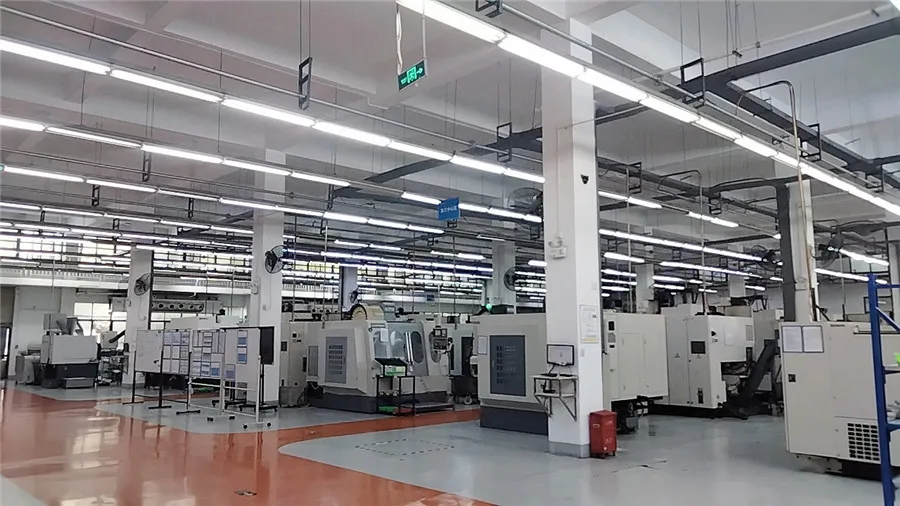
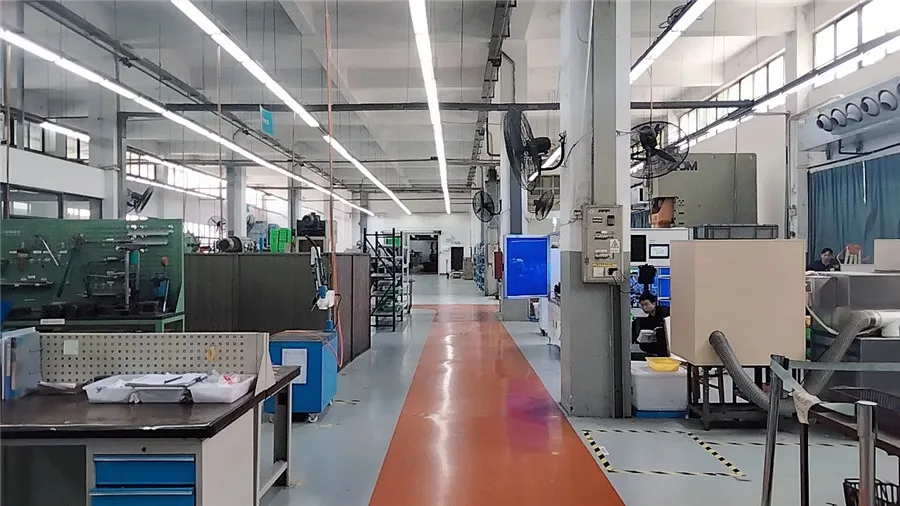
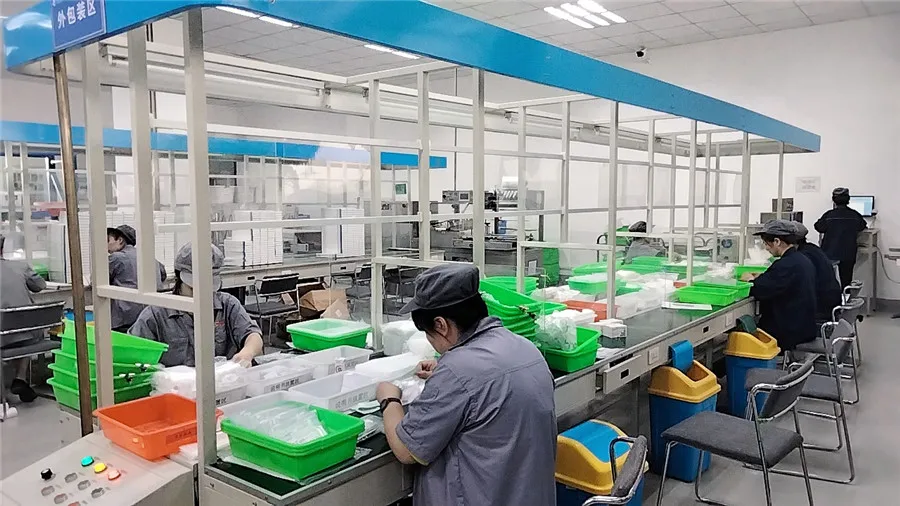
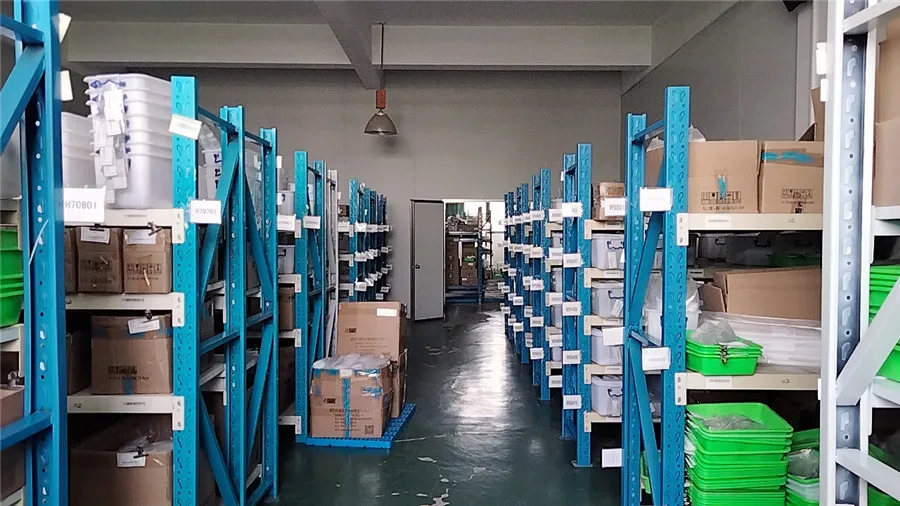
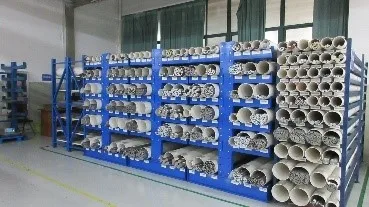
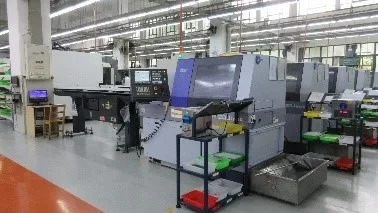
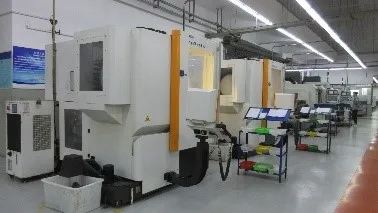
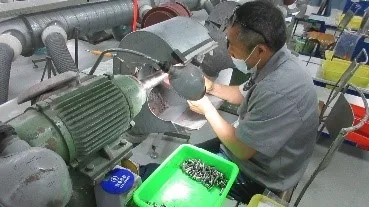

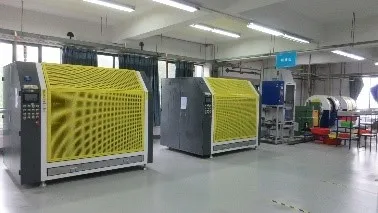
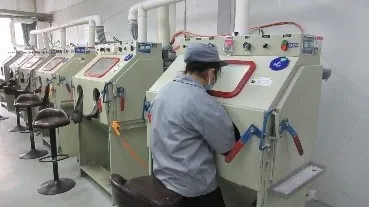

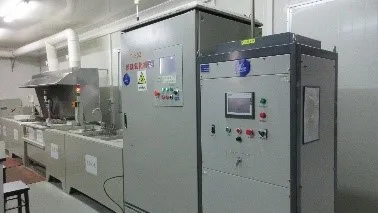
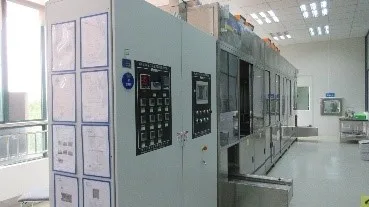
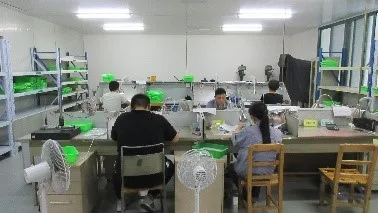
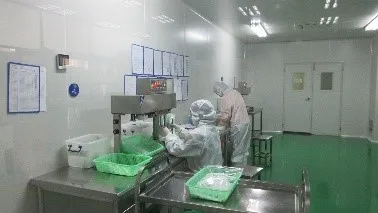
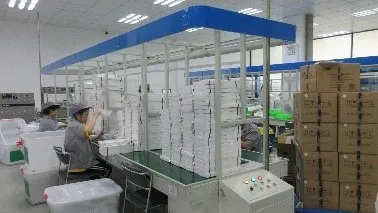
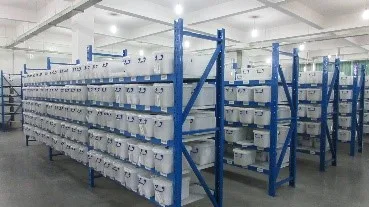
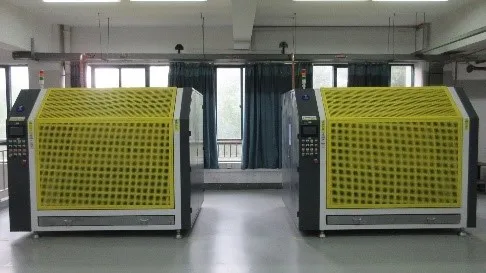
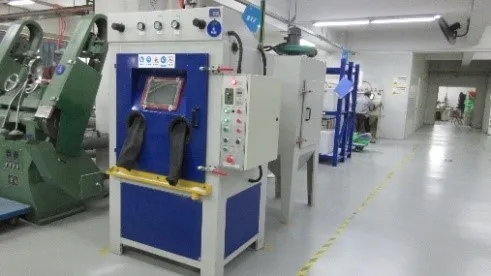
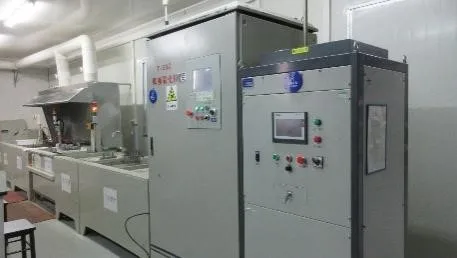
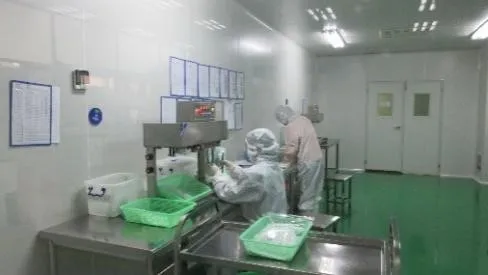
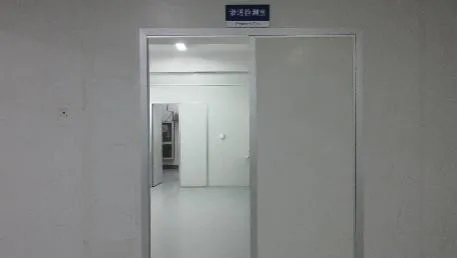
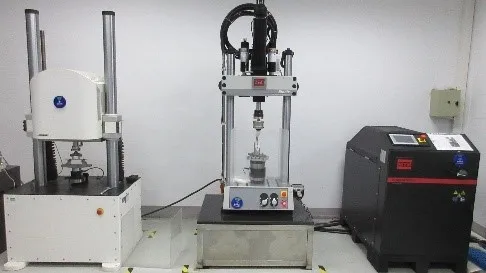
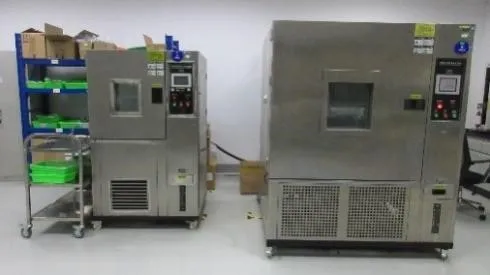
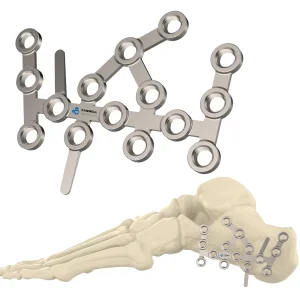
Orthopedic reconstruction requires specific biomechanical designs depending on the surgical site. Trauma fixation systems are designed to address these varying anatomical forces and surgical environments.
Treating unstable distal radial fractures requires low-profile, spanning external fixators. These devices maintain alignment and reduce fracture fragments while preserving visual access to the wrist joint under fluoroscopy.
Complex high-energy tibial fractures are managed with hybrid or circular frame configurations. These assemblies provide multiplanar stability, allowing the patient to bear weight early and promoting healthy bone union.
Using the Ilizarov method, circular external adjusters provide controlled axial distraction. This method slowly stretches new bone tissue to correct limb length discrepancies and angular bone deformities.
Expert answers addressing regulatory pathways, material selection, production capacity, and global delivery frameworks.
High-precision trauma and joint replacement implants built to withstand high clinical load requirements.
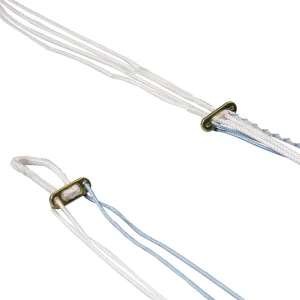
 Harney-Well