Explore our elite selection of orthopedic trauma instruments, spinal stabilizers, and articular prostheses manufactured to international standard guidelines.
Addressing technical transitions, regulatory barriers, and market dynamics in the global export of orthopedic implants.
Modern clinical practices favor Minimally Invasive Surgery (MIS) due to reduced incision sizing, minimized soft tissue disruption, lower intraoperative blood loss, and accelerated post-surgical recovery. Transitioning to percutaneous and polyaxial stabilization systems is key to meeting the benchmarks of modern medical facilities worldwide.
Utilizing high-grade Titanium Alloys (Ti-6Al-4V ELI) and Cobalt-Chromium-Molybdenum (CoCrMo) elements ensures optimal fatigue limit ratios, exceptional corrosion resistance, and bio-affinity. These materials are engineered to mitigate the risk of stress shielding while maintaining skeletal fixation integrity.
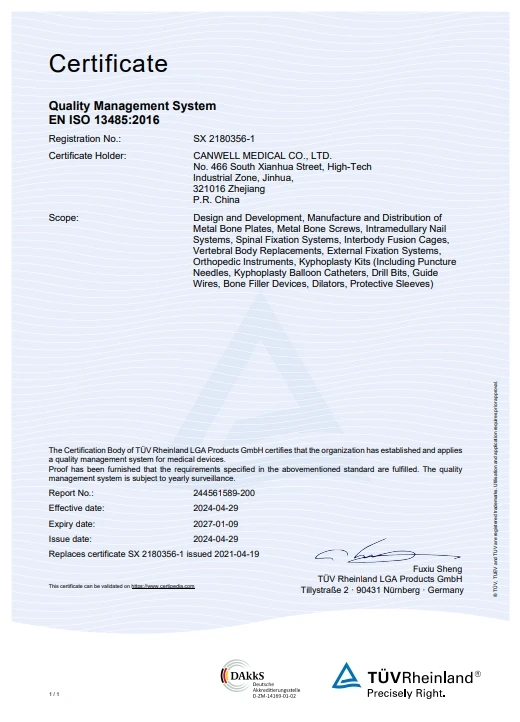
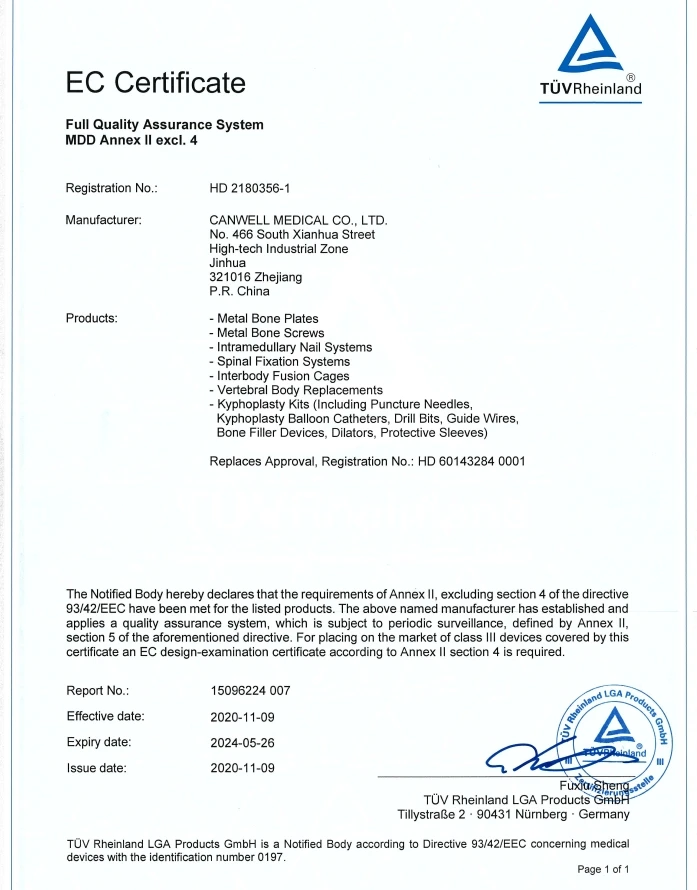
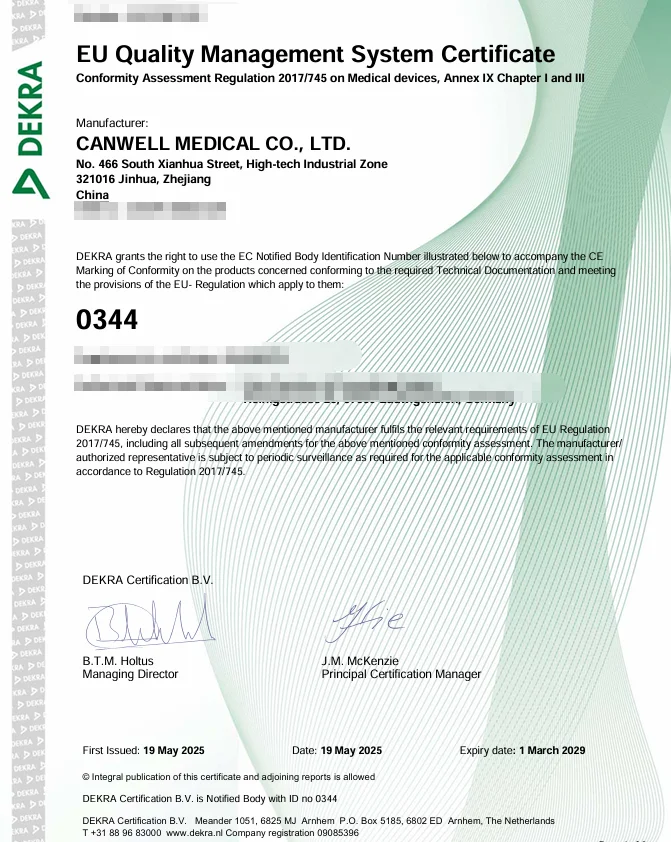
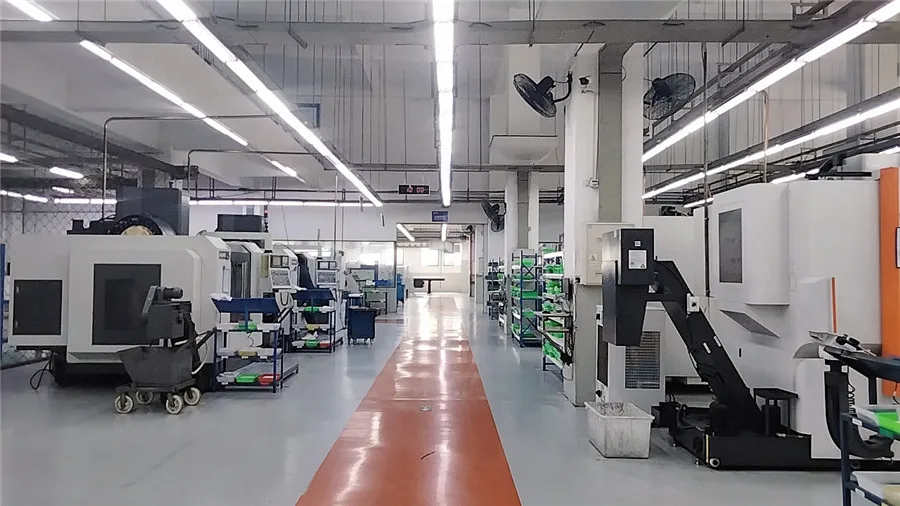
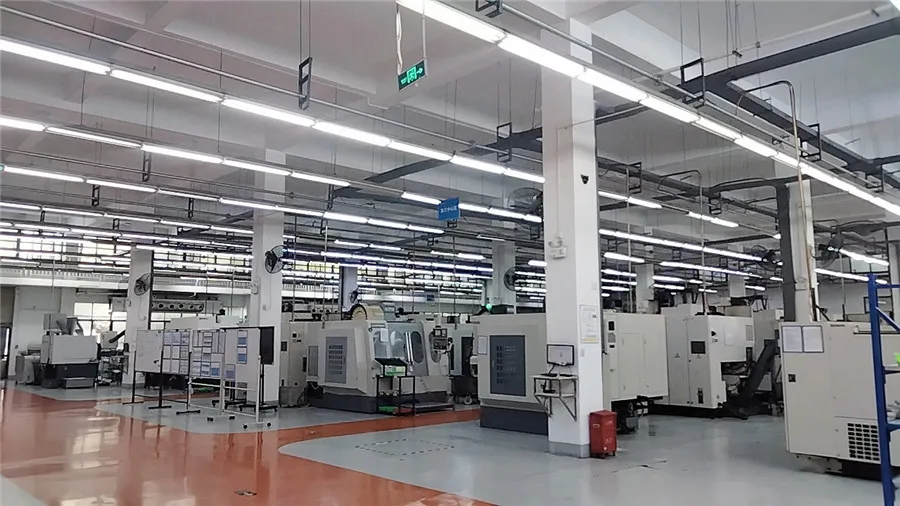
Compliance under MDR (EU Regulation 2017/745), ISO 13485, and Class III medical registration is crucial. Raw materials undergo complete batch-traceability protocols, and finished implants are checked on Coordinate Measuring Machines (CMM) to verify physical tolerances down to micron-level requirements.
Transparent metrics certifying industrial capabilities, rigorous quality controls, and established export history.
| Operational Parameter | Verified Capabilities & Certifications |
|---|---|
| Establishment & Track Record | Registered on 2004-11-03. Serving international surgical supply chains with over two decades of continuous development. |
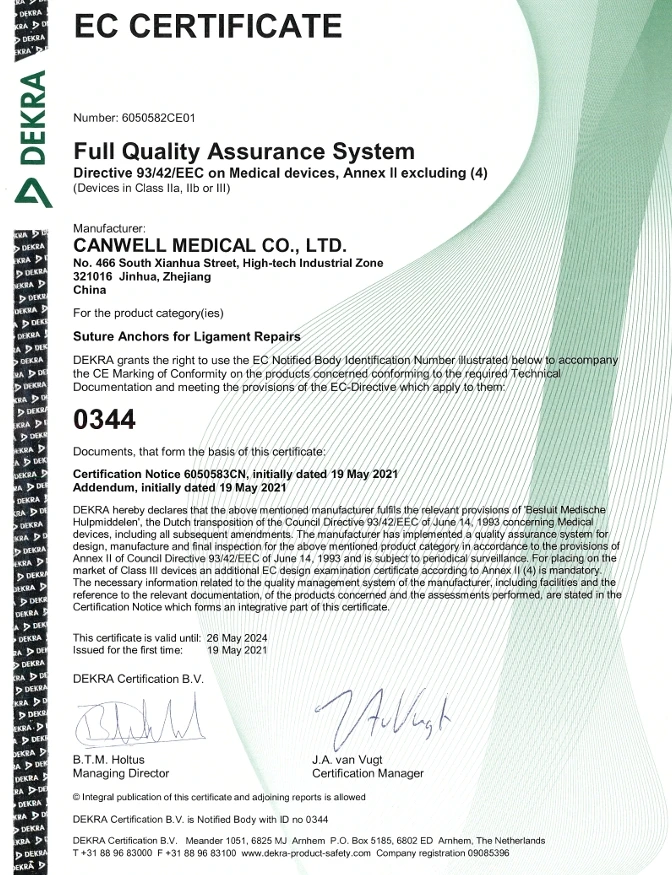
| International Quality Certification | Certified ISO 13485 system. Products compliant with 93/42/EEC Annex II directives and current EU MDR guidelines. |
| Quality Control Protocol | Raw material traceability verification; full component inspection; random batch audit operations matching specific client demands. |
| Regional Export Profile | Main markets: South America (30%), Southeast Asia (20%), Western Europe (20%). Multi-lingual support in English. |
| Customization Capacities | Flexible manufacturing including light customization, sample matching processing, graphic engraving, and customized design. |
Exploring the metallurgical treatments, structural variations, and application environments for trauma and spine fixation systems.
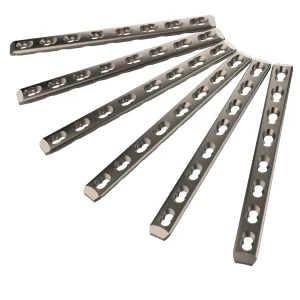
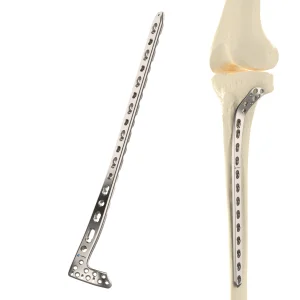
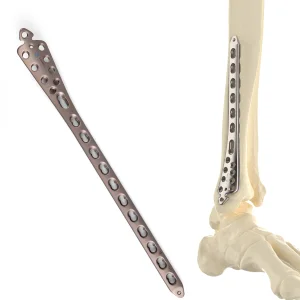
Traditional fracture plates relied on friction contact between the plate and bone, which could compromise periosteal blood flow. Modern Locking Compression Plates (LCP) combine dynamic compression slots with threaded locking holes. This design creates a stable fixed-angle construct, preserving micro-vascular perfusion and supporting early mobilization.
For long-bone femur and tibia fractures, intramedullary nails act as internal splints to share physiological loads. Multifunctional Femoral Intramedullary Nails allow both antegrade and retrograde approaches, accommodating different fracture patterns while minimizing soft-tissue disruption around the articular space.
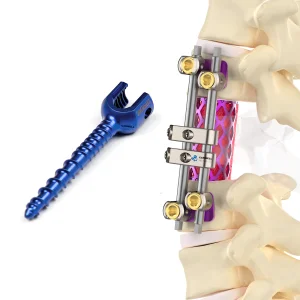
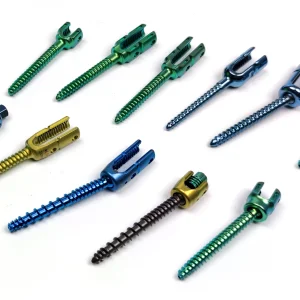
Minimally Invasive Spine (MIS) surgery requires versatile screw insertion options. Polyaxial pedicle screws allow up to 40 degrees of angulation, accommodating variable anatomical contours. This flexibility reduces the need for complex rod contouring and minimizes surgical time during percutaneous fixation procedures.


Detailed technical and logistical answers for surgical institutions, medical distributors, and supply-chain professionals.
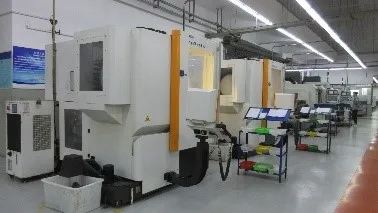
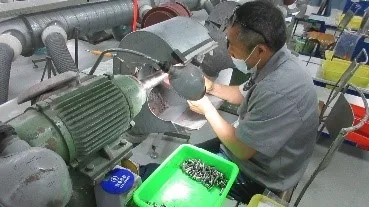
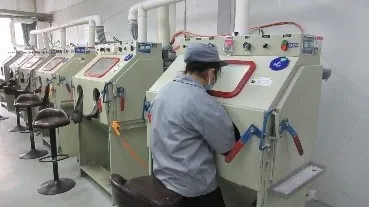
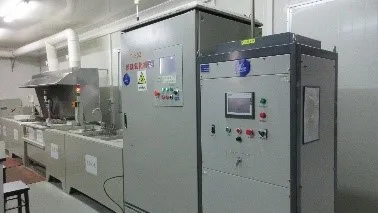
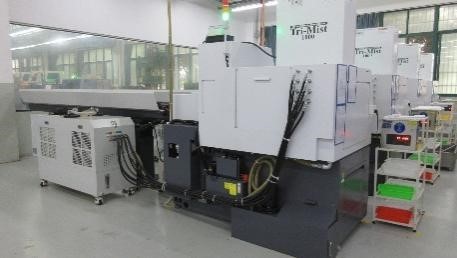
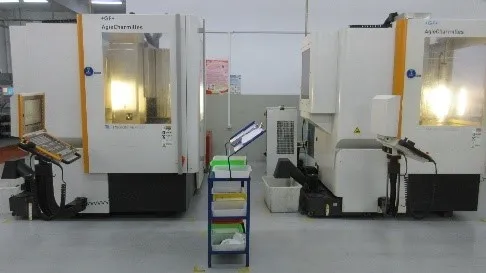
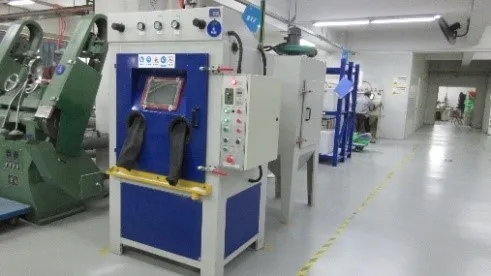
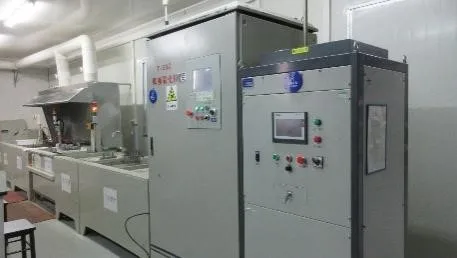
We source medical-grade titanium and cobalt-chromium alloys exclusively from certified suppliers. Every batch undergoes chemical composition testing and metallographic analysis, ensuring compliance with ASTM standards before entering CNC production.
Yes. Our plates are designed based on anatomical templates to match natural skeletal geometry. This reduces the need for intraoperative contouring, helping to maintain bone alignment and shorten overall surgery duration.
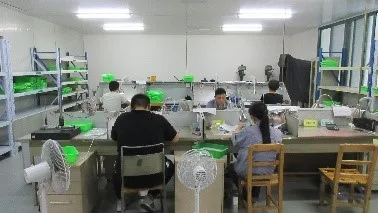
With an R&D team of 59 engineers, we offer full design and manufacturing services. This includes modifications to plate profiles, custom implant designs, and tailored instrument kits to meet specific surgical preferences.
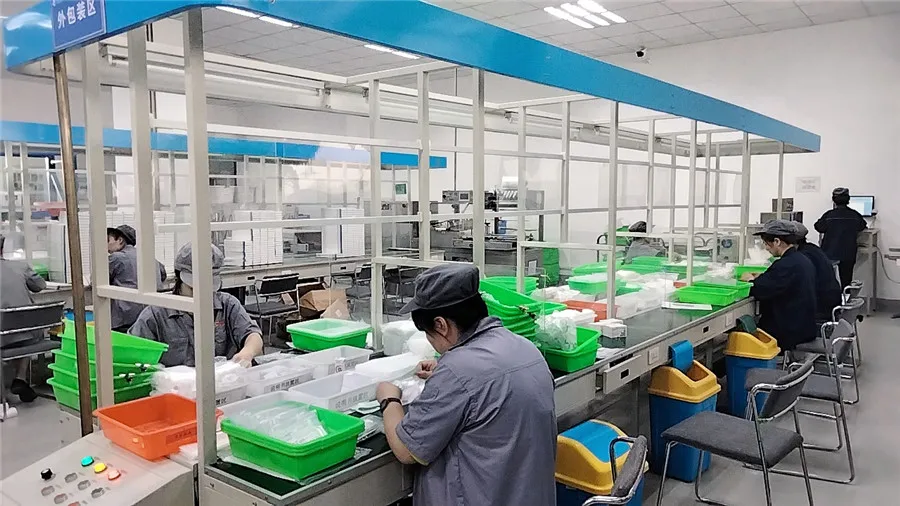
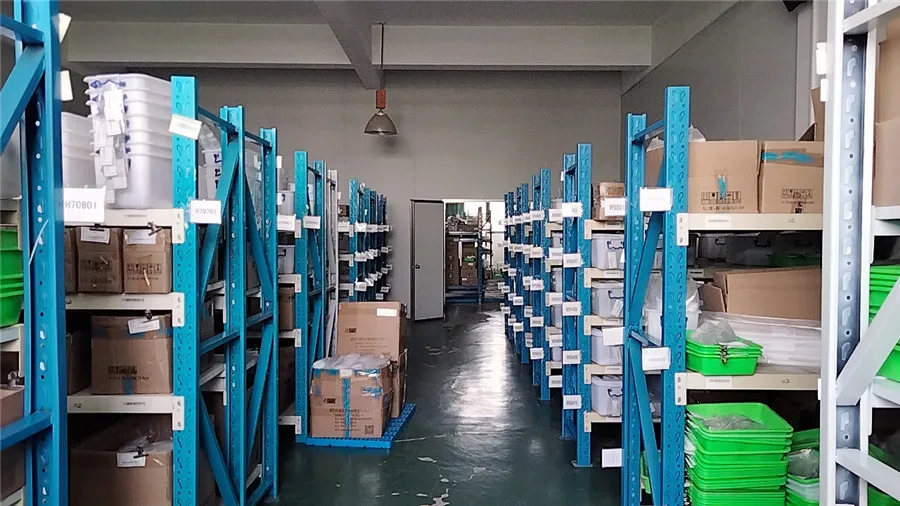
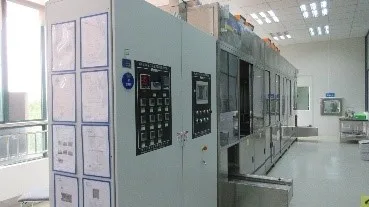
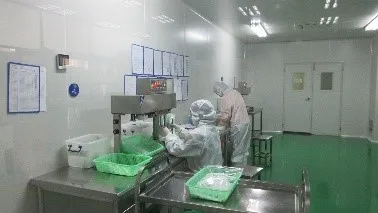
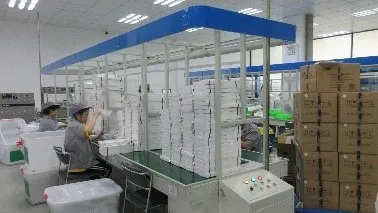
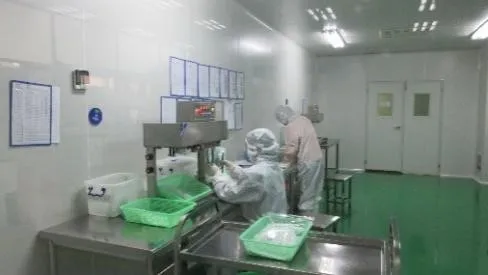
All implants are processed in cleanroom facilities. While most implants are shipped non-sterile for local autoclaving, they are packaged to protect their surfaces from contamination or physical wear during transport.
Our spine systems feature buttress-threaded set screws that prevent cross-threading and improve security. The polyaxial screw heads allow smooth angulation, facilitating easier rod alignment during complex assemblies.
Lead times range from 30 to 45 days, depending on custom details and quantity. Regular stock items are available for immediate delivery. Our logistics team handles international clearance, shipping, and documentation.
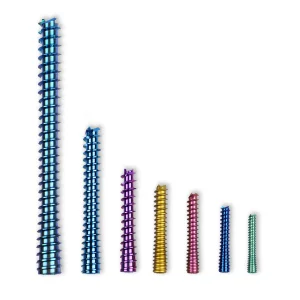
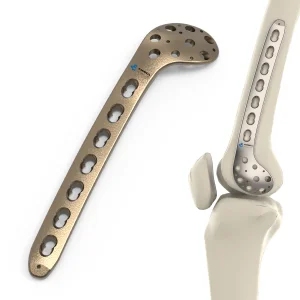
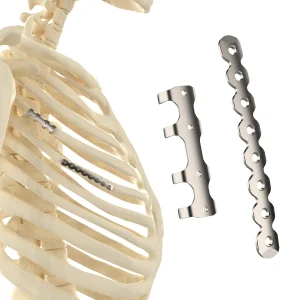
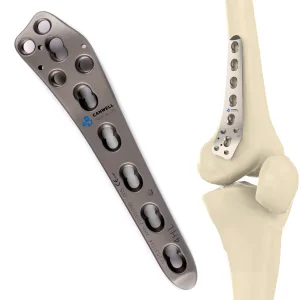
Select from our range of locking reconstructive plates, compression screws, and external fixation platforms.
 Harney-Well