China's Premier Rigid Fixation System Manufacturers

Decades of Orthopedic Engineering Excellence, Strict ISO13485 & MDR Compliance, and Globally Trusted OEM/ODM Surgical Implementations

Leading Orthopedic Trauma & Sports Medicine Solutions

Explore our state-of-the-art implants engineered for rigid internal fixation, osteosynthesis, and arthroscopic repair protocols.
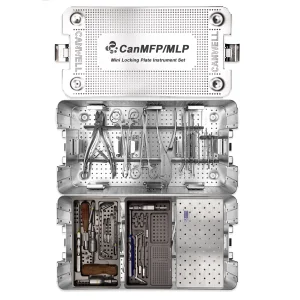
CANWELL 1.5 2.0 2.7mm Hand Foot Surgery Mini Fragment Locking Plate

CANWELL 1.5 2.0 2.7mm Hand Foot Surgery Mini Fragment Locking Plate Implant System Orthopedic Fixation Set

Technical Specifications
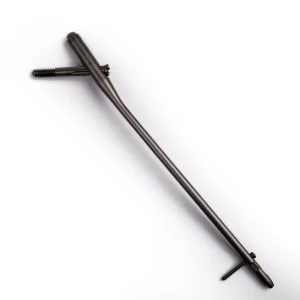
CANWELL Titanium Femoral Intramedullary Nails

CANWELL Titanium Femoral Intramedullary Nails Interlocking Nail Femur PFNA Orthopedic Trauma Implants Bone Fracture

Technical Specifications
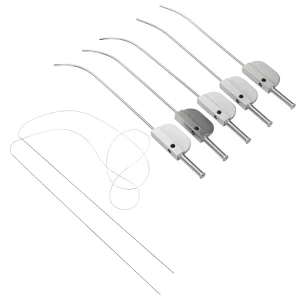
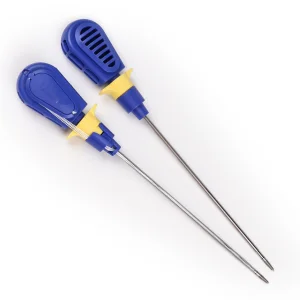
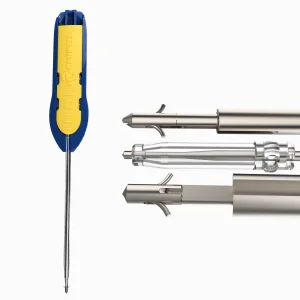
CANWELL Double Arm Meniscus Repair Suture Needle

CANWELL Double Arm Meniscus Repair Suture Needle Meniscal Repair Surgery UHMWPE Arthroscopic Knee Insiden Out CE ISO

Technical Specifications
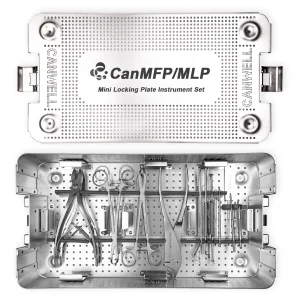
CANWELL Titanium Mini Locking Plate System

CANWELL Titanium Mini Locking Plate System Orthopedic Trauma Implant for Hand Foot Bone Fracture Fixation Surgery

Technical Specifications
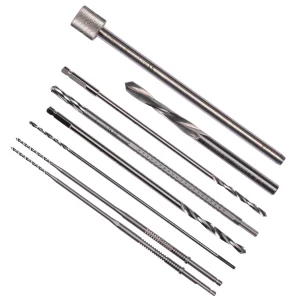
CANWELL Bone Drill Bit Bone Flexible Surgical System

CANWELL Bone Drill Bit Bone Flexible Surgical System Soft AO Normal Type Full Size Orthopedic Cannulated Drill Bit

Technical Specifications
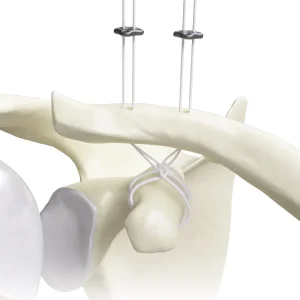
CANWELL Arthroscopy Button Acromio Clavicular Joint Button

CANWELL Arthroscopy Button Acromio Clavicular Joint Button AC Repair Button Orthopedic Sports Medicine

Technical Specifications
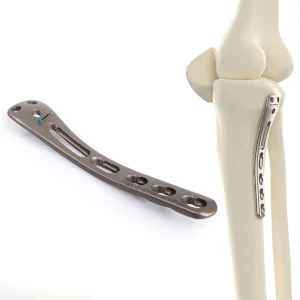
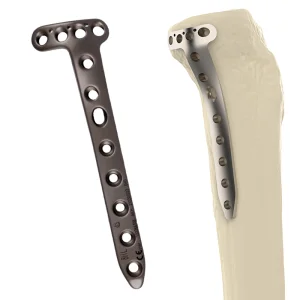
CANWELL 3.5mm Proximal Posterior Tibial Locking Plate

CANWELL 3.5mm Proximal Posterior Tibial Locking Plate Titanium Orthopedic Implant Trauma Fracture Surgery CE OEM Factory

Technical Specifications
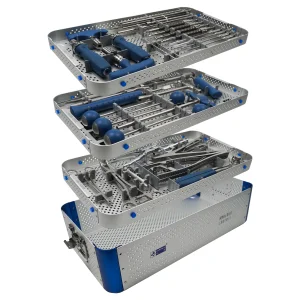
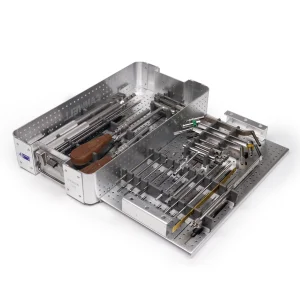
CANWELL Titanium Spine Surgical Instruments Set

CANWELL Titanium Spine Surgical Instruments Set for Posterior Thoracolumbar Fixation System

Technical Specifications

1. Global Commercial & Industrial Status of Rigid Fixation Systems

The global rigid fixation market represents the cornerstone of modern orthopedics, craniofacial surgery, and spine trauma management. Valued at over $6.5 billion USD in recent market assessments, the sector is experiencing a steady compound annual growth rate (CAGR) of 5.8%, driven by an aging global population, the expansion of high-impact athletic pursuits, and the surging incidence of motor vehicle collisions.

Rigid fixation systems, primarily comprising locking plate arrays, intramedullary nails, cannulated bone compression screws, and specialized spinal construct components, have revolutionized patient rehabilitation. By establishing stable mechanical conditions at the fracture site, these implants allow for primary bone healing (osteosynthesis) while minimizing the biological stress shielding effect. The industrial paradigm has shifted dramatically toward biocompatible metals—chiefly Grade 5 Medical Titanium Alloys (Ti-6Al-4V ELI)—and advanced engineering polymers like PEEK (Polyetheretherketone).

Currently, the industry faces double-sided demands: clinicians demand increasingly anatomical and low-profile designs to prevent soft-tissue irritation, while hospital administrative networks require cost-effective, sterile-packaged, and highly traceably manufactured solutions. In response to these shifts, leading manufacturers are migrating from basic mechanical stamping to automated CNC Swiss machining, precision surface treatment (anodization and passivation), and 3D printing of complex trabecular geometries.

22+
Years in Industry
29,523㎡
Production Space
69
QA/QC Inspectors
59
R&D Engineers

The rigid fixation ecosystem is undergoing a major biological and mechanical evolution. Key developments impacting product design and selection include:

  • Anatomical Pre-contouring: Modern bone plates are no longer flat structures meant to be bent manually in the operating theater. Advanced CAD algorithms process global morphometric databases to produce anatomically pre-contoured plates that match specific bone geometry (e.g., proximal medial tibia or distal humerus), reducing surgical duration and implant fatigue.
  • Variable Angle Locking Mechanics: Surgeons can now choose to lock screws at angle variances up to 15 degrees from the plate normal. This facilitates targeted screw placement in complex intra-articular fractures without sacrificing structural construct stability.
  • Transition to PEEK and Carbon Fiber: In spinal fusion cages (such as anterior cervical cages) and select trauma plates, radiolucent PEEK provides an elastic modulus close to that of human cortical bone. This reduces the risk of stress shielding and allows clear radiological assessment of bone fusion over time.
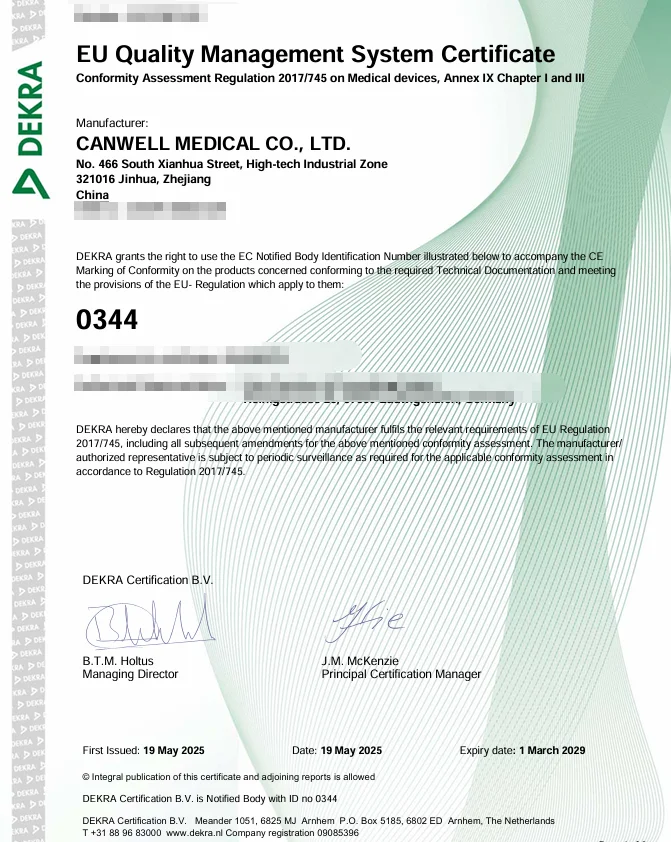
  • Stringent Regulatory Landscapes: The transition from the Medical Device Directive (MDD) to the more rigorous Medical Device Regulation (MDR) in the European Union has elevated quality control, clinical follow-ups, and raw material traceability to critical focal points. Suppliers without certified, traceable production pipelines are being phased out.

Audited Manufacturer Profile & Capabilities

Transparent compliance metrics reflecting 22 years of continuous export excellence and ISO13485 / MDR verified processes.
Company Registration Date
2004-11-03
Total Manufacturing Floor Space
29,523 ㎡
Years in Orthopedic Industry
22 Years
Staffing & Structural Expertise
59 Graduate R&D Engineers / 69 Quality Inspectors
Quality Assurance Protocols
100% Traceability of Raw Materials & Multi-level Inspection
Core Global Markets
South America (30%), Southeast Asia (20%), Western Europe (20%)

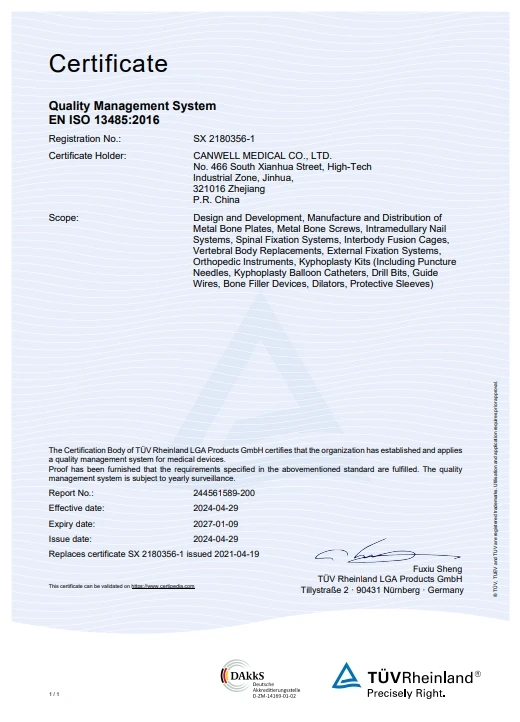
Accredited Regulatory Certifications

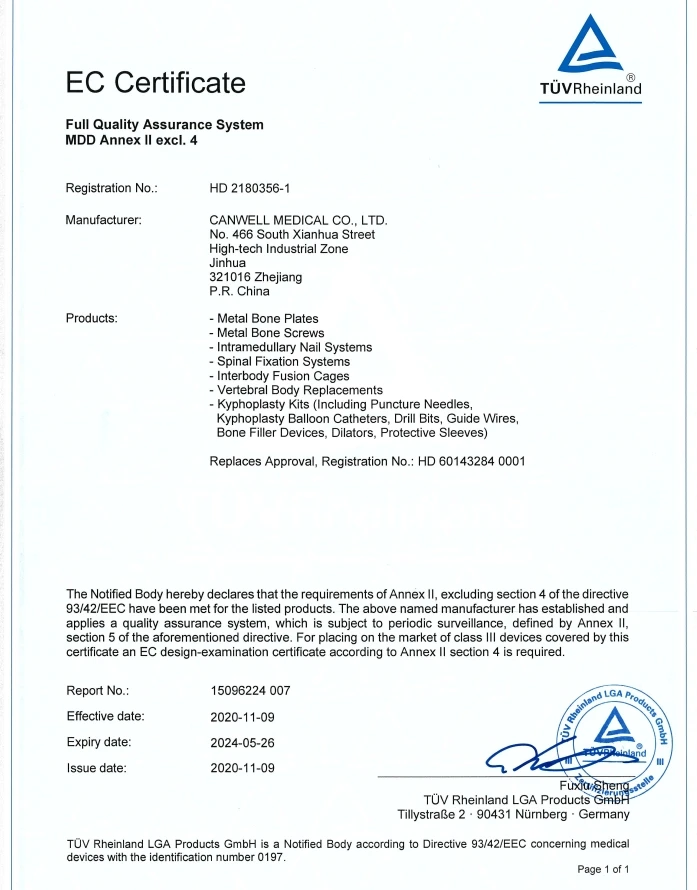
ISO13485 Certification ISO13485 Reg: SX 2180356-1
93/42/EEC CE Certificate 93/42/EEC (CE) Reg: HD 2180356-1
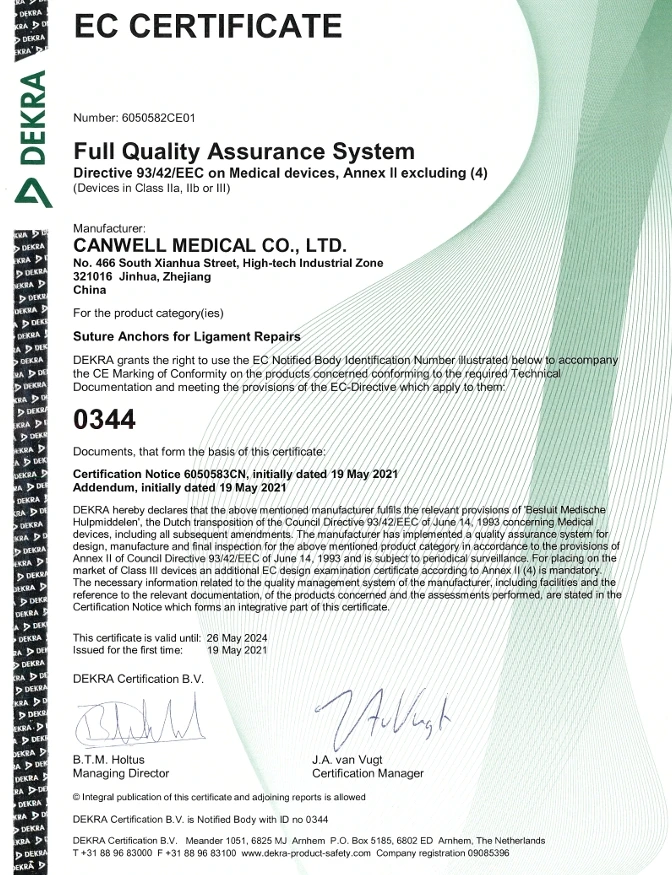
CE Mark 93/42/EEC 93/42/EEC Reg: 6050582CE01
MDR Compliance MDR (CE) Reg: 6142788CE02

3. Localized Application Scenarios & Clinical Adaptability

Orthopedic rigid fixation is dynamic, requiring diverse system responses based on anatomical location, bone density, patient age, and activity level. Key diagnostic and surgical indications include:

A. Hand and Foot Osteosynthesis

Mini-fragment locking systems (such as the 1.5mm, 2.0mm, and 2.7mm configurations) are vital for hand, wrist, midfoot, and forefoot fractures. Due to the limited soft tissue coverage in these extremities, implants must feature low profile profiles, smooth rounded edges, and recessed screw heads. These specifications minimize mechanical friction against moving tendons, preventing post-operative tenosynovitis or adhesion.

B. Lower Limb Trauma Management

The proximal medial and lateral tibial regions experience substantial axial and shear loading during early mobilization. To mitigate these loads, Proximal Lateral and Posterior Tibial Locking Plates serve as load-sharing constructs. These systems rely on solid combi-holes that allow standard dynamic compression or direct angular locked screw fixation. Additionally, titanium intramedullary nails, such as the Femoral PFNA (Proximal Femoral Nail Antirotation) system, provide optimal stability for subtrochanteric and femoral shaft fractures. Intramedullary nails act as load-bearing structures, redirecting weight-bearing forces along the central axis of the femur to encourage rapid clinical recovery.

C. Sports Medicine and Joint Reconstruction

Modern joint reconstruction relies heavily on suture anchors and arthroscopy buttons to manage soft-tissue-to-bone reattachment. Procedures like Bankart repair, rotator cuff reconstruction, and Acromioclavicular (AC) joint repair demand small, biomechanically stable anchor systems (such as 1.8mm and 2.8mm titanium or PEEK suture anchors). These devices are designed to lock into subchondral bone, maintaining high pull-out strength under cyclic physiological loads.

D. Advanced Posterior Thoracolumbar Fixation

Vertebral instability caused by trauma, degenerative disc diseases, or tumors is treated using posterior spine instruments. In these procedures, pedicle screw and rod systems are anchored into the vertebral bodies to immobilize the unstable segment, promoting interbody fusion (utilizing PEEK cages) and preventing long-term neurological damage.

4. Technical Roadmap & Future Outlook

The trajectory of rigid fixation technology moves from inert anatomical matching to active biological integration. Manufacturers and clinical researchers are mapping out the next decade of implant evolution:

2025-2027
Advanced Additive Production

Integrating direct-metal laser sintering (DMLS) to print custom trabecular titanium plates with porous structural layers, promoting rapid osseointegration.

2028-2031
Bioabsorbable Alloys & Polymers

Deploying second-generation magnesium and zinc-based bioresorbable alloys for pediatric trauma. Implants degrade gradually once bone healing is complete, eliminating secondary removal operations.

2032-2035
Smart Fixation & Sensing

Embedding micro-strain sensors and temperature monitors within spinal implants to track real-time healing progress and detect localized infections.

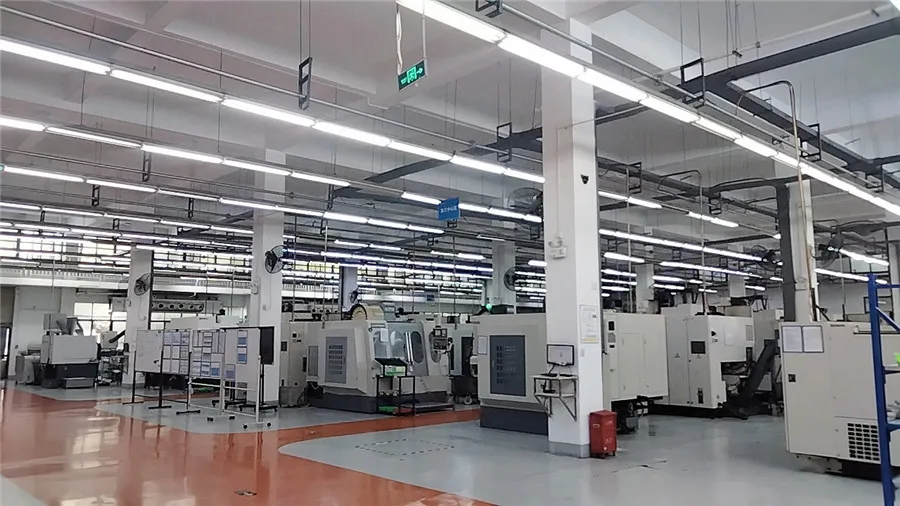
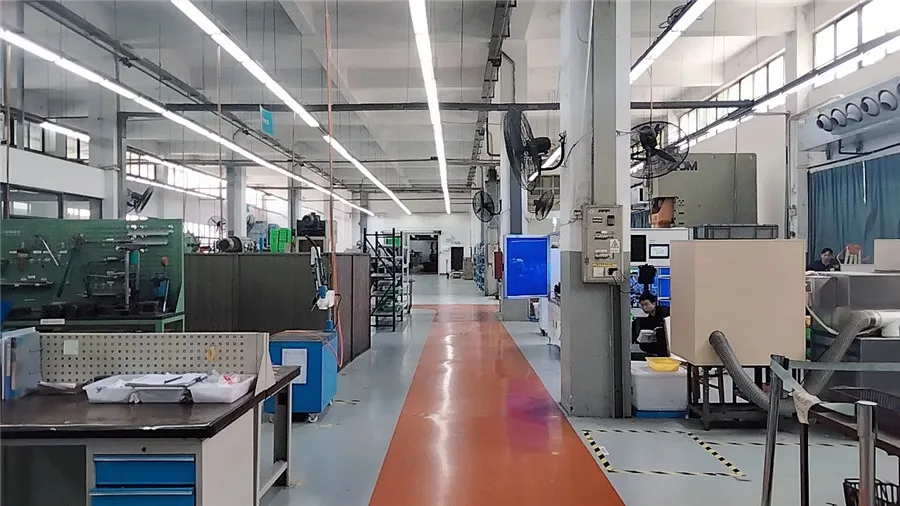
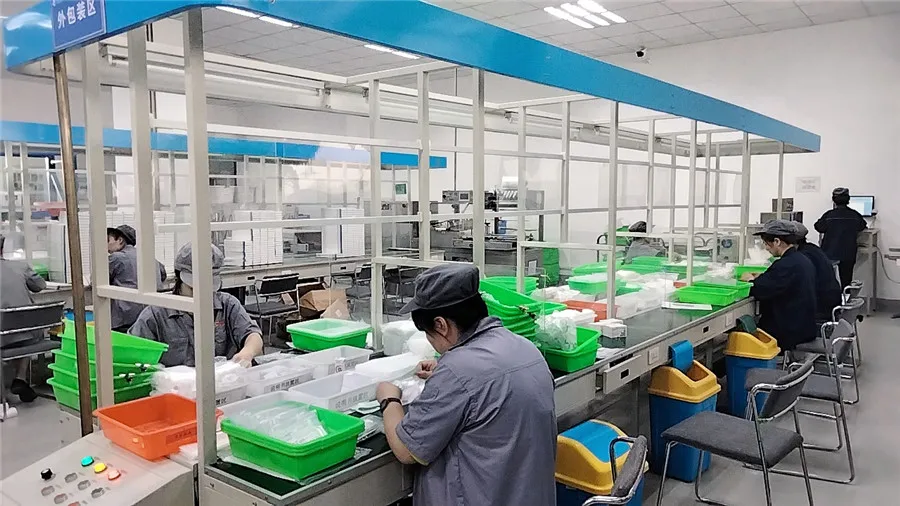
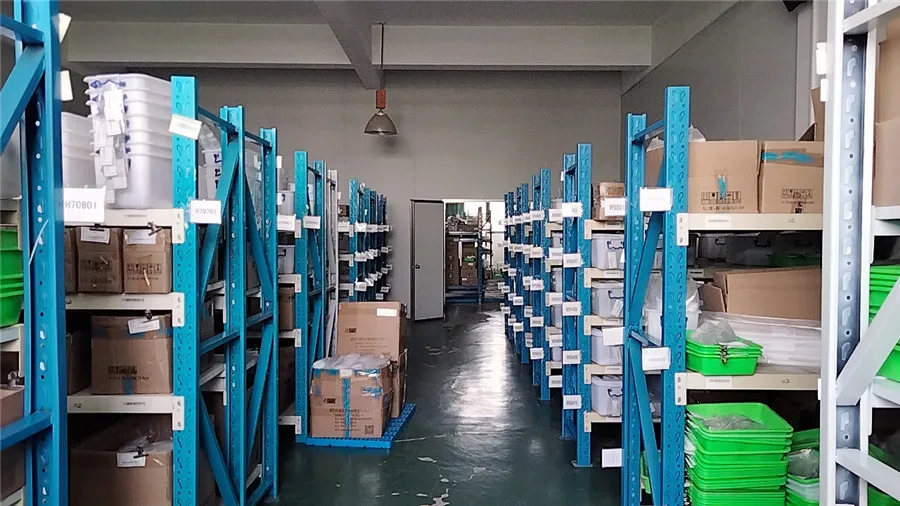
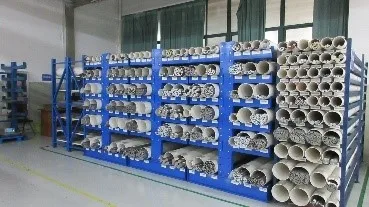
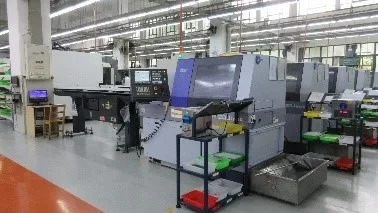
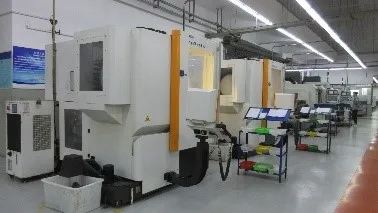
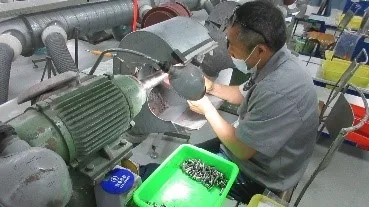
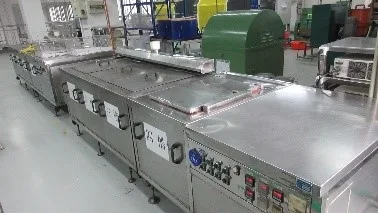
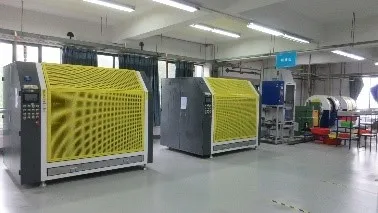
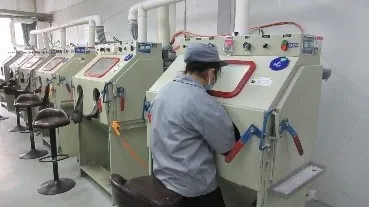
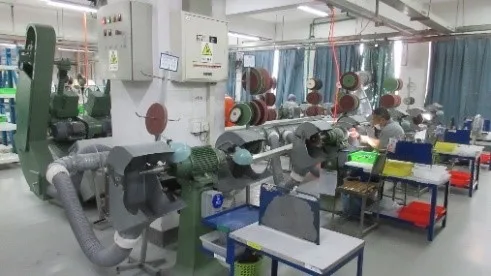
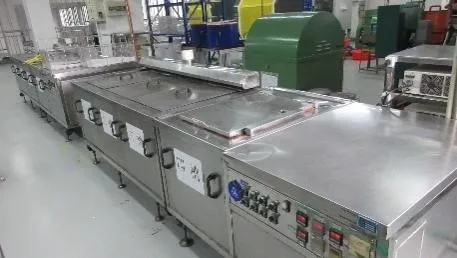
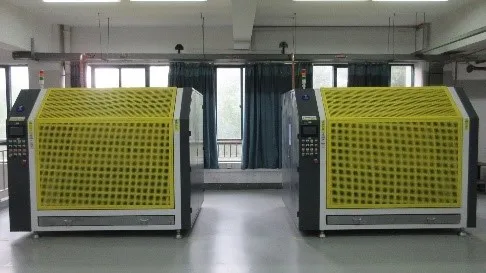
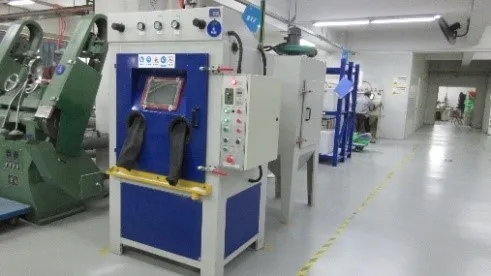
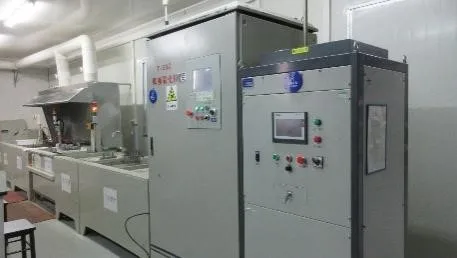
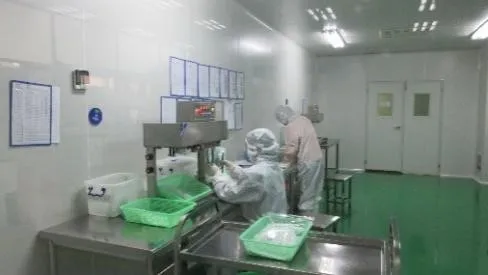
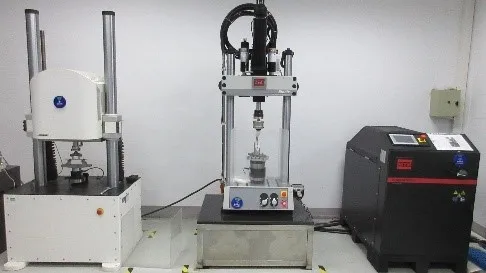
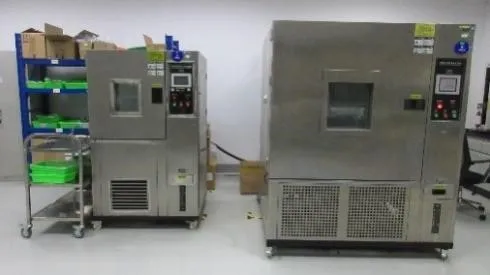
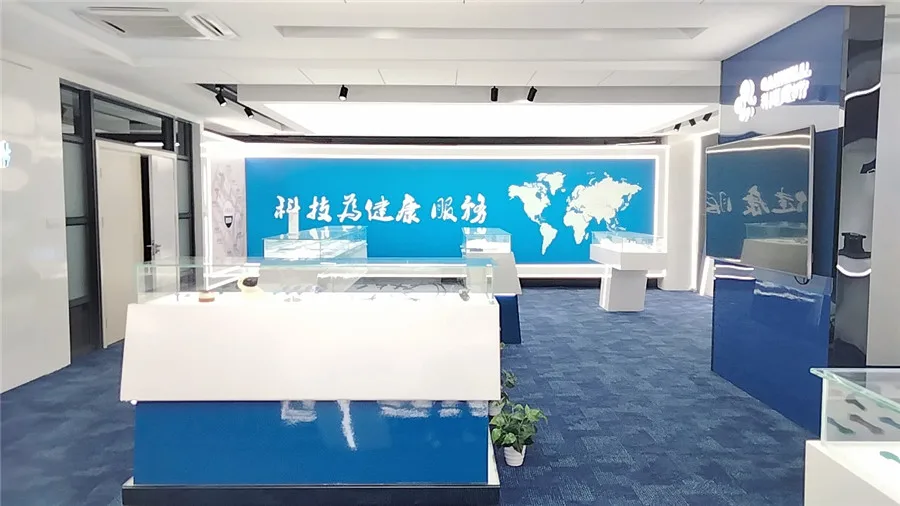
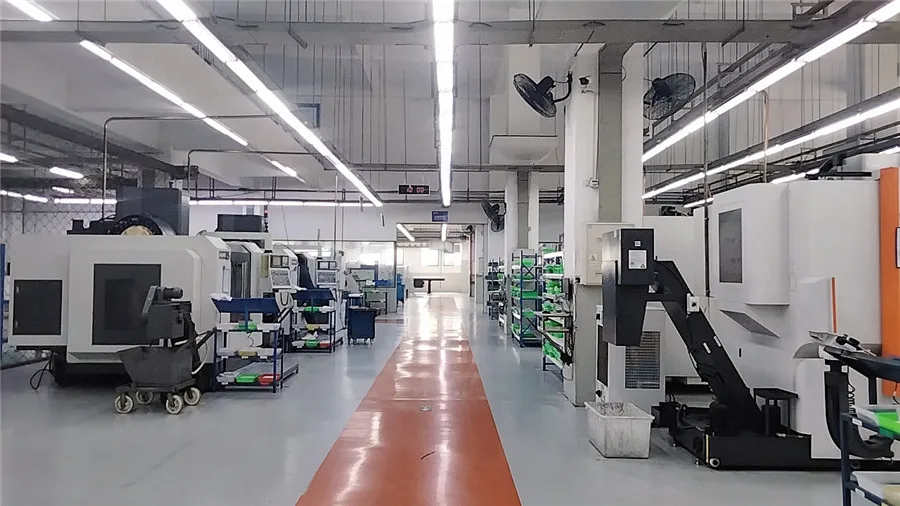
On-site Production Facility & Advanced Machining Gallery

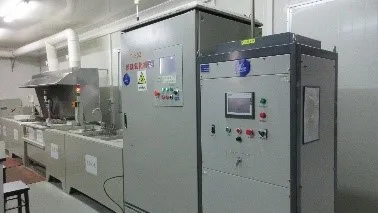
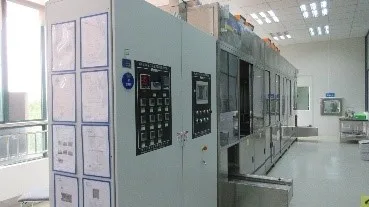
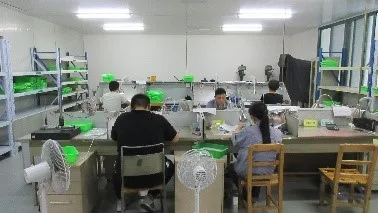
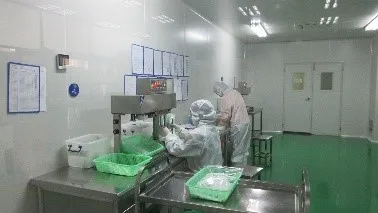
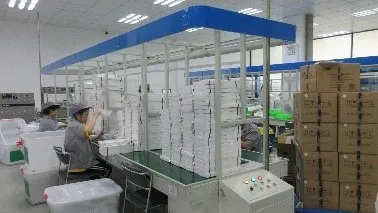
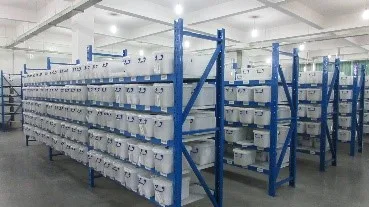
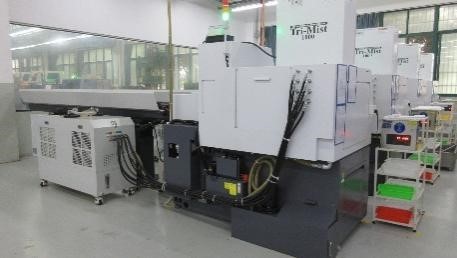
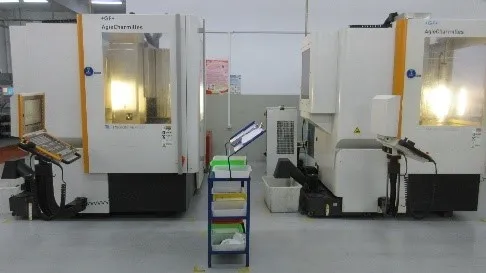
Verified imagery of our raw materials, precision CNC equipment, and cleanroom production environments.
Production Process Image 1
Production Process Image 2
Production Process Image 3
Production Process Image 4
Production Process Image 5
Production Process Image 6
Production Process Image 7
Production Process Image 8
Production Process Image 9
Production Process Image 10
Production Process Image 11
Production Process Image 12
Production Process Image 13
Production Process Image 14
Production Process Image 15
Production Process Image 16
Production Process Image 17
Production Process Image 18
Production Process Image 19
Production Process Image 20
Production Process Image 21
Production Process Image 22
Production Process Image 23
Production Process Image 24
Production Process Image 25
Production Process Image 26
Production Process Image 27
Production Process Image 28
Production Process Image 29
Production Process Image 30
Production Process Image 31

5. Comprehensive Solutions for Global B2B Procurement

Selecting a manufacturing partner for rigid fixation systems extends beyond unit cost analysis. Professional B2B buyers—ranging from regional distributors and private healthcare groups to tender commissions—require a structured approach to supply chain security:

  • Sterile Packaged Configurations: Delivering implants in pre-sterilized, gamma-irradiated packaging simplifies hospital storage and reduces the liability profile for healthcare facilities.
  • Complete Instrument Compatibility: High-performance plate systems are paired with complete surgical sets, featuring torque-limiting drivers, calibrated drill bits, and specialized plate-bending instruments to ensure seamless execution in the OR.
  • OEM/ODM Capabilities: Supported by over 50 R&D engineers, we offer custom development services, modifying plate contours, hole counts, or screw profiles to meet distinct surgical preferences.
  • Regulatory Support Packets: We provide full technical documentation—including ISO13485 audits, MDR certifications, biocompatibility studies, and mechanical fatigue test results (conforming to ASTM F382 standards)—to streamline domestic registration processes.

Clinical & Technical Q&A

Answers to common engineering, clinical, and regulatory questions from orthopedics distributors and procurement specialists.

Q1: What are the main mechanical differences between Ti-6Al-4V ELI (Grade 5) and Pure Titanium (CP Grade 4) in bone plate fabrication?
A: Grade 5 titanium alloy (Ti-6Al-4V Extra Low Interstitial) offers substantially higher tensile strength (minimum 860 MPa) and fatigue limit compared to Commercially Pure (CP) Grade 4 Titanium (minimum 550 MPa). While CP titanium is ideal for craniofacial applications requiring manual shaping, high-load areas like the distal femur or tibia require Grade 5 alloy to prevent plastic deformation under weight-bearing forces.
Q2: How does your variable angle locking mechanism maintain construct rigidity under multi-axial loads?
A: Our variable angle locking plates incorporate a thread pattern within the plate's combi-holes, paired with a specialized locking screw head. This configuration allows screws to lock securely within a 30-degree cone (15 degrees deviation in any direction). Upon locking, the interface undergoes controlled cold-welding, transforming the screw and plate into a stable, single-unit construct that resists toggle and shear forces.
Q3: What methods are used to verify raw material traceability and quality control during production?
A: Every batch of medical titanium or PEEK undergoes initial chemical composition verification, grain structure analysis, and mechanical tensile testing, accompanied by mill test certificates. Throughout production, each implant receives a unique laser-etched batch or serial number linked directly to the raw material heat ID. Post-manufacturing, we conduct 100% optical inspection, ultrasonic cleaning, and cleanroom verification under ISO Class 5 conditions.
Q4: What support options are available for local regulatory registration under European MDR and FDA guidelines?
A: We provide comprehensive regulatory dossier support, including ISO13485 certifications, CE MDR certificates, biocompatibility test results (ISO 10993 compliant), clinical evaluation reports (CER), packaging validation studies, and sterile barrier integrity test records. Our dedicated regulatory team coordinates directly with your compliance officers to resolve any regional registration queries.

Advanced Implants & Surgical Instrumentation Systems

Select options for specialized procedures including arthroscopy, tibial reconstruction, and spinal fusion.
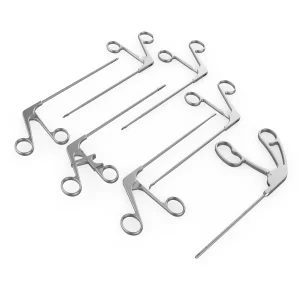
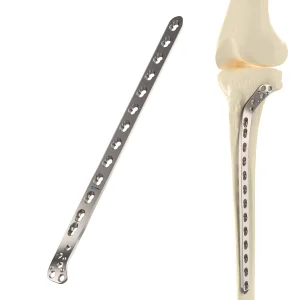
CANWELL Shoulder Arthroscopy Instruments Set

CANWELL Shoulder Arthroscopy Instruments Set Arthroscopy Forceps Rotator Cuff Arthroscopy Punch Forceps Orthopedic Instruments

Technical Specifications
CANWELL Proximal Lateral Tibial Locking Plate

CANWELL Proximal Lateral Tibial Locking Plate Orthopedic Trauma Implant Hospital Bone Plate 5.0mm Screw Orthopedic Manufacturer

Technical Specifications
CANWELL Titanium Suture Anchor with Needles

CANWELL Titanium Suture Anchor with Needles 2.8 3.5mm Sports Medicine Shoulder Arthroscopy Surgery Orthopedic Implant CE

Technical Specifications
CANWELL Bankart Repair Suture Anchor

CANWELL Bankart Repair Suture Anchor 1.8mm Titanium Suture Anchor Arthroscopic Implant Single Line CE ISO Certified

Technical Specifications
Canwell Cannulated Screw 4.5

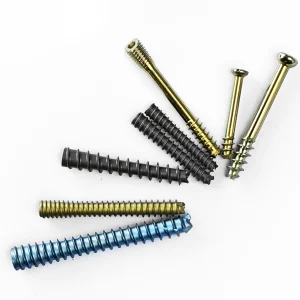
Canwell Cannulated Screw 4.5 Medical Orthopedic Cannulated Bone Screw Surgical Herbert Titanium Cannulated Compression Screw

Technical Specifications
CANWELL Proximal Medial Titanium Tibial Locking Plate

CANWELL Proximal Medial Titanium Tibial Locking Plate Compression Bone Orthopedic Implants Trauma Fracture Surgery OEM CE

Technical Specifications
CANWELL Large Fragment Instrument Set

CANWELL Large Fragment Instrument Set Orthopedic 4.5-6.5mm Complete Set Locking Plate Instrument Set CE&ISO Certificated

Technical Specifications
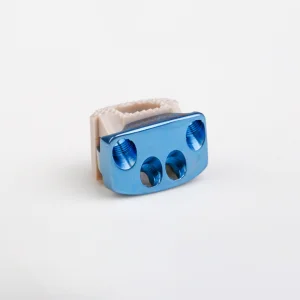
CANWELL PEEK Zero Profile Cervical Fusion Cage

CANWELL PEEK Zero Profile Cervical Fusion Cage Anterior Cervical Interbody Implant for ACDF Spine Surgery System

Technical Specifications