Explore our leading Class III orthopaedic implants, engineered for exceptional biocompatibility, long-term survivorship, and precise surgical implantation.

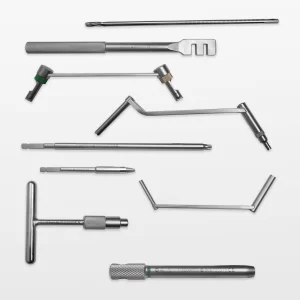
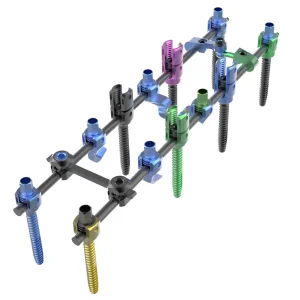
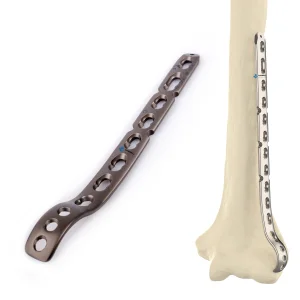
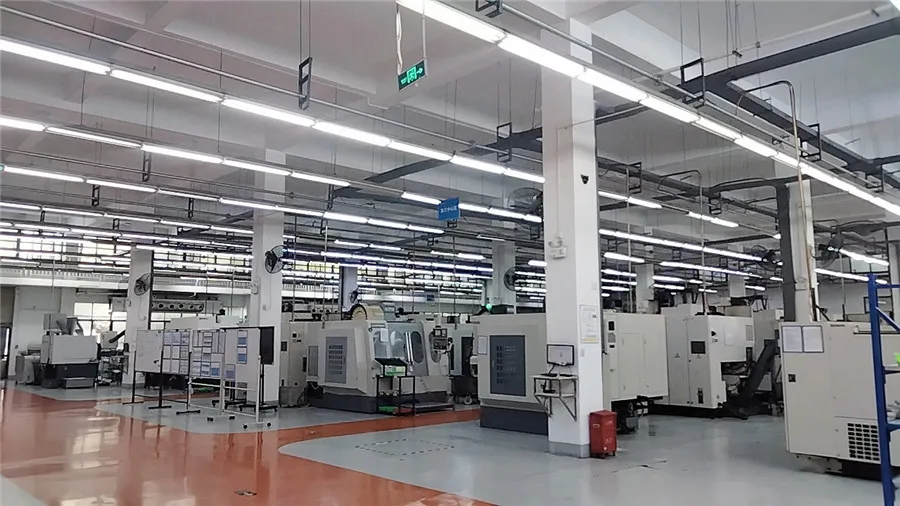
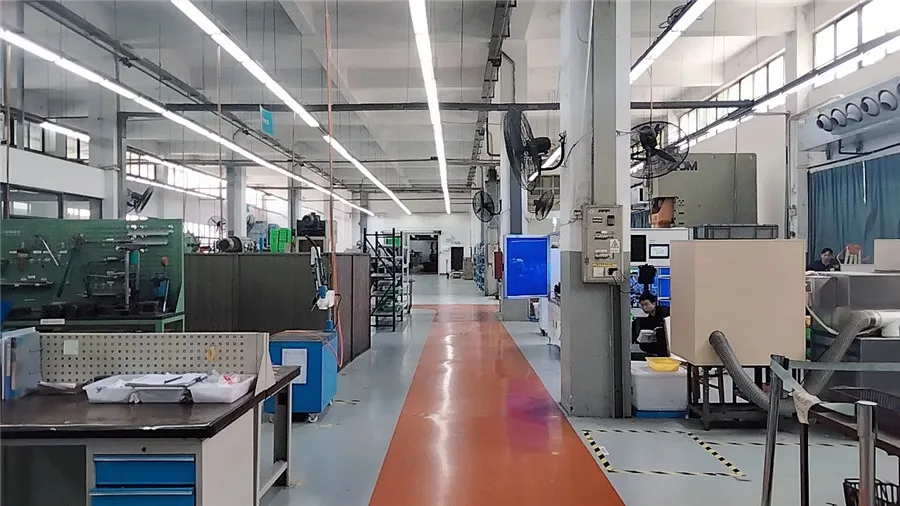
Operating a state-of-the-art facility backed by 22 years of export experience, advanced R&D methodologies, and stringent quality control protocols.

A comprehensive assessment of clinical demands, advanced biomechanics, and international compliance pathways in joint arthroplasty.
The global demand for joint replacement devices has reached unprecedented heights, driven by an aging demographic, the rise of lifestyle-related joint degradation, and the increasing demand for active post-operative mobility. Joint arthroplasty is no longer simply about pain management; it has transitioned into a highly functional intervention aiming to restore natural joint kinematics and prolong implant survivorship to 20 years or more.
As a premier OEM/ODM manufacturer in China, CANWELL addresses these global dynamics by investing heavily in high-performance biomaterials. Our focus encompasses medical-grade titanium alloys (Ti-6Al-4V ELI), ultra-high-molecular-weight polyethylene (UHMWPE), and cobalt-chromium-molybdenum (CoCrMo) alloys. By matching premium metallurgy with high-precision manufacturing, we mitigate common clinical failure modes such as aseptic loosening, polyethylene wear debris, and stress shielding.
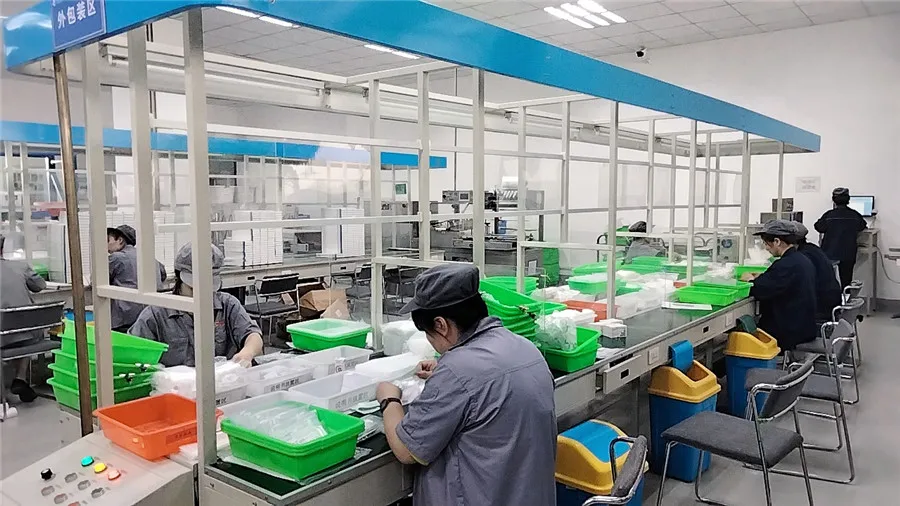
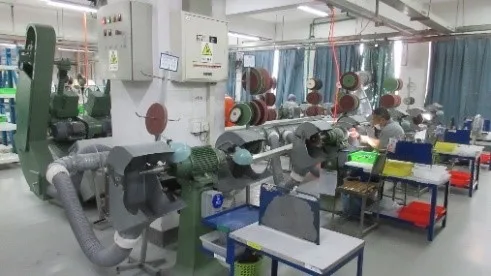
By combining extensive cleanroom capacity with fully integrated precision milling, grinding, and surface coating technologies, CANWELL serves as a reliable supply chain partner for medical device brands, distributors, and healthcare systems across South America, Western Europe, and Southeast Asia.
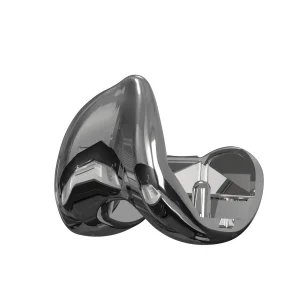
The mechanical integrity of an artificial joint is directly dependent on its interface compatibility and structural layout. In total hip arthroplasty (THA), our non-cemented modular stems utilize a dual taper design and macro-textured porous surfaces that promote rapid biological osseointegration. For total knee replacement (TKR) configurations, the femoral components are engineered with precise sagittal curvatures that optimize contact pressure throughout the flexion range, minimizing patellofemoral shear forces.
To optimize bone-to-implant adhesion, CANWELL utilizes advanced vacuum plasma spraying (VPS) to apply highly uniform titanium and hydroxyapatite (HA) coatings. These coatings mimic native bone mineralization, significantly shortening the post-operative recovery phase for patients receiving cementless reconstructions.
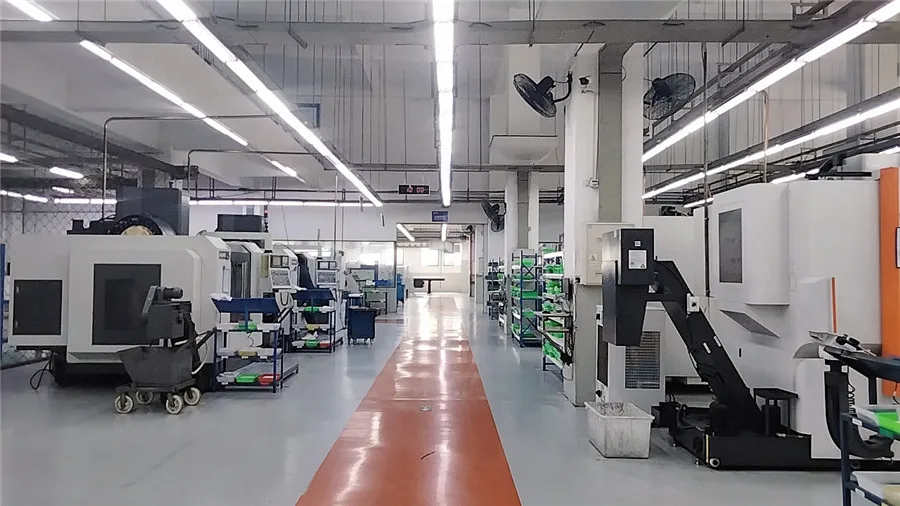
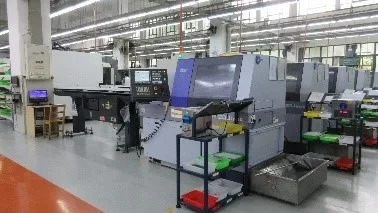
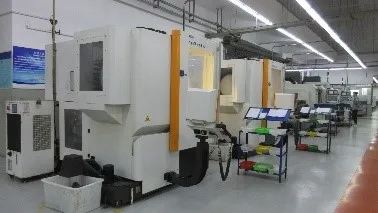
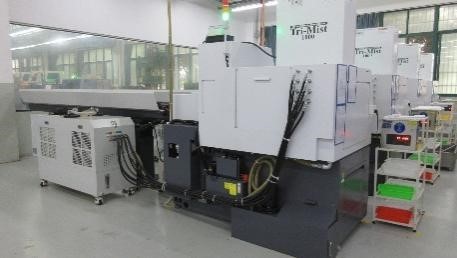
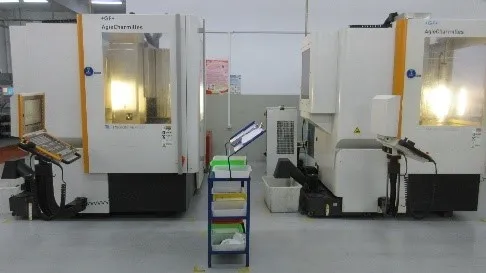
Our manufacturing lines are equipped with multi-axis CNC machines capable of holding dimensional tolerances within single-digit micrometers. This precision ensures perfect modular fitment between the femoral stem, modular head, and acetabular liner, reducing the risk of taper corrosion and micro-motion.
Access to international medical device markets requires absolute adherence to rigorous regulatory frameworks. The transition from the Medical Device Directive (MDD 93/42/EEC) to the European Medical Devices Regulation (EU MDR 2017/745) has significantly elevated the requirements for clinical evidence, post-market surveillance, and technical documentation. CANWELL has proactively adapted to this shifting regulatory landscape.
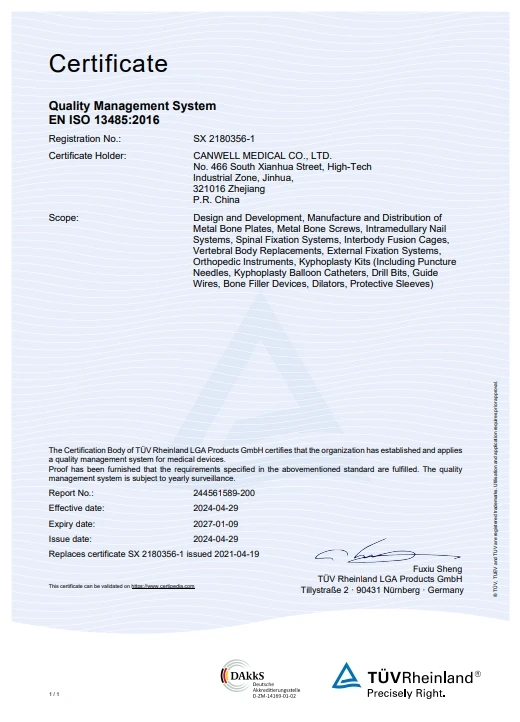
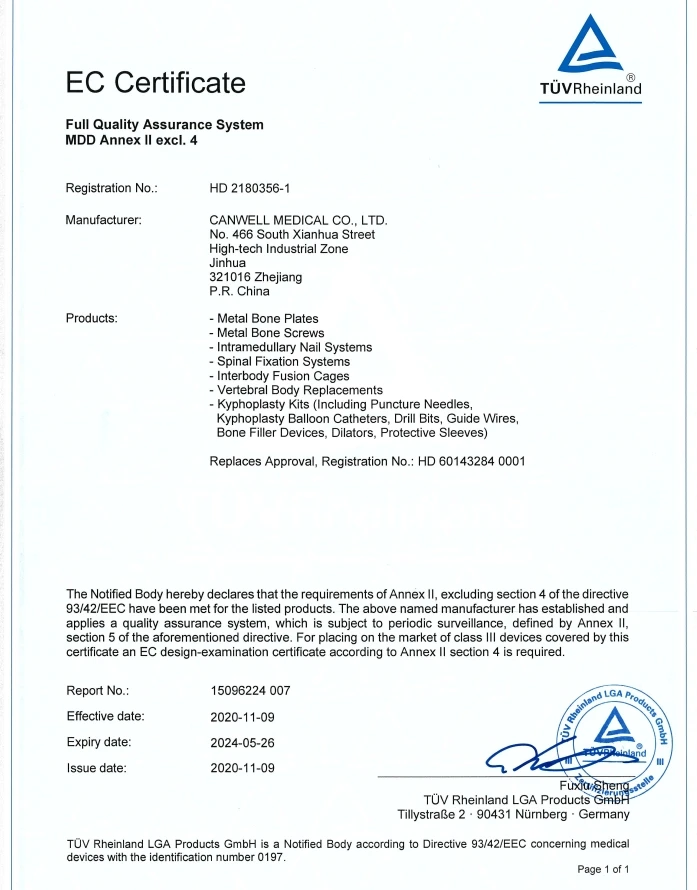
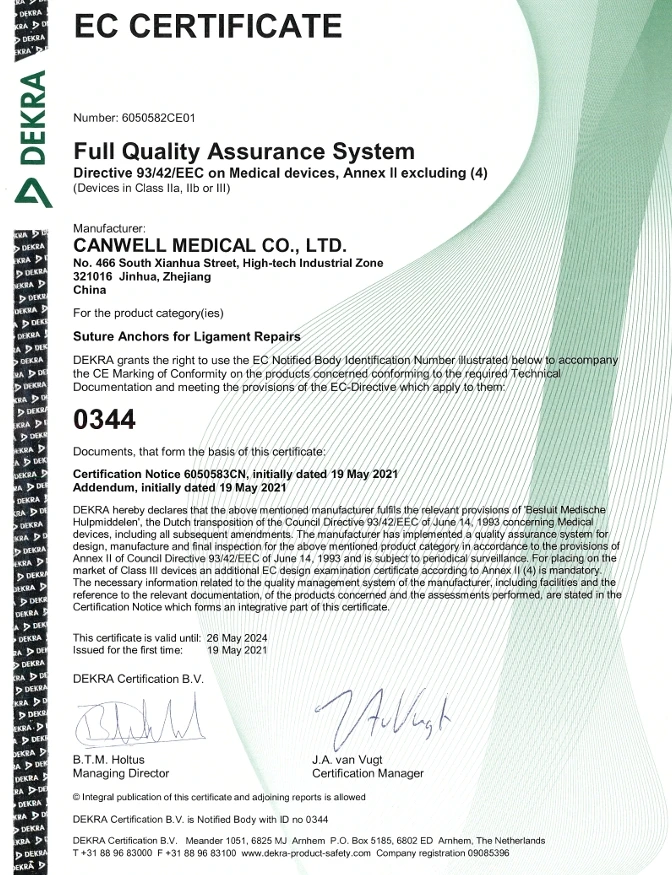
Our Quality Management System (QMS) is certified under ISO 13485, and our primary joint replacement systems carry valid CE MDR certifications (such as Cert No. 6142788CE02). Each production batch undergoes rigorous traceability verification, starting from raw titanium billet verification to final sterile packaging validation. This guarantees that our distribution partners receive regulatory-cleared devices that streamline hospital procurement processes.
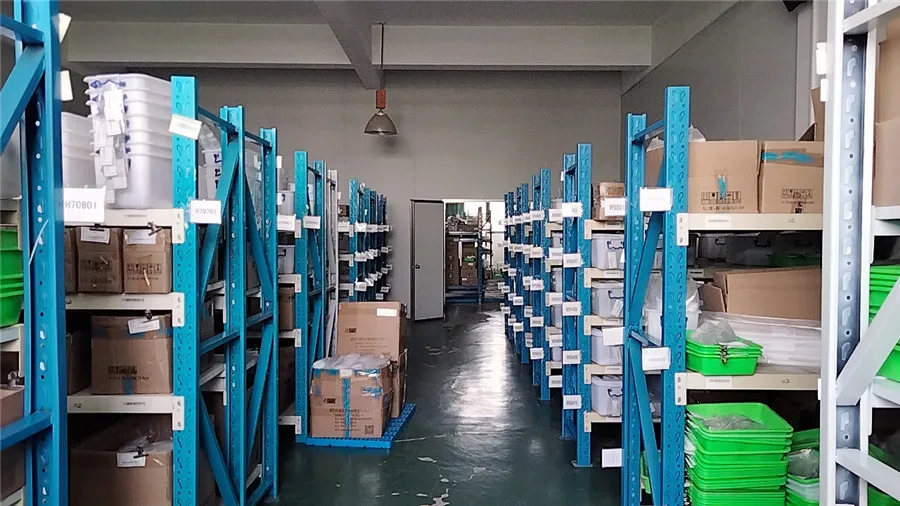
In the contemporary B2B medical supply landscape, procurement security is just as critical as clinical performance. CANWELL mitigates geopolitical and transport disruptions by establishing dedicated logistics channels, regional stocking programs, and comprehensive technical training support for local distributors. Whether operating under direct OEM arrangements or through customized branding agreements, we provide complete dossiers, surgical instrumentation sets, and digital training resources to ensure seamless localized adoption.
Our R&D team (consisting of 59 graduate engineers) continuously explores advanced orthopedic innovations. Our development roadmap outlines the progressive evolution of our implant designs over the next decade:
In-depth responses to critical technical, clinical, and regulatory questions frequently raised by healthcare buyers and orthopedic importers.
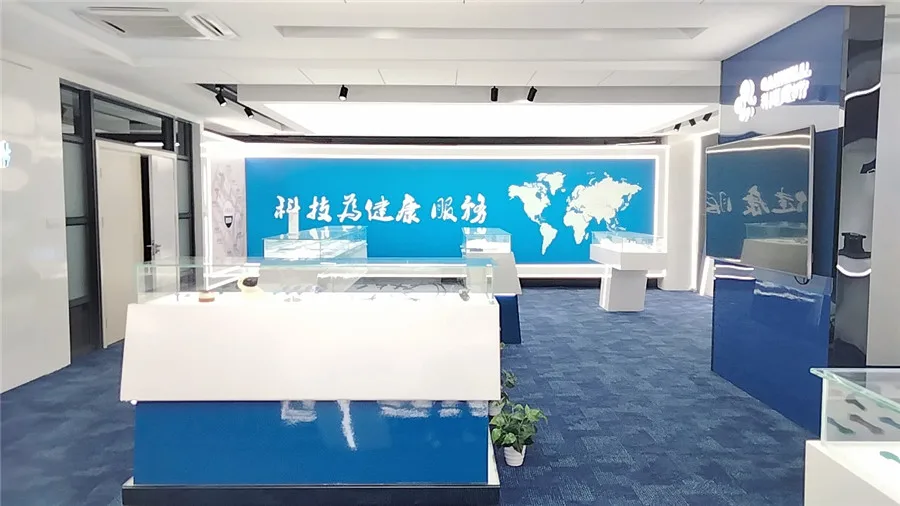
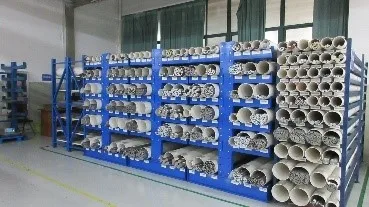
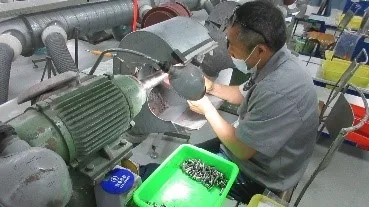
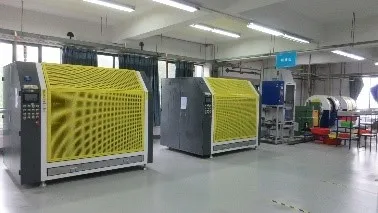
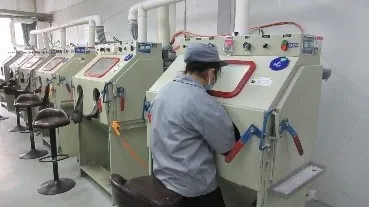
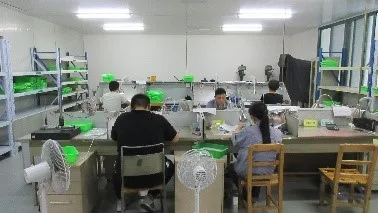
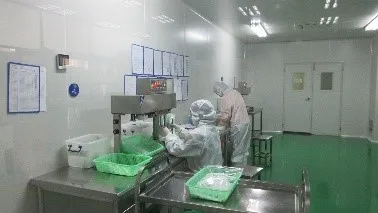
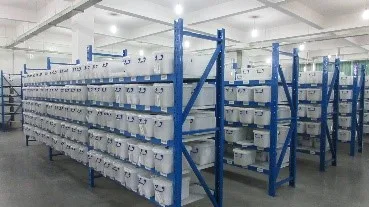
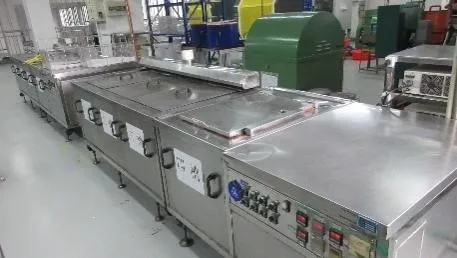
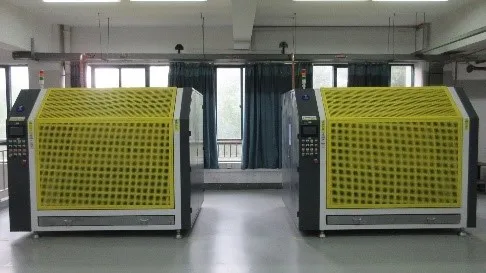
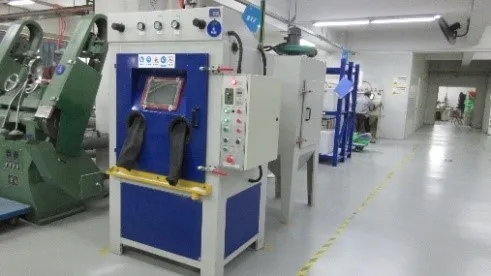
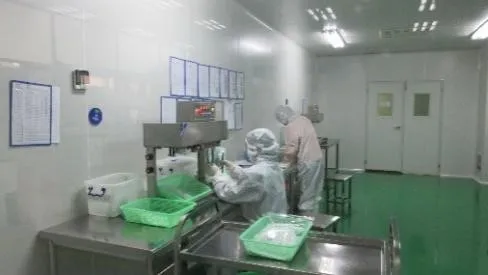
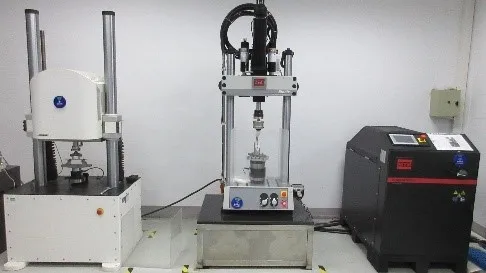
A look inside our 29,523 m² manufacturing complex, Class 100,000 cleanrooms, and testing laboratories.








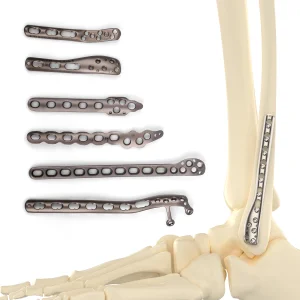
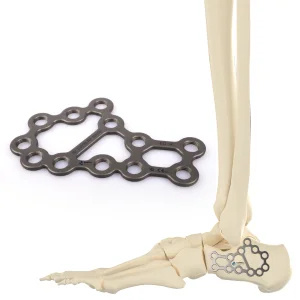
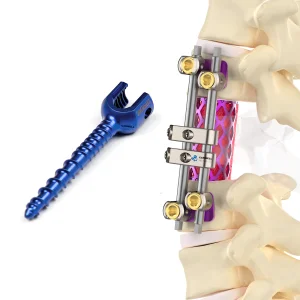
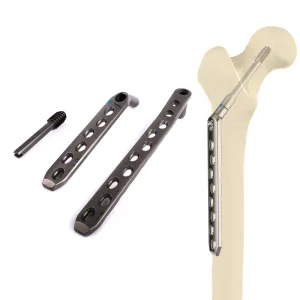
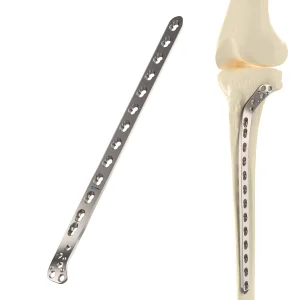
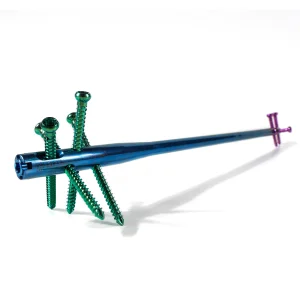
Premium trauma locking plates, intramedullary nailing systems, and spinal fixation assemblies engineered for high stability and reliable clinical success.
 Harney-Well