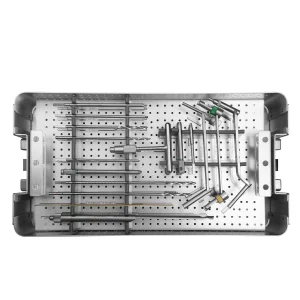
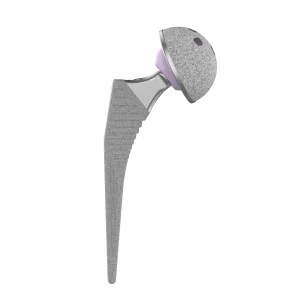
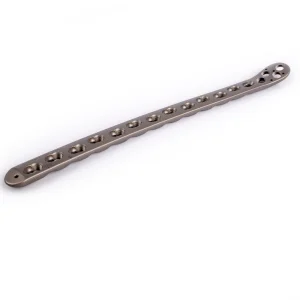
China Wholesale Cartilage Repair Device Factory & Exporters

Clinical-Grade Osteochondral Reconstruction & Advanced Sports Medicine Trauma Solutions

Translating Chondral Repair Innovation into High-Performance Surgical Solutions

Articular cartilage injuries present a significant clinical challenge due to the tissue's avascular nature and limited self-regenerative capacity. Over the past two decades, the field of orthopedics has progressed from simple palliative interventions to advanced structural restoration. Sourcing specialized implants and tools requires partner capabilities that align high-volume stability with absolute design precision. As a premier Chinese manufacturer established in 2004, we leverage 22 years of export and production history to supply clinical-grade devices that stabilize osteochondral fractures, repair ligamentous attachments, and facilitate subchondral repair.

"Effective cartilage repair requires mechanical stability and highly biocompatible scaffolding. Our orthopedics portfolio interfaces trauma stabilization with joint-preservation components to ensure anatomical alignment and long-term functional recovery."

Biomaterial Engineering & Manufacturing Purity

The clinical efficacy of cartilage restoration depends on material choice. Our production lines use premium ELI (Extra Low Interstitial) Titanium Alloys (Ti-6Al-4V) and medical-grade polymers. These materials guarantee maximum biomechanical fatigue limits and high biocompatibility.

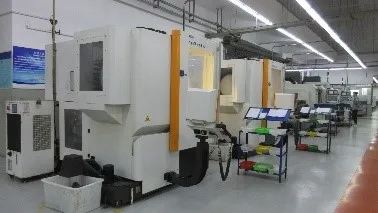
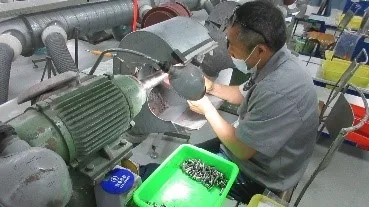
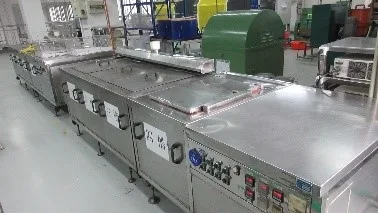
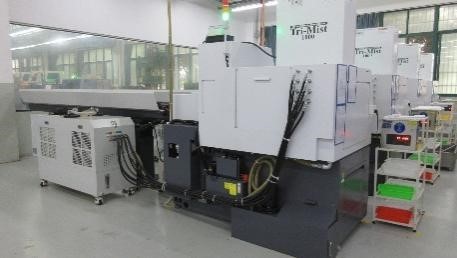
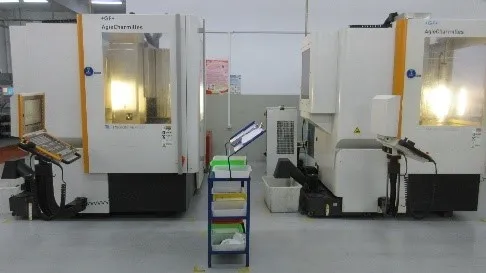
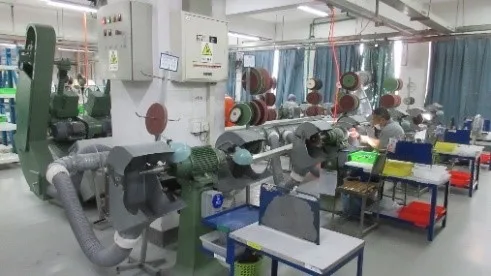
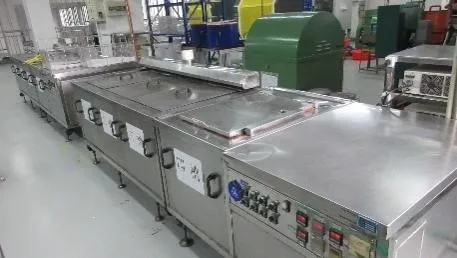
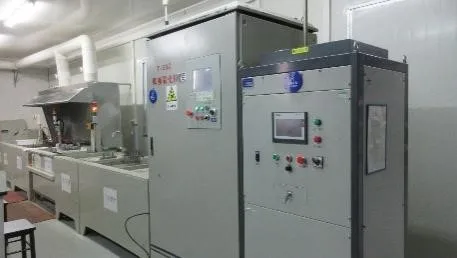
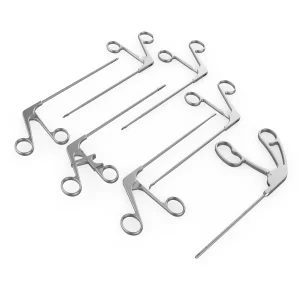
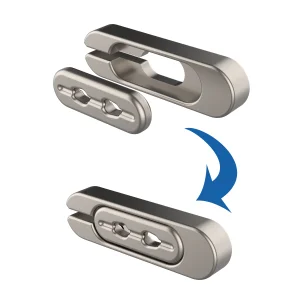
Our manufacturing processes feature precision milling, high-precision laser sintering, and strict electropolishing. This ensures our implants maintain structural stability without inducing cell necrosis or chronic inflammatory responses. For cartilage and ligament reattachment, our sports medicine devices (such as the ACL Endobutton and specialized instruments) are designed to minimize micro-motion at the bone-implant interface, which supports healthy fibrocartilage and hyaline-like cartilage regeneration.

Orthopedic Stabilization and Articular Health

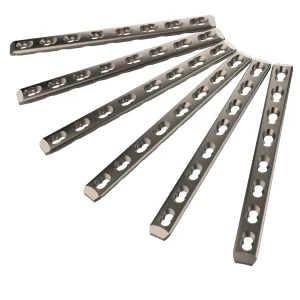
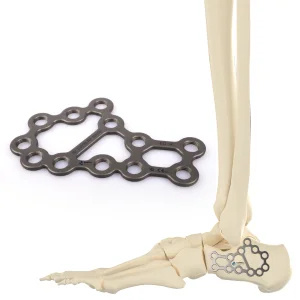
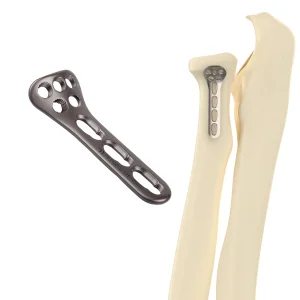
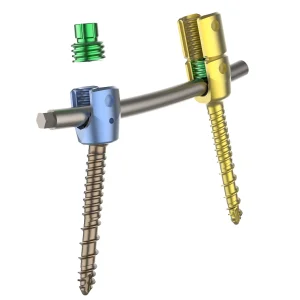
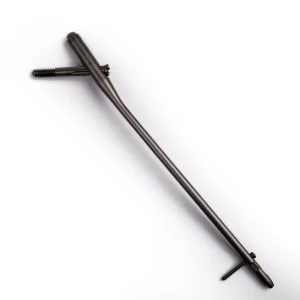
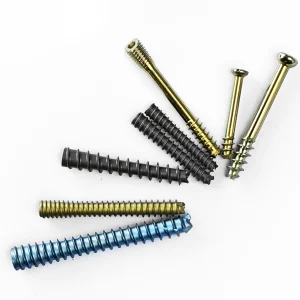
Cartilage degeneration is often driven by axial malalignment or joint instability following trauma. To address this, we produce a comprehensive trauma fixation system, including Locking Compression Plates (LCP), Dynamic Hip Screws (DHS), and Intramedullary Nails.

  • Anatomical Pre-contouring: Reduces the need for intraoperative plate bending, minimizing structural stress on the bone.
  • Locking Screw Mechanics: Delivers high angular stability, preserving the periosteal blood supply and supporting stable bone repair.
  • Biomechanical Loading: Promotes controlled, micro-physiological strain at the fracture site to accelerate cortical remodeling.

Macro Trends in Global Sports Medicine & Cartilage Sourcing

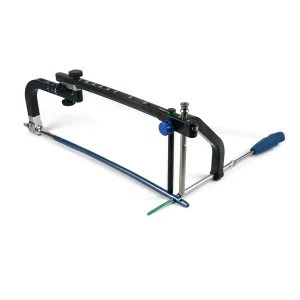
Modern clinical practice is moving toward minimally invasive surgeries and early post-operative mobilization. This transition has increased the demand for specialized instrument sets, dynamic fixation screws, and biological repair accessories. Healthcare networks and wholesale distributors require manufacturing partners who can supply reliable, high-volume orthopedic implants that meet these shifting regulatory standards.

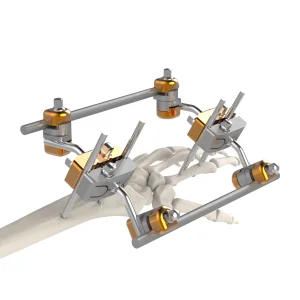
By consolidating trauma implants, arthroscopic systems, and external fixation technologies under a unified manufacturing framework, we offer global distributors a streamlined supply chain. This integrated approach reduces procurement costs and ensures consistent, cross-compatible tooling and implant components.
Verified Factory Profile

  • Established2004-11-03
  • Floor Space29,523 ㎡
  • Industry Experience22 Years
  • Exporting History22 Years
  • R&D Team59 Graduate Engineers
  • Quality Control69 Dedicated Inspectors
  • Traceability100% Raw Materials
  • Main MarketsSouth America (30%), Europe (20%), SE Asia (20%)

Global Compliance & Auditing

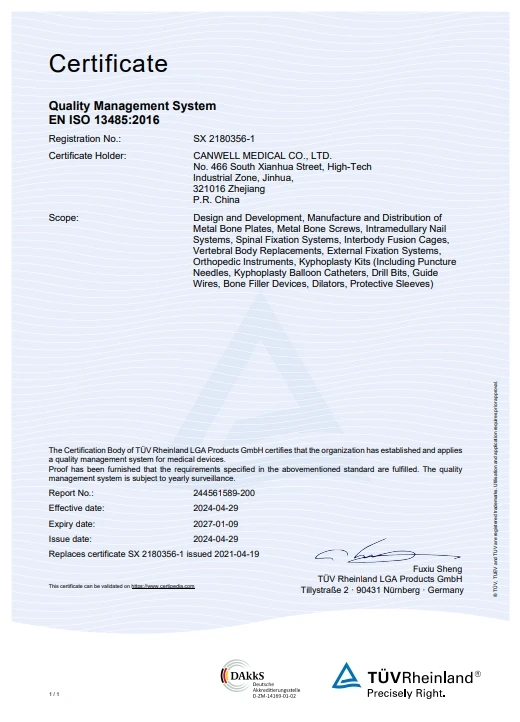
ISO13485 Logo ISO13485 SX 2180356-1
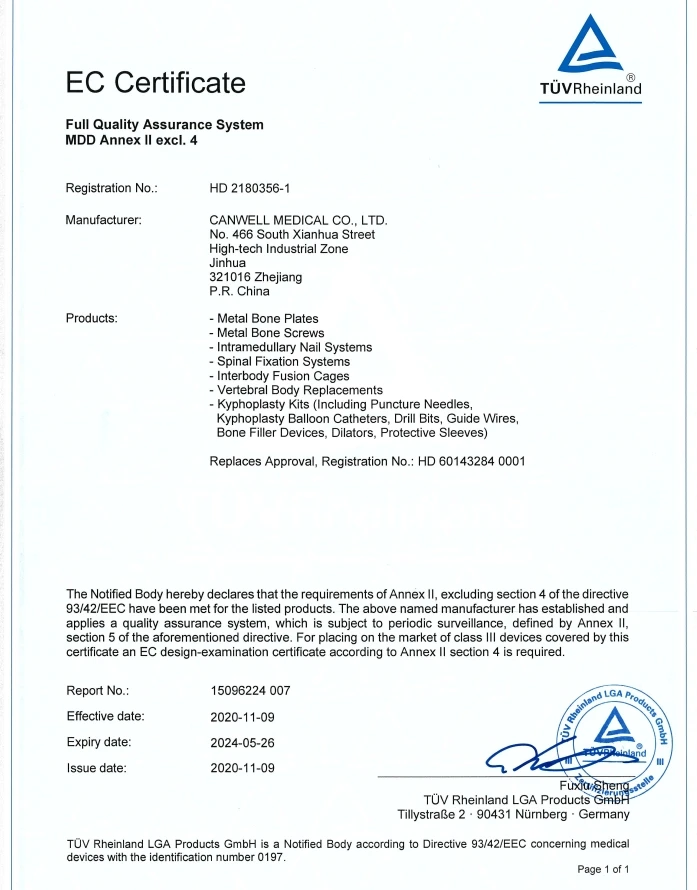
CE 93/42/EEC 93/42/EEC HD 2180356-1
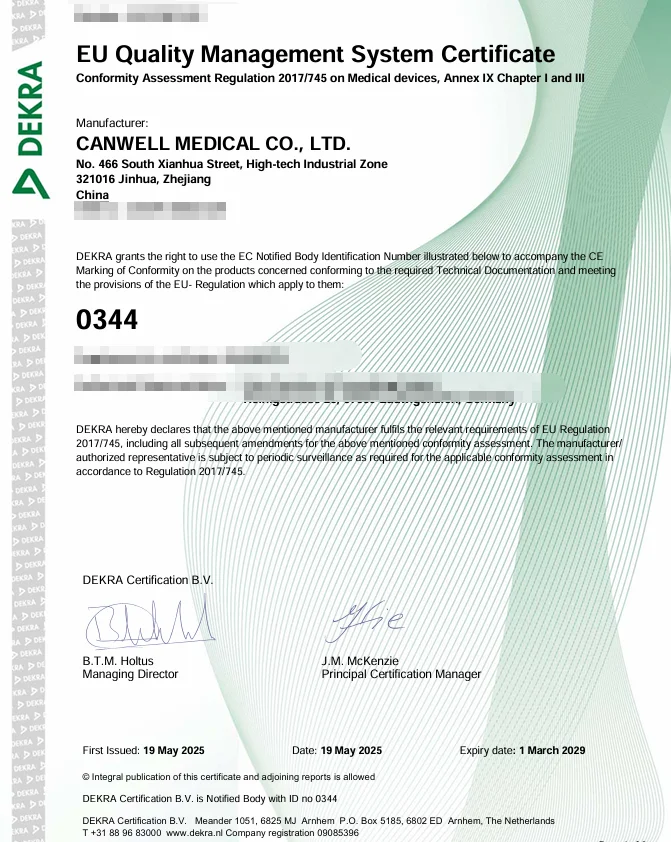
EU MDR Logo EU MDR 6142788CE02
22+
Years of Manufacturing Rigor
100%
Raw Material Traceability
59
Graduate R&D Specialists
69
On-site Quality Assurance Officers

Technical Sourcing & Clinical Performance FAQ

Answers to common B2B, engineering, and regulatory questions from healthcare distributors and procurement managers.

1. How do your trauma implants support long-term articular cartilage health?
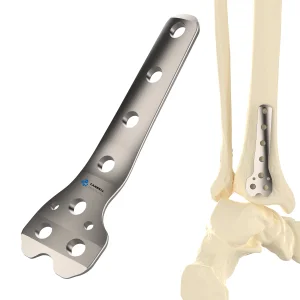
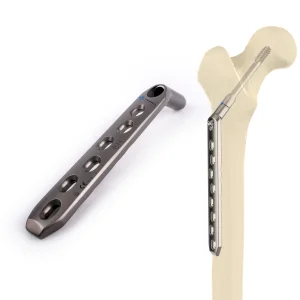
Healthy cartilage relies on proper mechanical loading and joint stability. Axial malalignment or articular instability can accelerate cartilage breakdown, leading to early osteoarthritis. Our anatomical locking plates (such as the Distal Tibial and Proximal Femoral plates) help restore and maintain joint alignment. This structural stability minimizes micro-motion, allowing subchondral bone and overlying articular cartilage to heal correctly.
2. Which medical-grade materials are used for your implants and arthroscopy systems?
We use premium biocompatible metals and polymers, including ELI Titanium Alloys (Ti-6Al-4V) conforming to ASTM F136 standards. These alloys offer high tensile strength, fatigue resistance, and biocompatibility. Our sports medicine implants (like the ACL Endobutton and interference anchors) use high-performance materials designed to support secure ligament and tendon reattachment to the bone.
3. What quality control steps are implemented for Class III implants?
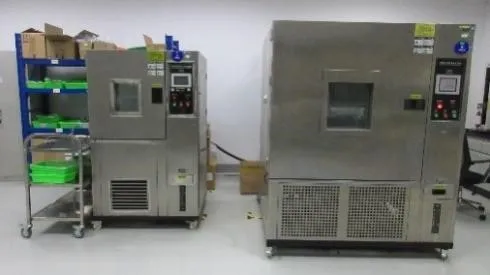
Our quality management system is certified to ISO 13485, CE 93/42/EEC, and EU MDR guidelines. Led by 69 QA/QC inspectors, our QC program includes complete raw material traceability, dimensional inspections using coordinate measuring machines (CMM), and regular chemical and mechanical testing. We perform 100% inspection on critical components and offer optional inspection reports tailored to client requirements.
4. Can you handle custom OEM/ODM designs for specialized surgical systems?
Yes. With 59 graduate R&D engineers, we provide custom design services from concept and CAD modeling to pilot manufacturing and final production. We support light customization, sample-based processing, custom packaging, and graphic branding to help global orthopedic suppliers develop proprietary surgical systems.
5. How does your factory manage regulatory compliance for exports to Europe and Latin America?
With 22 years of export experience, we are familiar with global medical regulatory systems. We maintain valid ISO 13485 and CE certifications, including EU MDR audits. This certification structure supports smooth customs clearance and regulatory registration in South American countries (which represent 30% of our export market) and Western European markets (20%).
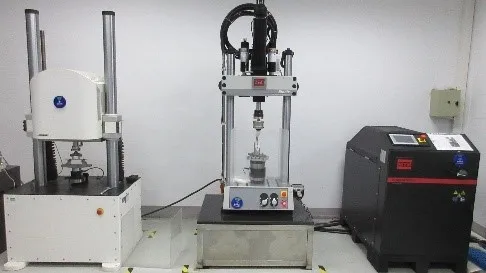
6. What testing is performed on your external fixators and intramedullary nails?
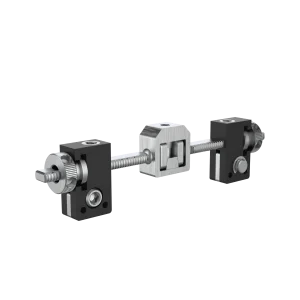
All design families undergo rigorous mechanical testing, including static axial compression, torsion, and dynamic fatigue testing. These evaluations ensure our external fixators and intramedullary locking nails can withstand early weight-bearing loads without mechanical failure.

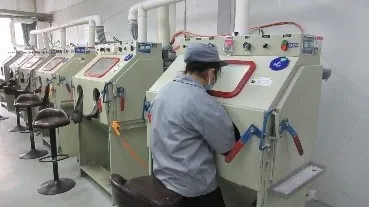
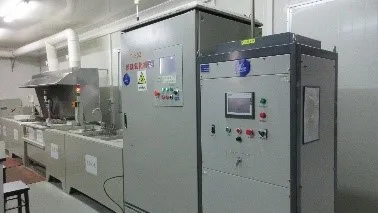
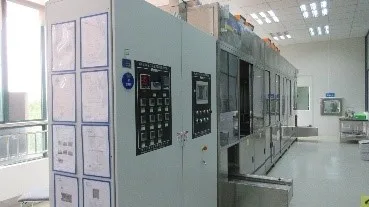
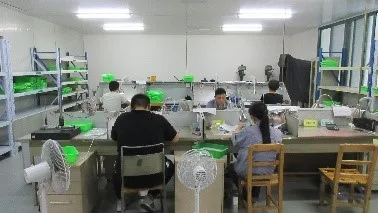
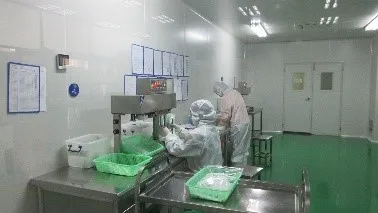
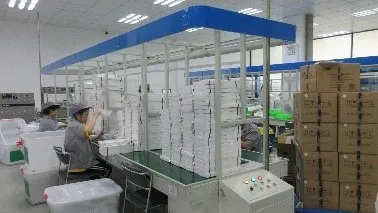
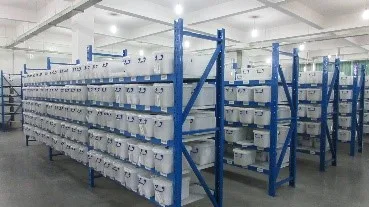
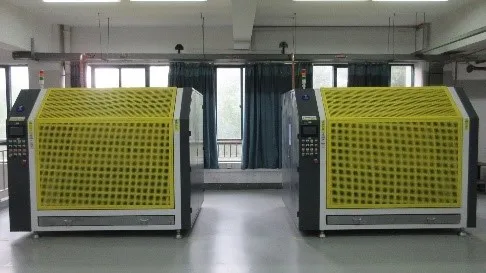
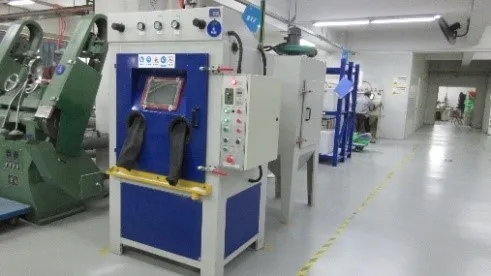
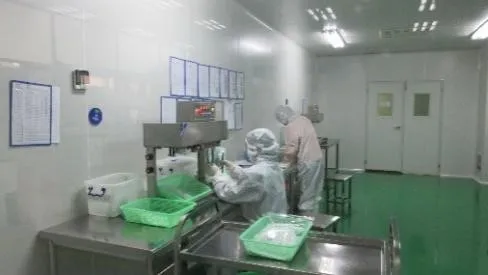
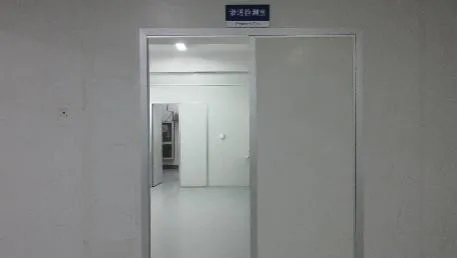
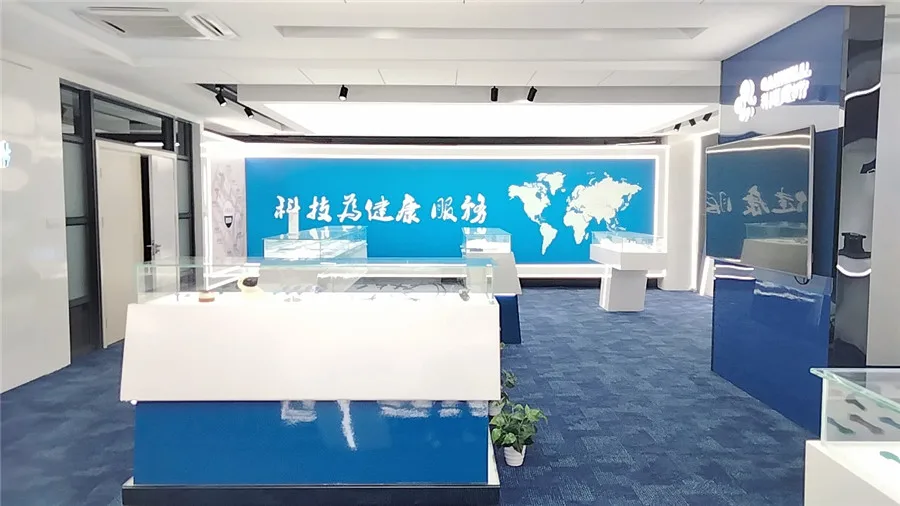
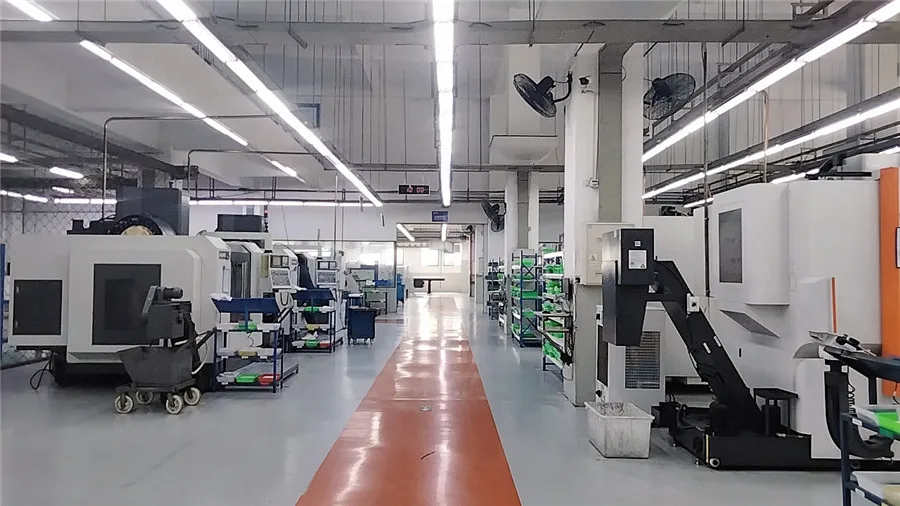
Production Line & Manufacturing Showroom

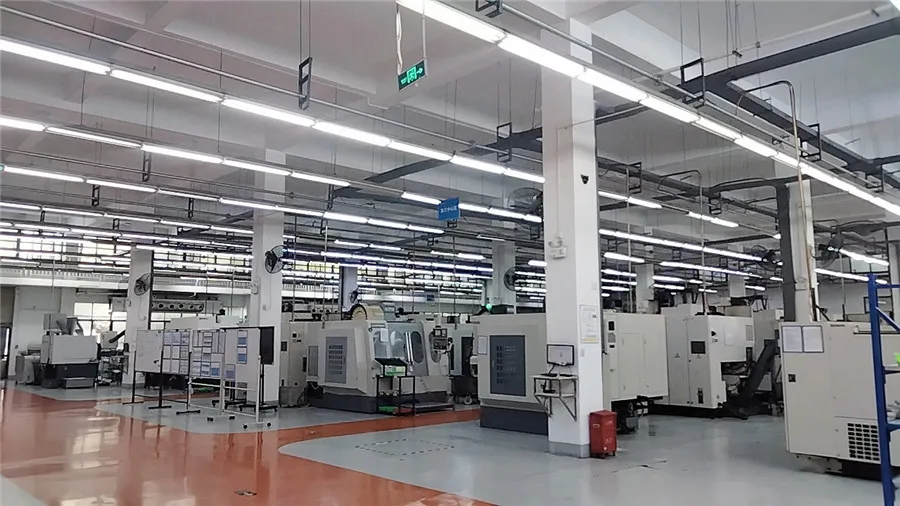
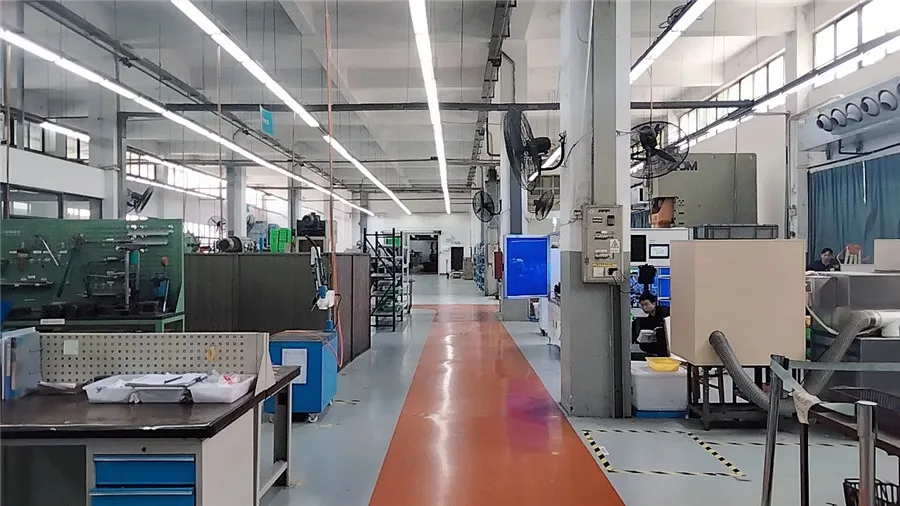
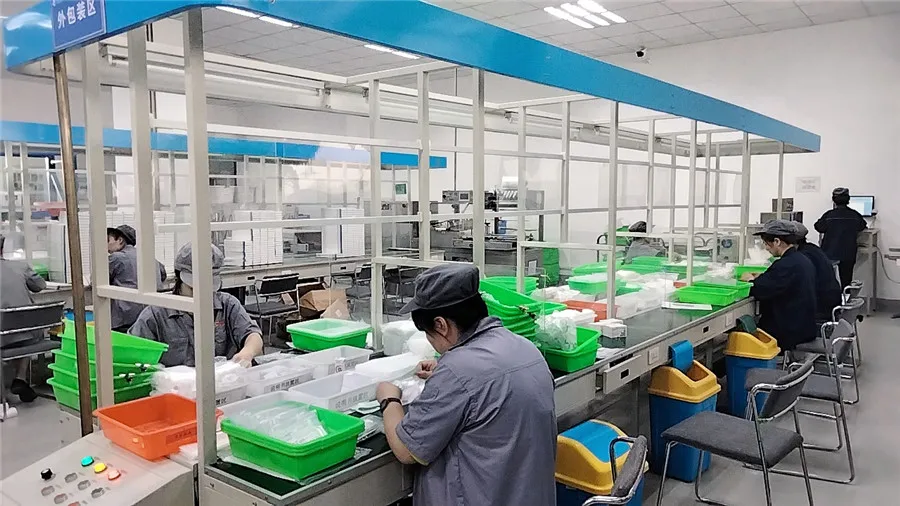
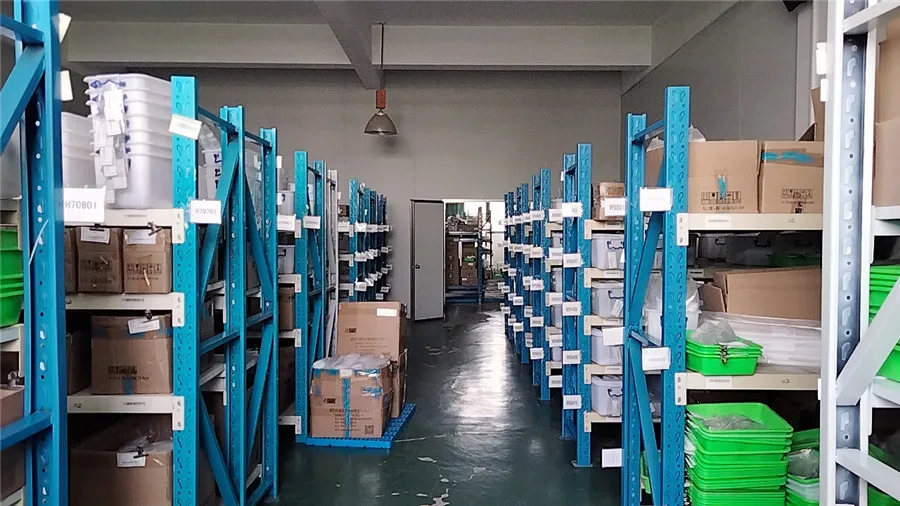
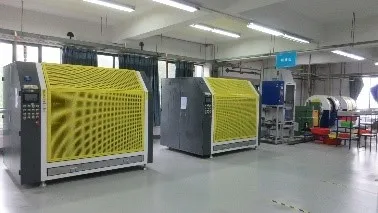
Visual tour of our production facilities, CNC machining equipment, cleanroom packaging, and material testing labs.
Production Facility Details 1
Production Facility Details 2
Production Facility Details 3
Production Facility Details 4
Production Facility Details 5
Production Facility Details 6
Production Facility Details 7
Production Facility Details 8
Production Facility Details 9
Production Facility Details 10
Production Facility Details 11
Production Facility Details 12
Production Facility Details 13
Production Facility Details 14
Production Facility Details 15
Production Facility Details 16
Production Facility Details 17
Production Facility Details 18
Production Facility Details 19
Production Facility Details 20
Production Facility Details 21
Production Facility Details 22
Production Facility Details 23
Production Facility Details 24
Production Facility Details 25
Production Facility Details 26
Production Facility Details 27
Production Facility Details 28
Production Facility Details 29
Production Facility Details 30
Production Facility Details 31