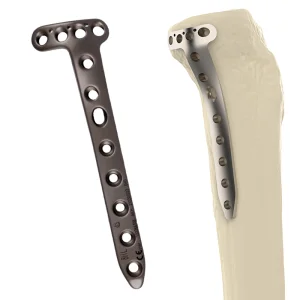
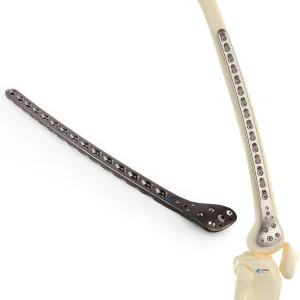
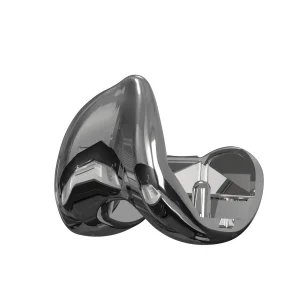
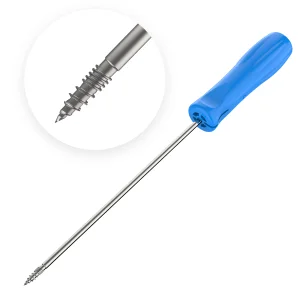
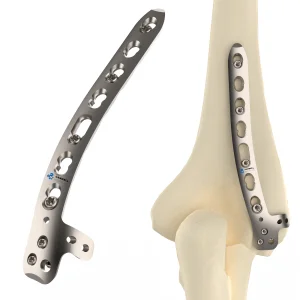
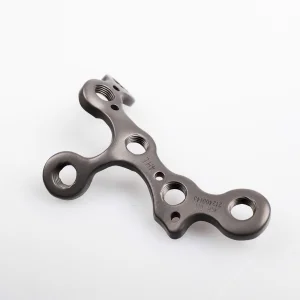
Explore our leading collection of clinical-grade orthopedic implant devices, featuring precision-engineered titanium constructs, specialized locking plates, and total joint replacement sets.
The global demand for orthopedic reconstruction has undergone a dramatic paradigm shift, driven by the exponential growth in active lifestyles, sports-related trauma, and a rapidly aging population. Ligament repair and reconstruction—especially concerning the Anterior Cruciate Ligament (ACL), Posterior Cruciate Ligament (PCL), Acromioclavicular (AC) Joint, and Rotator Cuff tendons—are at the forefront of modern clinical focus.
For orthopedic surgeons, procurement professionals, and medical distributors worldwide, selecting biocompatible, structurally sound, and mechanically verified ligament repair devices is vital to clinical outcomes. In arthroscopic surgical contexts, biomechanical stability and implant integration directly dictate patient recovery times and long-term joint health.
As a result, high-precision implants such as adjustable loops, cortical buttons, and titanium suture anchors have transitioned from specialty devices to core orthopedic essentials. Leading global distributors now seek reliable manufacturing partnerships that can guarantee high volume capacity without compromising on material traceability and strict regulatory approvals.
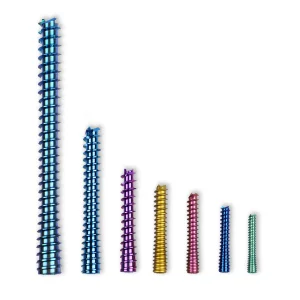
All implants are fabricated using medical-grade Titanium Alloy (Ti-6Al-4V ELI) conforming to ASTM F136 standards. This provides optimal fatigue resistance, high tensile strength, and excellent osteointegration capabilities to withstand the mechanical load of joint articulation.
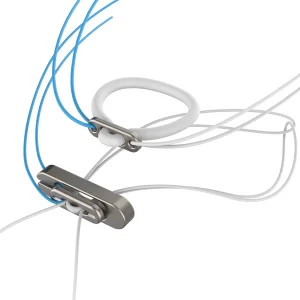
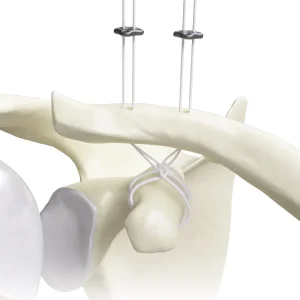
Our ACL Endobutton and AC Joint Buttons feature adjustable loops and continuous loop structures that minimize post-operative creep and graft slippage, providing reliable cortical fixation during critical tissue-to-bone healing windows.
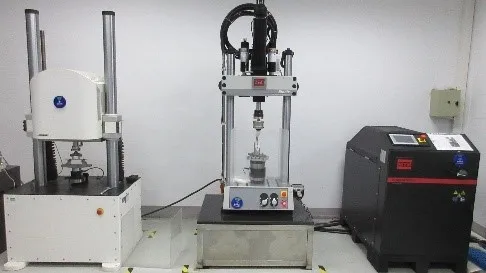
Implants undergo mechanical static and dynamic stress evaluation, verifying pull-out force limits, insertion torque limits, and cyclic load endurance, matching the demanding requirements of global healthcare systems.
A deep dive into how China's integrated supply chain, state-of-the-art automation, and certified cleanrooms deliver high-performance surgical implants globally at rational costs.
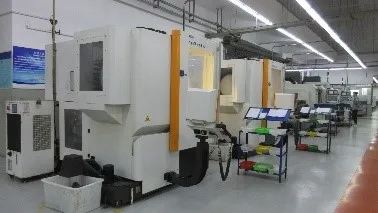
China's surgical manufacturing industry has transitioned from high-volume production to a global leader in high-precision, premium-grade medical devices. With modern facilities utilizing state-of-the-art CNC Swiss-type turn-mill centers and Class 100,000 cleanrooms, Chinese orthopedic manufacturers offer comparable precision to traditional Western brands but at a significantly optimized cost structure. This enables global buyers to purchase wholesale ligament repair devices with substantial margins while maintaining clinical compliance.
By leveraging localized clusters of advanced material science (especially in titanium processing and chemical surface anodization), we control the supply chain from raw ingot inputs through to final sterile packaging. The integration of 69 QA/QC inspectors across our 29,523 square meter facility ensures that every batch meets standard dimensional tolerances and chemical compositions before shipment.
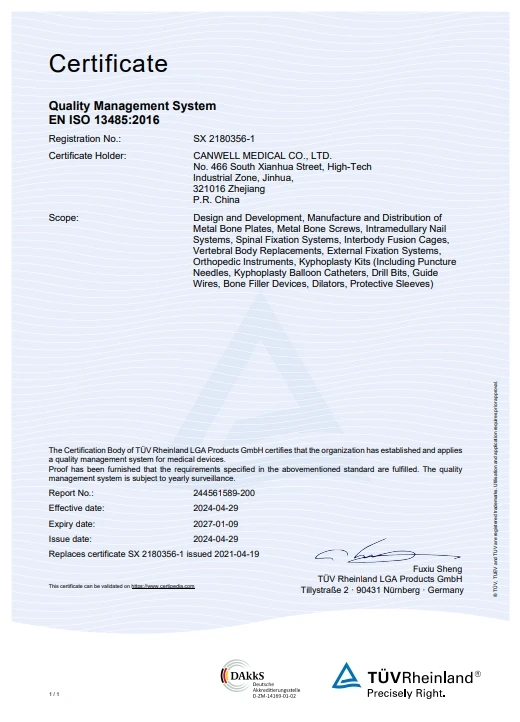
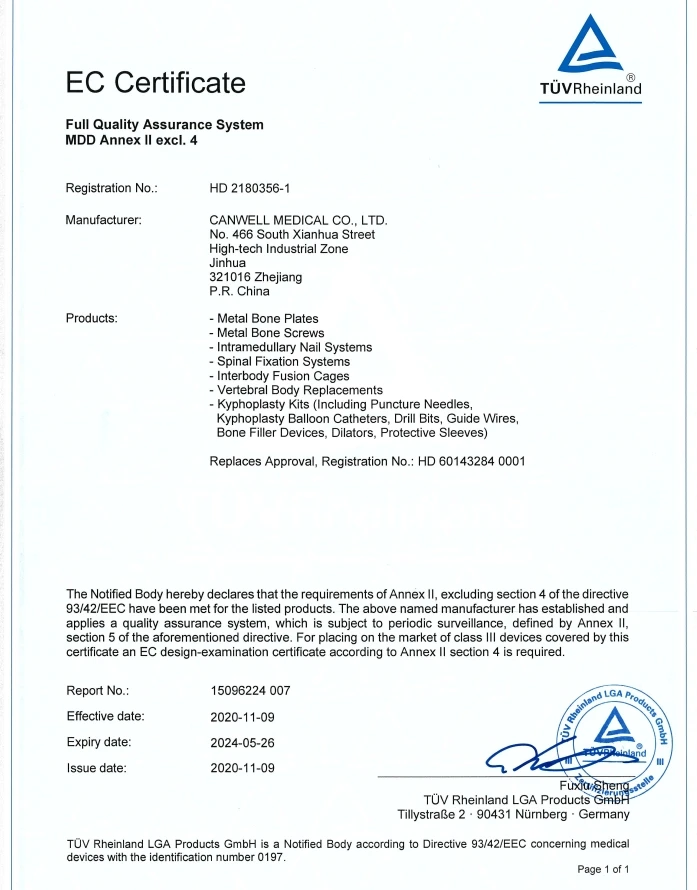
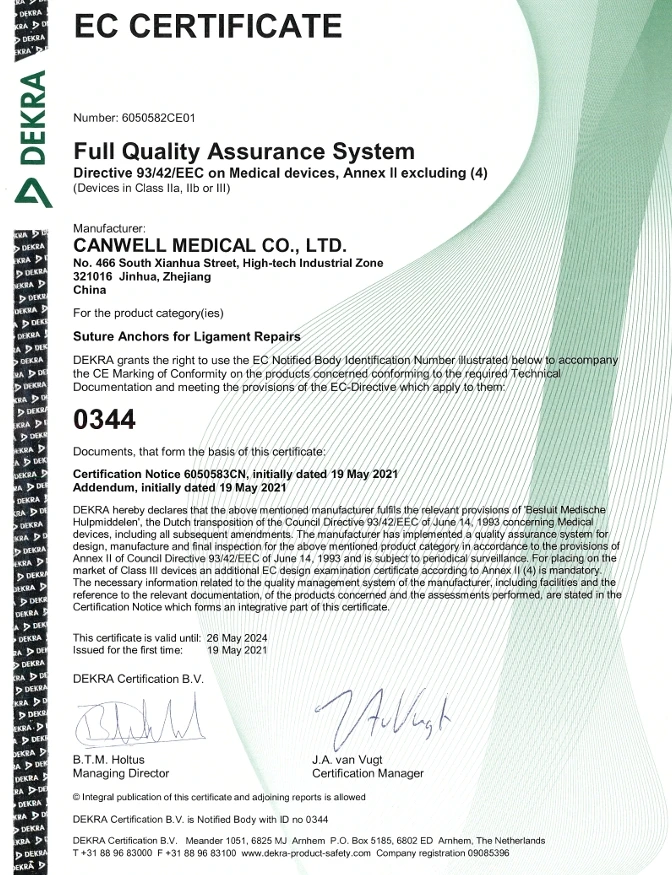
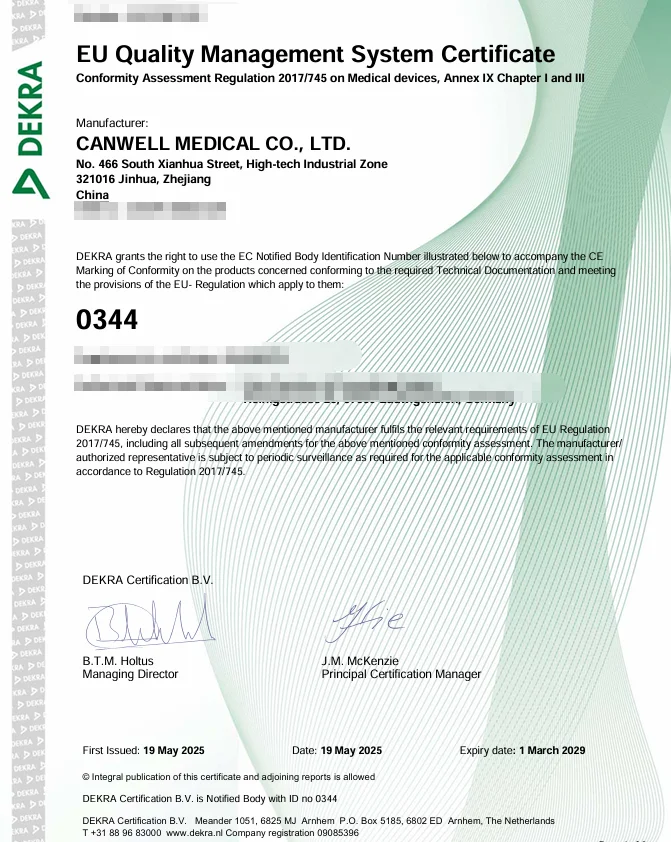
Our orthopedic implant systems are certified under stringent international medical regulatory frameworks. This ensures complete reliability and risk-free implementation in hospitals, clinics, and surgical centers globally.
Investigating the specific design parameters, clinical applications, and structural benefits of our sports medicine surgical components.
Engineered for arthroscopic reconstruction of the Anterior Cruciate Ligament, the adjustable loop titanium button facilitates optimal cortical seating. It eliminates the need for intra-operative loop length measurement, allowing tensioning of the graft after insertion. This design ensures direct graft-to-bone contact, speeding up bone healing within the femoral tunnel.
Designed for acromioclavicular dislocation repair, this low-profile double button design provides rigid anatomical reconstruction of the coracoclavicular ligaments. It supports immediate stabilization while minimizing soft tissue irritation, making it ideal for minimally invasive arthroscopic and open shoulder surgical techniques.
Our titanium suture anchors, configured with surgical needles, offer high pull-out strength in cancellous bone. Suitable for rotator cuff repair and labral stabilization, the deep threads ensure secure mechanical purchase while the low-friction eyelet minimizes suture degradation during knot tying.
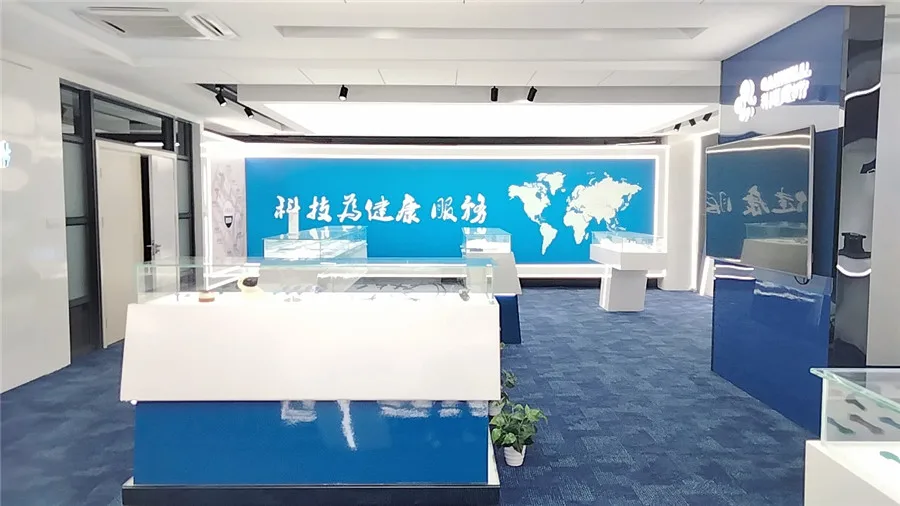
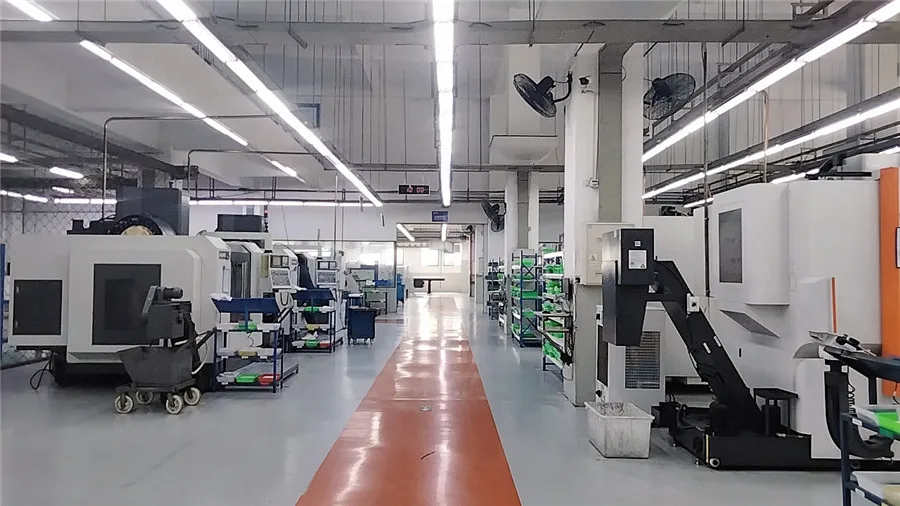
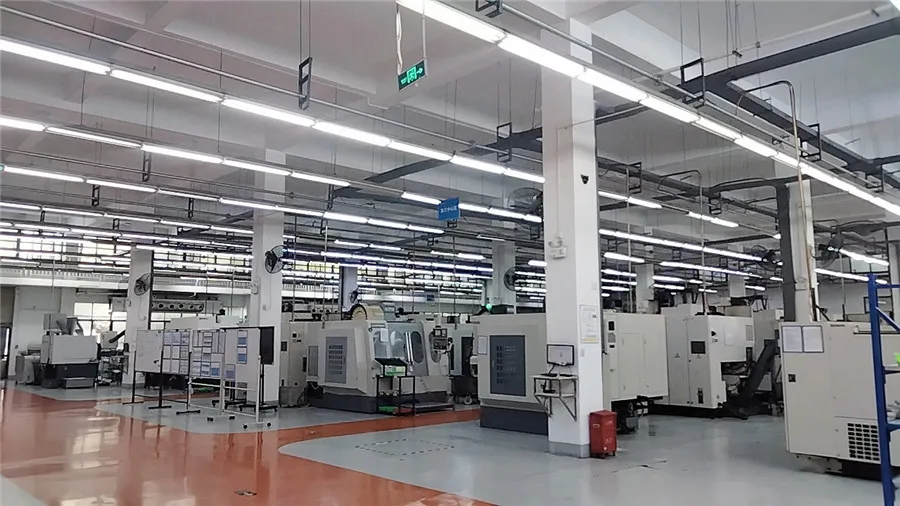
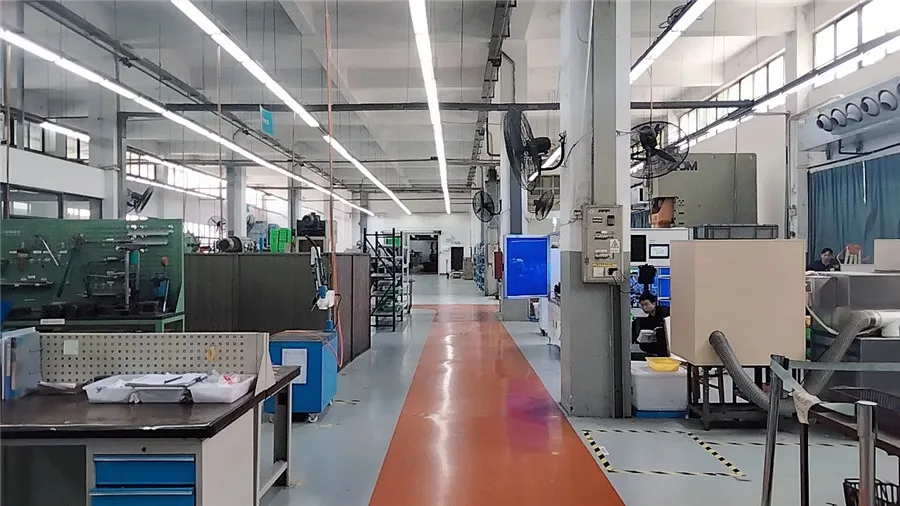
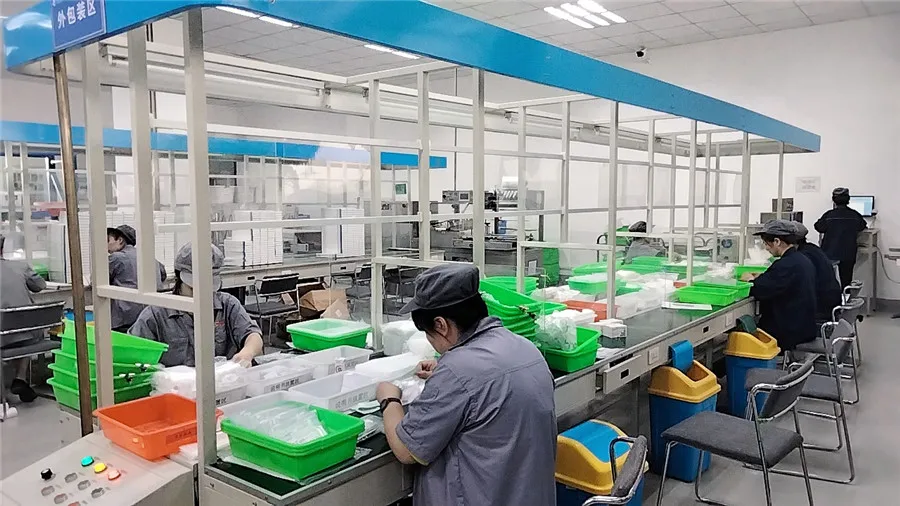
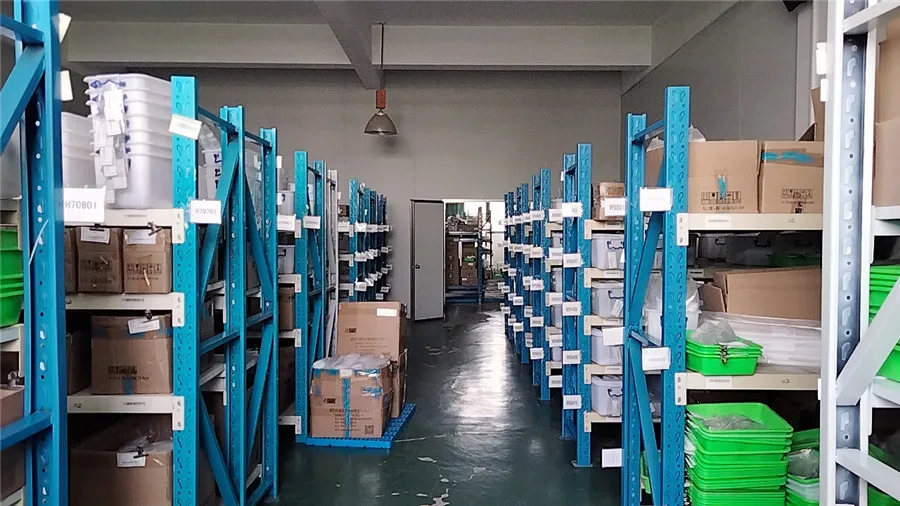
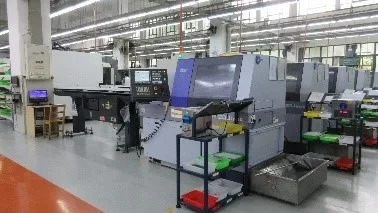
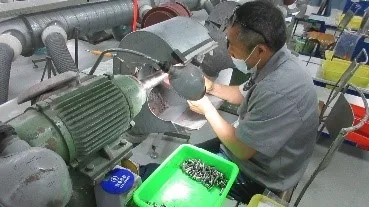
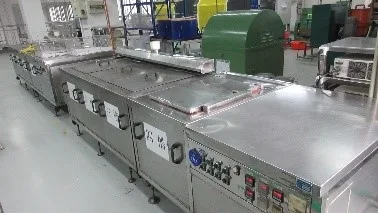
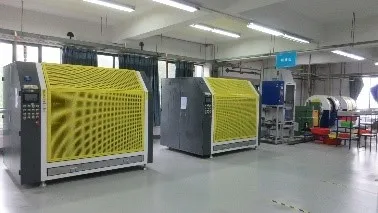
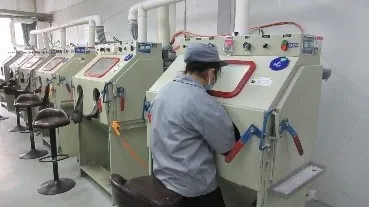
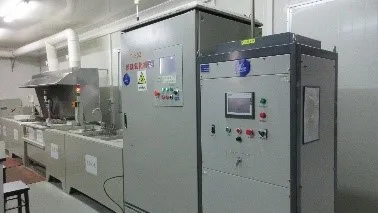
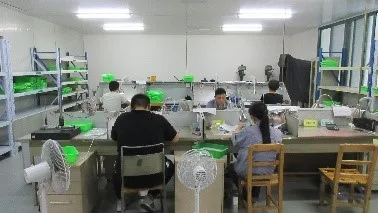
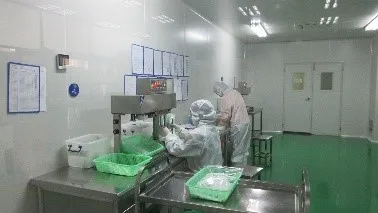
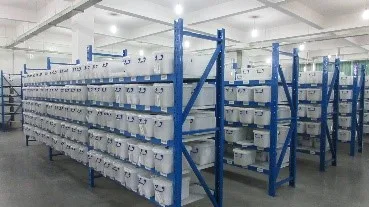
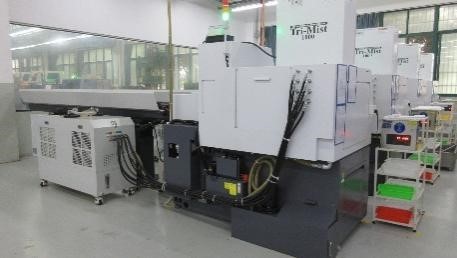
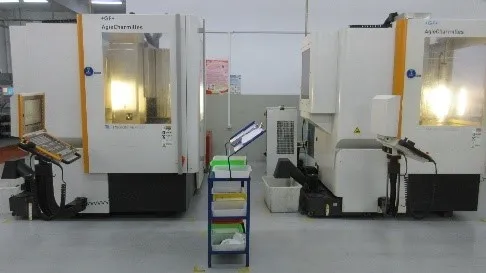
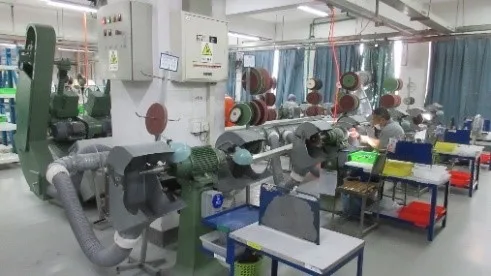
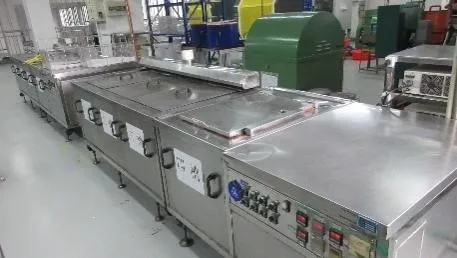
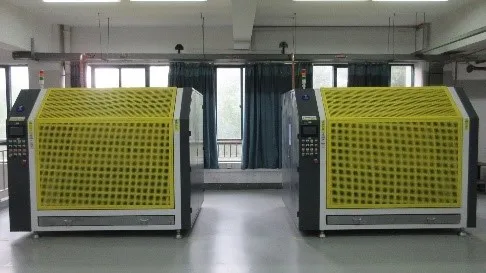
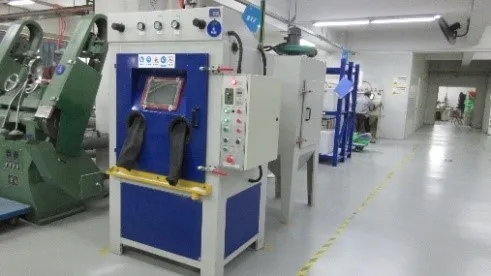
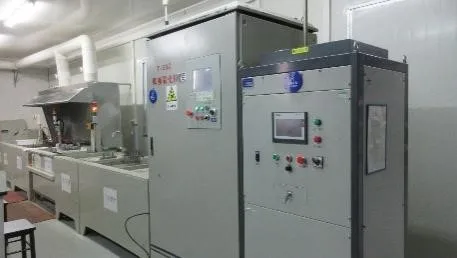
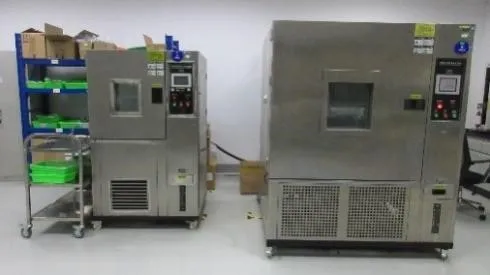
Visual overview of our factory floor, high-precision tooling, assembly halls, cleanrooms, and ISO/MDR certified QC testing stations.
At our 29,523 ㎡ production facility, consistency and repeatability are crucial. We utilize raw material batch-traceability protocols to ensure every implant is mapped back to its chemical certification sheet. With 69 QA/QC inspectors managing real-time testing, we maintain less than 50 PPM defects on our lines. The following visual showcase highlights our industrial layout, advanced testing labs, and state-of-the-art machinery.





Understanding regional compliance requirements, OEM customizations, and the evolving technical criteria of modern orthopedic buyers.
Implant requirements differ based on region and clinical setting. Our 59 graduate R&D engineers develop bespoke solutions tailored to distinct markets. Whether developing modified thread patterns for suture anchors or custom titanium button geometries, we support design adaptation and full graphic/sample customization.
For large-scale distributors, we provide flexible private labeling options alongside regulatory documentation to streamline registrations with ministries of health in South America, Southeast Asia, and Western Europe.
We manage the regulatory burden under the European Union Medical Device Regulation (EU MDR 2017/745), ensuring our implants are ready for integration into tier-1 hospital supply networks.
By working with Canwell, sourcing teams reduce registration risks, secure verified documentation, and access audit records showing traceability back to the titanium melt. This level of quality management minimizes clinical liabilities and supports consistent, long-term procurement partnerships.
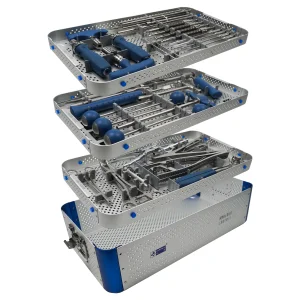
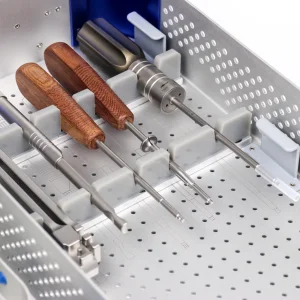
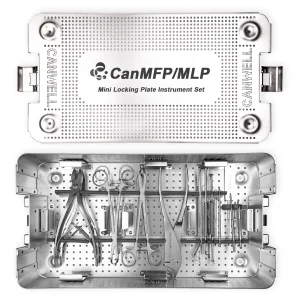
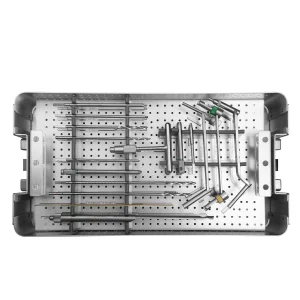
A high-quality implant relies on precise instrumentation. That's why we supply standard AO-compatible surgical instrument trays alongside our titanium implants.
For procedures like posterior thoracolumbar spinal fixation or small fragment plating, our instruments are calibrated to perform reliably, minimizing intra-operative complications and shortening surgery durations.
Get answers to common technical, manufacturing, and regulatory questions from medical device distributors, hospitals, and surgical specialists.
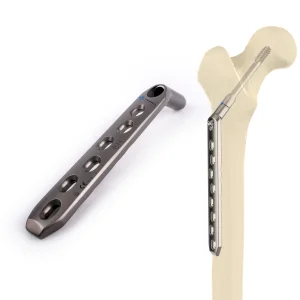
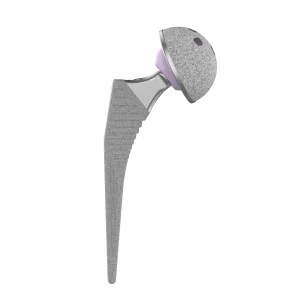
Complete surgical solutions for extremity fixation, sports medicine reconstruction, and total joint replacement procedures.
 Harney-Well