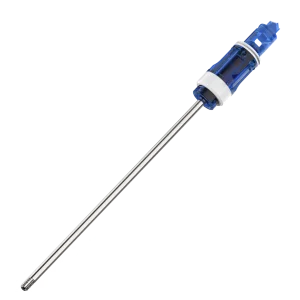
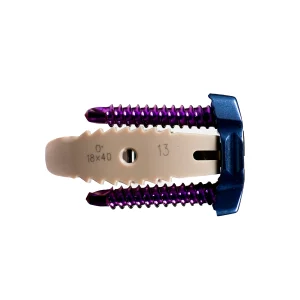
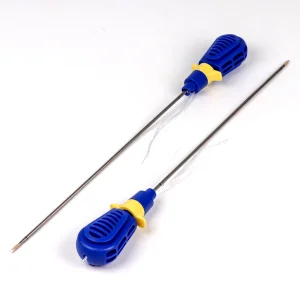
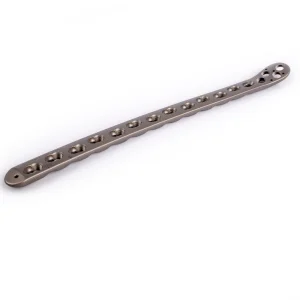
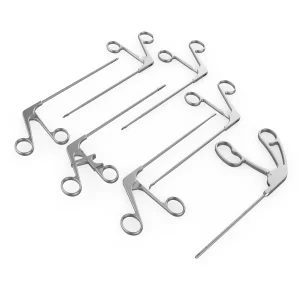
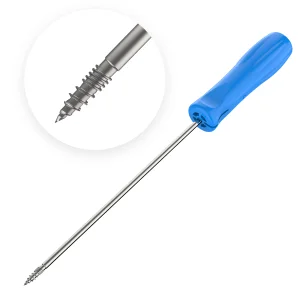
Explore our core product lines manufactured under rigorous quality controls, including Class III CE/ISO certified shaver blades, interbody fusion cages, suture anchors, and locking plates.
In the rapidly evolving landscape of global orthopedics, the demand for customizable, biocompatible fixation devices has shifted from standard generic implants to patient-specific anatomical solutions. Bone plating systems must perform dual roles: providing absolute or relative mechanical stability while preserving the delicate localized vascular supply required for natural bone healing.
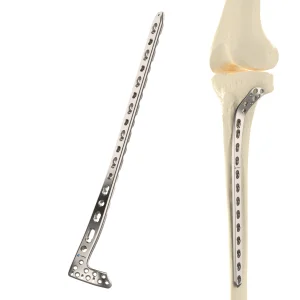
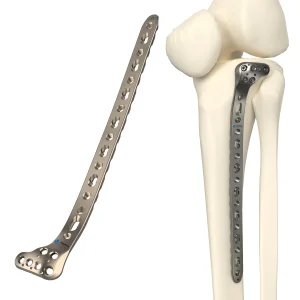
Modern clinical outcomes rely on pre-contoured plates that match the complex geometry of human skeletal structures. This minimizes intraoperative bending stress, preserves local soft tissues, and dramatically shortens surgical time across complicated long-bone and periarticular reconstructions.
By integrating polyaxial locking screw configurations, surgeons can direct screws through specific fracture lines. This prevents implant migration, enhances load sharing under physiological stress, and optimizes stability in osteoporotic bone structures.
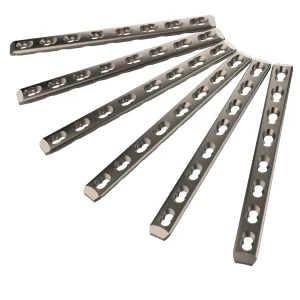
Combining dynamic compression features with locking configurations facilitates controlled micro-motions. This structural flexibility promotes secondary bone healing via external callus formation, offering a superior clinical pathway compared to rigid fixation alone.
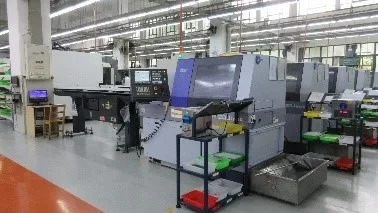
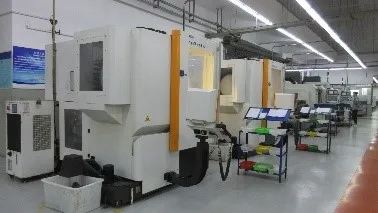
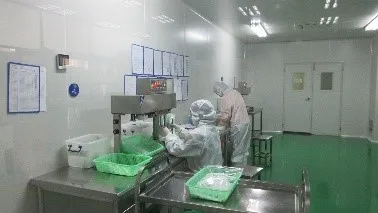
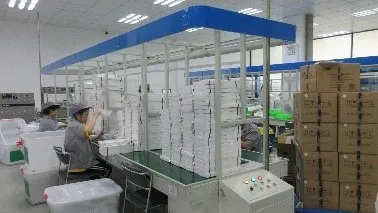
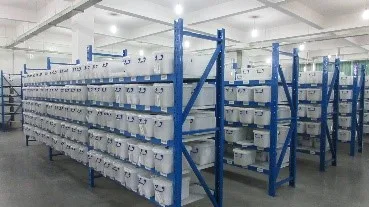
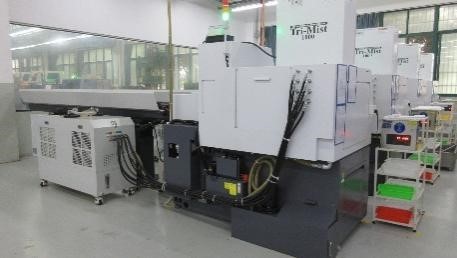
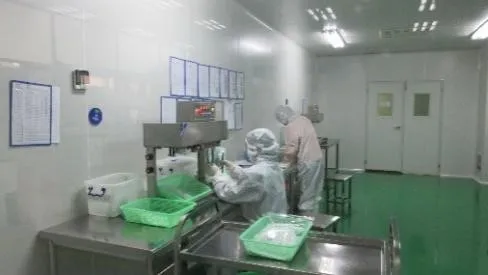
Established in 2004, our production facility features state-of-the-art cleanrooms, high-precision Swiss-type CNC automatic lathes, and rigorous quality verification pipelines to meet the stringent demands of global brand owners, medical distributors, and surgical centers.
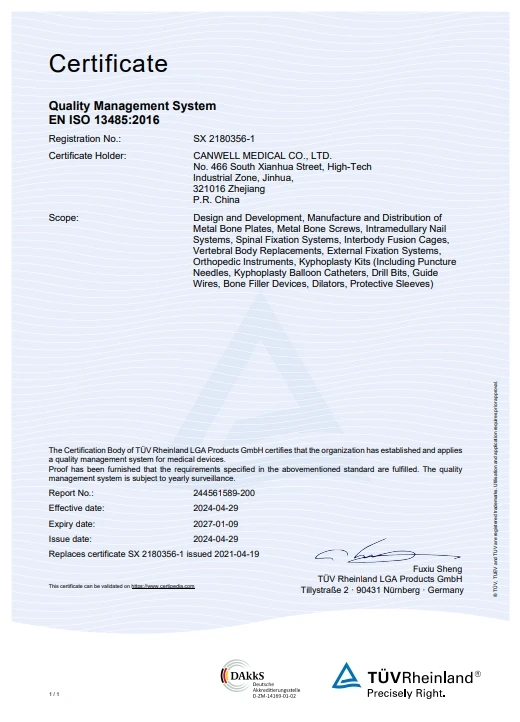
 ISO13485
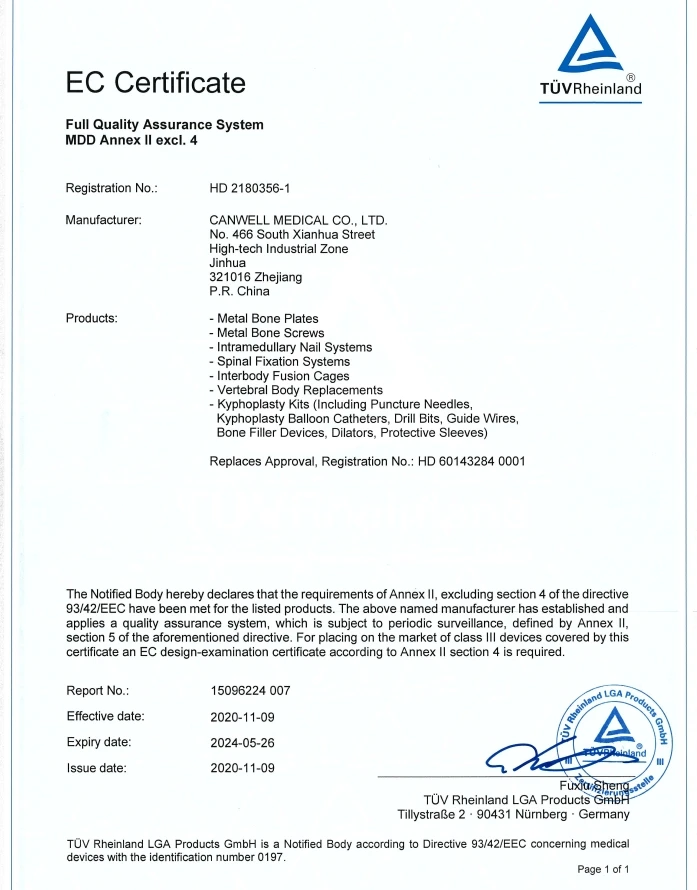
 93/42/EEC
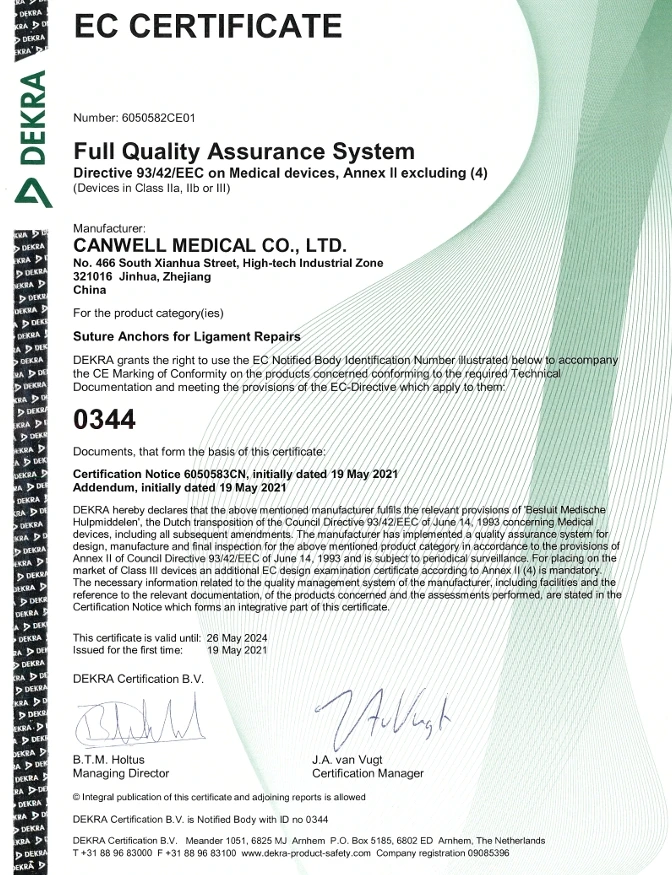 93/42/EEC
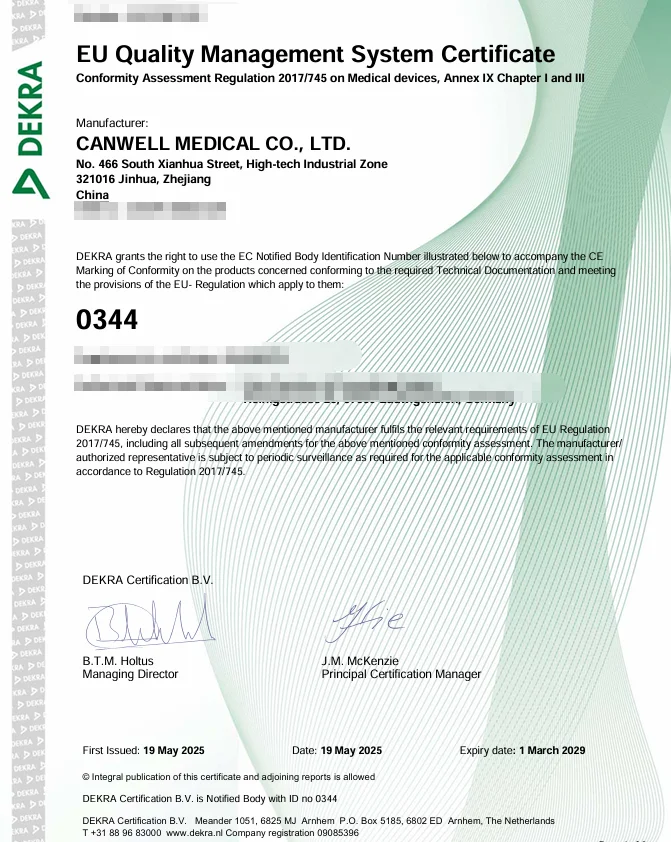
 MDR
MDR
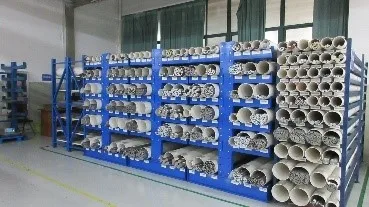
Ensuring biocompatibility and biomechanical performance requires strict control over raw materials and micro-machining processes. We utilize premium-grade biocompatible titanium alloys (Ti-6Al-4V ELI / ASTM F136) and pure titanium (Grades 2 & 4 / ASTM F67) to ensure high fatigue resistance and minimal tissue reaction.
Our workshop utilizes ultra-precision Citizen and Star multi-axis CNC machines to achieve tolerances within +/- 0.005mm. This micro-accuracy prevents binding, reduces screw thread galling, and ensures perfect seating inside the screw hole sockets.
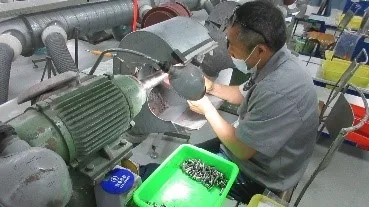
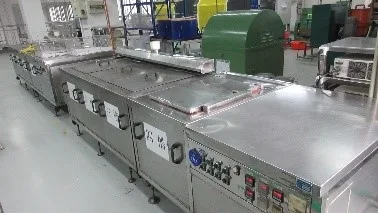
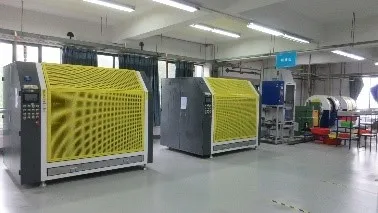
Advanced Type II (dark grey, load-bearing) and Type III (color-coded anodization) processes increase wear resistance and surface hardness. This coating-free passivation step eliminates heavy metal leaching and guarantees long-term in-vivo stability.
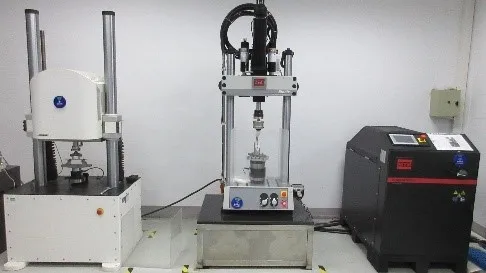
Every bone plate geometry undergoes rigorous static tension, double shear, and dynamic bending fatigue testing in accordance with ASTM F382 protocols. This simulates a lifetime of physiological loading before bony union is achieved.
As global regulatory landscapes become increasingly stringent, our dedicated international compliance team ensures our partners can confidently import and distribute implants in competitive medical markets worldwide.
Fully updated technical files and clinical evaluation reports matching the new European Medical Device Regulations. Seamless CE transition support.
Structured documentation design, biological evaluation plans (ISO 10993), and predicate device analysis mapping to expedite US FDA submissions.
We provide full dossiers (in English) to streamline regulatory approvals in South America (ANVISA, DIGEMID) and Southeast Asia (FDA, TFDA).
Class 10,000 cleanroom packaging services utilizing Tyvek pouches. Ready-for-use sterile options sterilized by Gamma irradiation or ETO.
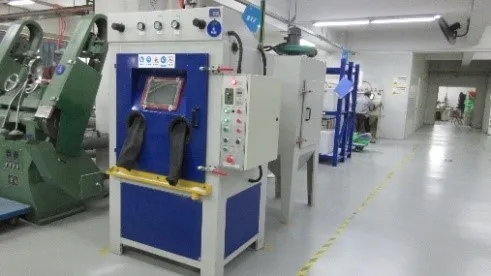
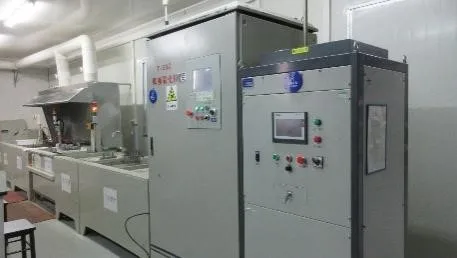
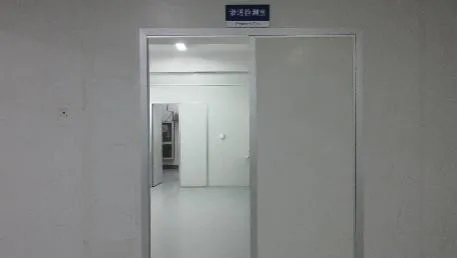
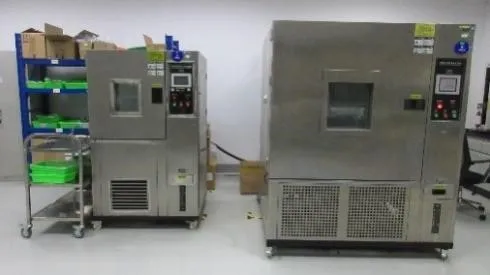
Take a virtual walk through our advanced production lines, quality inspection departments, cleanrooms, and testing labs. Here is a preview of our state-of-the-art facilities and process controls.
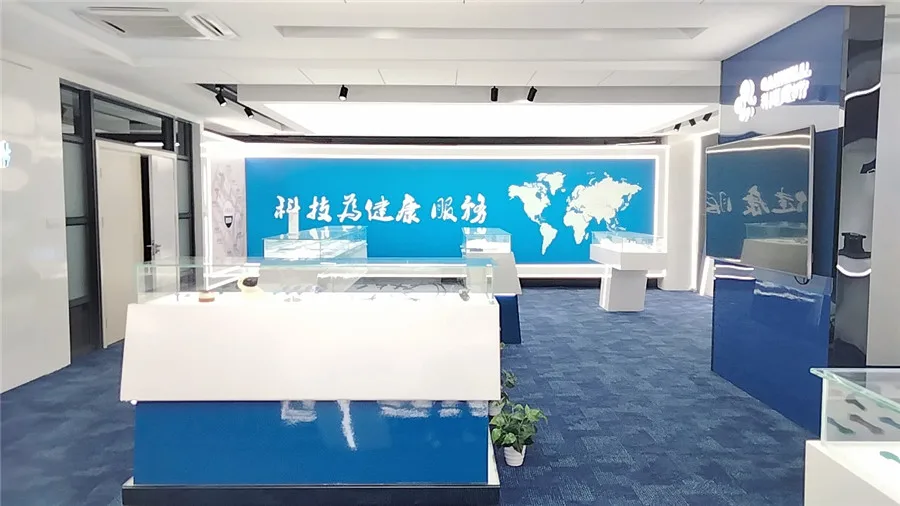
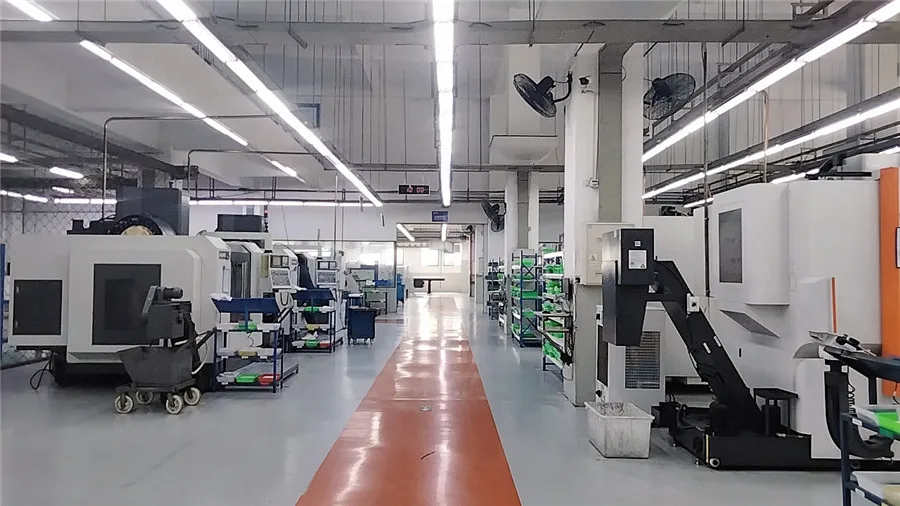
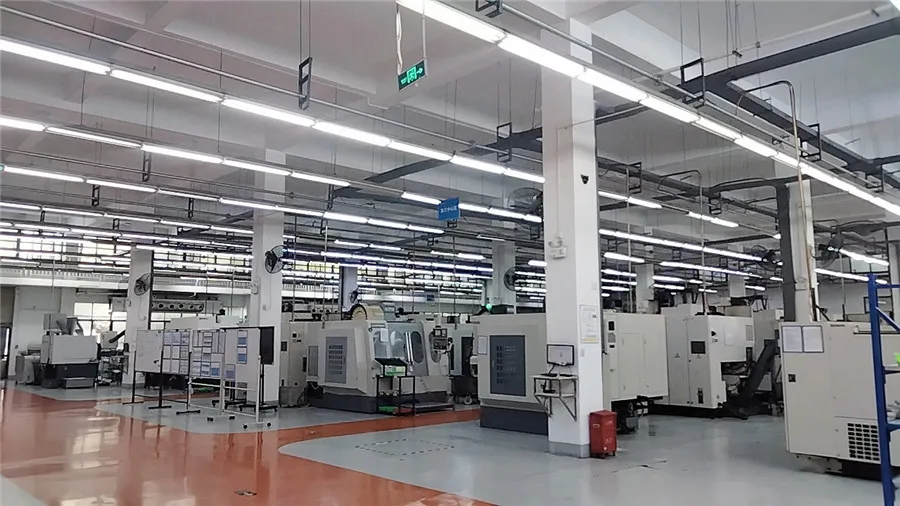
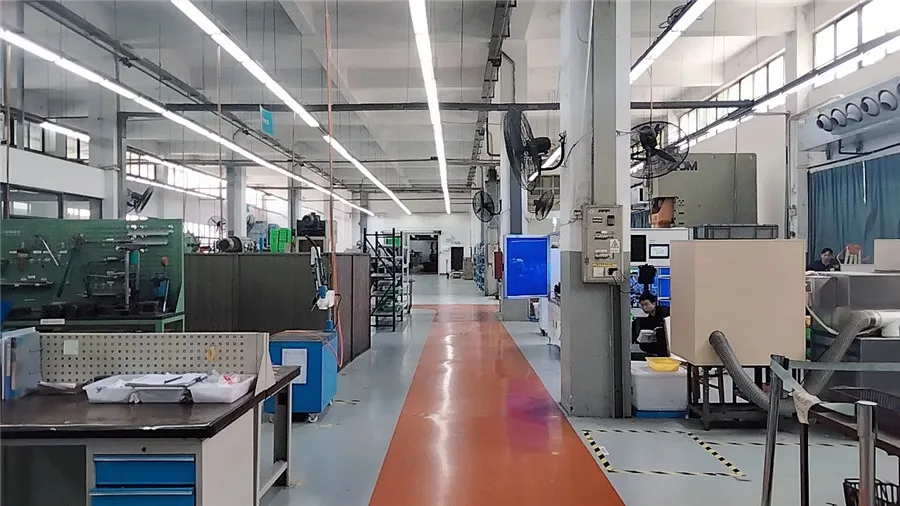
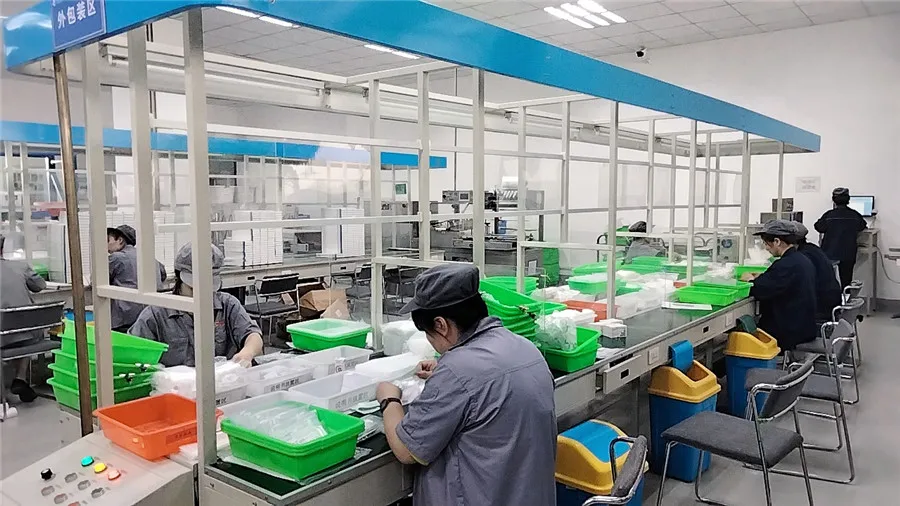
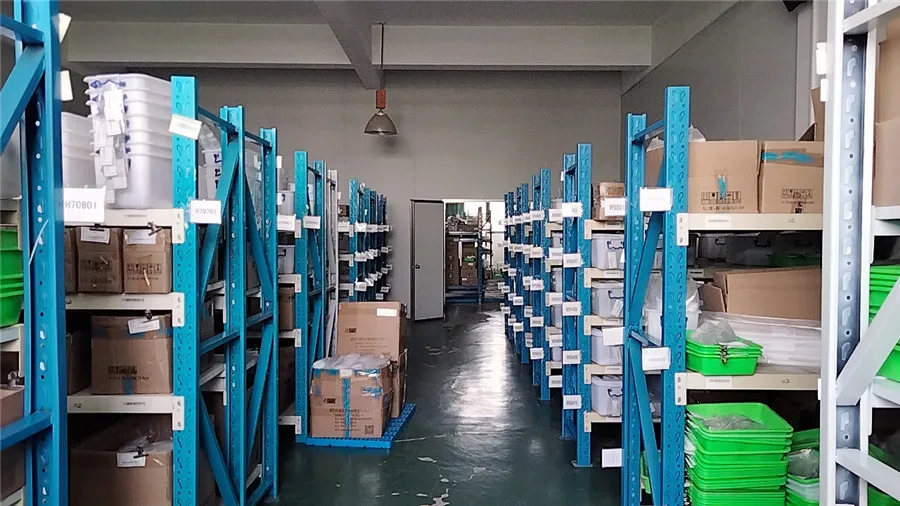
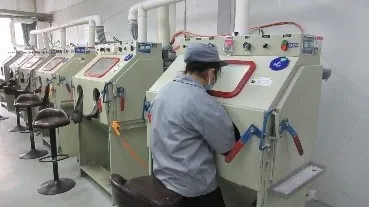

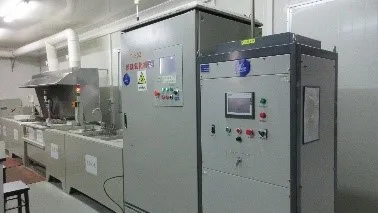
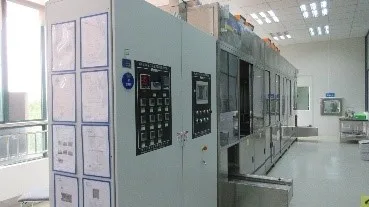
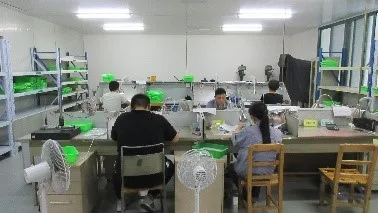
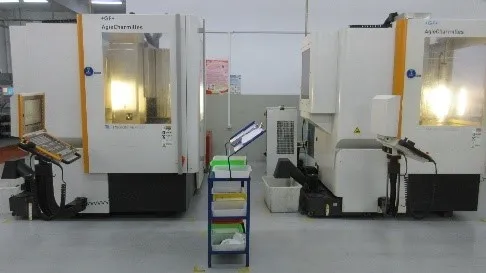
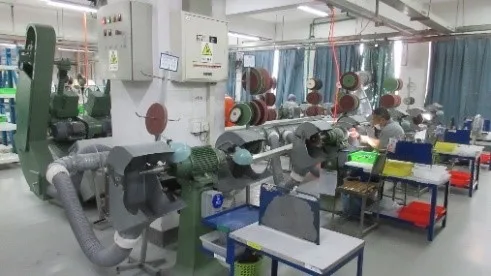
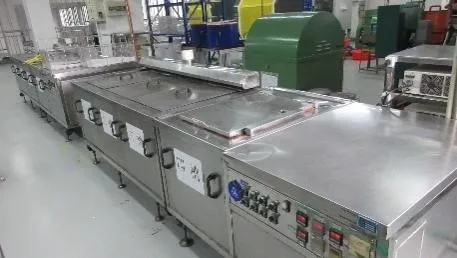
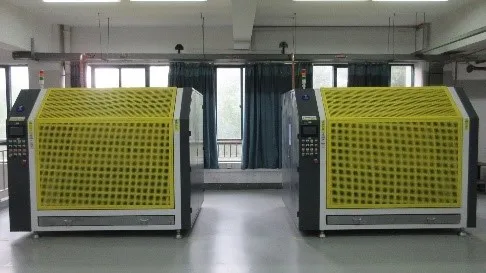
Different bones experience distinct mechanical forces. Our system segments product geometry, width, thickness, and locking patterns to match the precise biomechanics of each skeletal region.
Tibial Plateau & Femoral Fractures: High-load zones require heavy-duty titanium alloy plates with wider bridges. Features dynamic compression slots and buttress layouts to withstand immediate post-op weight-bearing stress.
Humeral & Distal Radius Fractures: Low-profile designs are critical here to minimize impingement of delicate extensor tendons. Our anatomical radius plates eliminate the need for intraoperative contouring.
Mini Fragment Plates: Ranging from 1.5mm to 2.7mm locking systems. Designed for precise reconstruction of phalanges and metacarpals. Micro-threaded locking holes prevent plate distortion during fixation.
Orthopedic trauma care is moving toward bio-adaptive materials and smart implants. Our R&D team, comprised of 59 specialized graduate engineers, is pioneering developments in the following sectors:
Researching magnesium-based and polymer-composite bone plates that dissolve gradually as the bone heals. This eliminates the need for secondary surgeries to remove hardware, reducing patient risk and healthcare costs.
Integrating additive manufacturing for custom cranio-maxillofacial and large bone defect reconstructions. 3D trabecular structures promote rapid bone ingrowth and mimic natural young cancellous bone elasticity.
Developing nano-textured silver-doped anodic coatings that prevent bacterial adhesion without compromising osteoblasts. This significantly reduces the risk of implant-associated surgical site infections.
Comprehensive technical and commercial answers to simplify your sourcing process and evaluate our contract manufacturing capabilities.
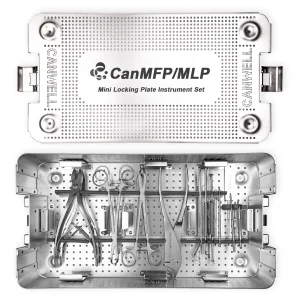
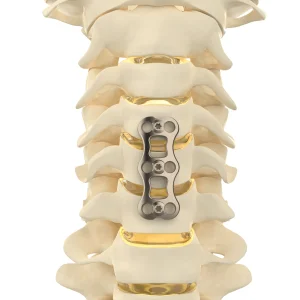
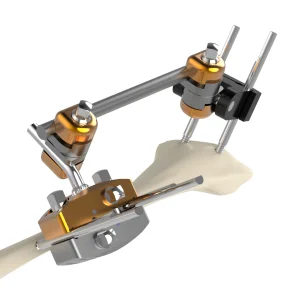
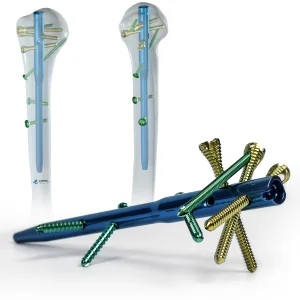
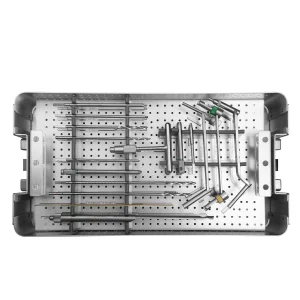
Browse our premium mini plates, spinal fixation systems, external fixators, and specialized orthopedic instrument sets designed for orthopedic trauma and reconstruction procedures.
 Harney-Well