Explore our advanced OEM/ODM product portfolio engineered to optimize biomechanical performance and accelerate patient recovery pathways.
Comprehensive technical and strategic analysis of modern surgical stabilization, manufacturing challenges, and OEM growth metrics.
In the high-stakes sector of orthopedic surgery and rehabilitation, the engineering parameters governing joint stabilization devices have transitioned toward biocompatibility, customizable biomechanics, and integrated anatomical locking structures. Today’s surgical methodologies require devices that minimize stress-shielding risks while promoting rapid osteointegration and soft-tissue healing. As a premier global custom OEM/ODM partner established in 2004, we combine 22 years of localized raw materials science, precision CNC tooling, and cleanroom sterile processing to service the needs of medical brands, hospital chains, and global distributorships.
Evaluating clinical applications using medical-grade Titanium Alloys (Ti-6Al-4V ELI) and Polyetheretherketone (PEEK) to ensure high tensile strengths, flexural yield limits, and optimal radiolucency where diagnostic imagery demands minimal artifact distortion.
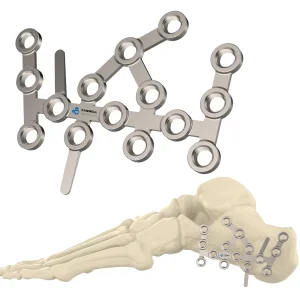
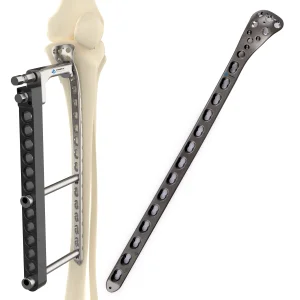
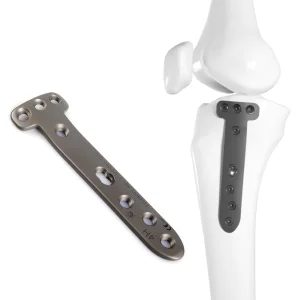
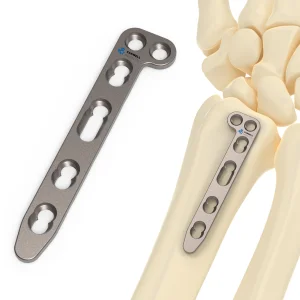
Our variable-angle locking designs permit multiaxial screws, stabilizing complex metaphyseal fractures in regions of variable bone density. Complex pre-contoured plates match specific bone anatomies, reducing operating times and plate bending stresses.
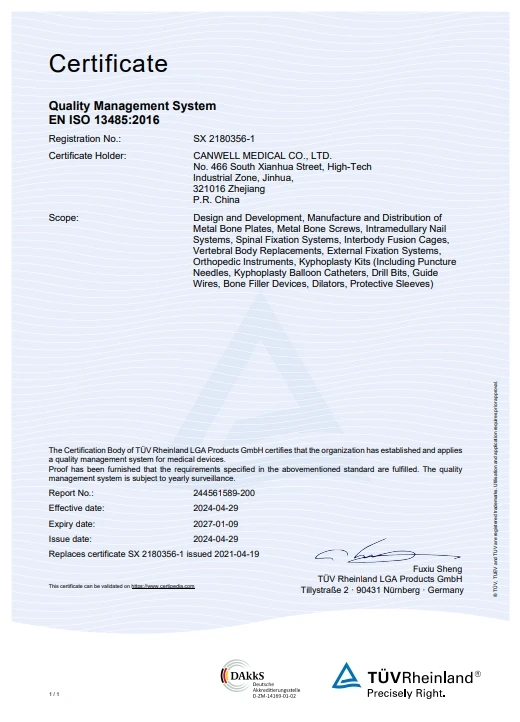
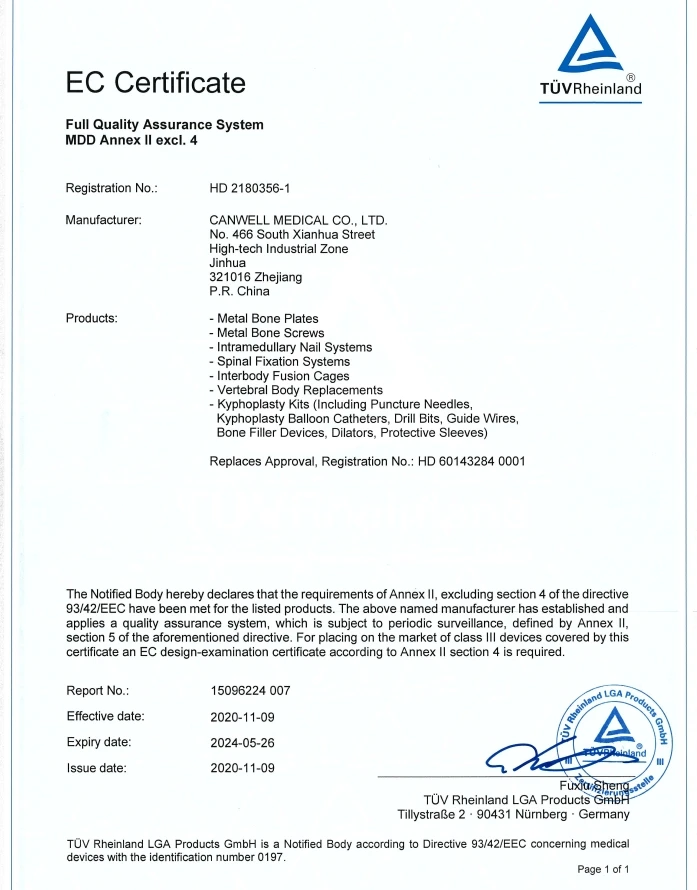
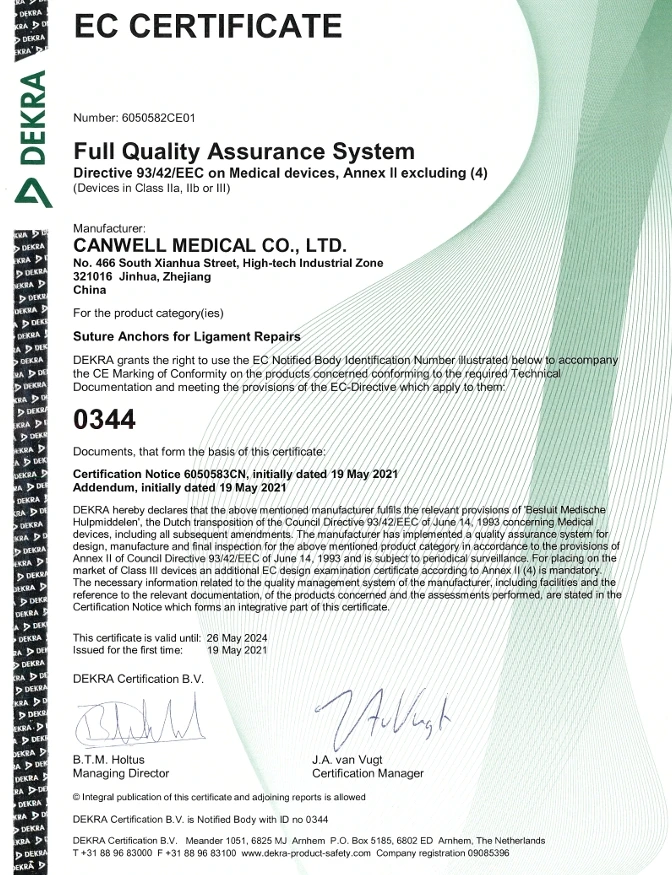
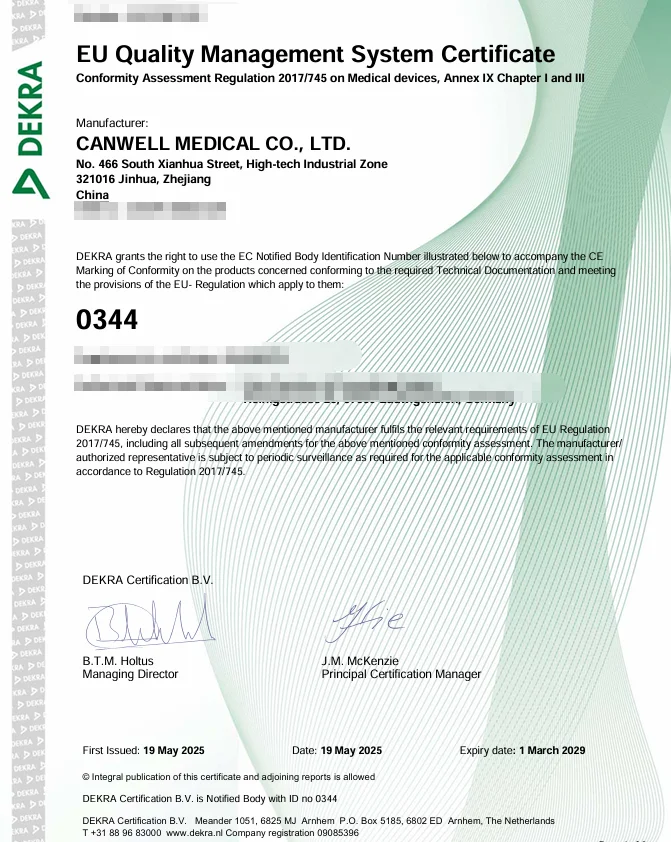
Our operational capabilities are backed by rigorous standards, verified via extensive certifications including ISO13485, 93/42/EEC CE marking, and modern European Medical Device Regulation (MDR) certifications to support seamless regulatory registrations.
A statistical breakdown of our manufacturing floor, testing laboratories, human capital, and international supply network.
Decisive industry dynamics shift purchasing behavior toward localized quality controls, flexible customization, and comprehensive risk mitigation.
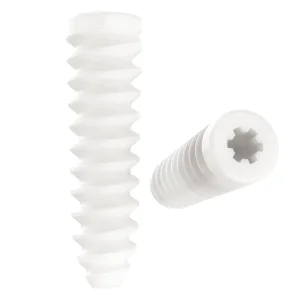
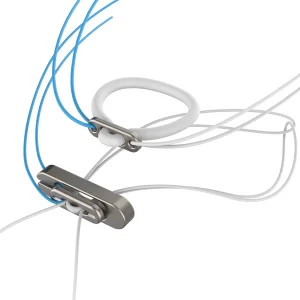
In sports medicine arthroscopic procedures, such as ACL/PCL reconstructions and rotator cuff repairs, metal interference screws and suture anchors are increasingly substituted with polymers. PEEK (Polyetheretherketone) offers a modulus of elasticity resembling human cortical bone, reducing stress shielding and leaving minimal post-operative imaging artifacts. Our production line excels in ultra-precise processing of PEEK materials to prevent degradation and micro-fractures during surgical insertion.
Healthcare providers, GPOs (Group Purchasing Organizations), and medical device brand owners are restructuring supply chains to mitigate global shipping blockages and shifting regulatory mandates. The transition from MDD to MDR in Europe, for instance, requires extensive technical documentation, raw material chemical testing, and strict clinical follow-up histories. Choosing an OEM factory that holds direct certifications (MDR & ISO13485) saves brands hundreds of thousands of dollars in licensing fees and registration lead times.
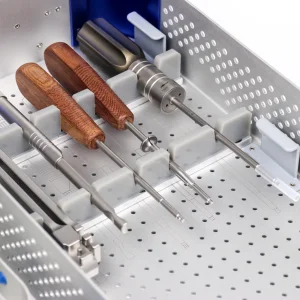
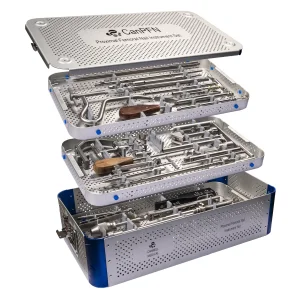
Traditional bone fixation systems relied heavily on generic geometric layouts. Modern orthopedics requires patient-specific and trauma-specific variables. Our team of 59 engineering graduates utilizes state-of-the-art software systems to model load distribution, structural integrity, and screw-thread configurations under dynamic loads. We accommodate light customization, custom logo etchings, custom graphic cases, tool kit configuration, and customized anatomical contours for high-stress locations (e.g., calcaneal and distal radius fractures).
Our structured custom development process moves designs efficiently from concept verification through commercial production.
Clients submit dimensional concepts, biomechanical loads, or sample implants. R&D engineers construct 3D FEA (Finite Element Analysis) models to confirm load profiles and minimize mechanical fatigue risk.
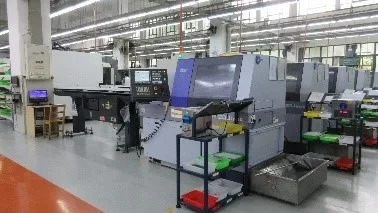
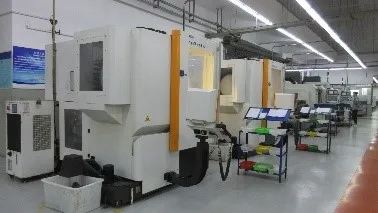
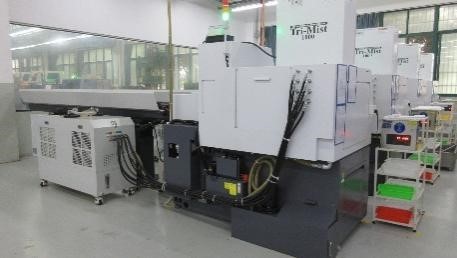
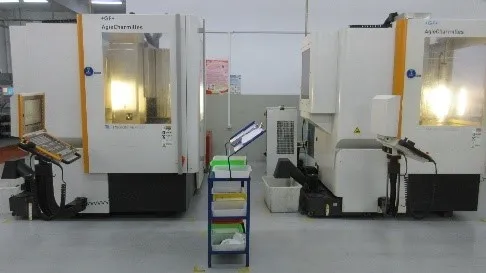
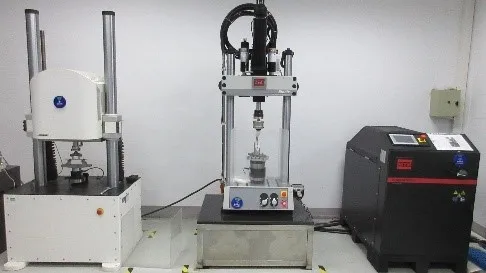
Using certified implantable Titanium (Grade 5) or high-grade PEEK, prototypes are manufactured using Japanese Star CNC machine centers. Mechanical strength, tensile limits, and thread pitch are physically tested.
We supply full trace documentation, raw material certificates, biocompatibility studies, and mechanical fatigue test results. This ensures compliance with EU MDR or US FDA 510(k) applications.
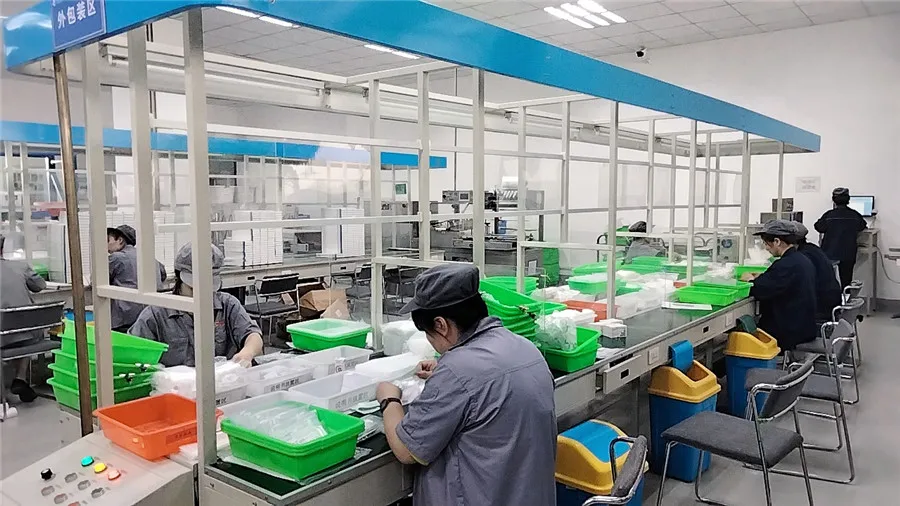
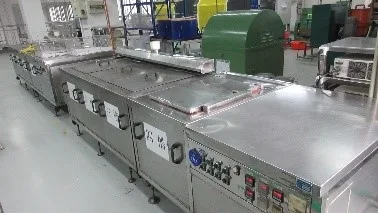
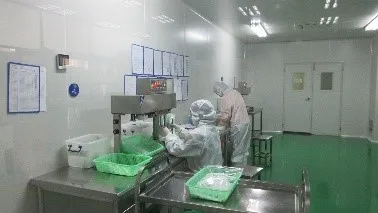
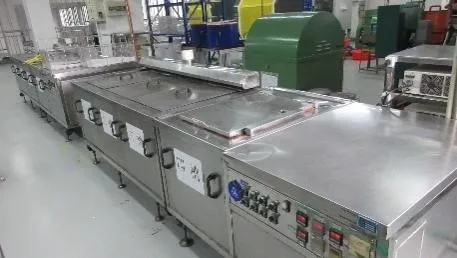
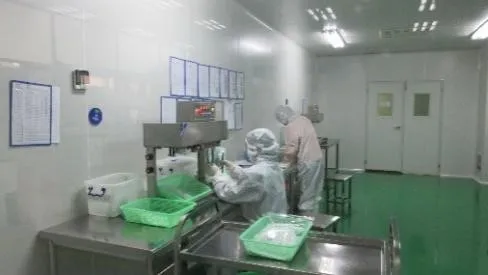
Full-scale manufacturing is carried out in Class 100,000 cleanrooms. Custom laser marking, chemical passivation, ultrasonic cleaning, and sterilization barrier packaging are completed under strict QA supervision.
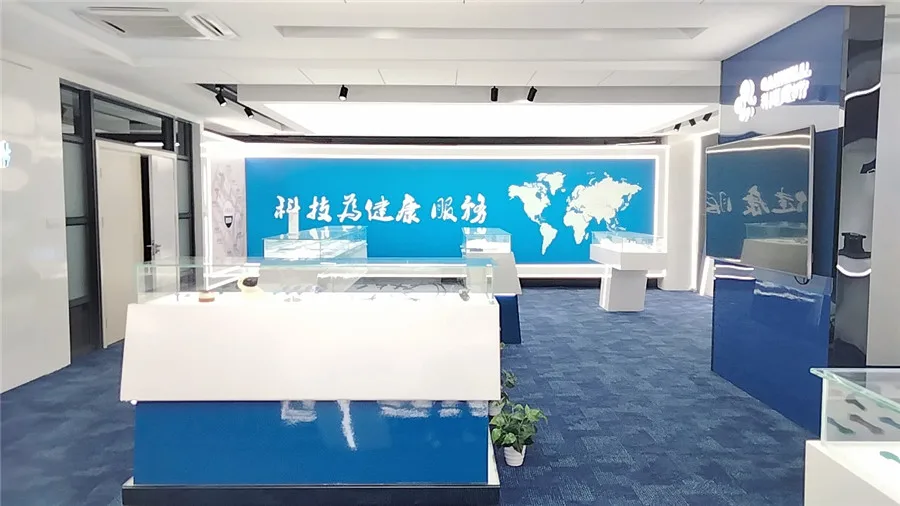
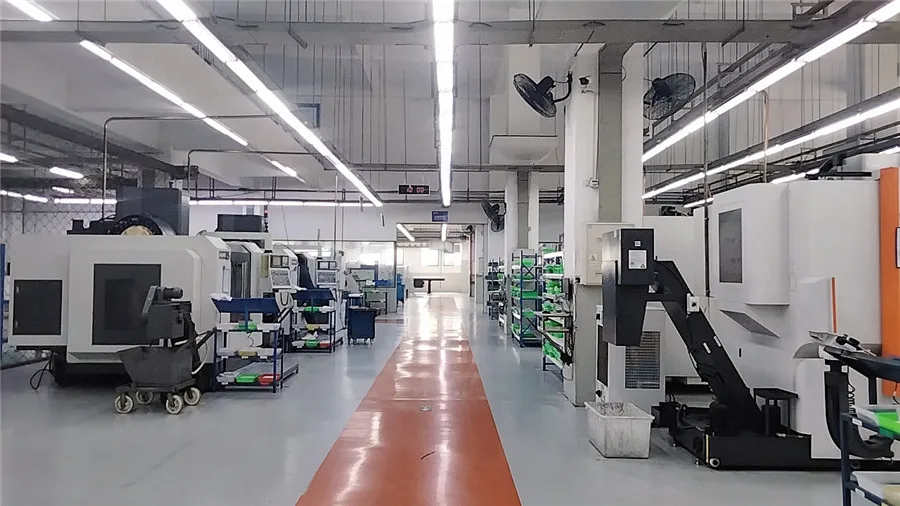
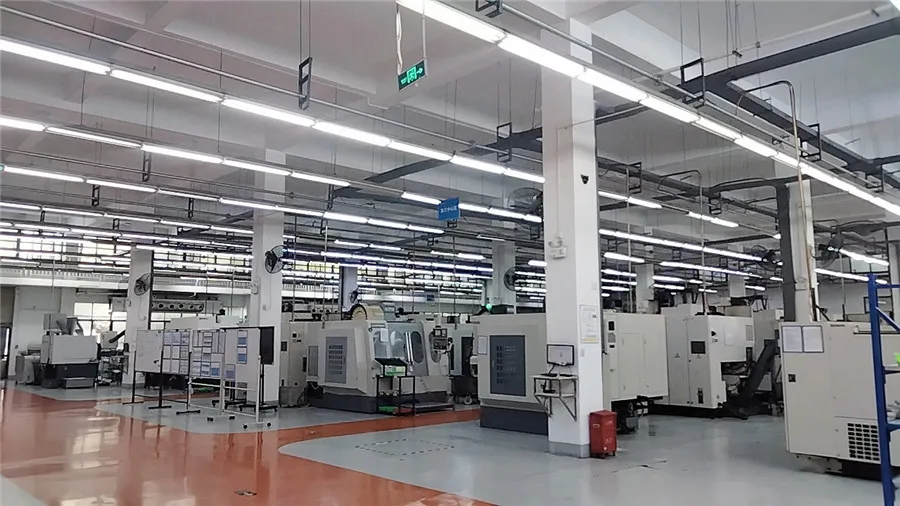
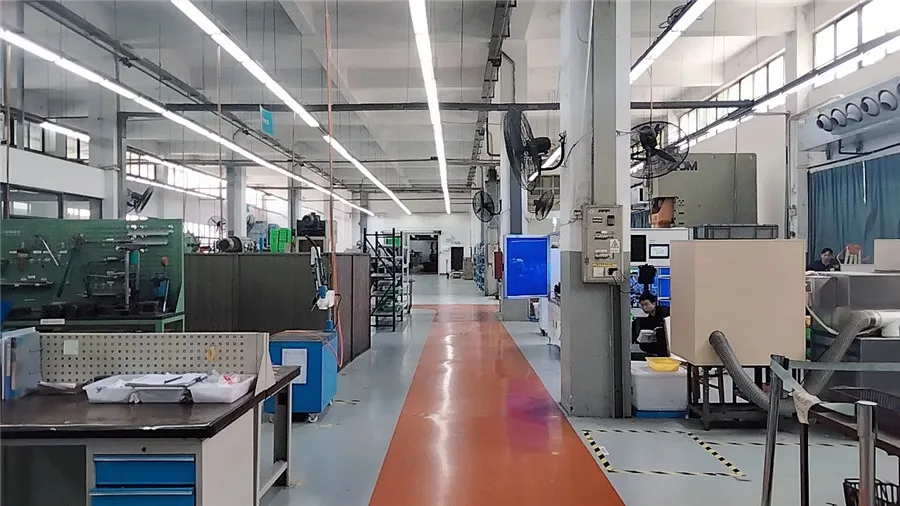
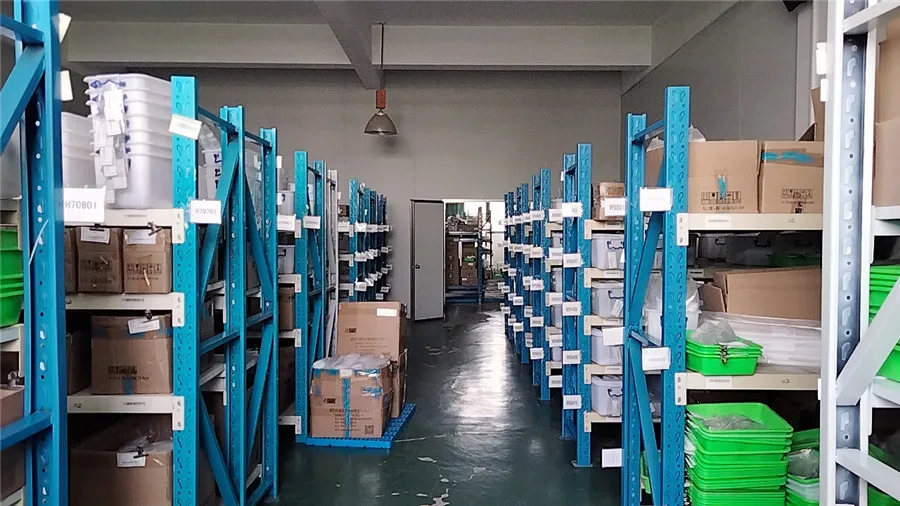
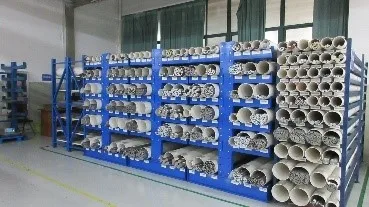
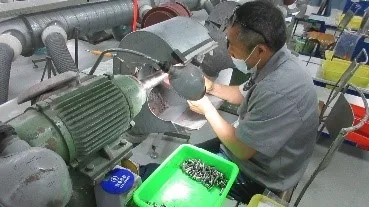
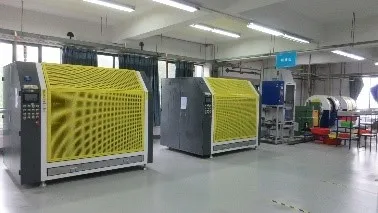
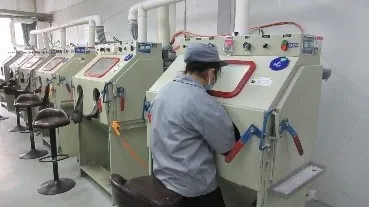
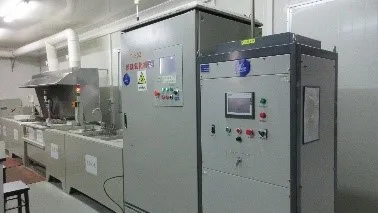
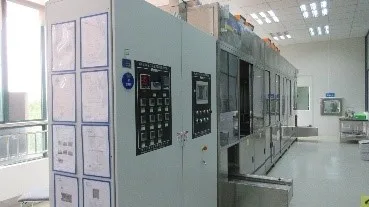
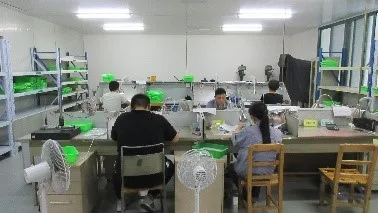
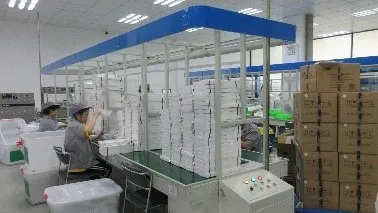
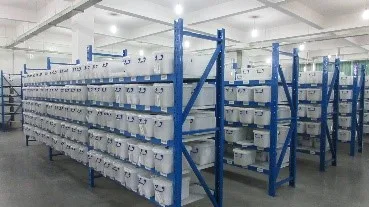
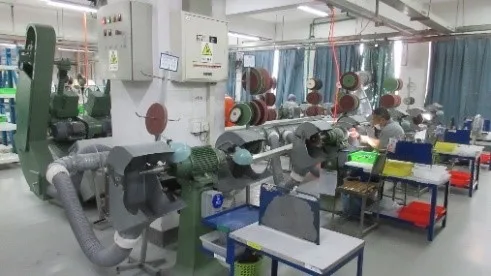
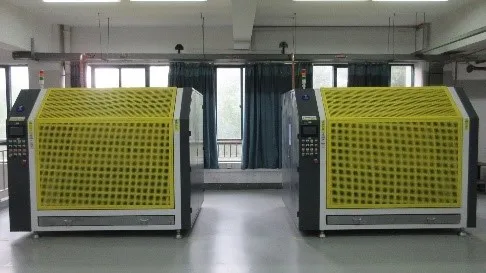
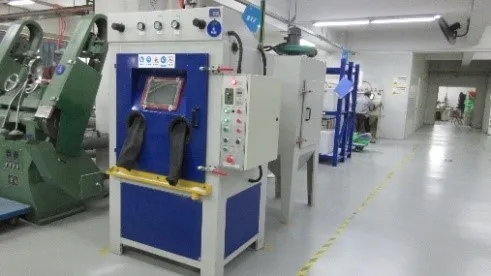
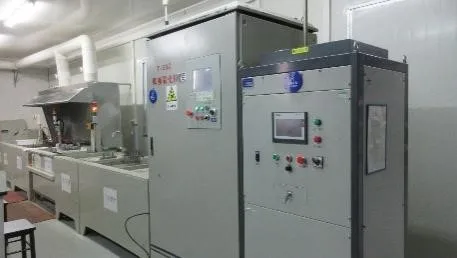
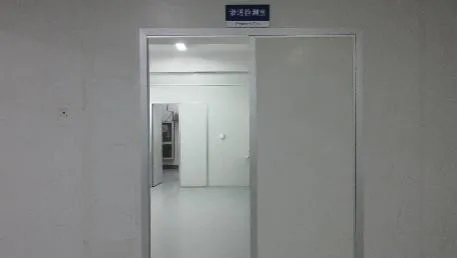
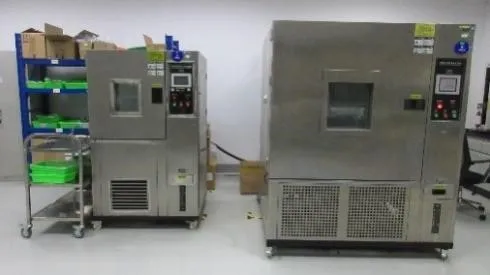
Step inside our 29,523㎡ advanced medical device fabrication and quality inspection facility.

Get answers to critical technical and regulatory questions directly from our engineering team.
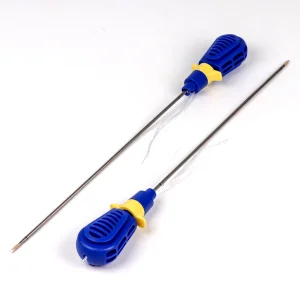
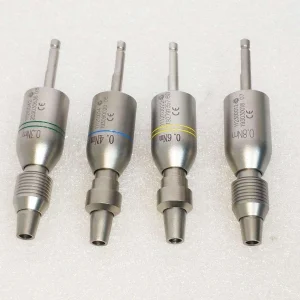
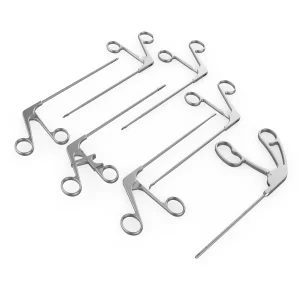
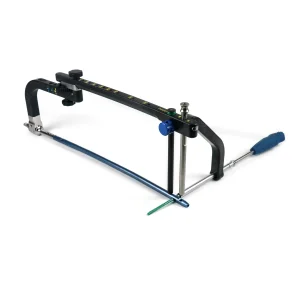
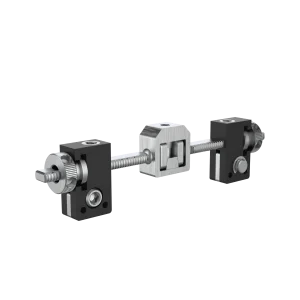
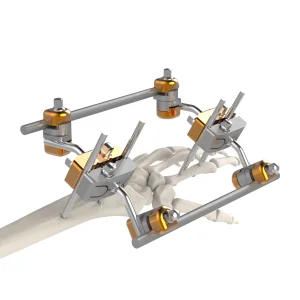
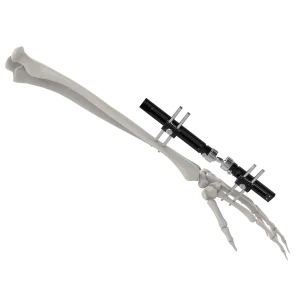
Explore specialized external fixation structures, ligament reconstruction components, and custom surgical instruments.
 Harney-Well