Precision-engineered titanium hardware, spinal stabilization devices, and joint prostheses built to rigorous international standards.
A deep clinical-engineering perspective on anatomical trauma plates, structural dynamic stabilization systems, and OEM supply chains.
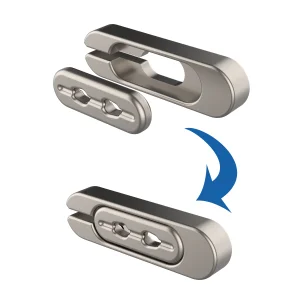
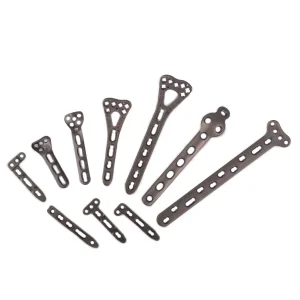
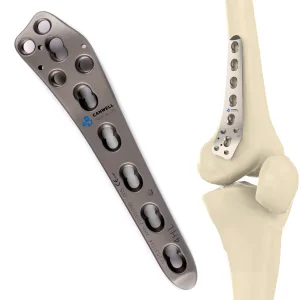
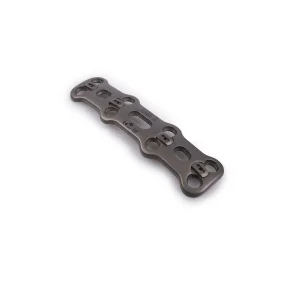
In modern osteosynthesis, Wide Slot Plates and dynamic compression implants represent a crucial engineering solution to bone fracture healing. The integration of wide, slanted, or dynamic slots allows surgeons to achieve rigid internal fixation with intraoperative axial compression. This geometry is designed to convert vertical loading forces into lateral compression across the fracture line, accelerating primary bone healing and limiting micro-motion that causes hardware failure.
From an industrial perspective, manufacturing these plates demands elite micromechanical tolerances. Medical-grade titanium (specifically Ti-6Al-4V ELI / Grade 23) or high-grade stainless steel must be milled under continuous quality-control loops. As global supply chains face stricter clinical trials and audits, selecting the right contract manufacturer who possesses the capability of graphic customized engineering and cleanroom packaging becomes a critical decision for medical device brands.
SEO Insight / Information Gain Note: Unlike typical industrial hardware, medical wide slot locking plates are subject to strict regulatory barriers such as EU MDR 2017/745 and US FDA Class II/III clearance. Sourcing managers must evaluate raw material traceability, chemical passivation reports, and dynamic fatigue testing profiles (ASTM F382) to ensure patient safety and minimize product recalls.
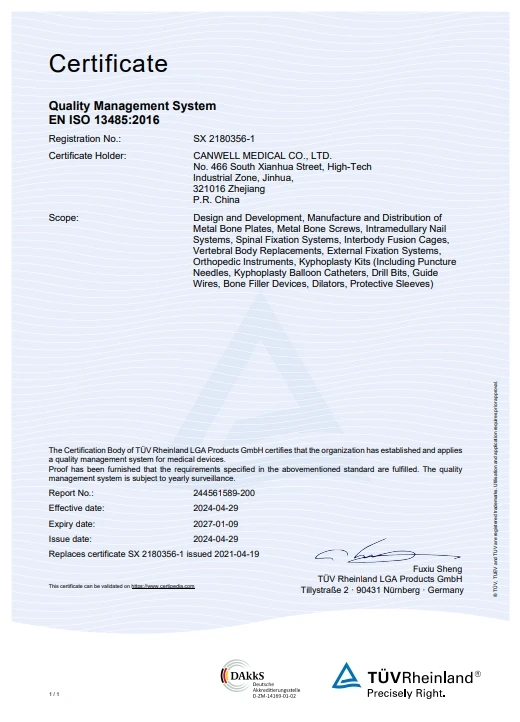
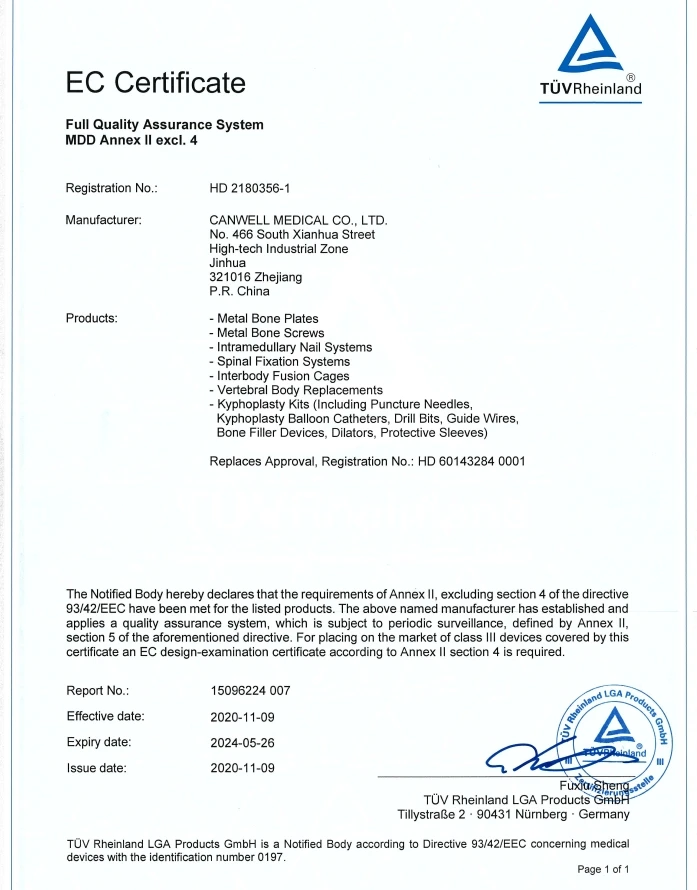
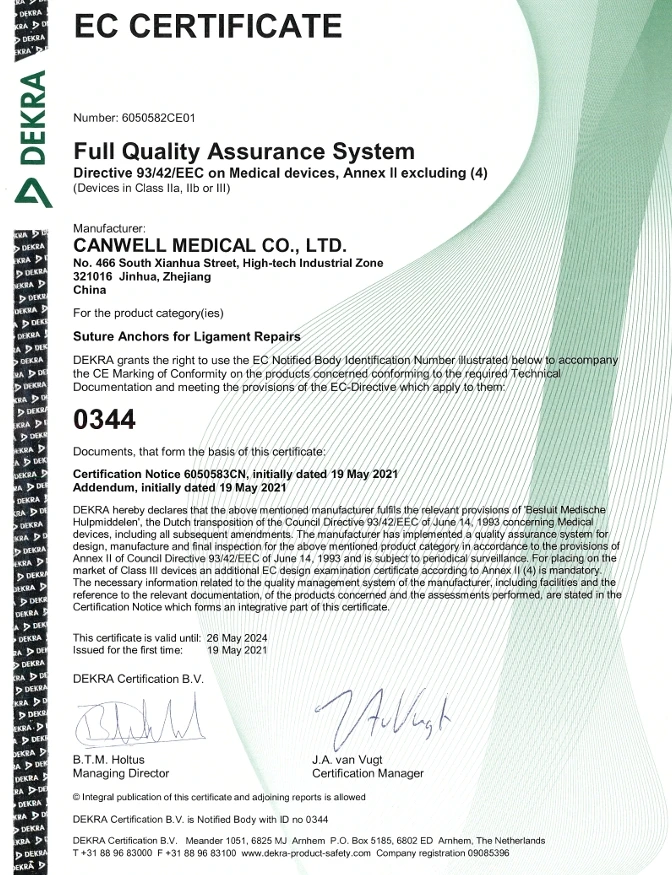
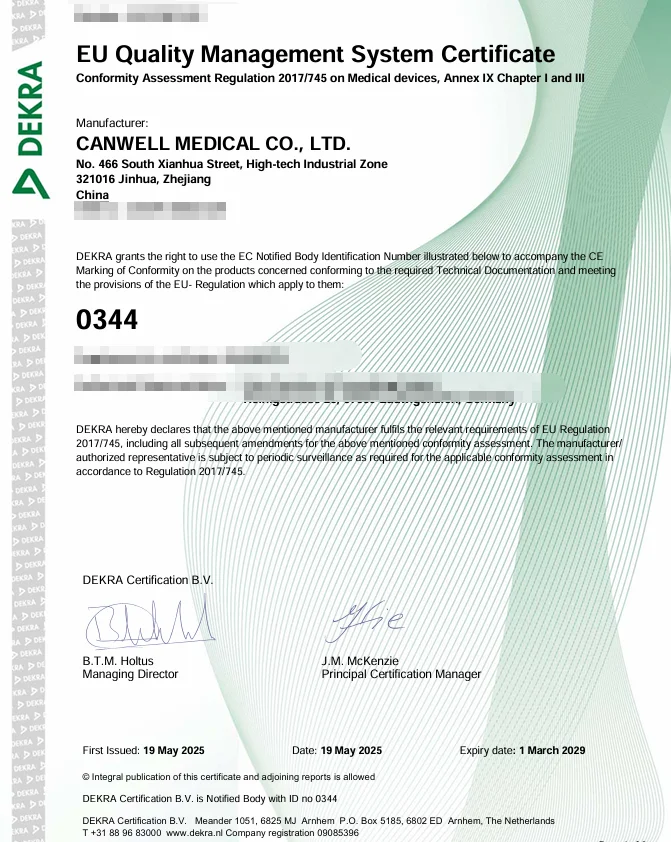
How advanced materials and state-of-the-art additive manufacturing are reshaping trauma plate designs.
Traditionally, titanium alloy (Ti-6Al-4V ELI) has dominated the dynamic compression plate market due to its high strength-to-weight ratio and excellent biocompatibility. However, modern bone plates are transitioning towards surface-functionalized substrates. Anodic oxidation treatments and HA (Hydroxyapatite) coating processes are being applied to wide slot locking plates to enhance early stage osseointegration, reducing the risk of implant rejection or long-term dynamic loosening.
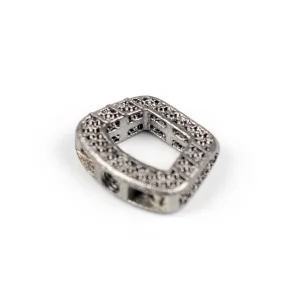
Additive manufacturing (3D printing) using Selective Laser Melting (SLM) is altering design parameters. By printing structures with controlled porous densities (similar to trabecular bone), manufacturers can customize orthopedic cages, joints, and wide slot implants to minimize stress shielding. As displayed in products like the 3D Printed Titanium Spinal Fusion Cage, these porous pathways encourage structural bone ingrowth directly into the implant, creating a unified biological fusion.
Visual record of our certified medical-grade raw material storage, CNC milling equipment, inspection labs, and packaging facilities.
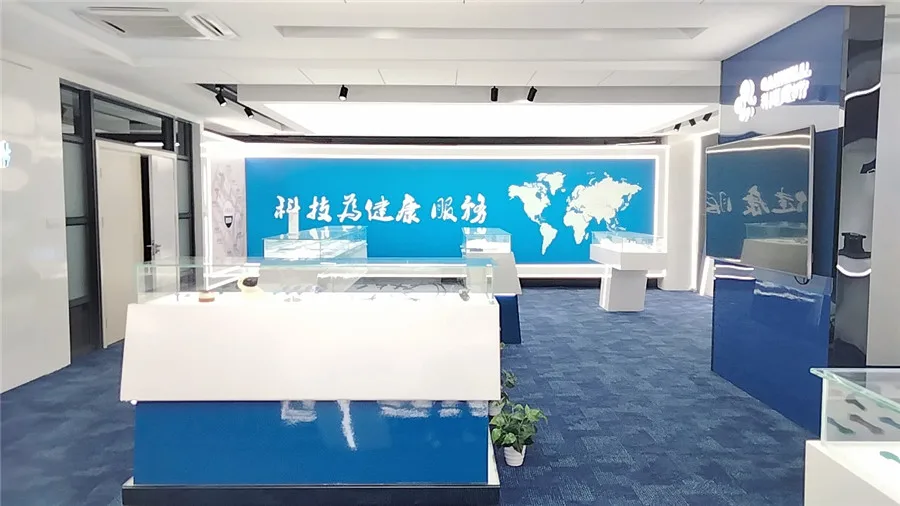
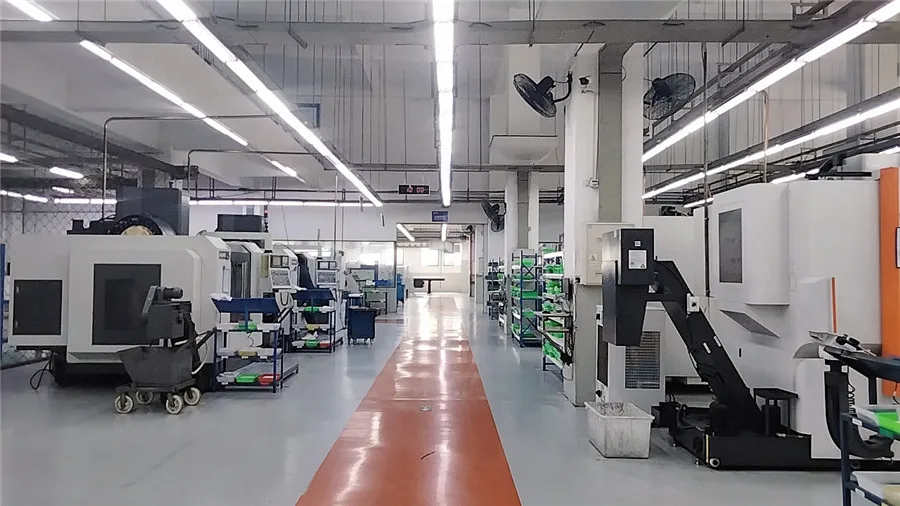
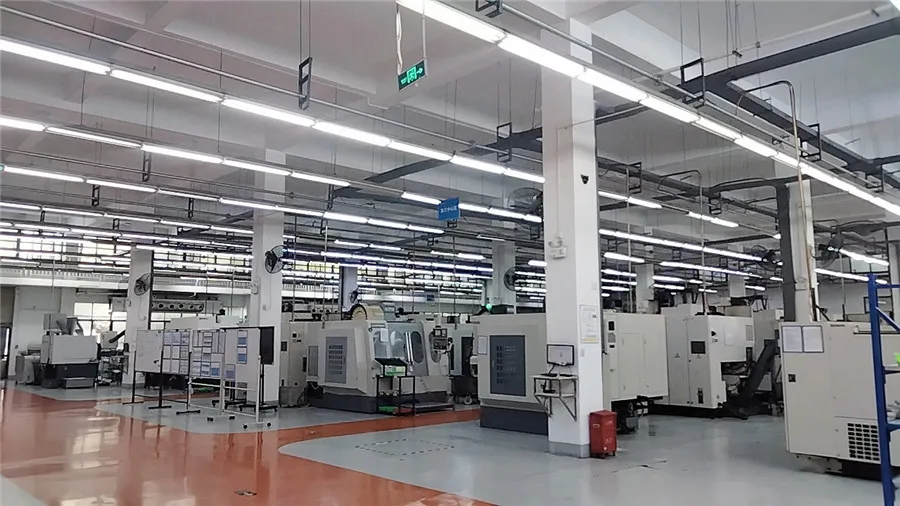
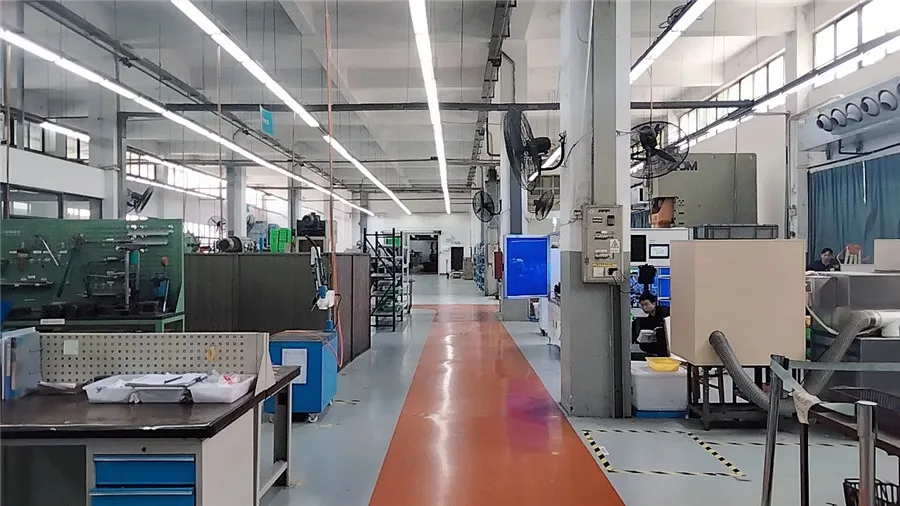
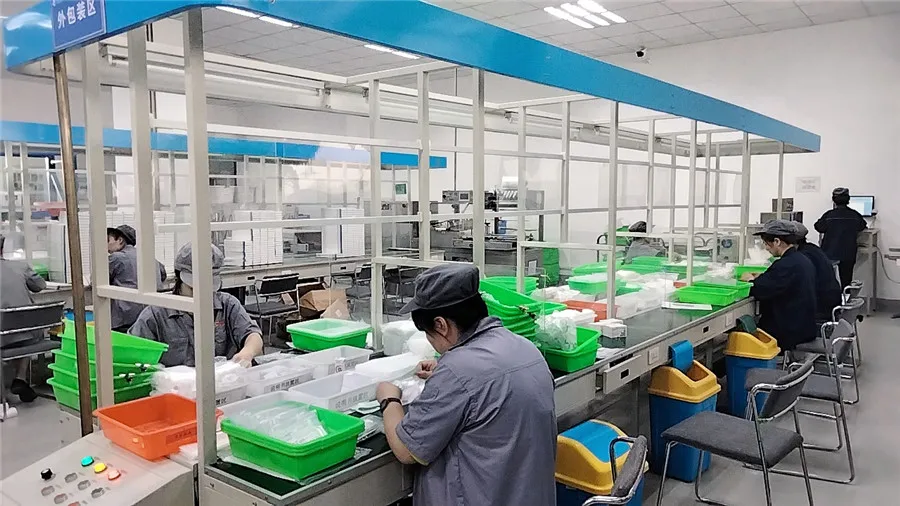
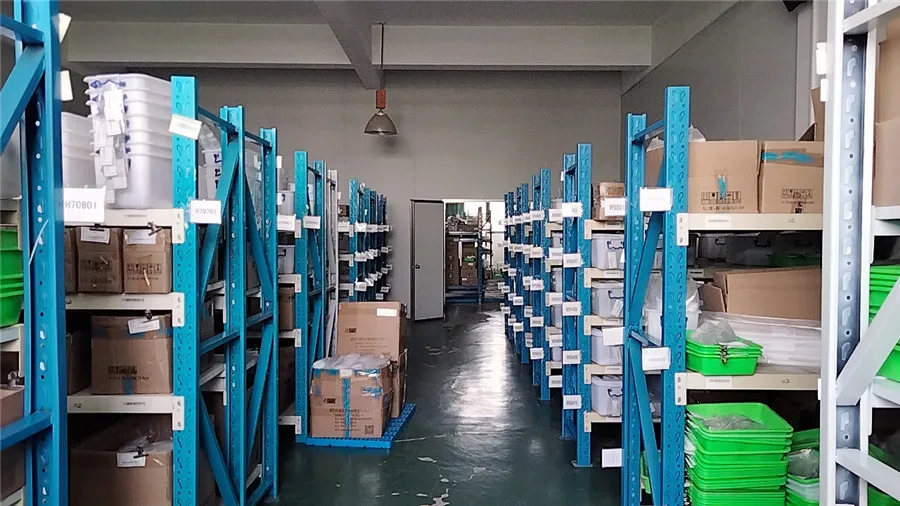
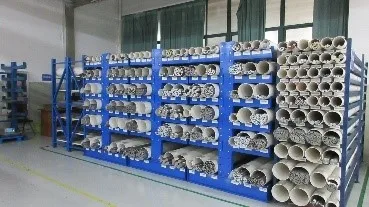
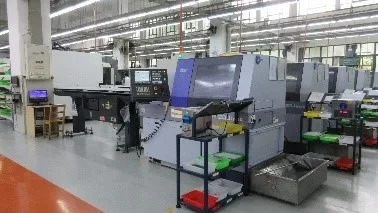
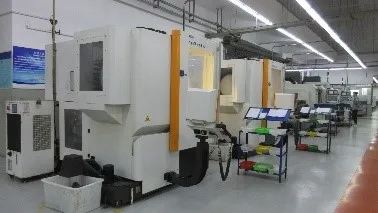
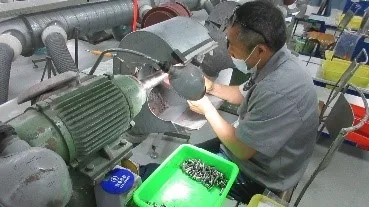
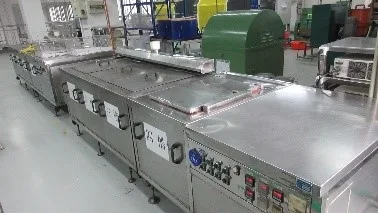
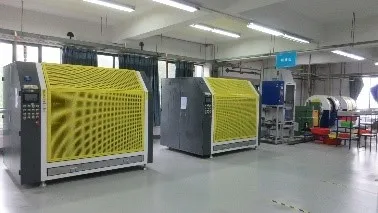
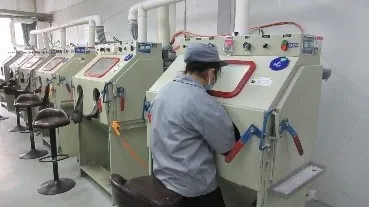

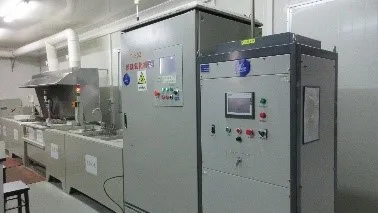
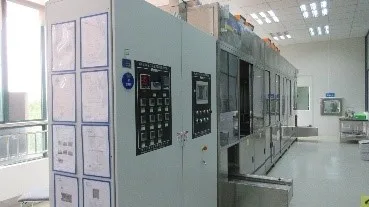
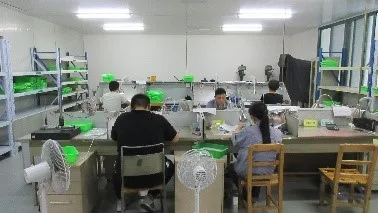
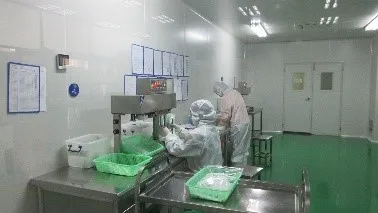
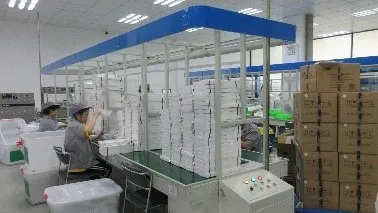
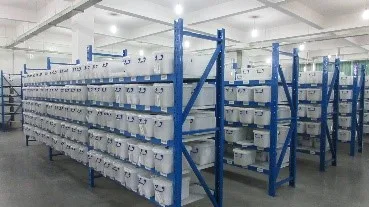
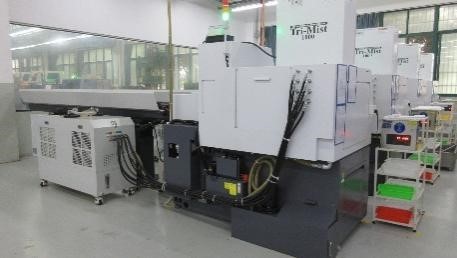
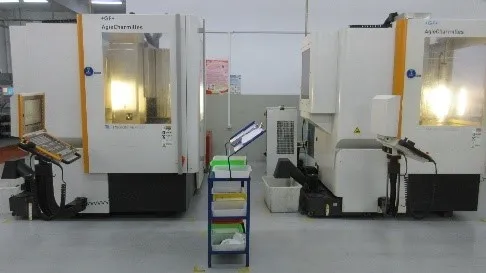
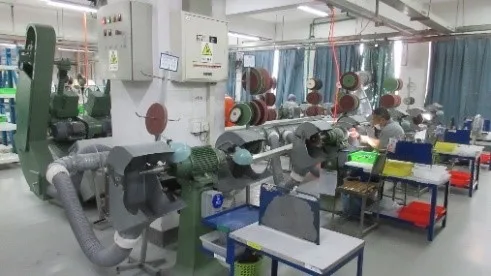
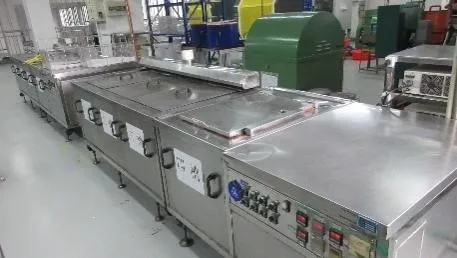
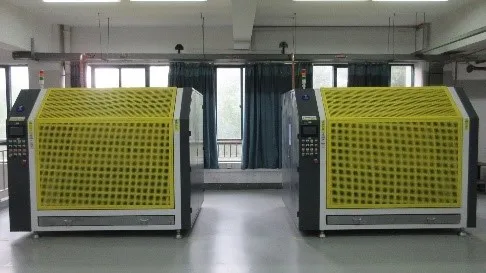
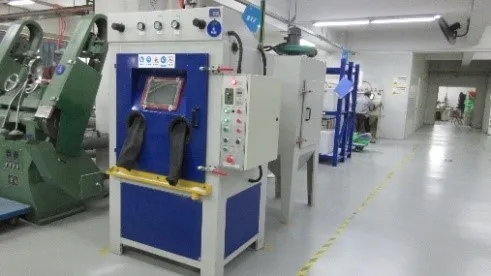
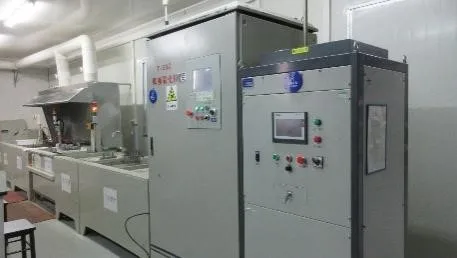
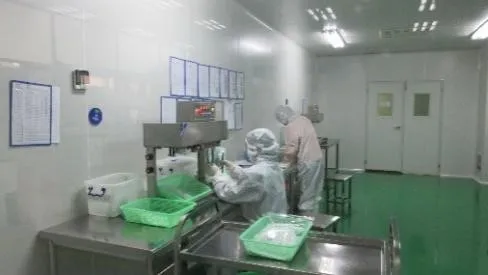

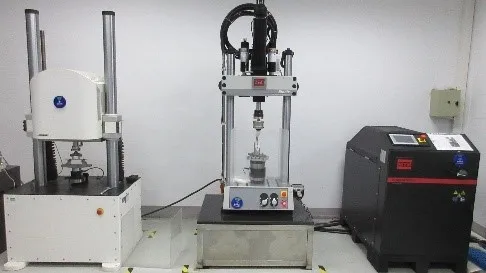
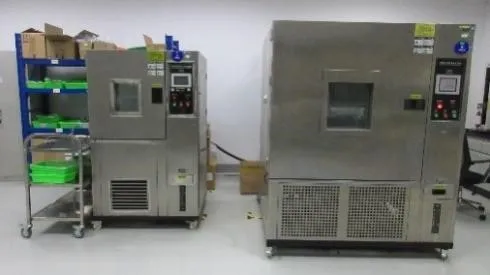
Bridging the gap between factory floor biomechanics and surgical room reality.
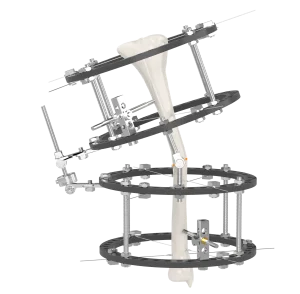
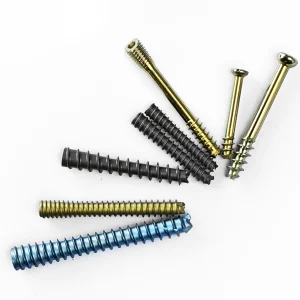
For high-energy impact injuries, our dynamic wide slot locking plates offer adjustable screw trajectory angles. This custom geometric approach allows surgeons to anchor bicortical screws securely around complex fracture patterns, optimizing structural load sharing in distal radial or tibial shaft reconstructions.
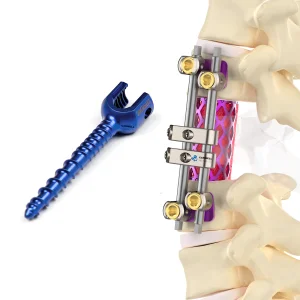
Spondylolisthesis and degenerative disc disease require highly stable thoracolumbar systems. Integrating polyaxial pedicle screws with low profile titanium plating configurations prevents biomechanical failure, offering immediate structural rigidness while permitting controlled micro-displacement to stimulate solid bony fusion.
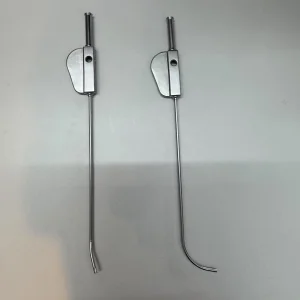
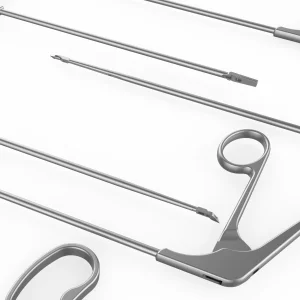
From ACL reconstruction using high-density polyethylene button loops (Endobutton) to meniscal repair cannula needles, our products deliver micro-accuracy under tension. Minimally invasive orthopedic surgeries benefit from our corrosion-resistant titanium substrates, which maintain hold in high-fluid arthroscopic environments.
Deep industry answers targeting regulatory clearance, material verification, and manufacturing limitations.
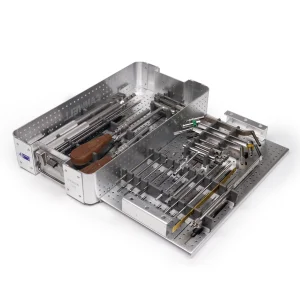
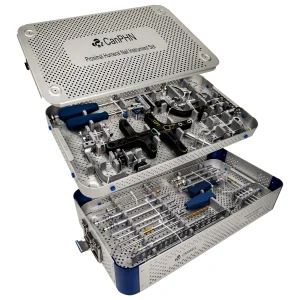
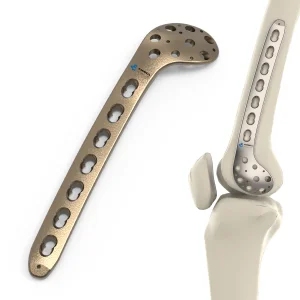
Complete orthopedic instrumentation trays, specialized femoral locking plates, and custom interbody fusion systems.
 Harney-Well