Top 10 Knee Stabilizer Suppliers & Exporters

Global Clinical Orthopedic Reconstruction, Trauma Implants, and Biomechanical Stabilization Whitepaper

Innovative Orthopedic Stabilizers & Surgical Implants

Highly certified internal stabilization and fixation components engineered to restore structural joint integrity.
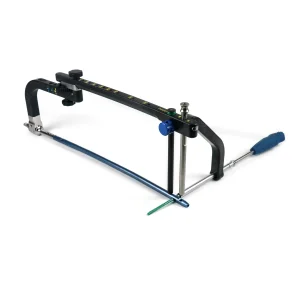
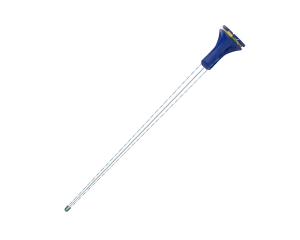
CANWELL RFN Reversed Femoral Intramedually Nail
CANWELL RFN Reversed Femoral Intramedually Nail Instrument Set Titanium Nail Retrograde Femoral CE Orthopedic Implants Class III
Technical Specifications
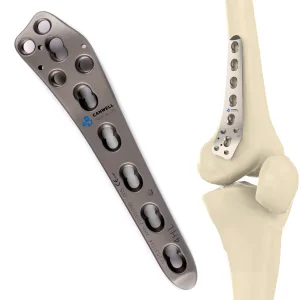
CANWELL Distal Lateral Femoral Locking Plate
CANWELL Distal Lateral Femoral Locking Plate Titanium Osteotomy Orthopedic Implant CE ISO Manufacturer
Technical Specifications
CANWELL Titanium Mini Locking Plate System
CANWELL Titanium Mini Locking Plate System Orthopedic Trauma Implant for Hand Foot Bone Fracture Fixation Surgery
Technical Specifications
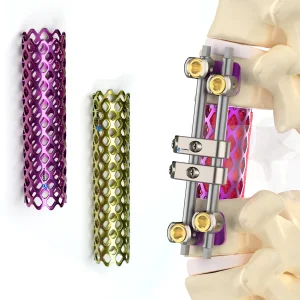
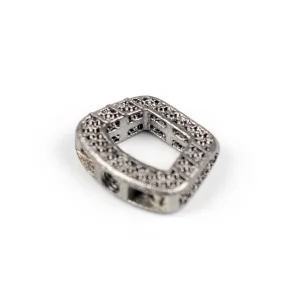
CANWELL Titanium Spine Mesh Cages
CANWELL Titanium Spine Mesh Cages Anterior Thoracolumbar Pedicle Screw Polyaxial Reduction Pedicle Spine Minimally Invasive
Technical Specifications
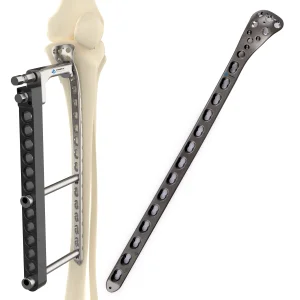
CANWELL Variable Angle Proximal Tibia Plate
CANWELL Variable Angle Proximal Tibia Plate 3.5 mm Orthopedic Trauma Implant Bone Plate Titanium CE ISO
Technical Specifications
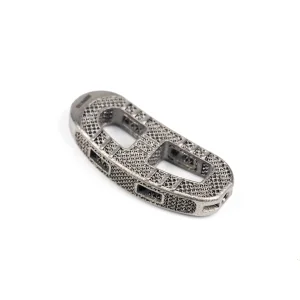
CANWELL Cervical Lumbar Spinal Fusion Cage
CANWELL Cervical Lumbar Spinal Fusion Cage Titanium 3D Printing Porous Spine Orthopedic Implants TLIF PLIF ALIF CE ISO LV-II
Technical Specifications
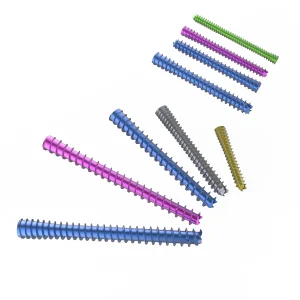
CANWELL Cannulated Locking Screw
CANWELL 6.5 Cannulated Locking Screw Orthopedic Implant 7.3 Headless Compression Titanium Herbert Screw
Technical Specifications
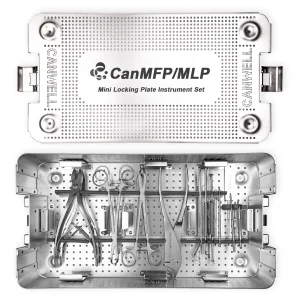
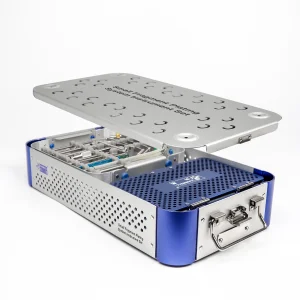
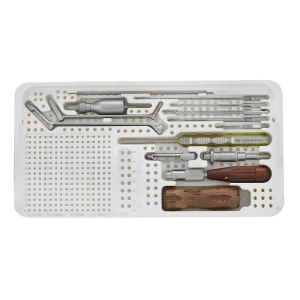
CANWELL Small Fragment Orthopedic Instrument Set
CANWELL Small Fragment Orthopedic Instrument Set Basic Surgical Instruments Traumatology Instruments
Technical Specifications

Industrial Whitepaper: The Evolution of Joint Stabilization

Analysis of clinical kinematics, material science, and manufacturing technologies for structural orthopedic applications.

Joint Kinematics & Stability

Internal joint stabilization requires strict compliance with anatomical kinematics. The reconstruction of the anterior cruciate ligament (ACL) and posterior cruciate ligament (PCL) demands precise implant placement to restore normal roll-and-glide mechanics. Dynamic and static fixation systems (such as cortical buttons and interference screws) must maintain structural load balance without inducing bone resorption or excessive localized stress concentration.

Technological trends favor low-profile configurations that match the modulus of elasticity of natural bone. Minimizing localized implant stiffness prevents stress-shielding, ensuring long-term cortical density and joint health.

Materials Science & Tribology

Advanced orthopedics relies on biomedical-grade titanium alloys (Ti-6Al-4V ELI) and Ultra-High-Molecular-Weight Polyethylene (UHMWPE). These materials provide optimal fatigue strength and biocompatibility under repetitive mechanical load cycle limits. Innovations in surface modifications (such as anodic oxidation and acid-etched coatings) facilitate osseointegration, ensuring strong structural bonding at the bone-implant interface.

For ligamentous repairs, bio-absorbable polymers (PLGA - Poly lactic-co-glycolic acid) act as structural anchors that gradually transfer mechanical loads to healing autograft or allograft tissues, eliminating the need for secondary retrieval surgeries.

Global Procurement & Rigor

For medical distributors and healthcare networks, selecting a Tier-1 OEM/ODM supplier involves auditing structural quality assurance protocols, cleanroom parameters (Class 10,000 / ISO 7 compliance), and complete physical traceability of raw materials. Validating metallurgical records and mechanical testing data (torsional fatigue, pull-out strength, and micro-hardness) is vital to mitigating post-operative failures and regulatory exposure.

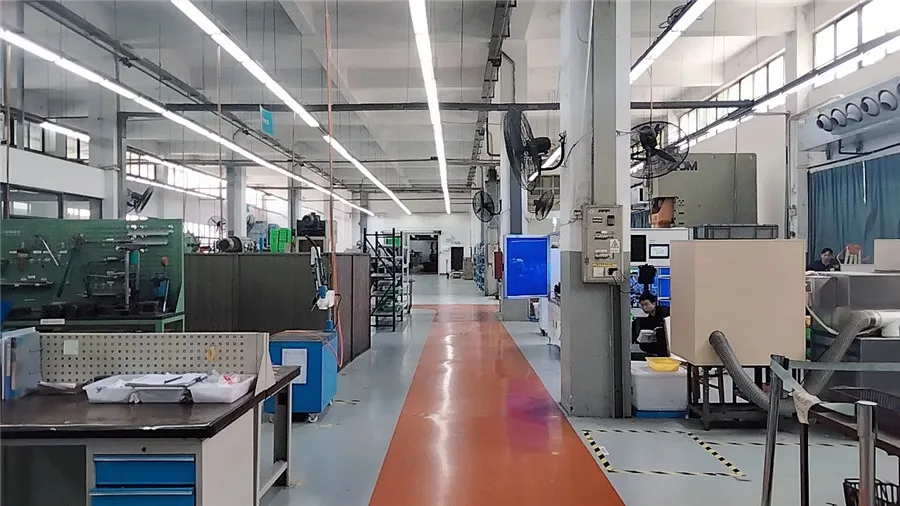
China Factory 4.0: Supply Chain Resiliency & Quality Infrastructure

Exploring the structural advantages of digitized surgical manufacturing processes, cleanroom scaling, and strict quality gates.

29,523 ㎡
Advanced Manufacturing Footprint
22+ Years
Global Clinical Exporting History
69 Specialists
QA/QC Regulatory Inspectors
59 Engineers
R&D and Academic Collaborations

Digitized Production Lines

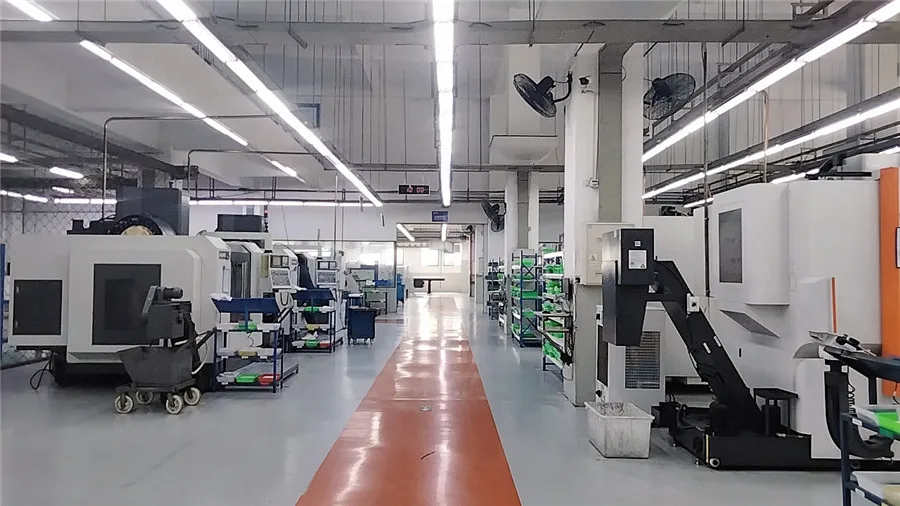
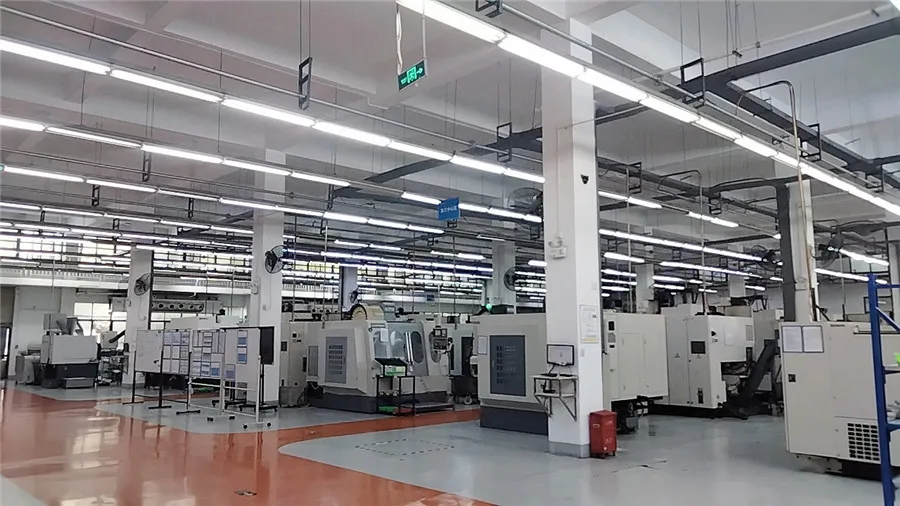
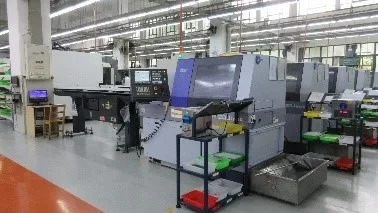
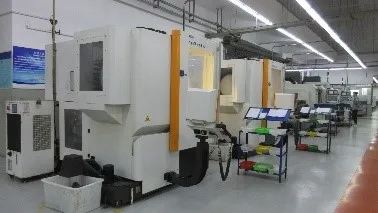
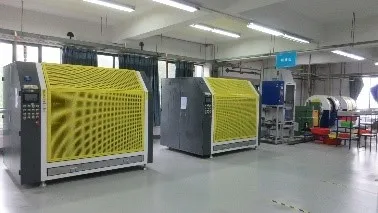
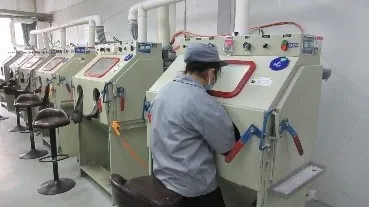
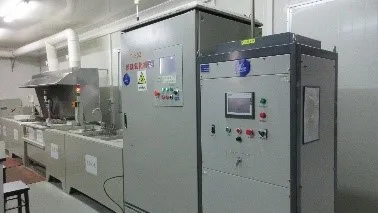
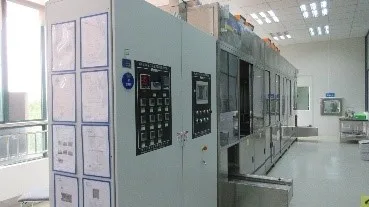
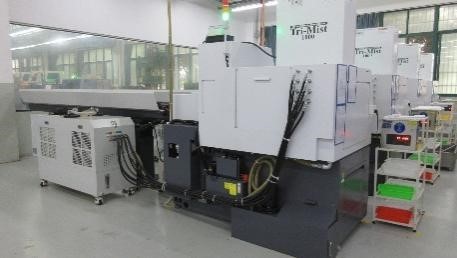
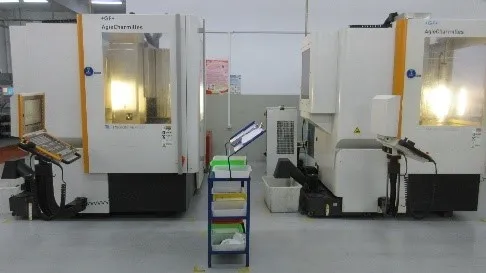
By leveraging high-speed multi-axis CNC machines and automated optical measurement systems, our manufacturing facility maintains tight structural tolerances (down to ±5 microns) for complex geometries, such as anatomic locking plates and multi-lead locking compression screws. Automated quality control minimizes batch variance, helping to ensure consistent surgical implantation results.

Traceability & Metallurgical Validation

Raw materials undergo rigorous optical spectrum analysis and mechanical tensile testing before entering production. Every internal fixation component is marked with a laser-etched matrix code, allowing hospitals and distributors to trace the manufacturing data back to the original raw material batch.

Flexible OEM/ODM Delivery

With 59 dedicated research and development engineers, we provide comprehensive design assistance, rapid functional prototyping, and dynamic fatigue testing for bespoke orthopedic solutions. We accommodate diverse clinical specifications, custom anatomical profiles, and specialized packaging needs for regional markets.

Technical Roadmap & Future Outlook

Overview of advanced material treatments, 3D printing technologies, and clinical advancements shaping the future of orthopedic reconstruction.

Additive Manufacturing (3D Printing)

3D-printed titanium implants represent a major shift in bone-implant interfaces. Porous spinal fusion cages and anatomically shaped joint interfaces mimic trabecular bone architecture. This structure supports early osteoblast migration and vascularization, helping to improve implant stability and reduce long-term recovery times.

Smart Biocompatible Coatings

Future implant developments focus on functional coatings that release antibacterial agents or bone morphogenetic proteins (BMPs) locally. Integrating nano-crystalline hydroxyapatite (HA) helps limit post-surgical infection risk while accelerating early stage bone attachment.

Bio-degradable Fixation

Bio-absorbable polymers are evolving to match bone remodeling timelines more closely. Magnesium alloys and advanced PLGA compositions are engineered to degrade predictably, supporting new bone growth and avoiding the need for permanent hardware retention.

Verified Manufacturer Profile & Technical Capabilities

Audited operational data, regulatory compliance registries, and international distribution metrics.
Operational Infrastructure Summary
Registration Date 2004-11-03
Manufacturing Floor Space 29,523 ㎡
International Exporting 22+ Years
Languages Supported English, Spanish, Portuguese
Quality Control & R&D Audits
Raw Material Traceability Yes, Full Metallurgical Auditing
Quality Gate Protocols 100% Inline Inspection & Client Testing Standards
QA/QC Staff Size 69 Registered Specialists
R&D Division Size 59 Engineers (Graduate Level)
Market Penetration & Client Profile
Key Geographic Markets South America (30%), Southeast Asia (20%), Western Europe (20%)
Primary Partner Types Clinical Brand Businesses, Wholesalers, Engineering Partners, Manufacturers
Customization Formats Light Customization, Sample Processing, CAD/CAM/Graphic Assistance
Quality Certifications
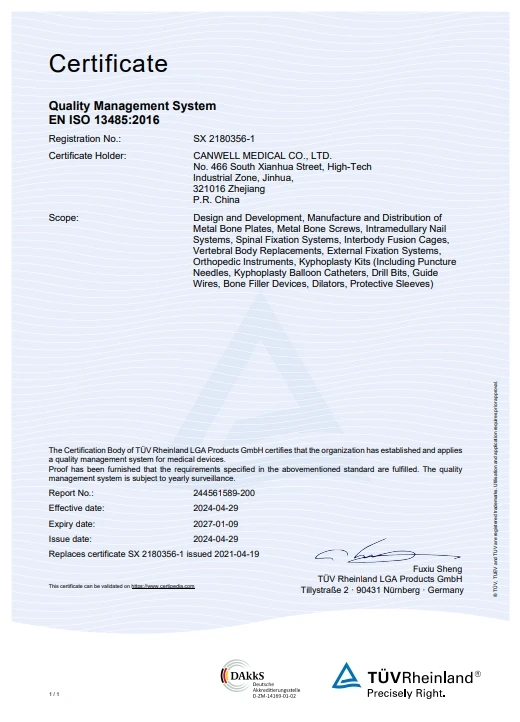
ISO13485 Certification
ISO13485
SX 2180356-1
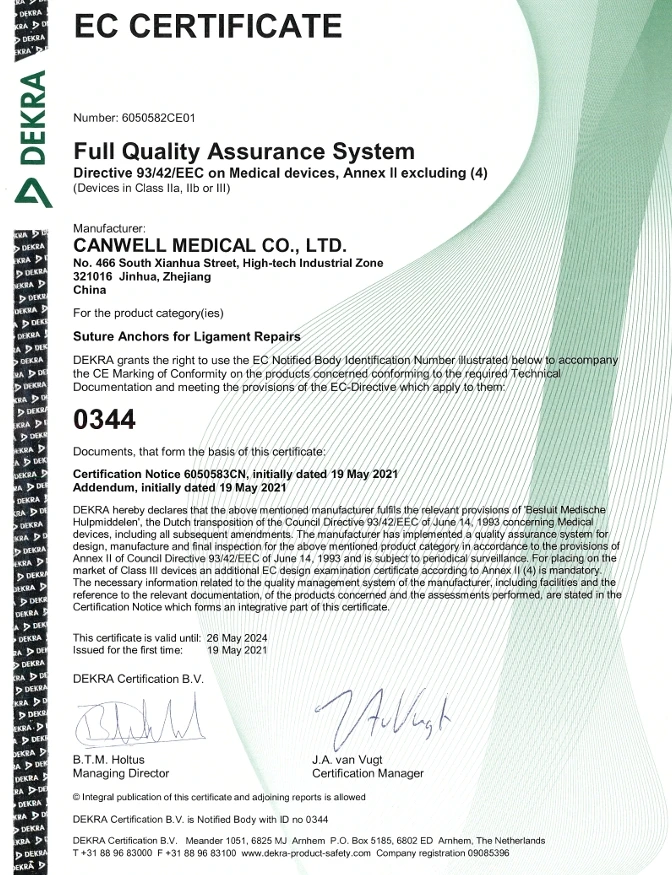
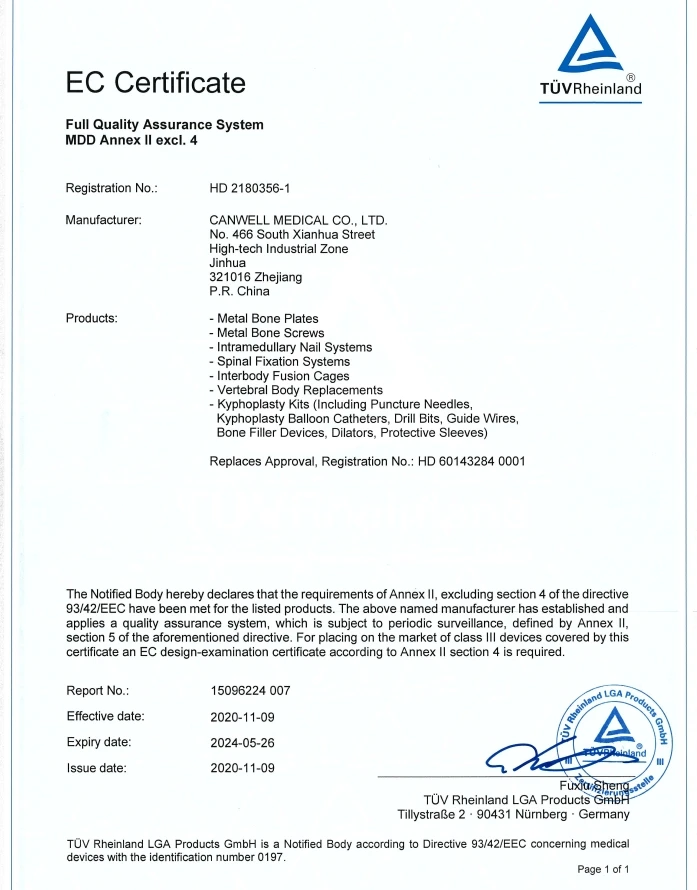
93/42/EEC CE Certificate
93/42/EEC
HD 2180356-1
CE Class III Certificate
93/42/EEC
6050582CE01
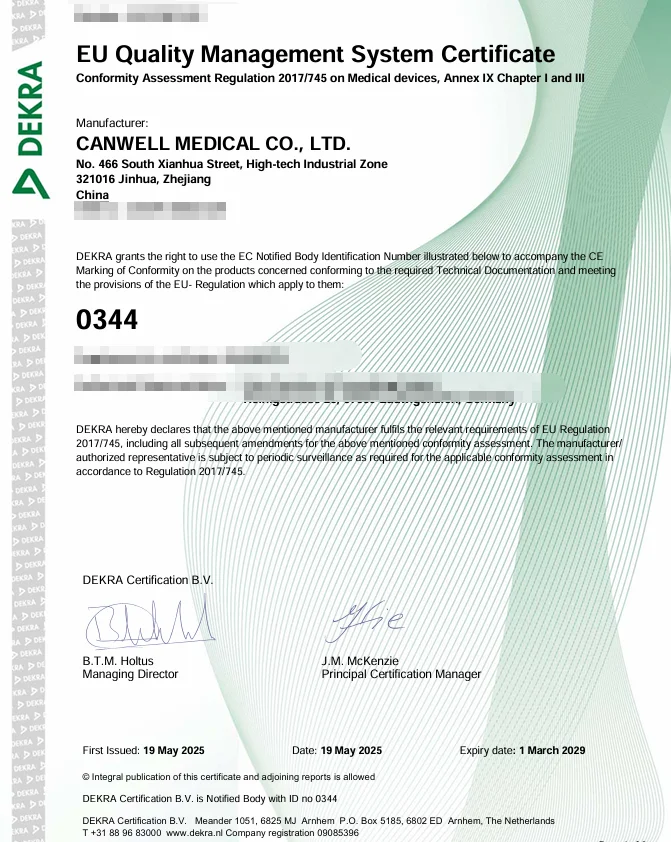
EU MDR Certification
MDR
6142788CE02

Advanced Trauma, Arthroplasty, & Soft Tissue Fixation Implants

Explore our CE & MDR approved reconstruction solutions designed for joint replacement and ligamentous stabilization.
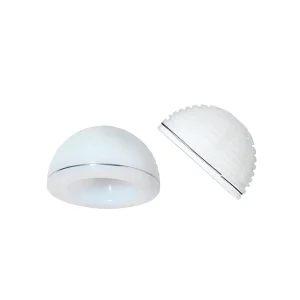
Cemented Acetabular Cup Dual Mobility
Primary Cemented Acetabular Cup UHMWPE Total Partial Hip Replacement Dual Mobility Arthroplasty Prosthesis Joint CE Class III 5+
Technical Specifications
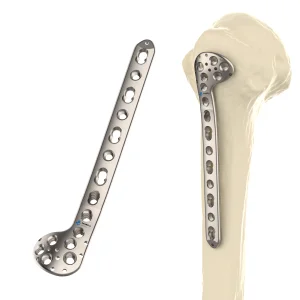
CANWELL Proximal Humerus Titanium Locking Plate
CANWELL Proximal Humerus Titanium Locking Plate Compression Orthopedic Manufacturer Trauma Factory OEM CE Certified
Technical Specifications
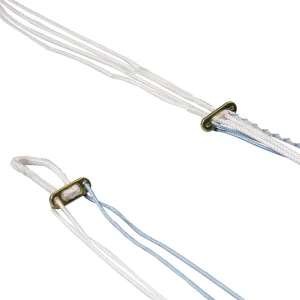
CANWELL All-suture Anchor
CANWELL All-suture Anchor Full Suture Anchor with 4 Needles Arthroscopic Surgery Orthopedic Implant Rotator Cuff Repair
Technical Specifications
CANWELL CV-I 3D Printed Titanium Spinal Fusion Cage
CANWELL CV-I 3D Printed Titanium Spinal Fusion Cage Porous Spine Orthopedic Implants Tlif Plif Alif Lumbar Cage CE Certified
Technical Specifications
Trauma Orthopedic Implants AO Instrument Sets
Trauma Orthopedic Implants 2.4 and 2.7 System Stainless Steel AO Standard Instrument Sets for Radius Surgical Instruments
Technical Specifications
CANWELL Titanium Endobutton ACL
CANWELL Titanium Endobutton with Suture Loop Cortical Button Plate Suture Button ACL Reconstruction Implant CE ISO
Technical Specifications
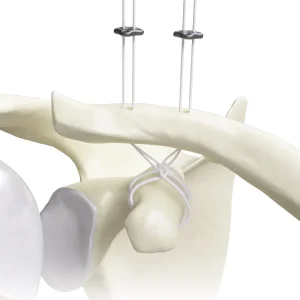
CANWELL Arthroscopy Button AC Joint
CANWELL Arthroscopy Button Acromio Clavicular Joint Button AC Repair Button Orthopedic Sports Medicine
Technical Specifications
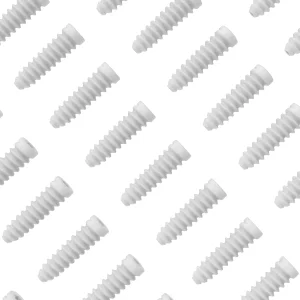
CANWELL ACL Bioabsorbable Screw
CANWELL ACL Bioabsorbable Screw PLGA Interference Screw ACL/PCL Reconstruction Arthroscopy Surgery Orthopedic Implants CE
Technical Specifications

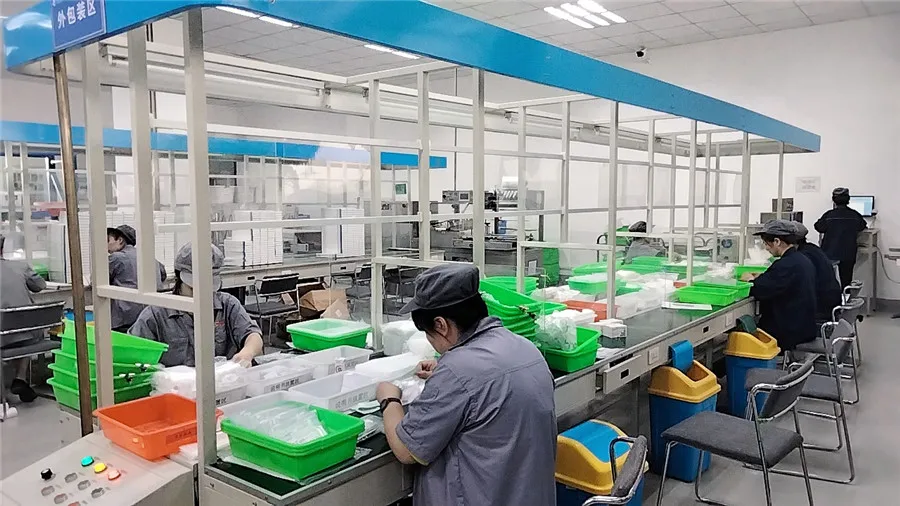
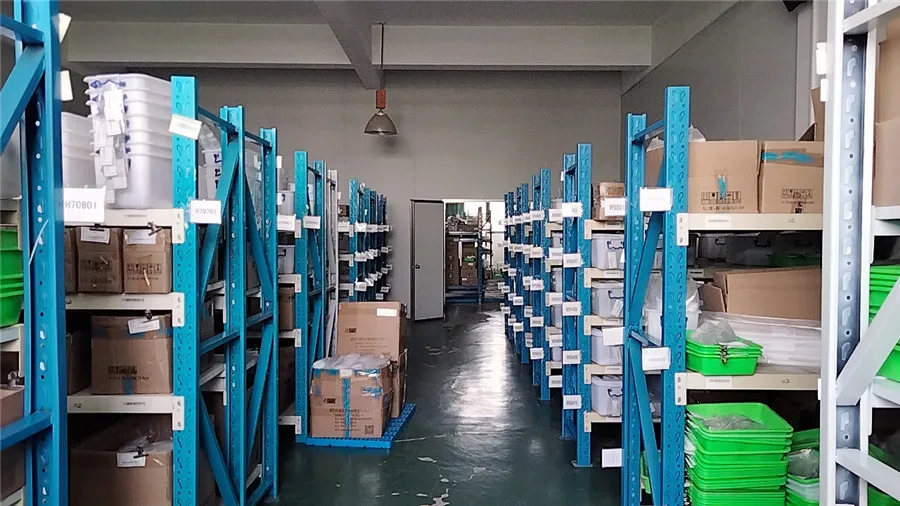
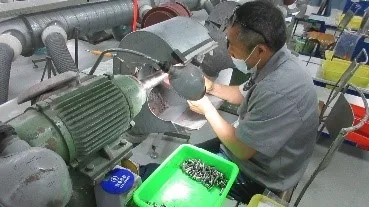
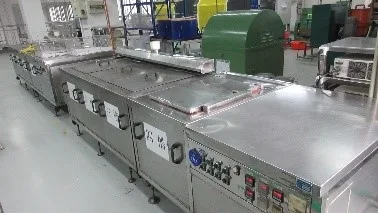
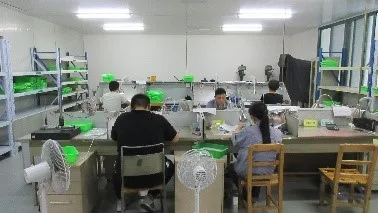
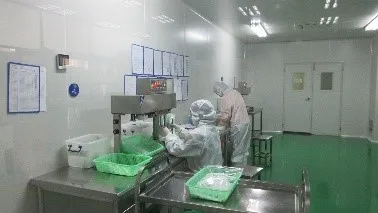
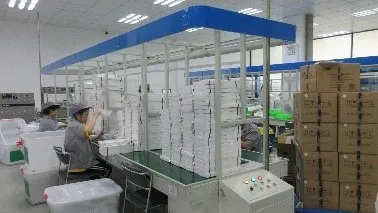
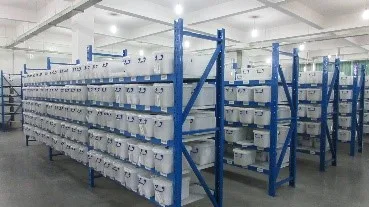
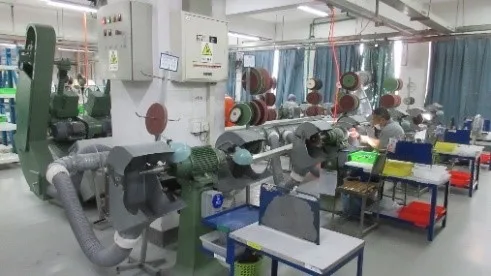
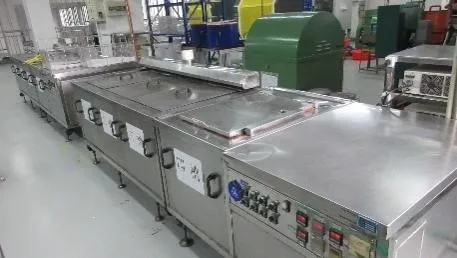
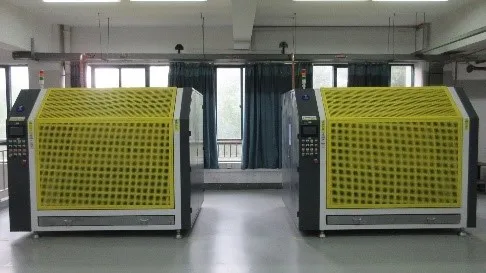
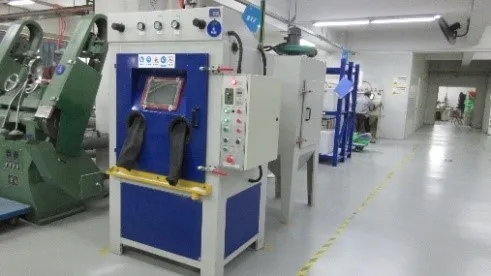
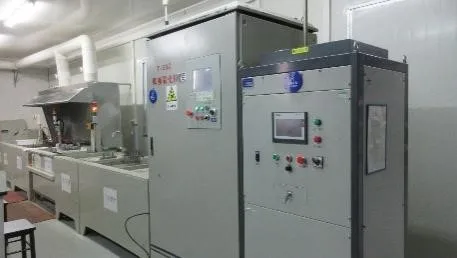
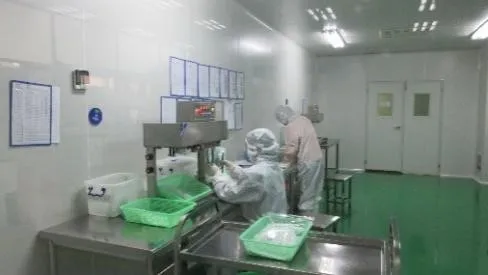
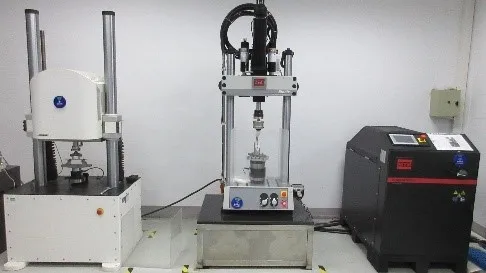
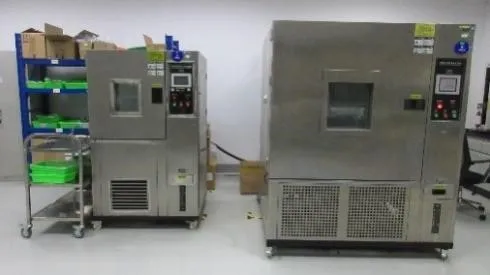
Production Flow & Quality Control Visual Audit

A step-by-step view of our processing technologies, testing setups, and logistics management.
Clinical & Procurement FAQ

Answers to common regulatory, material, and logistical questions for global buyers.

1. What material grades are used in your orthopedic reconstruction implants? +
We manufacture using medical-grade Titanium Alloys (specifically Ti-6Al-4V ELI in compliance with ASTM F136 standards) and Ultra-High-Molecular-Weight Polyethylene (UHMWPE) for articulating components. All raw materials are traceably certified with mill test records.
2. Are the interference screws and anchors biodegradable? +
Yes, our line of interference screws includes PLGA (Poly lactic-co-glycolic acid) absorbable options that degrade predictably over the tissue-healing timeline, reducing the need for secondary retrieval procedures. We also offer permanent titanium anchors for permanent fixation needs.
3. What quality certifications do your orthopedic devices hold? +
Our facilities and products are certified under ISO 13485 quality systems, European Annex II (93/42/EEC), and are transitioned to the new European Medical Device Regulation (MDR 2017/745) Class III requirements.
4. How do you ensure batch consistency in custom osteotomy plates? +
By integrating multi-axis CNC machines and automated coordinate measuring machines (CMM), we hold geometric tolerances within ±5 microns. Our 69 QA/QC inspectors execute comprehensive inline structural inspections for every batch.
5. What is the typical lead time for custom OEM/ODM orthopedic orders? +
Standard components ship from existing inventory, while custom orders requiring graphical layout design adjustments or sample processing generally take 30 to 45 business days, depending on regulatory documentation and production planning.