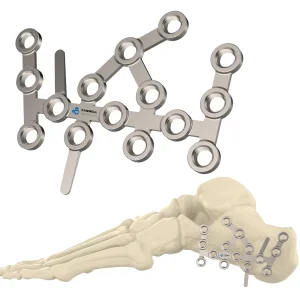
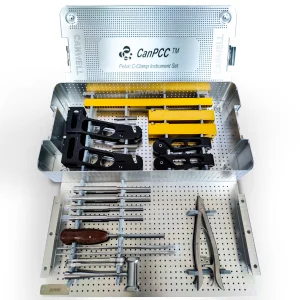
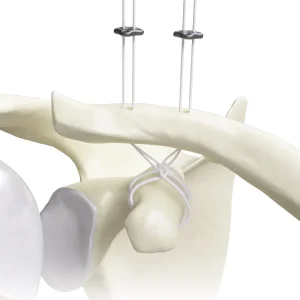
The convergence of sports performance equipment and clinical reconstruction technology. Discover the pioneering hardware ensuring rapid recovery and structural integrity for global athletic demands.
In the contemporary landscape of high-performance athletics, the definition of sports equipment has expanded beyond superficial consumer items to the critical medical hardware that ensures biomechanical optimization, rehabilitation, and joint stabilization. From minimally invasive arthroscopic intervention systems to complex structural fracture plates, surgical-grade sports medicine equipment serves as the cornerstone of athletic endurance, safety, and physical longevity. For global B2B procurement officers, sourcing reliable partners who balance raw material traceability, robotic fabrication, and strict international compliance is key to preserving operational integrity.
This comprehensive industry analysis details the top configurations in modern trauma, spine, and sports medicine implant systems, while defining the operational credentials that position premier suppliers at the peak of the international manufacturing sector.
High-precision systems engineered for extreme physical stress, anatomical recovery, and joint stabilization.
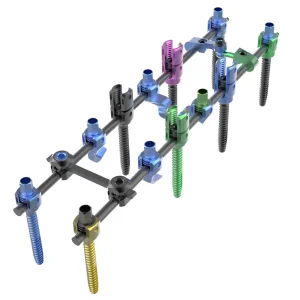
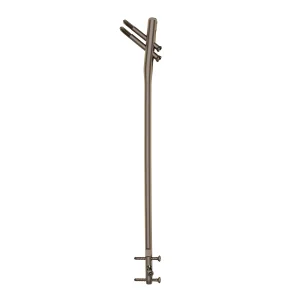
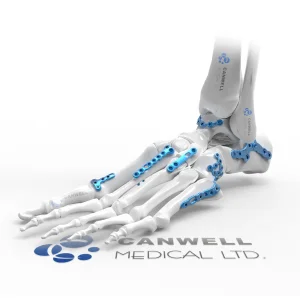
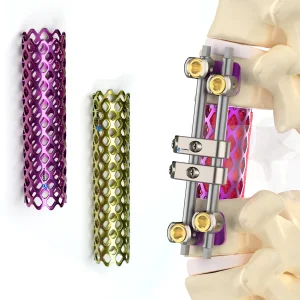
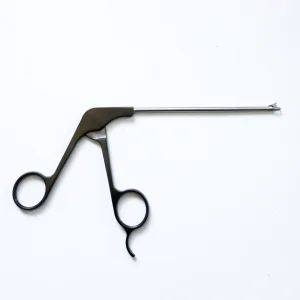
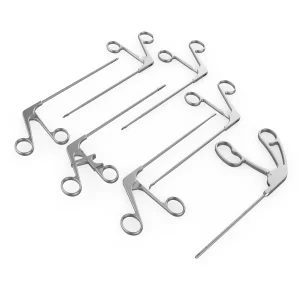
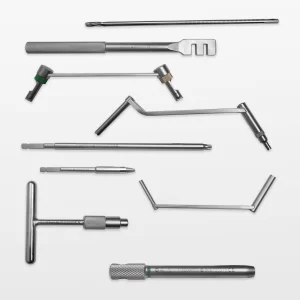
Procuring surgical-grade materials requires strict adherence to biomechanical and mechanical tolerances. Global hospital groups, rehabilitation networks, and distribution partners demand systems that reduce surgical times, offer anatomical contouring, and show zero failure rates under dynamic loads. Sourcing from certified manufacturers ensures compliance with complex regulatory frameworks like MDR in Europe or regional requirements in South America and Southeast Asia.
Our solutions target these complex procurement challenges by providing open-loop product traceability, raw material verification, and automated batch testing, giving institutional buyers complete transparency and reliability.
Transparent structural data highlighting 22 years of exporting expertise and certified production lines.
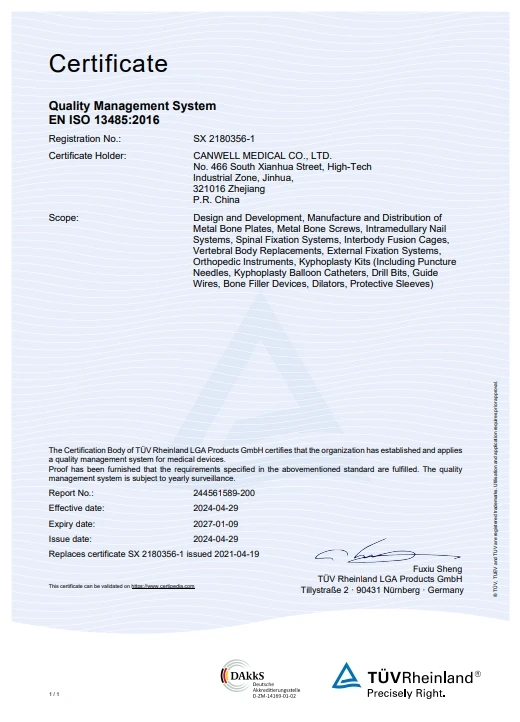
 ISO13485
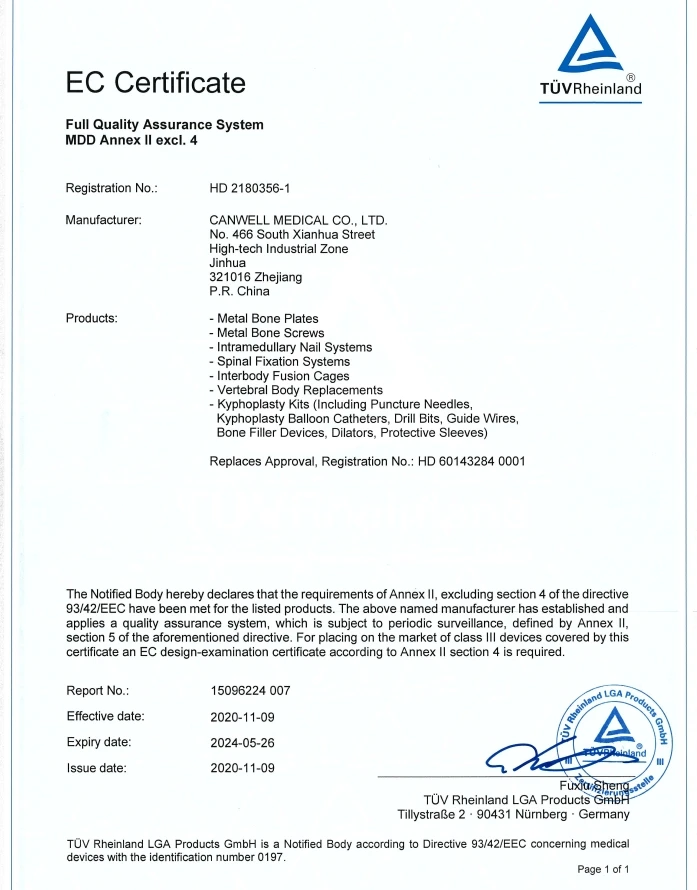
 93/42/EEC
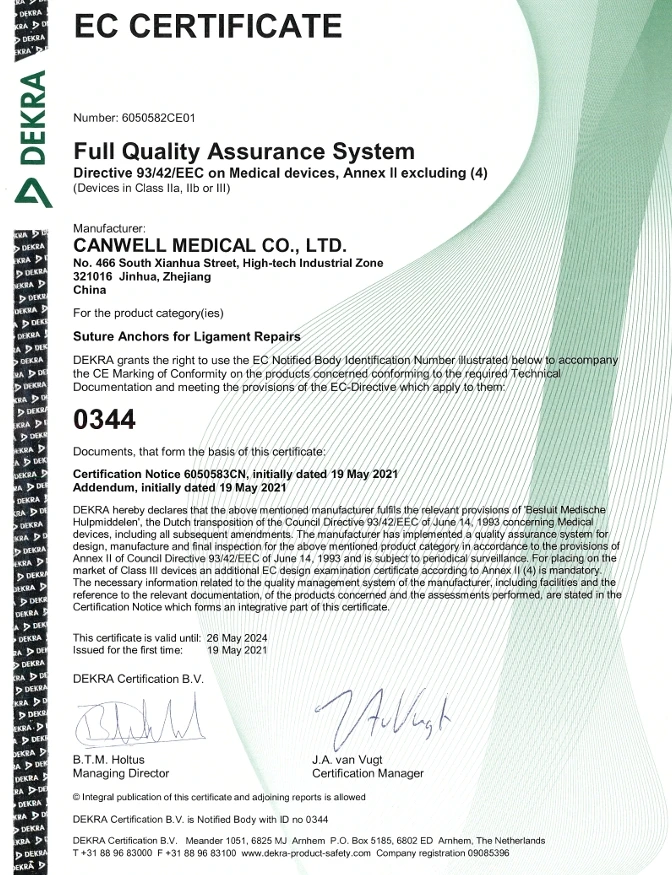 93/42/EEC

 MDR
MDR
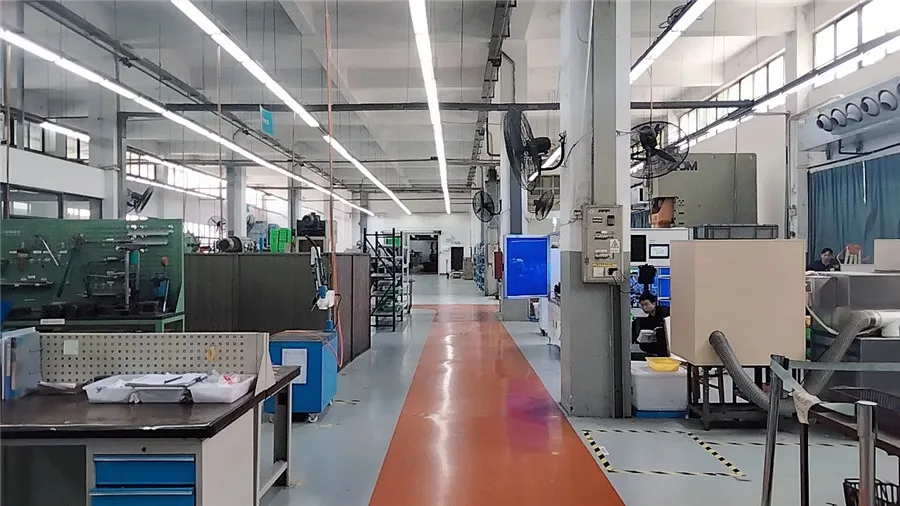
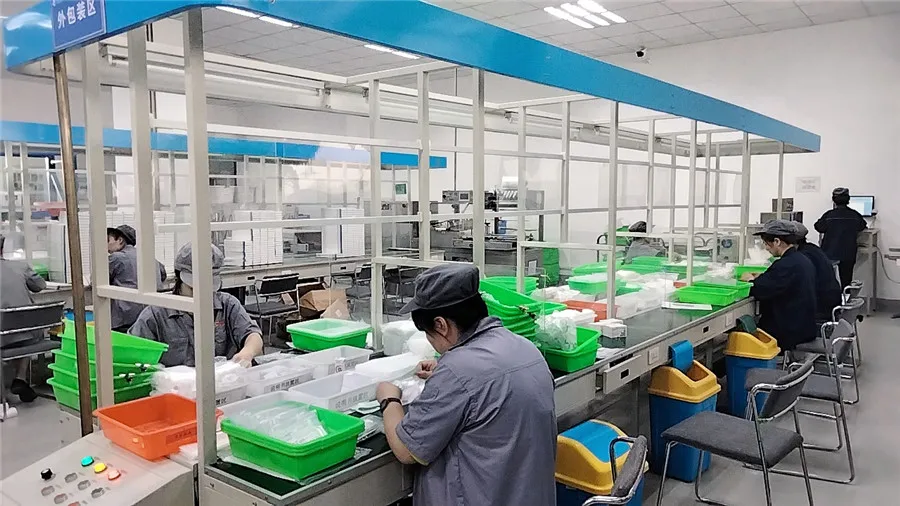
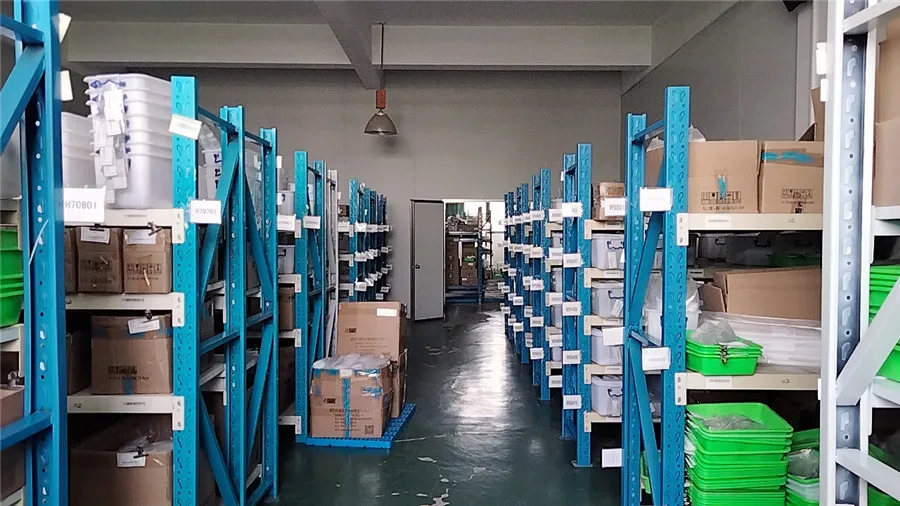
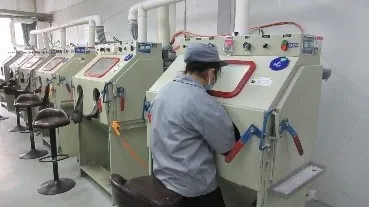
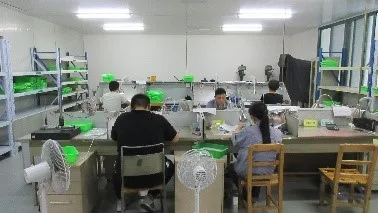
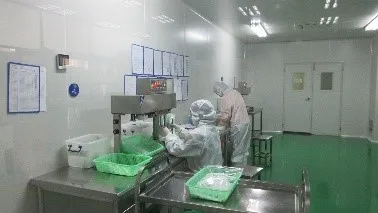
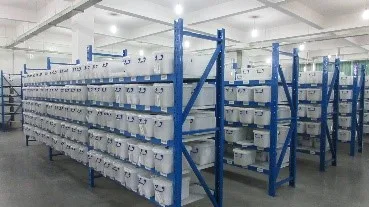
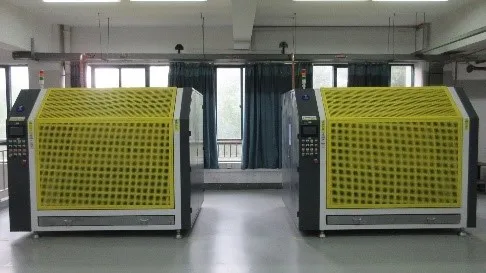
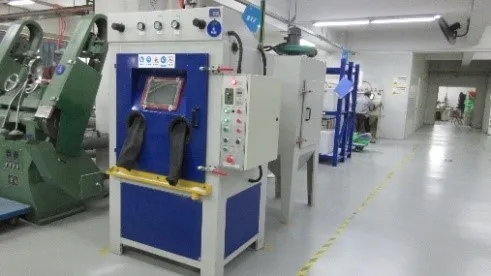
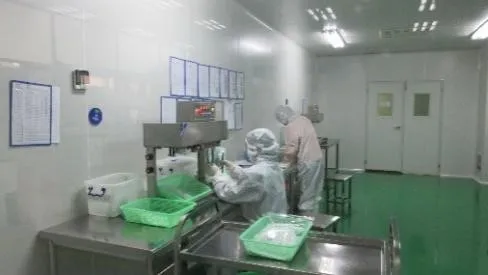
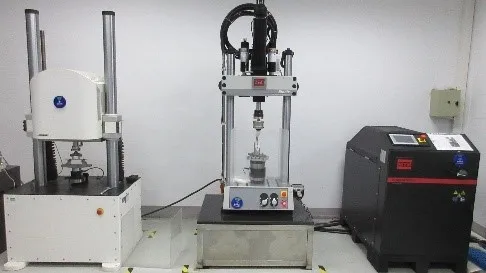
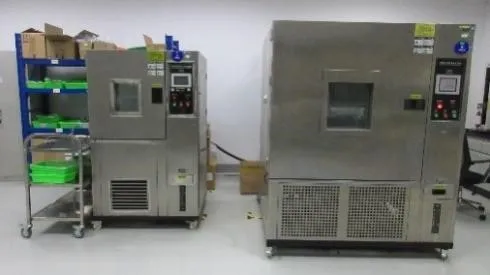
Visualizing the manufacturing precision, cleanroom environments, and automated tooling lines.
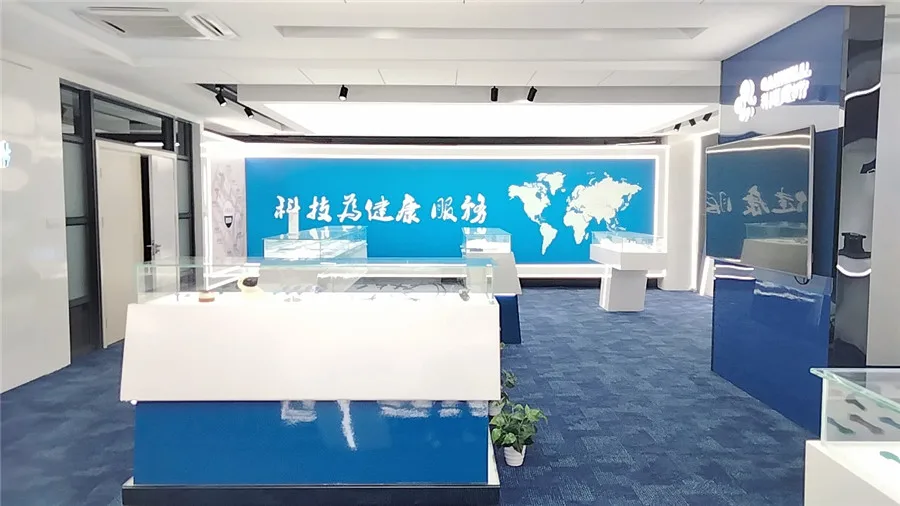
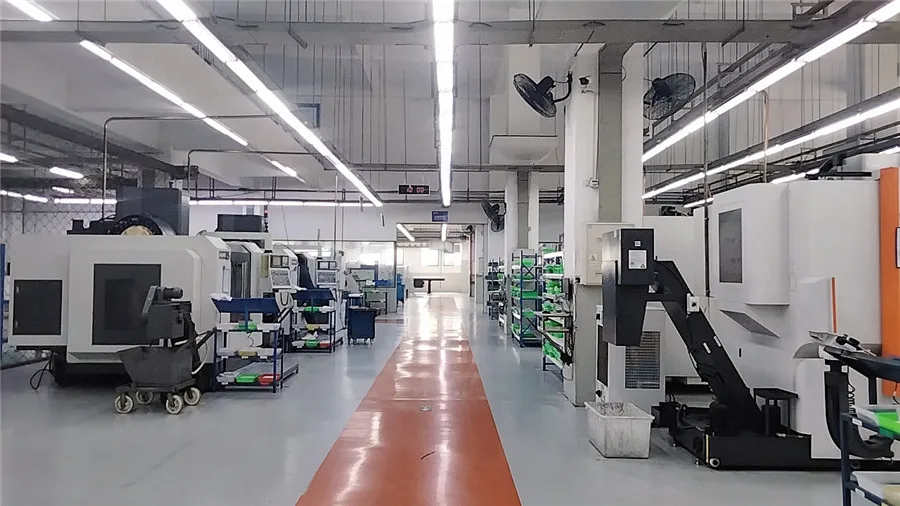
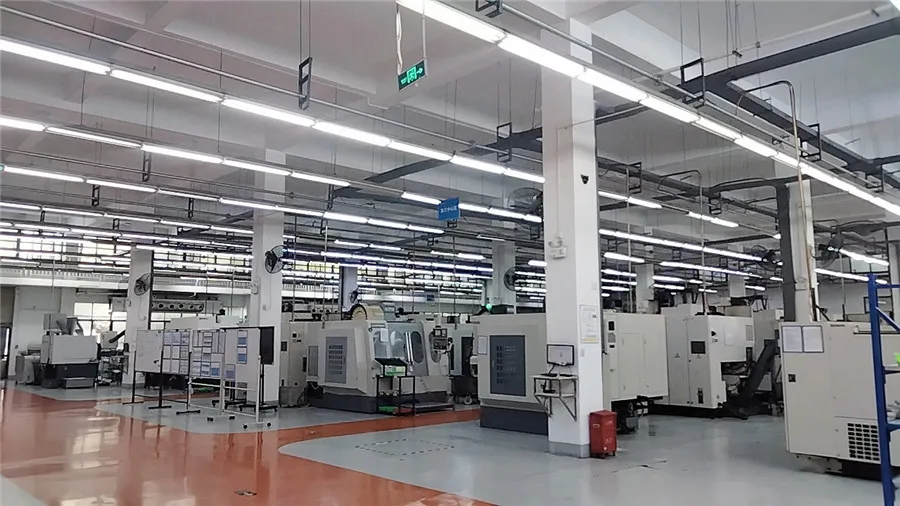
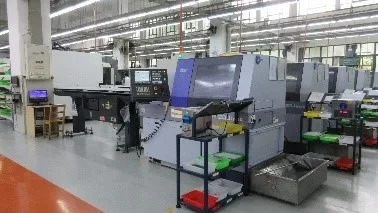
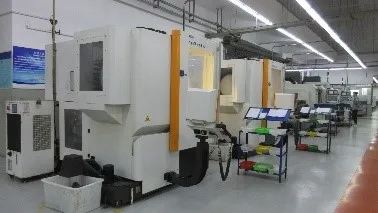
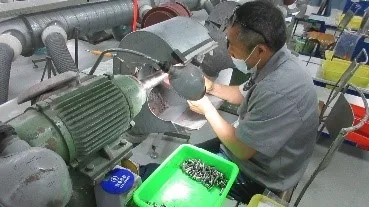

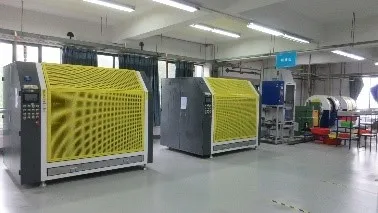




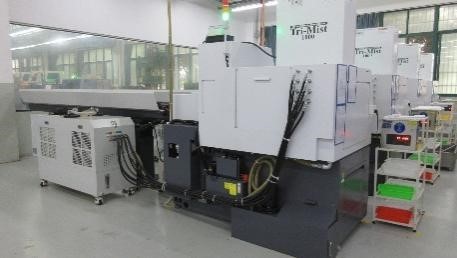
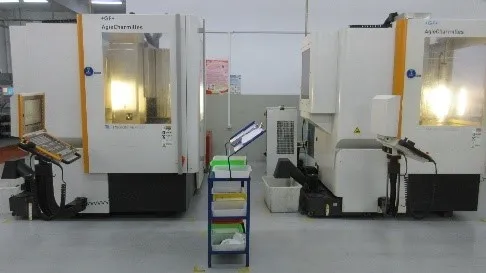
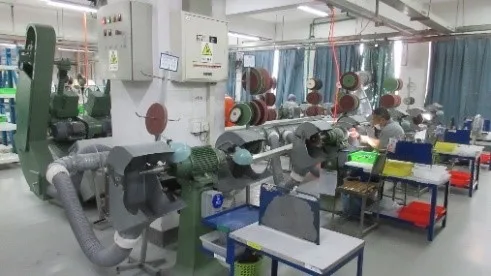
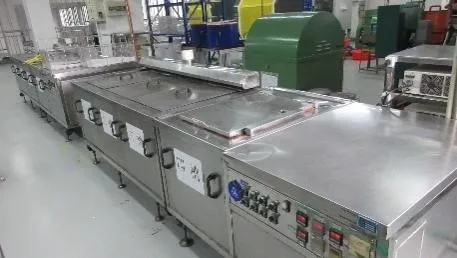


How next-generation material science and structural designs are redefining recovery timelines for professional athletes.
The roadmap for orthopedic sports equipment manufacturing is driven by three main factors: raw material innovation, high-fidelity geometric design, and improved biological integration. By using medical-grade titanium alloys and polyetheretherketone (PEEK), modern implants can match the natural elastic modulus of human bone, reducing the risk of stress shielding.
In addition, advanced surface treatments—such as anodic oxidation and acid etching—create nanoscale surfaces that encourage faster bone growth (osteointegration). Minimally invasive surgical techniques (MIS) rely on high-precision instrumentation that allows surgeons to operate with smaller incisions, protecting surrounding tissues and speeding up recovery.
Our engineering team is focusing on bioabsorbable polymers and custom 3D-printed titanium implants. These technologies aim to eliminate the need for secondary implant removal procedures, offering tailored mechanical support during the healing process.
Engineered for anatomical reconstruction, soft tissue fixation, and pelvic stabilization.
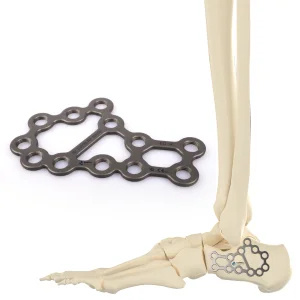
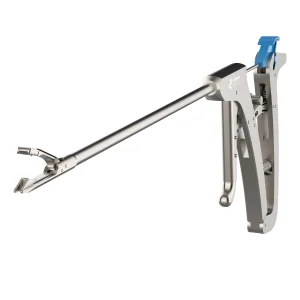
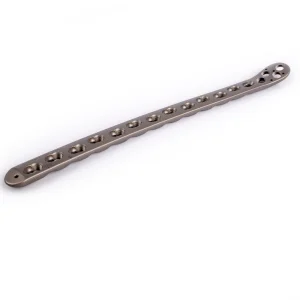
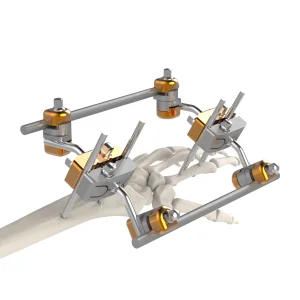
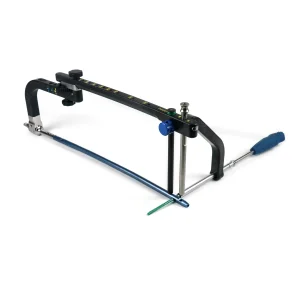
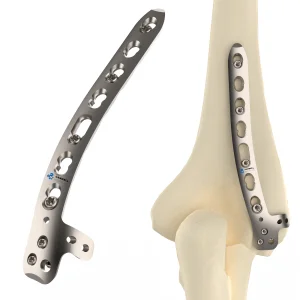
Ensuring absolute safety through multi-regional certifications and localized support structures.
Medical devices and sports medicine implants require careful regulatory management. Our facilities hold certifications under major global standards, including ISO 13485, CE 93/42/EEC, and the updated European Medical Device Regulation (MDR). These credentials allow us to support hospitals and medical providers worldwide with smooth import clearances and verified quality assurance.
Our quality system is supported by 69 dedicated QA/QC inspectors who monitor the entire production line. From raw material testing to final product inspection, every step is fully traceable, minimizing defects and ensuring surgical safety. Additionally, with 59 graduate R&D engineers, we provide tailored design adjustments to meet the regulatory requirements of different markets in South America, Western Europe, and Southeast Asia.
Expert answers to common technical, manufacturing, and supply chain queries.
 Harney-Well