Global Medical B2B Sourcing Guideline

Top Trusted Orthopedic Plate Factories & Suppliers

Decoupling Technical Performance, Regulatory Compliance, and Supply Chain Excellence in Advanced Trauma and Joint Fixation Implants

Product Catalog Series 01

High-Performance Trauma & Reconstruction Solutions

Engineered to exact biomechanical standards, using medical-grade titanium and PEEK materials, certified with CE and ISO approvals.
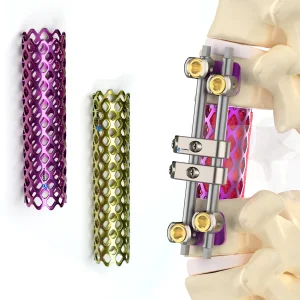
Spine Fixation CANWELL Titanium Spine Mesh Cages

CANWELL Titanium Spine Mesh Cages Anterior Thoracolumbar Pedicle Screw Polyaxial Reduction Pedicle Spine Minimally Invasive

Verify Specifications
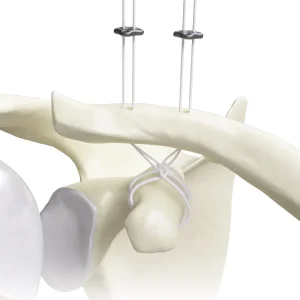
Sports Medicine CANWELL Arthroscopy Button AC Joint Repair

CANWELL Arthroscopy Button Acromio Clavicular Joint Button AC Repair Button Orthopedic Sports Medicine

Verify Specifications
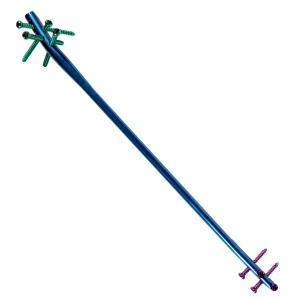
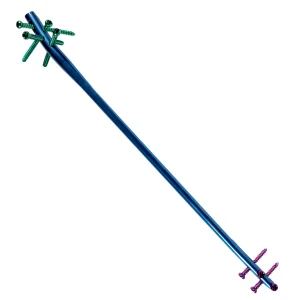
Trauma Nail CANWELL Titanium Tibial Intramedullary Nail

CANWELL Expert Titanium Tibial Intramedullary Nail Multi Lock Suprapatellar Orthopedic Trauma Implant

Verify Specifications
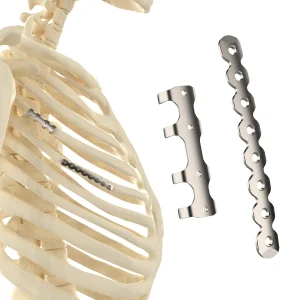
Trauma Plate CANWELL Titanium Rib Locking Plate

CANWELL Titanium Rib Locking Plate Bone Fixation Orthopedic Trauma Implant for Fracture Surgery CE ISO

Verify Specifications
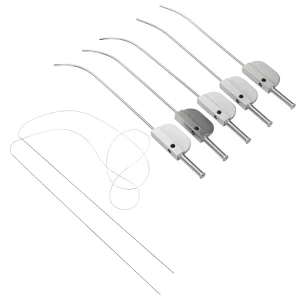
Sports Medicine CANWELL Meniscus Repair Suture Needle

CANWELL Double Arm Meniscus Repair Suture Needle Meniscal Repair Surgery UHMWPE Arthroscopic Knee Insiden Out CE ISO

Verify Specifications
PEEK Anchor CANWELL Peek Suture Anchor Bicep

CANWELL Peek Suture Anchor Bicep Knotted Shoulder Arthroscopy Rotator Cuff Tendon Repair Sports Medicine Orthopedic Implant

Verify Specifications
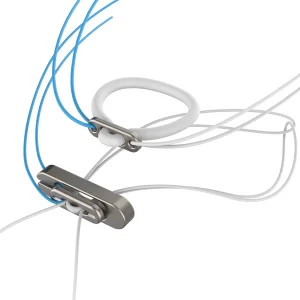
Knee Implant CANWELL ACL Endobutton

CANWELL ACL Endobutton with Adjustable Loop Titanium Button Sports Medicine Orthopedic Arthroscopy Knee Implant CE

Verify Specifications
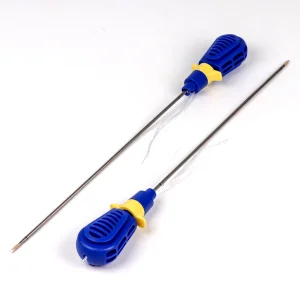
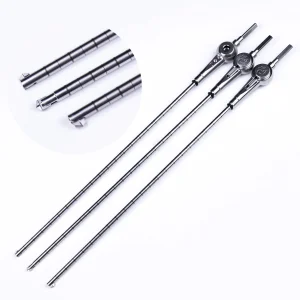
Surgical Instrument CANWELL Flip Cutter ACL/PCL Reconstruction

CANWELL Flip Cutter All Inside ACL/PCL Reconstruction Drill Guide Orthopedic Surgical Instrument Set Sports Medicine

Verify Specifications
Industry Whitepaper

Technological Trajectories and Procurement Standards in Orthopedic Plate Manufacturing

An in-depth analysis of materials science, biomechanical engineering, and global regulatory navigation for sourcing directors and medical product distributors.

The orthopedic implant industry is undergoing a radical transition driven by advanced materials science, high-precision manufacturing, and an increasingly strict global regulatory framework. For global procurement directors, hospital supply managers, and orthopedics brands, identifying and qualifying the right orthopedic plate factory is no longer just a pricing decision; it is a complex risk management and clinical compliance assessment.

1. Global Industry Trends: Beyond Simple Osteosynthesis

Modern osteosynthesis has progressed far past the era of generic dynamic compression plates (DCP). The focus is now on anatomical pre-contouring, variable-angle locking mechanisms, and specialized surface technologies that promote osseointegration while minimizing infection risk.

  • Anatomical Pre-Contouring: Surgeons demand implants that require minimal intraoperative manipulation. This is achieved through highly advanced CAD design based on vast datasets of human bone geometry, minimizing localized stress concentration and preserving periosteal blood supply.
  • Variable-Angle Locking Mechanisms: Polyaxial locking systems allow surgeons to direct locking screws through a trajectory angle of up to 15 degrees in any direction. This flexibility is critical for articular fractures where bone fragments dictate specific, unconventional screw trajectories.
  • Advanced Surface Engineering: Type II anodization and acid-etching treatments are now industry standards to reduce friction, prevent cold welding between titanium plates and screws, and improve the biological response of surrounding bone tissue.

2. Biocompatibility and Engineering Specifications of Bone Plates

A premier orthopedic manufacturer must display outstanding material science competence. Medical implants require the highest standards of materials to prevent tissue rejection and structural fatigue. The main alloy of choice remains Ti-6Al-4V ELI (Extra Low Interstitial), conforming to ASTM F136 specifications, alongside commercially pure titanium (Grade 2, 3, and 4) and premium implant-grade 316L stainless steel (ASTM F138).

Material Specification Common Application Tensile Strength (MPa) Yield Strength (MPa) Biocompatibility Benefits
Titanium Ti-6Al-4V ELI (ASTM F136) Locking plates, pedicle screws, intramedullary nails ≥ 860 ≥ 795 Excellent corrosion resistance, low modulus of elasticity, optimal osseointegration
PEEK (Polyetheretherketone) Spinal mesh cages, suture anchors, interference screws ≥ 90 ≥ 100 Radiolucency (artifact-free MRI/CT), elastic modulus comparable to cortical bone
Commercially Pure Titanium (Grade 4) Rib locking plates, reconstructive meshes ≥ 550 ≥ 483 High ductility, optimal contouring flexibility in complex anatomical structures

3. Navigating the Regulatory Landscape: EU MDR and Beyond

With the transition from the old Medical Device Directive (MDD 93/42/EEC) to the stringent European Medical Device Regulation (MDR 2017/745), factories that cannot supply comprehensive clinical documentation and full raw material traceability are rapidly losing access to international markets. Sourcing partners must actively verify that their chosen orthopedic plate manufacturer maintains active certified quality management systems (specifically ISO 13485) and has valid CE certificates under the MDR framework.

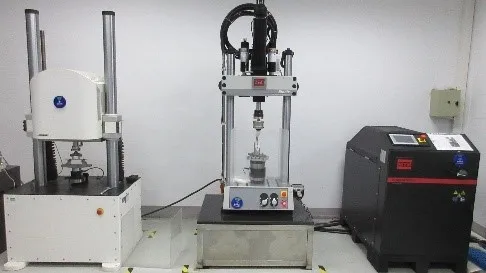
In addition, raw material validation is a critical element of E-E-A-T (Expertise, Authoritativeness, and Trustworthiness). The best suppliers run in-house mechanical and metallurgical laboratories to perform fatigue testing (ASTM F382 for bone plates), chemical composition analysis, and metallographic structure evaluation before any batch enters the CNC milling phase.

Verified Capabilities

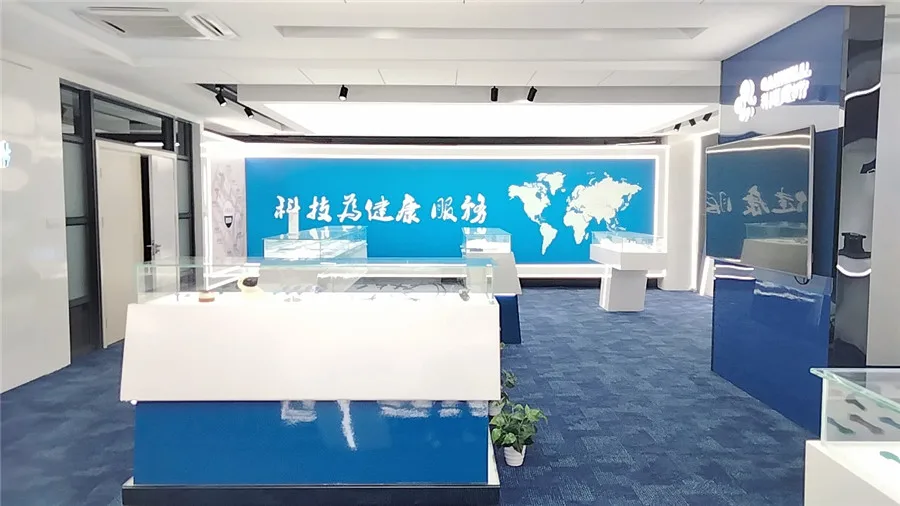
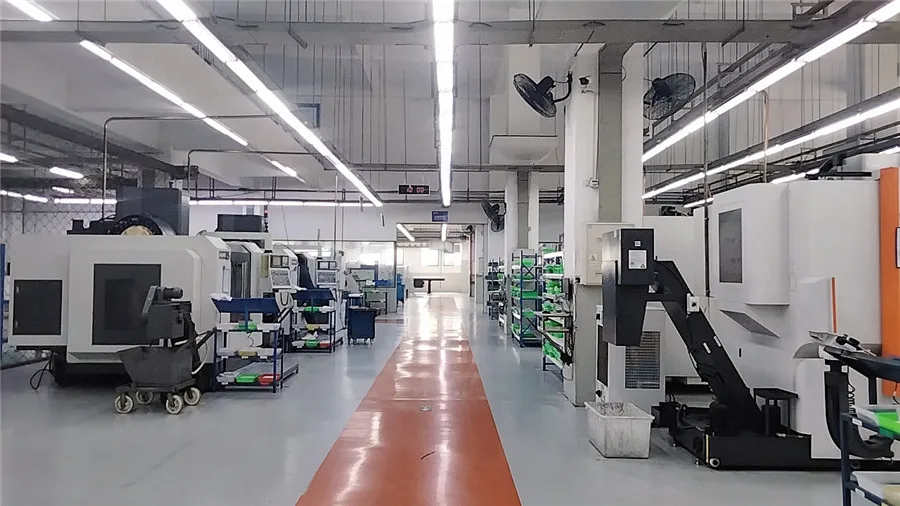
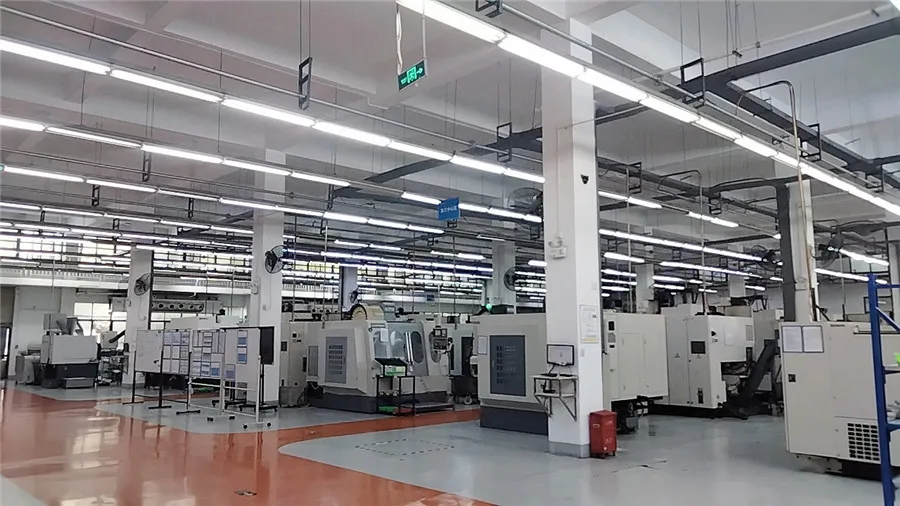
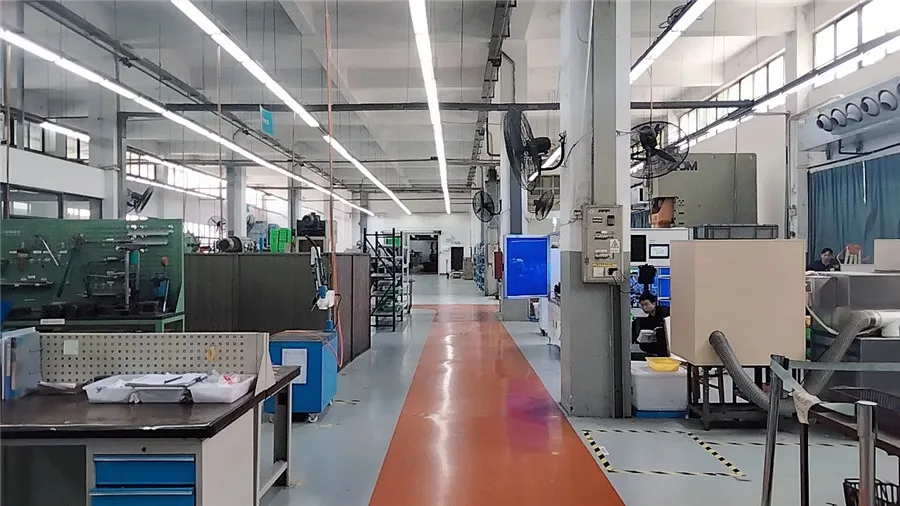
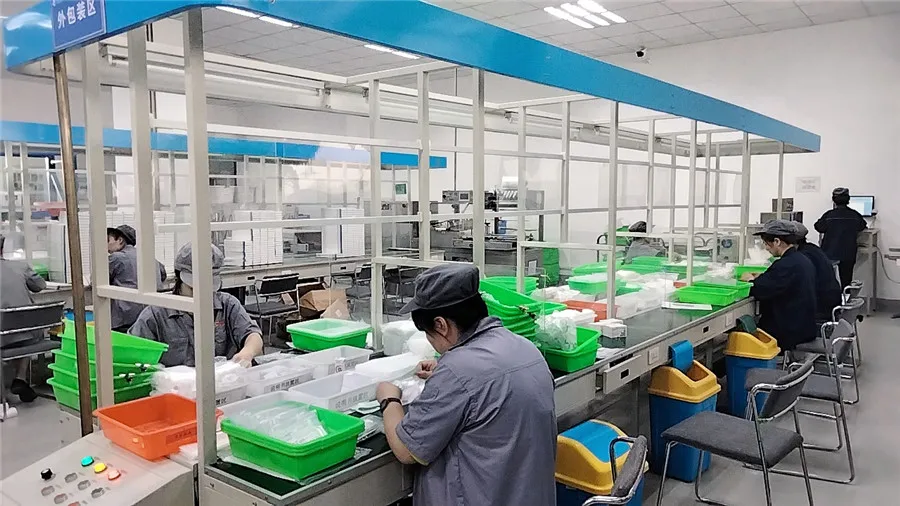
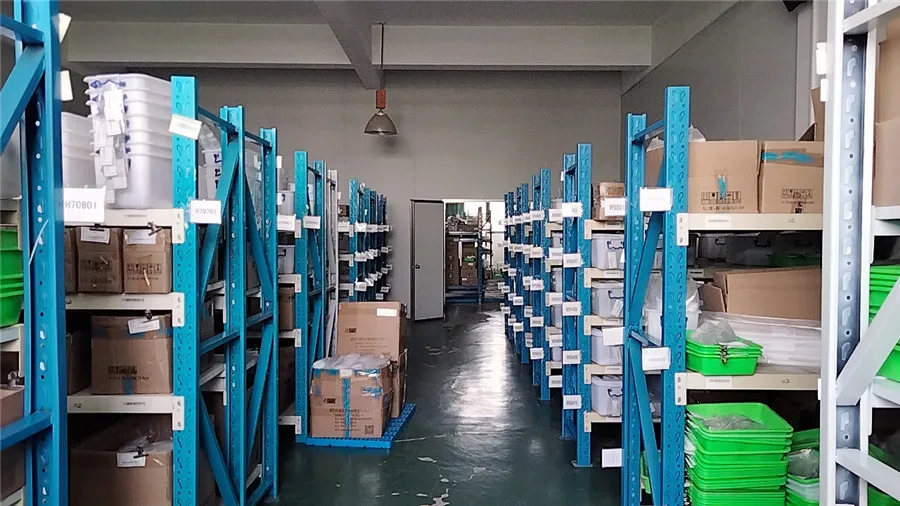
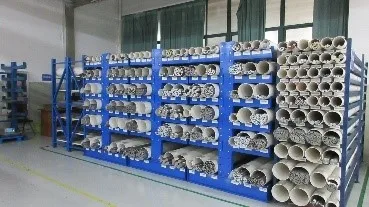
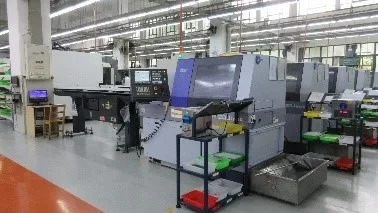
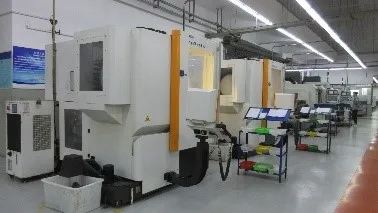
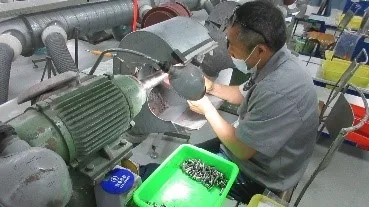
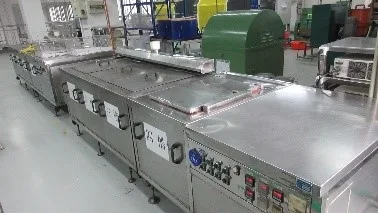
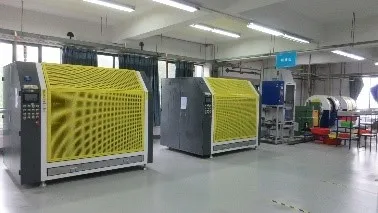
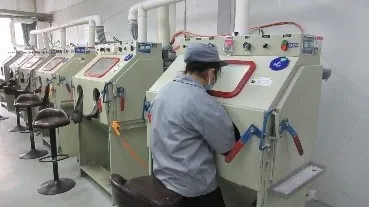
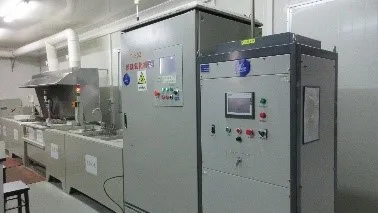
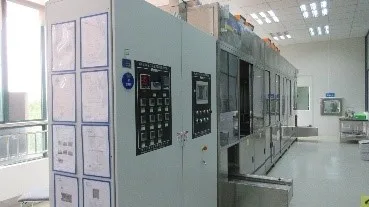
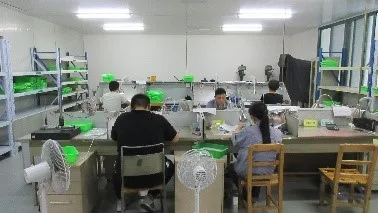
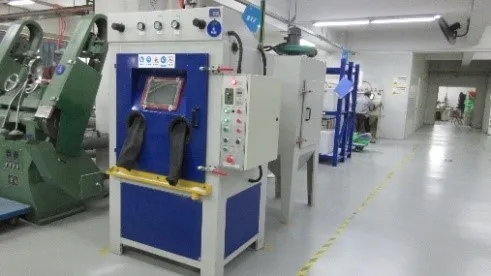
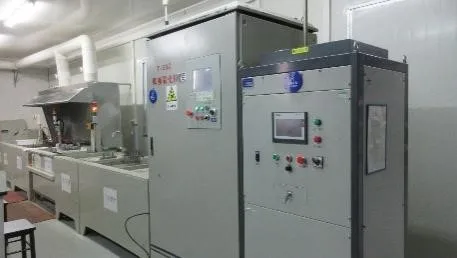
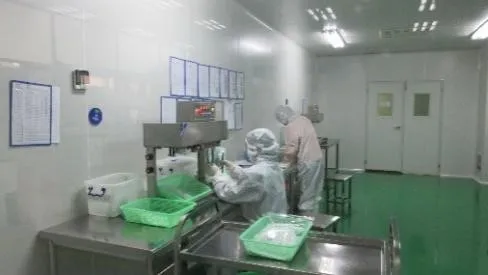
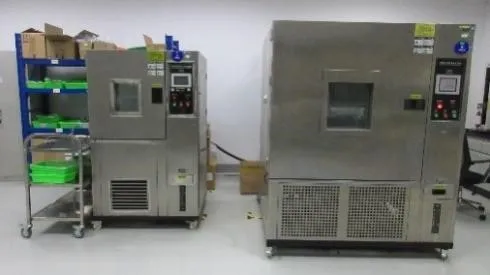
Industrial Scale & Verified Infrastructure

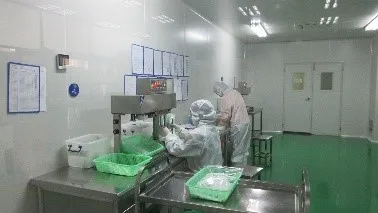
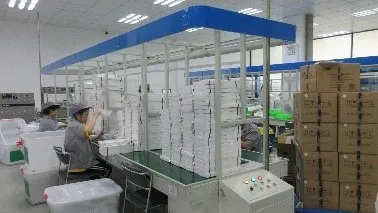
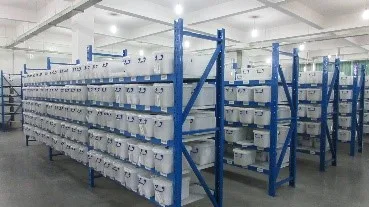
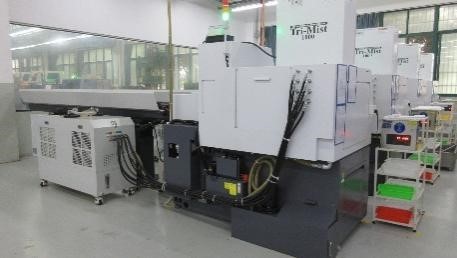
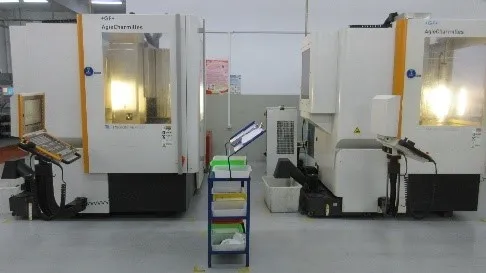
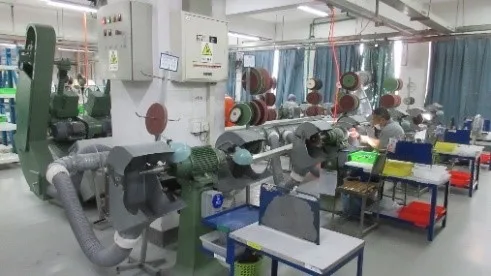
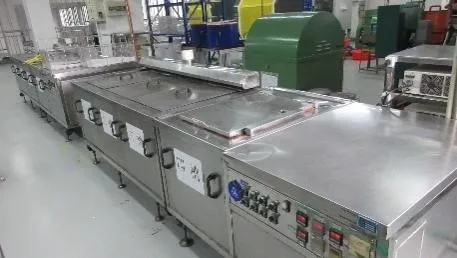
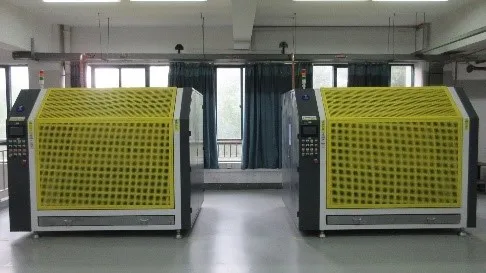
A look into our manufacturing footprint, showing the scale, certifications, and quality control systems driving our production lines.

22+
Years Industry Experience
29,523㎡
Floor Space
69
QA/QC Inspectors
59
R&D Engineers

Company Overview

Company Registration Date 2004-11-03
Years Exporting 22 Years
Product Support & Traceability Yes (Full Raw Material Traceability)
Quality Control System Conducted on all production lines
Inspection Methods 100% Product Inspection & Random Testing
Customization Options Light Customization, Sample Processing, CAD/Graphic Processing, Customized on demand
Key Markets South America (30%), Southeast Asia (20%), Western Europe (20%)

Regulatory Credentials & Certifications

Maintaining rigorous certification structures ensures our products comply with local and international regulatory authorities worldwide.
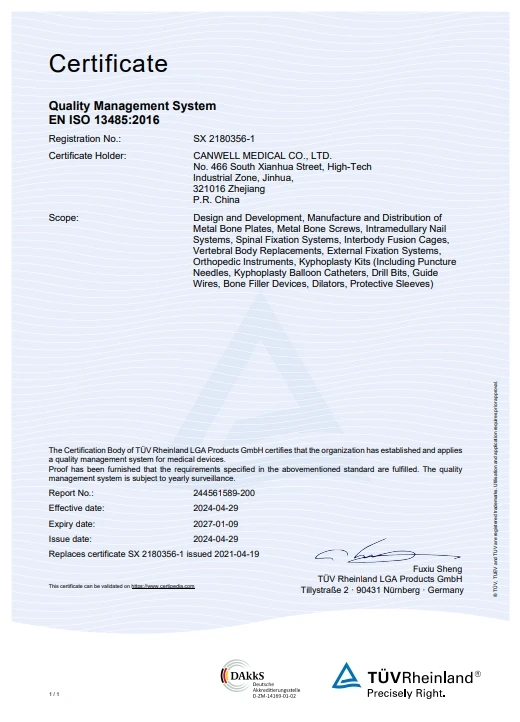
ISO13485 Certificate
ISO 13485 SX 2180356-1
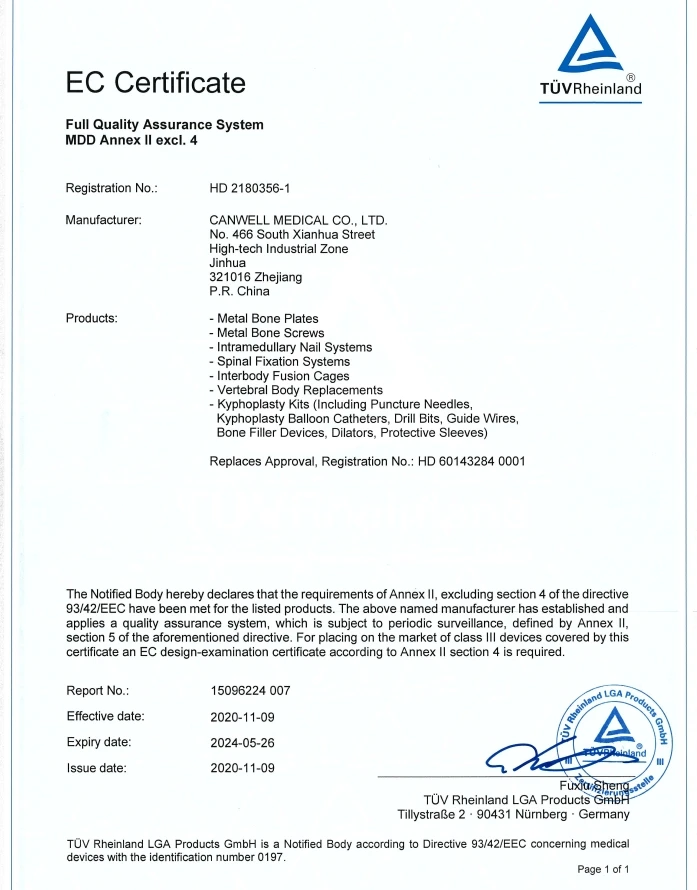
CE Certificate
93/42/EEC CE HD 2180356-1
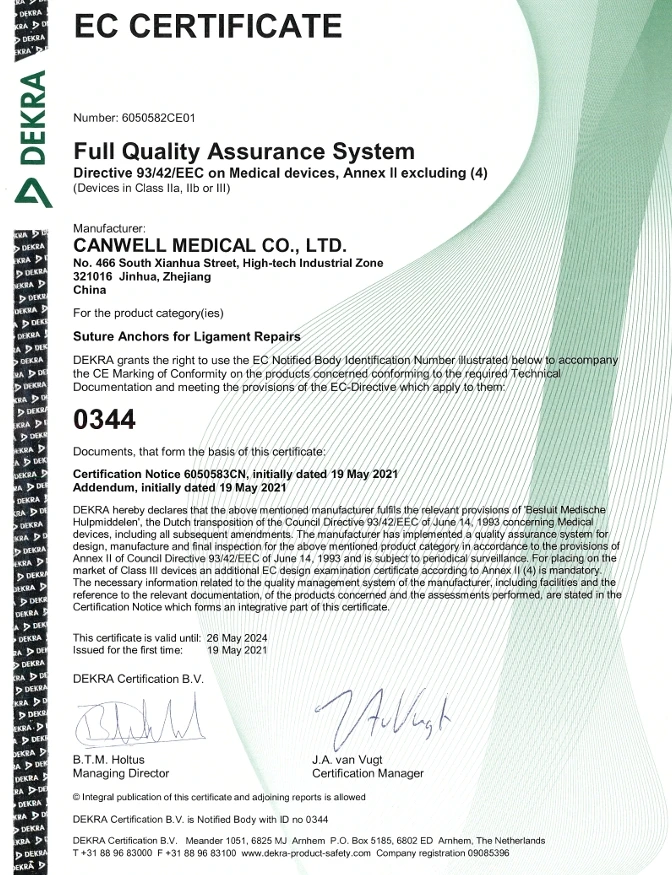
CE Certificate
93/42/EEC CE 6050582CE01
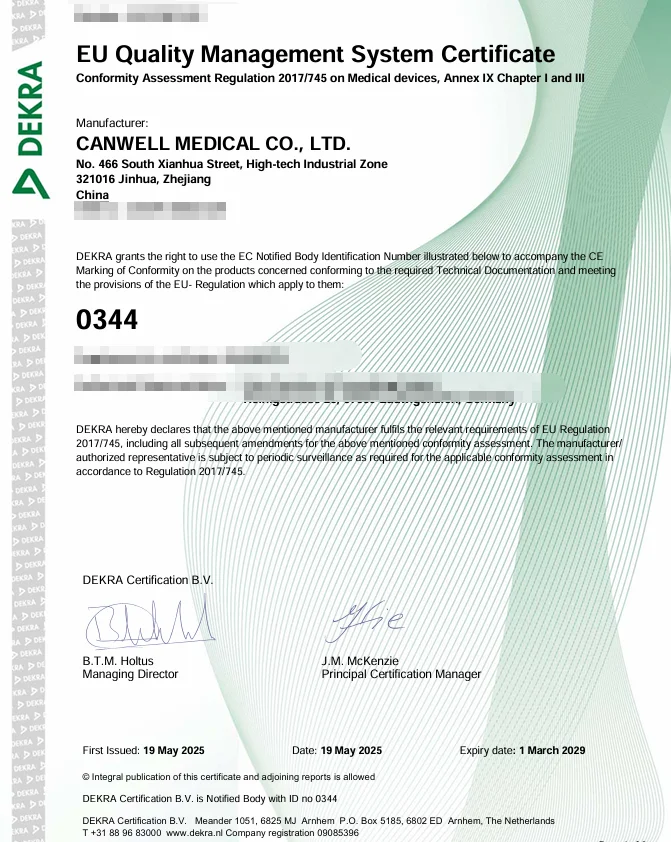
MDR Certificate
EU MDR Certificate 6142788CE02
Value Propositions

Supply Chain Management & Technology Roadmaps

Mitigating sourcing risk through robust quality control systems, tailored OEM design capability, and clear compliance tracking.

Traceability & Material Audits

Every single batch of raw titanium (Ti-6Al-4V ELI) is logged, tracked, and stored with mill certificates matching its heat code. Sourcing partners receive comprehensive material chemical analysis reports.

Agile OEM/ODM Development

Our R&D team consists of 59 graduate engineers specializing in bone fracture plating dynamics. We support full custom modeling, structural fatigue tests, and sample production in under 30 days.

Zero-Defect Quality Strategy

Our 69 QC inspectors oversee visual micro-finishes, thread pitch stability, locking component matching tests, and packaging sterility verification within ISO Class 8 cleanrooms.

Knowledge Base

Frequently Asked Questions

Get clear, detailed technical and regulatory answers regarding orthopedic plates and global supply chains.

What are the key technical differences between CE 93/42/EEC and the new EU MDR for orthopedic implants?
The EU MDR (Medical Device Regulation 2017/745) introduces a much stricter pathway for Class IIb and Class III devices (like bone plates, spine cages, and implantable anchors). Unlike the MDD, which accepted equivalent clinical data from similar devices, the MDR demands direct clinical investigation data for most high-risk implants. It also mandates a robust Post-Market Clinical Follow-up (PMCF), Unique Device Identification (UDI) registry for complete traceability, and more comprehensive technical documentation audits by Notified Bodies.
Why is titanium (Ti-6Al-4V ELI) preferred over 316L stainless steel for permanent bone plates?
Titanium Ti-6Al-4V ELI (ASTM F136) offers several key advantages. It has a lower modulus of elasticity (approx. 110 GPa) compared to stainless steel (approx. 200 GPa), which significantly reduces "stress shielding" (where the metal plate carries too much load, preventing the bone from healing and rebuilding). Additionally, titanium forms a stable oxide layer (TiO2) that provides superior corrosion resistance and higher biocompatibility, reducing the risk of tissue reaction or implant rejection.
How does your factory ensure the manufacturing quality and fatigue resistance of locking bone plates?
Our quality control protocol incorporates material validation, process control, and performance testing. We use high-precision CNC multi-axis milling centers to achieve precise dimensional control. Our 69 QA/QC inspectors execute dimensional checks using coordinate measuring machines (CMM) and perform regular dynamic fatigue tests (according to ASTM F382 standards) to ensure that the bone plates can withstand repeated physiological loads without structural failure.
Can you support custom instrumentation design for OEM/ODM implant partners?
Yes. Our R&D department features 59 graduate engineers capable of designing surgical instruments alongside locking plates and screws. We specialize in custom surgical guides, bone drilling instrument kits, and dedicated instrumentation templates configured specifically to match our implants.
Product Catalog Series 02

Advanced Sports Medicine & Joint Fixation Catalog

Engineered to support precise anatomical matching, faster recovery, and robust mechanical fixation.
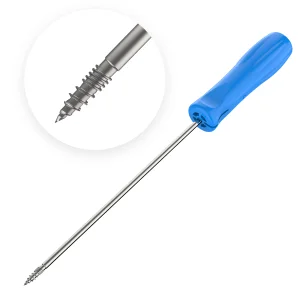
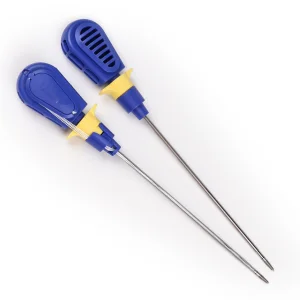
Sports Medicine CANWELL Sports Medicine Suture Anchor

CANWELL Sports Medicine Suture Anchor Arthroscopy Suture Anchor With Needle Titanium Suture Anchor CE

Verify Specifications
Sports Medicine CANWELL Titanium Suture Anchor with Needles

CANWELL Titanium Suture Anchor with Needles 2.8 3.5mm Sports Medicine Shoulder Arthroscopy Surgery Orthopedic Implant CE

Verify Specifications
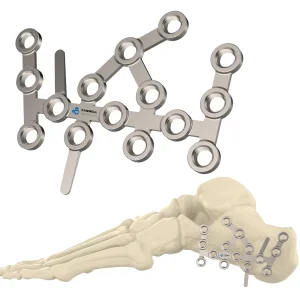
Foot & Ankle CANWELL Calcaneal Titanium Locking Plate

CANWELL Calcaneal Titanium Locking Plate Foot and Ankle Trauma Implant Orthoepedic Fracture Surgery CE ISO

Verify Specifications
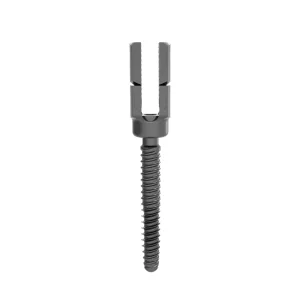
Spine Fixation CANWELL Price Spine Titanium Pedicle Screws

CANWELL Price Spine Titanium Pedicle Screws MIS Spine Fixation Implants Orthopedic Surgical System CE ISO Certified CanTSP

Verify Specifications
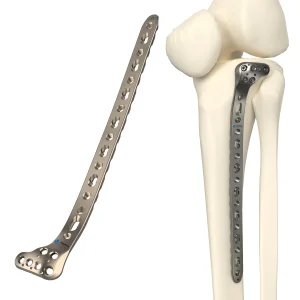
Trauma Plate CANWELL Titanium Proximal Tibial Locking Plate

CANWELL Titanium Proximal Tibial Locking Plate for Tibial Plateau Fracture Fixation 3.5/4.5mm Orthopedic Trauma Implant

Verify Specifications
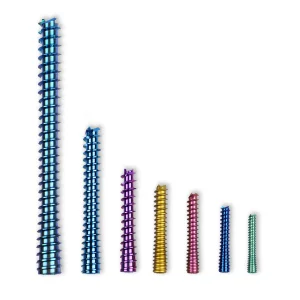
Trauma Screws CANWELL Titanium Headless Cannulated Compression Screws

CANWELL Titanium Headless Cannulated Compression Screws Orthopedic Trauma Implant System CE Certified

Verify Specifications
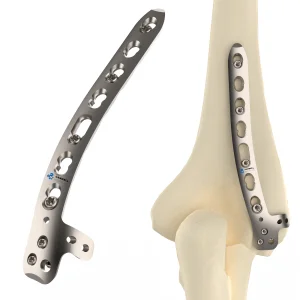
Trauma Plate CANWELL Humeral Locking Plate Titanium

CANWELL Humeral Locking Plate Titanium Distal Lateral Dorsal Elbow Fracture Fixation Orthopedic Trauma Implant OEM Supplier

Verify Specifications
Trauma Nail CANWELL Suprapatellar Tibial Intramedullary Nail

CANWELL Suprapatellar Tibial Intramedullary Nail Expert Interlocking Fixation System for Orthopedic Trauma Surgery

Verify Specifications