Engineered with high-tensile medical grade titanium and bioabsorbable polymers for maximum surgical precision and clinical performance.
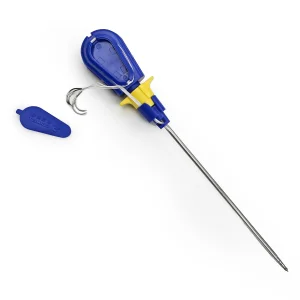
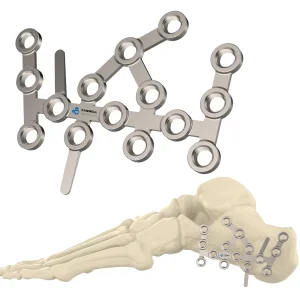
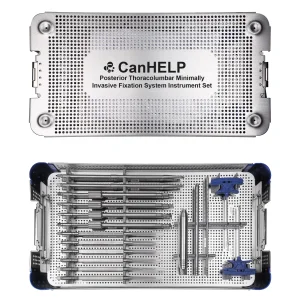
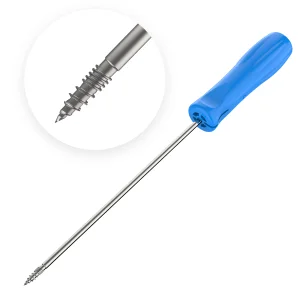
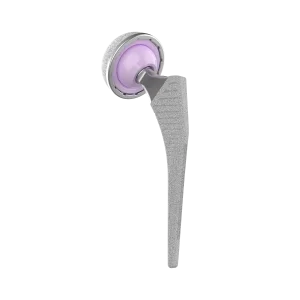
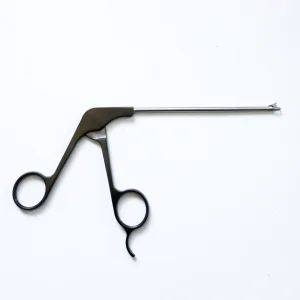
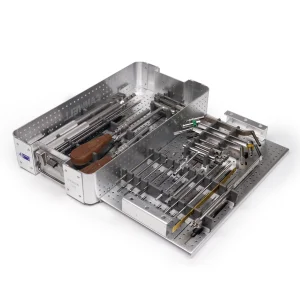
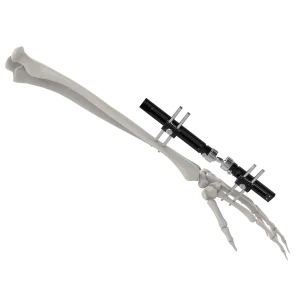
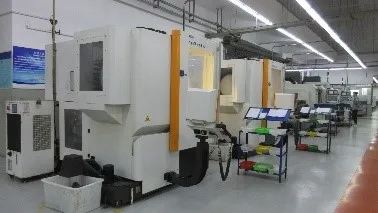
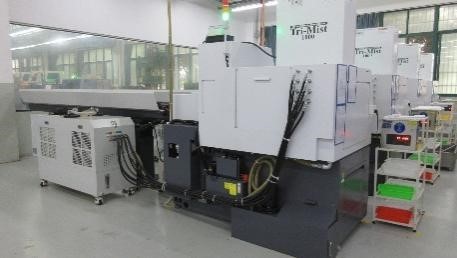
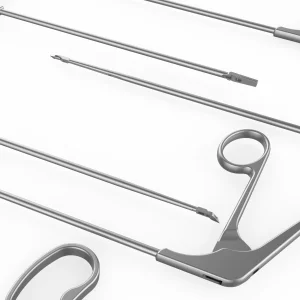
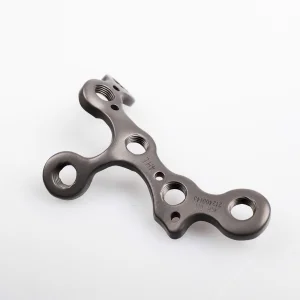
Modern reconstructive and corrective osteotomies demand an intricate balance of structural rigidity, biological integration, and anatomical precision. From high tibial osteotomies (HTO) to distal femoral osteotomies (DFO) and complex foot & ankle corrections, the instrument set must interface seamlessly with osteotomy implants. Top-tier manufacturers utilize state-of-the-art multi-axis CNC milling, Swiss lathes, and progressive wire EDM (Electrical Discharge Machining) to produce bone cutters, guide blocks, alignment jigs, and fixation plates with tolerances narrower than ±0.01mm.
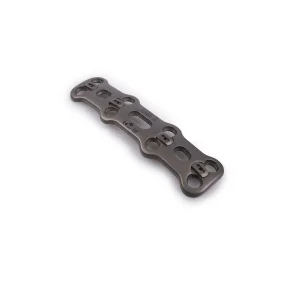
This level of engineering directly minimizes surgical trauma. Anatomically contoured plates align precisely with the bone morphology without requiring intraoperative bending, thereby maintaining the structural integrity and fatigue life of the titanium alloy. Guided cutting instruments ensure clean bone resections, preventing thermal necrosis at the osteotomy margins—a primary cause of compromised osteogenesis.
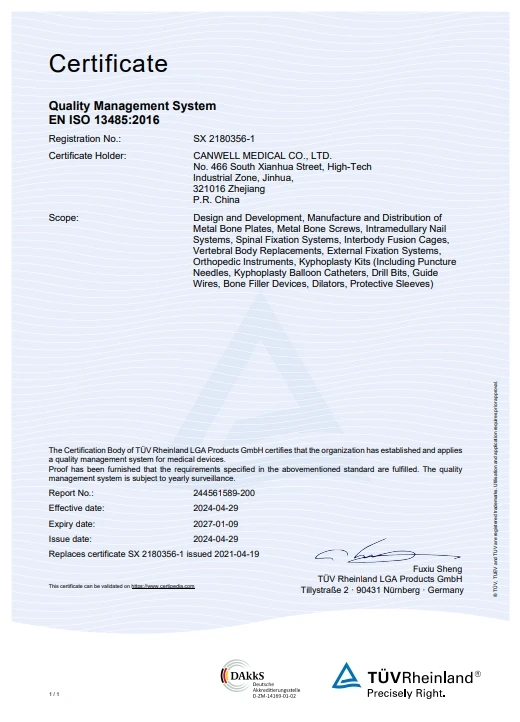
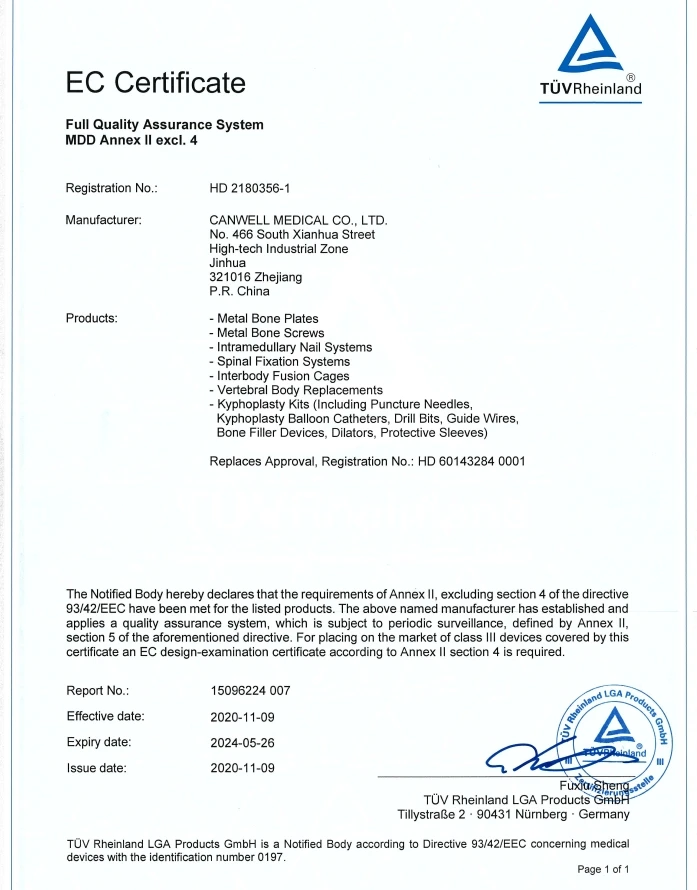
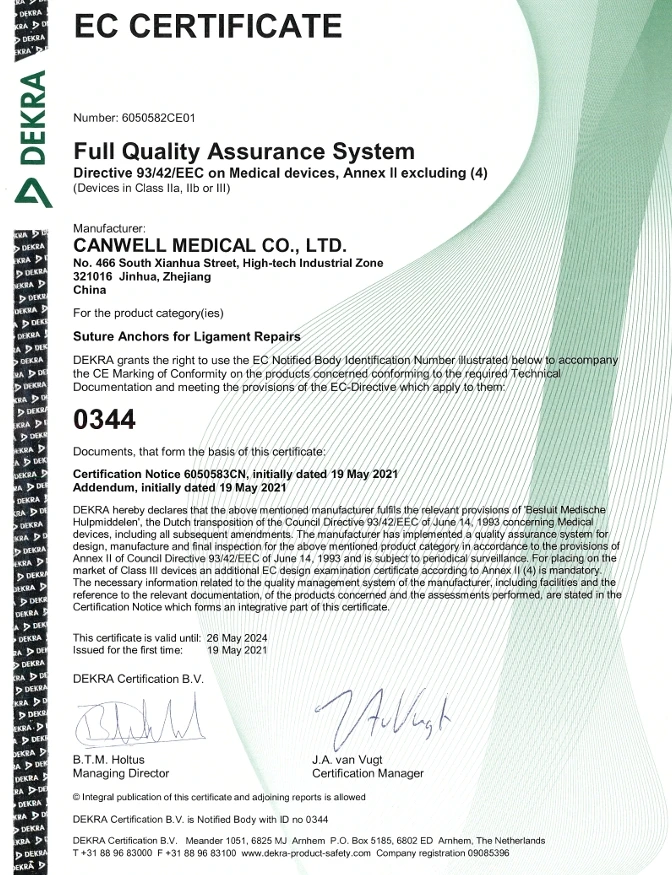
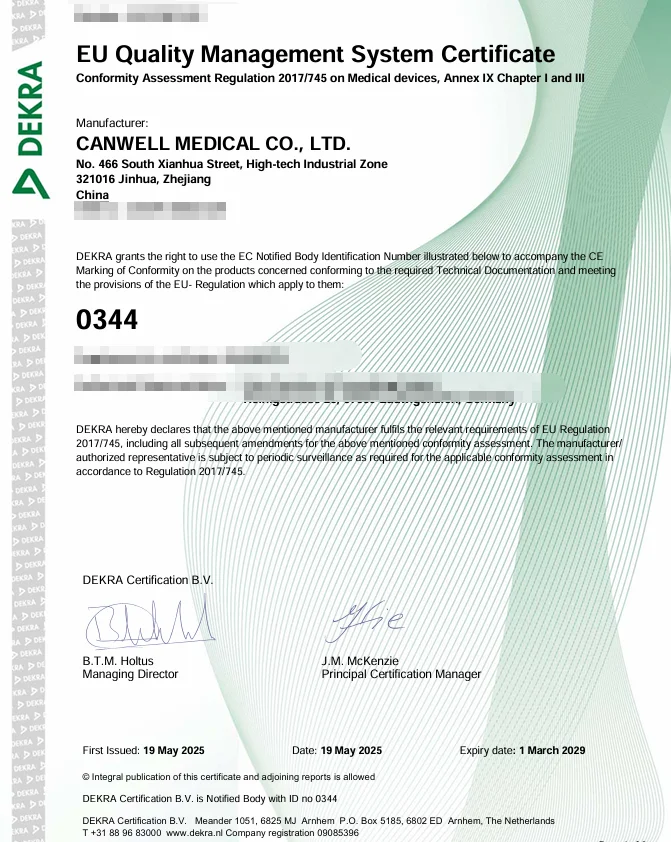
Rigorous quality control systems backed by third-party certification bodies, ensuring global medical regulatory compliance.
The metallurgical composition of osteotomy bone fixation devices dictates their in-vivo performance. The raw materials used—primarily Ti-6Al-4V ELI (Grade 5 Titanium, ASTM F136) and specialized surgical steels—must undergo stringent chemical spectrum checking and mechanical fatigue testing. Grade 5 titanium offers an optimal Young's modulus matching cortical bone closer than traditional steels, reducing the risk of stress shielding.
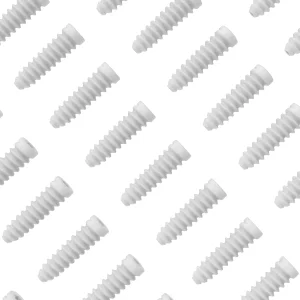
For bioabsorbable solutions, like PLGA interference screws, degradation profile programming is calculated to match the bone remodelling lifecycle. The polymers maintain clinical mechanical fixation during the vital initial 8–12 weeks of ligament-to-bone healing, followed by gradual hydrolysis into non-toxic acidic metabolites, fully integrated and resorbed by the body.
| Implant System Type | Core Alloys / Materials | Standard Specifications | Clinical Use Case |
|---|---|---|---|
| Locking Plates (Volar, Humeral, Calcaneal) | Titanium Alloy Ti-6Al-4V ELI | ASTM F136 / ISO 5832-3 | Complex Fracture & Osteotomy Fixation |
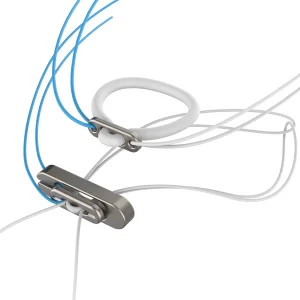
| Suture Anchors & Endobuttons | Ti-6Al-4V / Ultra-High Molecular Weight PE | FDA / CE Approved Classes | Arthroscopy, Rotator Cuff, ACL/PCL Repair |
| Bioabsorbable Screws | PLGA (L-lactide/glycolide copolymer) | ISO 10993 Biocompatibility | Ligament Fixation & Soft Tissue Reattachment |
| External Fixators | Stainless Steel / Aircraft Carbon Fiber | ISO 5832-1 / Resilient Composites | Phalanges & Metacarpals Distraction Fixation |
Strategic manufacturing transitions integrating smart robotics, AI-driven CAD/CAM prototyping, and localized engineering.
Utilizing pre-operative CT imaging combined with AI modeling algorithms to manufacture customized osteotomy guides, cutting jigs, and matching titanium implants designed specifically for individual skeletal anomalies.
Our production lines are transitioning to closed-loop robotic milling centers. We guarantee that all surgical guidance kits, alignment rods, and locking keys conform seamlessly to surgical robotic navigation systems.
Deploying advanced acid-etching and plasma spray methodologies to coat the titanium surfaces with micro-structured hydroxyapatite or biomimetic bone minerals to accelerate rapid bone cell attachment and early stabilization.
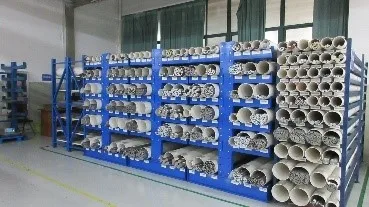
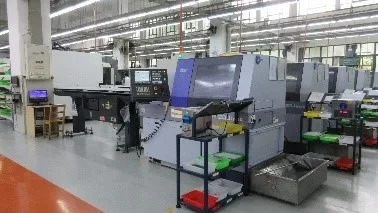
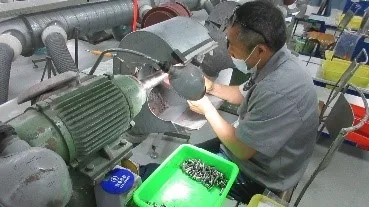
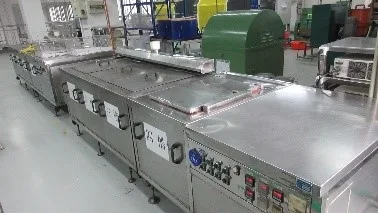
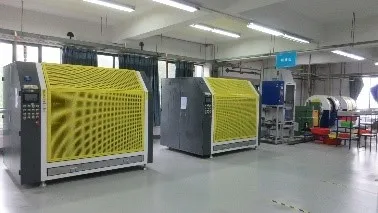
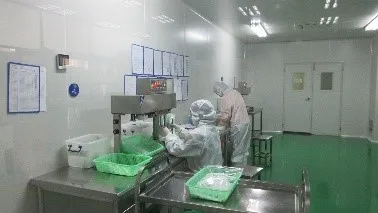
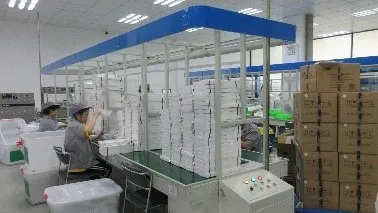
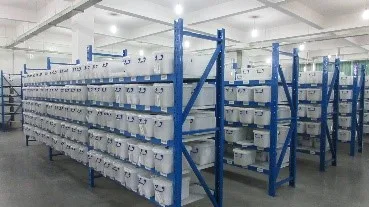
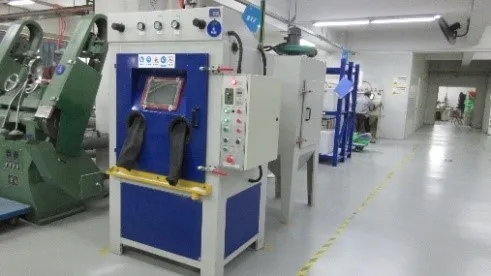
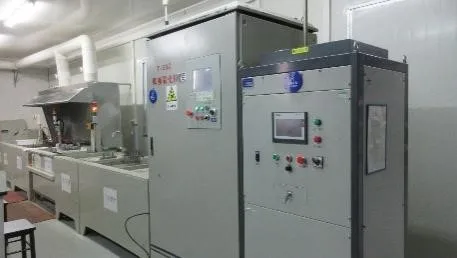
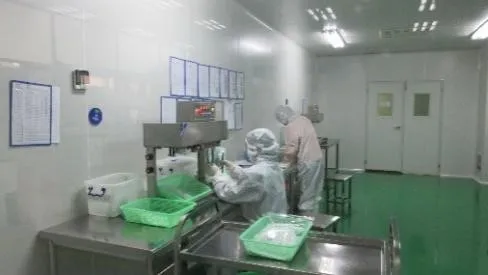
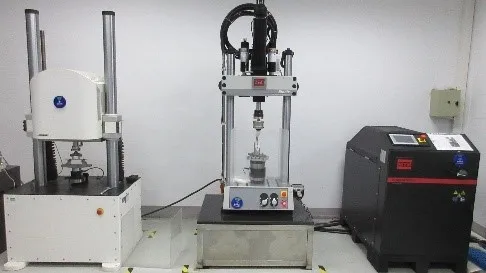
A glimpse inside our ISO 13485 manufacturing facilities featuring automated CNC lines, sterile clean rooms, and clean-air packaging operations.
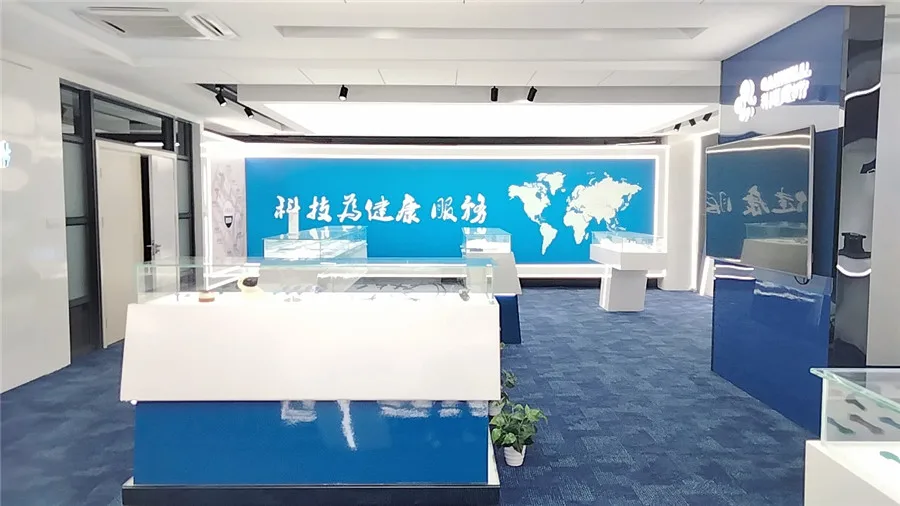
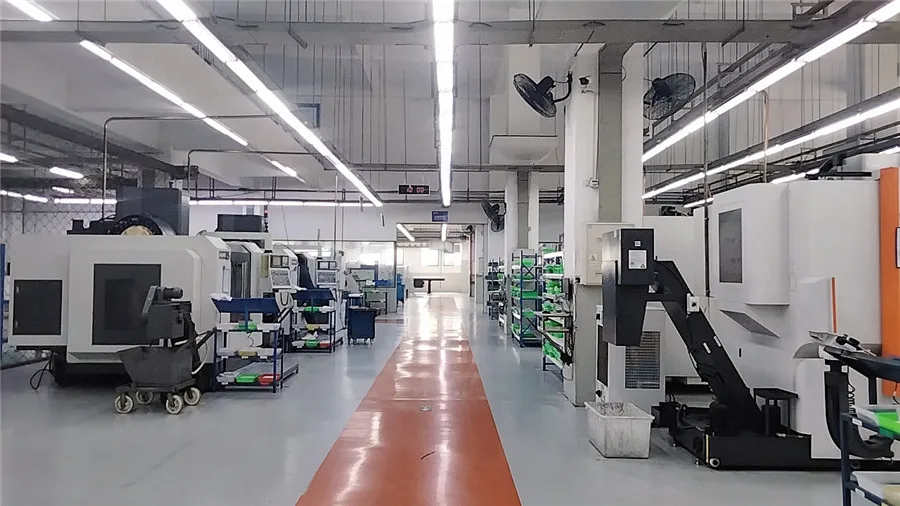
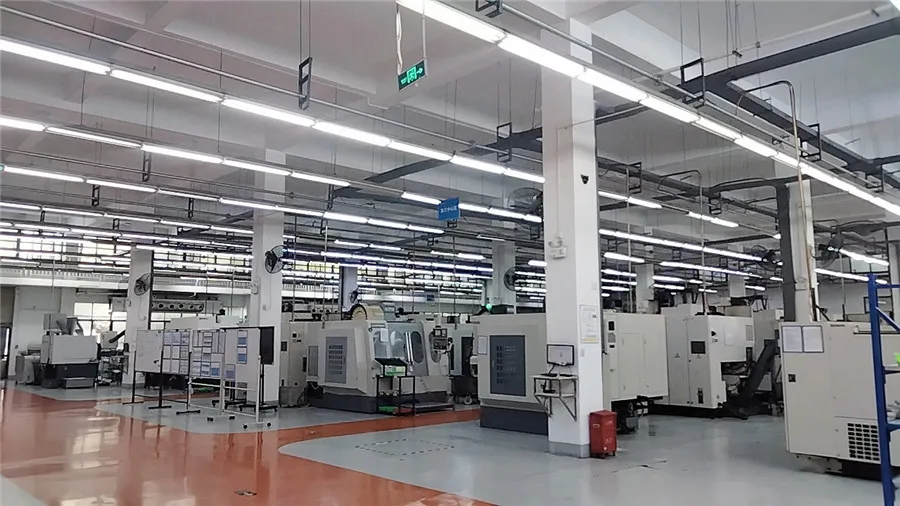
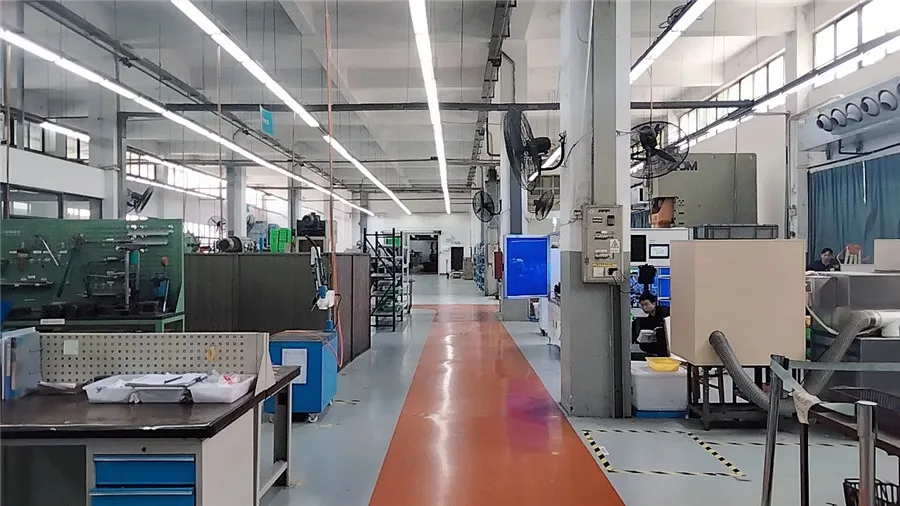
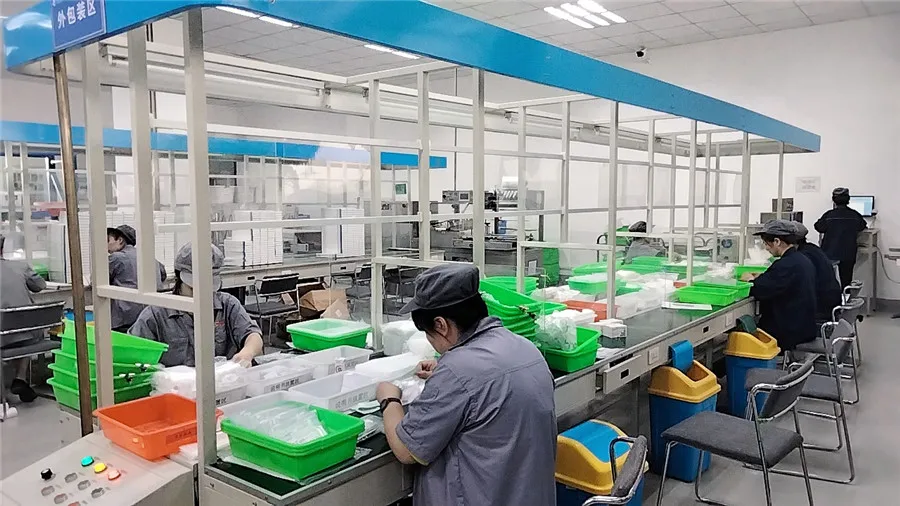
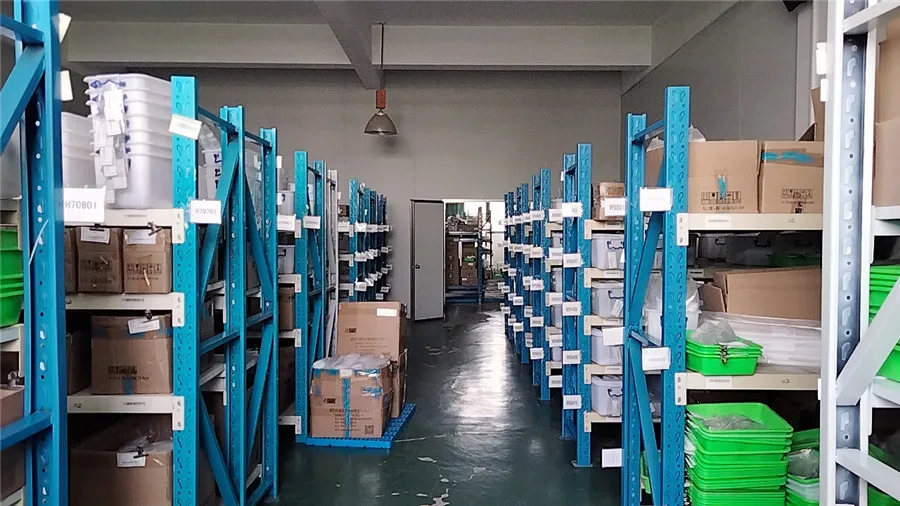
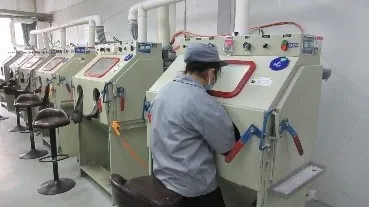

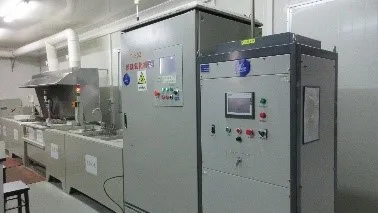
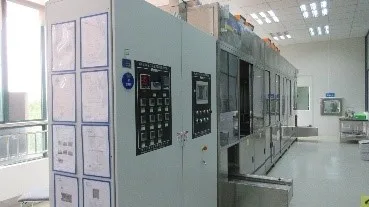
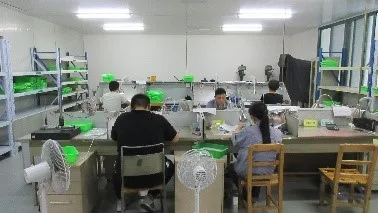
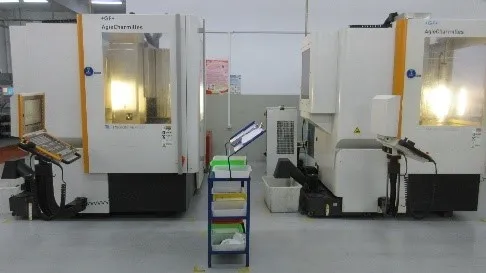
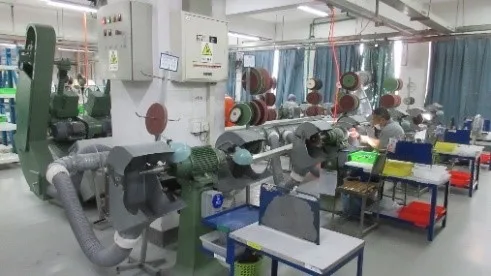
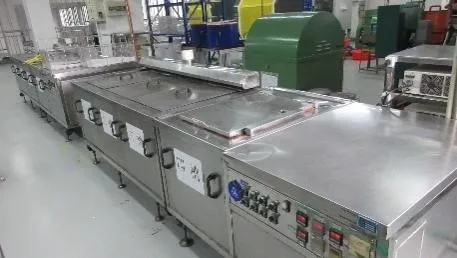
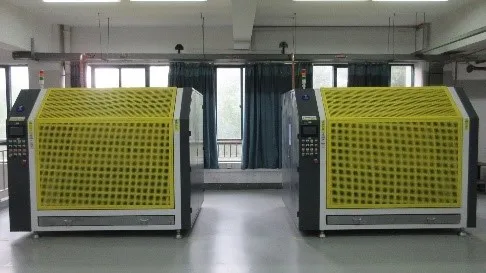

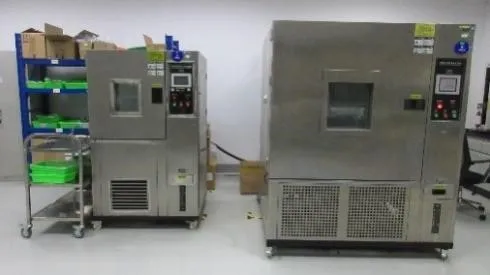
The global medical industry faces fluctuating logistics costs and volatile raw material availability. China's integrated orthopedic supply chain provides unmatched continuity. By clustering material supply, heat treating, machining, surface anodizing, and packing within localized high-tech zones, manufacturing lead times are slashed by up to 40% compared to Western counterparts.
Furthermore, raw material supply security is guaranteed through direct strategic partnerships with top-tier metallurgical plants. The result is a highly adaptive framework: the factory can scale manufacturing from small-batch customized OEM surgical kits to high-volume standard product runs seamlessly, avoiding the lengthy lead times that typically plague orthopedic procurement managers.
Distributors and hospitals require absolute confidence that imported orthopedic products meet local regulatory mandates. All Canwell Medical devices are certified with CE (93/42/EEC & EU MDR 2017/745) and ISO 13485. Full material traceability is backed by test reports for every batch.
Our support system spans multiple continents, delivering detailed technical data sheets, assembly manuals, and sterilization guides in English. For OEM/ODM partnerships, we offer a dedicated engineer-to-engineer conduit. Over 59 R&D professionals quickly transform clinical designs, CT data, or 2D drafts into sterile-ready orthopedic packages.
Essential insights for medical device distributors, sourcing managers, and orthopedic surgeons.
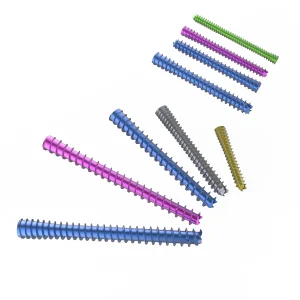
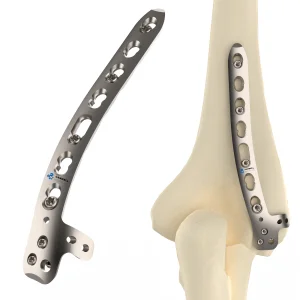
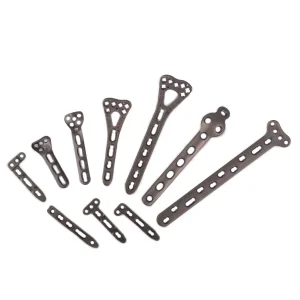
Explore our extended portfolio of trauma plates, Herbert compression screws, spinal systems, and arthroscopic repair solutions.
 Harney-Well