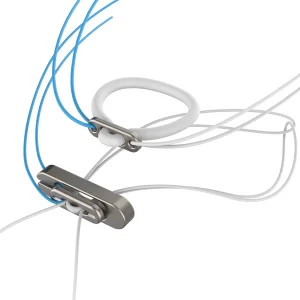
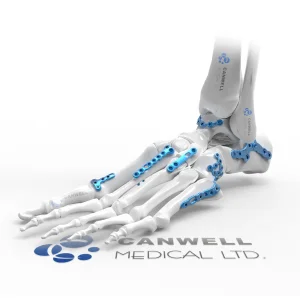
Advanced clinical-grade suture and cortical button implants optimized for ACL reconstruction and joint repairs in Lisbon's medical supply chain.
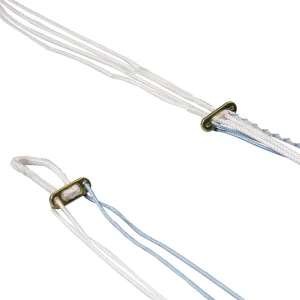
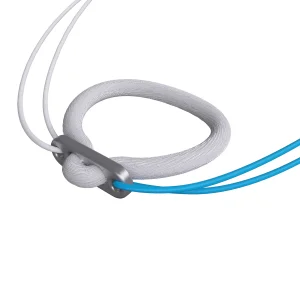
Addressing the growing demand for world-class orthopedic fixation in Portugal's leading clinical networks.
Rising rates of sports-related ligament injuries among Lisbon's active population have driven private and public healthcare systems to seek cost-efficient, high-performance implants without compromising regulatory metrics.
All orthopedic products introduced into the Lisbon market must strictly conform to EU MDR guidelines. Safe tracking, biocompatible raw materials, and documented clinical trials are standard pre-requisites.
Lisbon distributors require direct channels with manufacturers that offer robust lead times, customized labeling, surgical-grade instruments, and consistent batch quality for hospitals.
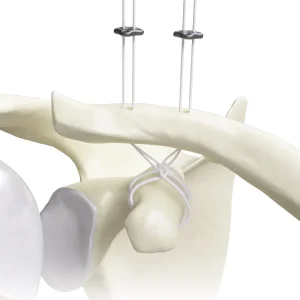
Lisbon, as the central economic and healthcare hub of Portugal, accommodates key public clinical facilities like the Hospital de Santa Maria, alongside leading private groups such as CUF Descobertas, Luz Saúde, and Lusíadas. As minimally invasive arthroscopic surgeries become the gold standard, the surgical consumption of cortical buttons and suture plate implants has skyrocketed. These implants are essential for knee ligament reconstructions (ACL/PCL repairs) and acromioclavicular (AC) joint fixations.
For Portuguese medical procurement teams, purchasing directly from a verified button factory with clinical expertise provides a competitive edge in pricing and product stability. Hospitals are looking for implants engineered from biocompatible Grade 5 Titanium (Ti-6Al-4V ELI) that minimize post-operative complications, guarantee high pull-out force resistance, and facilitate bone-tendon healing.
Certified high-quality clinical output supplying global and European distribution networks.
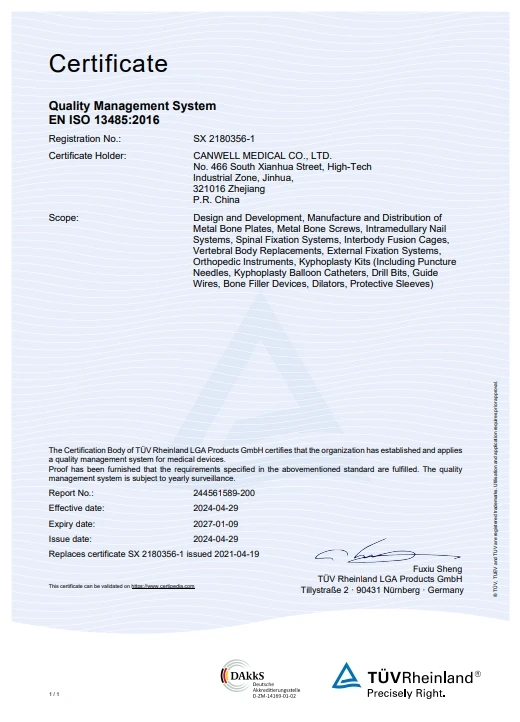
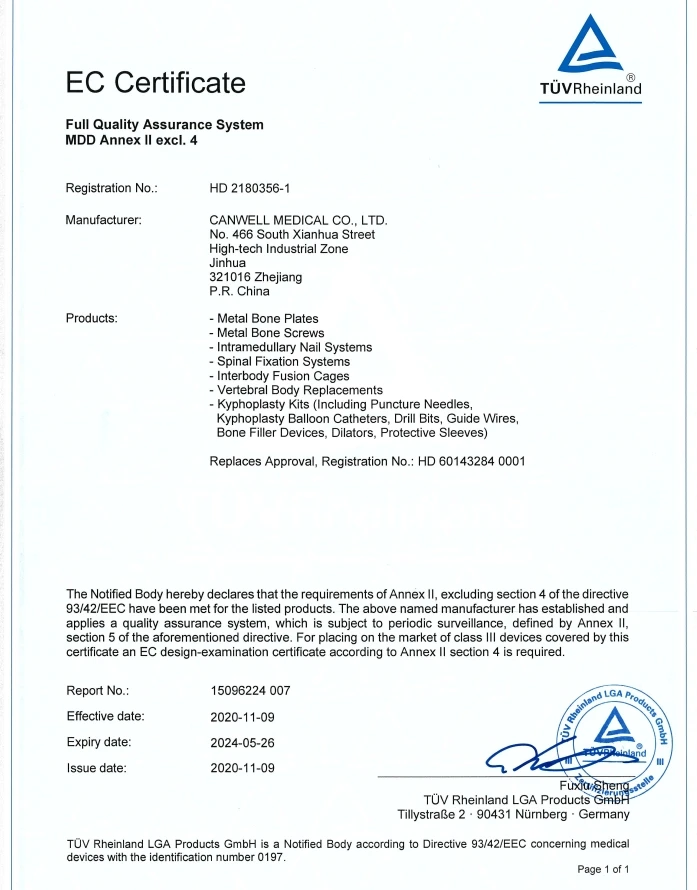
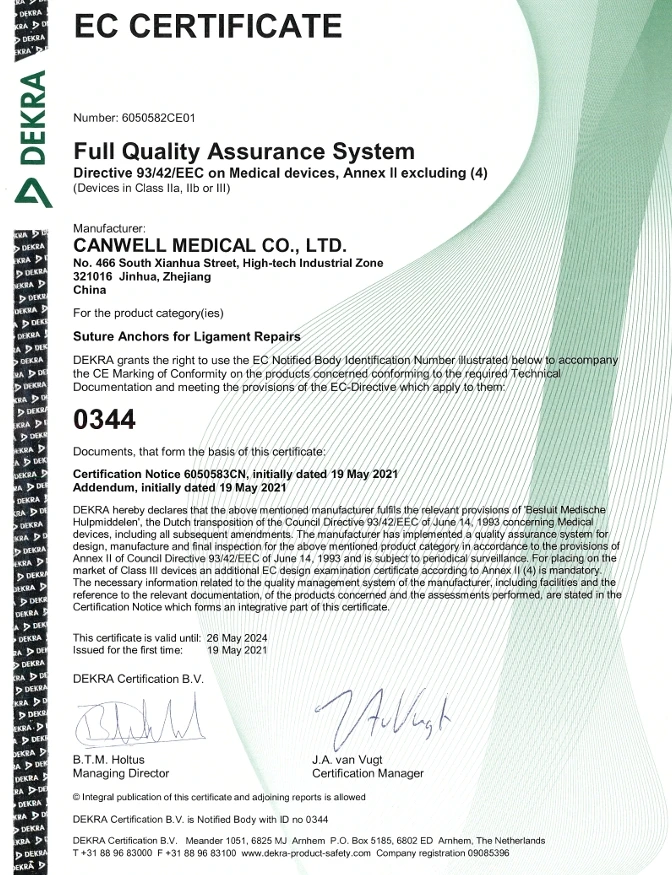
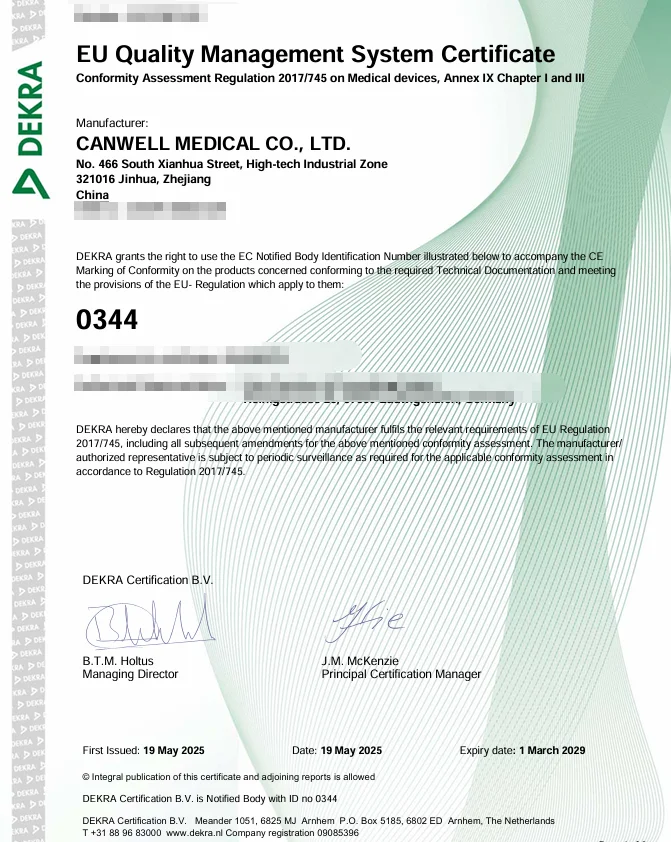
Visual verification of our surgical implant cleanrooms, precision CNC machining, and automated fatigue testing lines.
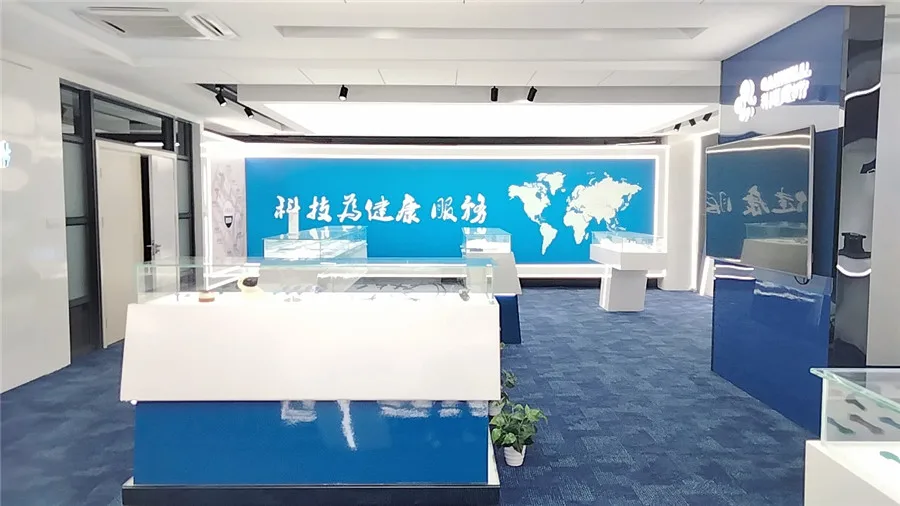
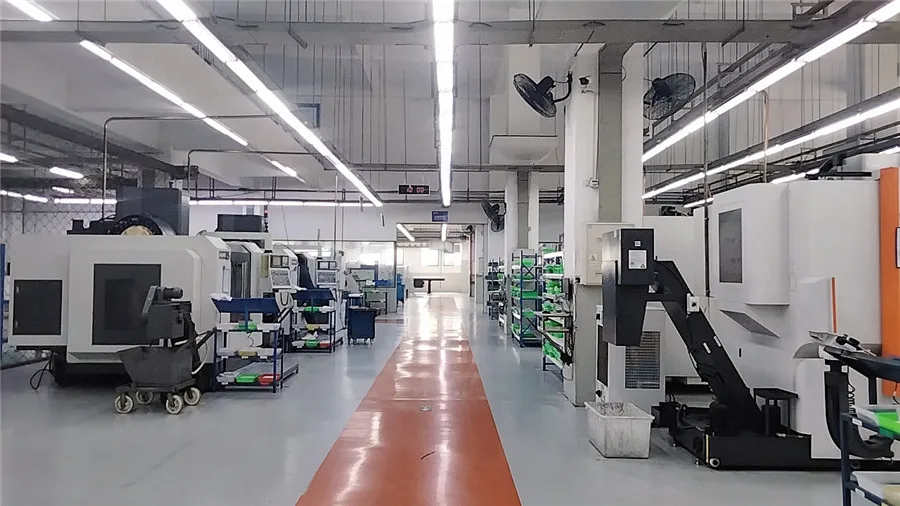
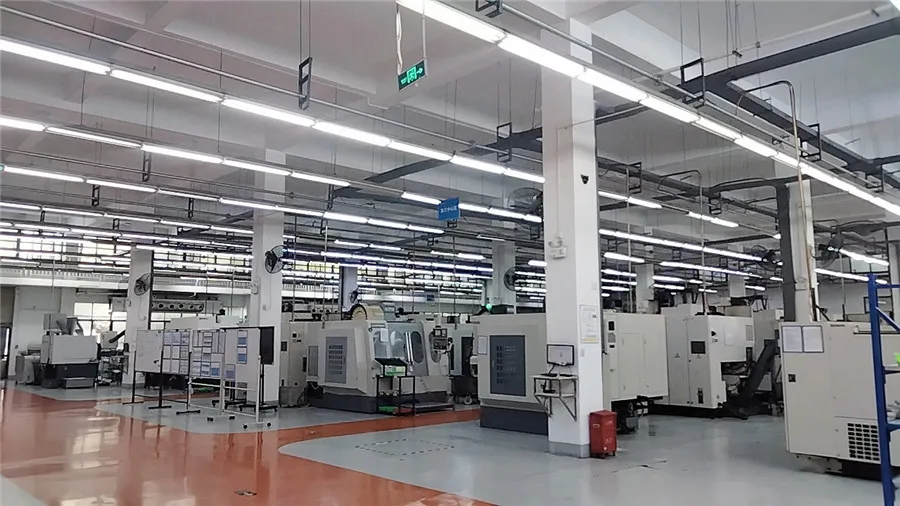
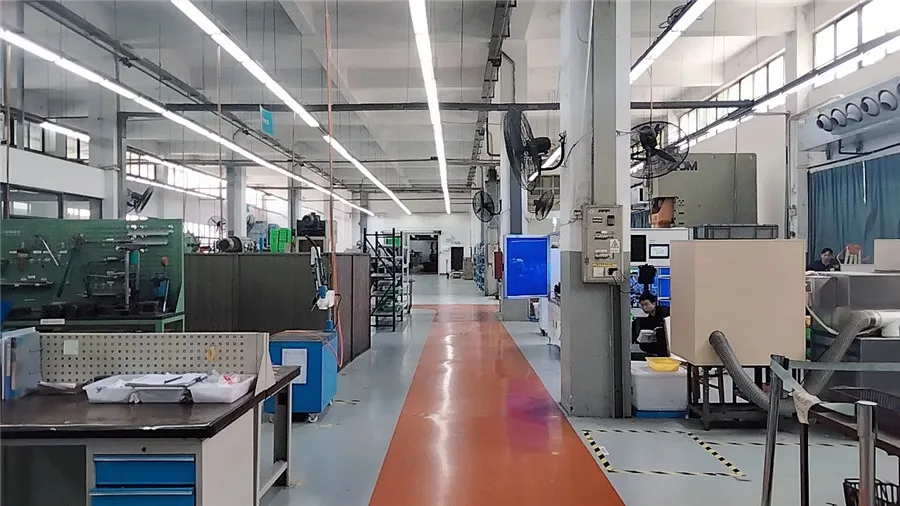
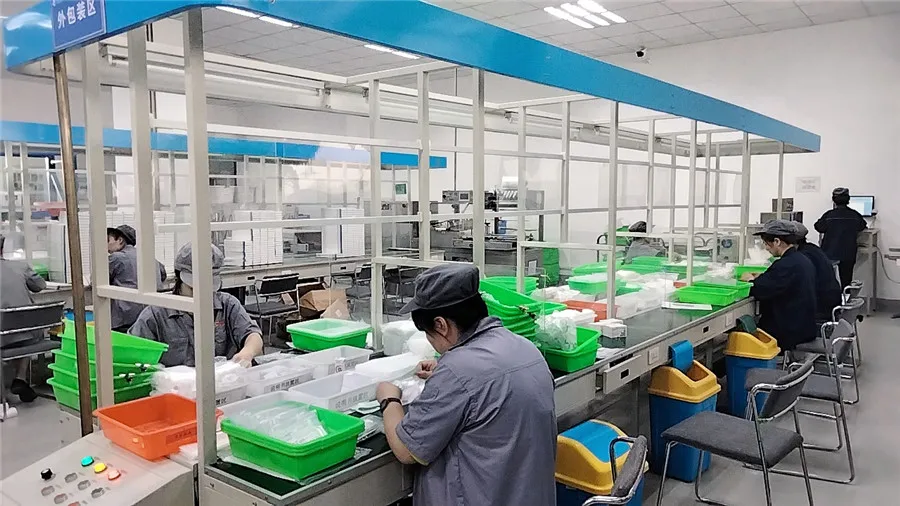
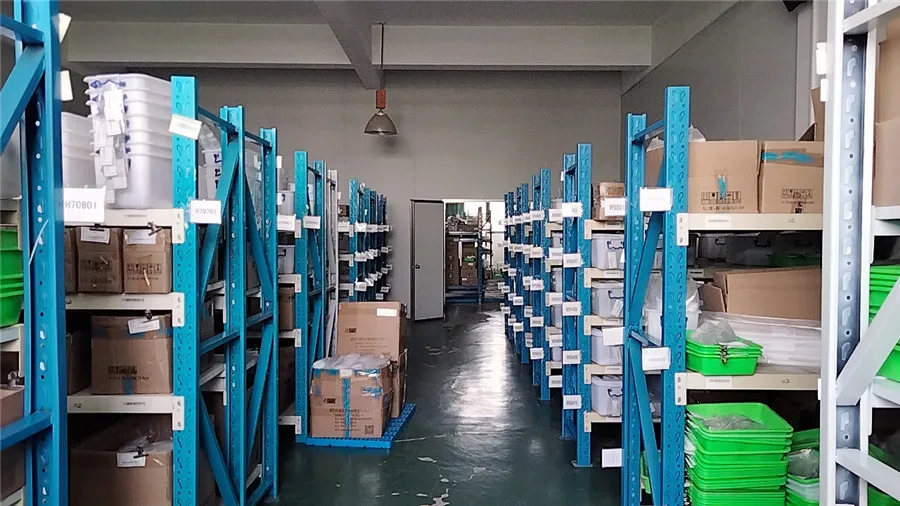
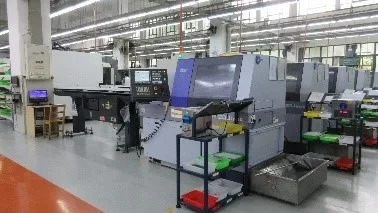
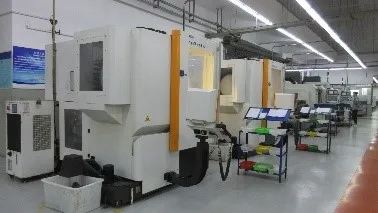
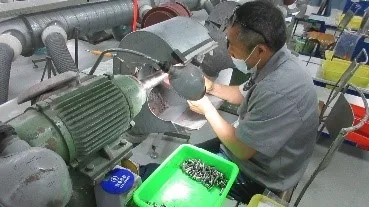
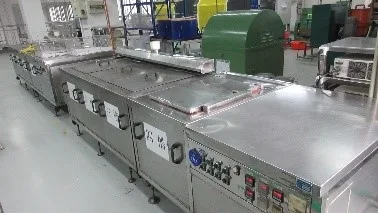
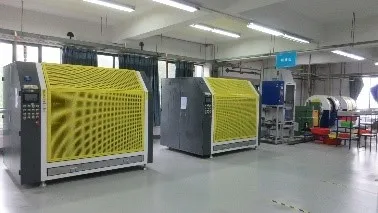
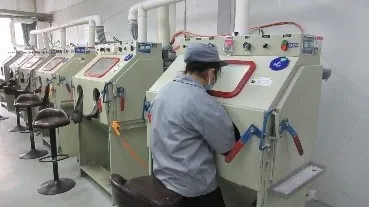

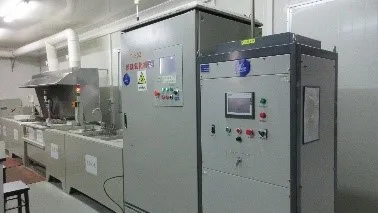

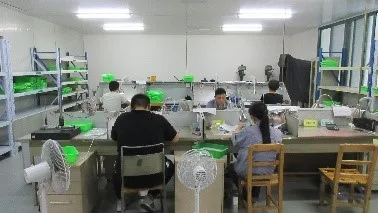
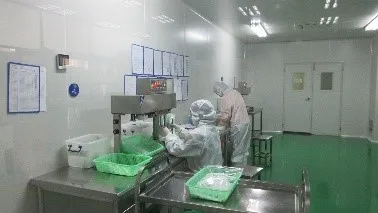
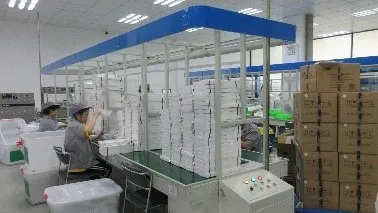
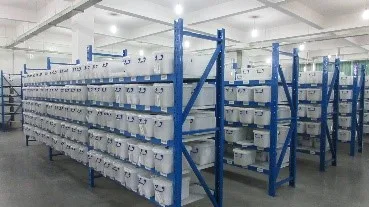
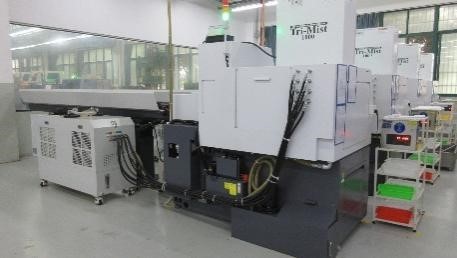
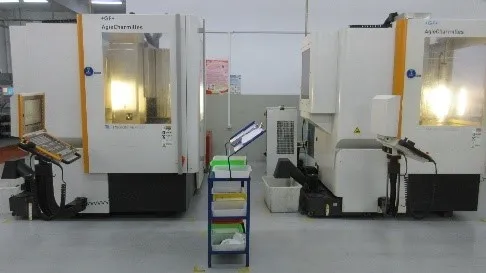
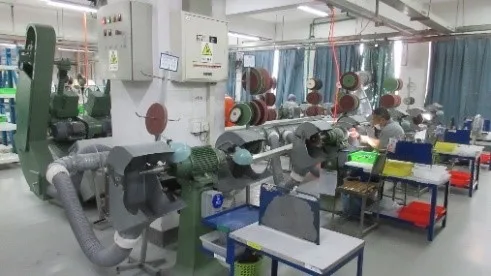
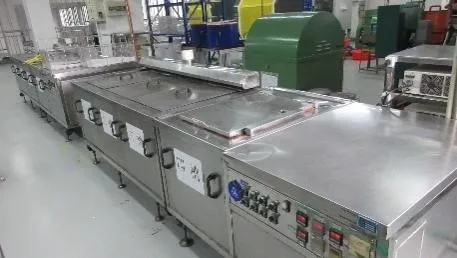
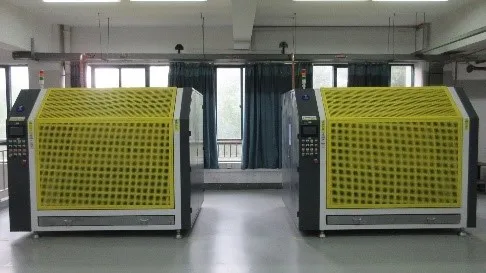
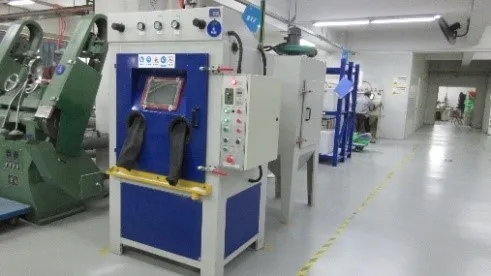
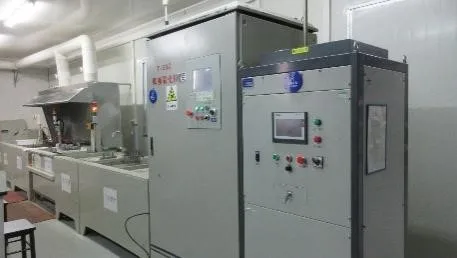
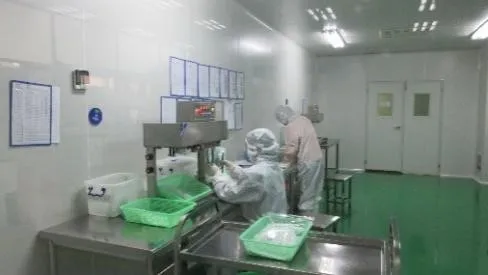

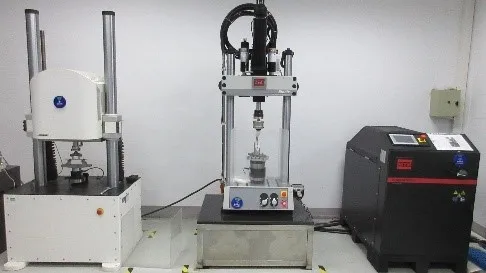
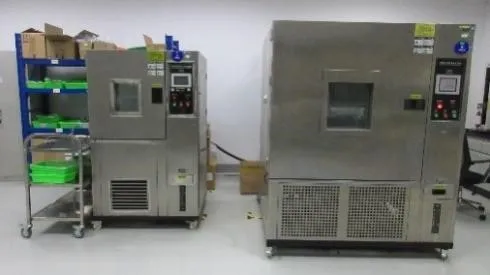
Advancing the science of orthopedic fixation, micro-motion minimization, and biocompatible material sciences.
The durability of a cortical button reconstruction lies in its base materials. Our factory uses medical-grade Titanium Alloy (Ti-6Al-4V ELI) to design implants that possess optimal tensile strength and elastic modulus relative to human bone. The button surface undergoes a controlled electrochemical passivation process that creates an bio-inert titanium oxide layer, significantly reducing friction coefficients and eliminating implant degradation risks within the knee environment.
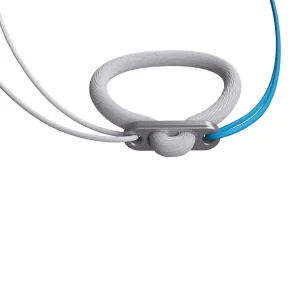
Additionally, the integrated suture loops are woven using ultra-high-molecular-weight polyethylene (UHMWPE) combined with high-grade polyester. This layout ensures minimal creep and elongation, keeping the graft fixed firmly in the bone tunnel over long cycles.
The debate in sports medicine often centers on fixed-loop versus adjustable-loop button systems. Fixed loops offer absolute rigidity and simplified placement, whereas adjustable loop buttons allow surgeons to maximize graft fill in the bone tunnel and retension the construct post-implantation.
Our factory manufactures both designs to give Lisbon surgeons full therapeutic flexibility. Our patented adjustable mechanisms incorporate self-locking designs that eliminate suture slip, which has traditionally been a primary cause of post-operative reconstruction failure.
Modern clinical institutions in Lisbon mandate complete compliance with the European Medical Device Regulation (EU MDR 2017/745). Moving away from older MDD directives, the new regulatory scheme requires full post-market clinical follow-up (PMCF) and Unique Device Identification (UDI) tagging.
As a premier orthopedic manufacturer, CANWELL has proactively transitioned its core lines to comply with MDR protocols, ensuring that hospitals and local distributors face zero clearance hurdles. We support custom surgical setups, private labeling, and regional shipping configurations directly into Lisbon ports.
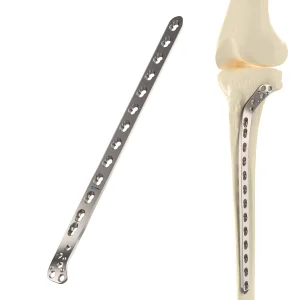
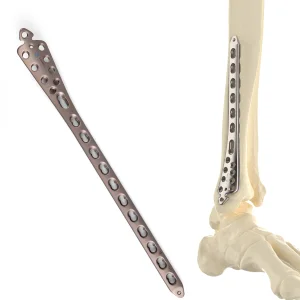
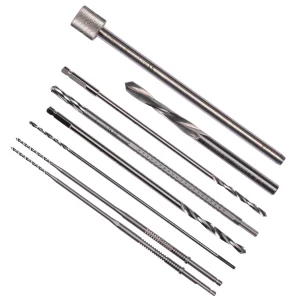
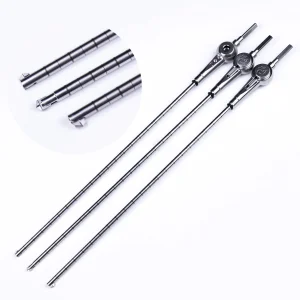
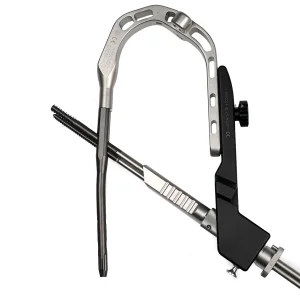
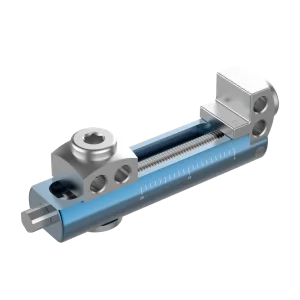
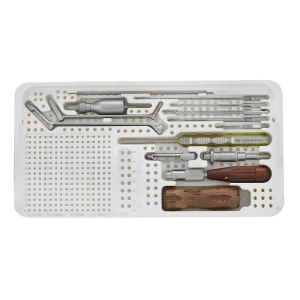
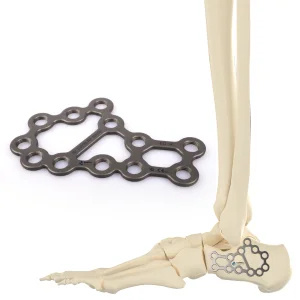
A comprehensive portfolio of certified locking plates, nails, drills, and instruments supporting Lisbon orthopedic clinics.
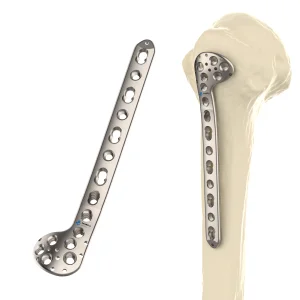
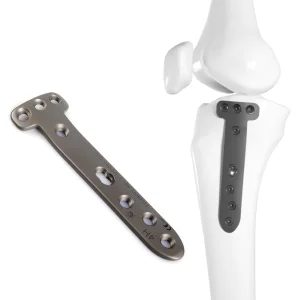
Addressing the key technical, clinical, and logistical queries for orthopedic distributors and hospitals in Portugal.
Our products hold full ISO 13485 quality system registration alongside European CE 93/42/EEC certifications. Crucially, we have advanced our product dossier and manufacturing compliance to comply with the European Medical Device Regulation (EU MDR), enabling seamless import, customs processing, and clinical usage in Portuguese public and private hospital chains.
Our loops are engineered using a tight interlocking weave of ultra-high-molecular-weight polyethylene (UHMWPE) and polyester, providing maximum mechanical stiffness and resistance to creep. This material layout minimizes cyclical elongation during post-operative rehabilitation, which is a major factor in reducing longitudinal and transverse graft migration inside the bone tunnel.
For standard inventory orders, shipping is handled via established medical cargo channels reaching Lisbon within 7–12 business days. For customized OEM configurations (such as personalized titanium locking plates or specific loop-length buttons), production lead time varies from 30 to 45 days, followed by air freight delivery directly to Lisbon Port or Humberto Delgado Airport (LIS).
Yes, we provide fully integrated trauma solutions. Our stainless steel AO-standard instrument sets are matched specifically to our locking plates and cortical button systems. They are designed for repeated steam autoclave sterilization cycles and facilitate precise implant placement under arthroscopic guidance.
We enforce strict material tracking. Each batch of Grade 5 Titanium (Ti-6Al-4V ELI) is accompanied by its original chemical composition and physical properties analysis certificates. During manufacturing, every single piece is assigned a unique batch-laser mark, ensuring complete backward traceability to the raw ingot stage and forwarding track to the final hospital packaging box.
 Harney-Well