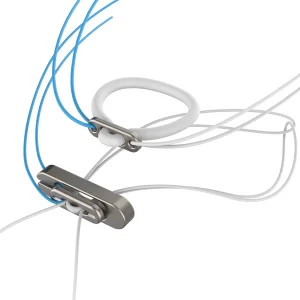
Premium titanium suture buttons optimized for ACL, PCL, and AC joint reconstruction in top New York sports medicine facilities.
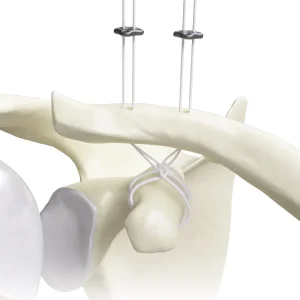
New York is a global powerhouse for orthopedic surgery and biomechanical research, anchored by prestigious institutions such as the Hospital for Special Surgery (HSS), NYU Langone Orthopedic Hospital, and the Mount Sinai Health System. With a massive population of active individuals, professional athletes, and aging demographics, the demand for reconstructive surgeries—especially anterior cruciate ligament (ACL) reconstructions and acromioclavicular (AC) joint repairs—remains extraordinarily high.
For surgical teams operating in these competitive, high-throughput metropolitan hospitals, implant reliability is non-negotiable. Cortical fixation buttons must deliver exceptional tensile strength, minimal displacement under cyclic loading, and seamless biocompatibility. In recent years, New York’s Ambulatory Surgery Centers (ASCs) have faced increasing pressure to optimize supply chains and manage device costs without compromising clinical outcomes. This shifting dynamic has led procurement managers to seek direct manufacturer partnerships that combine the agility of custom OEM manufacturing with the stringent quality systems required by US healthcare regulators.
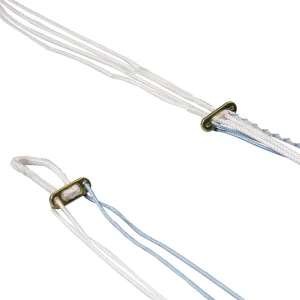
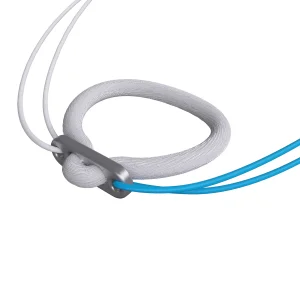
Sourcing directly from a certified medical device manufacturer like CANWELL offers New York distributors and clinical providers a direct pipeline to raw material traceability, specialized orthopedic engineering, and high-volume scalability. When dealing with implants like loop titanium suture buttons, manufacturing tolerances must be held within microns to ensure perfect seating on the femoral cortex and secure loop tensioning.
By eliminating middle-tier distributors, healthcare buyers can establish direct communication with our R&D team. This facilitates customized loop lengths, specialized plating designs, and instrumentation sets tailored to specific surgical protocols. In a market where operating room time is measured in seconds, receiving sterile-packaged, ready-to-use implants with reliable delivery timelines provides a significant operational advantage to medical organizations across New York State.
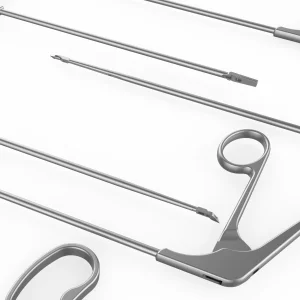
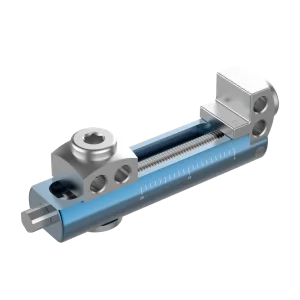
A comprehensive system of fixation devices and arthroscopic instrumentation engineered to streamline operating room workflows.
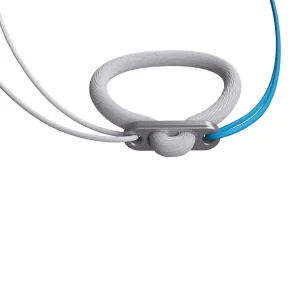
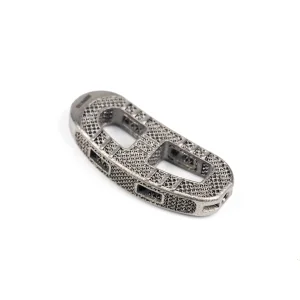
Orthopedic suture buttons are subject to severe shear stresses during joint movement and post-operative physical therapy. Our titanium cortical buttons are fabricated from medical-grade Ti6Al4V ELI (Extra Low Interstitial) alloy in strict compliance with ASTM F136. This material provides an optimal balance of fatigue strength, high tensile capacity, and biocompatibility, minimizing the risk of adverse tissue reactions or implant failure.
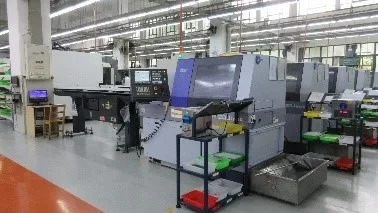
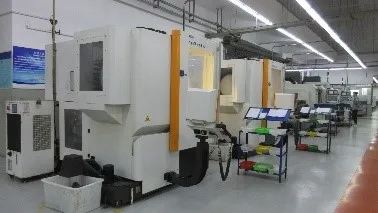
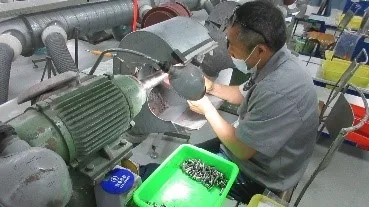
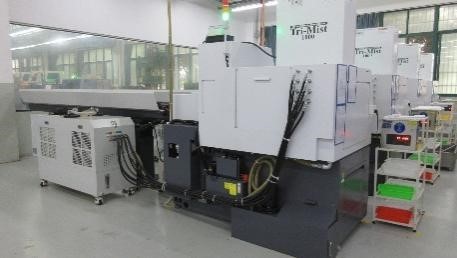
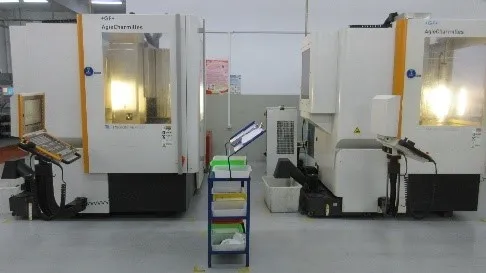
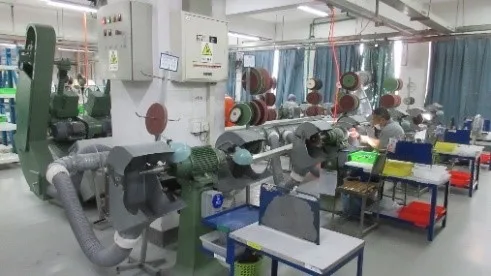
Our factory employs advanced multi-axis CNC machines to achieve smooth, radiused edges on all suture eyelets. This meticulous polishing step prevents abrasion of the ultra-high-molecular-weight polyethylene (UHMWPE) loop or suture under cyclic friction. The integration of precision laser engraving ensures full surgical traceability directly on the implant body.
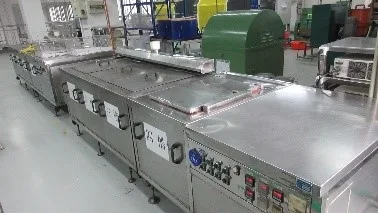
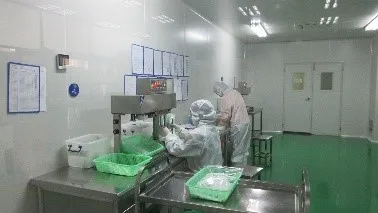
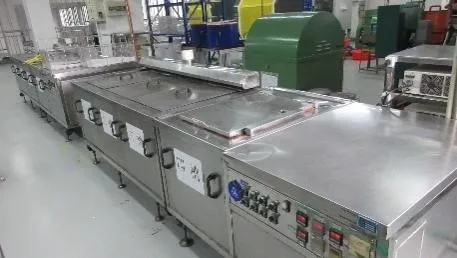
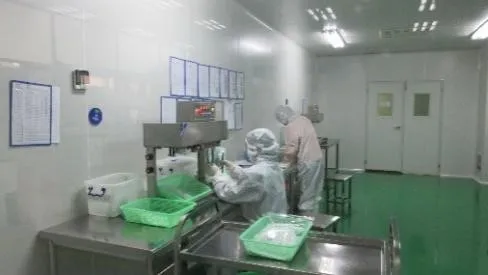
All implants undergo ultrasonic cleaning and are packaged within an ISO-certified cleanroom environment, minimizing bioburden levels before sterilization.
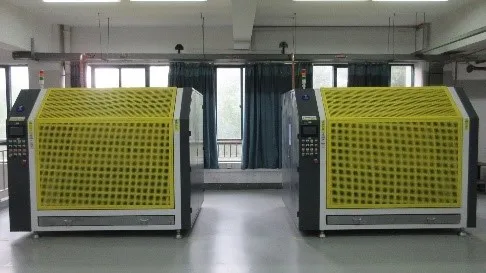
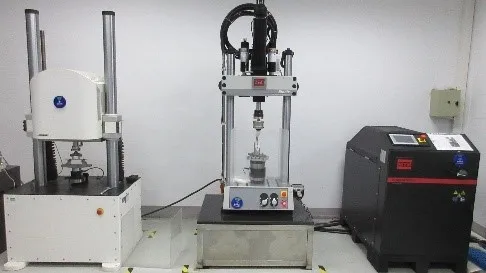
Implants undergo rigorous tensile pull-out tests and dynamic cyclic loading fatigue tests to simulate anatomical conditions over millions of cycles.
Understanding the clinical variations between fixed-loop suspensory implants and adjustable-loop constructs is critical for surgical planning. The table below outlines key engineering performance parameters:
| Parameters | Fixed Loop Suture Button | Adjustable Loop Button | Clinical Significance |
|---|---|---|---|
| Material Composition | Ti6Al4V ELI (ASTM F136) | Ti6Al4V ELI & UHMWPE Suture | Exceptional biocompatibility, minimizes bone resorption. |
| Ultimate Tensile Load | > 1,200 N | > 950 N | Provides secure mechanical fixation during tendon healing. |
| Cyclic Displacement | < 0.5 mm (after 10,000 cycles) | < 1.2 mm (after 10,000 cycles) | Maintains critical graft tension, reducing reconstruction laxity. |
| Tunnel Diameter Options | 4.5mm - 6.0mm | 4.5mm - 7.5mm | Accommodates patient-specific anatomical variations. |
How we support international orthopedic brands, medical distributors, and surgical clinics through robust quality assurance and flexible batch production.
As a professional orthopedic manufacturer, our operations are fully governed by ISO 13485, MDR, and CE quality management frameworks. We ensure complete traceability of all raw materials, from initial titanium bar stock procurement to final sterile packaging. Every production run is documented with material test reports, dimensional control charts, and cleanroom bioburden assays. This transparent documentation process facilitates rapid regulatory compliance checks for distributors importing into the United States and Latin American markets.
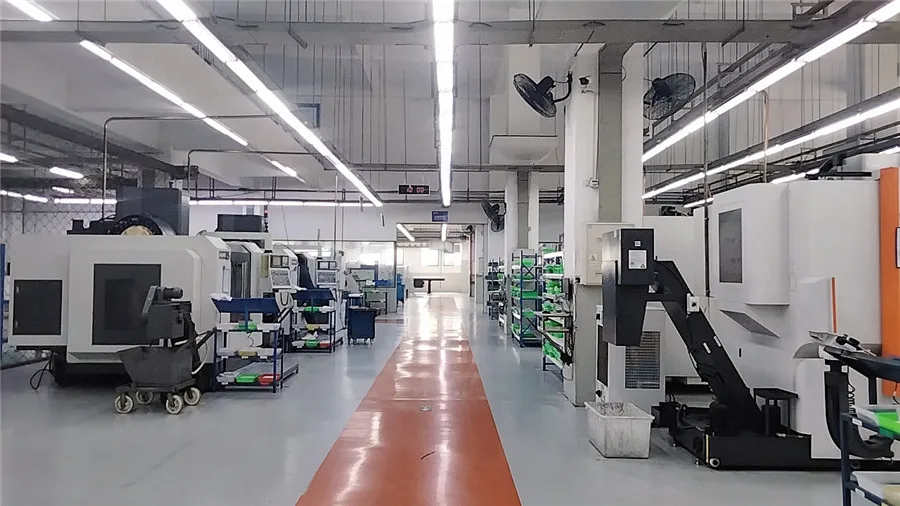
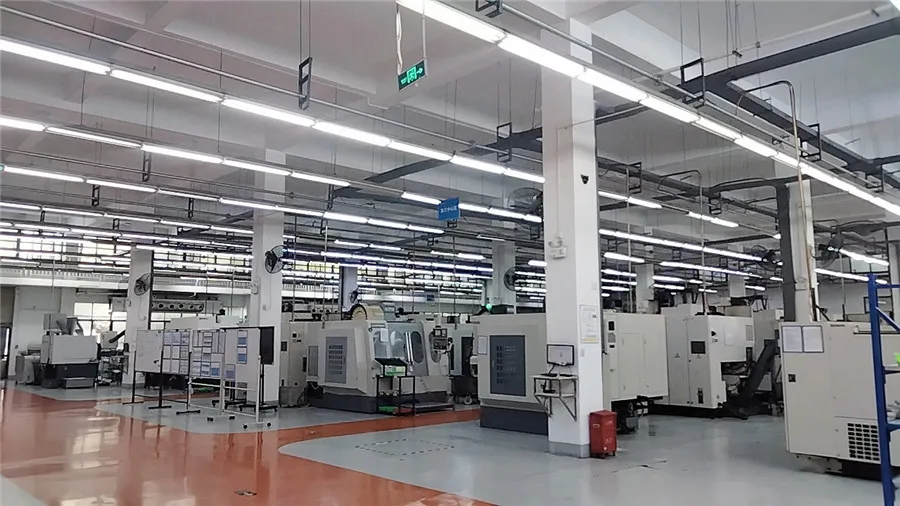
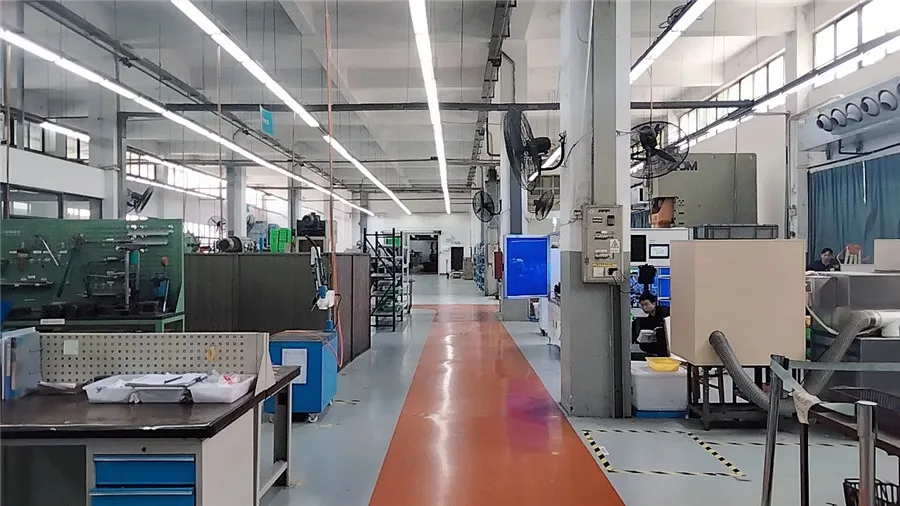
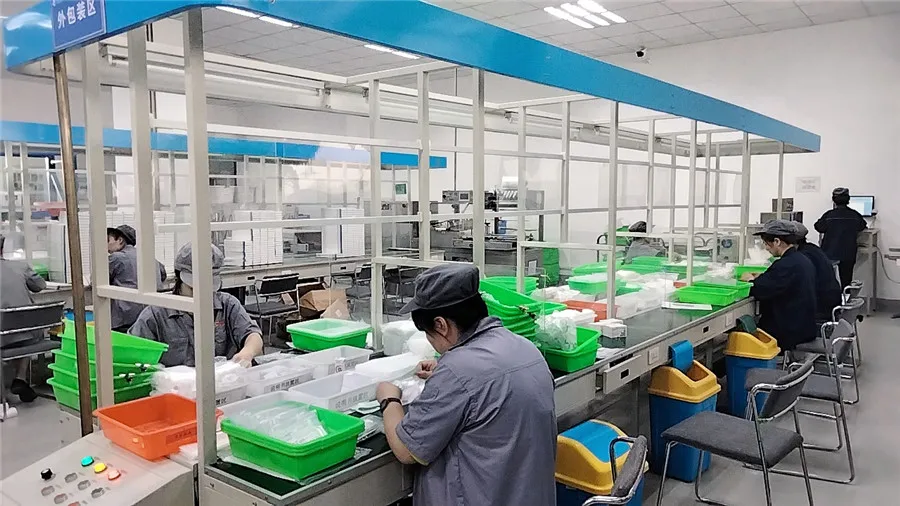
Spanning 29,523 square meters, our production plant features high-capacity machining centers capable of running continuous production shifts. This enables us to fulfill large-scale orders while offering customization (OEM/ODM) options, including light customization, sample processing, and custom instrument kits. R&D engineering teams work directly with healthcare providers to develop anatomical plates, bone screws, and arthroscopic instruments tailored to regional preferences.
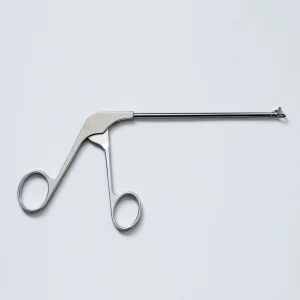
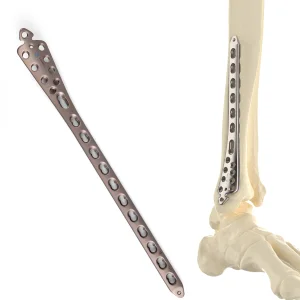
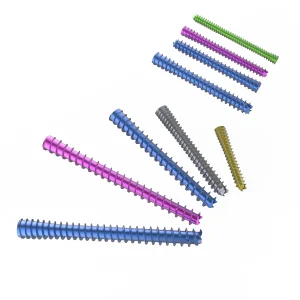
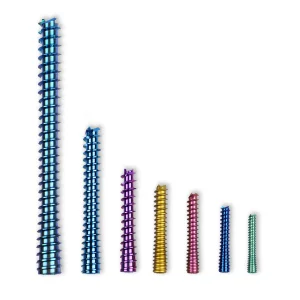
Explore our broader clinical offerings, including regulatory-compliant locking plates, total knee arthroplasty kits, and orthopedic screws.
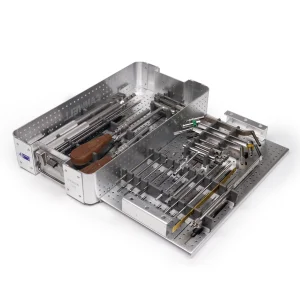
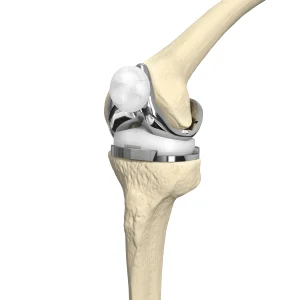
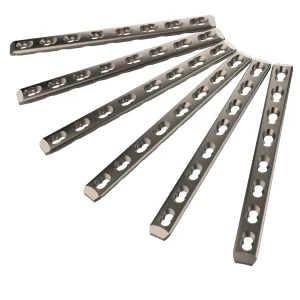
A transparent breakdown of our engineering workforce, facility area, and global regulatory compliance structures.
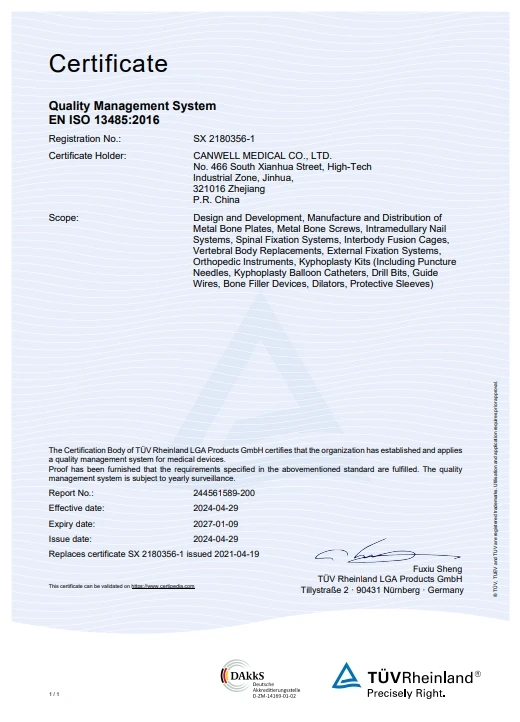
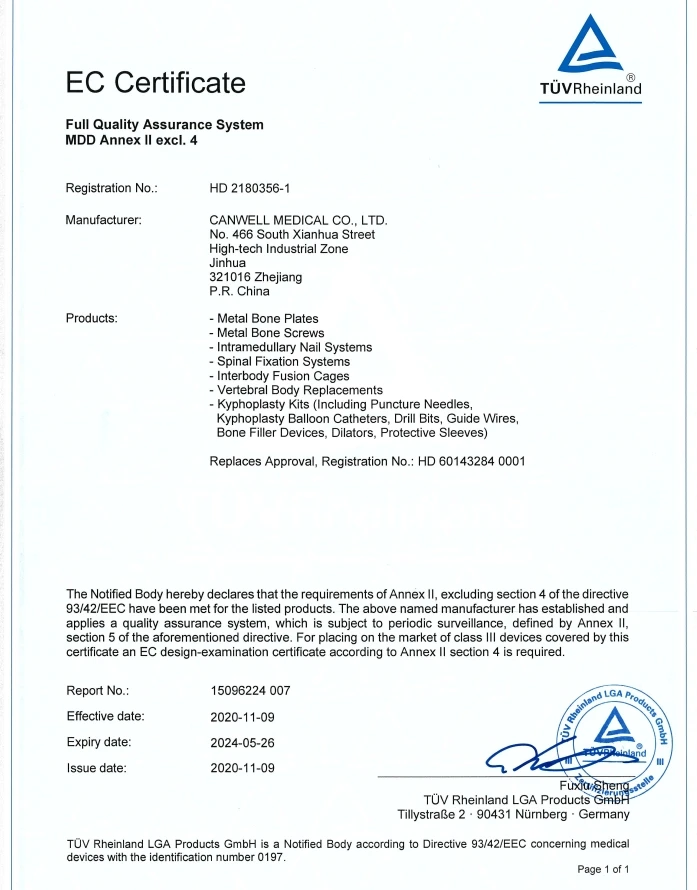
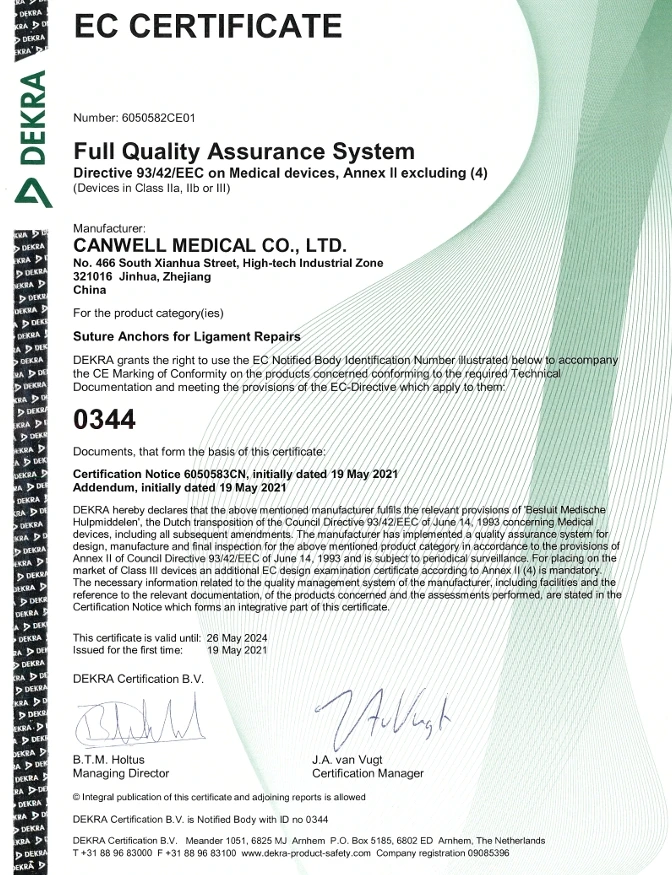
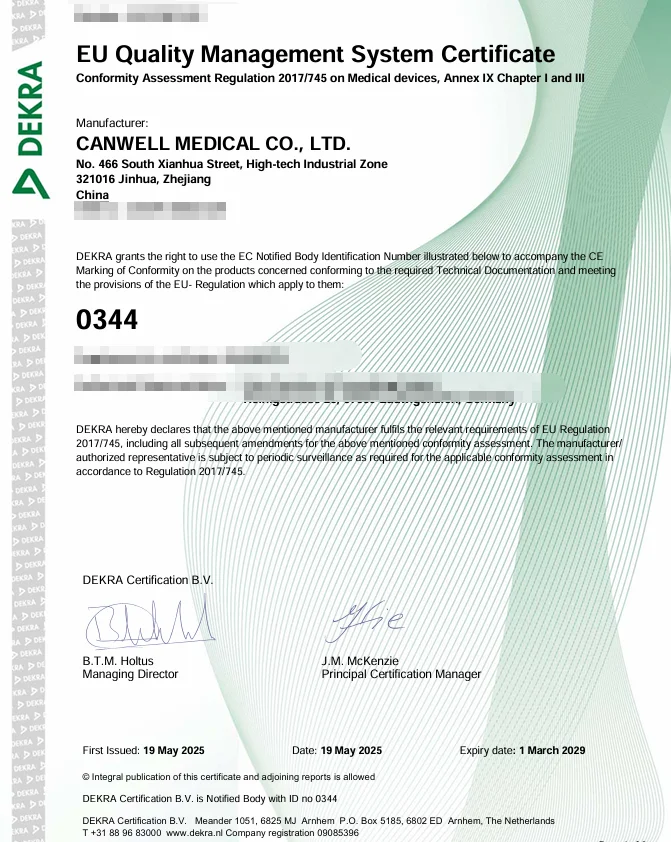
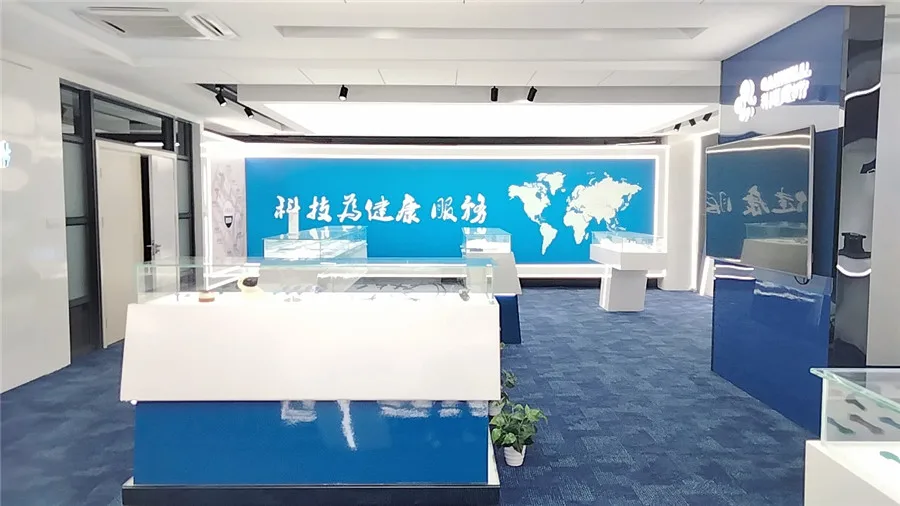
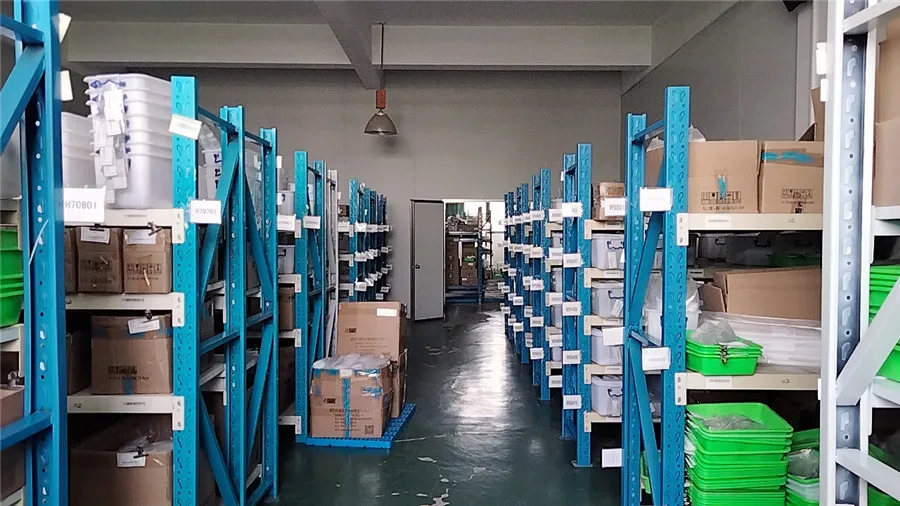
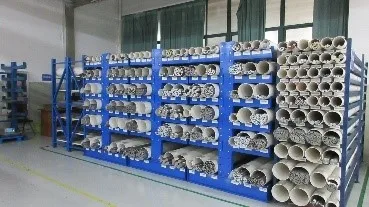
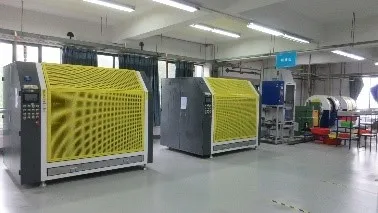
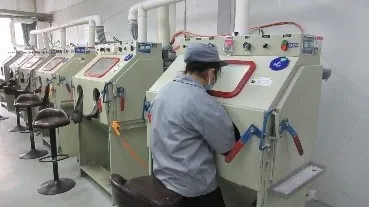
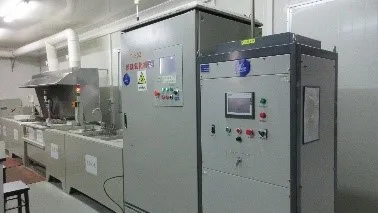
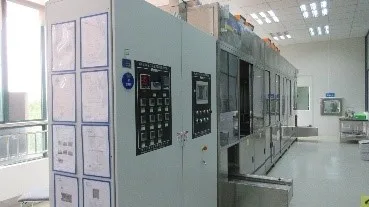
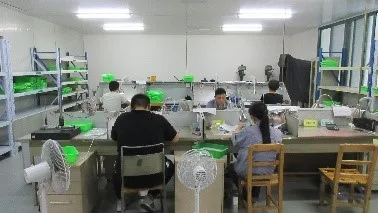
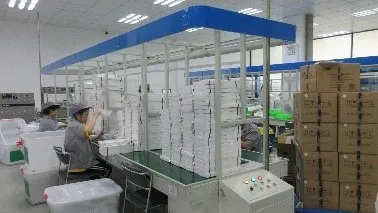
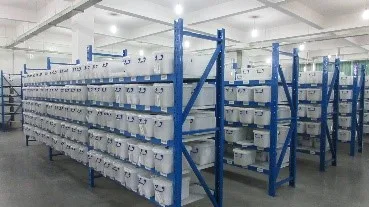
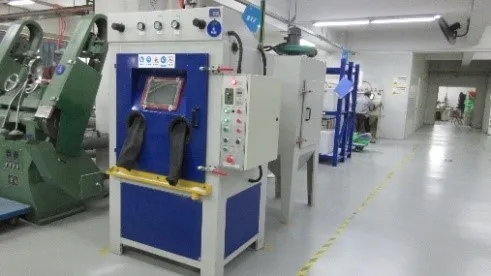
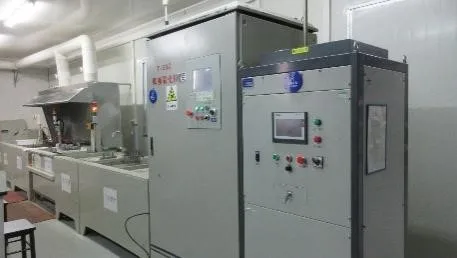
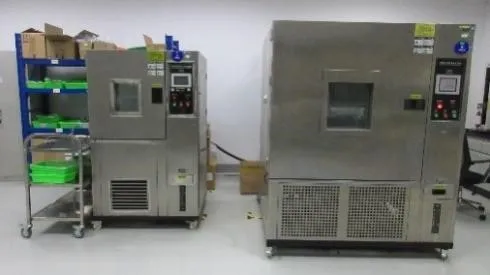
A photographic overview of our manufacturing facilities, highlighting the high-precision machining, chemical cleaning, and testing systems.


In-depth responses to regulatory, metallurgical, and logistic inquiries for healthcare buyers and implant distributors.
Optimize your orthopedic implant supply chain today. Get access to detailed technical drawings, mechanical test validation reports, and volume-based pricing for the New York market.
Send Inquiry Now Harney-Well