Advanced external fixation products engineered for immediate stabilization and rigid bone segment support in the Azerbaijan clinical sector.
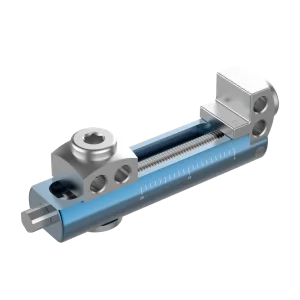
Analyzing the clinical requirements and regulatory frameworks driving implant procurement in Baku and regional health zones.
Azerbaijan's healthcare landscape is undergoing an extensive modernization era, driven by the rollout of the Compulsory Health Insurance (İcbari Tibbi Sığorta) program managed by TABIB and the State Agency on Mandatory Health Insurance. This systemic reform has significantly democratized access to specialized surgical treatments, leading to a substantial surge in reconstructive orthopedic surgeries, limb-salvage interventions, and high-energy trauma operations across public and private hospitals in Baku, Ganja, Sumgait, and Nakhchivan.
As a crucial crossroad along the Eurasian transport corridors, Azerbaijan exhibits a distinct clinical pattern demanding robust trauma management systems. High-velocity road traffic accidents (RTAs) and industrial trauma from the Caspian basin energy sector make immediate, stable skeletal stabilization vital. The Scientific Research Institute of Traumatology and Orthopedics in Baku emphasizes the need for rapid-application external fixators, modular frame designs, and titanium implants that comply with both urgent stabilization and long-term bone transport guidelines.
The inclusion of complex trauma stabilization under public insurance mandates has increased hospital procurement metrics for reliable, CE-certified external fixators. Public clinics now demand comprehensive modular kits capable of tackling open fractures, non-unions, and correcting congenital deformities.
High-tier medical institutions require advanced external fixation systems featuring absolute stability, radiolucent carbon fiber rods, and fine-tuning correction mechanisms to support modern clinical workflows and enhance post-operative patient outcomes.
Certified orthopedic manufacturing engineered to meet European MDR and international standards for sovereign health systems.
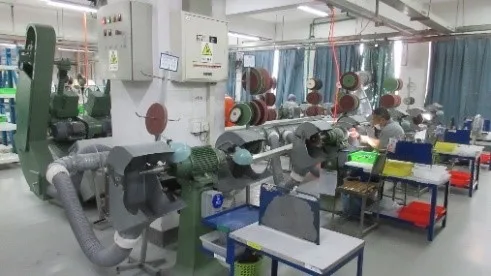
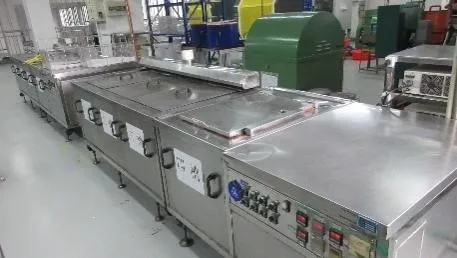
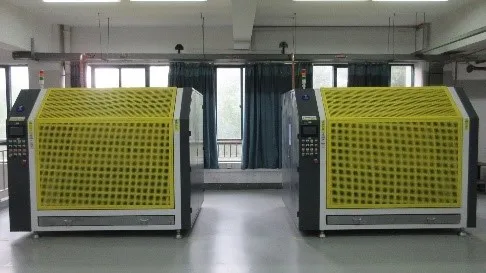
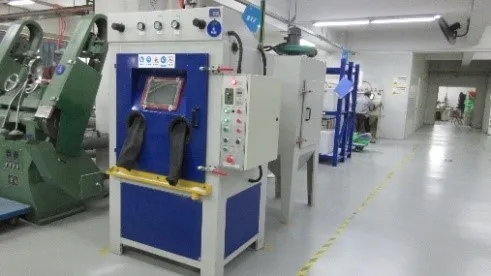
Our manufacturing ecosystem conforms strictly to high-standard health compliance guidelines, enabling seamless registration processes with the Analytical Diagnostics Center of the Ministry of Health of the Republic of Azerbaijan.
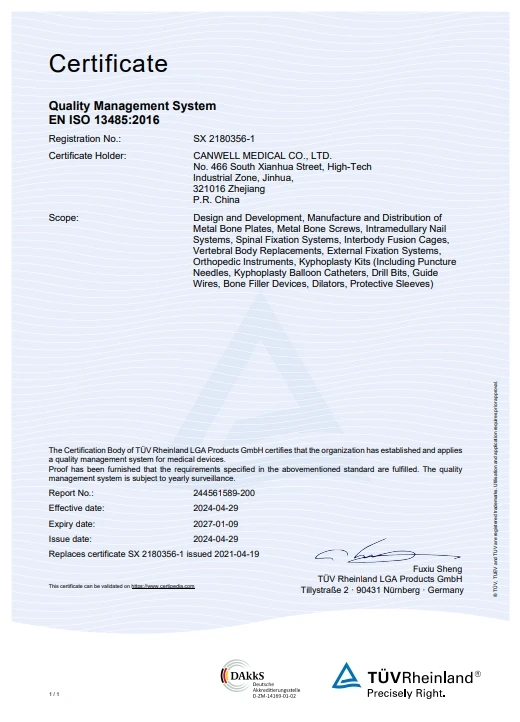 ISO13485: Medical Devices Quality System
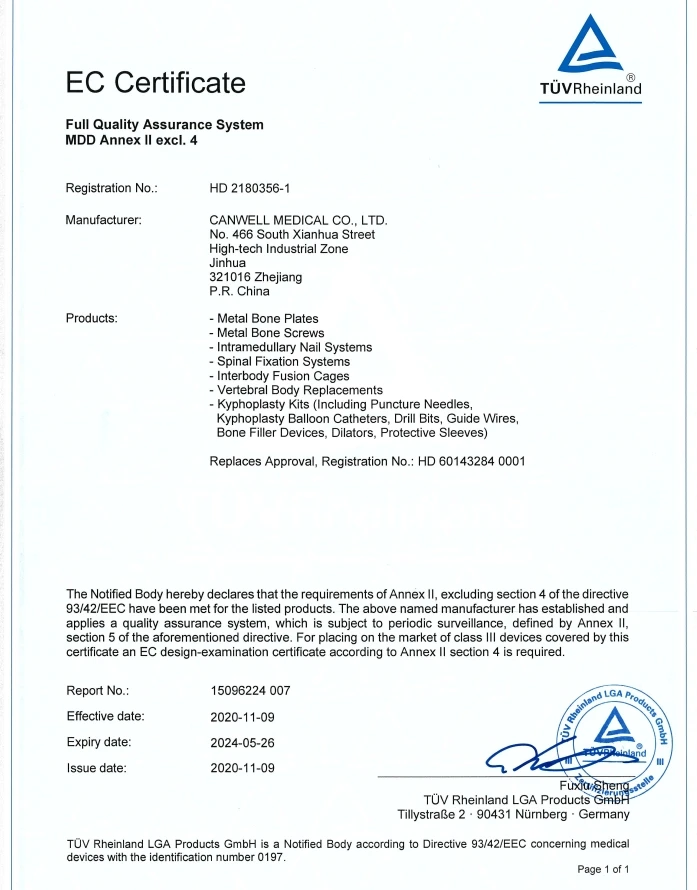 93/42/EEC: European Medical Device Directive
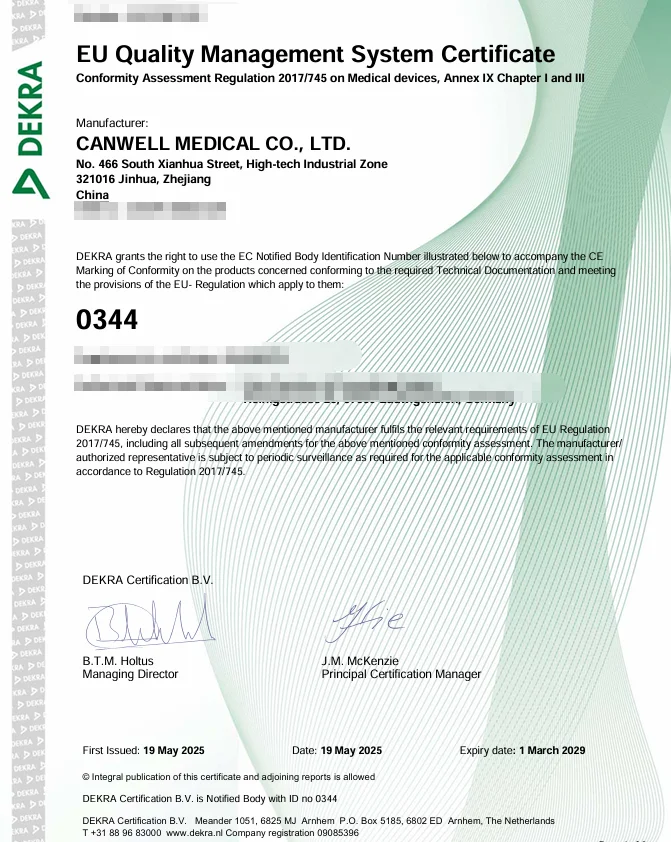 MDR (EU) 2017/745: Latest European Regulation
Selecting the optimal external fixation configurations for open fractures, non-unions, and limb deformity corrections.
External skeletal fixation plays an irreplaceable role in orthopedic traumatology, specifically during initial stage stabilization in polytrauma patients (damage control orthopedics) and definitive treatment of complex open fractures. Below is a clinical reference mapping trauma scenarios to target fixator architectures optimized for medical buyers and hospital tenders.
| Fixator System Type | Primary Clinical Indication | Biomechanical Feature | Material Configuration |
|---|---|---|---|
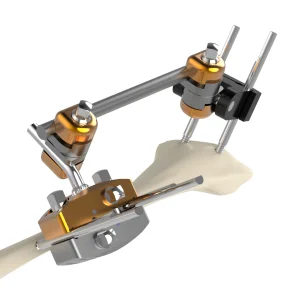
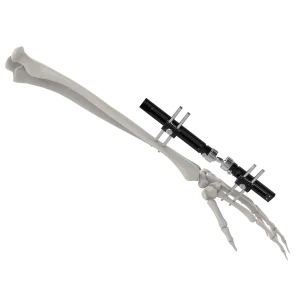
| Hoffmann-Compatible Rod System | High-energy pelvic & long-bone diaphyseal open fractures | Snap-on modular clamps, multi-planar construct design | Medical Grade Titanium Alloy & Carbon Fiber Rods |
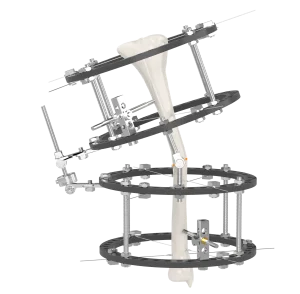
| Classic Ilizarov Ring System | Limb lengthening, non-unions, osteomyelitis, complex foot deformities | Tensioned transfixion wires, circular stability, axial micromotion | Stainless Steel or lightweight Aircraft-grade Aluminum |
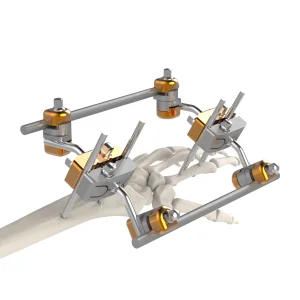
| Wrist External Fixator | Distal radius fractures, intra-articular comminuted fractures | Adjustable joint bridging, lightweight design, ease of reduction | Anodized Aluminum and Titanium Alloys |
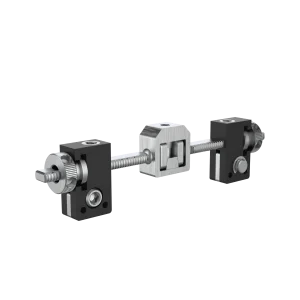
| Mini/Micro External Fixator | Metacarpal, metatarsal, and phalanx fractures (small bones) | Low profile, precise compression/distraction, minimal soft-tissue disruption | Biocompatible Titanium & Stainless Steel |
Information Gain: High-Efficiency Biomechanical Advantage
Our external fixator lines feature specialized anodized surface modifications and low-profile clamping systems. This design reduces postoperative hardware weight by up to 30% compared to traditional steel frames, promoting early mobilization and patient comfort during the extended rehabilitation phases common in trauma recoveries.
Navigating import channels, Ministry of Health registrations, and regional logistics pathways.
Importing class II and class III medical devices into Azerbaijan requires a structured understanding of localized customs protocols and medical compliance. Our dedicated export department coordinates closely with regional distributors in Baku to ensure smooth clearance at key entry points, including the Heydar Aliyev International Airport (GYD) cargo terminal and the Baku International Sea Trade Port.
Key regulatory and logistics support services we provide to our Azerbaijani trade partners include:
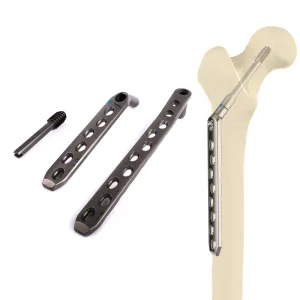
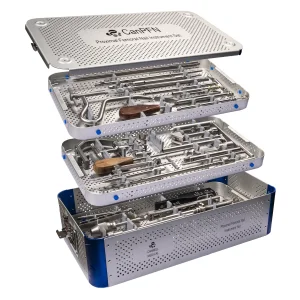
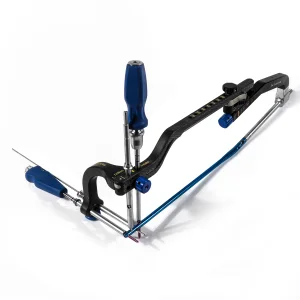
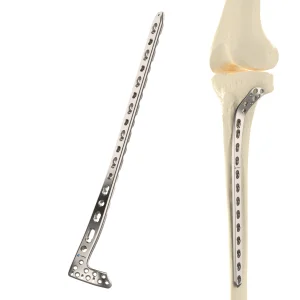
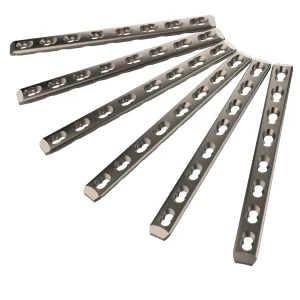
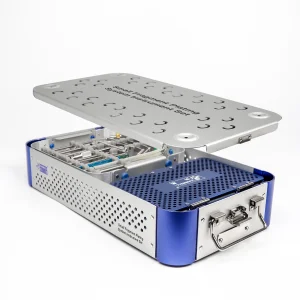
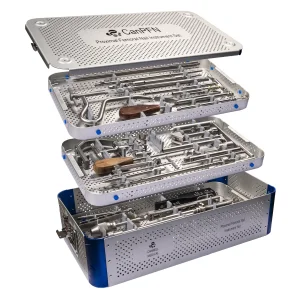
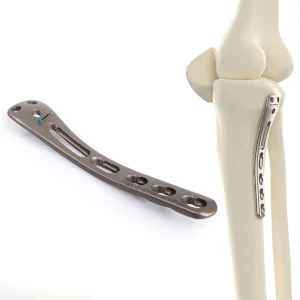
Comprehensive orthopedic solutions, including distal tibial locking plates, hip systems, and expert intramedullary nailing assemblies.
Scientific exploration of raw material metallurgy, finite element modeling (FEA), and surface bio-integration trends.
Modern traumatology demands fixation systems that reduce complications like pin-tract infections, non-unions, and osteomyelitis. To meet this clinical need, our engineering divisions focus on three primary developmental tracks:
We source raw titanium alloys featuring superior yield strength-to-density ratios. Titanium Gr. 5 (Ti-6Al-4V) exhibits an elasticity modulus closer to cortical bone compared to traditional stainless steel. This biocompatibility reduces the risk of stress shielding, maintaining a healthy mechanical stimulus that promotes primary bone healing.
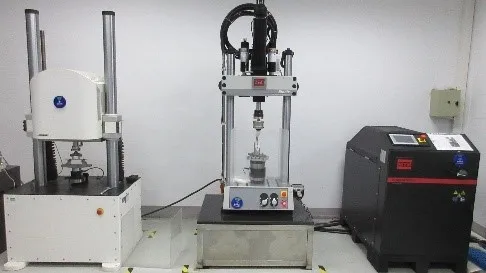
Every frame assembly configuration—whether unilateral, bilateral, or hybrid ring system—undergoes rigorous simulated axial, torsional, and bending stress testing. This optimization ensures that clamps hold structural positions under sudden impacts, providing safety for patients recovering in dynamic home environments.
Our micro-fixation and large-bone pins feature proprietary electrochemical anodization treatments. This micro-texture design increases surface corrosion resistance and creates a stable barrier that limits metal ion leaching, a key factor in improving long-term soft-tissue integration at pin sites.
Expert clarifications on product customization, regulatory conformity, and logistical arrangements for the South Caucasus region.
Unlock competitive distributor pricing, CE-compliant certificates, and comprehensive orthopedic catalogs tailored for the growing healthcare market in Azerbaijan.
Contact Our Export Department Today Harney-Well