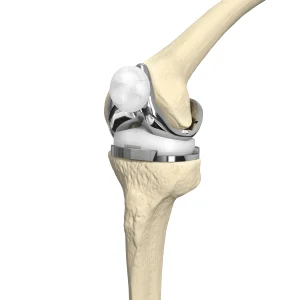
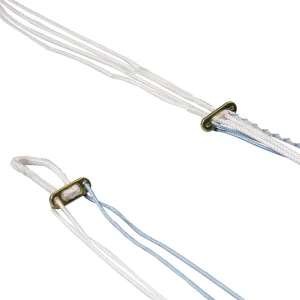
Premium class-III hip and knee replacement configurations engineered for the demanding clinical standards of the Panamanian public and private healthcare sectors.
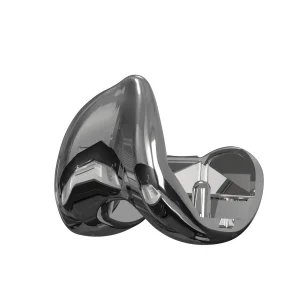
Panama’s healthcare sector is undergoing a rapid transition towards advanced, high-durability orthopedic implants. Driven by a combination of public health mandates managed by the Caja de Seguro Social (CSS) and the Ministerio de Salud (MINSA), alongside a booming private sector centered around major centers like Hospital Punta Pacífica and Hospital Paitilla, the demand for primary and revision hip and knee joint replacement systems has surged dramatically over the past decade.
Historically, Panama has relied heavily on imported medical devices from Western Europe and North America. However, rising healthcare delivery costs and the need to democratize access to joint arthroplasty have pushed Panamanian distributors, hospital procurement managers, and orthopaedic surgeons to look for reliable, high-tier manufacturing partners who can offer clinical-grade materials without the unsustainable price premiums. This has created a strategic opportunity for direct sourcing from ISO 13485-certified Chinese manufacturers that can deliver proven biocompatibility, precise instrumentation, and robust supply chain resilience.
To secure tender wins and maintain clinical credibility in Panama, medical devices must meet stringent quality thresholds. This includes HA (hydroxyapatite) coatings for biological fixation, dual-mobility designs to mitigate dislocation risks in older patient cohorts, and highly cross-linked ultra-high-molecular-weight polyethylene (UHMWPE) inserts to ensure long-term wear resistance under tropical environmental challenges.
Exporting clinical excellence globally for over two decades
A masterplan for MINSA registration, CSS tender submission, and local logistics management for orthopedic implants.
We provide full clinical documentation, biocompatibility testing reports (ISO 10993), stability studies, and raw material traceability certifications to facilitate rapid product registration with Panama's Ministry of Health (MINSA).
Our packaging, labeling, and barcoding strictly align with Caja de Seguro Social (CSS) technical directives, ensuring seamless compliance with municipal public tender standards and high-volume delivery mandates.
Leveraging Panama's strategic geographical location, we assist partners in establishing efficient warehousing models within the Colon Free Zone to guarantee short lead times for replacement parts across Central and South America.
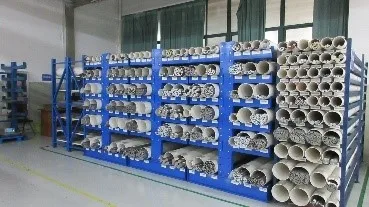
We source medical-grade titanium alloy (Ti-6Al-4V ELI) and UHMWPE directly from world-class suppliers, carrying strict mill certification and chemical composition validation protocols.
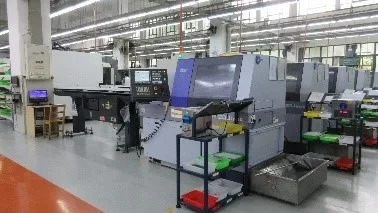
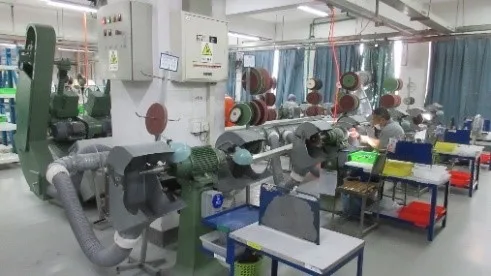
Advanced German CNC milling centers fabricate implants with dimensional tolerances tighter than 5 microns, ensuring a perfect match between trial templates and clinical outcomes.
Our proprietary Hydroxyapatite (HA) coating process achieves optimal micro-porosity levels, enhancing secondary biological fixation and rapid bone ingrowth in cementless models.
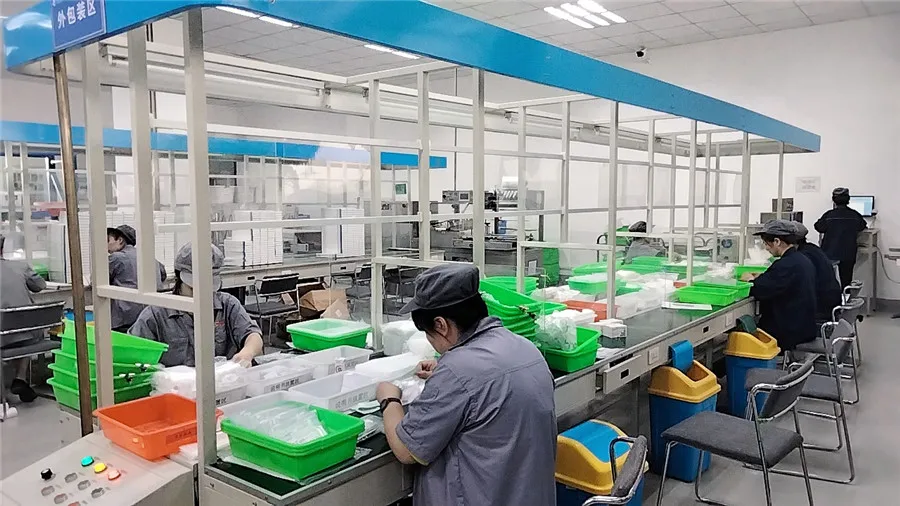
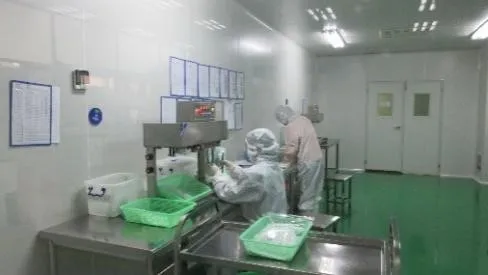
All implants are cleaned, assembled, and packaged in controlled ISO Class 7 cleanrooms (Class 10,000) before undergoing validated ethylene oxide (EO) or Gamma-ray sterilization.
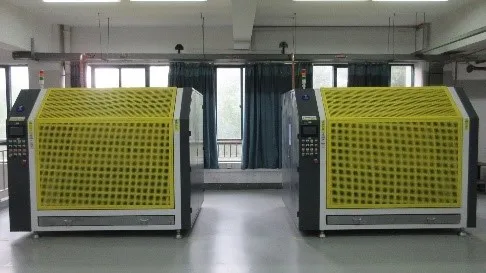
Our 29,523-square-meter facility represents the state-of-the-art in medical engineering. By integrating advanced production equipment with strict vertical supply chain control, we offer Panamanian partners a rare combination: premium materials (CoCrMo, Ti6Al4V ELI, UHMWPE) and competitive, factory-direct pricing.
Our manufacturing protocols comply with both the older European Medical Device Directive (MDD 93/42/EEC) and the new, more rigorous Medical Device Regulation (MDR 2017/745). This dual-compliance framework ensures that every implant is accepted across all hospitals in Latin America, including private networks with strict Western-centric clinical standards.
We understand that joint replacement surgery requires more than just high-quality implants. We also supply custom surgical instrumentation kits (both reusable and single-use) that allow surgeons in Panama City, David, and Santiago to operate with confidence and precision.
A rigorous regulatory profile verified by top-tier global notification bodies, ensuring trust and clinical reliability.
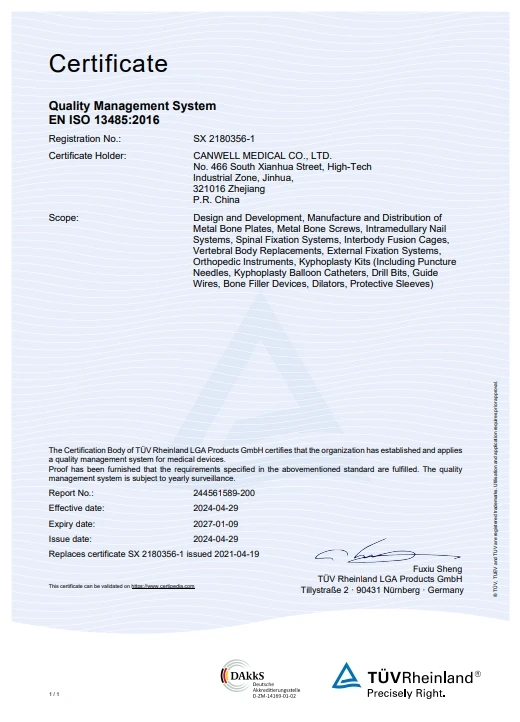 ISO 13485
SX 2180356-1
ISO 13485
SX 2180356-1
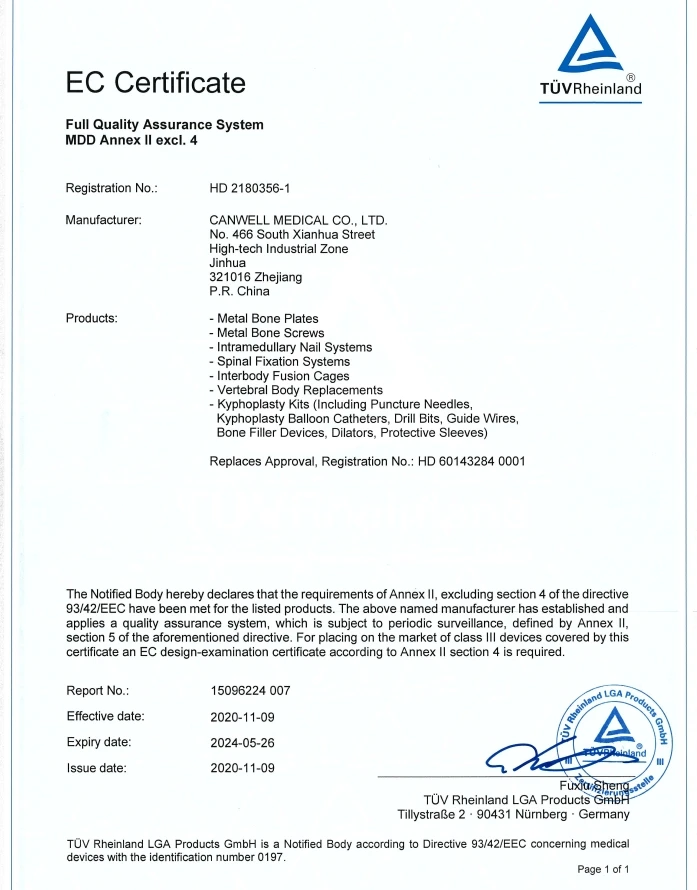 93/42/EEC
HD 2180356-1
93/42/EEC
HD 2180356-1
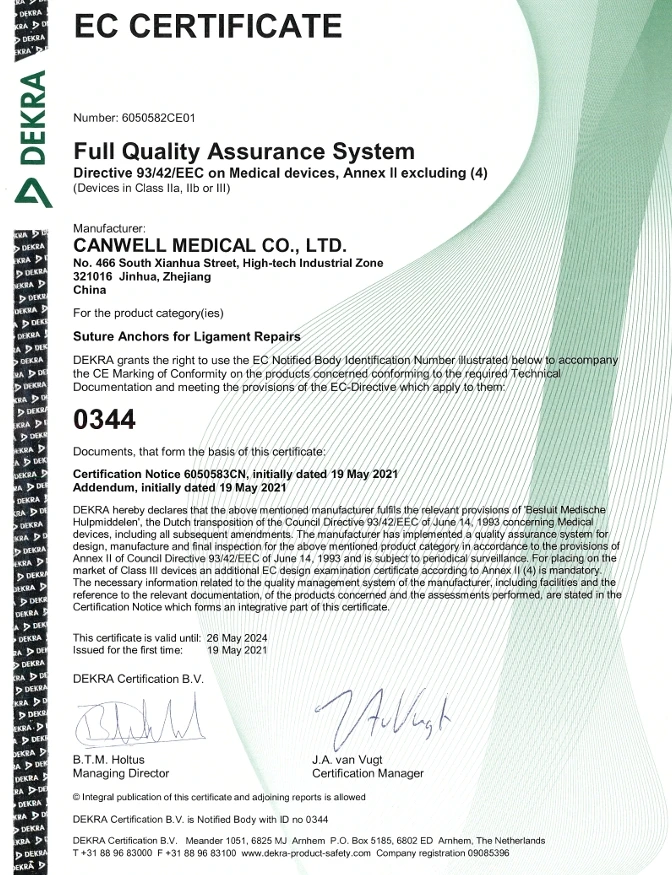 93/42/EEC (CE)
6050582CE01
93/42/EEC (CE)
6050582CE01
 EU MDR
6142788CE02
EU MDR
6142788CE02
Our factory performs 100% inspection on all finished joint components, utilizing coordinate measuring machines (CMM), optical comparators, and automated surface roughness analyzers. We employ 69 dedicated QA/QC inspectors tracking product genealogy from raw titanium barstocks to sterile-packed blister boxes, assuring full compliance with Panama's Ministry of Health (MINSA) import specifications.
Innovations driven by aging populations, increased demand for durability, and the shift towards outpatient joint replacement surgeries.
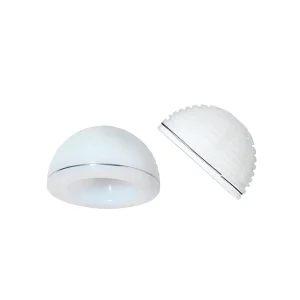
Addressing the challenge of dislocation in older active patients, dual-mobility hip designs combine large articulation diameters with low wear rates. Our acetabular cups feature high-density UHMWPE paired with mirror-polished CoCrMo heads for maximized stability and range of motion.
By mimicking the trabecular structure of cancellous bone, porous titanium implants encourage rapid osseointegration. This modern technology eliminates the need for bone cement in many primary procedures, providing stable fixation and long-term implant survival.
With periprosthetic joint infection (PJI) being a major clinical risk, advanced antibacterial coatings represent the future of implant safety. We are actively developing next-generation surface technologies designed to inhibit biofilm formation without altering core structural integrity.
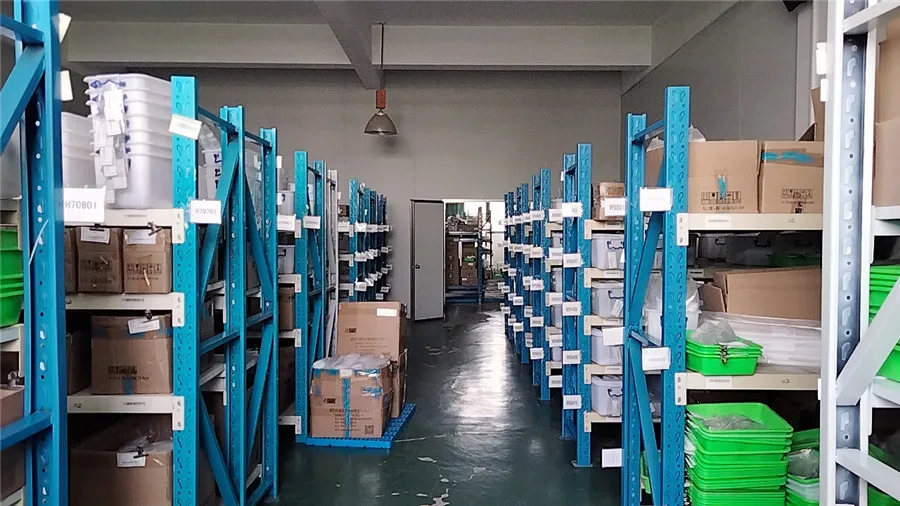
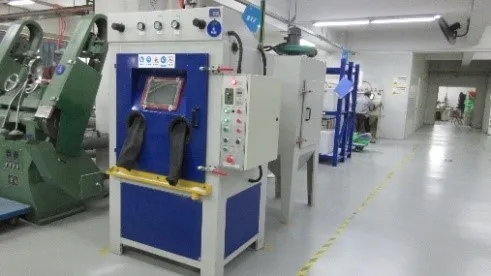
A visual showcase of our state-of-the-art production environments, precise metallurgical labs, and certified packaging facilities.
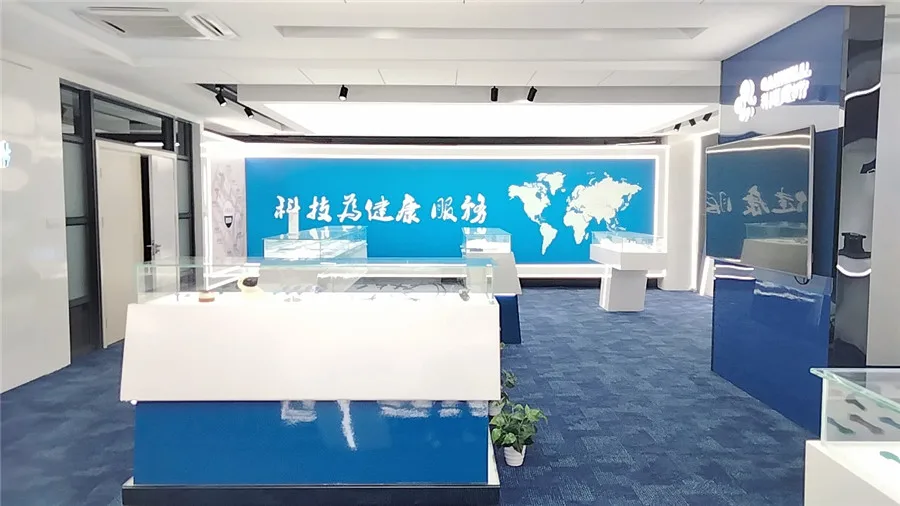
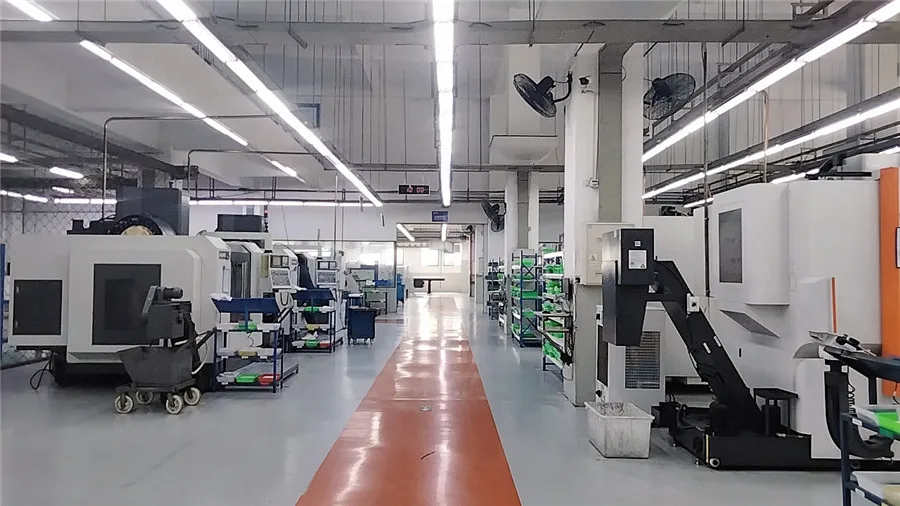
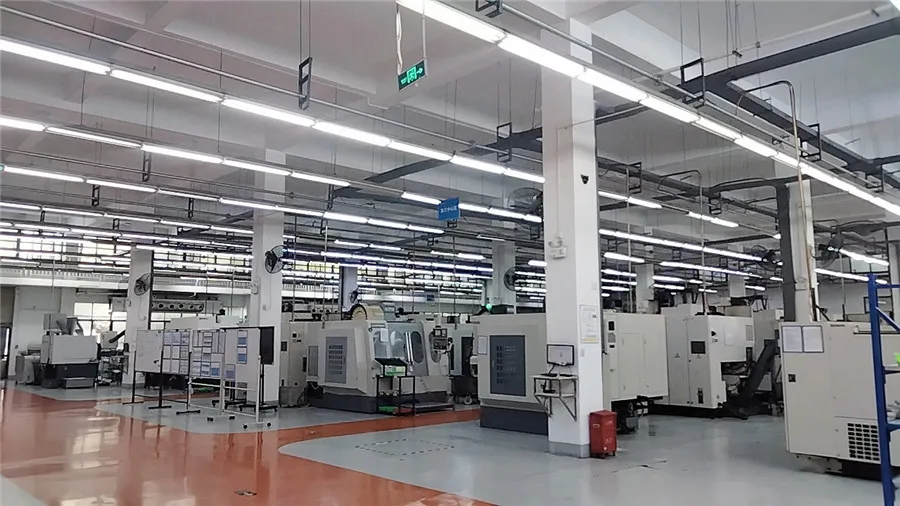
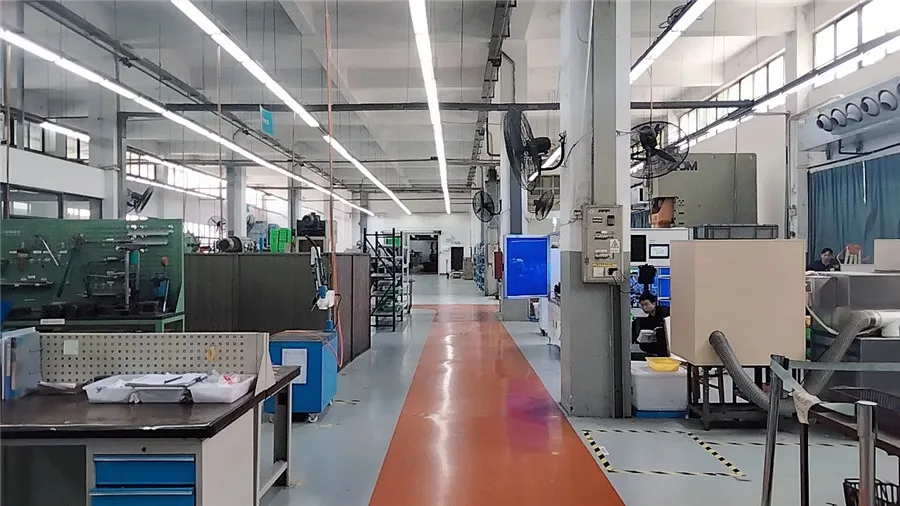
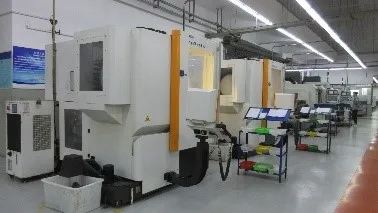
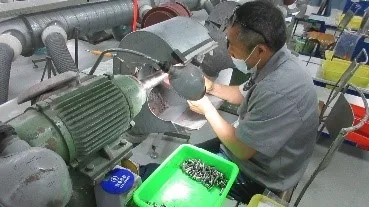


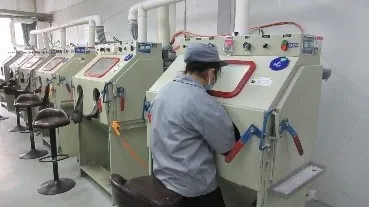



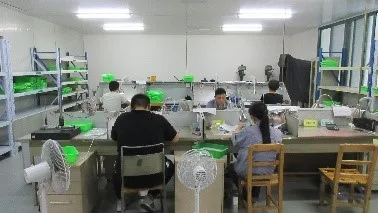
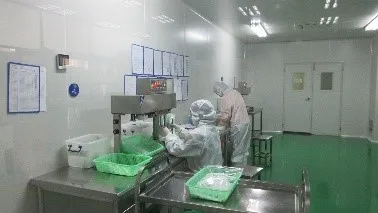

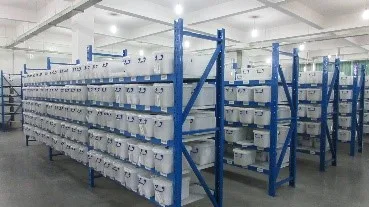
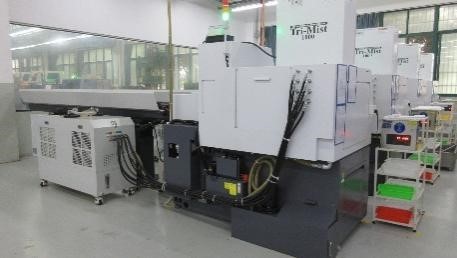
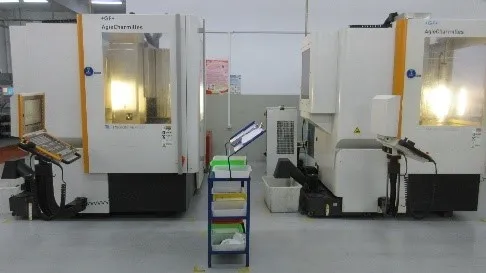



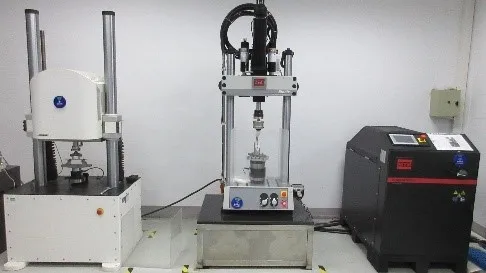
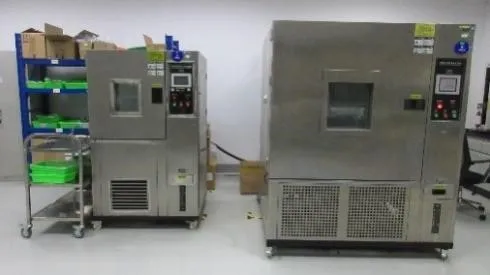
Comprehensive orthopedic portfolio including trauma plates, sports medicine implants, and spinal fusion components.
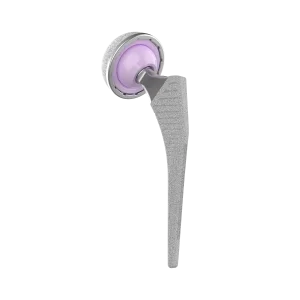

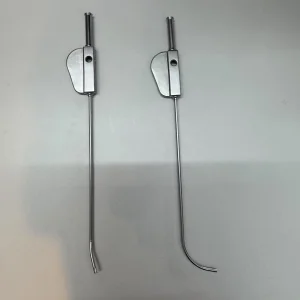
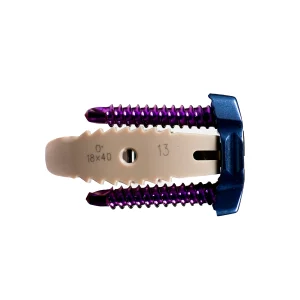
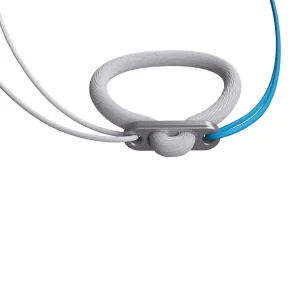
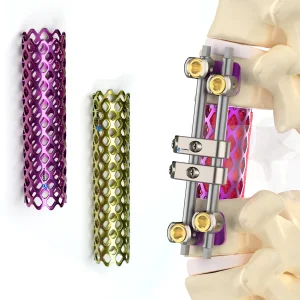
Evaluating primary joint replacement challenges across the specific climate and regional healthcare systems of Panama.
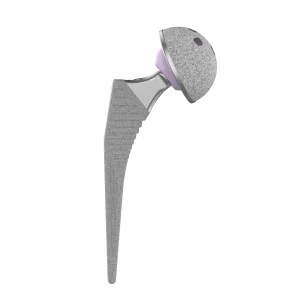
A key clinical pattern highlighted by Panamanian orthopedic surgeons is the declining average age of arthroplasty patients. This requires implants capable of resisting high mechanical stress over decades. Our titanium stems feature plasma-sprayed Hydroxyapatite (HA) coating over a rough titanium grit-blasted surface, providing optimal initial press-fit stability and accelerating osteointegration to minimize aseptic loosening.
While central hospitals in Panama City enjoy immediate access to local medical suppliers, institutions in distant provinces (such as Chiriquí, Bocas del Toro, and Veraguas) face logistical challenges. Our customized, single-use surgical instrument kits and complete joint replacement systems are organized to ensure surgeons have all components ready without cleanroom-to-site sterilization delays.
Detailed technical, regulatory, and logistics answers for medical device distributors, procurement managers, and surgeons in Panama.
 Harney-Well