Engineered with medical-grade materials, offering high clinical efficacy and long-term wear resistance for orthopedic arthroplasty procedures.
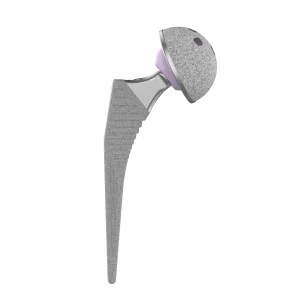
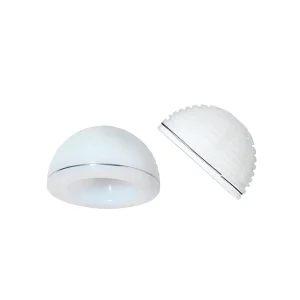
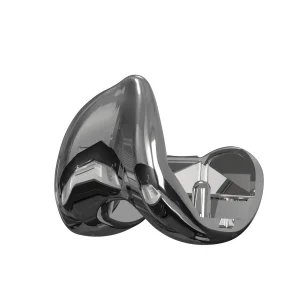
The demand for specialized orthopedic implants, specifically total hip arthroplasty (THA) and total knee arthroplasty (TKA), is witnessing a pivotal transition in West Africa. In Burkina Faso, regional medical hubs such as the Cascades Region (with Banfora as its administrative capital) are actively modernizing their surgical infrastructures. Traditionally, access to high-performance, long-lasting orthopedic implants was limited by strict logistics, high cost margins, and lack of localized supply channels.
Today, Banfora's healthcare facilities—including regional hospitals and emerging private specialty clinics—require reliable, medical-grade components designed to address localized healthcare challenges. Orthopedic trauma, chronic joint degeneration resulting from intensive physical work, and congenital joint disorders require devices that combine advanced tribological designs with affordable pricing structure. For medical professionals operating in Banfora, acquiring CE-marked and MDR-compliant implants is no longer just a regulatory preference, but an absolute clinical necessity to prevent revision surgeries and ensure patient mobility.
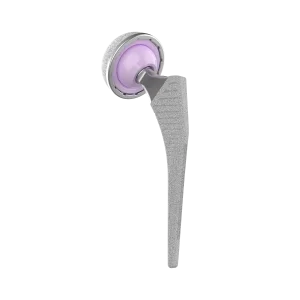
“Surgical longevity and biological integration are the twin pillars of successful arthroplasty in developing medical economies. The deployment of high-grade Titanium stems and Ultra-High-Molecular-Weight Polyethylene (UHMWPE) cups ensures that patients in Banfora receive the exact same standard of care as those in Berlin or New York.”
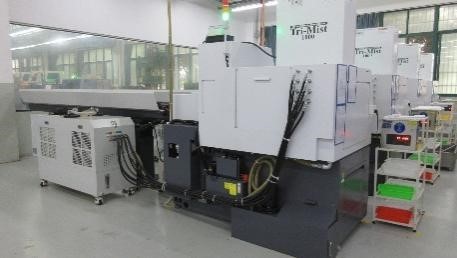
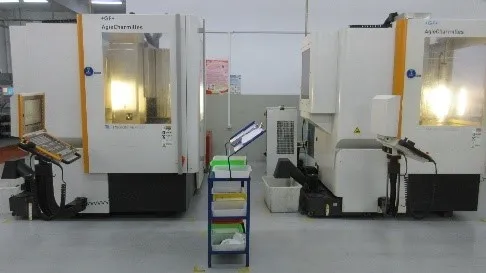
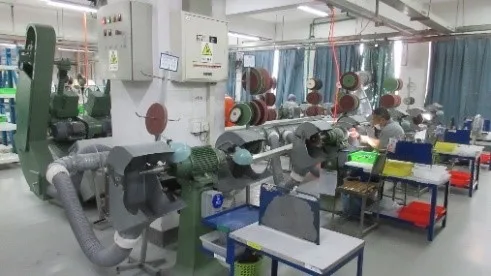
Globally, the manufacture of orthopedic implants is highly centralized among a few global facilities that possess the high-precision machinery needed for grinding, polishing, and coating cobalt-chromium-molybdenum (CoCrMo) alloys and pure titanium (Ti) or titanium-aluminum-vanadium (Ti6Al4V) alloys.
To establish a secure pipeline for these class III medical devices to the Banfora market, global manufacturers must coordinate closely with local medical distributors, hospital procurement agencies, and national regulatory bodies like the Agence Nationale de Régulation Pharmaceutique (ANRP) in Burkina Faso. Because local manufacturing in the sub-Saharan region is still developing, partnering with established international factories that possess verified certifications is the primary method to secure inventory stability. This cross-border integration ensures that medical facilities in Banfora bypass intermediate markups while maintaining immediate access to vital trauma kits, external fixators, and total joint replacement instruments.
Arthroplasty success depends on three primary fields of technical development:
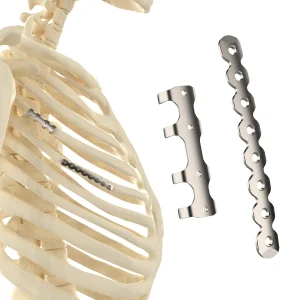
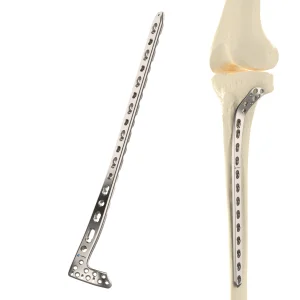
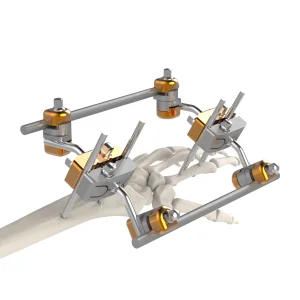
Modern healthcare providers in Banfora deal with varied clinical pathologies. For instance, high-impact traffic accidents on regional transit corridors necessitate robust trauma implants like external fixator systems (such as the compact 11mm Hoffmann systems) and low-profile distal tibial locking plates.
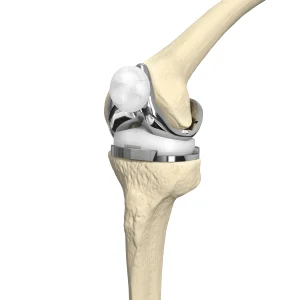
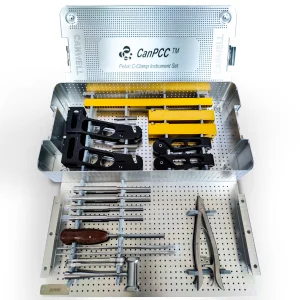
Concurrently, chronic knee osteoarthritis—prevalent among rural agricultural laborers in the region—demands robust, long-lasting Total Knee Arthroplasty (TKA) kits. By supplying comprehensive instrument sets alongside the actual titanium and cobalt-chrome implants, manufacturers reduce the surgical stress for operating room staff and decrease surgical times, minimizing the risk of postoperative infections in hospitals.
Reliable production lines delivering ISO 13485 and MDR-compliant orthopedic solutions globally for over two decades.
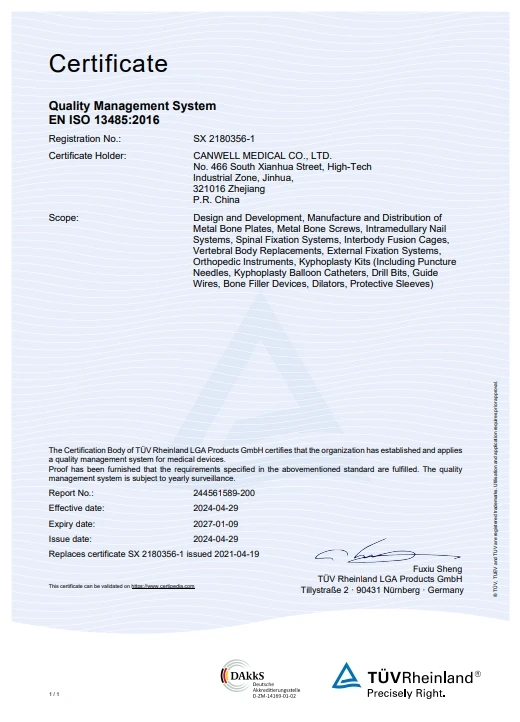 ISO 13485
SX 2180356-1
ISO 13485
SX 2180356-1
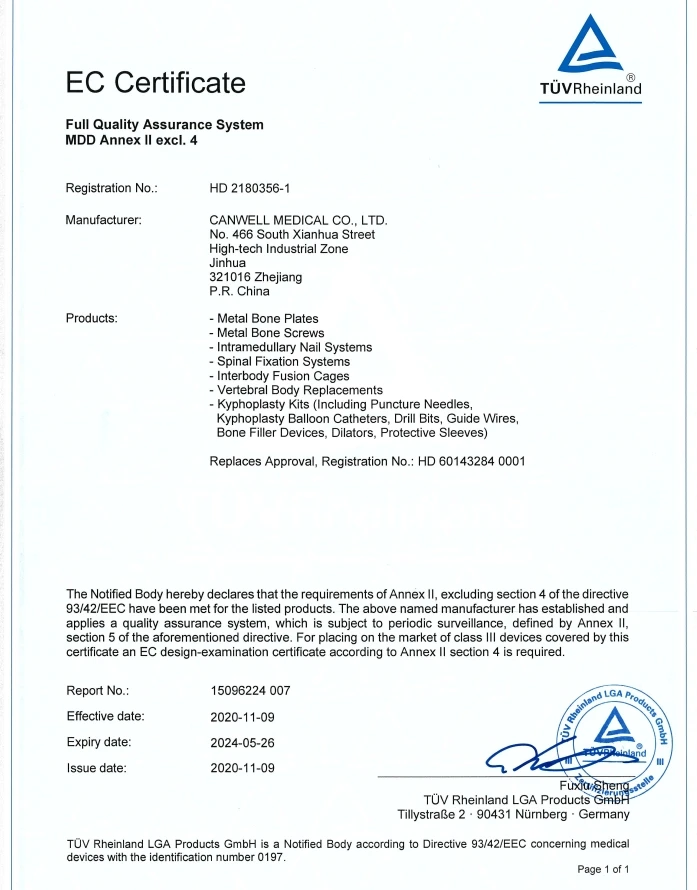 93/42/EEC CE
HD 2180356-1
93/42/EEC CE
HD 2180356-1
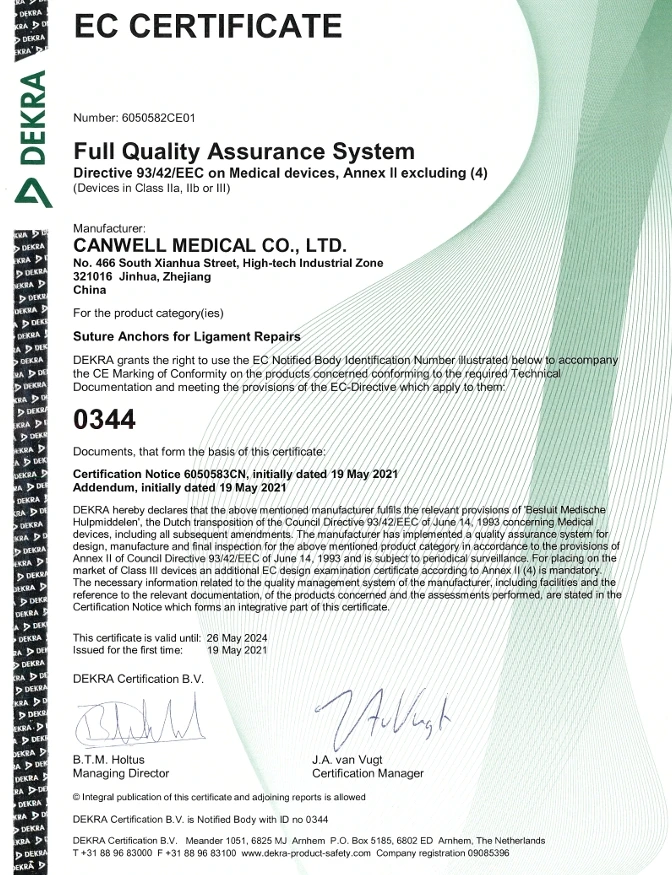 CE Mark
6050582CE01
CE Mark
6050582CE01
 EU MDR Compliant
6142788CE02
EU MDR Compliant
6142788CE02
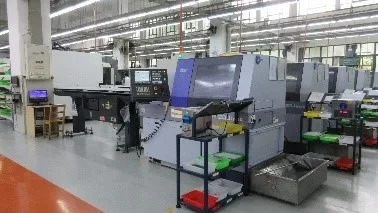
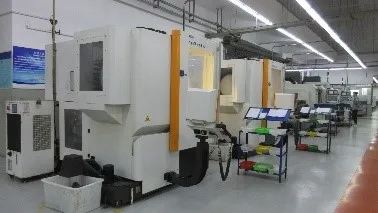
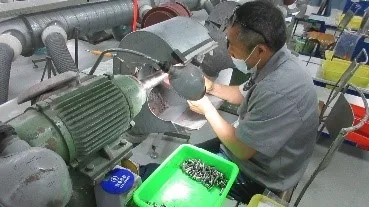
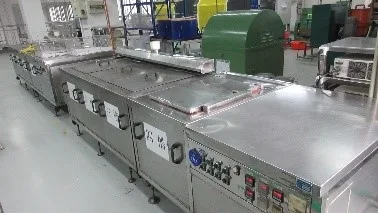
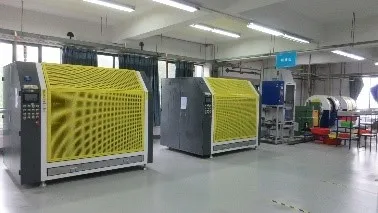
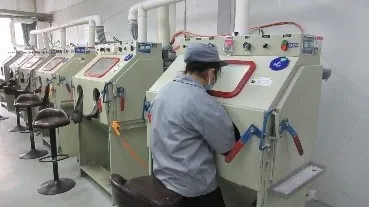
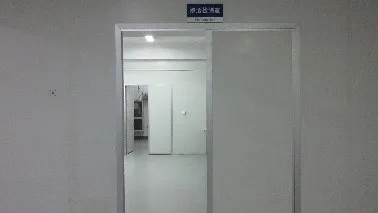
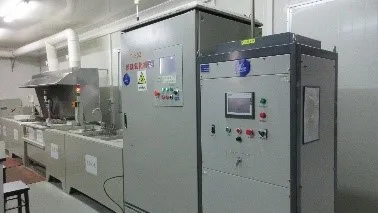
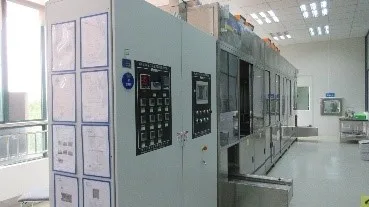
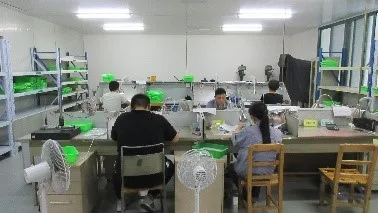
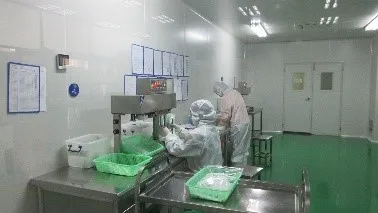
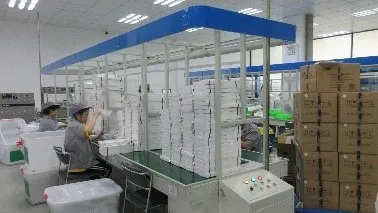
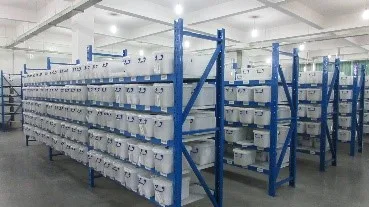
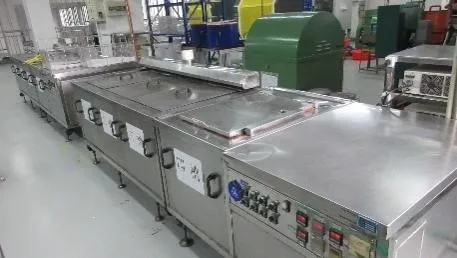
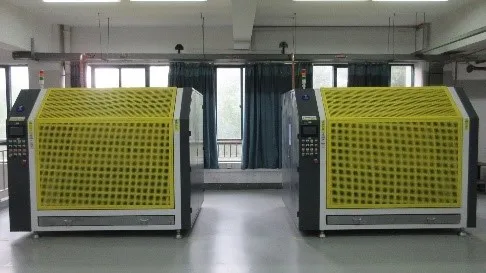
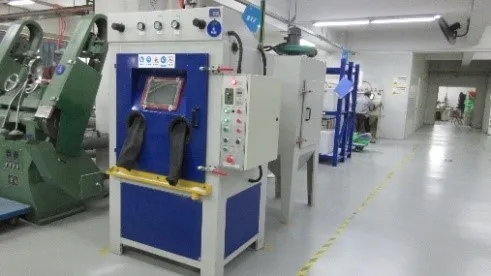
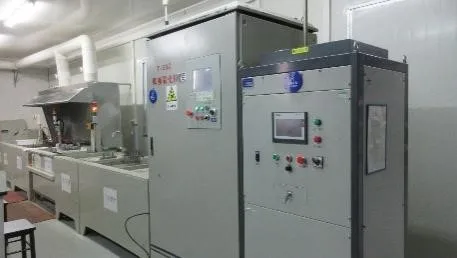
Direct snapshot profiles of our 29,523 square meter manufacturing workshops, ISO clean rooms, and structural testing equipment.
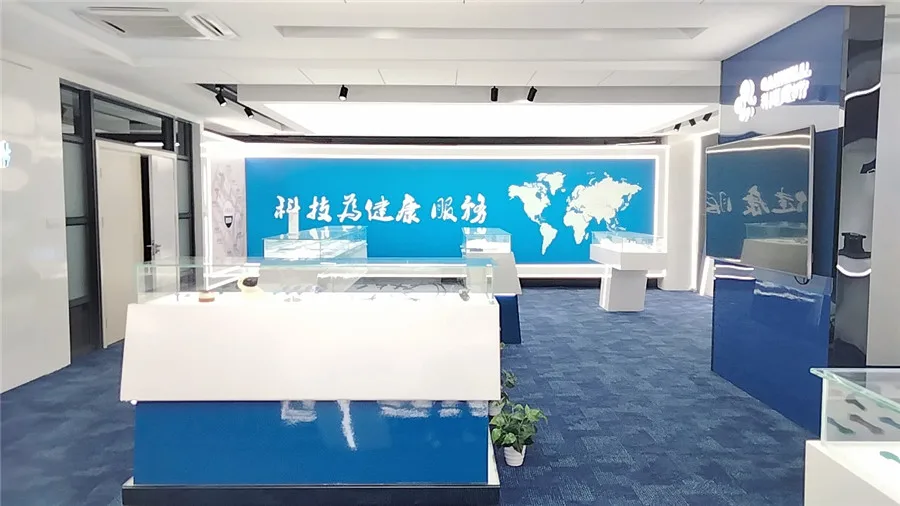
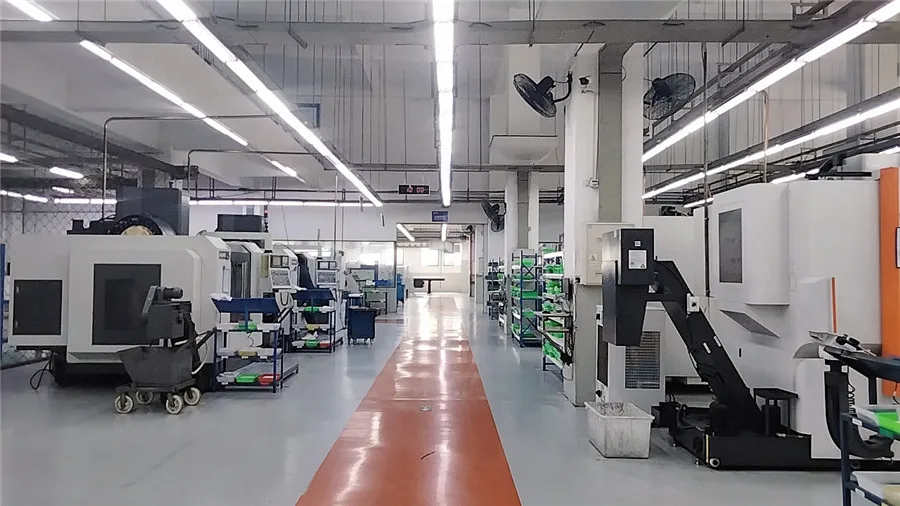
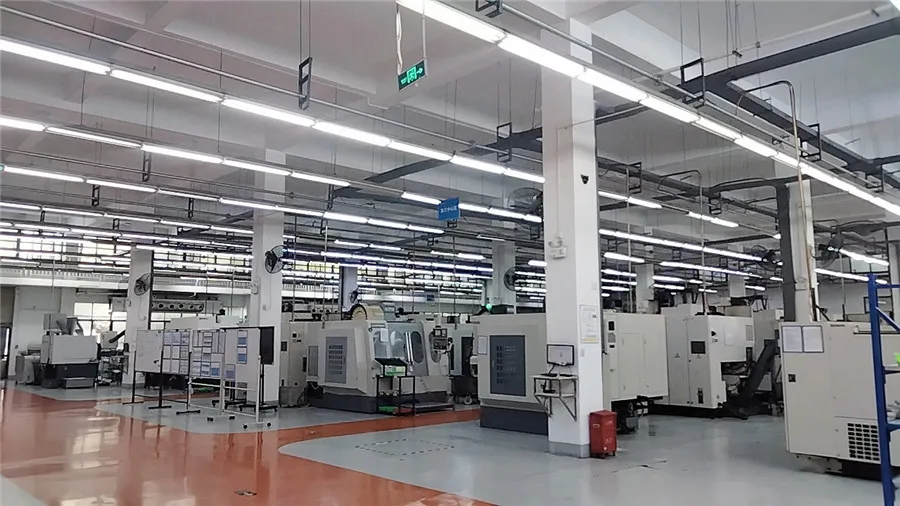
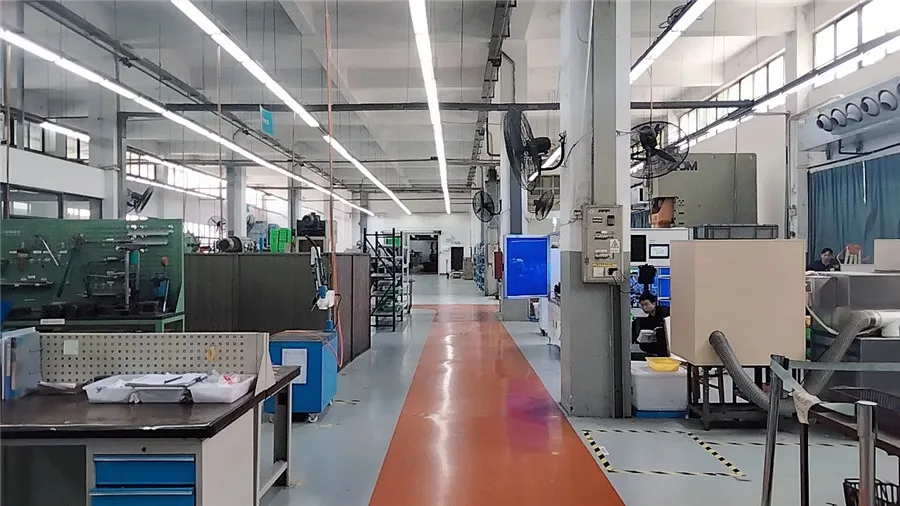
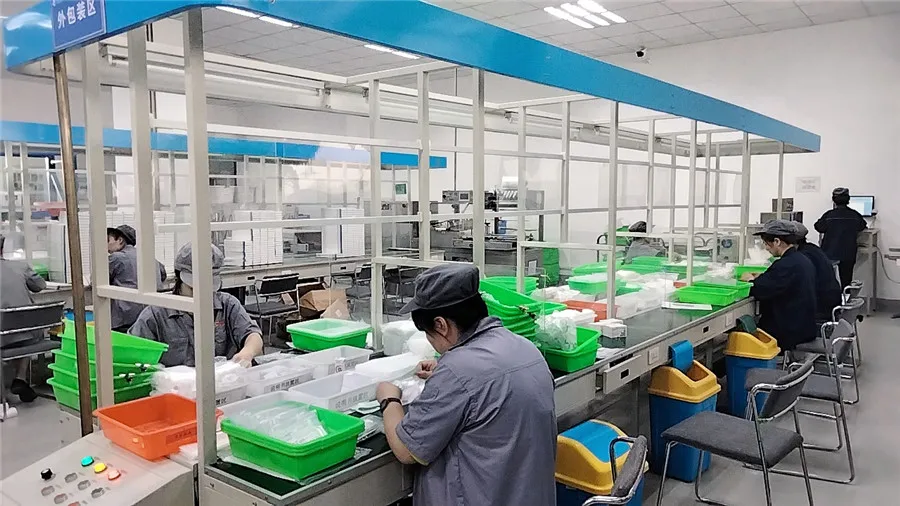
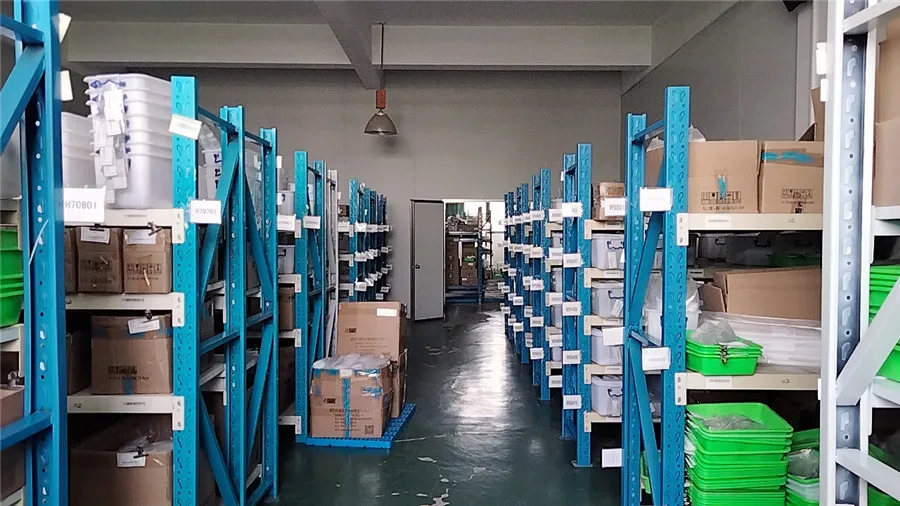
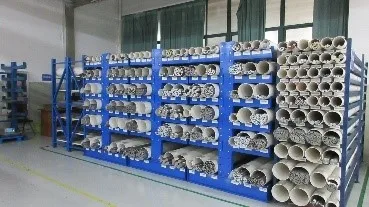
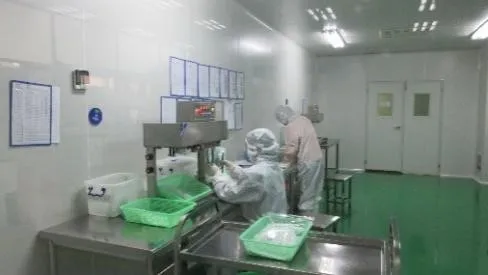
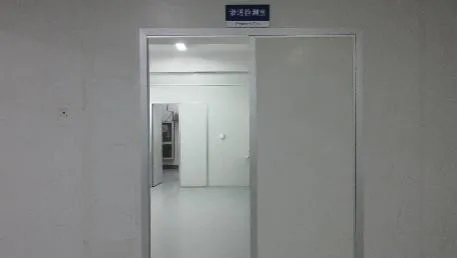
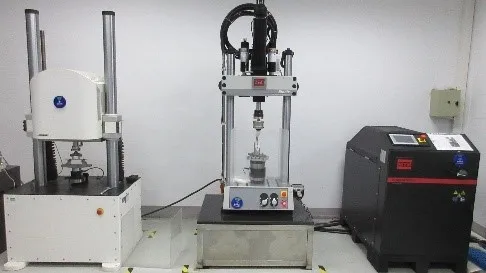
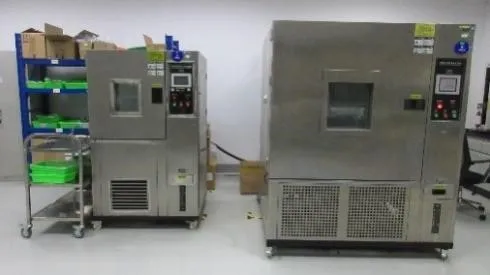
Comprehensive orthopedic trauma, joint stabilization, and sports medicine implant kits optimized for regional hospitals in Banfora.
In-depth responses to regulatory compliance, material choices, and delivery logistics for clinics in Burkina Faso and the wider ECOWAS region.
 Harney-Well