Analyzing local healthcare realities, infrastructure growth, and the structural demand for cost-effective, high-tier trauma solutions.
The Indonesian archipelago, with a population exceeding 275 million, presents unique epidemiological challenges in orthopedic trauma care. As urbanization accelerates and major transit systems expand across Java, Sumatra, and Bali, the incidence of road traffic accidents (RTAs)—particularly involving two-wheeled vehicles—has surged. Clinical audits from apex trauma facilities, such as Rumah Sakit Umum Pusat Nasional (RSUPN) Dr. Cipto Mangunkusumo in Jakarta and RSUD Dr. Soetomo in Surabaya, report that diaphyseal fractures of the femur and tibia make up a vast majority of emergency orthopedic admissions.
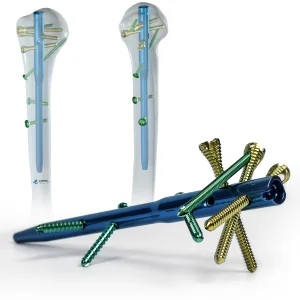
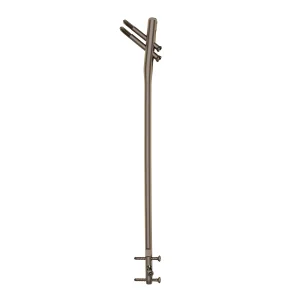
Under the national health insurance scheme, BPJS Kesehatan (Badan Penyelenggara Jaminan Sosial Kesehatan), access to surgical stabilization has expanded exponentially. However, this has placed immense fiscal pressure on public and private hospital groups (such as Siloam, Hermina, and Mayapada Networks) to procure implants that deliver uncompromising clinical success while fitting within strict DRG (Diagnosis-Related Group) reimbursement limits. Our titanium intramedullary nails address this exact market need, providing premium biomechanical stability at a sustainable price point.
Premium trauma implants optimized for local anatomical profiles and typical emergency room indications.
Importing orthopedic medical devices into Indonesia requires strict compliance with the Indonesian Ministry of Health (Kementerian Kesehatan Republik Indonesia). Any orthopedic implant distributed in local clinical operations must obtain an official AKL (Alat Kesehatan Luar Negeri) registration number.
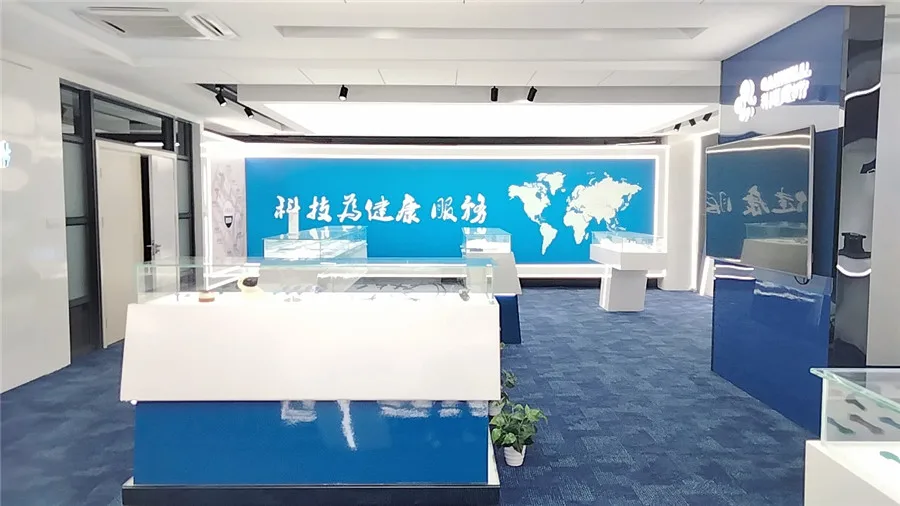
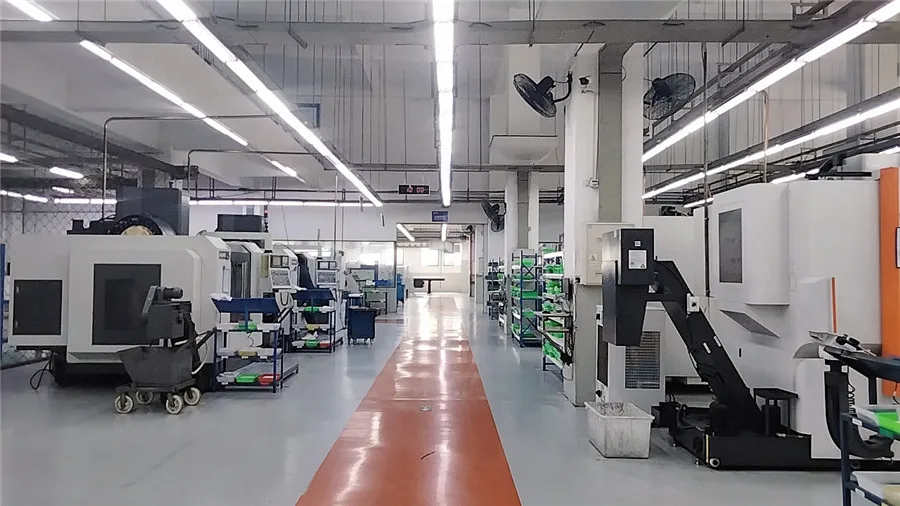
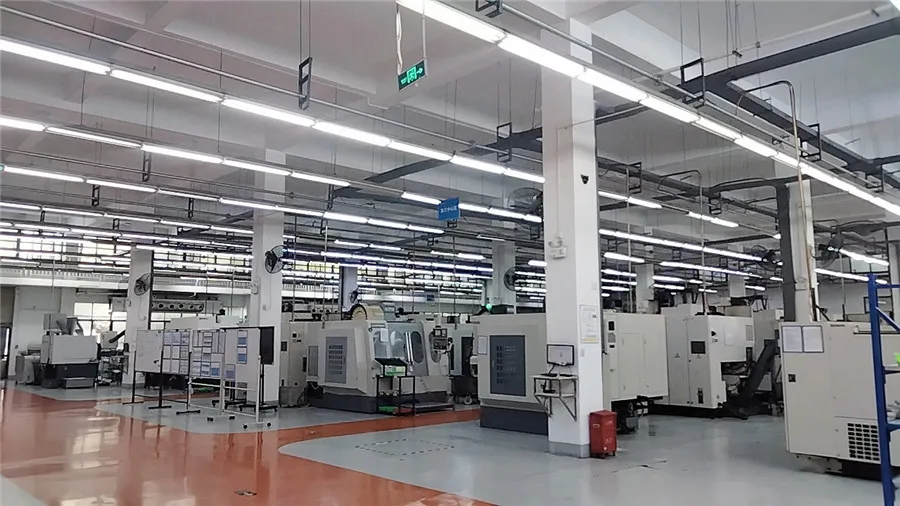
Combining world-class Swiss machining with highly optimized logistical pathways for the Southeast Asian medical sector.
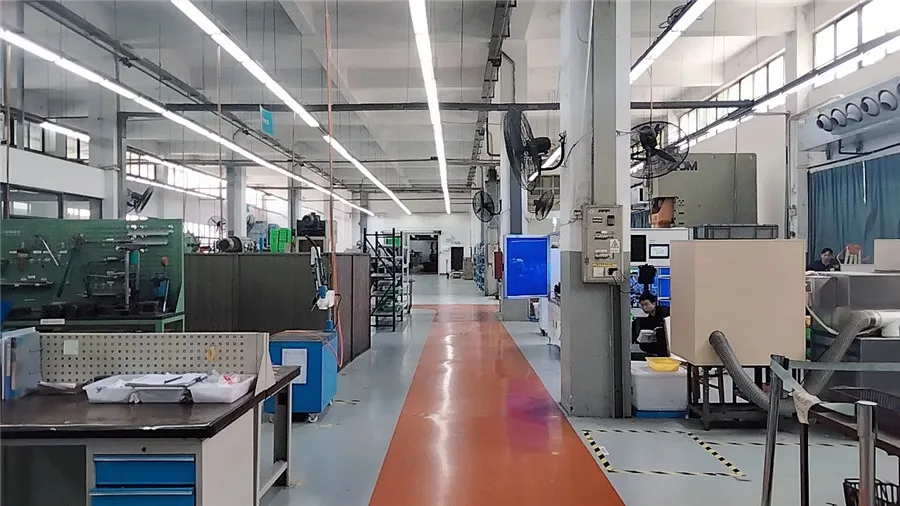
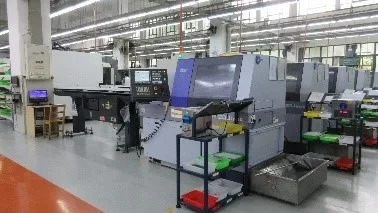
We utilize precision Star and Citizen CNC sliding headstock lathes to execute complex multi-axis milling. This guarantees consistent geometric tolerances within +/- 0.01mm, ensuring flawless fitment of locking screws within the intramedullary nail channels during stressful operative procedures.
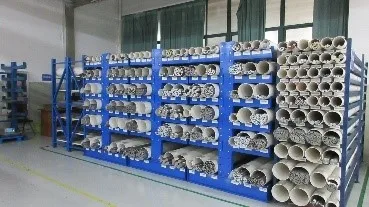
Every single batch of medical-grade titanium (Ti-6Al-4V ELI conforming to ASTM F136 and ISO 5832-3) undergoes strict mechanical and chemical verification. Mill test certificates are logged and retained, providing local Indonesian doctors and legal representatives 100% confidence in structural integrity.
Located in the manufacturing heartlands of China, we provide highly competitive containerized and airfreight logistical structures directly to major ports of entry in Indonesia, including Port of Tanjung Priok (Jakarta) and Port of Tanjung Perak (Surabaya), reducing lead times to under 30 days.
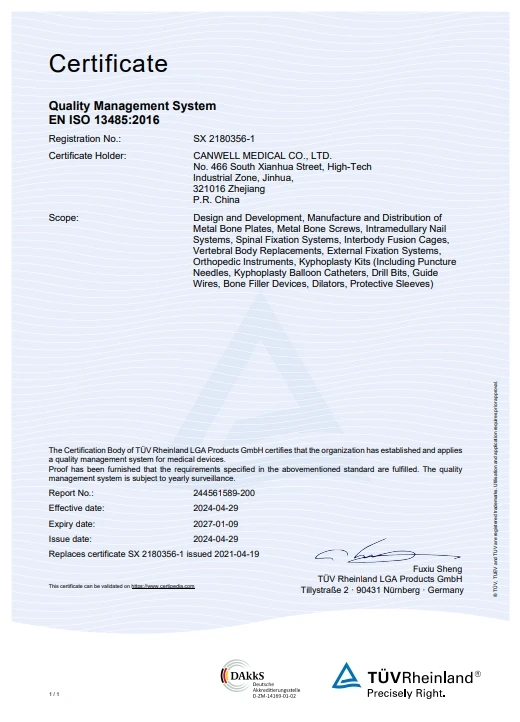
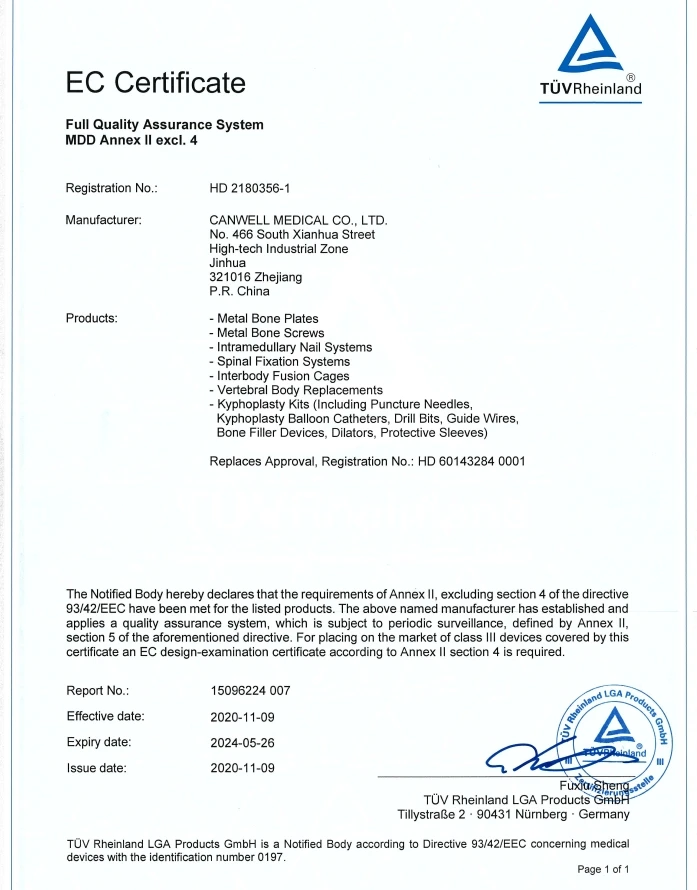
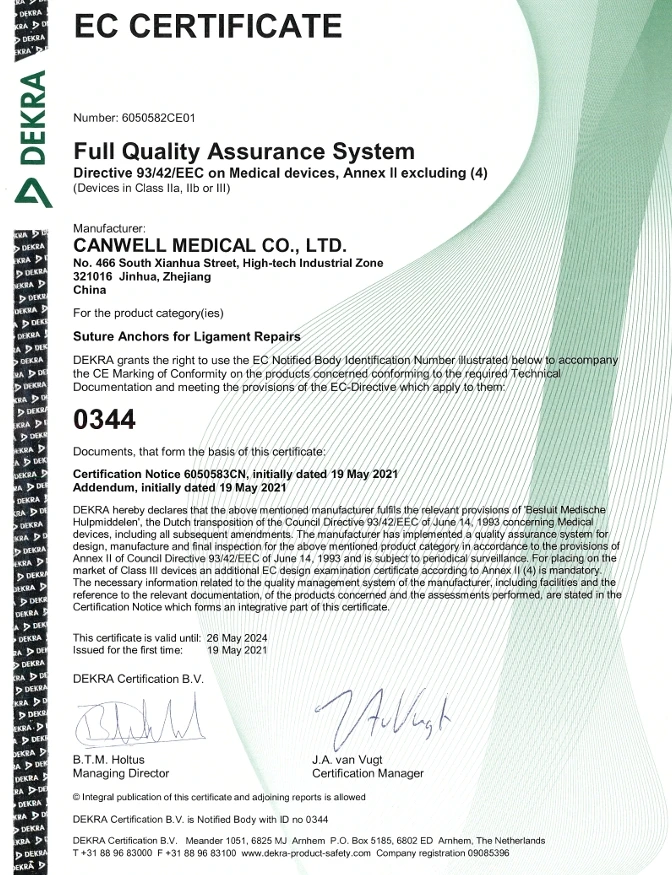
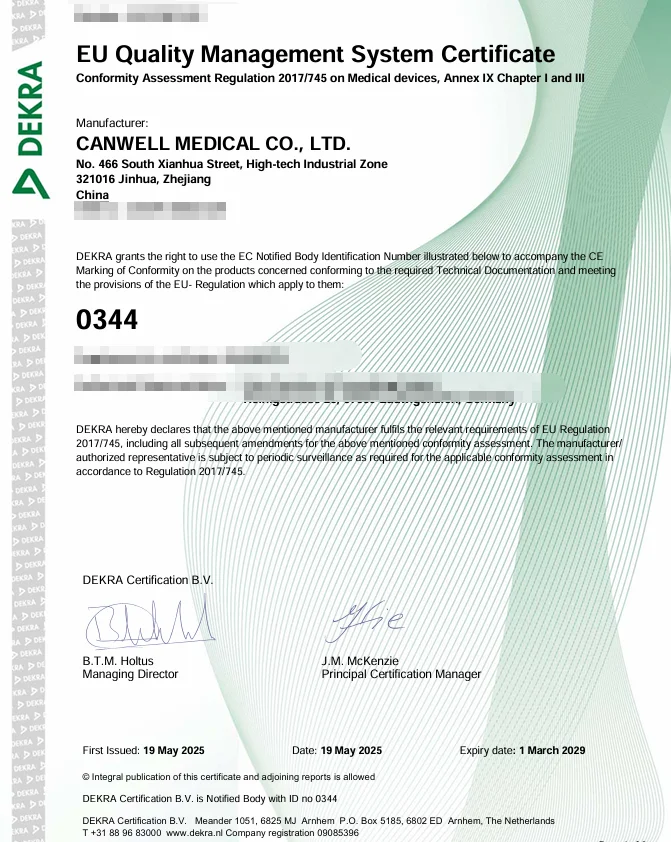
A transparent presentation of our global operating footprint, certifications, and compliance credentials.
Designing implant lines that correspond structurally to the unique needs of Southeast Asian patients.
Clinical anthropometry research suggests that Asian femur and tibia geometries differ slightly from Western counterparts, particularly regarding the anterior curvature radius of the femur and proximal canal dimensions. Our R&D team, composed of 59 specialized medical engineers, has optimized the anatomical curves of our standard and expert interlocking nail designs to prevent anterior cortical impingement during insertion in Indonesian patients.
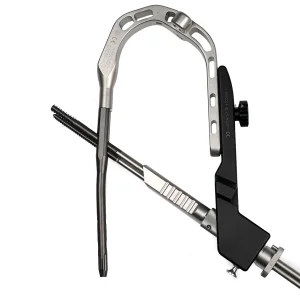
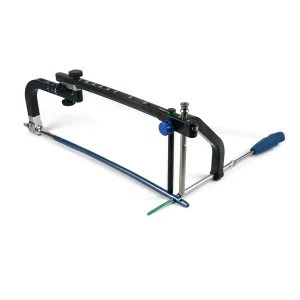
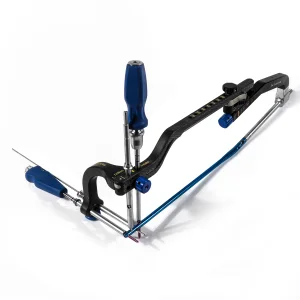
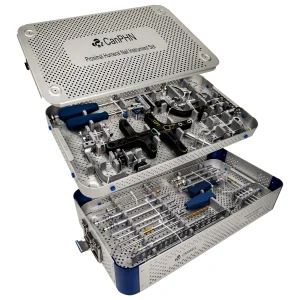
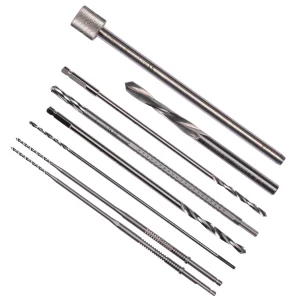
In practice, our titanium nails are heavily utilized in trauma units facing complex fractures. Antegrade and retrograde insertion pathways are well supported by our specialized instrument kits, which are crafted using medical-grade stainless steel (17-4PH) to resist corrosion and degradation during frequent autoclaving sessions in tropical hospital climates. This translates to a longer instrument lifespan and significantly reduced cost per surgery for local distributors supplying hospitals on rental models.
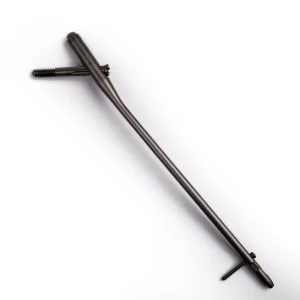
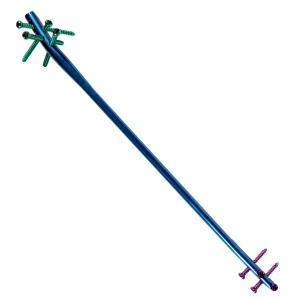
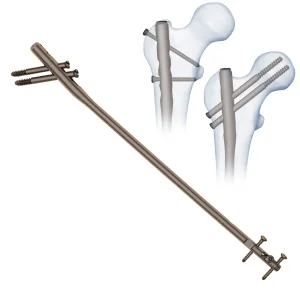
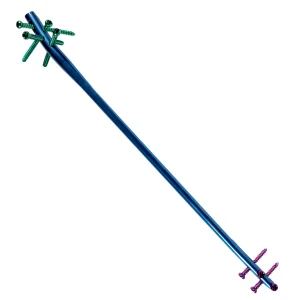
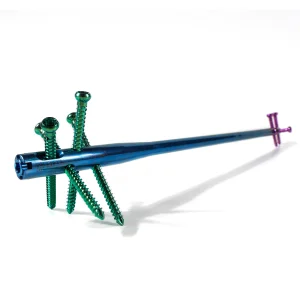
A full portfolio of implants, locking screws, and surgical instruments designed for the complete spectrum of fracture care.
Behind every implant lies a sophisticated quality control structure designed to eliminate surgical failures.
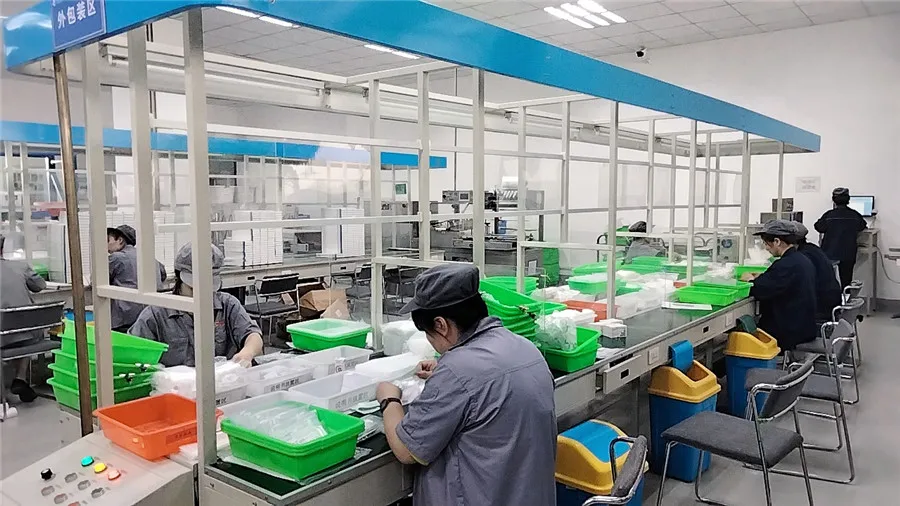
Failure rates in load-bearing implants like intramedullary nails are heavily tied to micro-fissures and material inconsistencies. To combat this, we implement a strict four-tier QA/QC inspection protocol. With 69 dedicated inspectors, every production lot is subjected to: 1) Initial chemical composition spectroscopy analysis of raw titanium bars, 2) Real-time dimensional monitoring using high-precision optical measurement systems during machining, 3) Post-machining ultrasonic cleaning and passivating treatments to enhance corrosion resistance and surface stability, 4) Final visual verification under magnification before packaging in Class 10,000 cleanrooms.
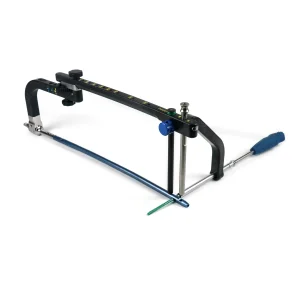
Our commitment to quality extends to clinical partnerships. We provide complete orthopedic instrument sets custom-tailored to the needs of operating room technicians. Whether using antegrade or retrograde targeting devices, our instruments allow surgical teams to lock nails rapidly and securely, reducing time under general anesthesia for the patient.
Crucial regulatory, logistical, and commercial inquiries answered by our international business department.
To register our implants, we provide our local Indonesian distributor partners with a full CSDT dossier set. This includes our ISO 13485 certificate, CE certifications (under MDR/MDD), raw material mill test certificates (conforming to ASTM F136), biocompatibility test results, and mechanical test data (fatigue and static testing under ASTM standards). The distributor uses this data to apply for the AKL code via the Kemenkes online portal.
Yes, we have robust R&D capabilities with 59 engineers. We offer customized length, distal/proximal diameters, and custom nail bend angles to match specific anatomical requirements. We can also custom laser-mark distributor brand names or hospital network identifiers onto the implants, conforming to Class III medical device tracking requirements.
We use implant-grade Titanium Alloy (Ti-6Al-4V ELI) corresponding to ASTM F136 and ISO 5832-3. This material exhibits high tensile strength, excellent fatigue resistance, and superior biocompatibility compared to 316L stainless steel, significantly lowering the risk of post-operative failure and revision surgeries.
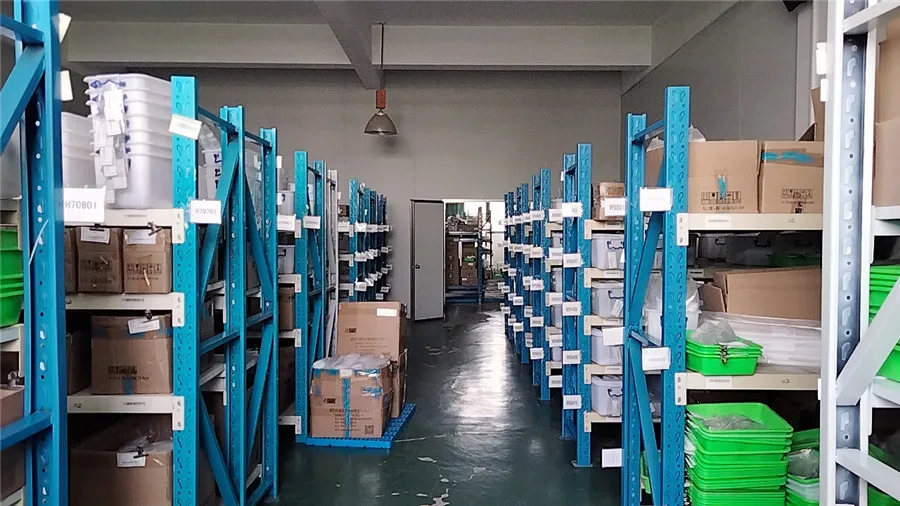
Every single implant is laser-marked with a unique lot number and barcode. This ensures complete traceablity from the raw titanium bar stock, through the CNC machining process, the sterile packaging line, and ultimately to the end operating theater where the patient receives the device. 100% of our products undergo thorough visual and dimensional checks before shipping.
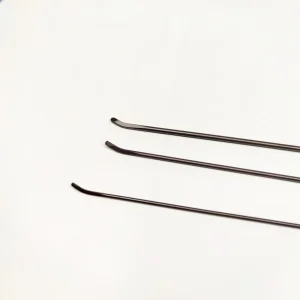
Yes, we supply independent trauma instrument sets for femoral, tibial, humeral, and elastic nail systems. The instruments are made of highly durable surgical stainless steel, engineered to withstand repeated cleaning, disinfecting, and steam sterilization procedures common in Indonesian hospitals.
 Harney-Well