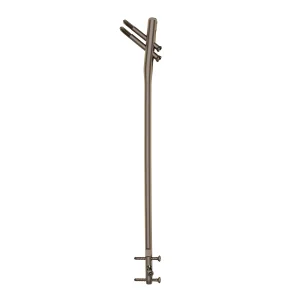
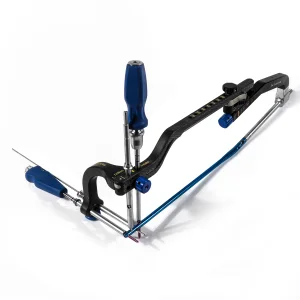
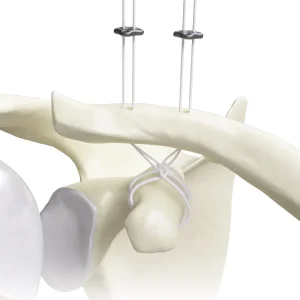
Select Class III titanium intramedullary implant systems designed for standard and complex fracture fixations in femoral, pediatric, and humeral procedures.
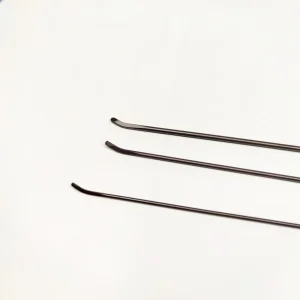
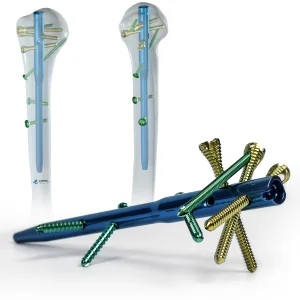
The Berlin metropolitan region stands as a premier medical hub in Europe, anchored by institutions like the Charité - Universitätsmedizin Berlin, one of the continent's largest university hospitals. In addition to massive public clinical networks such as Vivantes, Berlin hosts a dense concentration of specialized outpatient surgery centers and private orthopaedic clinics. This sophisticated medical network demands a zero-failure supply chain for osteosynthesis and trauma stabilization systems, particularly intramedullary nails.
As the German healthcare system transitions through structural reforms aimed at maximizing cost efficiency without compromising surgical outcomes, hospital purchasing departments (Einkaufsgenossenschaften) and medical distributors are shifting their attention to high-value medical device manufacturers. The reliance on legacy, premium-priced domestic medical brands is increasingly complemented by global partners capable of offering CE-certified, MDR-compliant implants that exhibit identical metallurgical properties and clinical success rates at a sustainable cost structure.
SEO Insight & Clinical Fact: Under the European Medical Device Regulation (MDR 2017/745), German trauma departments enforce strict material traceability. Implants fabricated from Ti-6Al-4V ELI (Extra Low Interstitial) alloy per ASTM F136 standards represent the gold standard in Berlin due to superior fatigue resistance and excellent biocompatibility, ensuring optimal osseointegration and minimal revision risk.
Modern clinical traumatology in Western Europe is heavily influenced by two demographic realities: an aging population prone to osteoporotic fragility fractures (particularly proximal femur and hip fractures) and a highly active younger population involved in urban mobility and extreme sports, which accounts for high-velocity tibial and humeral diaphyseal fractures. Globally, the demand for intramedullary nails is shifting toward systems that enable minimally invasive surgical (MIS) approaches, such as the suprapatellar insertion technique for tibial nails, which preserves patellofemoral cartilage and accelerates patient rehabilitation.
For medical devices sourcing, hospital procurement officers seek robust data-driven metrics. Key pain points in implant sourcing involve raw material traceability, tolerance limits of CNC machining, structural thickness variations, and instrument kit modularity. Intramedullary nails must perform dynamically under rotational and axial loads within the medullary canal. Below is the technical structural breakdown of our standard trauma solutions serving Germany and neighboring markets.
| Implant System Type | Material Grade | Standard Sizes Available | Locking Configurations | Key Clinical Indications |
|---|---|---|---|---|
| Femoral Interlocking Nails | Titanium Alloy (Ti-6Al-4V ELI) | Dia: 9.0 - 11.5mm | L: 320 - 420mm | Dynamic / Static Locking (Antegrade/Retrograde) | Subtrochanteric, mid-shaft, & distal femur fractures |
| Tibial Intramedullary System | Unalloyed Titanium / Ti Alloy | Dia: 8.0 - 10.5mm | L: 280 - 380mm | Multi-lock configurations (Supra/Infrapatellar) | Tibial shaft fractures, metaphyseal stabilization |
| Proximal Femoral (PFNA Type) | Titanium Alloy (Ti-6Al-4V ELI) | Dia: 9.0 - 12.0mm | L: 170 - 240mm (Short) | Helical blade, dynamic distal slot | Pertrochanteric & intertrochanteric hip fractures |
| Multi-Lock Humeral Nails | Titanium Alloy (Ti-6Al-4V ELI) | Dia: 7.0 - 9.0mm | L: 180 - 280mm | Proximal multi-angle locking, distal targeting | Proximal humeral fractures, humeral shaft nonunion |
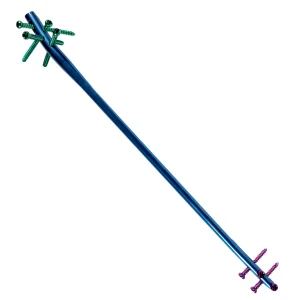
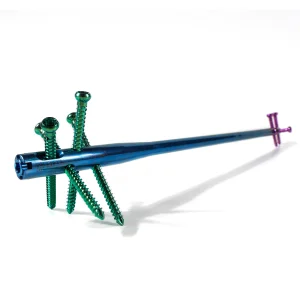
Every single CANWELL implant complies with strict dimensional margins. Surface treatment options include anodizing (type II color anodization) to facilitate clear implant size identification directly in the sterile zone of the operating room. Through advanced coordinate measuring machines (CMM) and rigorous fatigue testing, we guarantee our orthopedic screws, interlocking nails, and plates interface seamlessly with our customized surgical instrumentation sets.
Direct accountability and transparent factory metrics define our status as a trusted partner for Berlin medical supply chains. Below are our audited manufacturing capabilities, engineering resources, and compliance certifications.
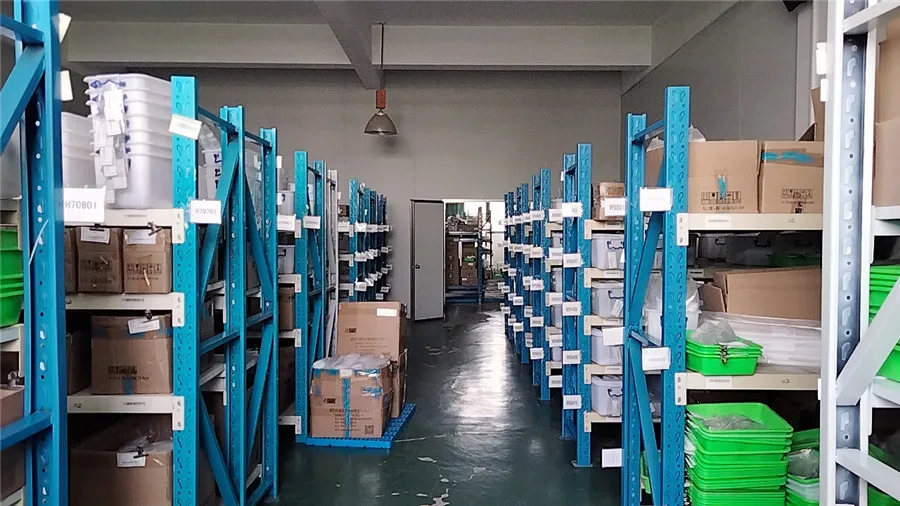
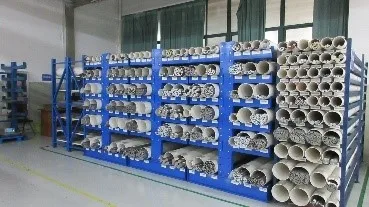
We execute strict raw material validation on every batch of medical titanium bars imported. Product inspection methods consist of: 100% inspection of critical specifications on all product lines, random batch audits, and specific customized testing protocols aligned with German hospital requirements. Traceability documents are maintained throughout the entire life cycle of each orthopedic nail.
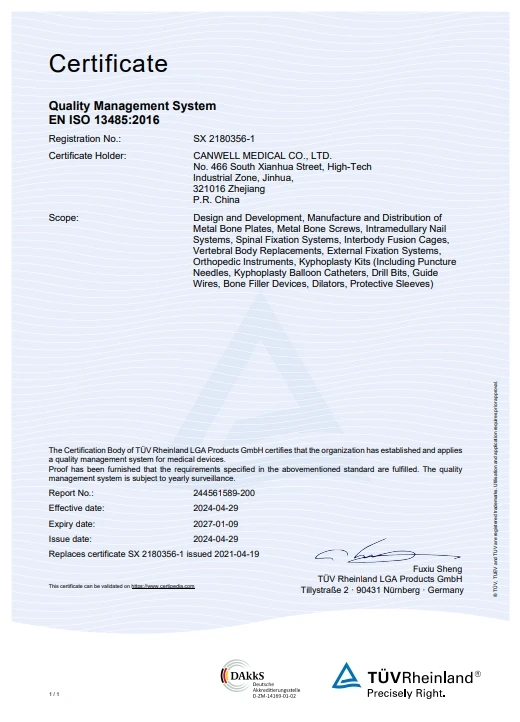
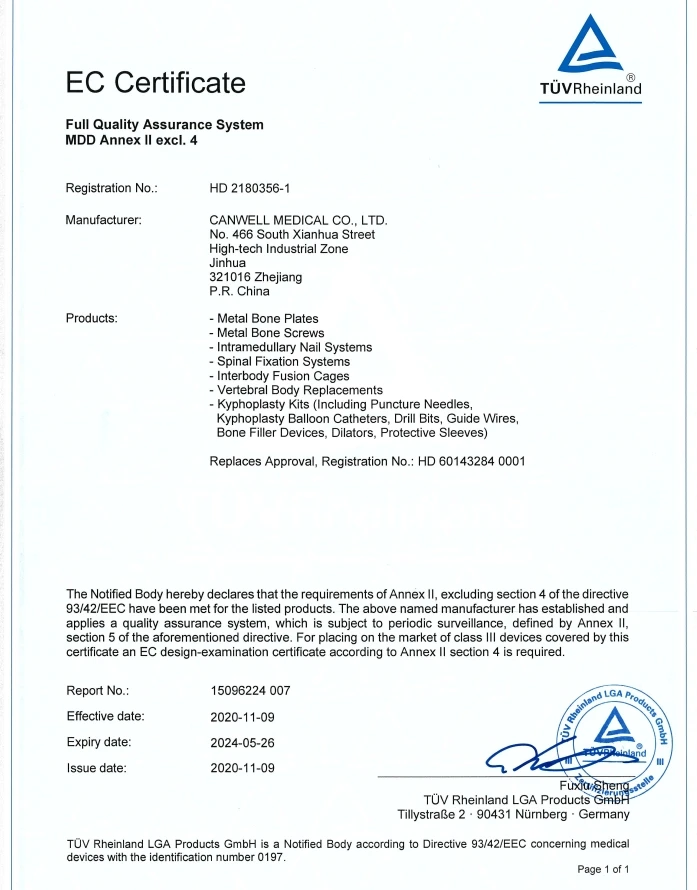
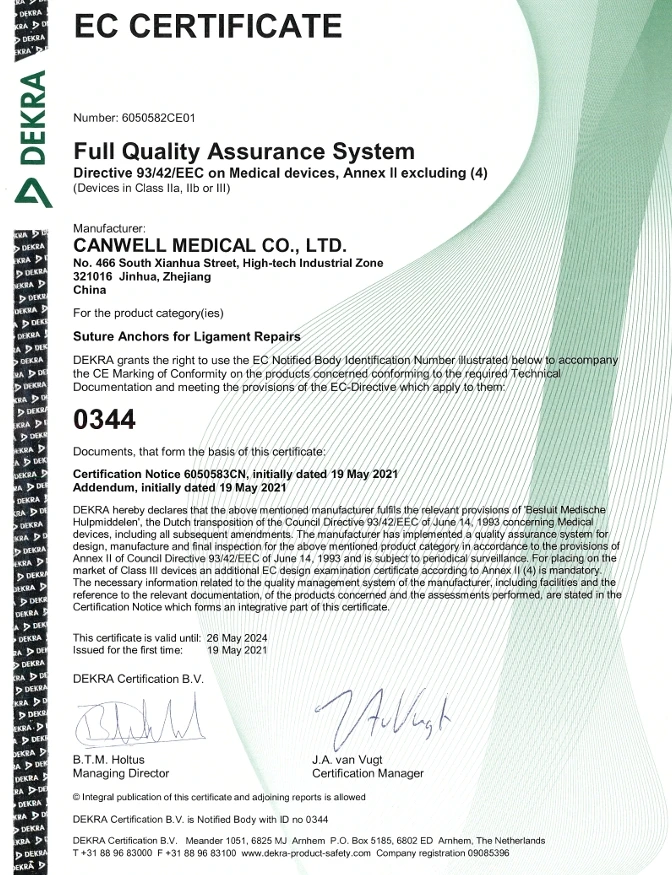
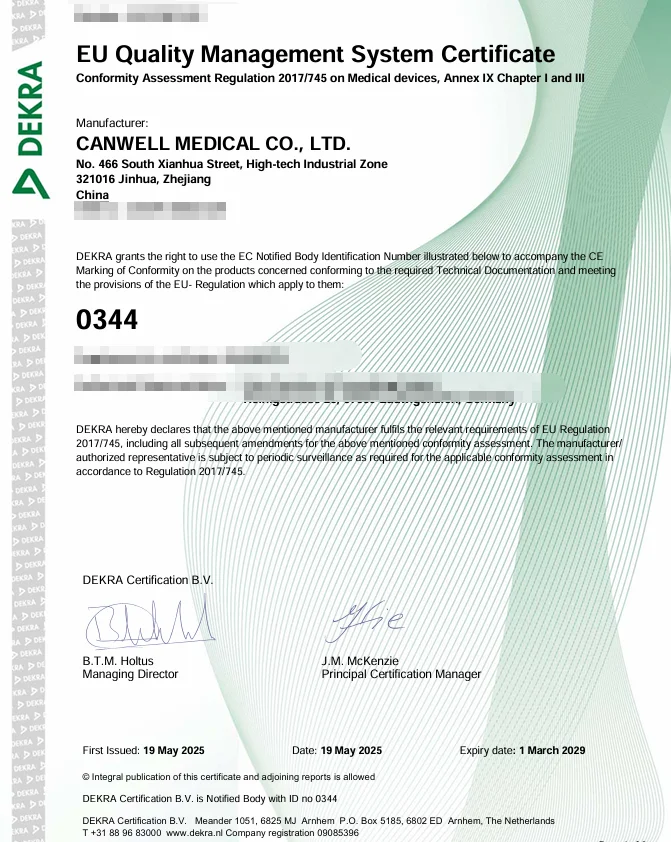
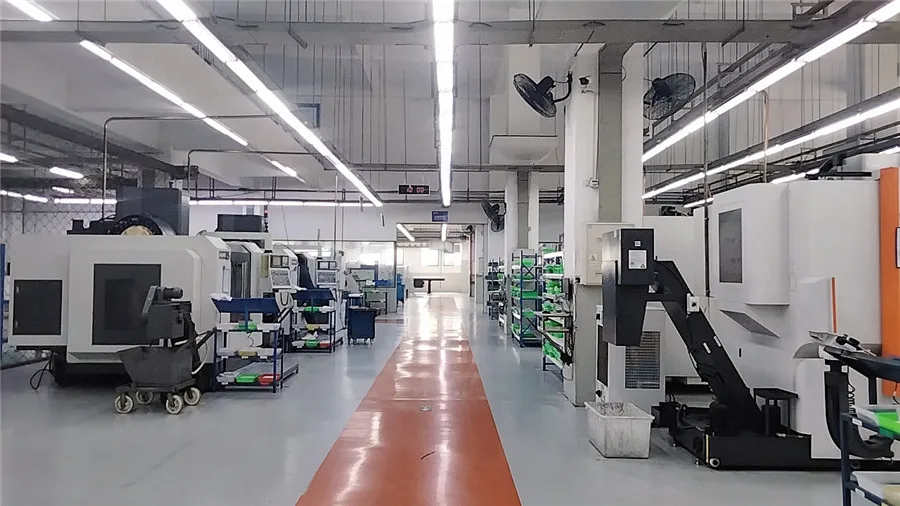
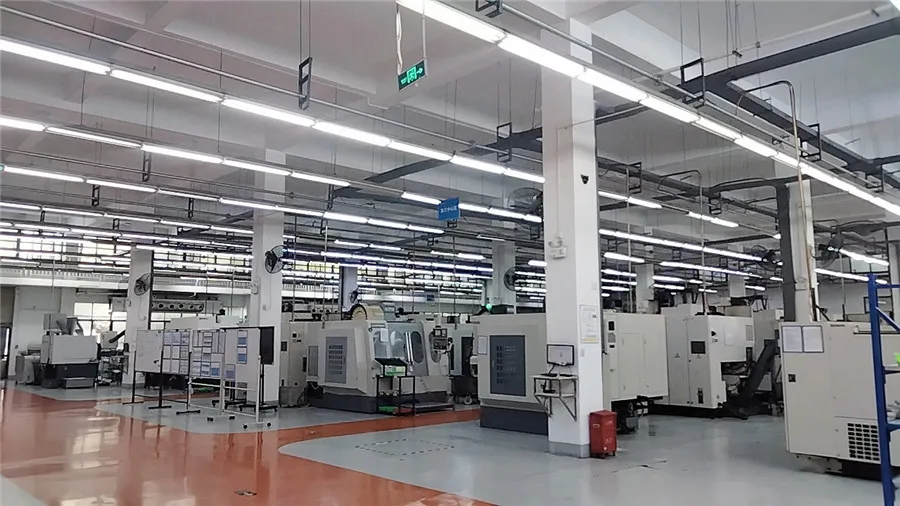
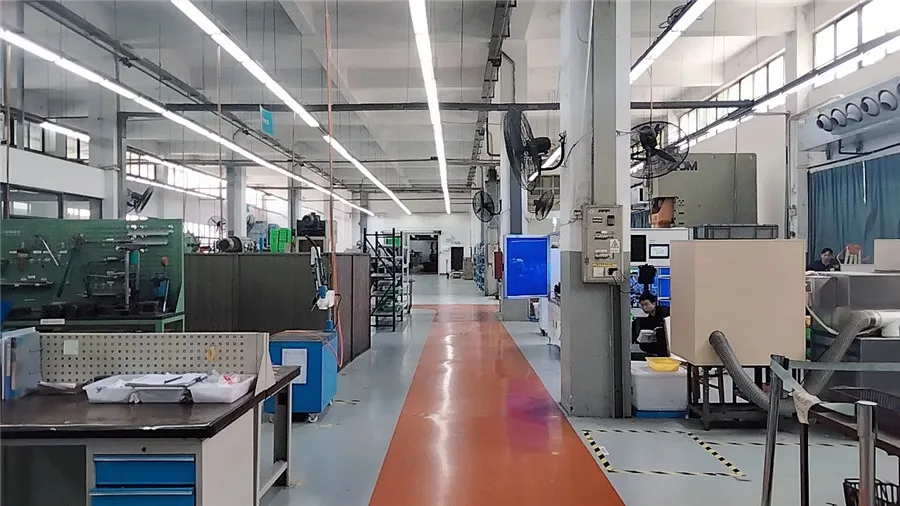
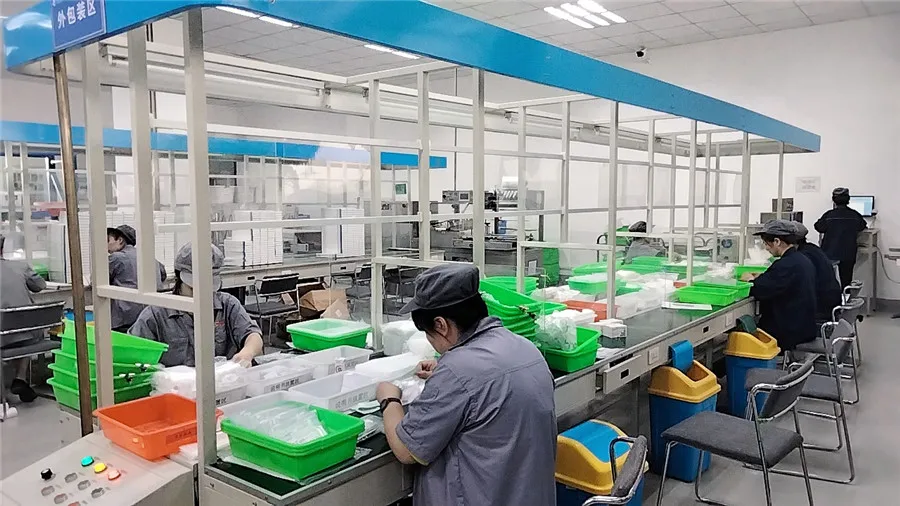
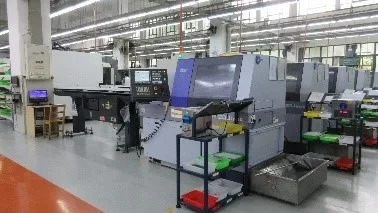
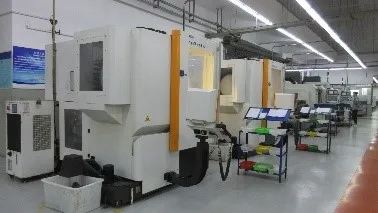
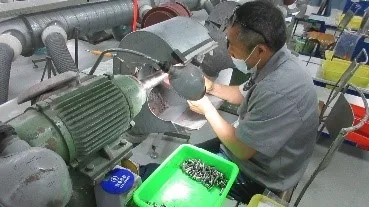
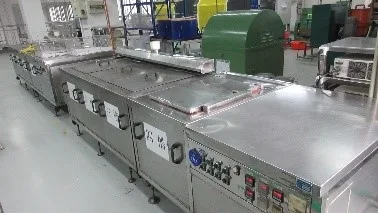
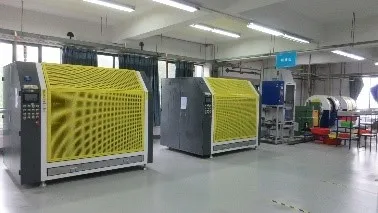
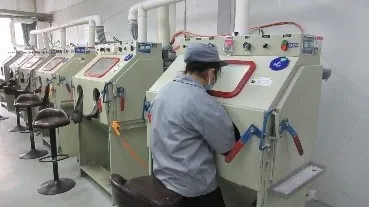
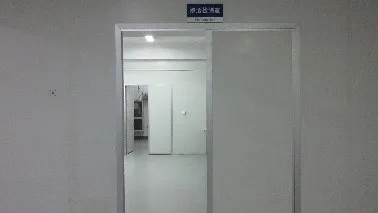
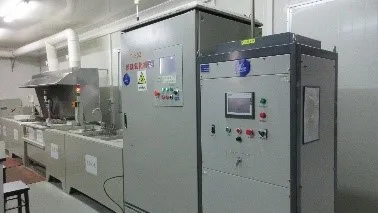
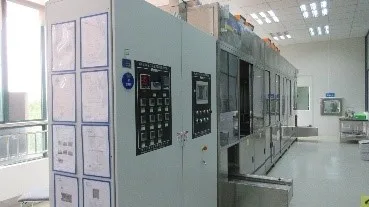
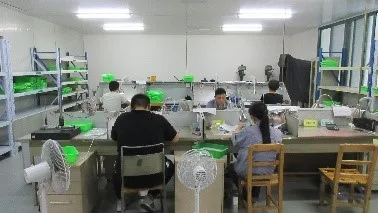
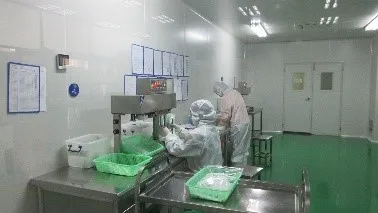
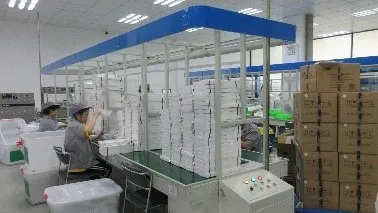
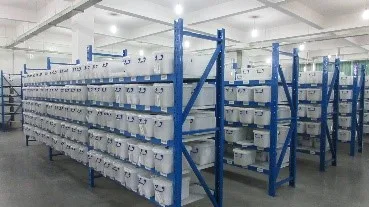
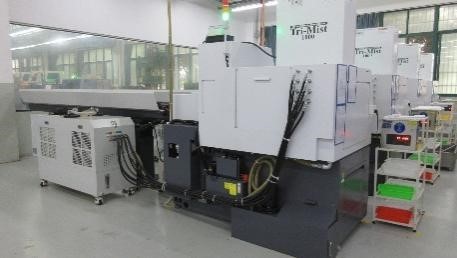
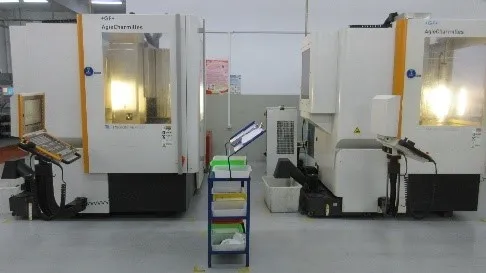
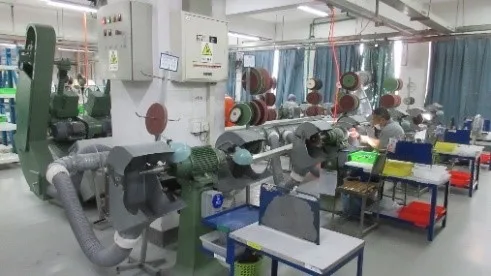
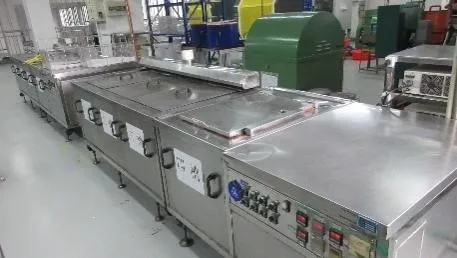
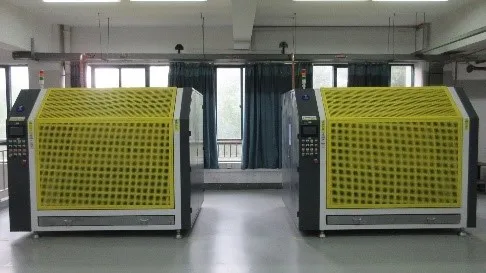
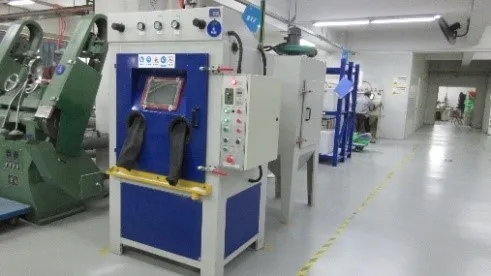
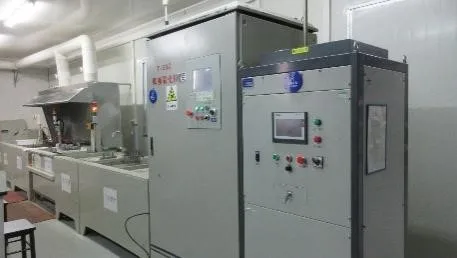
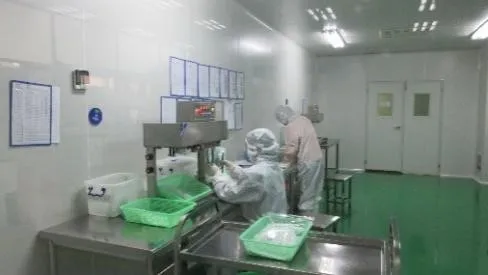
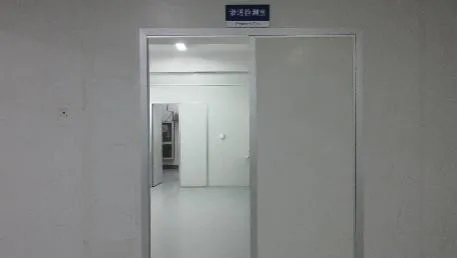
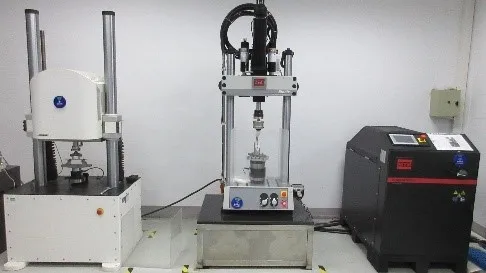
Precision production and comprehensive QA metrics require advanced machinery. Our machining process leverages high-precision CNC multi-axis centers to mill nail geometries, locking holes, and internal threads. Our quality testing relies on strict dimensional control. Below is our visual repository displaying raw material processing, chemical analysis, laser engraving, sterile cleaning, and structural fatigue evaluation.
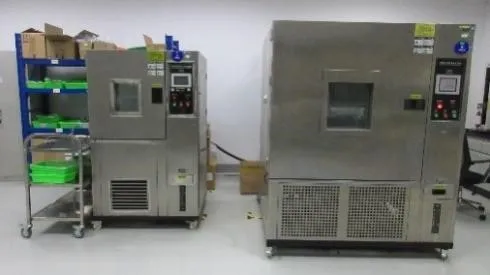
As trauma care demands smarter solutions, our engineering division is executing a technology roadmap to bring smart biosensors and biodegradable locking capabilities to our next-generation intramedullary systems. Partnering with research institutes globally, we seek to reduce postoperative complications and surgical revision rates.
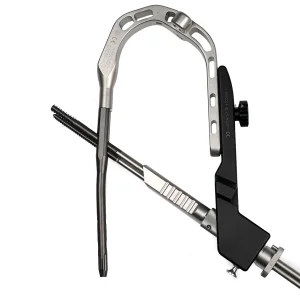
Clinical Focus: We design our distal locking targets to simplify intraoperative positioning. This lowers surgical fluoroscopy exposure time, protecting the Berlin OR team and the patient while reducing surgical step fatigue.
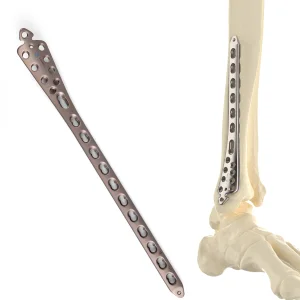
Explore our comprehensive Class III orthopedic trauma configurations, featuring distal locking plates, tibial intramedullary systems, and specialized instruments.
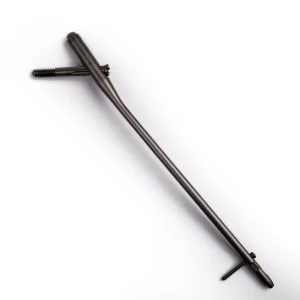
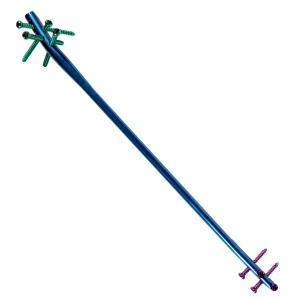
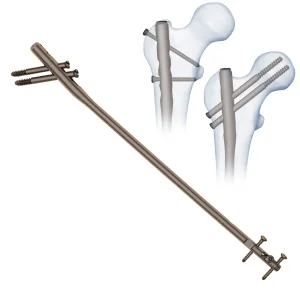
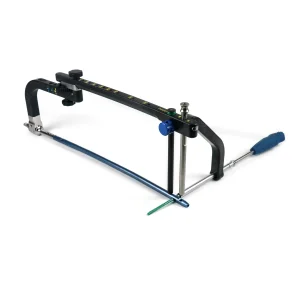
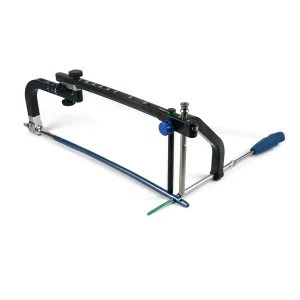
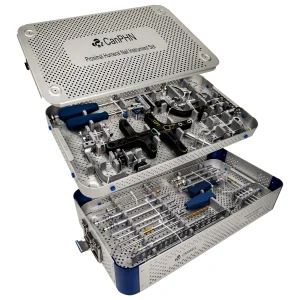
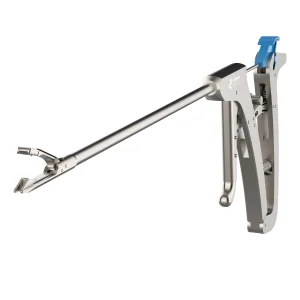
Surgical implants perform optimally when matched with precise instrumentation. We supply complete instrument sets, suture passers, and joint repair systems tailored for Berlin clinical suites.
Find technical, regulatory, and logistical details for importing orthopedic implant systems into the German and broader European Union markets.
Require detailed certificates, technical datasheets, or a competitive quote?
Send Inquiry Now Harney-Well