Explore our internationally compliant orthopedic hardware designed to meet the strict clinical needs of Kazakhstan's top-tier surgical facilities.
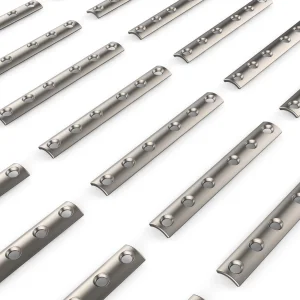
Kazakhstan, the largest economy in Central Asia, is currently undergoing a massive structural overhaul of its public health sector. Guided by the Ministry of Healthcare's strategic development initiatives and backed by the Compulsory Social Health Insurance (OSMS) system, the country is transitioning rapidly from legacy orthopedic procedures to highly advanced, minimally invasive treatments. This pivot requires a stable, high-volume pipeline of international-standard trauma implants, spinal hardware, and sports medicine devices.
"With urban centers like Almaty, Astana, and Shymkent expanding their tertiary referral centers and trauma clinics, local medical procurement officers are shifting away from lower-quality generic implants towards certified medical titanium solutions that guarantee biometric durability, biocompatibility, and precise surgical fitment."
Geographically and economically, Kazakhstan serves as the central hub of trade between Western China and Eastern Europe. Under the Belt and Road Initiative, logistics routes have been shortened, making it highly advantageous for Kazakhstani public hospitals and private distributors to procure directly from advanced medical manufacturing centers. Our enterprise, registered in 2004, has spent over two decades engineering orthopedic solutions that meet the rigid environmental and operational challenges of the Central Asian healthcare ecosystem.
The epidemiological profile of Kazakhstan highlights a critical need for osteosynthesis systems and joint reconstruction. Industrial growth in the Karaganda and Pavlodar regions, coupled with extensive transport infrastructure networks, presents a consistent statistical incidence of high-energy industrial and motor vehicle trauma. Furthermore, the alpine sports culture centered around Almaty (Shymbulak) drives a sharp demand for sports medicine interventions, including anterior cruciate ligament (ACL) reconstructions and rotator cuff repairs.
Globally, the orthopedic implant industry is moving rapidly toward osteoconductive surface treatments, carbon-reinforced implants, and customized anatomical locking configurations. The modern surgical environment values "time-in-theater" reduction, meaning that implant kits must be accompanied by highly intuitive, ergonomically balanced instrumentation.
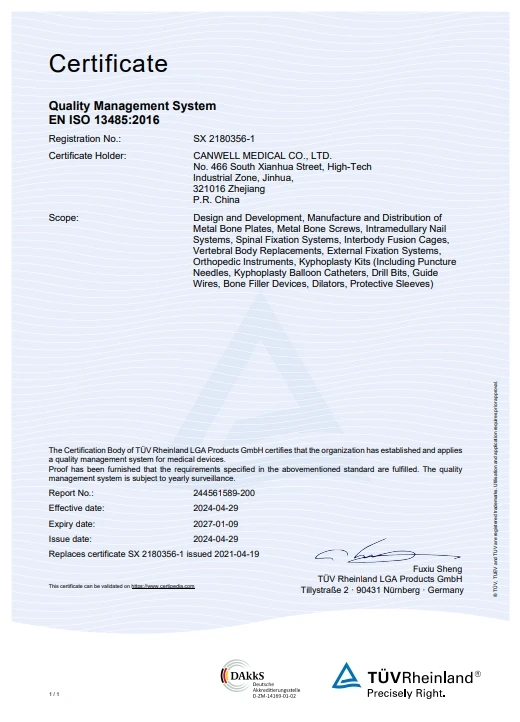
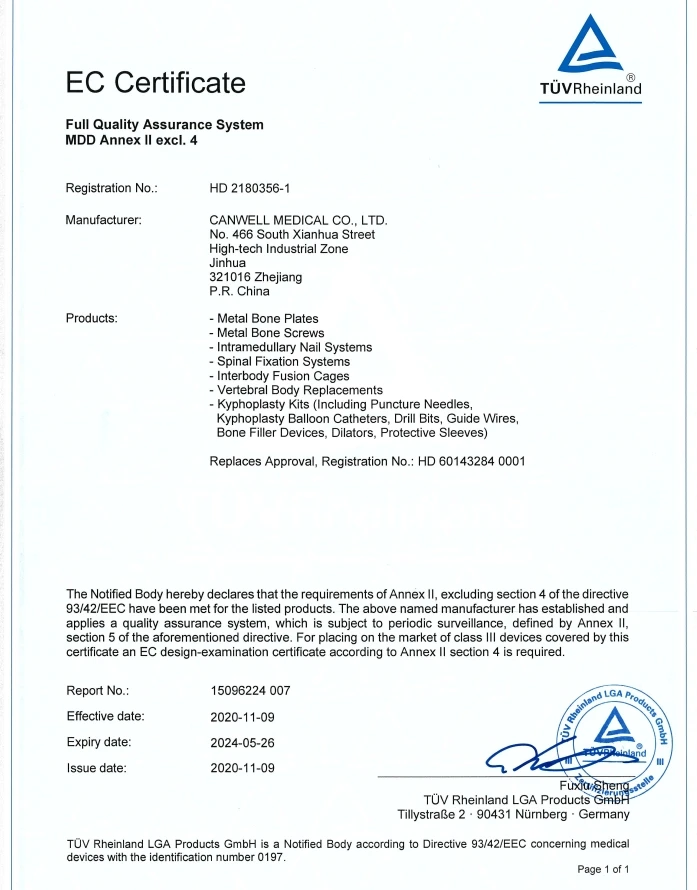
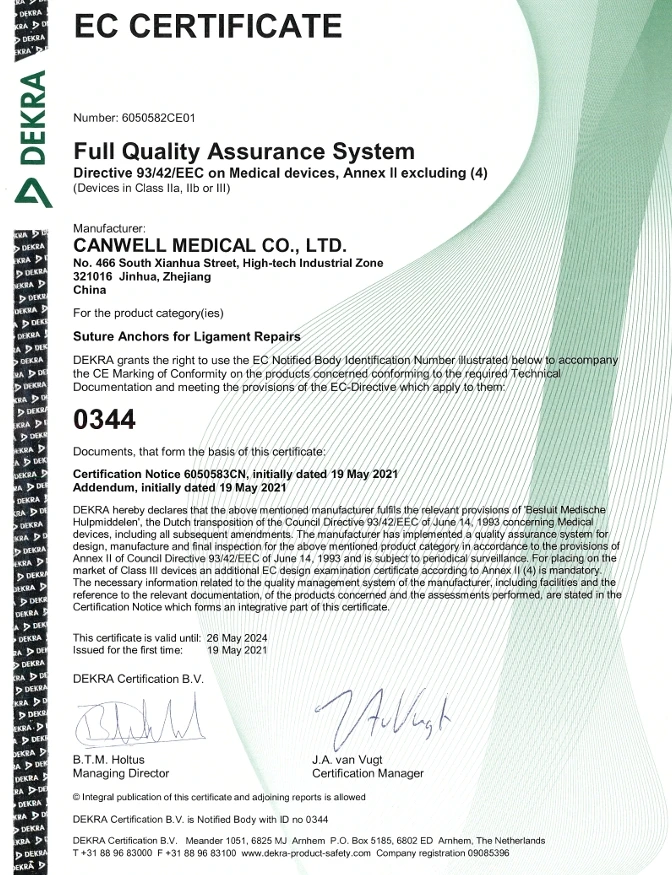
Regulatory frameworks worldwide have tightened, particularly with the European Union's transition to the Medical Device Regulation (MDR 2017/745). For Kazakh importers, buying non-regulated devices presents high risk. This is why our products hold verified CE under Directive 93/42/EEC and are actively progressing under MDR protocols, ensuring long-term registration security within the Unified Registry of Kazakhstan's Ministry of Healthcare.
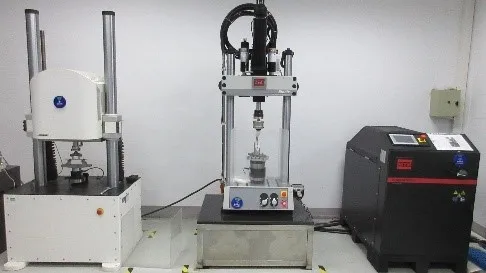
Medical titanium (specifically Grade 5 ELI Ti-6Al-4V) must undergo strict mechanical testing including fatigue limits and tensile strain analysis. Any variation in chemical composition can lead to implant failure, metallosis, or revision surgery.
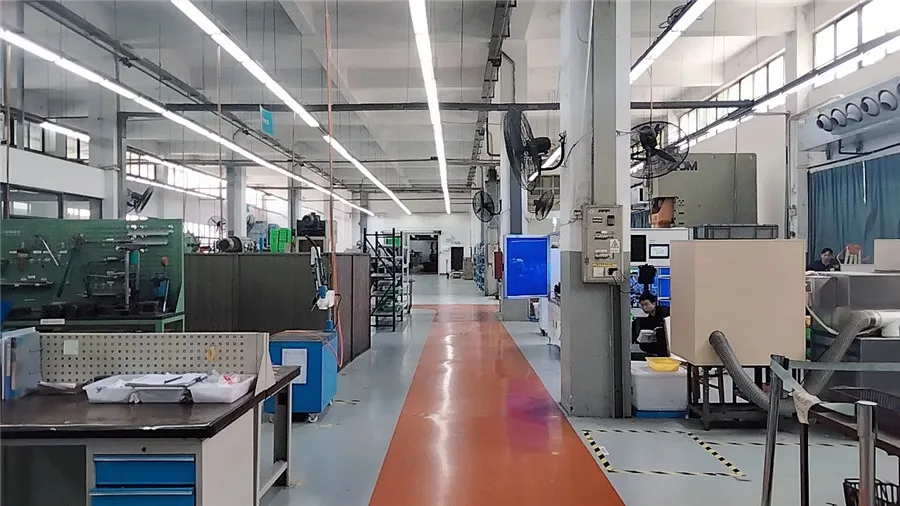
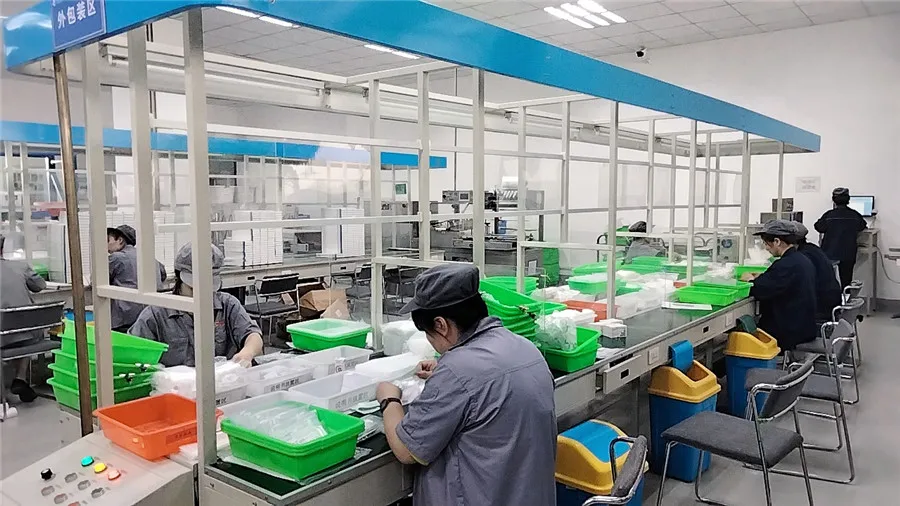
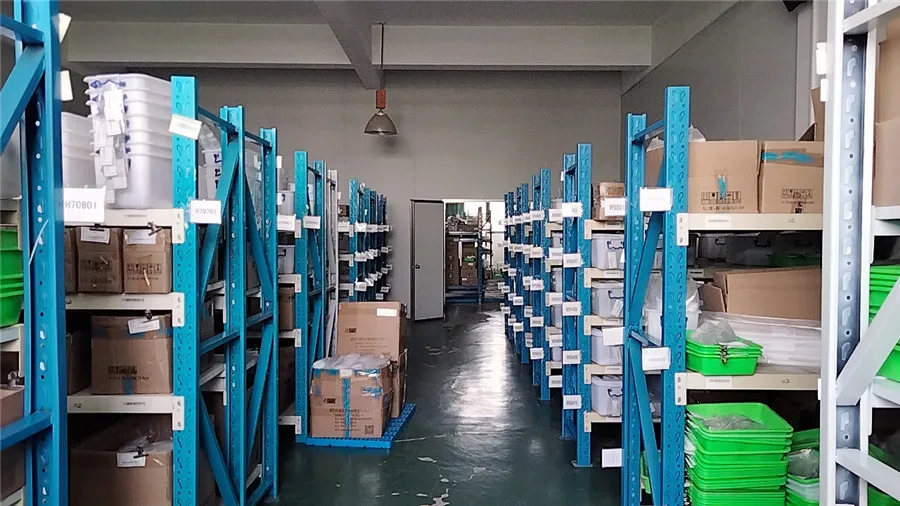
Backed by extensive production facilities and top-tier scientific engineering, we provide high-throughput supply lines for medical institutions globally.
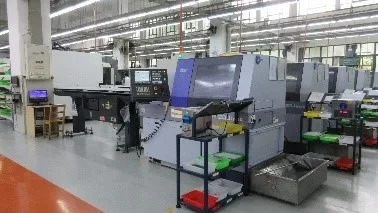
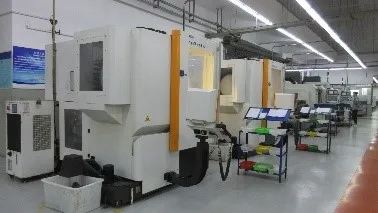
The global medical device market demands a balancing act: top-tier metallurgical quality matched with sustainable procurement economics. Our manufacturing facility in China achieves this through deep vertical integration, state-of-the-art CNC multi-axis milling technology, and an expert engineering team.
With a 29,523 m² facility, our scale permits optimized bulk material acquisition of medical-grade titanium and cobalt-chromium. This cost-efficiency is passed down to medical distributors in Kazakhstan, allowing public bidding agents to secure contracts under the OSMS system while delivering premium surgical results. Over 59 graduate-level R&D engineers work directly with traumatologists to continually refine instrumentation tolerances, facilitating faster recovery times for patients and fewer complex surgical procedures.
Full traceability, global certification, and structured quality assurance networks define our professional commitment.
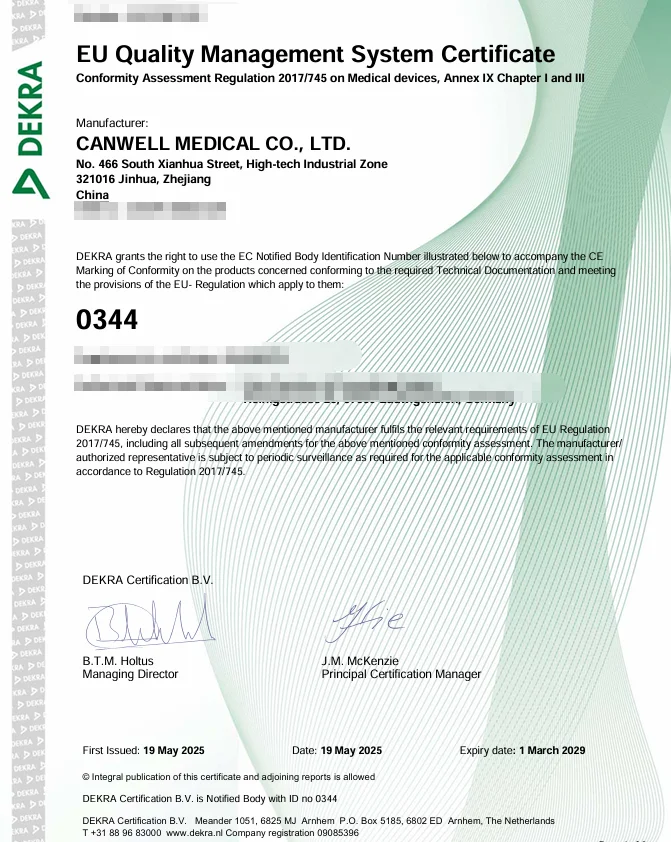
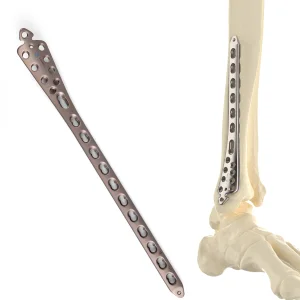
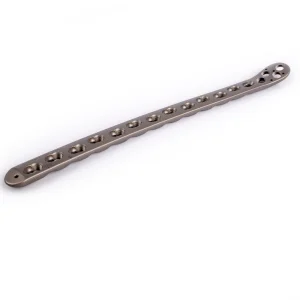
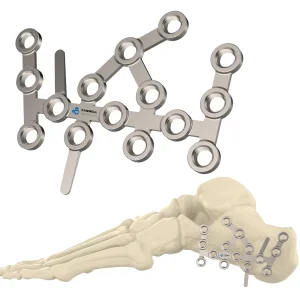
In metropolitan emergency hospitals, surgeons utilize our Titanium Locking Compression Plates to manage multi-fragmentary femur and tibia fractures. Anodized surfaces prevent tissue adhesion, and locking structures support immediate post-operative stability under heavy loading conditions.
In sports medicine clinics in Almaty and Astana, orthopedic surgeons rely on the CANWELL Endobutton and Suture Anchors. These micro-engineered fixation implants facilitate secure ligament re-anchoring in professional athletes and winter sports enthusiasts.
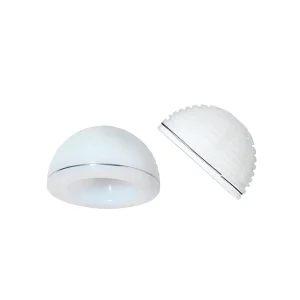
National orthopedic clinics utilize our Dual Mobility Hip replacement systems. Designed for older patients with osteoporotic joint degradation, the UHMWPE dual-mobility cup significantly reduces dislocation rates and ensures decades of wear resistance.
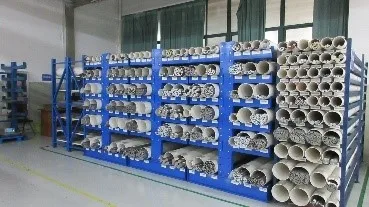
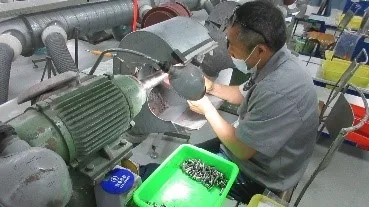
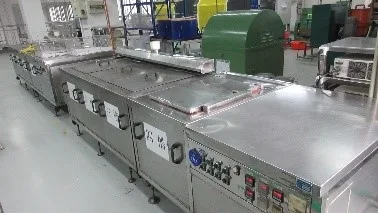
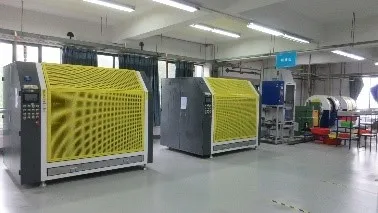
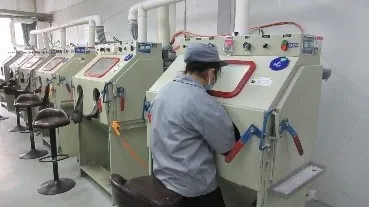
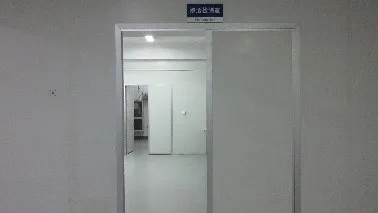
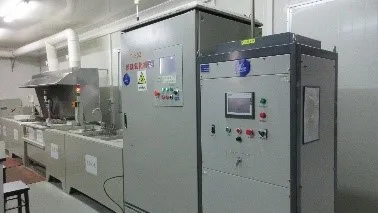
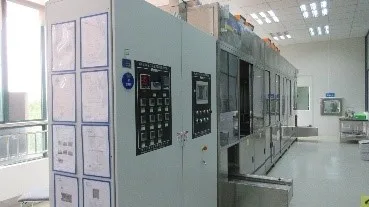
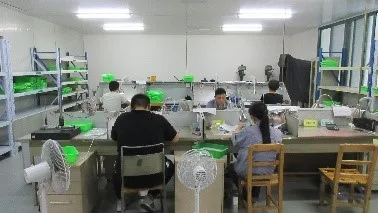
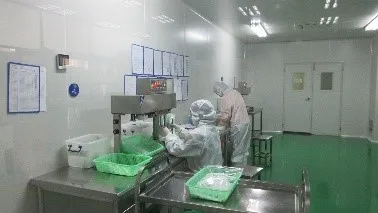
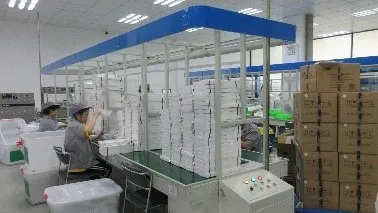
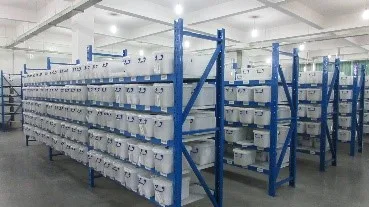
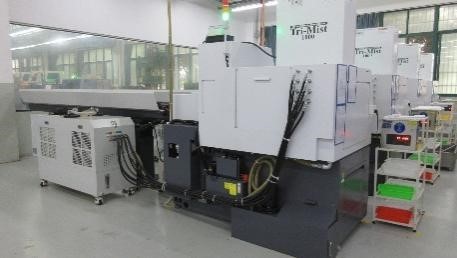
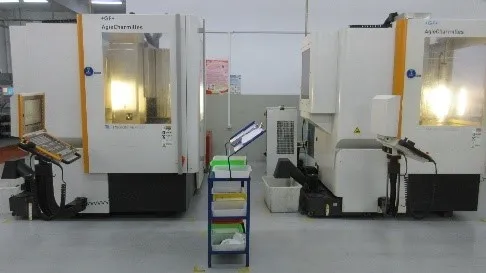
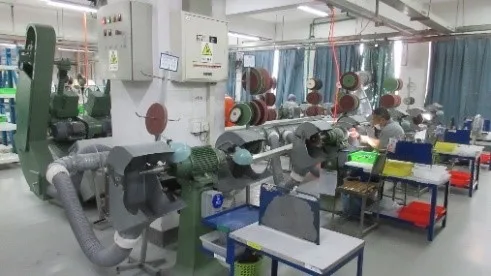
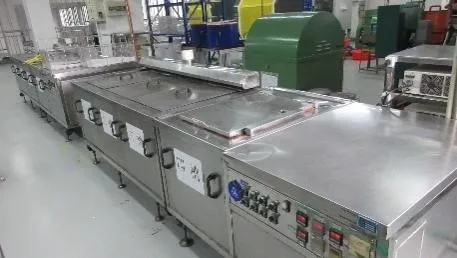
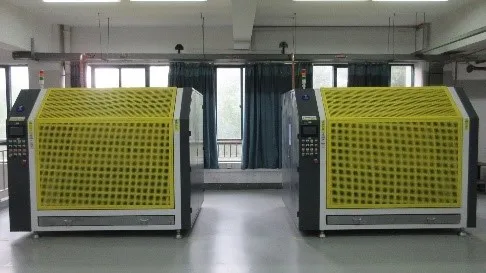
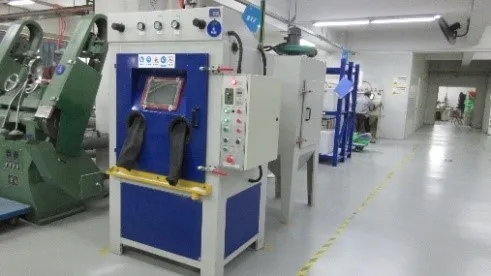
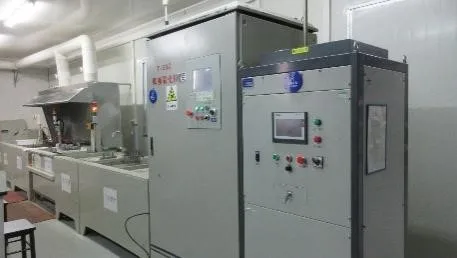
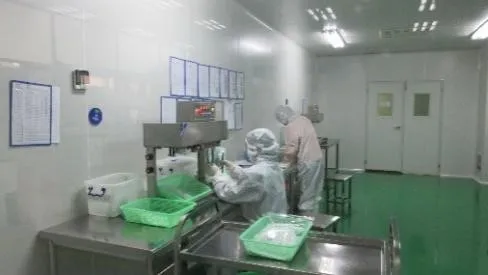
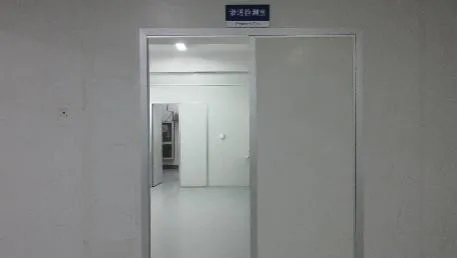
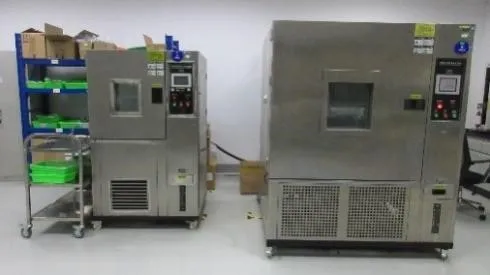
Take a visual tour inside our advanced manufacturing facility. From CNC multi-axis milling to state-of-the-art cleanliness zones, we build precision into every micron.
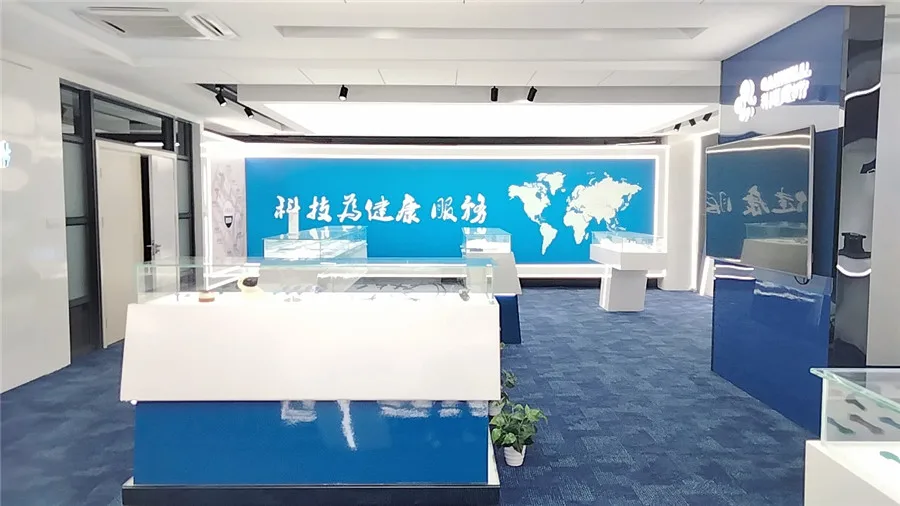
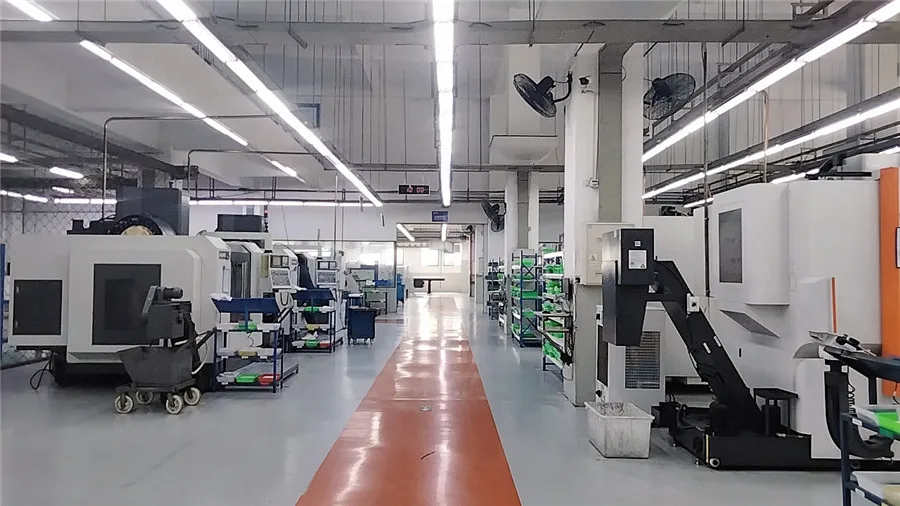
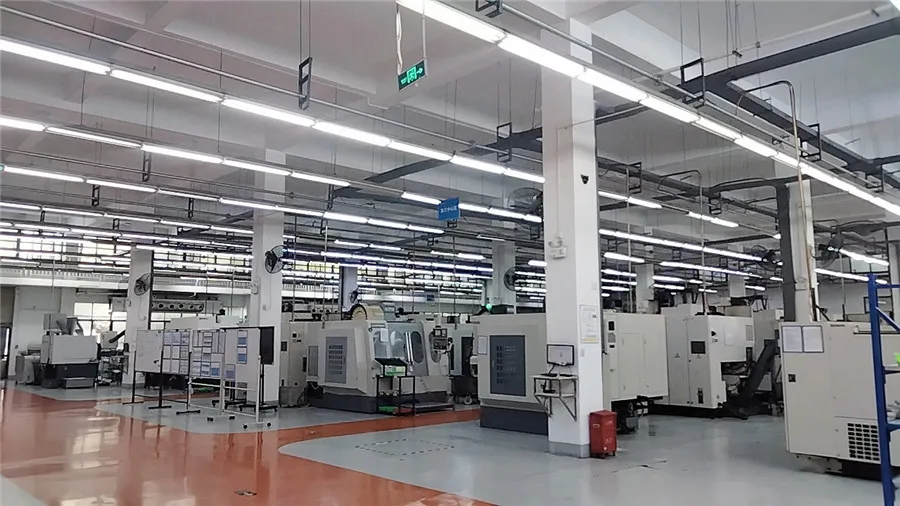
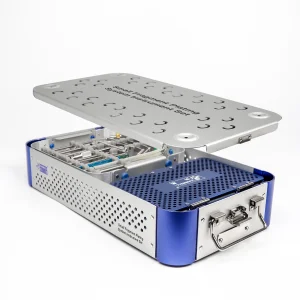
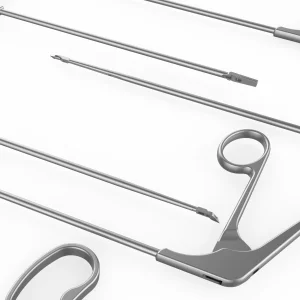
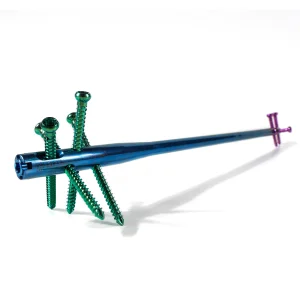
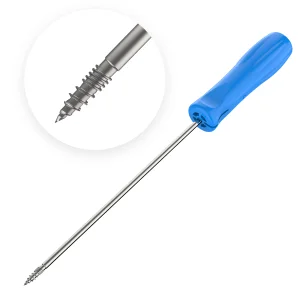
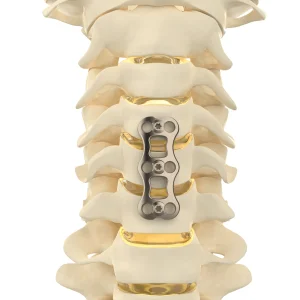
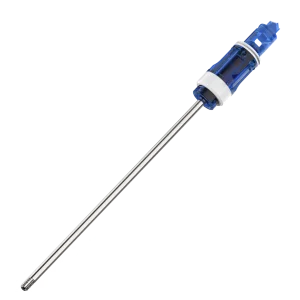
Choose from our full range of CE-approved bone screws, locking plates, external fixators, and arthroscopic instruments.
Find technical answers regarding registration, raw materials, and ordering logistics for the Kazakhstan orthopedic market.
 Harney-Well