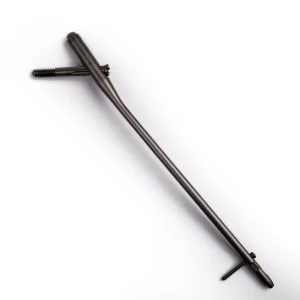
Discover our premier orthopedic instruments and implant systems, optimized via state-of-the-art RF plasma treatment protocols to guarantee exceptional osteointegration and surface purity.
South Korea stands at the global frontier of semiconductor fabrication and bio-medical engineering. Integrating advanced RF (Radio Frequency) plasma technology ensures surgical titanium implants undergo absolute nano-scale cleaning and hydrophilic activation.
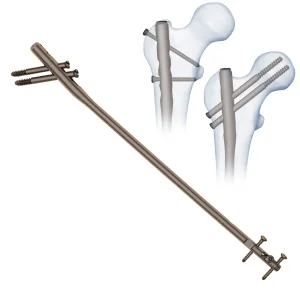
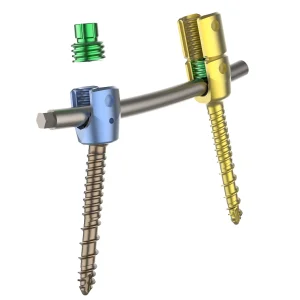
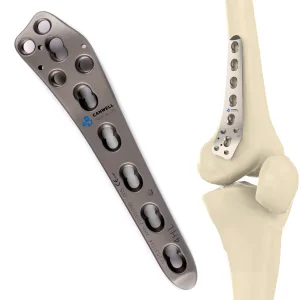
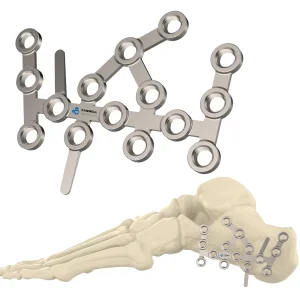
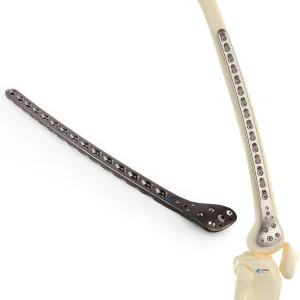
Using RF plasma glow discharges (using Ar, O₂, or N₂ gas matrixes) alters the surface chemistry of orthopedic components like pedicle screws and femoral locking plates, decreasing contact angles to boost osteoblast adhesion.
Our ISO 13485 cleanroom capabilities, certified R&D structures, and strict MDR compliance ensure every titanium implant meets the regulatory demands of the Korean Ministry of Food and Drug Safety (MFDS).
South Korea's high-tech industrial corridors, spanning from the Seoul Capital Area to the technopoles of Daegu and Wonju Medical Industry Techno-Valley, rely heavily on advanced surface-treatment technologies. Whether it is depositing thin-film transistors or bio-functionalizing the surface of complex orthopedic implants, RF Plasma treatment acts as the key enabling process. In orthopedics, untreated titanium and PEEK (polyetheretherketone) surfaces exhibit intrinsic hydrophobicity, which can lead to suboptimal bone-to-implant integration or fibrous encapsulation.
Through localized dry RF plasma processes, we provide the Korean market with implants that show dramatically enhanced cellular response. By removing organic contaminants at the atomic scale and introducing oxygen-containing functional groups, the surface free energy is maximized. This directly addresses the needs of modern Korean orthopedists and device distributors who seek alternatives to chemical coatings that run the risk of delamination.
On a global scale, the RF plasma treatment market is split between high-vacuum semiconductor toolsets and lower-vacuum industrial sterilization/surface modification setups. The incorporation of RF plasma reactors within orthopedic manufacturing lines is rapidly becoming standard practice. The roadmap focuses heavily on transition from batch processing to inline, automated atmospheric pressure plasma jet (APPJ) systems and low-pressure RF glow discharge chambers capable of processing complex 3D-printed porous lattices.
As a premier exporter serving South Korea, our manufacturing infrastructure bridges this gap. We combine 22 years of metallurgic manufacturing expertise with advanced surface activation techniques to supply orthopedic dealers in South Korea with ready-to-implant products.
Removal of micro-level processing lubricants, volatile organic carbons, and carbon residues from complex spinal constructs and trauma plates.
Converting the surface behavior of titanium locking plates from hydrophobic (contact angle > 80°) to superhydrophilic (contact angle < 20°).
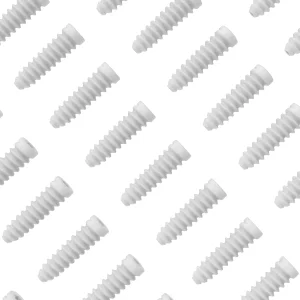
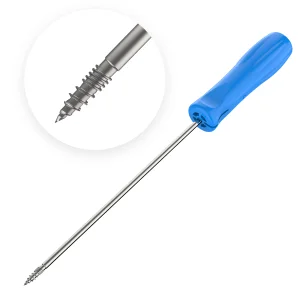
Modifying bioabsorbable PLA/PLGA screws to carefully tailor their degradation profile and enhance early cell attachment post-reconstruction.
Our facility represents 22 years of manufacturing and export leadership. Explore our core operation details and global compliance metrics.
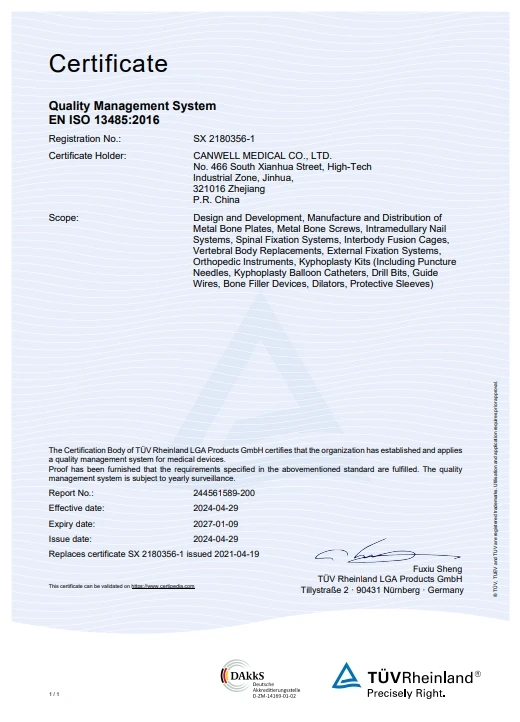
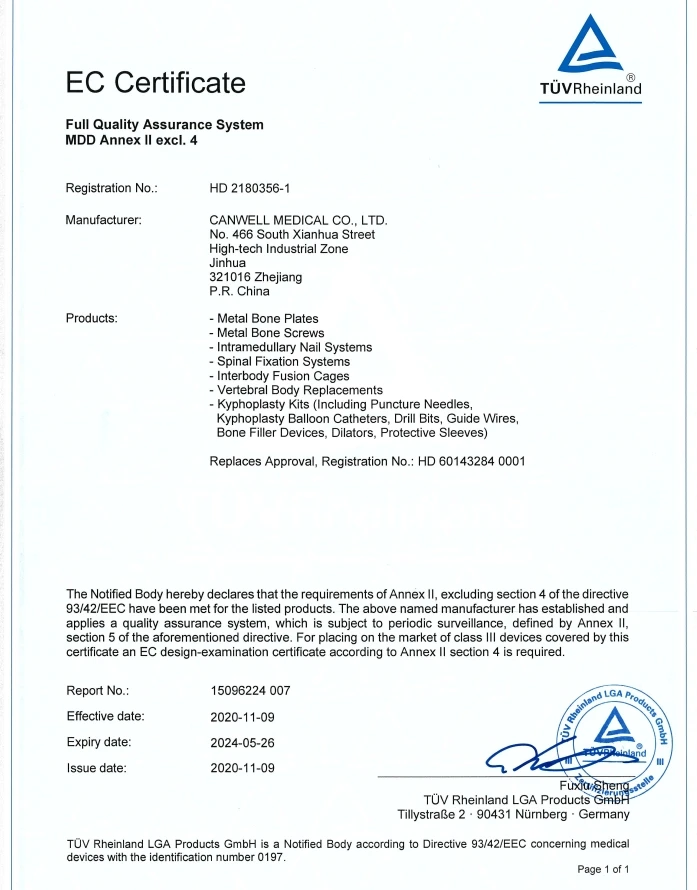
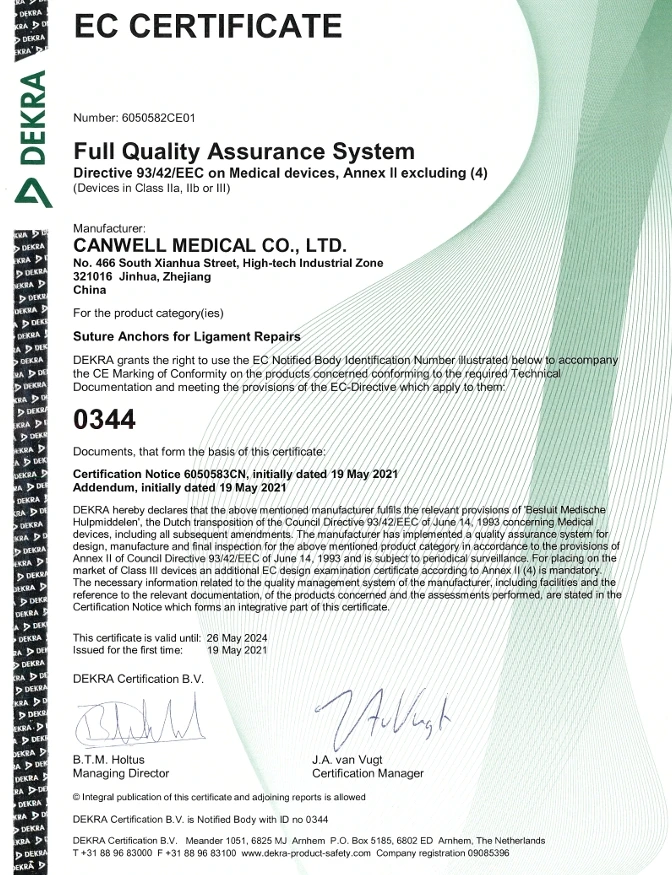
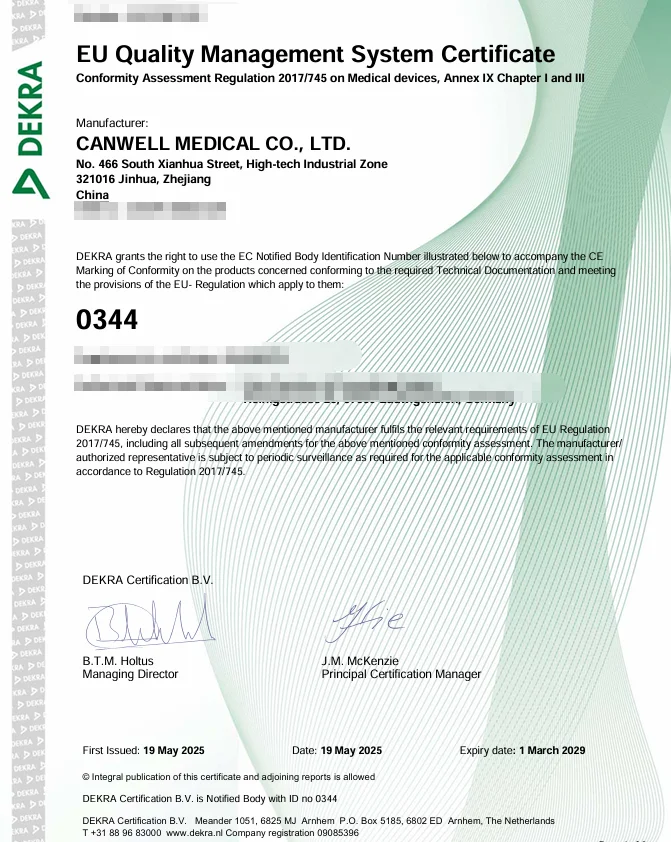
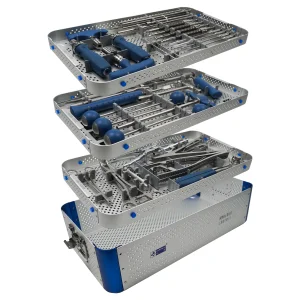
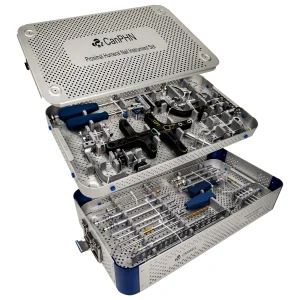
Browse our extensive range of CE and ISO certified orthopedic solutions. All products are manufactured in our state-of-the-art facility, undergoing strict quality control suitable for the South Korean surgical and export sectors.
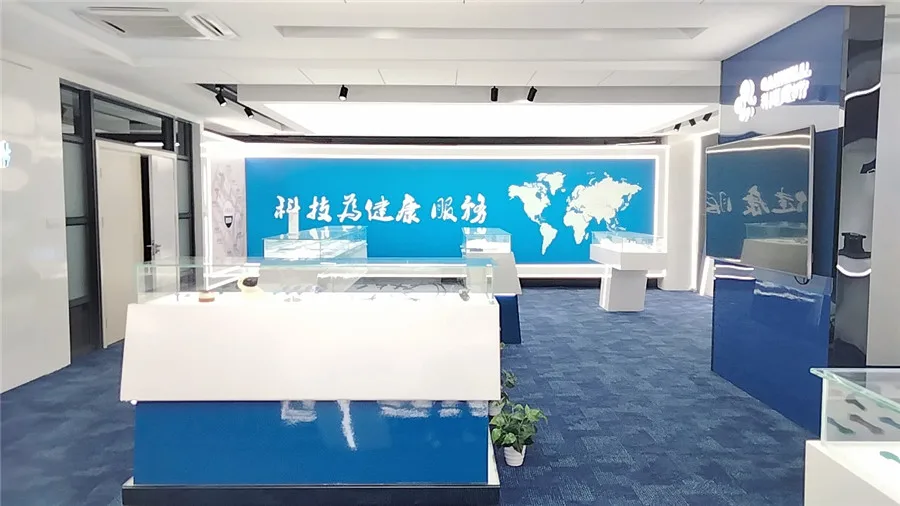
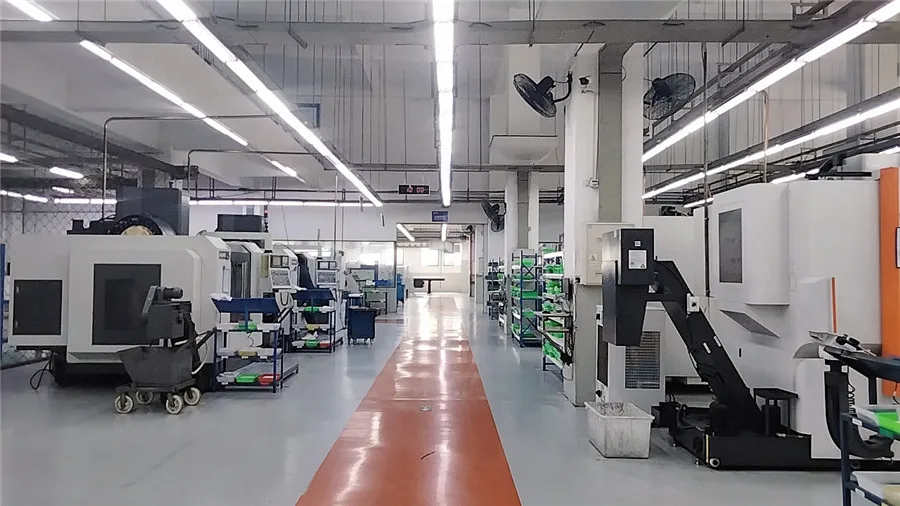
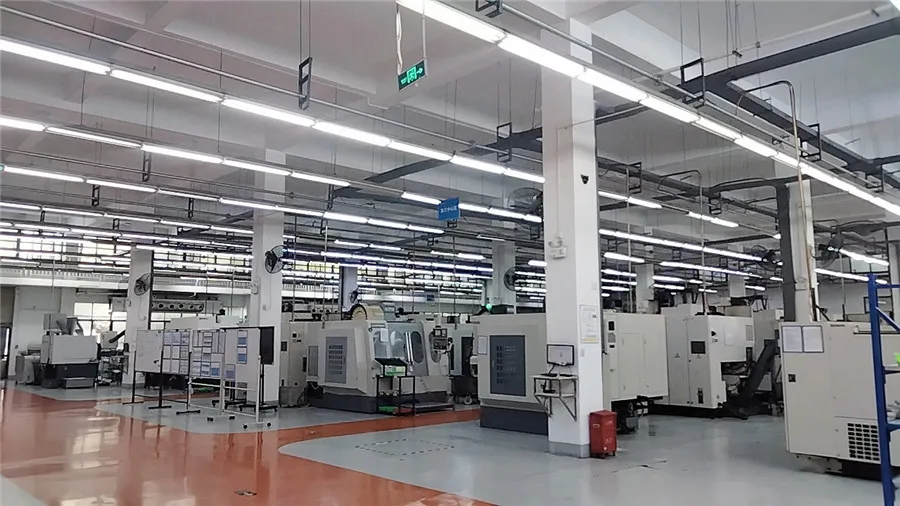
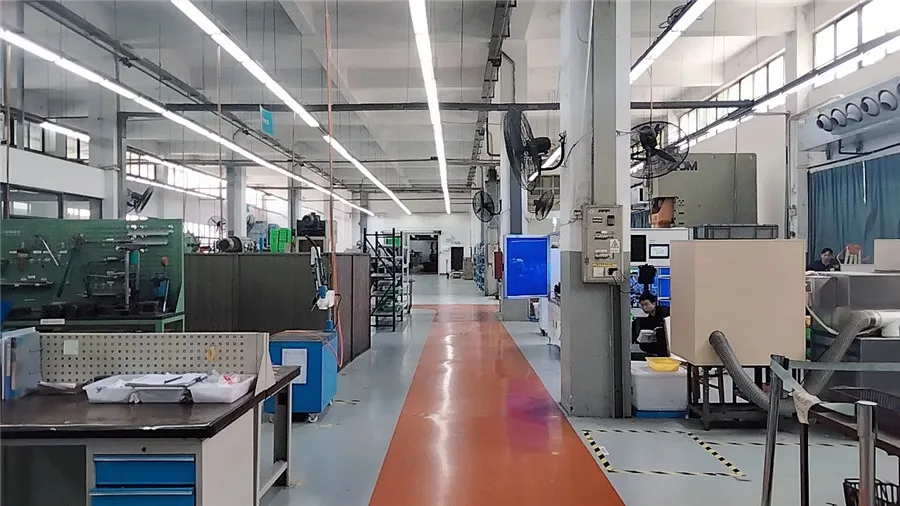
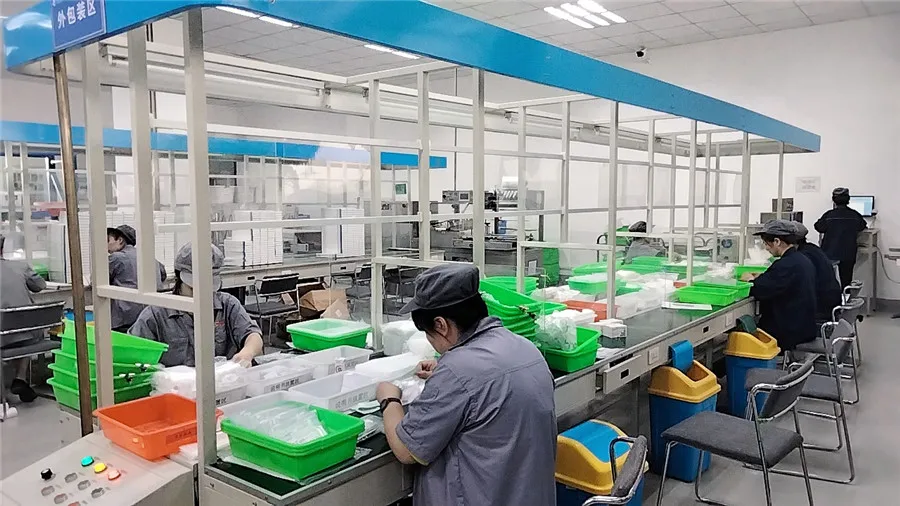
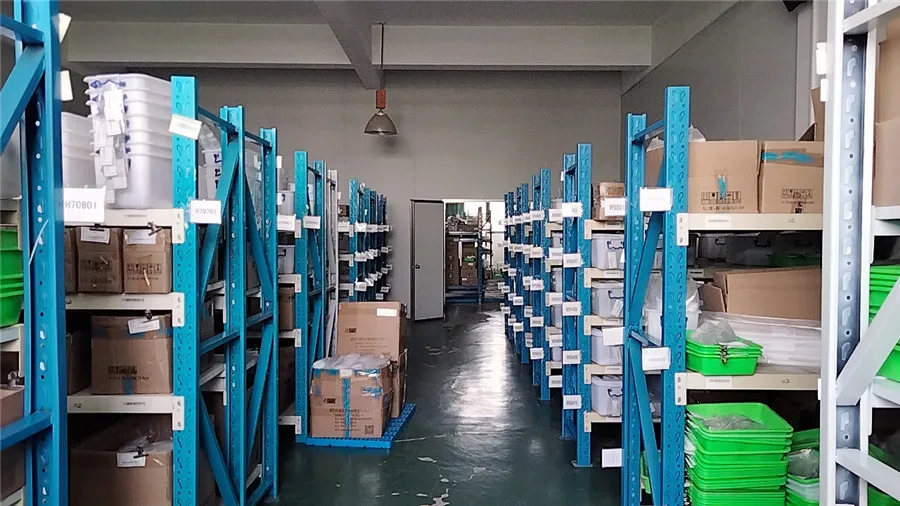
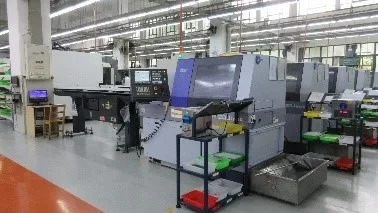
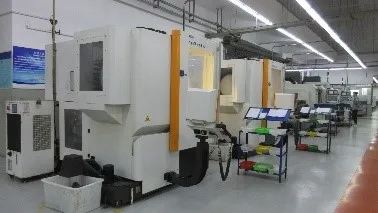
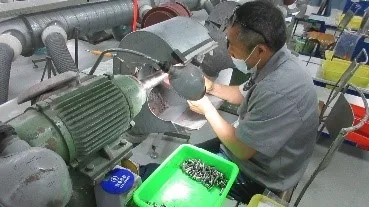
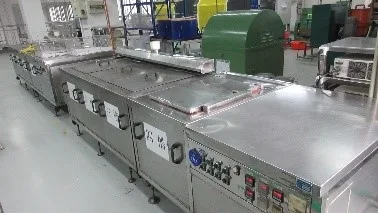
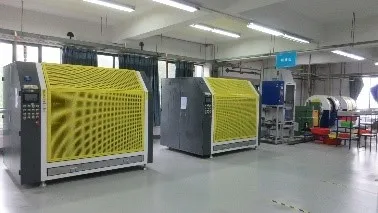
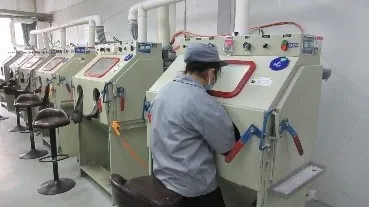
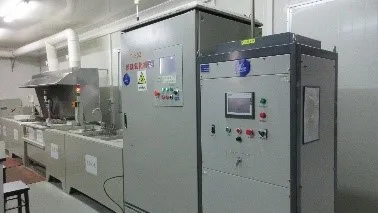
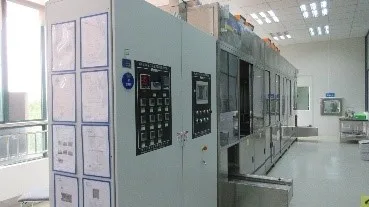
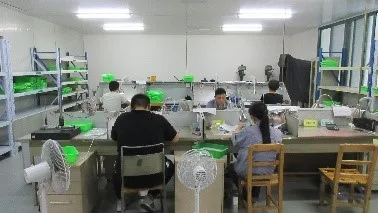
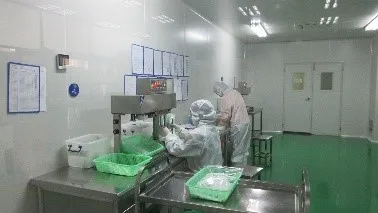
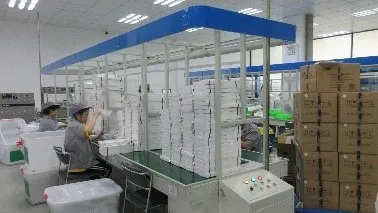
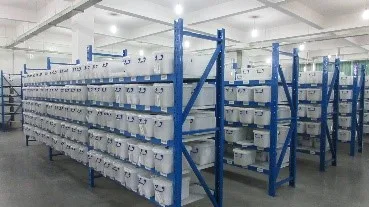
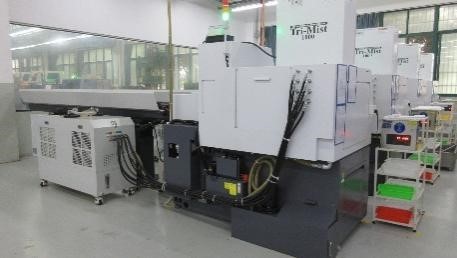
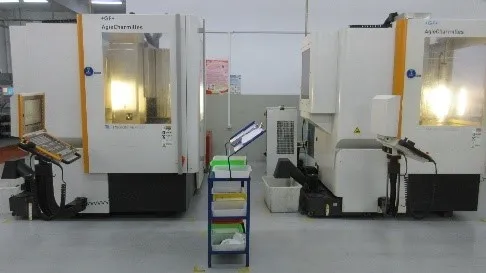
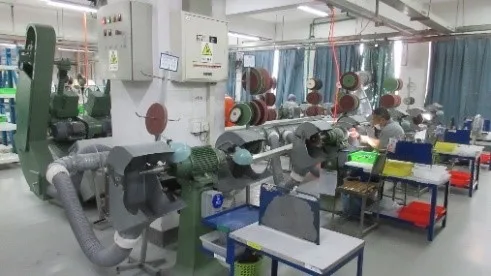
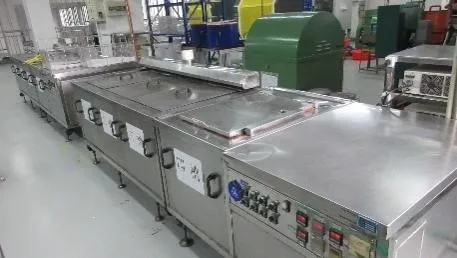
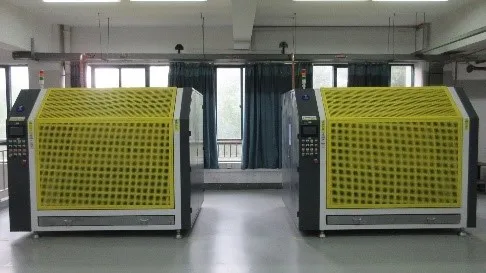
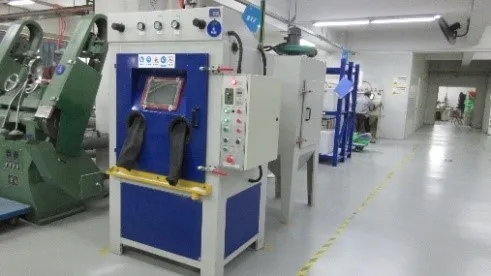
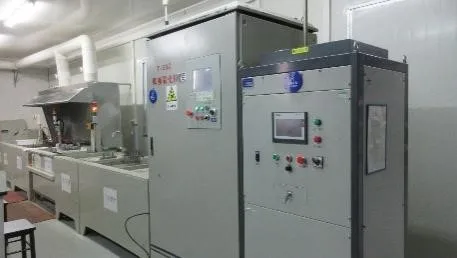
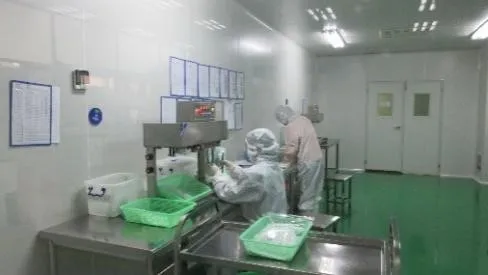
A visual representation of our high-precision processing, cleanrooms, and testing facilities supporting major surgical networks in East Asia.


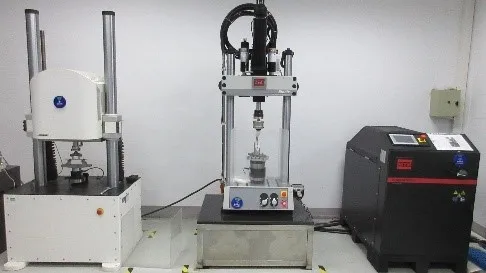
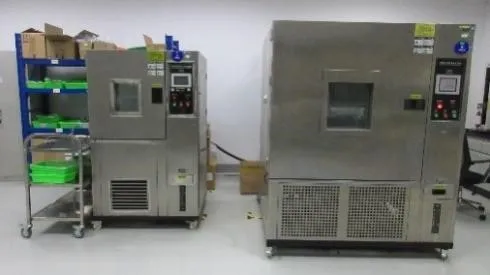
Get authoritative answers regarding chemical modifications, delivery timelines to Korea, and medical compliance certifications.
 Harney-Well