Providing ISO13485 & CE MDR Compliant Orthopedic Trauma & Spinal Implant Systems for Medical Distributors and Healthcare Networks in the Chicagoland Area.
Precision-engineered titanium hardware and arthroscopy tools deployed in active operating rooms throughout Cook County, Illinois.
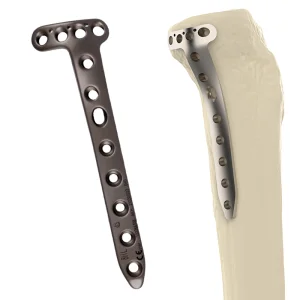
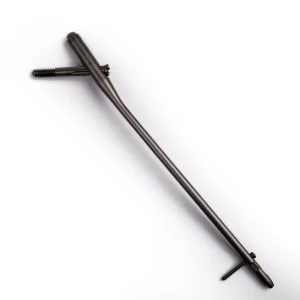
The Chicago metropolitan area—anchored by globally recognized research institutions like Rush University Medical Center, Northwestern Medicine, and the University of Chicago Medicine—represents one of the most demanding clinical environments for spine surgery and orthopedic trauma in North America. Medical device sourcing in Cook County and the surrounding collar counties has transitioned from vendor-preferred purchasing to rigorous, evidence-based procurement processes that prioritize cost efficiency, supply chain stability, and absolute regulatory compliance.
Ambulatory Surgery Centers (ASCs) are rapidly proliferating across Illinois, driving a critical need for high-performance surgical systems that offer clinical outcomes comparable to premium domestic brands but at a sustainable cost structure. Key spinal procedures, such as Anterior Cervical Discectomy and Fusion (ACDF) and posterior lumbar stabilization, require implants designed to streamline operating room time, reduce instrument footprint, and minimize patient re-admission rates due to implant failure.
The global orthopedic implant market is undergoing a paradigm shift. Rising healthcare administration costs in the United States and strict European Medical Device Regulations (CE MDR) have prompted distributors to look for highly integrated manufacturing partners capable of providing rapid OEM customization and raw material traceability.
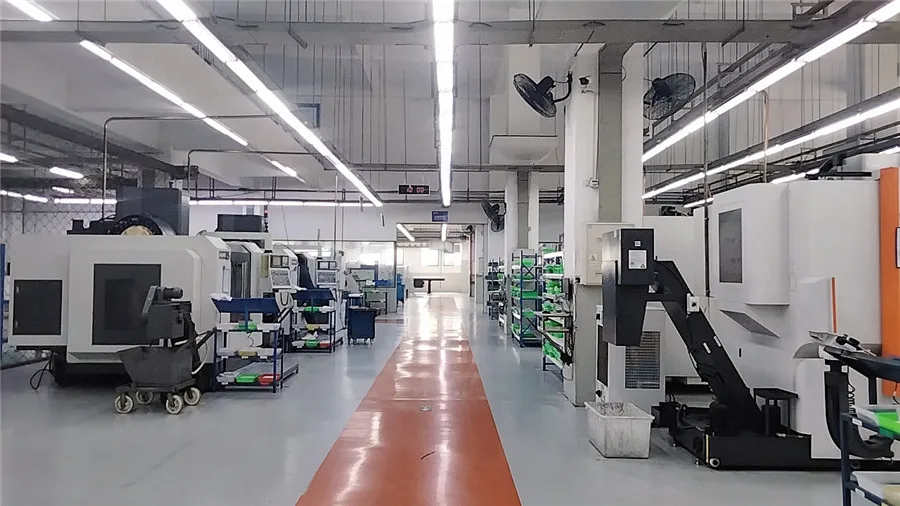
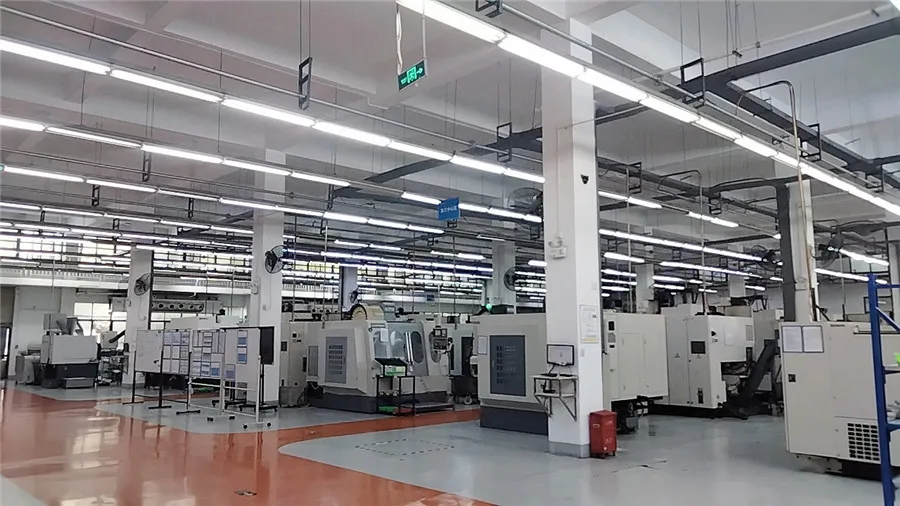
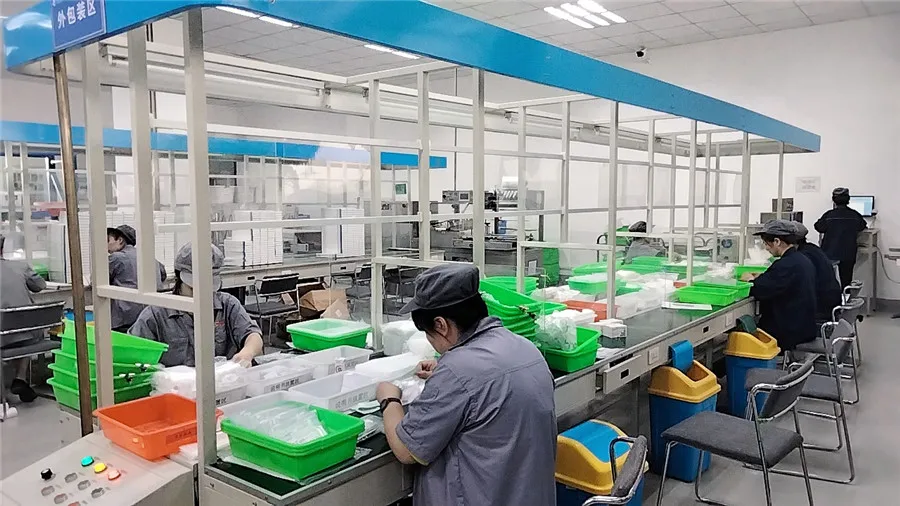
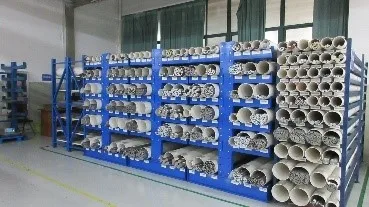
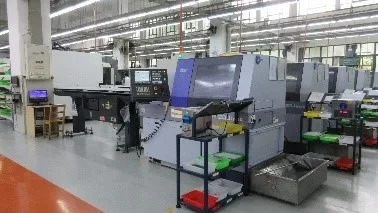
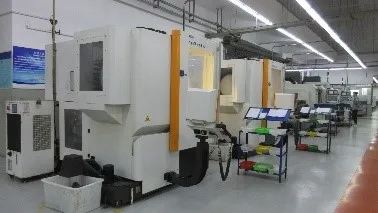
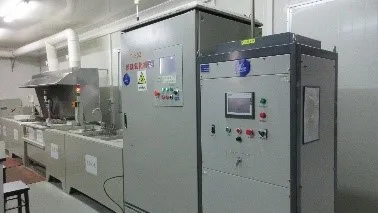
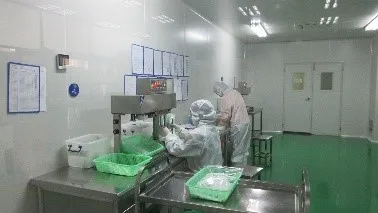
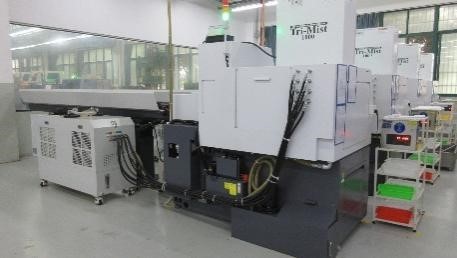
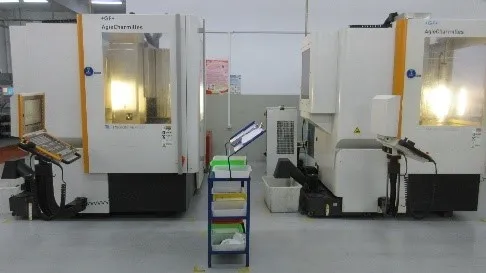
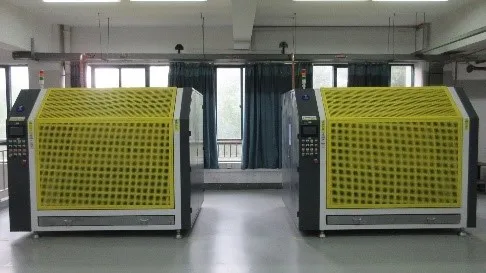
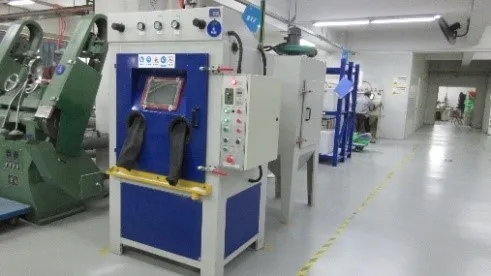
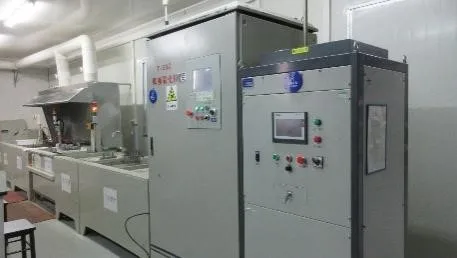
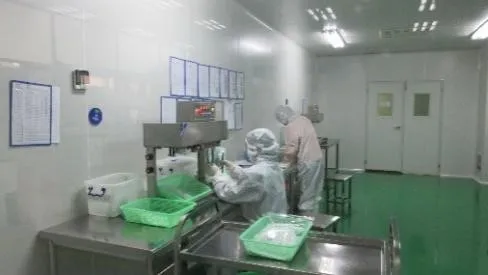
As a leading orthopedic manufacturer with 22 years of global exporting history, CANWELL bridges the gap between state-of-the-art manufacturing capabilities and localized clinical demands. Our production facility employs multi-axis CNC Swiss-type lathes, automated cleanroom packaging, and raw material validation pathways that utilize only implant-grade titanium alloy (Ti-6Al-4V ELI) and medical grade Polyetheretherketone (PEEK). This level of technological integration ensures that every bone screw, locking plate, and cervical cage shipped to Chicago meets the absolute standards of American surgical suites.
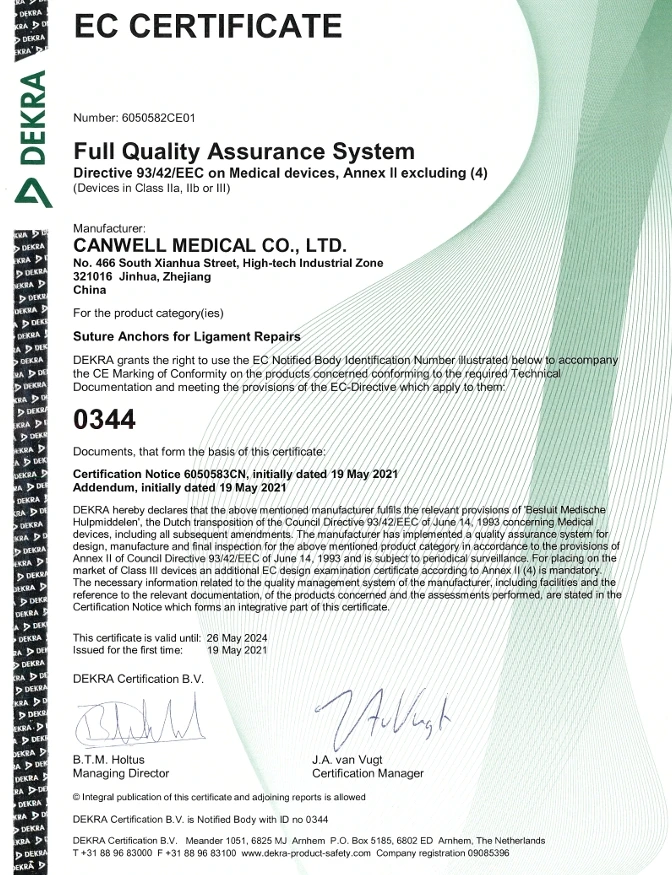
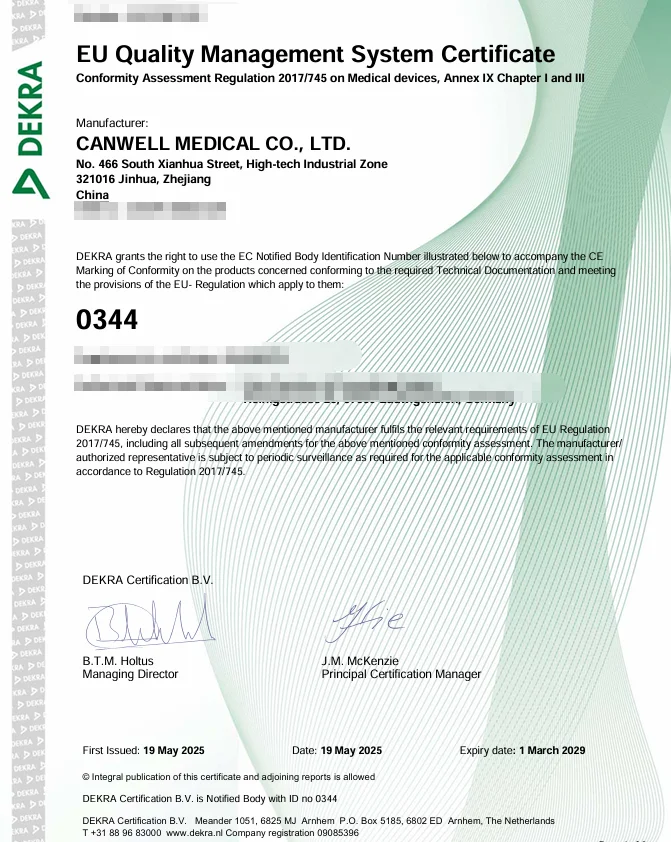
Transparent production data, regulatory listings, and certification standards conforming to global medical device directives.
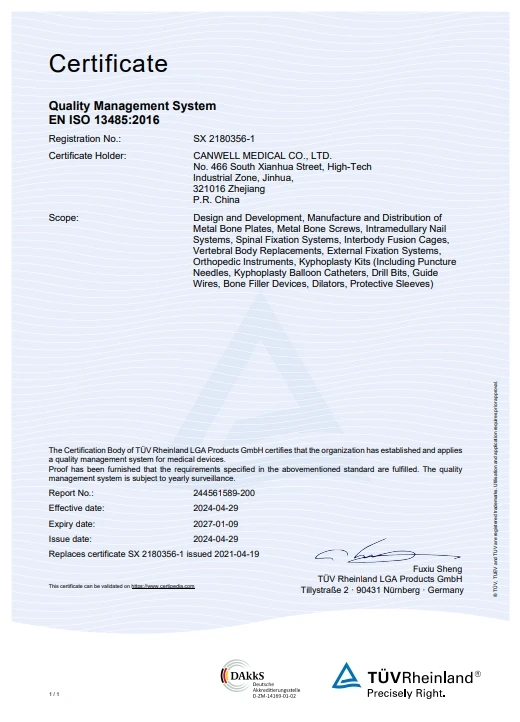
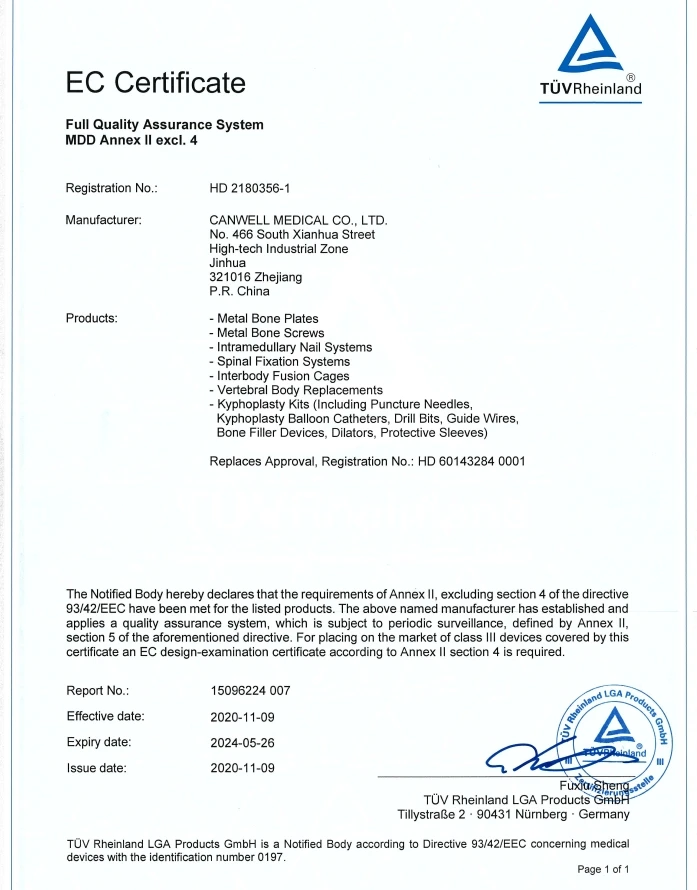
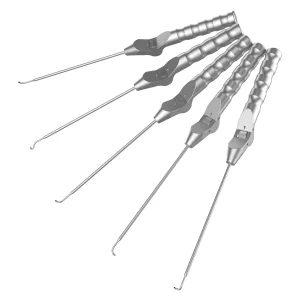
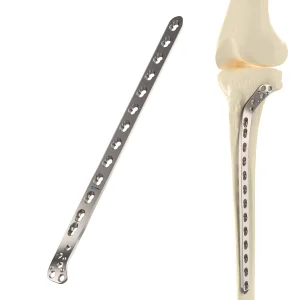
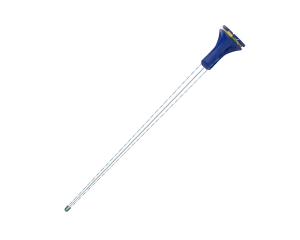
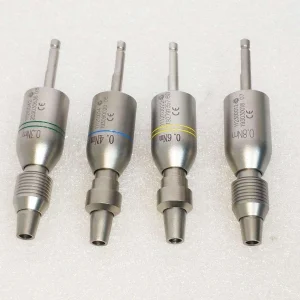
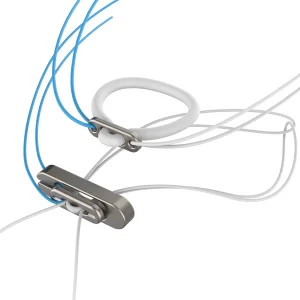
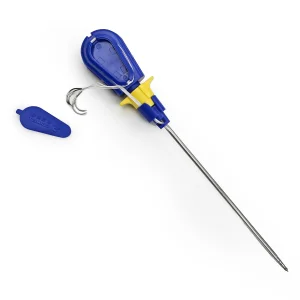
Supporting advanced anatomical procedures from rotator cuff stabilization to high-tibial osteotomies in urban healthcare facilities.
For Chicago neurosurgeons and orthopedic spinal specialists performing Anterior Cervical Discectomy and Fusion (ACDF) or Posterior Lumbar Interbody Fusion (PLIF), material biocompatibility is critical. Modern surgery centers demand structural materials that minimize stress shielding, maximize radiographic visibility, and promote early osteointegration.
CANWELL spinal fusion platforms utilize Medical Grade PEEK (Polyetheretherketone) from certified global raw material suppliers. PEEK features an elastic modulus of approximately 3.6 GPa, which closely mimics human cortical bone compared to titanium alloys (110 GPa). This close approximation drastically reduces the risk of adjacent segment degeneration and implant subsidence. Simultaneously, PEEK's radiolucent characteristics allow clinicians in postoperative clinics to easily evaluate fusion progress using standard X-ray or CT imaging without metallic distortion.
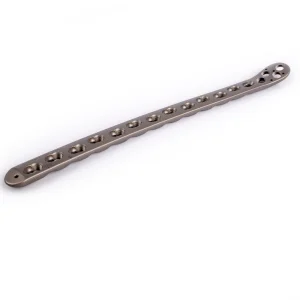
For load-bearing structural hardware, such as locking compression plates, intramedullary nails, and pedicle screw assemblies, high-strength titanium alloy Ti-6Al-4V ELI (Extra Low Interstitial) remains the gold standard. We implement state-of-the-art surface anodization protocols to optimize corrosion resistance and construct longevity, ensuring our devices meet the mechanical demands of Level-1 Trauma settings.
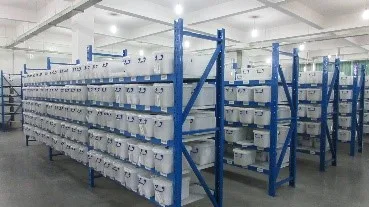
Purchasing administrators at Chicago medical hubs deal with unpredictable logistics lead times and high inventory carrying costs. Direct OEM sourcing bypasses local tier-one distributors who add substantial margins to standard hardware. Our logistical framework utilizes express air freight routes direct to Chicago O’Hare International Airport (ORD), reducing transit times to 5-7 business days for stock items.
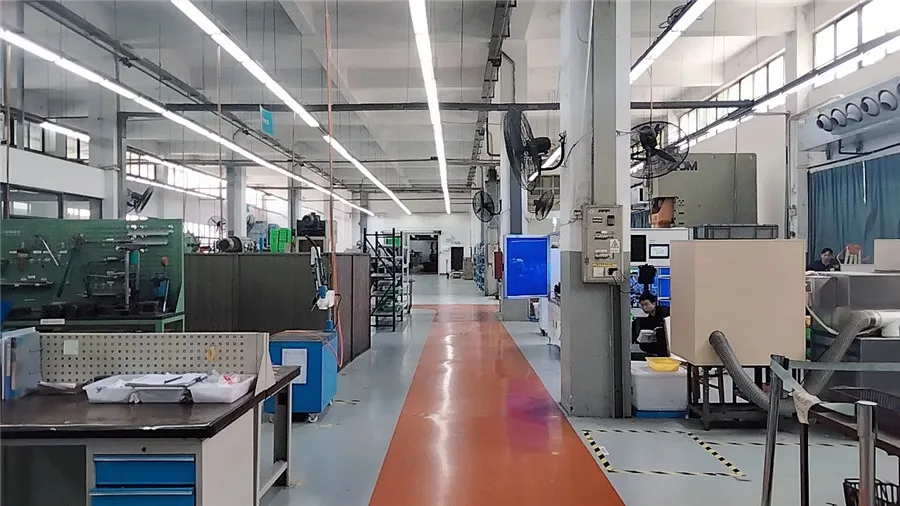
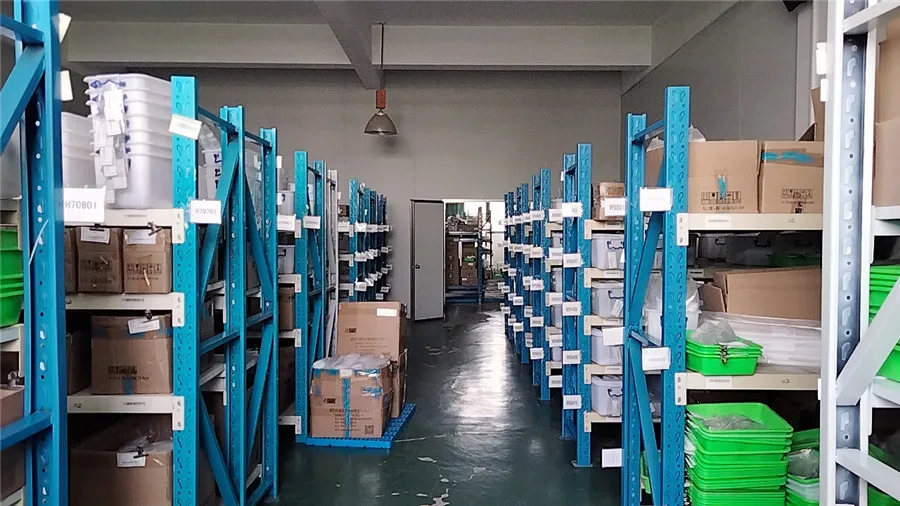
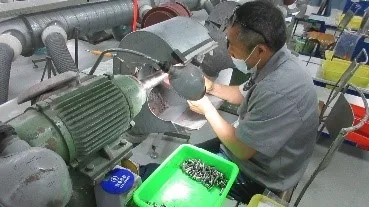
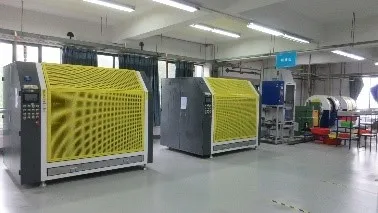
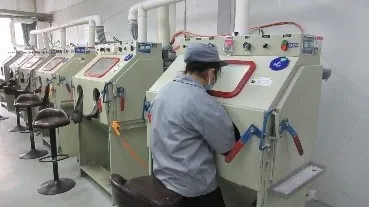
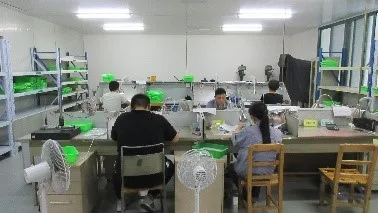
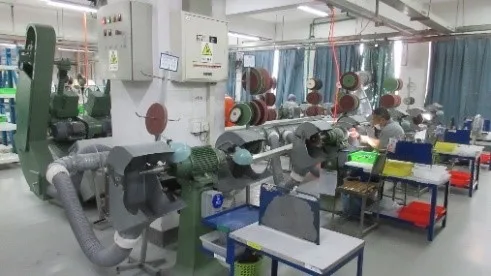
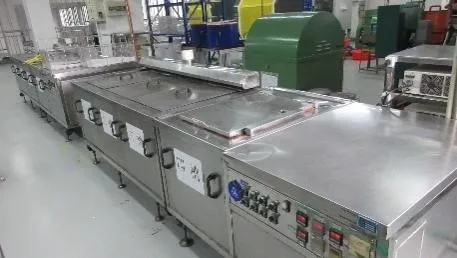
Our factory operates fully automated CNC swiss-machining hubs, minimizing the potential for human error in screw thread geometry and plating tolerances. Every single production batch is accompanied by material test reports (MTR), certificate of analysis (COA), and ultrasonic flaw detection logs. By maintaining full vertical control over machining, finishing, cleaning, and sterile barrier packaging, we ensure every part is ready for autoclave processing upon hospital receipt.
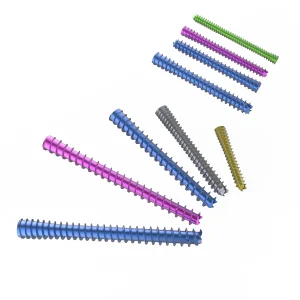
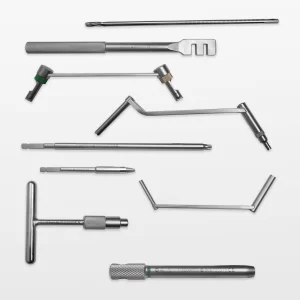
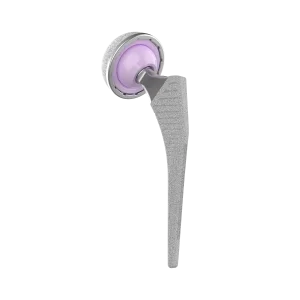
From micro-fixation for phalanges to total hip replacements and spine fusion systems, presenting a comprehensive portfolio of clinical devices.
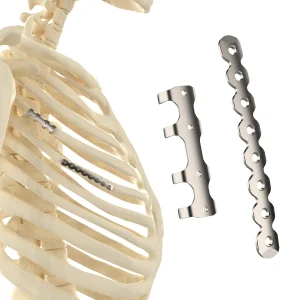
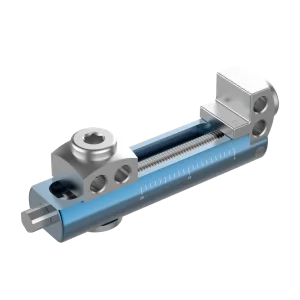
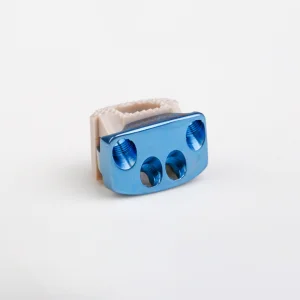
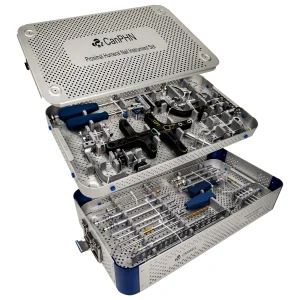
Inside our ISO Class 7 cleanroom packing facilities and high-precision multi-axis turning workshops.
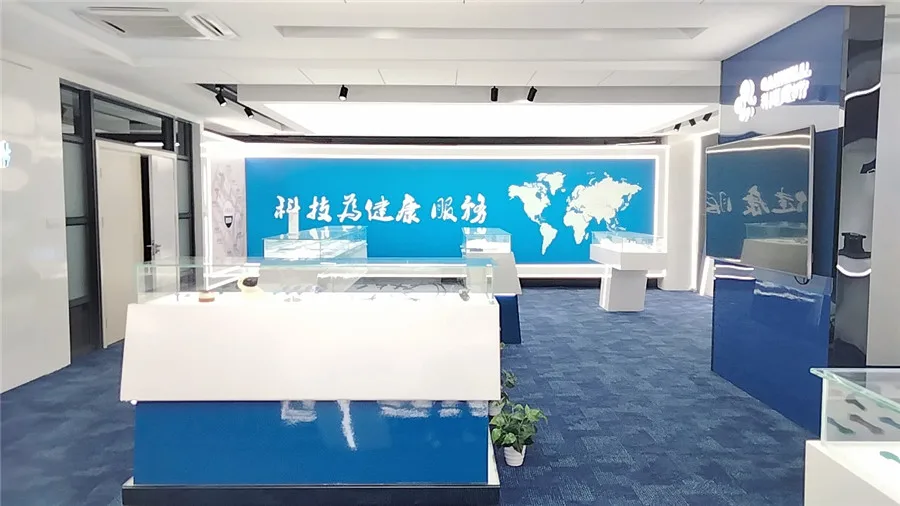




For any orthopedic distributor in the United States, importing spinal implants requires strict adherence to federal classification guidelines. Spinal instrumentation systems, such as zero-profile cervical fusion cages or pedicle screws, are generally categorized as Class II medical devices. They must demonstrate mechanical equivalence to active predicates under the FDA 510(k) clearance process.
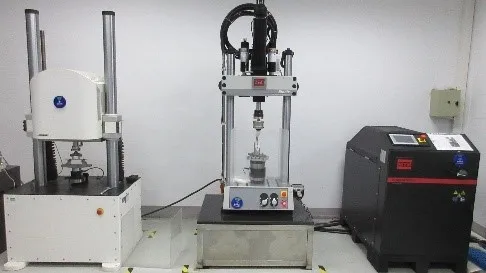
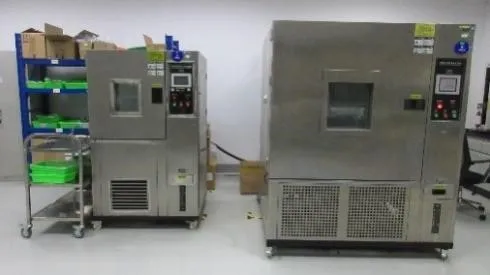
Our engineering teams maintain extensive technical documentation, including ASTM F2077 (for intervertebral body fusion devices) and ASTM F1717 (for spinal implant constructs in a vertebrectomy model) testing profiles. By tracking the migration of standards from traditional MDD to the modern CE MDR (Regulation EU 2017/745), we perform rigorous post-market clinical follow-ups (PMCF) and keep updated Clinical Evaluation Reports (CER). This deep regulatory insight simplifies regional approval pathways for Chicago-based importers purchasing OEM batches.
Economic forces in Illinois' healthcare systems are driving a massive migration of simple-level spine procedures from traditional hospital inpatient settings to ASCs. Standard micro-discectomies, ACDF, and single-level lumbar decompression are now routinely performed in outpatient environments. ASCs operate on fixed Medicare reimbursement rates, creating a strong economic incentive to minimize structural waste and device markups.
By providing direct-from-manufacturer pricing structures for bone screws, compression plates, and suture anchors, we align with the ASC cost-reduction strategy. Our sterile-packaged implants eliminate hospital sterilization backlogs, allowing surgical centers to increase daily patient volume while maintaining absolute surgical safety. This clinical shift is transforming how distributors optimize their local inventories.
Answering technical, regulatory, and logistics questions for health system managers, distributors, and surgeons.
Reduce your clinical supply chain costs and source premium, traceably manufactured spine and orthopedic trauma hardware directly from the factory floor.
 Harney-Well