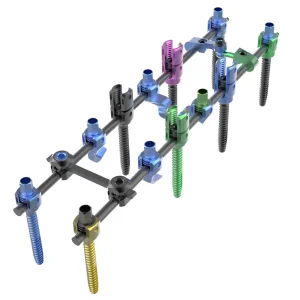
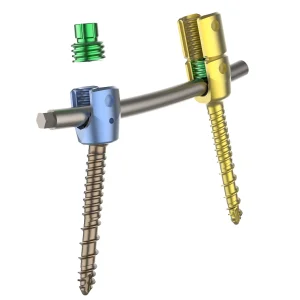
An in-depth analysis of how technological leadership, regulatory transformations, and high-performance supply chains reshape spinal reconstruction globally.
Israel is widely recognized as a global incubator for advanced medical technologies, particularly in the fields of orthopedic biomechanics and minimally invasive spinal surgery. Known dynamically as the "Silicon Wadi," the concentration of digital health startups, raw material innovation, and surgical robotics in the Tel Aviv-Haifa corridor has set benchmark quality demands across Europe, the Americas, and the Middle East.
As spine surgery undergoes a paradigm shift from rigid fusion systems to motion preservation, dynamic stabilization, and navigation-guided implant placement, global hospitals require manufacturing hubs that can translate clinical blueprints into biocompatible surgical solutions. To meet this intense demand, we bridge Israeli mechanical design ingenuity with the industrial might of advanced Class III medical device manufacturing, enabling distributors to scale their orthopedic portfolios reliably.
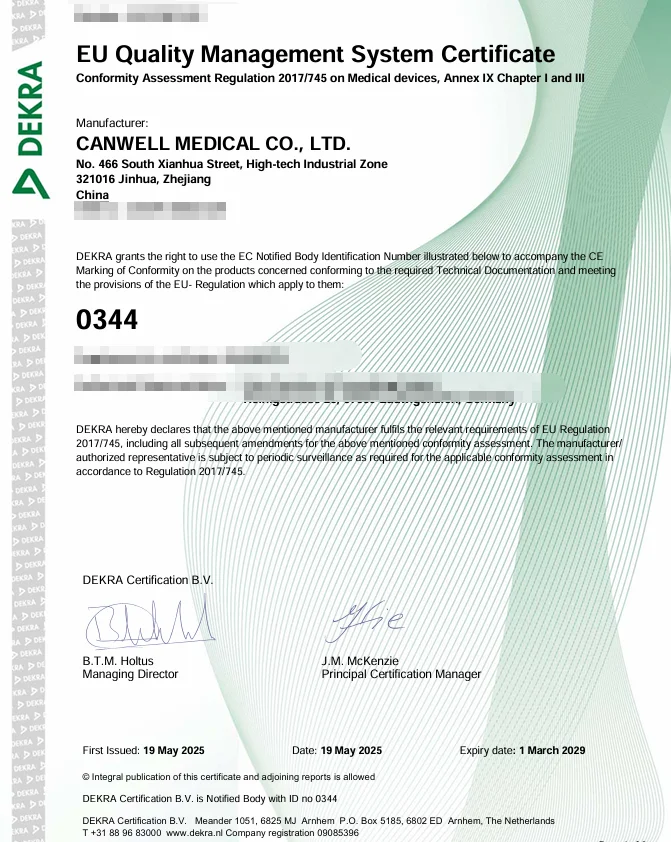
Under strict compliance architectures, including ISO 13485 quality systems and transition readiness for the European Union Medical Device Regulation (MDR 2017/745), our manufacturing processes integrate biocompatible titanium, PEEK, and cobalt-chrome alloys to deliver optimal osteointegration and mechanical fatigue strength.
Recent shifts in the Israeli procurement landscape emphasize a hybrid procurement model: leveraging local clinical R&D alongside robust offshore production ecosystems. This ensures that while clinical designs remain customized to specific surgical requirements, manufacturing scales efficiently without exposing supply chains to single-source vulnerabilities.
Years Exporting Experience
QA/QC Inspectors
Highly engineered fixation and reconstruction systems certified for international orthopedic protocols.
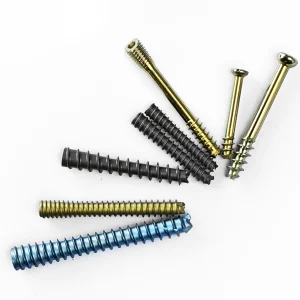
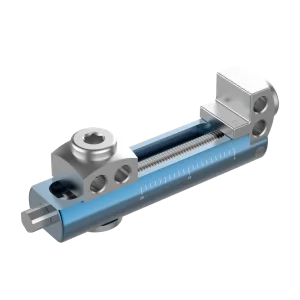
Where advanced material science meets robotic-assisted surgery and next-generation surface engineering.
The industry is rapidly shifting toward 3D-printed titanium implants featuring open trabecular structures. This architecture mimics natural cancellous bone, accelerating cellular migration and osteointegration directly at the implant surface.
Low-profile pedicle screw systems and specialized percutaneous instrumentation reduce soft-tissue disruption. Our systems support navigated and robotic surgeries with high dimensional precision, keeping placement errors below sub-millimeter limits.
Utilizing advanced titanium alloy (Ti-6Al-4V ELI) combined with anodic oxidation processes, we optimize fatigue life and load distribution. This mitigates stress shielding and minimizes the risk of revision surgeries due to implant loosening.
Integrating cost-efficient scale with stringent Class III medical-grade compliance and global engineering partnerships.
By pairing state-of-the-art production environments with raw materials imported from certified surgical titanium suppliers, we execute both high-volume standardized batches and custom OEM modifications with equivalent quality control.
Global procurement teams face constant pressure to manage material costs while satisfying clinical demands for structural safety and bio-compatibility. Developing an implant system involves extensive iteration, making supplier agility crucial.
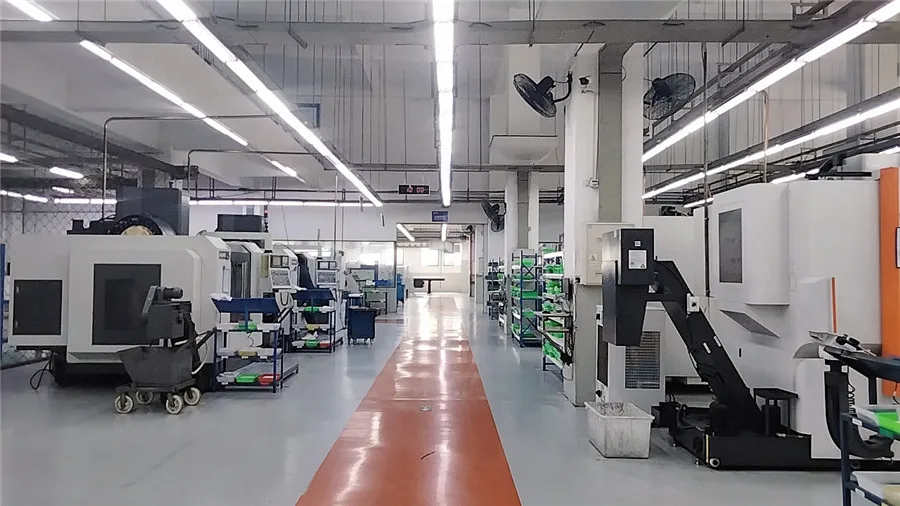
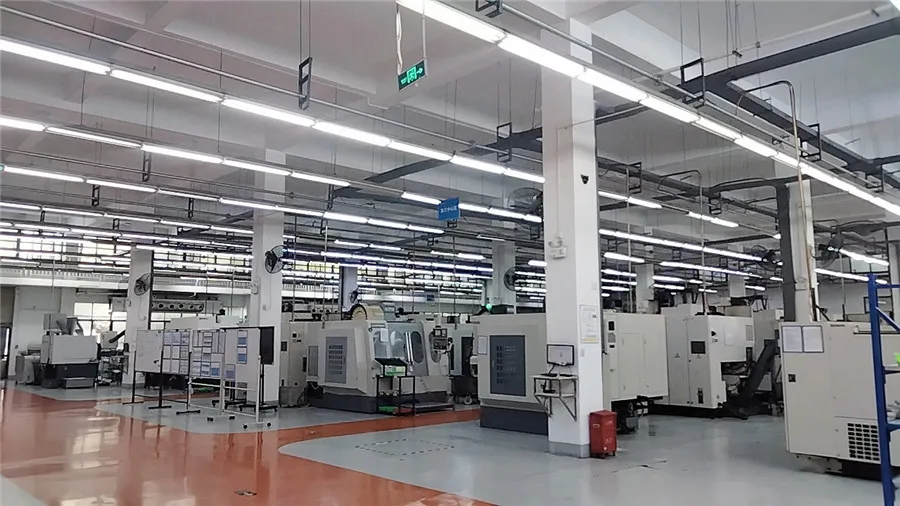
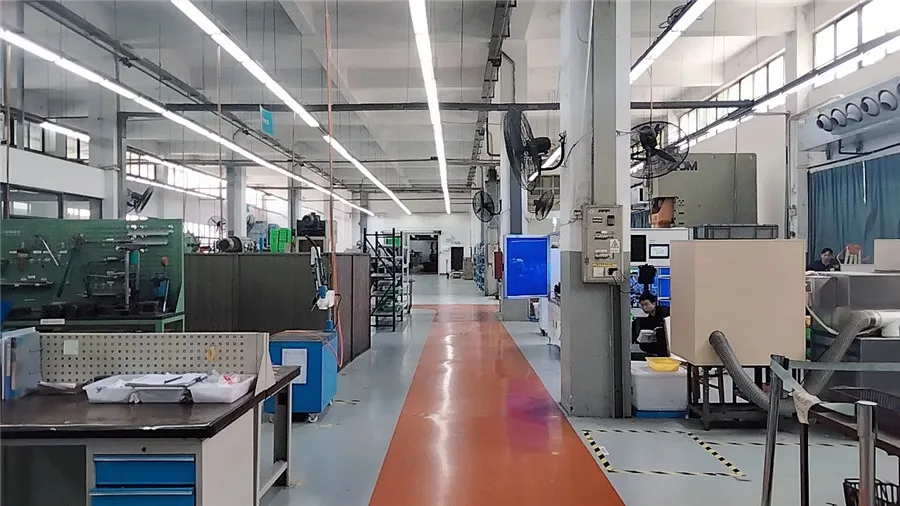
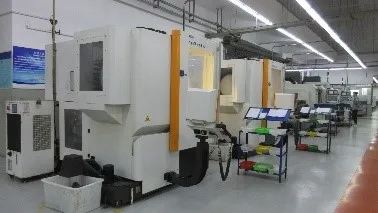
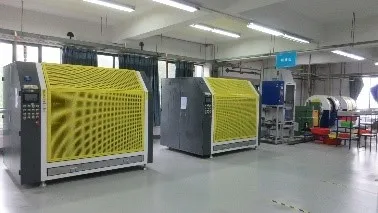
Our Factory 4.0 setup coordinates raw material sourcing with robotic milling and automated passivation lines. This hybrid infrastructure delivers significant cost advantages over traditional Western manufacturers without sacrificing engineering quality.
Additionally, our 59-person R&D team works directly with engineers in major medical device hubs like Israel, Germany, and the United States. This collaboration ensures smooth transitions from custom component design to high-volume manufacturing, helping you bring new solutions to market faster.
A transparent breakdown of manufacturing capacity, international certifications, and R&D resources.
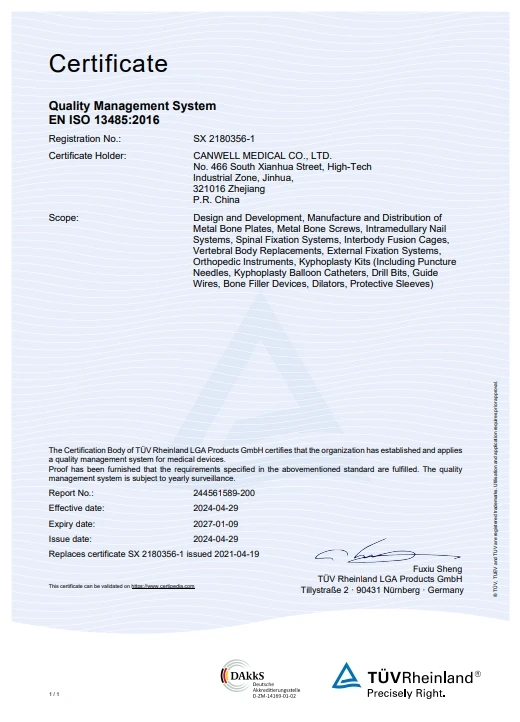
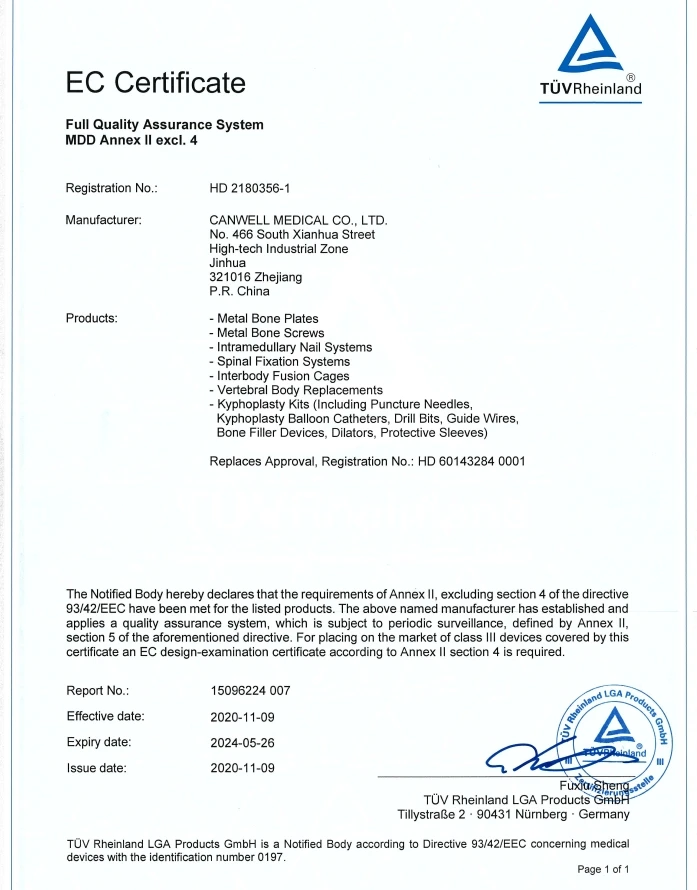
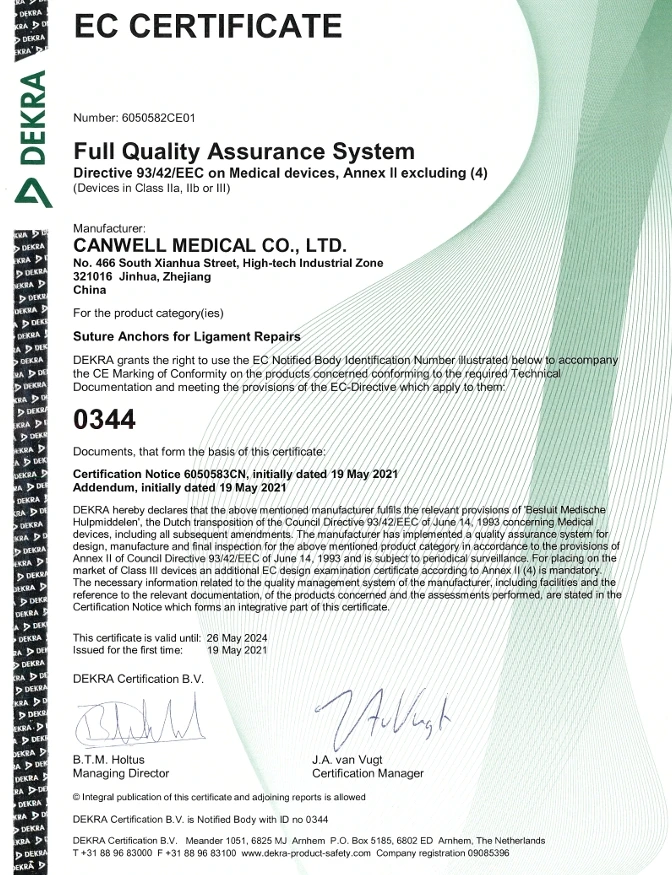
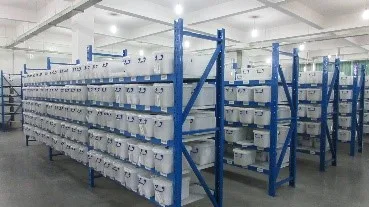
Streamlined inventory systems, customized instrument layouts, and sterile packaging solutions built for critical operations.
Modern spinal and trauma surgery demands clean alignment between the surgical implant and its implanting instrument. Utilizing incompatible or subpar instrumentation increases intraoperative risks, structural failures, or alignment issues.
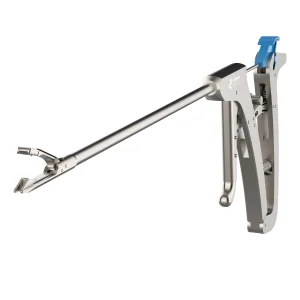
We supply fully integrated implants along with their custom surgical toolsets (including torque-limiting screwdrivers, vertebral distractors, trial spacers, and modular insertion guides). This vertical integration provides orthopedic centers with a unified point of accountability, helping to reduce surgical complications and streamline setup in the operating room.
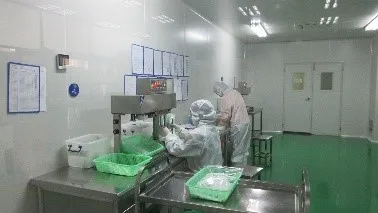
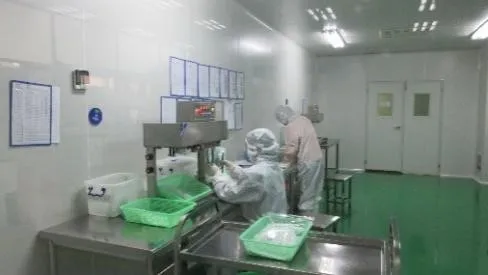
With sterile-packed implants becoming the global standard, we maintain Class 10,000 cleanroom environments to pre-package and seal implants in durable double-barrier pouches. This eliminates hospital sterilization steps prior to storage, extends product shelf life, and ensures that implant integrity is preserved until the moment of placement.
| Procedure Group | Implant Chemistry | Technical Standard |
|---|---|---|
| Degenerative Spinal Fixation | Ti-6Al-4V Grade 5 | ASTM F136 / ISO 5832-3 |
| Interbody Fusion (TLIF/PLIF) | Biocompatible PEEK / 3D Ti | ASTM F2026 Conformance |
| Osteosynthesis Trauma Fixation | Pure Titanium (CP) / Alloys | ISO 5832-2 & ASTM F67 |
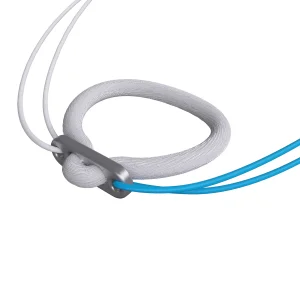
| Ligament Reconstruction | UHMWPE / Titanium 6-4 | High-Tensile Polyethylene |
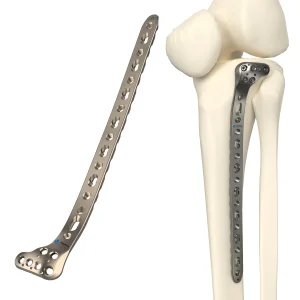
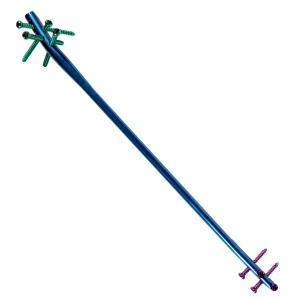
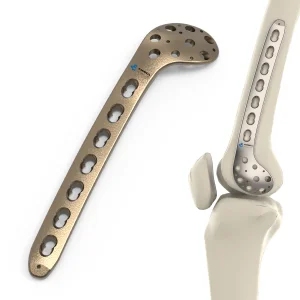
Explore our fully certified Class III orthopedic systems designed to meet demanding clinical standards in Israel and worldwide.
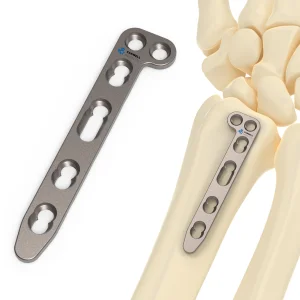
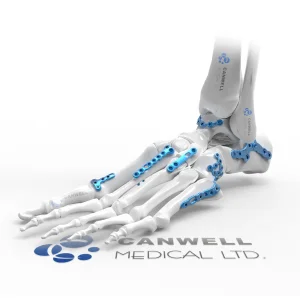
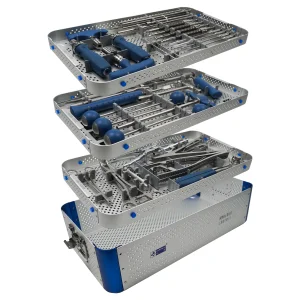
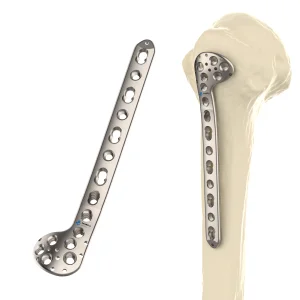
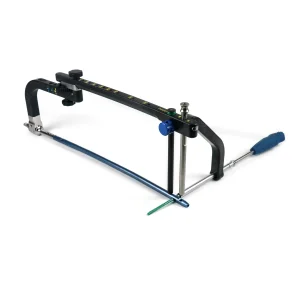
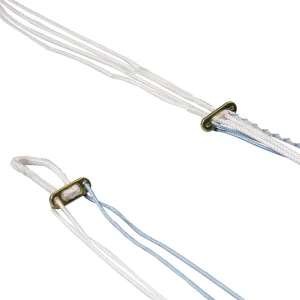
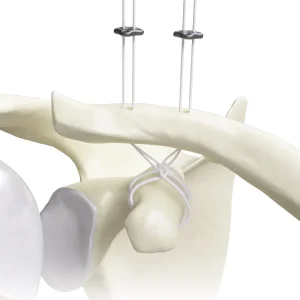
Navigating Ministry of Health (AMAR) registrations and European MDR validation protocols for seamless market integration.
To import surgical implants into Israel, manufacturers must secure registration with the Ministry of Health's medical device division, known as **AMAR**. Since Israeli regulatory frameworks closely align with European medical directives, having a valid EU CE certificate significantly accelerates this approval process.
We support our Israeli distributors by providing complete technical dossiers, including biomechanical fatigue testing (ASTM F1717 / ASTM F543 benchmarks), biocompatibility reports (ISO 10993 series), and cleanroom sterilization validation data (ISO 11137). This structured documentation simplifies registration, reducing administrative barriers and speeding up time-to-market.
Orthopedic implants require secure, reliable logistics. We manage this through integrated tracking and barcoding systems (conforming to Unique Device Identification - UDI guidelines), allowing hospital systems in Jerusalem, Tel Aviv, and Haifa to trace each implant back to its manufacturing batch.
When auditing high-precision manufacturers, B2B procurement managers typically evaluate three primary indicators of quality. We address these through verifiable performance metrics:
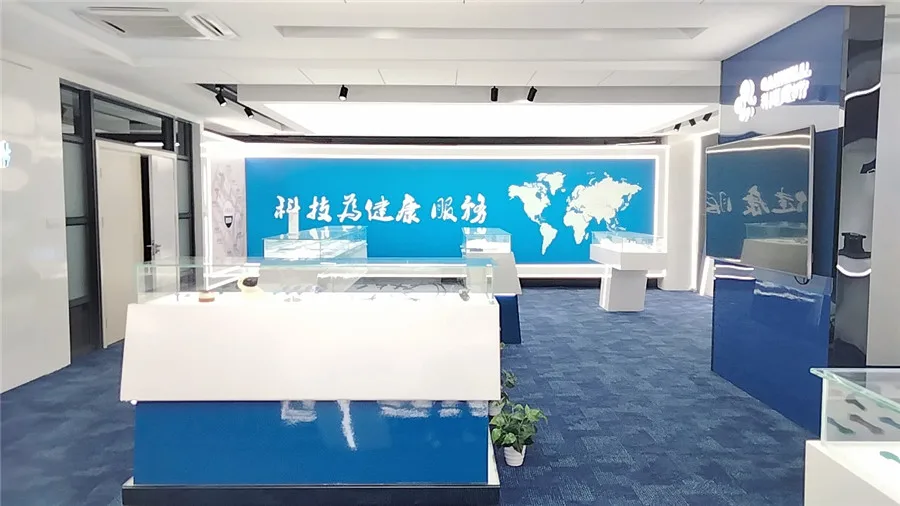
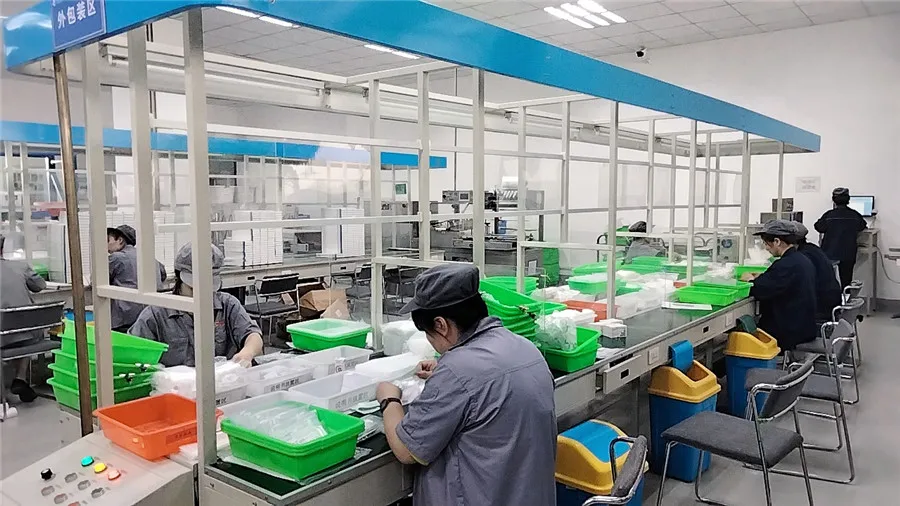
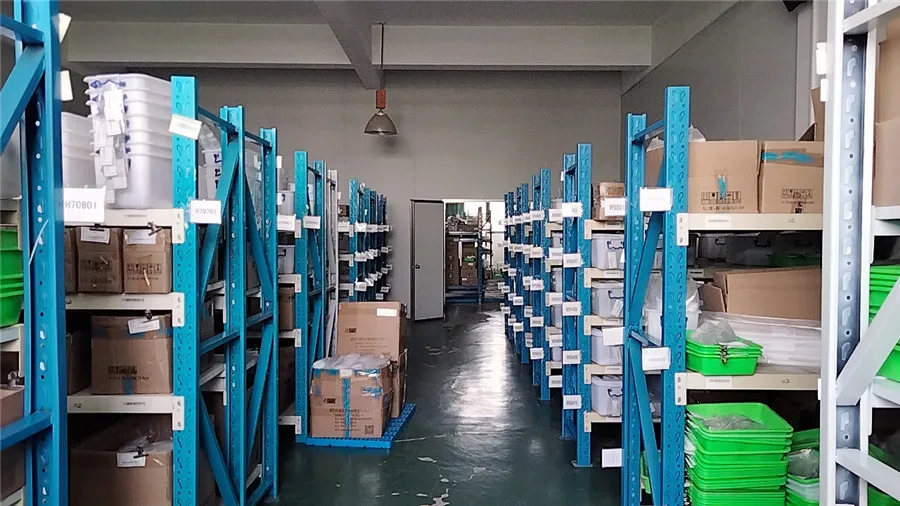
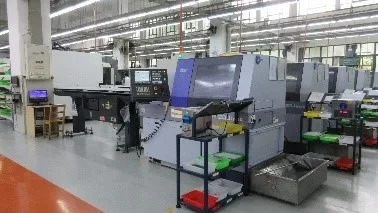
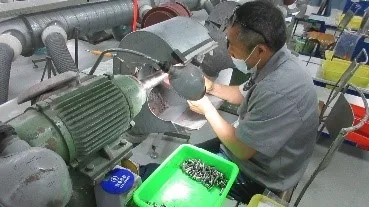
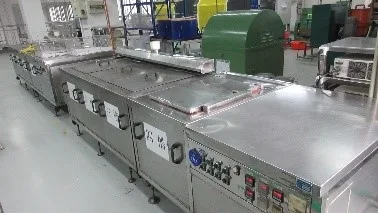
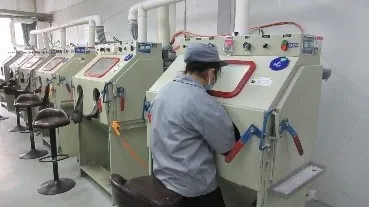
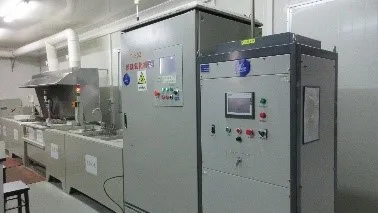
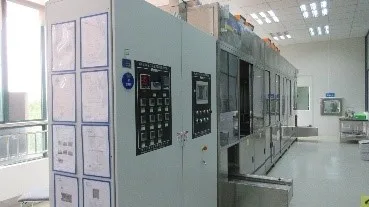
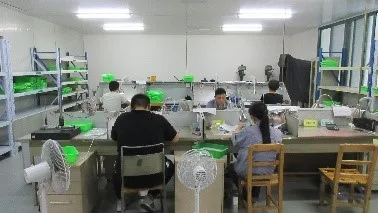
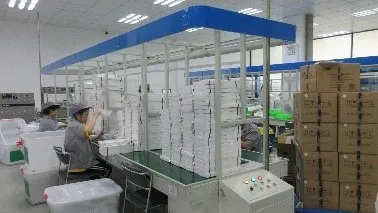
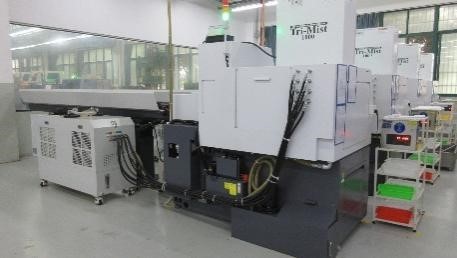
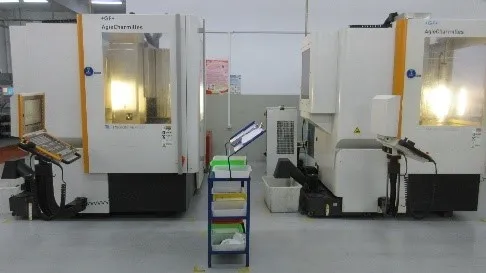
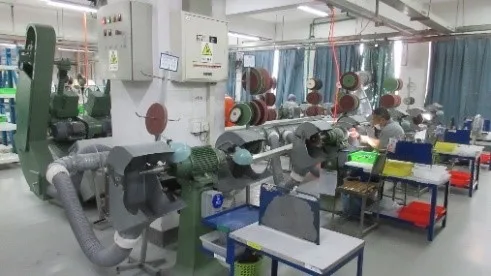
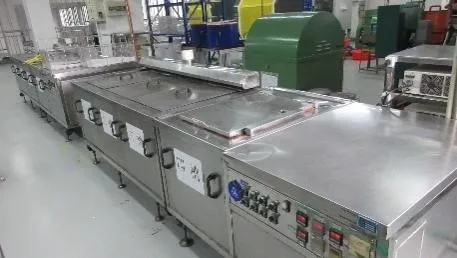
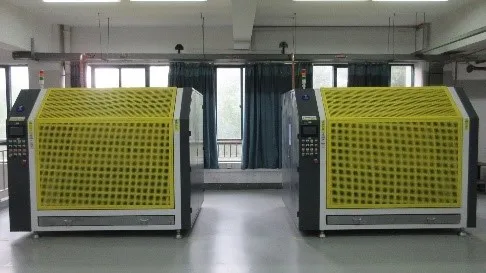
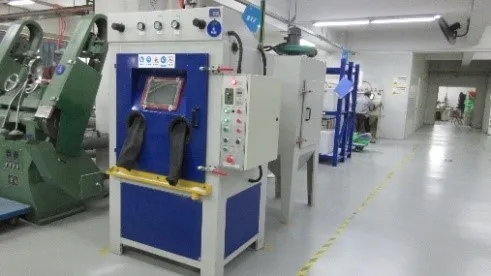
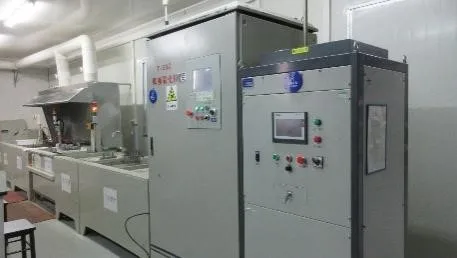
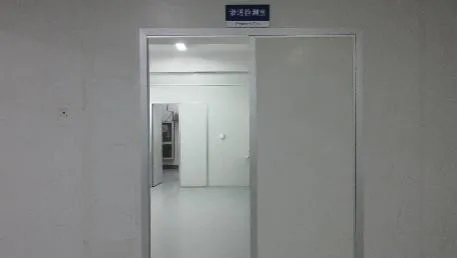
Verifiable views of our Class 10,000 cleanrooms, high-speed CNC milling systems, and chemical analysis laboratories.

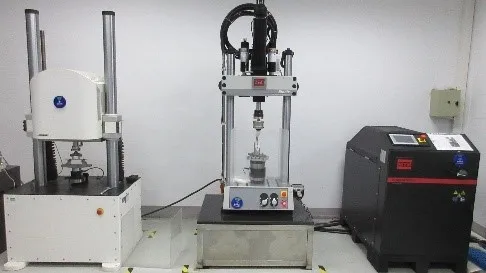
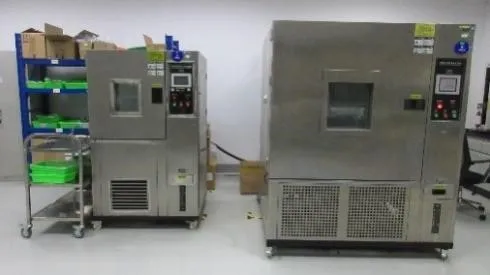
Direct answers regarding material sourcing, OEM capacities, certification verification, and importing logistics.
Our production facilities operate under a certified ISO 13485 quality system. Our core orthopedic ranges hold CE certificates under Council Directive 93/42/EEC, and we are updated for EU MDR compliance. We provide full traceability for all raw materials, including mill certificates for implant-grade titanium alloy (Ti-6Al-4V ELI) and PEEK.
Yes. Supported by a 59-person R&D team and utilizing multi-axis CNC milling machines, we provide customized designs for orthopedic implants. This includes custom length and thread profiles for pedicle screws, specialized anatomical locking plates, and custom-labeled surgical instrumentation sets.
For standard implant catalog items (such as pedicle screws, intramedullary nails, and locking plates), orders are typically dispatched within 30 to 45 days. Custom OEM projects require additional time for initial prototype development, dynamic mechanical verification, and regulatory file preparation.
We source raw titanium and PEEK materials exclusively from certified medical-grade suppliers. Every production run undergoes chemical composition analysis, microscopic structure verification, and tensile testing. Finished implants are cleaned in multi-stage ultrasonic baths and sterilized in controlled cleanrooms to guarantee patient safety.
Access high-precision manufacturing, ensure international regulatory compliance, and build a reliable supply chain for your spine and orthopedic portfolios.
Send Inquiry Now Harney-Well