High-demand biomedical implants designed for the Kanto medical cluster and global regulatory environments.
Quantifiable data illustrating our technical expertise, quality management framework, and global supply footprint.
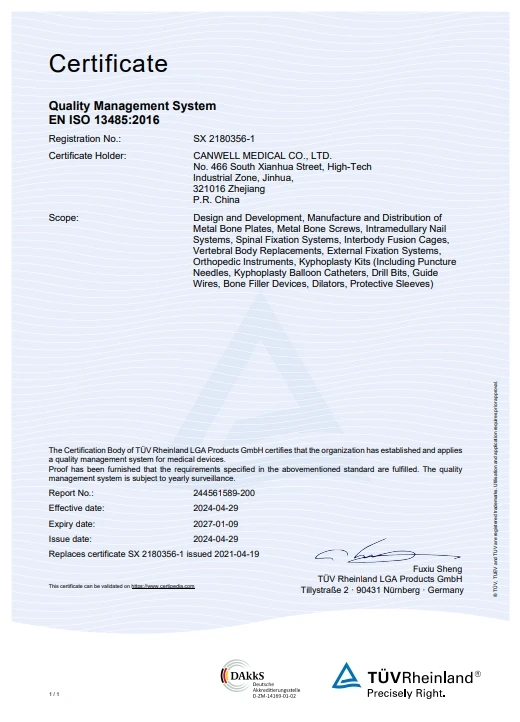 ISO13485 (SX 2180356-1)
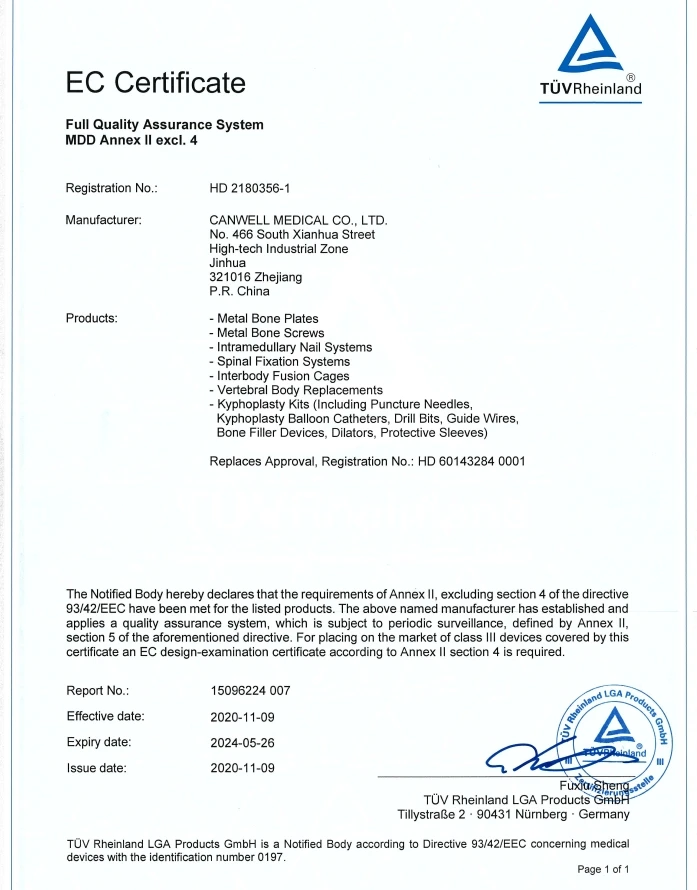 93/42/EEC (HD 2180356-1)
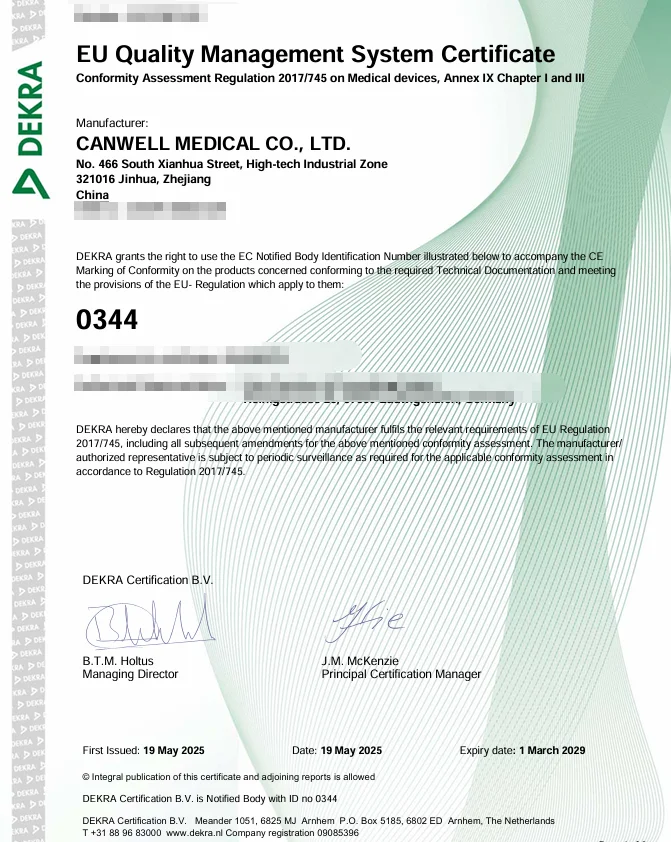 MDR CE (6142788CE02)
The Greater Tokyo Area, including the prestigious Bunkyo-ku medical cluster and Koto-ku science hubs, represents one of the most advanced healthcare ecosystems in the world. Dominated by highly specialized university hospitals (such as Keio University Hospital and The University of Tokyo Hospital), Tokyo's clinical requirements for orthopedic implants demand absolute biomechanical precision and safety documentation.
However, manufacturing medical devices inside Tokyo is highly cost-prohibitive due to astronomical land, labor, and compliance overheads. To circumvent this, major Japanese distributors and global medical device OEMs partner with advanced overseas production facilities. By pairing localized design and engineering concepts with modern raw material supply chains, enterprises can access highly competitive cost structures without sacrificing regulatory compliance.
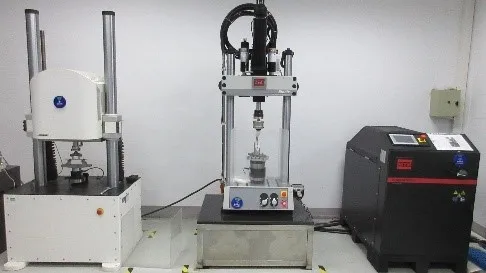
In Japan, spinal and trauma implants are classified as Class III or Class IV medical devices, requiring stringent evaluation by the Pharmaceuticals and Medical Devices Agency (PMDA). Our production lines operate under strict ISO 13485 quality systems, delivering the biological safety documentation (ISO 10993) and biomechanical test data (ASTM F1717 / ASTM F2077) required for smooth PMDA registration.
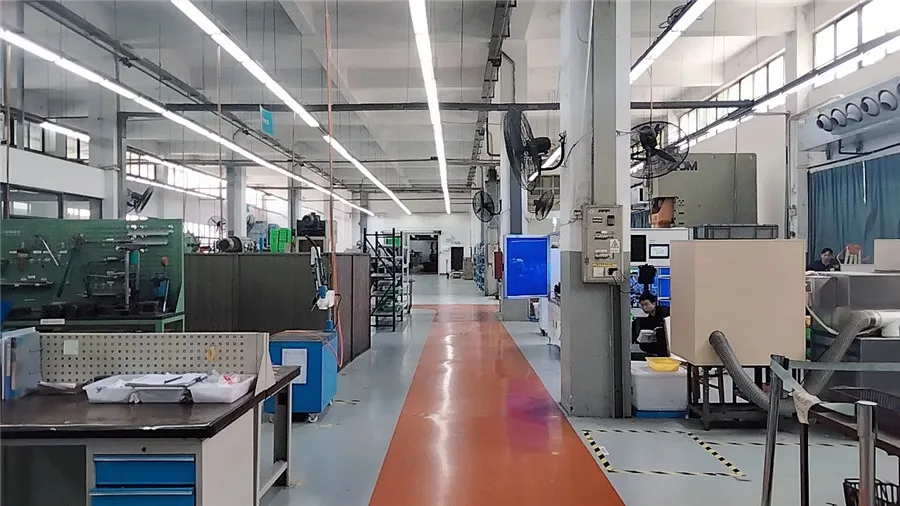
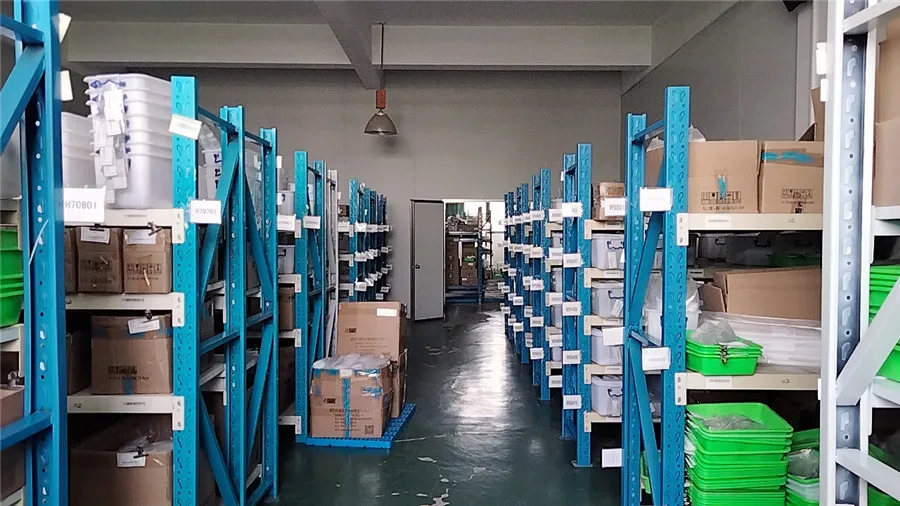
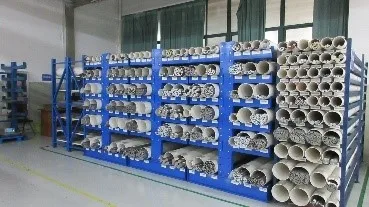
The global orthopedics market has shifted towards a hybrid sourcing model. By utilizing our 29,523㎡ manufacturing facility, partners in Tokyo and globally can achieve high-volume production output while utilizing premium medical-grade raw materials (such as Eli Grade 5 Titanium Alloy and Solvay/Evonik PEEK).
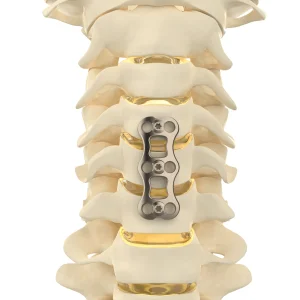
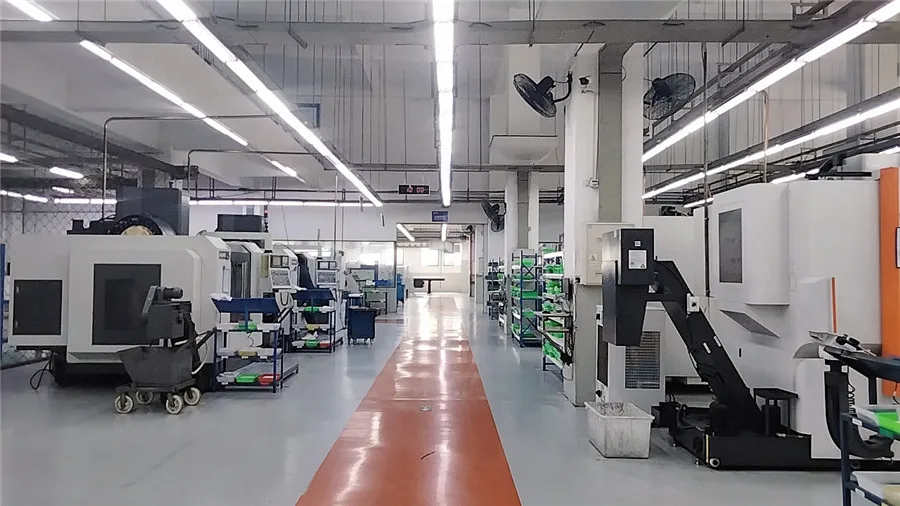
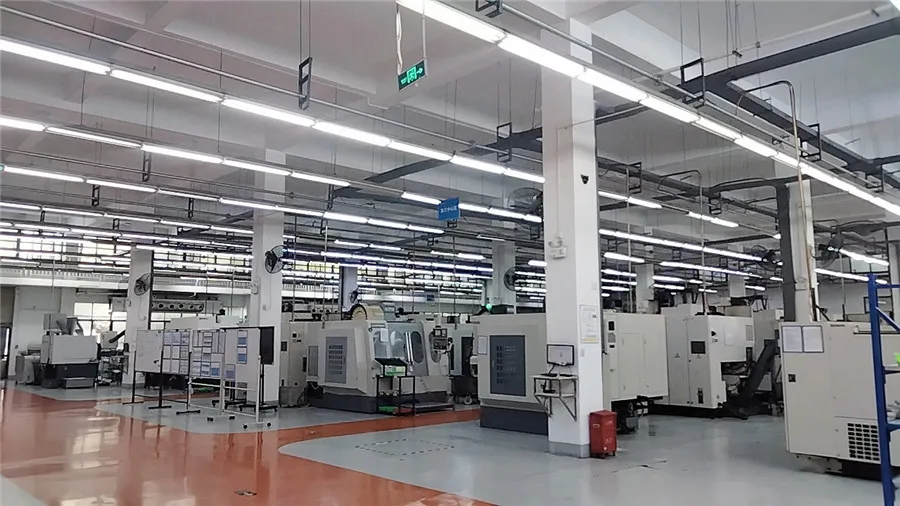
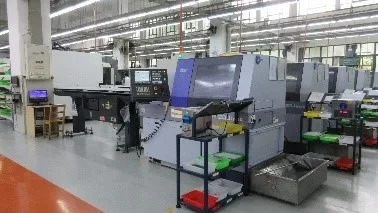
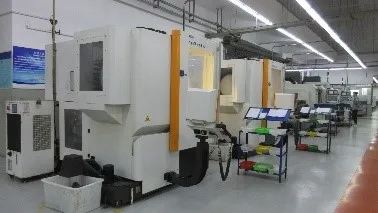
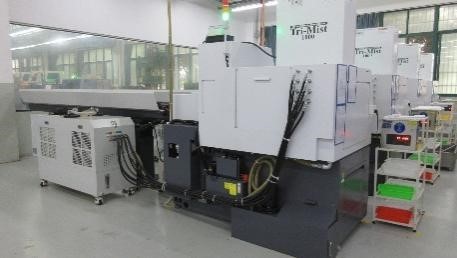
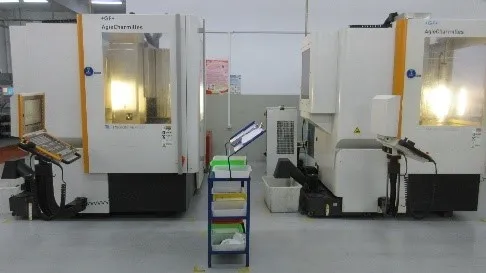
Our facility houses advanced 5-axis Swiss CNC machining centers, high-accuracy wire-cut EDM, and advanced metal 3D printing systems (SLM/EBM). This hardware capacity allows our team of 59 R&D engineers to prototype, test, and manufacture complex spinal systems—such as anterior cervical plates and 3D printed interbody fusion cages—with tolerances as tight as ±0.005mm.
Innovative manufacturing technologies driving next-generation spinal fusion and fracture fixation efficacy.
By utilizing selective laser melting (SLM) technology, we manufacture spinal fusion cages featuring an interconnected pore structure. This structure mimics human trabecular bone, accelerating osteointegration and lowering the risk of implant subsidence.
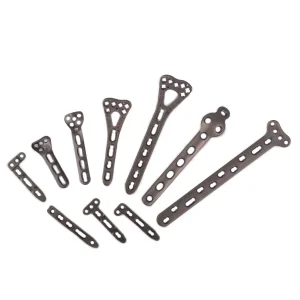
Biocompatible Titanium (Ti-6Al-4V ELI)Our anterior cervical plates feature a low-profile design and an integrated locking mechanism to prevent screw back-out. Pedicle screw systems are engineered with a dual-lead thread design, enhancing purchase in osteoporotic bone structures.
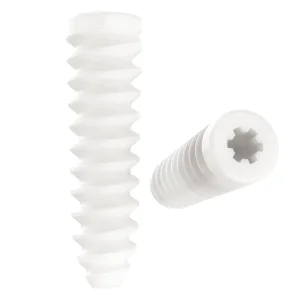
Dynamic Locking MechanismsIdeal for ligament reconstructions, our high-strength Polyetheretherketone (PEEK) interference screws provide excellent biomechanical stability, are fully radiolucent, and eliminate artifacts during post-operative MRI scans.
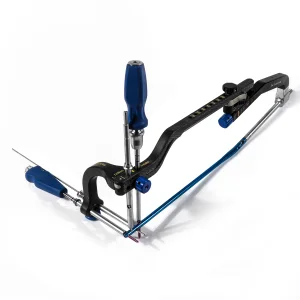
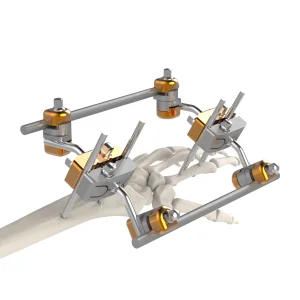
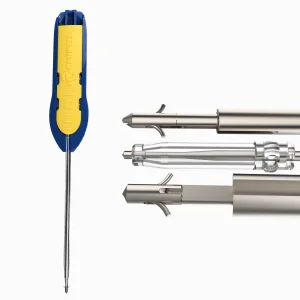
Evonik / Solvay Raw PolymersOur complete selection of regulatory-compliant medical devices, optimized for global orthopedic distributors and healthcare systems.
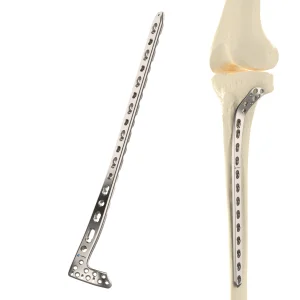
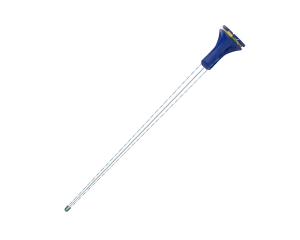
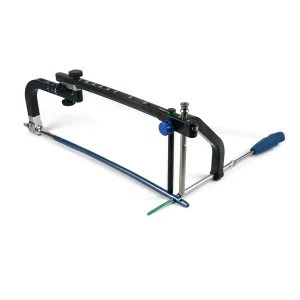
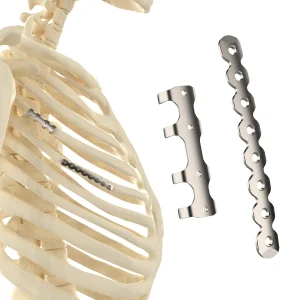
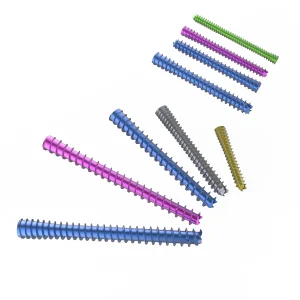
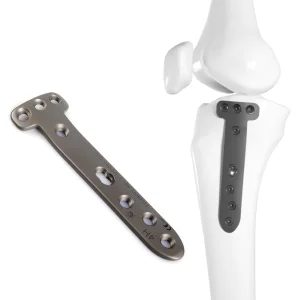
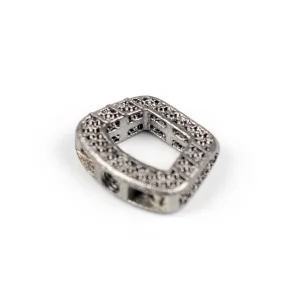
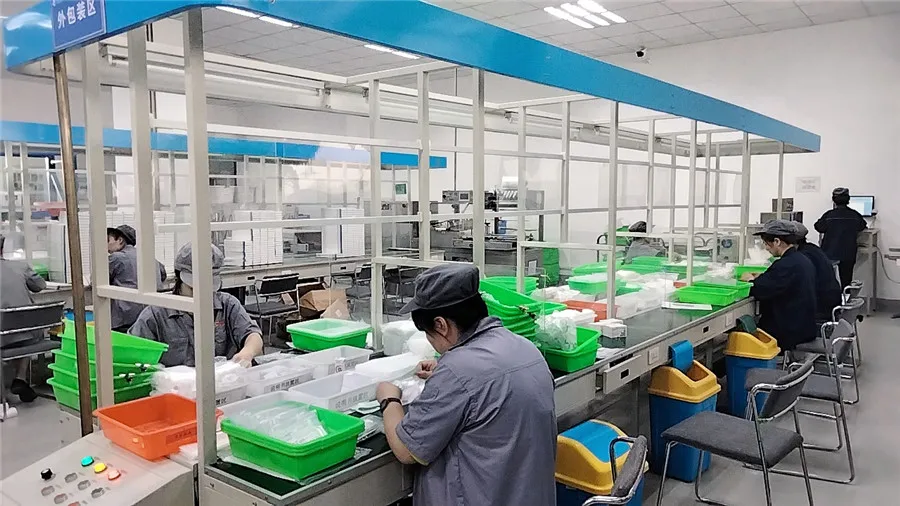
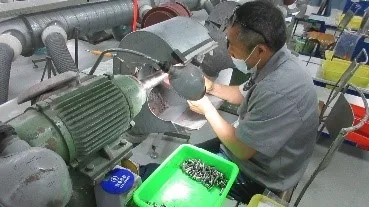
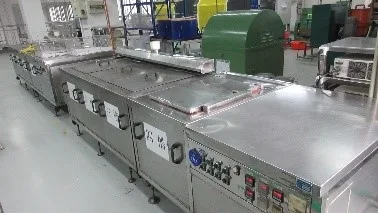
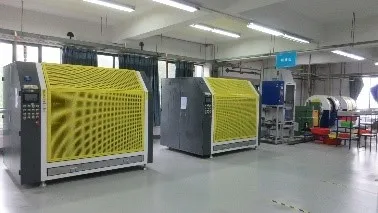
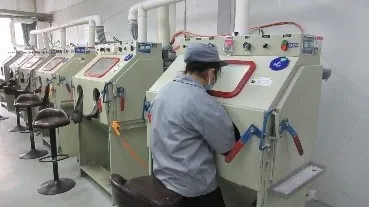
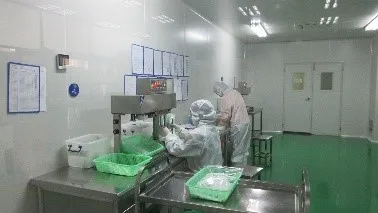
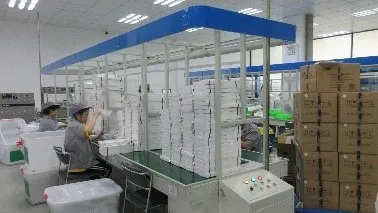
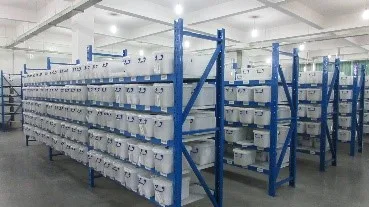
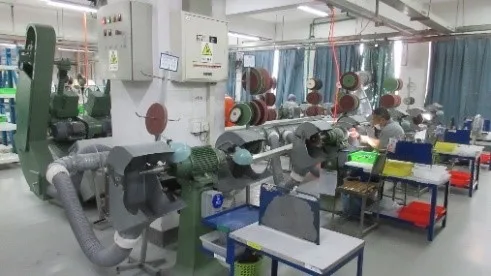
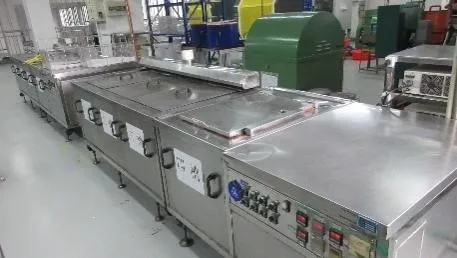
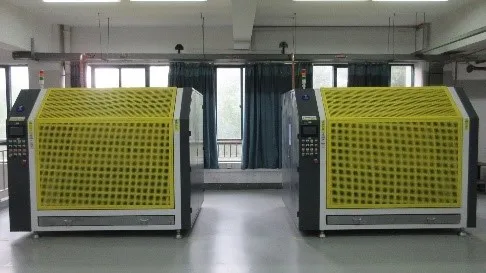
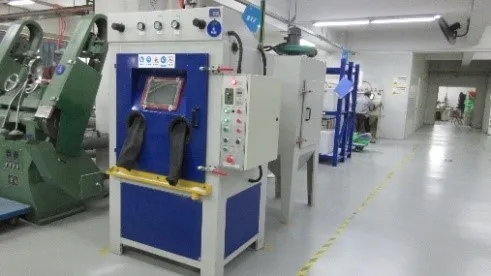
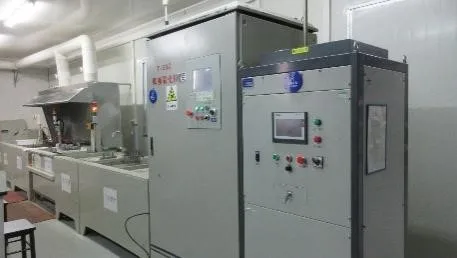
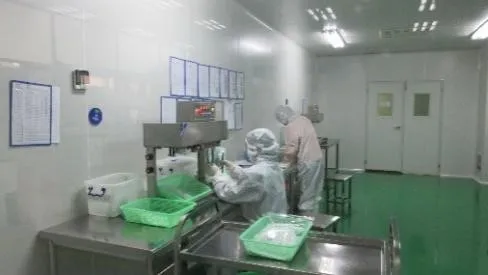
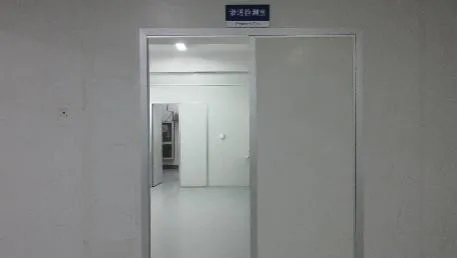
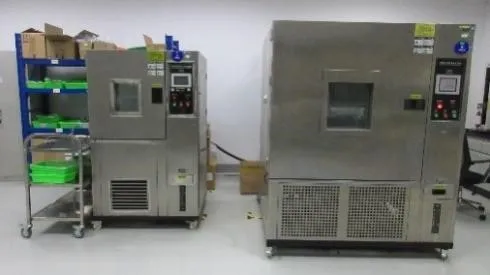
A visual look inside our CNC machining floor, QA testing labs, and ISO Class 7 cleanrooms.
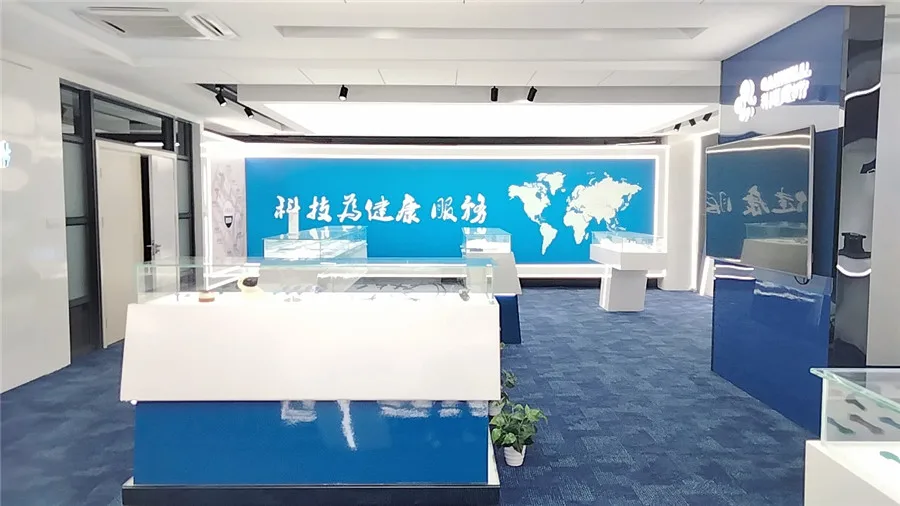
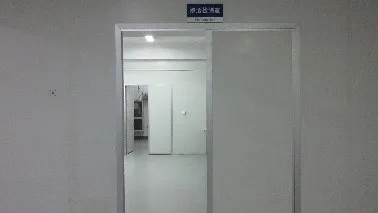
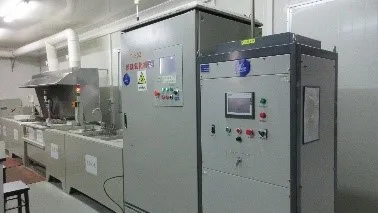
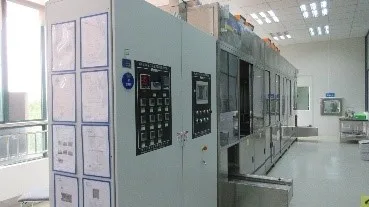
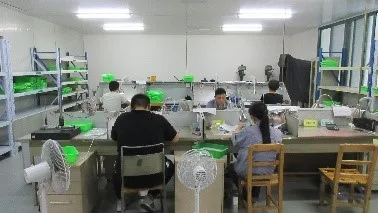
Essential information regarding manufacturing compliance, materials, and international procurement processes.
 Harney-Well