Engineered to meet the stringent standards of Class IIb and Class III medical devices. The following premium instrumentation systems are optimized for orthopedic and traumatological surgery clinics throughout Santiago, Valparaíso, and regional Chile.
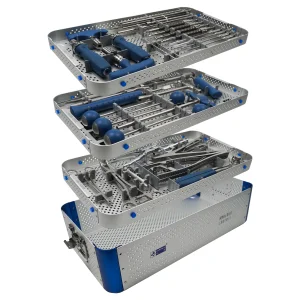
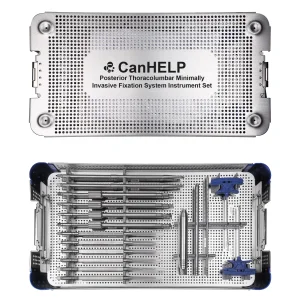
The healthcare sector in Chile operates as a dual system comprising public and private structures. Over the past decade, demand for spine and traumatology interventions has escalated dramatically, fueled by an aging population, rising rates of work-related physical strain (specifically in the heavy industries and mining sectors of northern Chile like Antofagasta and Calama), and structural expansion of hospital facilities.
In the public sector, the Fondo Nacional de Salud (FONASA) caters to over 75% of the population, procuring medical devices through complex national tenders managed by CENABAST (Central de Abastecimiento del Sistema Nacional de Servicios de Salud). On the private end, premium clinics—such as Clínica Alemana, Clínica Las Condes, and Clínica Santa María—are funded via ISAPREs (Instituciones de Salud Previsional). These private facilities prioritize cutting-edge technology, particularly minimally invasive spine surgery (MISS) instrumentation, requiring suppliers to maintain the absolute highest level of technical compliance and product innovation.
Entering the Chilean medical device market requires a thorough understanding of the local regulatory regulatory framework. The Instituto de Salud Pública (ISP) de Chile is the primary authority overseeing the import, registration, and distribution of medical devices. Spine instrument sets and orthopedic implants fall under Class IIb and Class III categories. Under local decree, foreign manufacturers must align with a certified local representative in Chile who holds the import credentials. Obtaining approval requires extensive documentation, including ISO 13485 certification, CE mark (93/42/EEC or the newer MDR regulations), and a Certificate of Free Sale (CFS) from the country of origin.
Surgical settings in Chile are highly diverse, ranging from state-of-the-art urban private centers to remote public hospitals located in high-altitude regions. This geographic disparity demands instruments that are resilient, ergonomically precise, and able to withstand rigorous sterilization cycles without compromising mechanical integrity.
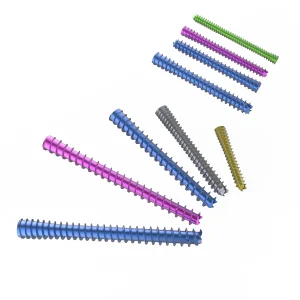
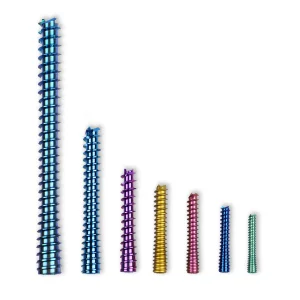
For instance, in high-altitude regions such as the Atacama Desert, atmospheric conditions can affect classical sterilization cycles. Instrument sets manufactured using Ti-6Al-4V ELI (Grade 5 Titanium) and specialized medical-grade stainless steel ensure exceptional corrosion resistance and durability. Our posterior fixation and minimally invasive long-arm pedicle screw sets are tailored to perform under these complex clinical scenarios, featuring:
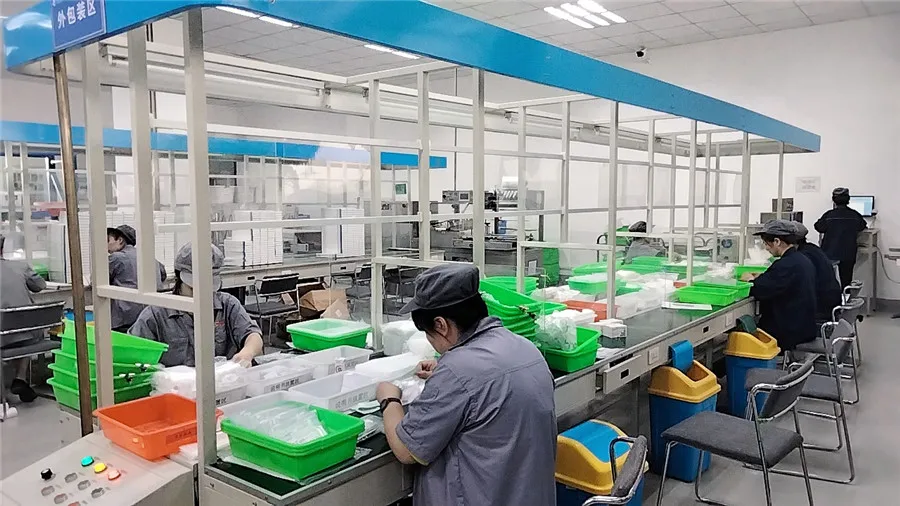
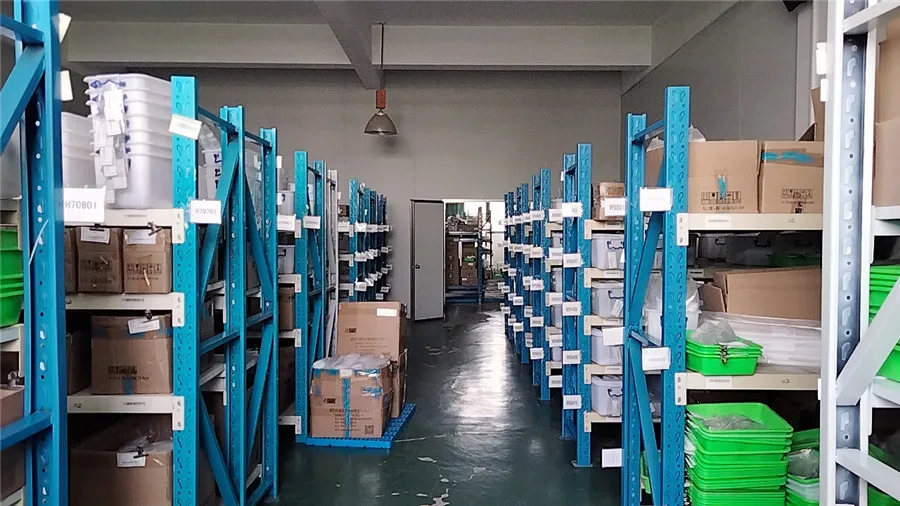
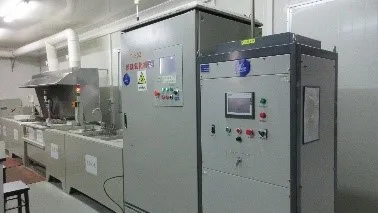
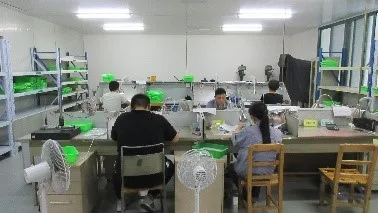
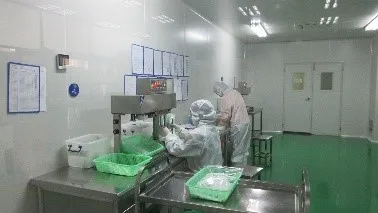
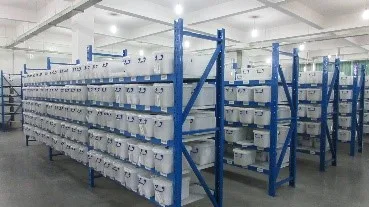
As a trusted OEM/ODM manufacturing partner, our operations are fully auditable, showcasing over two decades of exporting medical devices globally. Review our verified production profile below.
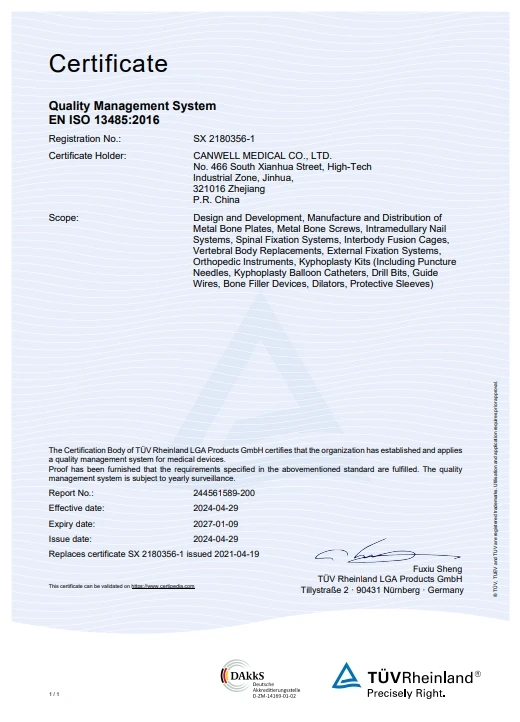
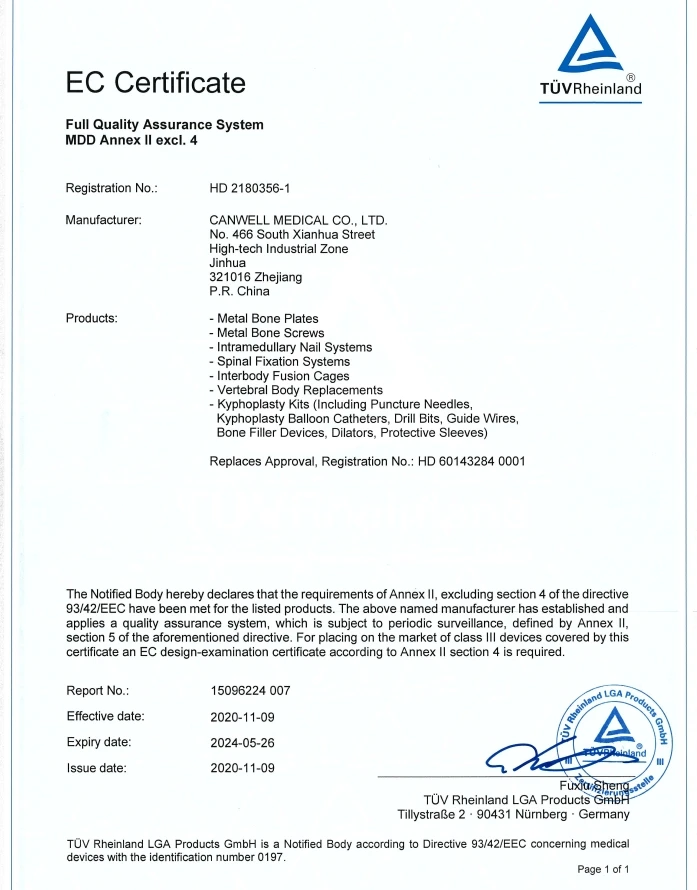
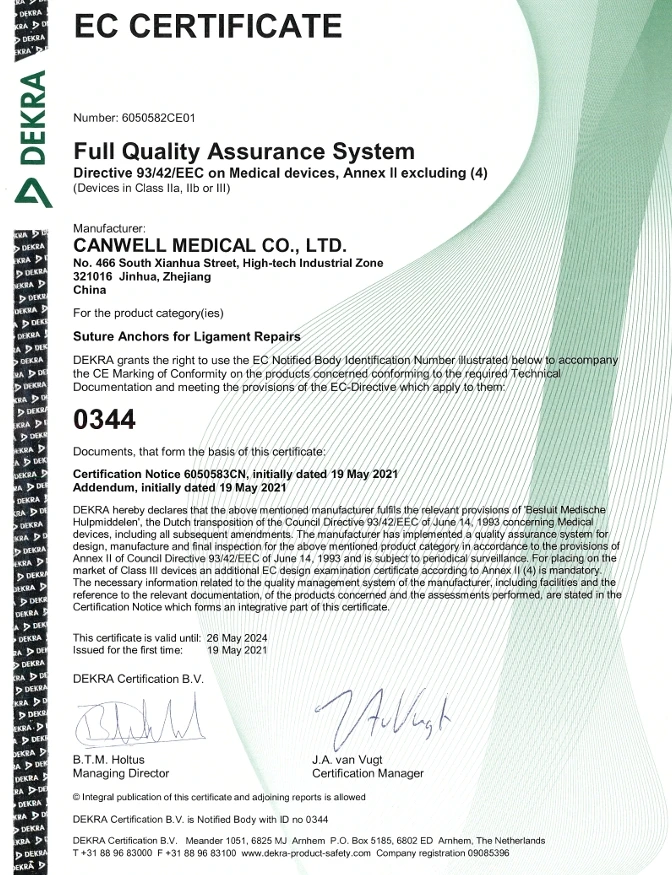
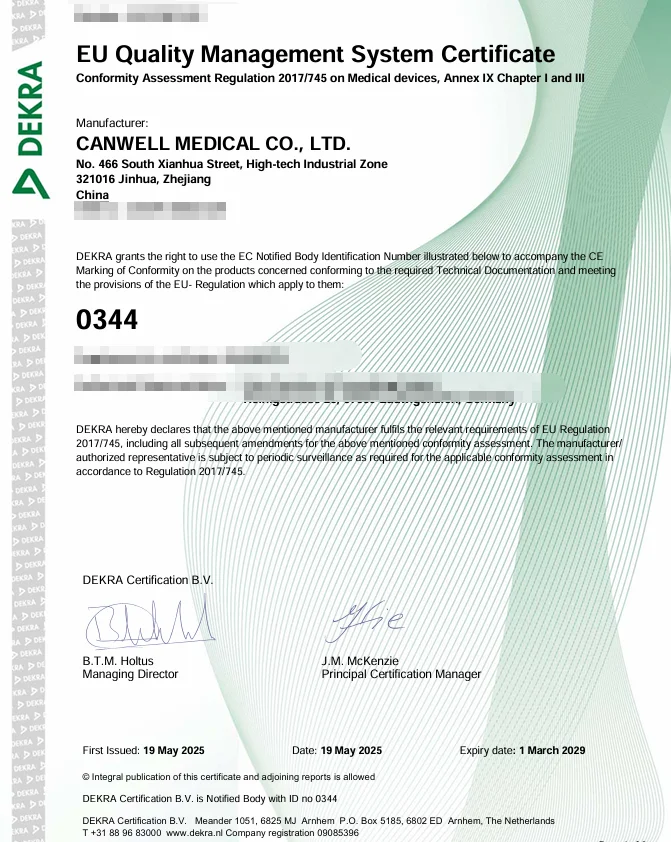
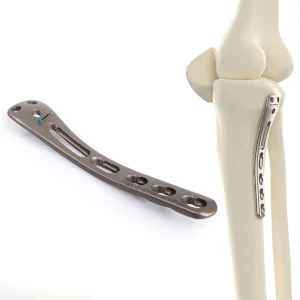
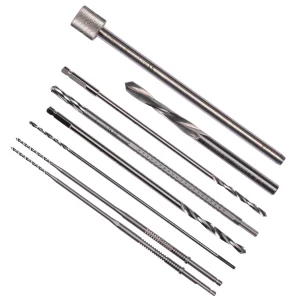
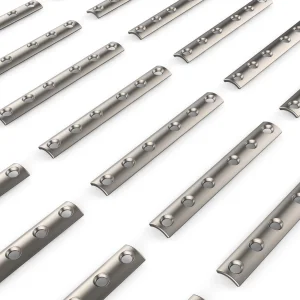
We offer a complete suite of surgical accessories and trauma fixation plates compatible with standard AO systems to provide a full-spectrum solution for Chilean emergency departments and regional health networks.
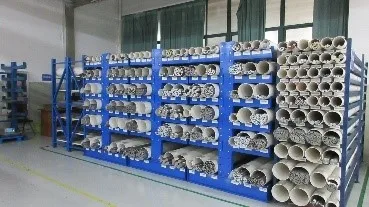
Quality control at our factory follows a strict 100% inspection protocol. We integrate advanced coordinate measuring machines (CMM) and video measuring systems to verify tolerances down to the micrometer level. Below is an outline of our material selection and manufacturing process:
Implant grade titanium (Ti-6Al-4V ELI) conforms to ASTM F136 standards. By utilizing high-purity alloys, we ensure maximum fatigue resistance, reducing the risk of implant fracture or deformation under weight-bearing spinal stresses. For instrument sets, we utilize custom-hardened martensitic stainless steels (such as 420 Mod) which maintain edge sharpness over hundreds of autoclave sterilization cycles.
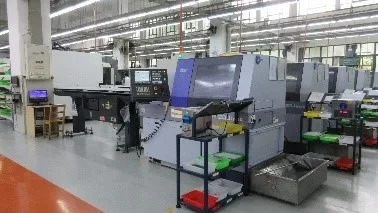
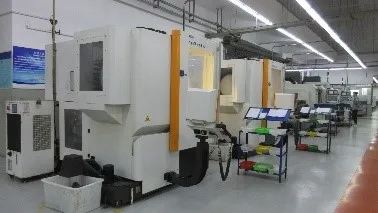
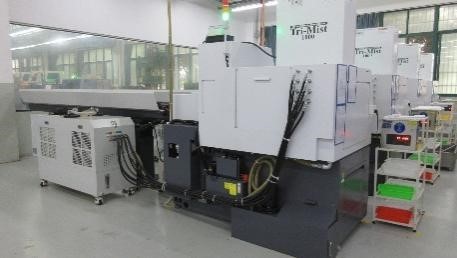
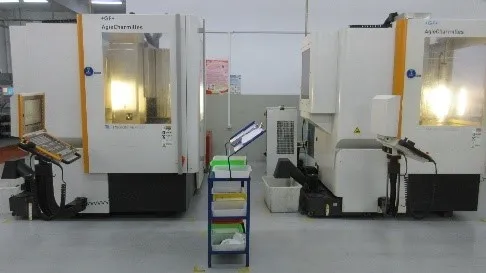
Our manufacturing line utilizes state-of-the-art 5-axis CNC machines imported from Germany and Japan. This precision machining process ensures that screw heads fit precisely into drivers, minimizing slippage during operation. After machining, parts undergo an electro-chemical passivation process or Type II anodization, creating a dense oxide layer that acts as a barrier against biological fluids and prevents ion release.
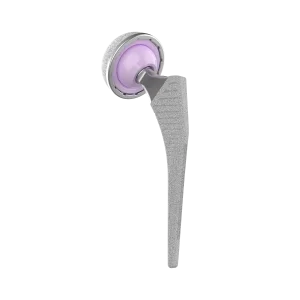
From knee reconstruction to humerus fixation systems, our medical equipment catalog provides clinical stability and seamless implementation for Chilean orthopedists.
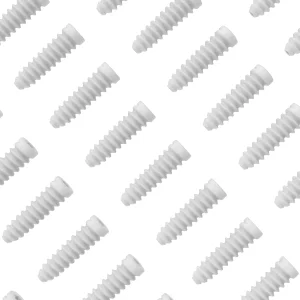
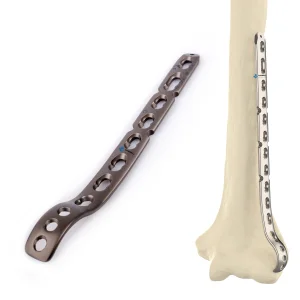
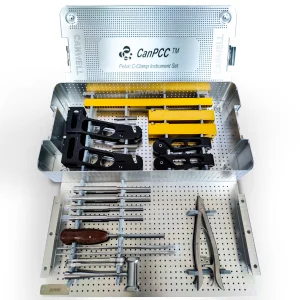
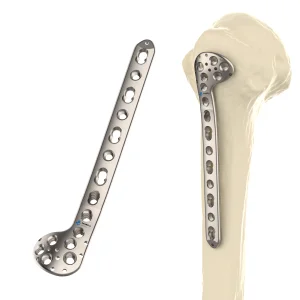
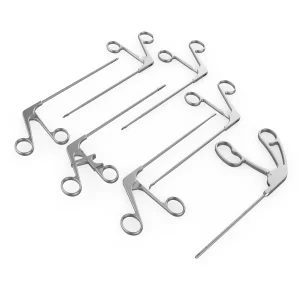
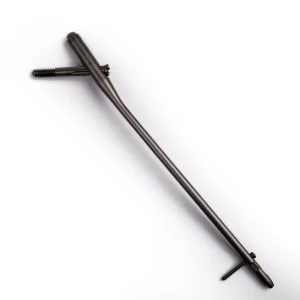
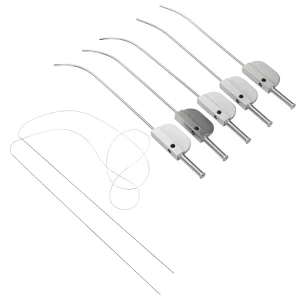
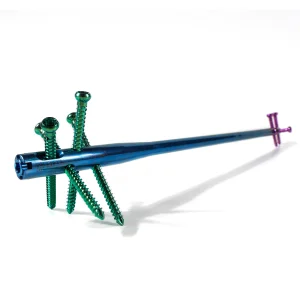
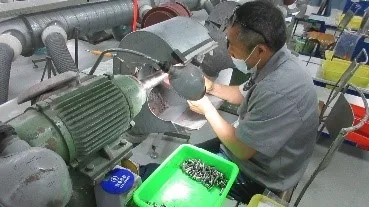
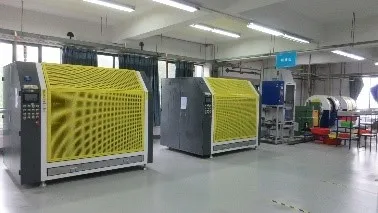
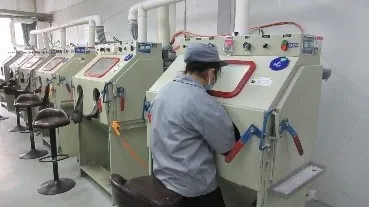
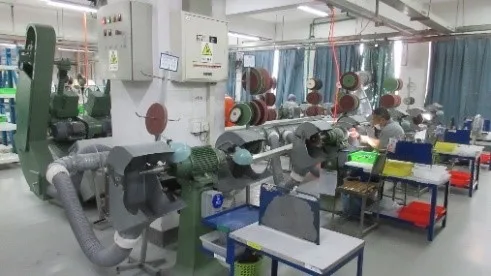
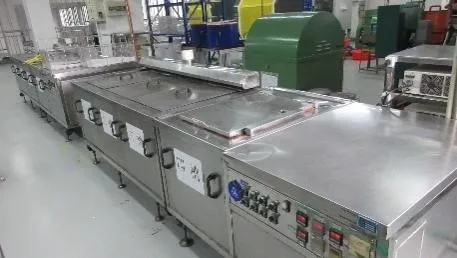
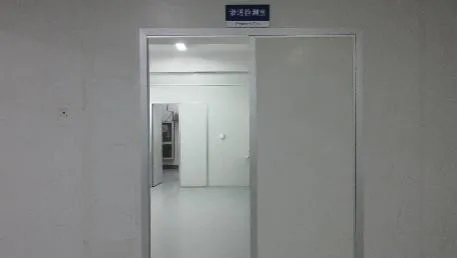
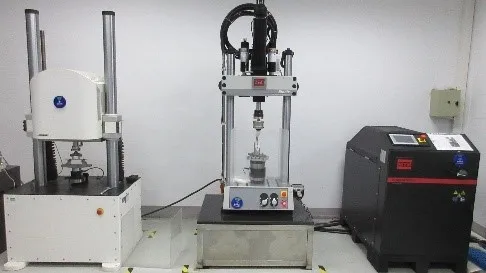
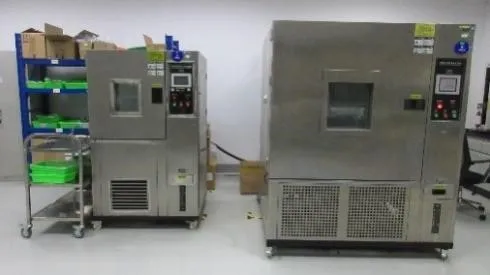
Take a detailed look at our plant operations, sterile packaging suites, and production machinery. All stages conform to ISO 13485 medical cleanroom guidelines.
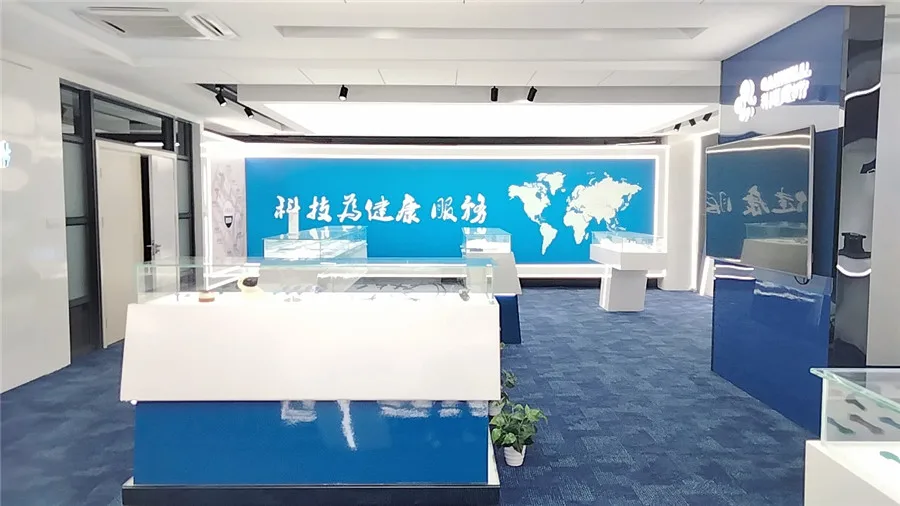
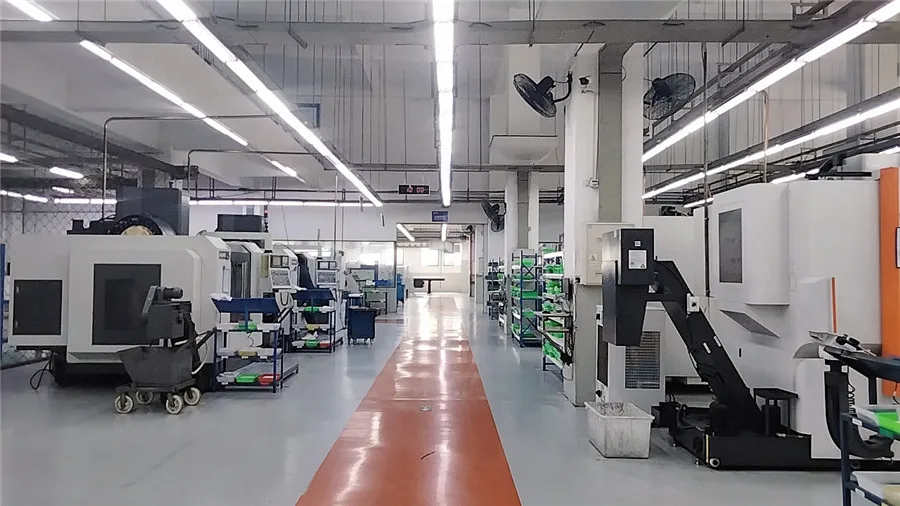
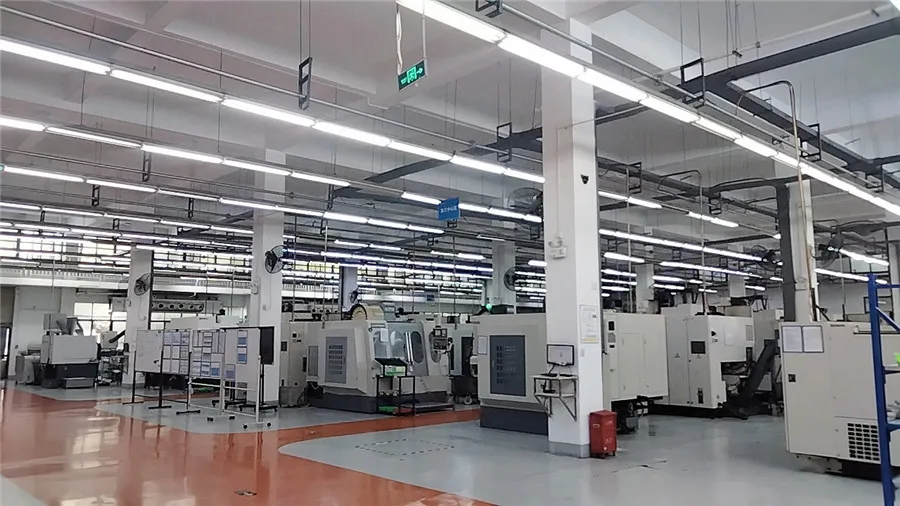
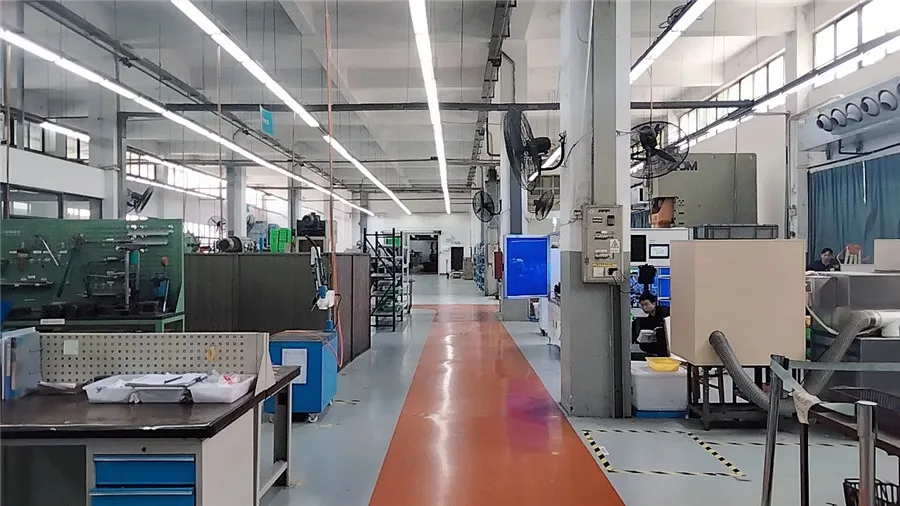




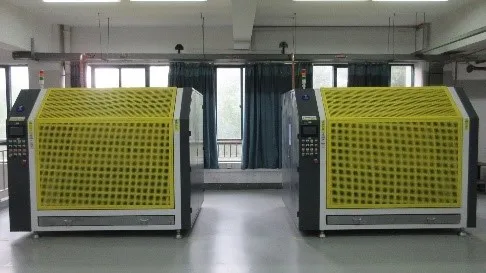
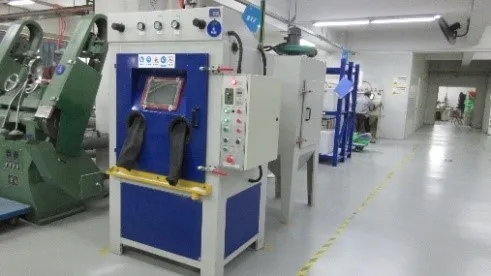
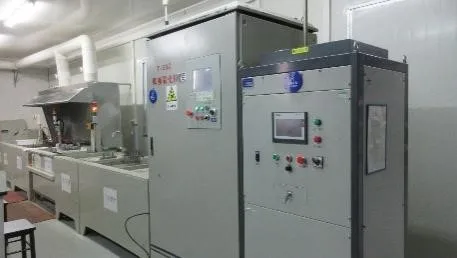
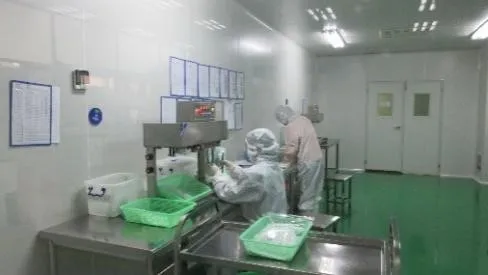
Partnering with a medical device supplier requires more than just high-quality components. It requires robust logistics, reliable customs clearance assistance, and technical training support for local sales forces and orthopedic surgeons.
We work closely with leading global logistics providers to offer DDP (Delivered Duty Paid) or CIF (Cost, Insurance, and Freight) options, shipping directly to Chile's major ports such as San Antonio and Valparaíso, or via air cargo to Santiago International Airport (SCL).
Each consignment is dispatched with a complete document package, including detailed batch release certificates, sterilization verification (Gamma/EO sterilization logs), chemical breakdown sheets of titanium materials, and detailed manuals in Spanish. This thorough approach minimizes local customs delays and simplifies compliance registration with the Aduana de Chile and ISP.
For major Chilean medical device brands, we provide comprehensive OEM/ODM services. We can laser-etch custom brand names, design regional packaging in Spanish, and adjust instrument configurations in sterilization boxes to suit local clinical preferences. This gives distributors a tailored product line that aligns with public tenders or private clinical system requirements.
Critical insights regarding regulatory compliance, purchasing paths, and material science for Chilean orthopedic suppliers.
 Harney-Well