Advanced trauma, fixation, and orthopedic repair systems optimized for the Calgary clinical network.
Calgary, Alberta, is the primary economic hub of Western Canada and serves as the clinical referral epicenter for Southern Alberta, southeastern British Columbia, and southwestern Saskatchewan. Overseen by Alberta Health Services (AHS)—one of the largest unified provincial health authorities in North America—the orthopedic system in Calgary demands an exceptionally high-performance and uninterrupted supply of surgical implants. Major trauma centers, including the Foothills Medical Centre (a Level 1 Trauma Center), the Peter Lougheed Centre, Rockyview General Hospital, and the South Health Campus, handle an intensive load of high-energy skeletal injuries.
Due to Calgary's proximity to the Rocky Mountains, the local clinical ecosystem experiences seasonal surges in high-energy orthopedic trauma. Skiing, snowboarding, downhill mountain biking, and active outdoor lifestyles result in a high incidence of complex articular fractures, tibial plateau disruptions, and polytrauma. Consequently, Calgary’s orthopedic trauma teams require immediate access to anatomically pre-contoured locking compression plates, intramedullary nails, and robust external fixation systems that can withstand both extreme stresses and complex mechanical requirements.
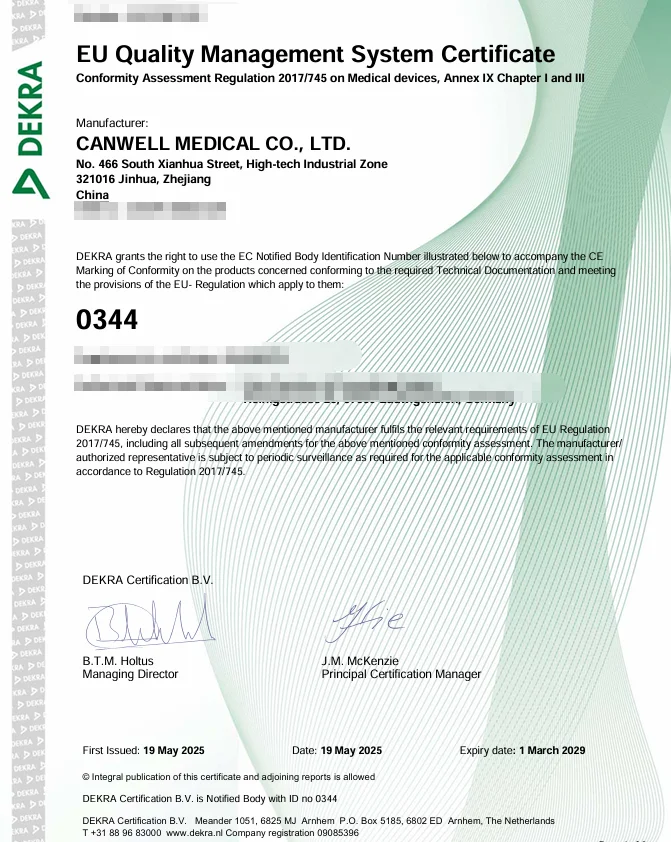
The procurement frameworks of Alberta Health Services place equal emphasis on clinical outcomes and fiscal sustainability. To manage public expenditures, hospital supply chain directors are increasingly looking past traditional medical monopolies. They are establishing robust pipelines with direct exporters and manufacturers who possess international regulatory credentials (such as Health Canada MDL, CE Mark, and FDA approval). Procuring directly from certified factories allows healthcare managers to bypass excessive intermediary margins while guaranteeing compliance with strict Canadian standards.
The global orthopedic implant sector is transitioning from standard legacy hardware to bio-optimized, smart fixation systems. Regulatory stringency has escalated worldwide, requiring factories to provide absolute biological compatibility, surface treatment documentation, and fatigue test verifications before products enter operating rooms.
A deep look into our global export capabilities, manufacturing scale, and regulatory profile.
Operating with a foundation established over two decades ago, our facility has grown to be a premier development ground for high-precision traumatology implants. Our capabilities are backed by 59 R&D Engineers (all holding graduate degrees in material science and biomechanical engineering) and supported by 69 dedicated QA/QC Inspectors.
Our facility supports light customization, custom sample processing, graphical blueprint adaptations, and customized specifications. Standard raw materials are verified through ultrasonic flaw detection before moving to automated CNC production lines.
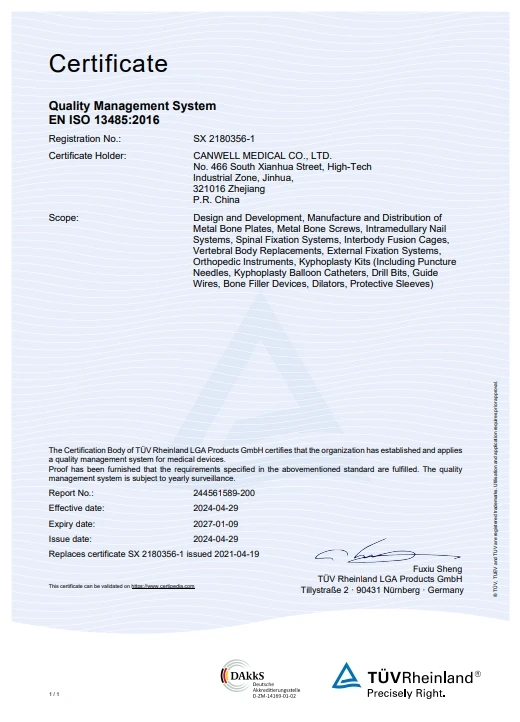
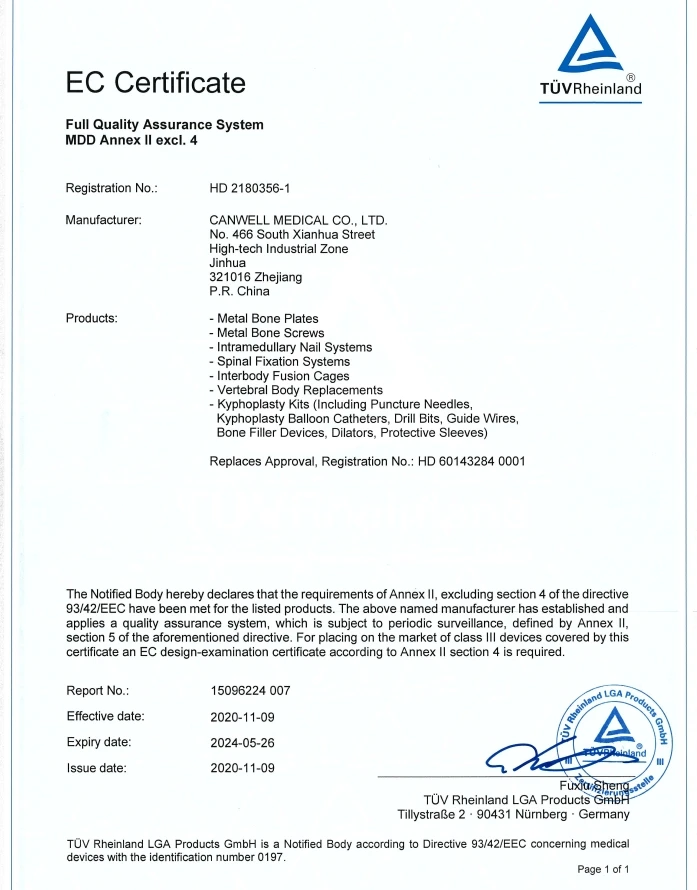
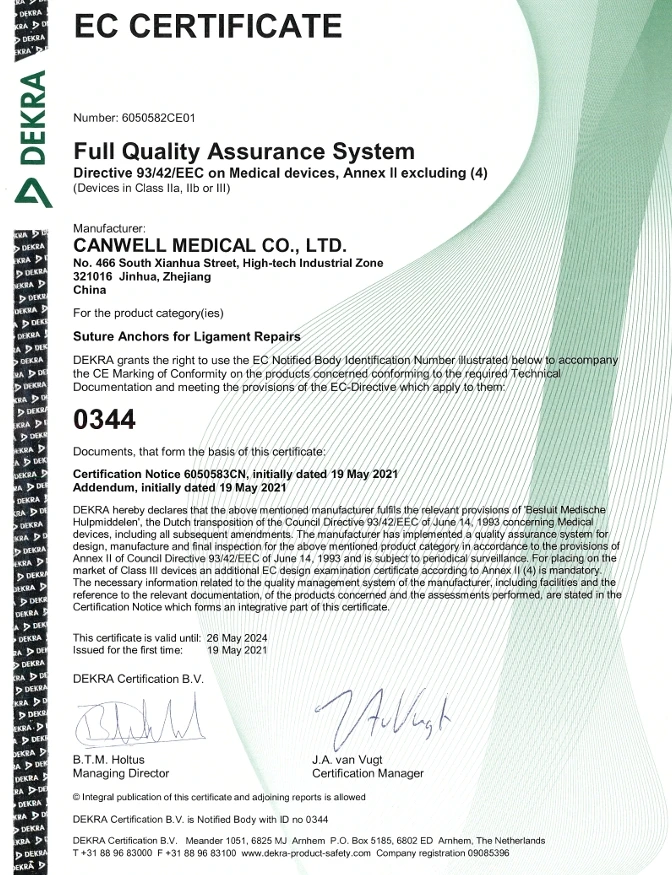
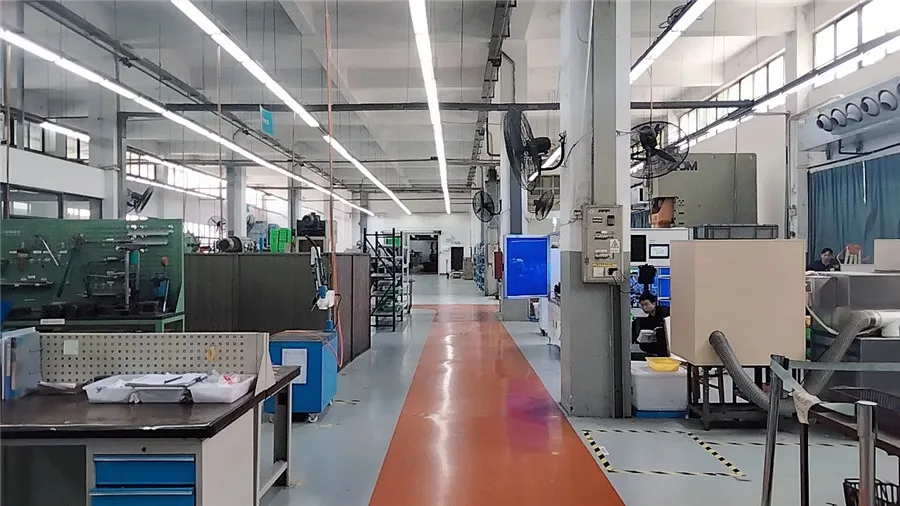
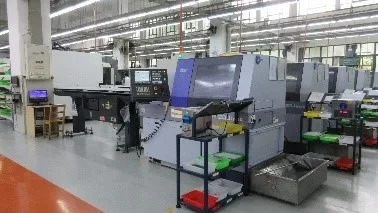
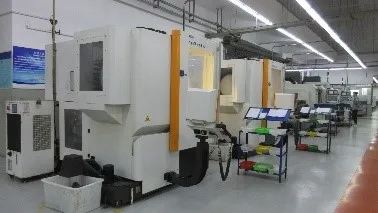
The narrative of Chinese medical manufacturing has evolved from volume production to high-precision engineering. Under the Factory 4.0 initiative, our manufacturing processes integrate advanced digitalization, automated inspection, and raw material traceability.
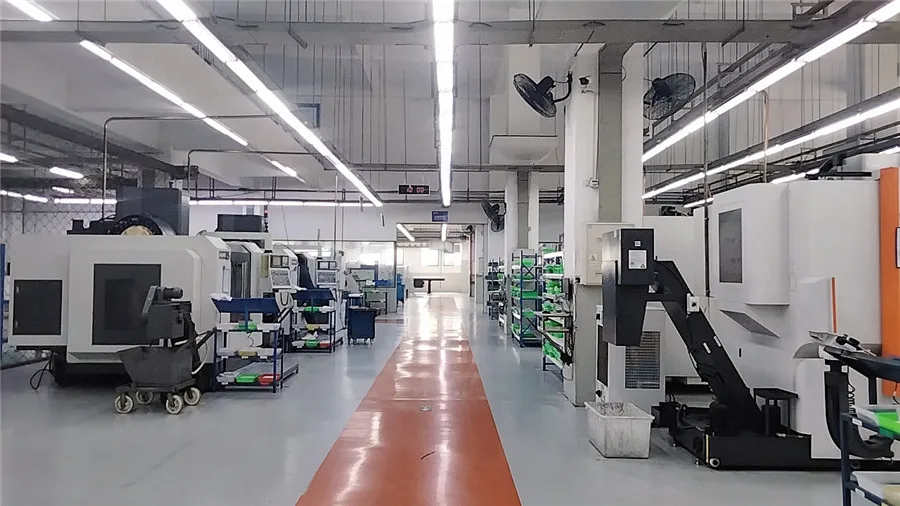
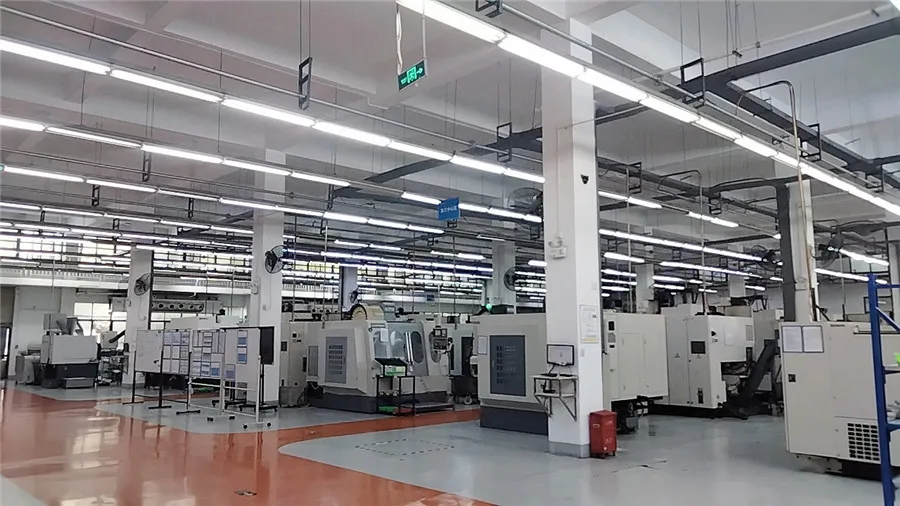
End-to-end integration of CAD/CAM modeling, Swiss-type CNC lathing, and automatic milling cycles to maintain precision tolerance levels below 5 microns.
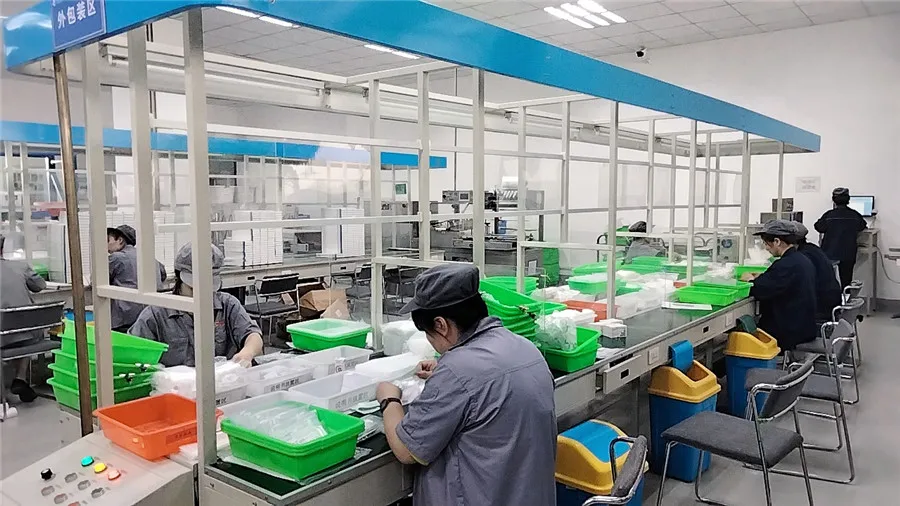
Our 69 QC inspectors monitor material incoming tests, dimension metrics using CMM (Coordinate Measuring Machines), and surface integrity checks.
A 29,523 ㎡ floor footprint offers significant production volume, resulting in cost savings that we pass directly to procurement managers in Calgary.
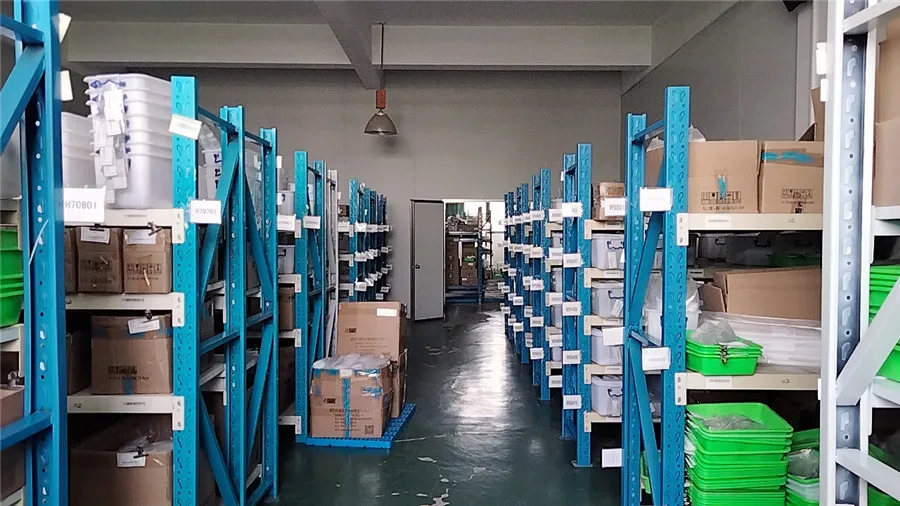
For Calgary-based surgical distributors, purchasing departments, and hospital networks, our supply chain integration helps mitigate risk. By implementing rigorous quality inspections on all production runs and maintaining raw material safety reserves, we minimize the delays common in modern healthcare procurement.
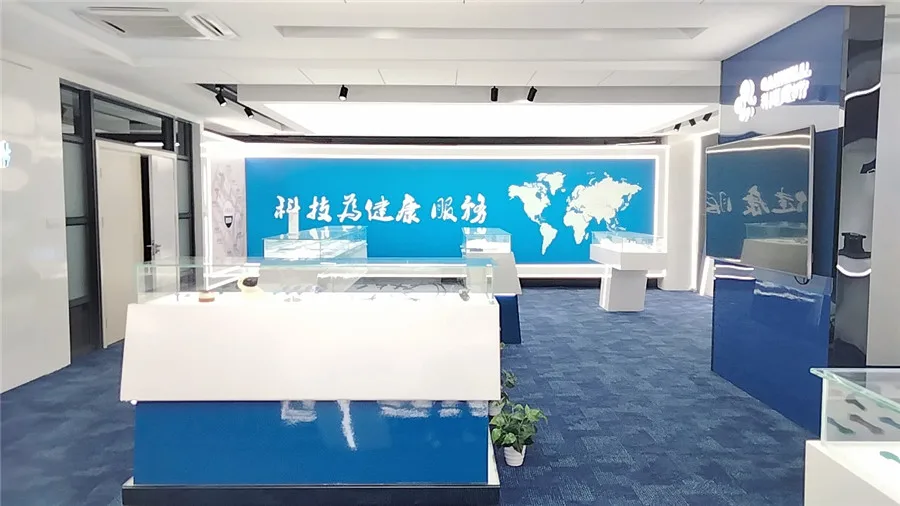
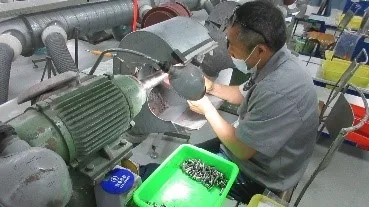
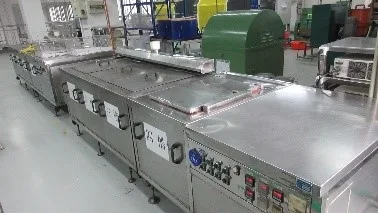
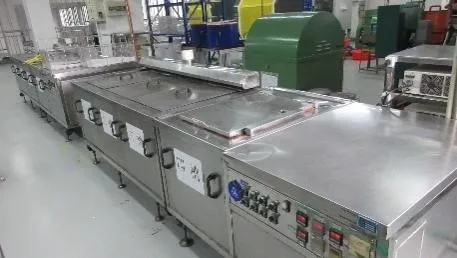
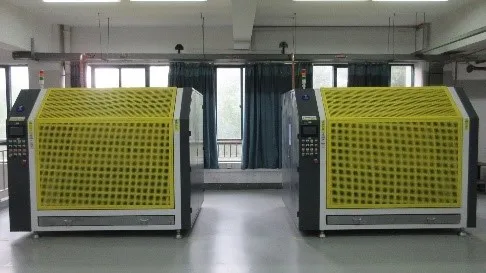
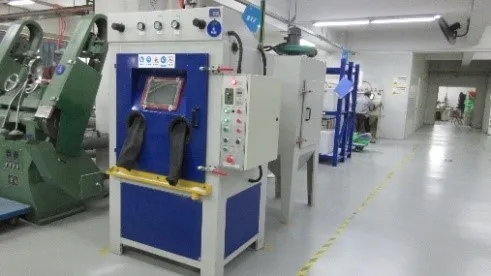
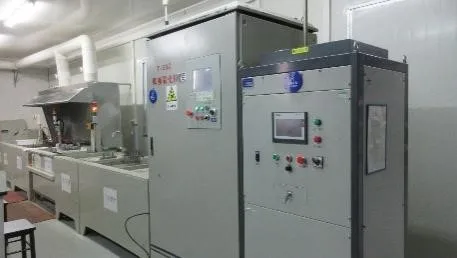
A visual gallery showing the raw manufacturing steps, cleanroom environments, and quality validation phases.
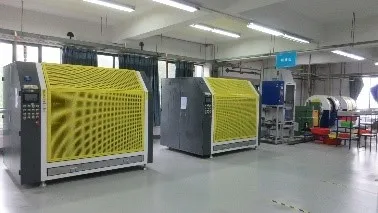
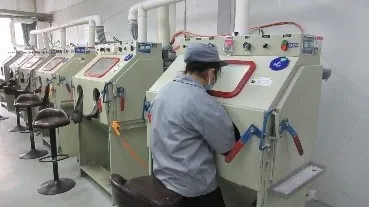
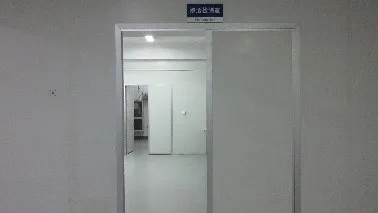
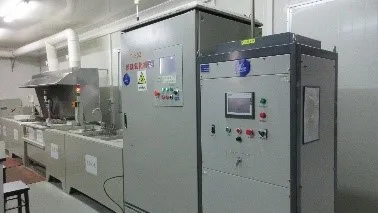
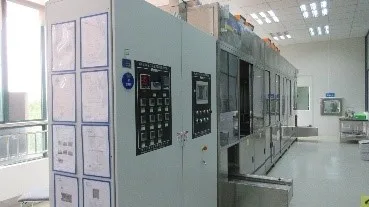
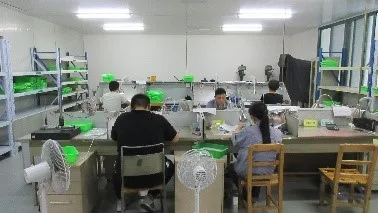
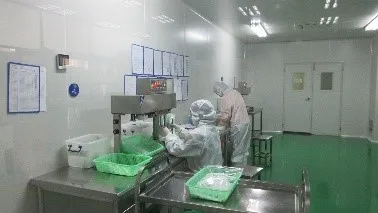
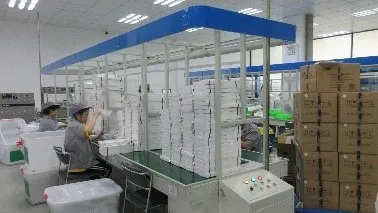
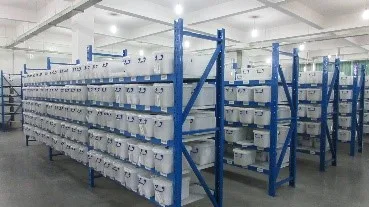
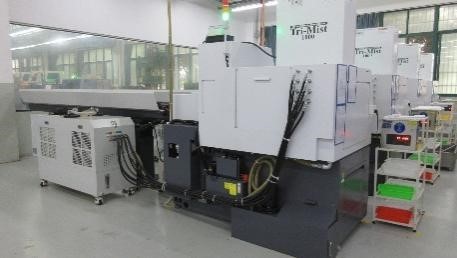
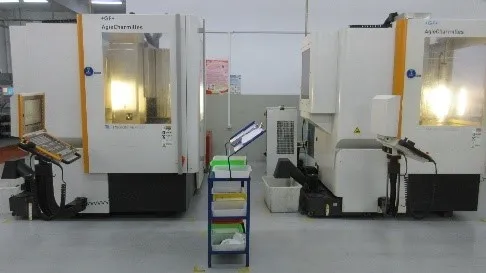
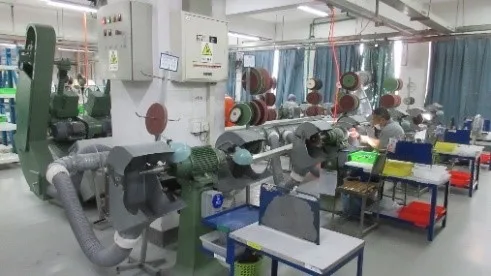
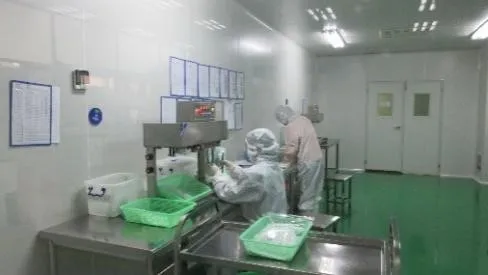
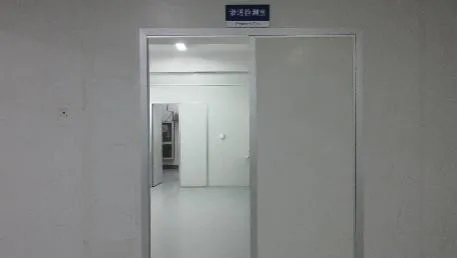
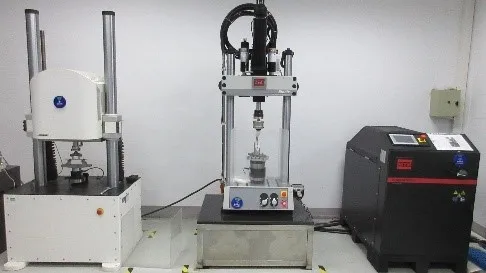
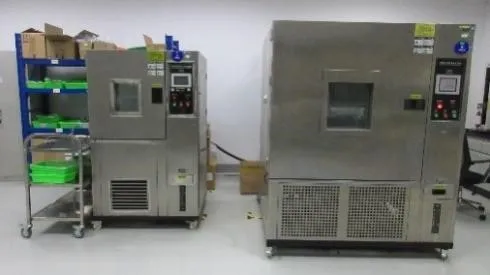
Optimize your clinical supply chain cost structure without compromising on quality or mechanical performance.
Send Inquiry NowExplore our full line of internal and external osteosynthesis products, joint replacement parts, and arthroscopy instrumentation.
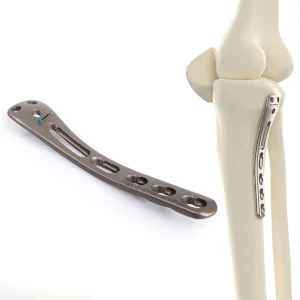
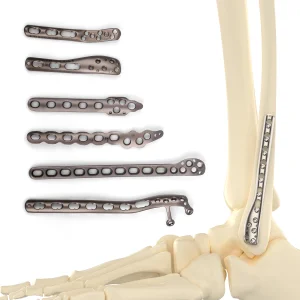
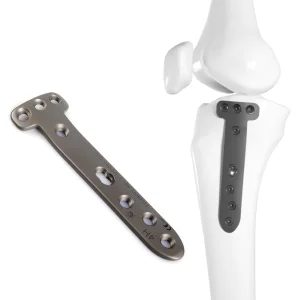
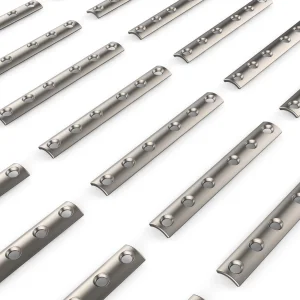
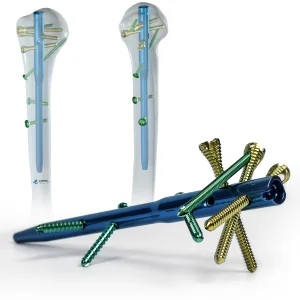
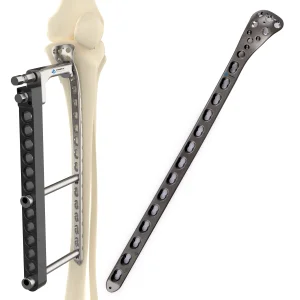
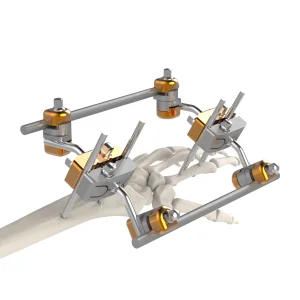
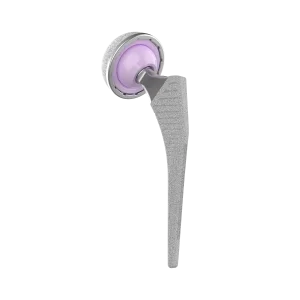
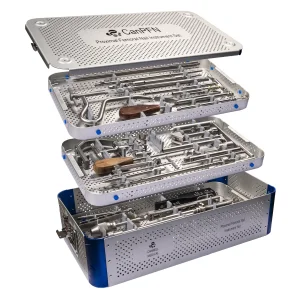
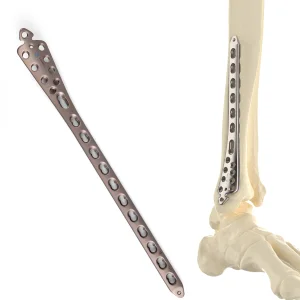
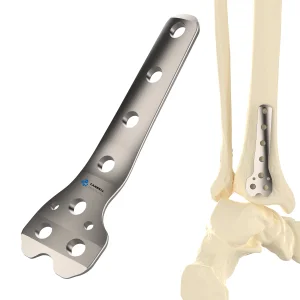
Orthopedic implants perform differently depending on the clinical indications and surgical environment. Below are three localized application scenarios modeled on Southern Alberta clinical trends.
Indication: High-impact tibial plateau fracture from winter sports.
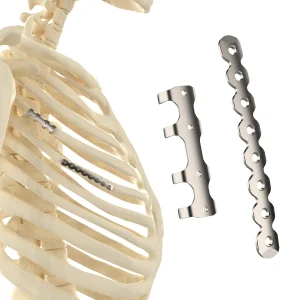
Solution: The CANWELL Variable Angle Proximal Tibia Plate allows multi-directional locking screw placement. This helps secure articular fragments and supports early patient mobilization in Alberta's rehab facilities.
Indication: Advanced joint wear in active, aging patients.
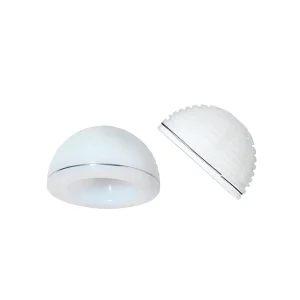
Solution: Using the Cemented Dual Mobility Acetabular Cup, surgeons can design construct revisions that minimize dislocation risk. This supports patient mobility and reduces the need for subsequent surgical interventions.
Indication: Rotator cuff and ACL tears treated at local sports clinics.
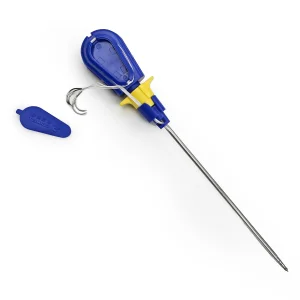
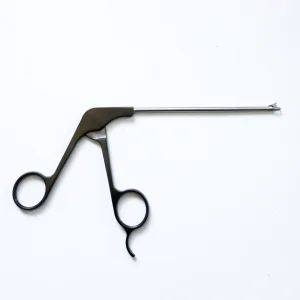
Solution: The CANWELL Suture Anchor System and Arthroscopic Instruments provide consistent suture tension. This helps surgeons complete repairs efficiently inside high-volume surgical centers.
Common questions about importing, regulatory compliance, and logistics to Calgary and the broader Canadian market.
 Harney-Well