The medical device market in the Czech Republic has transitioned rapidly into one of the most sophisticated and highly regulated sectors in Central and Eastern Europe (CEE). Known for its robust public healthcare insurance framework operated primarily by VZP (Všeobecná zdravotní pojišťovna), the country demands orthopedic trauma solutions that strike a careful balance between high-end biomechanical standards and system-wide cost-efficiency.
Historically, Czech clinical hubs such as the Motol University Hospital (Fakultní nemocnice v Motole) in Prague and the Brno University Hospital have maintained top-tier standards in orthopedic trauma care. The localization of trauma implant supplies in the Czech Republic relies on precise delivery times, high clinical compliance, and adaptability to regional surgical practices. However, with the transition from the previous Medical Device Directive (MDD) to the more rigorous European Medical Device Regulation (MDR EU 2017/745), local manufacturers and clinical networks face unprecedented challenges in regulatory costs, technical documentation, and long-term supply sustainability.
This regulatory shift is restructuring the supply chain. Distributors across Central Europe are looking outward to secure reliable OEM partnerships that possess direct MDR compliance, extensive clinical history, and scalable manufacturing facilities that can support the continuous demand for high-grade titanium plates, cannulated screws, and intramedullary nails.
Globally, the trauma and reconstruction implant market is growing due to an aging population, rising numbers of traffic accidents, and the expansion of sports medicine. The transition from stainless steel (such as 316L) to highly biocompatible titanium alloys (like Ti-6Al-4V ELI) and high-performance polymers (PEEK) has redefined product lifespans and bone integration rates.
Currently, the industry faces structural adjustments in raw material acquisition, particularly for medical-grade titanium bar stock. Rising logistics costs and strict validation requirements mean that clinical buyers can no longer rely on single-source, regional suppliers. Geopolitical resilience, cost predictability, and large-scale manufacturing capacity have become critical considerations for medical device procurement directors.
Why are clinical purchasers and private hospital groups in the Czech Republic looking for manufacturing partners in China? The answer lies in the combination of raw material processing technology, scale, and cost control.
Orthopedic trauma fixation requires high performance under dynamic loading conditions. Implants must withstand millions of cycles of weight-bearing stress without catastrophic failure.
| Implant Material Type | Standard Compliance | Tensile Strength (MPa) | Primary Clinical Application |
|---|---|---|---|
| Titanium Grade 5 (Ti-6Al-4V ELI) | ASTM F136 / ISO 5832-3 | ≥ 860 | Intramedullary Nails, Rib Plates, Pedicle Screws |
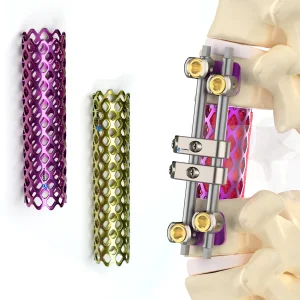
| Commercially Pure Titanium (CP Ti) | ASTM F67 / ISO 5832-2 | ≥ 240 - 550 | Spinal Mesh Cages, Craniofacial Fixation Plates |
| Ultra-High-Molecular-Weight Polyethylene | ASTM F648 / ISO 5834-2 | ≥ 40 | Femoral Component Inserts, Joint Articulations |
| Cobalt-Chromium-Molybdenum (CoCrMo) | ASTM F75 / ISO 5832-4 | ≥ 655 | Total Knee Joint Prostheses, Femoral Heads |
Our manufacturing lines focus on these properties to ensure safety and longevity in clinical use. We subject every batch to fatigue testing under ASTM F382 (for bone plates) and ASTM F1717 (for spinal constructs) to verify mechanical performance before sterilization.
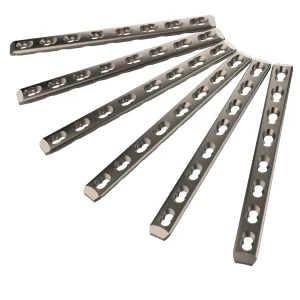
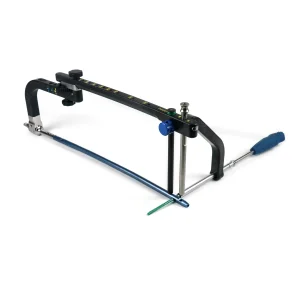
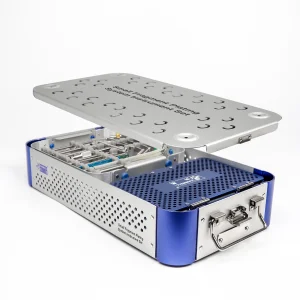
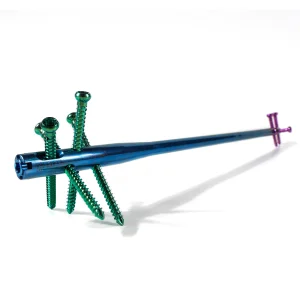
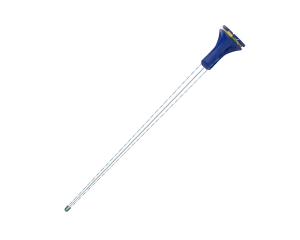
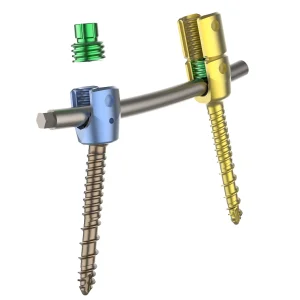
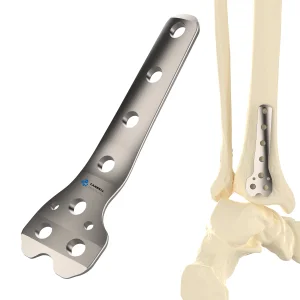
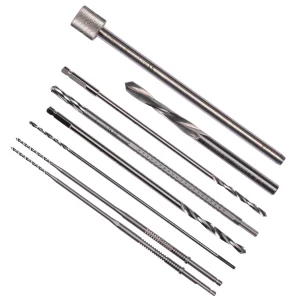
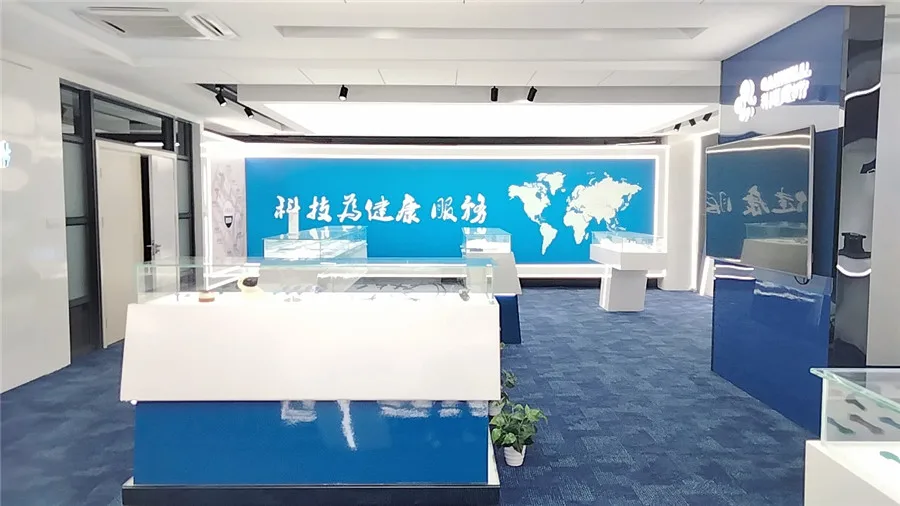
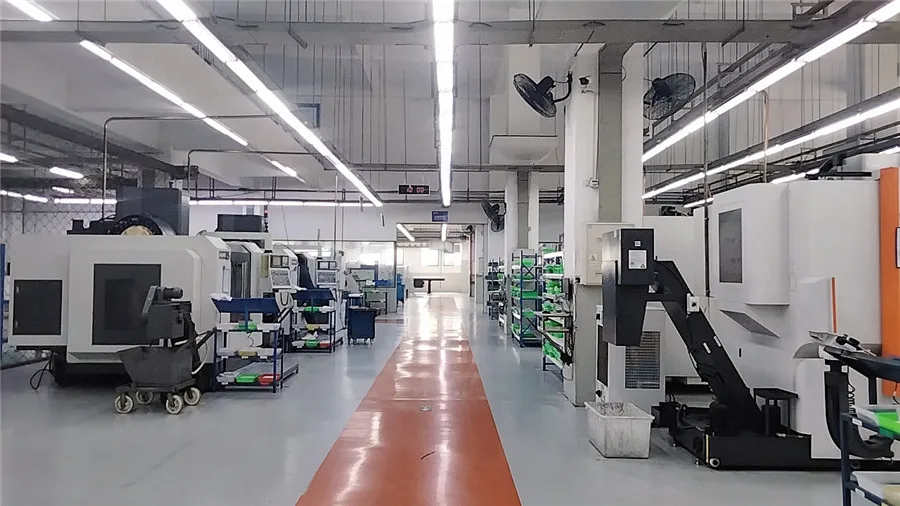
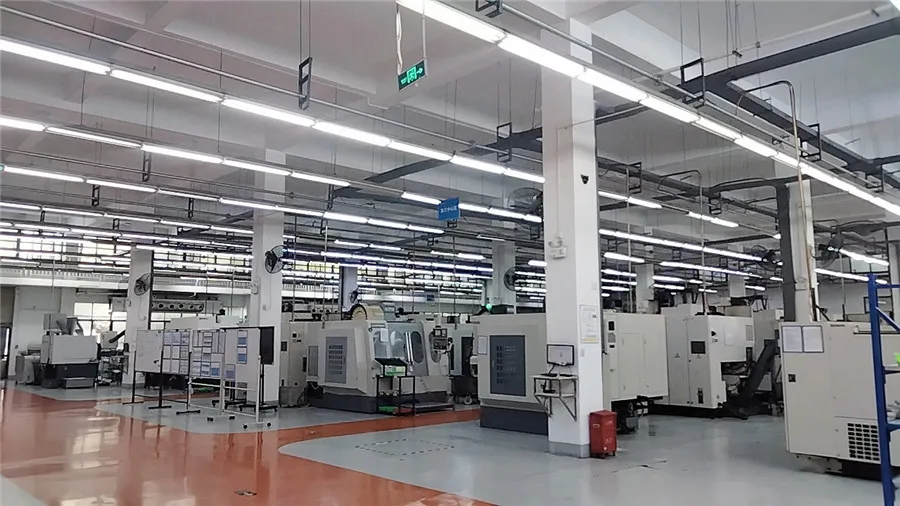
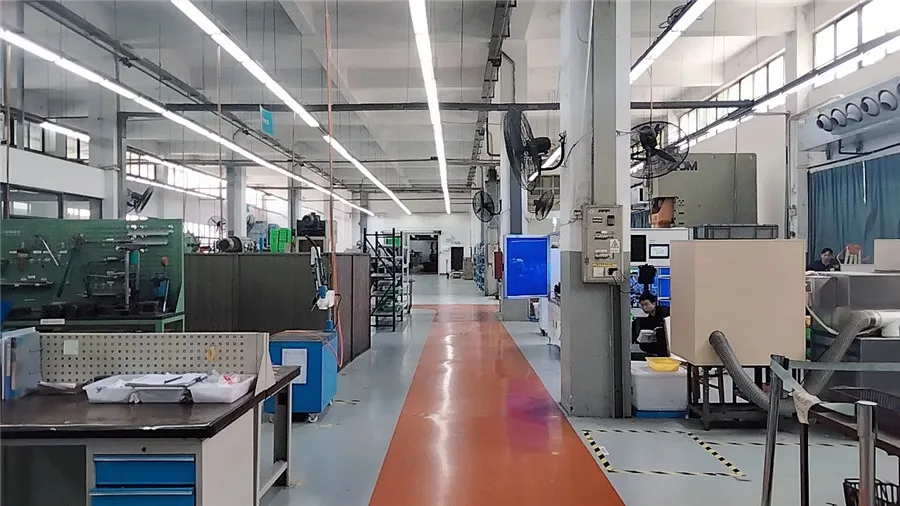
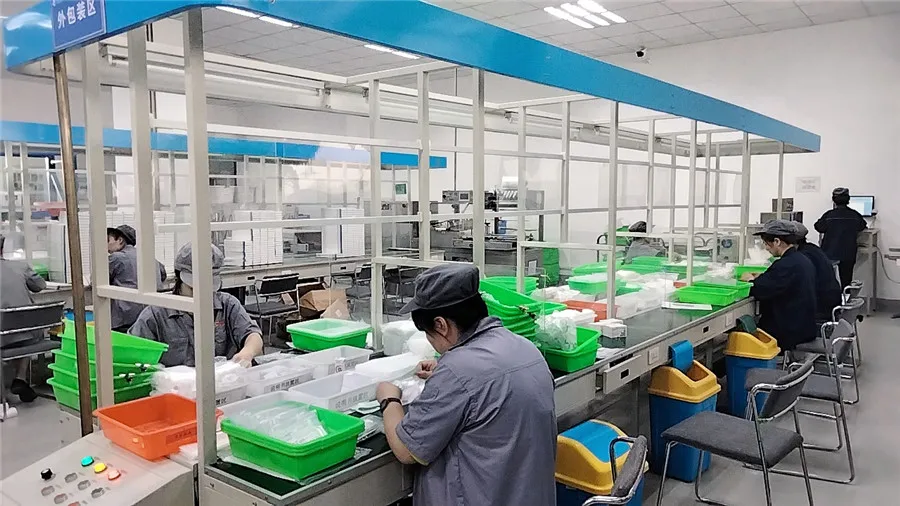
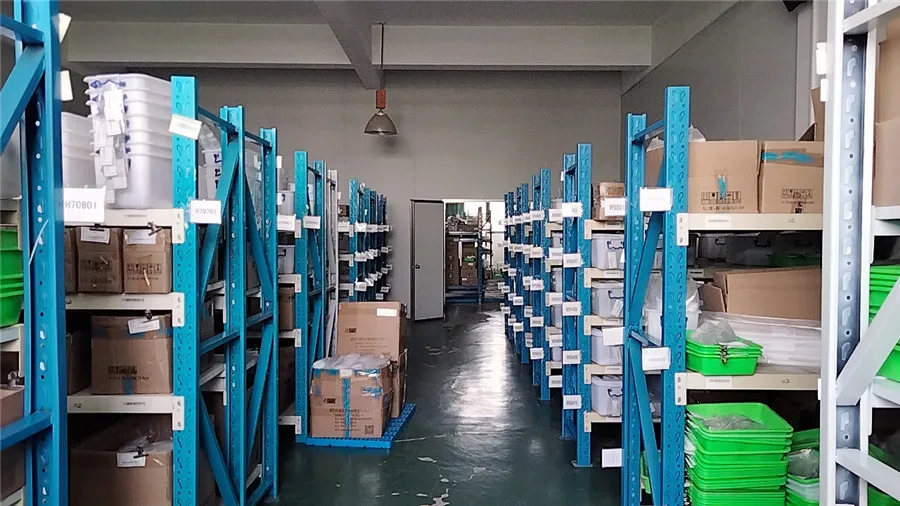
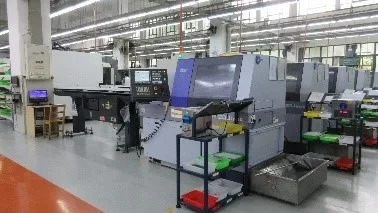
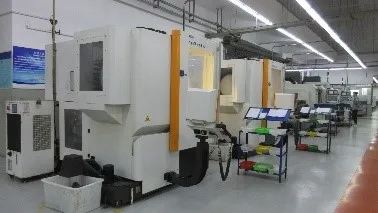
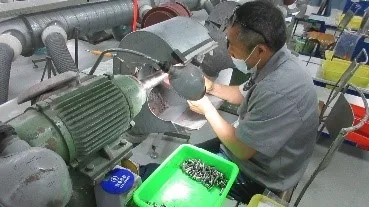
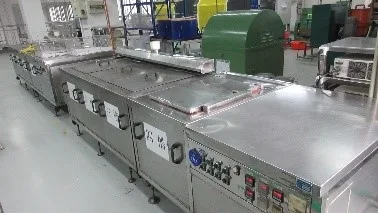
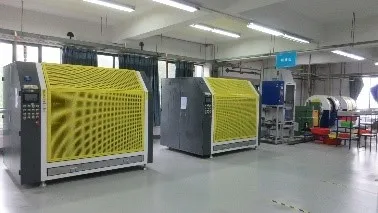
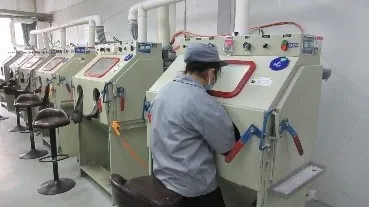
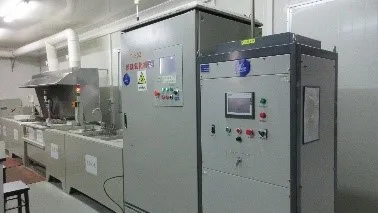
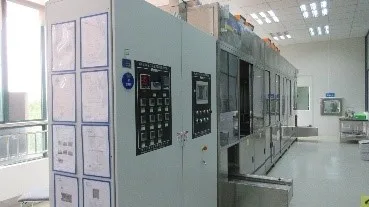
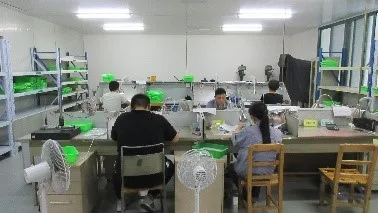
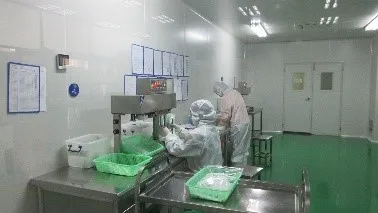
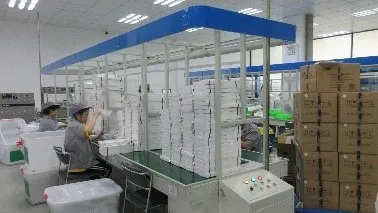
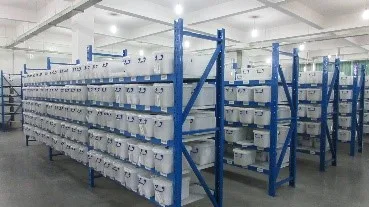
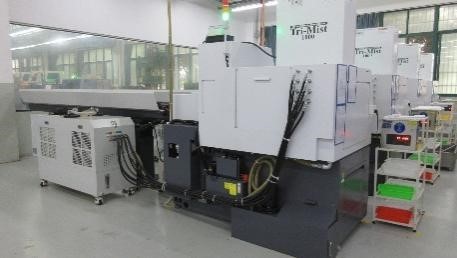
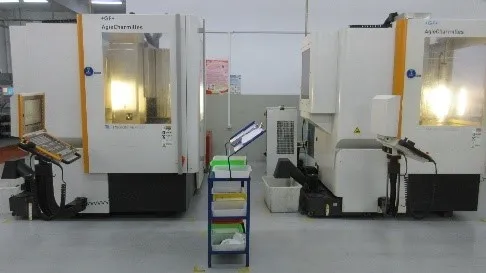
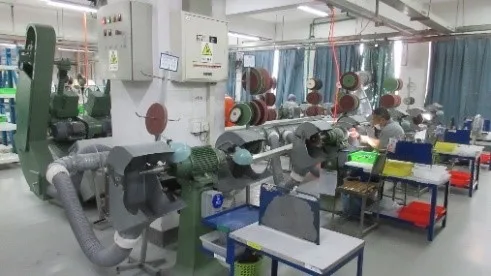
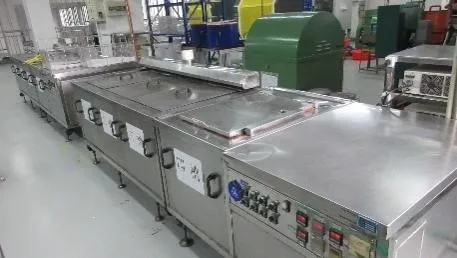
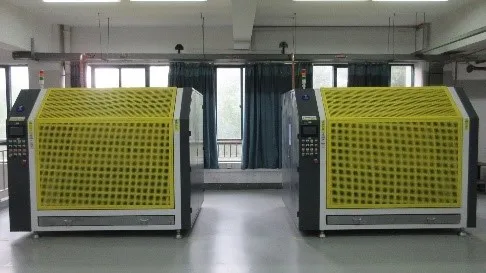
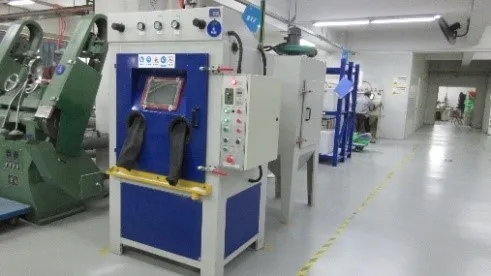
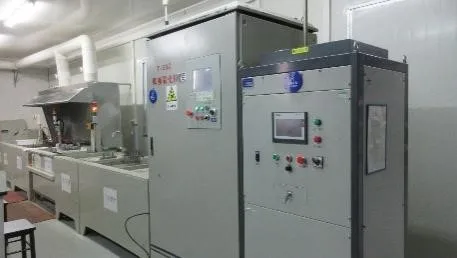
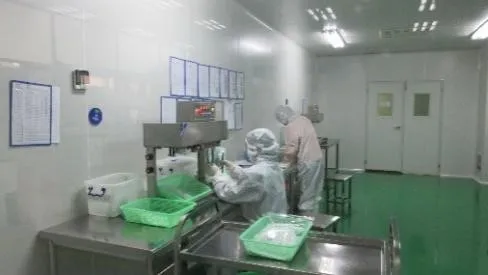
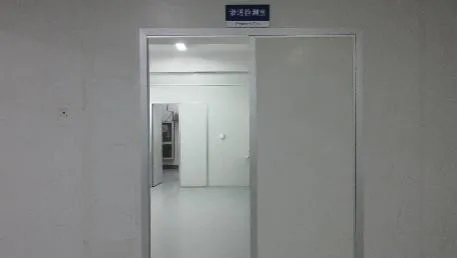
Transparency in production is a key component of E-E-A-T. We verify all manufacturing processes, cleanroom parameters, and testing methodologies. Below is an overview of our state-of-the-art facilities, QA departments, and certified processes that support our global distribution networks:

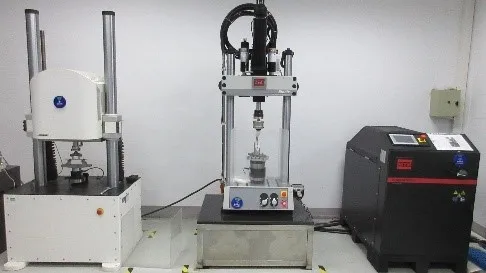
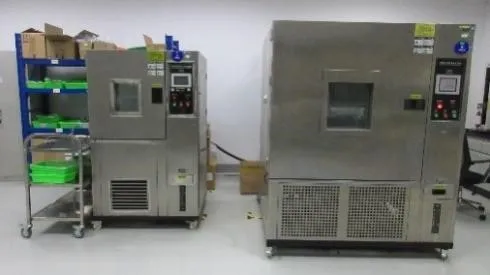
Trauma implants are not one-size-fits-all solutions. They must match the anatomical characteristics of regional populations and the habits of the surgical teams using them. In the Czech Republic, we observe specific clinical needs across departments:
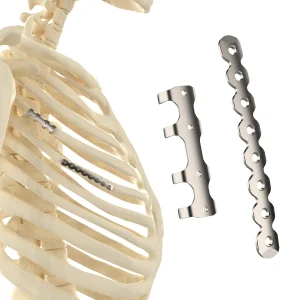
At larger trauma centers, managing severe chest wall trauma and flail chest requires locking plates that can conform to the rib curve with minimal contouring. Our Titanium Rib Locking Plate System is designed for anatomical fit, reducing operating room times during thoracic reconstructions.
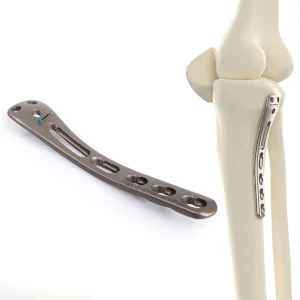
High-energy tibia fractures, often caused by winter sports in regions like Krkonoše or Šumava, require stable fixation systems that protect soft tissue. The low-profile design of our Distal Tibial Titanium Locking Plate provides rigid fixation with minimal hardware prominence under thin skin layers.
For femoral and tibial shaft fractures, modern surgical techniques favor intramedullary nailing. Systems like the RFN Reversed Femoral Intramedullary Nail allow for stable, load-sharing reconstruction, promoting early weight-bearing and mobilization.
The orthopedic field is moving toward personalized treatments and biological integration. Manufacturers must prepare for the next generation of trauma solutions:
For international procurement directors, regulatory compliance is the top priority. Purchasing medical devices requires strict adherence to quality frameworks:
Our manufacturing facility operates under a certified quality management system conforming to ISO 13485:2016 and the EU MDR (93/42/EEC & MDR 2017/745 transition protocols). We maintain full traceability from raw titanium sponge to final sterilized packaging. Every batch is accompanied by material certificates, cleanroom particulate reports, and sterilization validation documents. This ensures smooth customs clearance and regulatory registration for partners in the Czech Republic and the wider European Union.
 Harney-Well