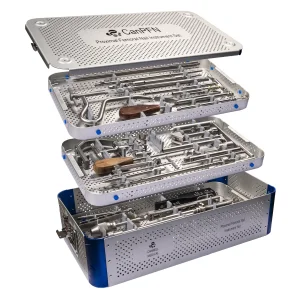
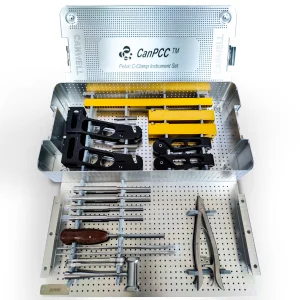
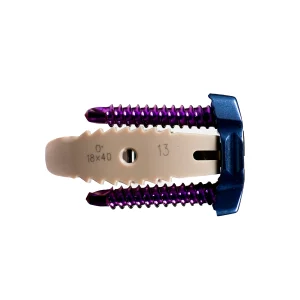
Premium Grade Surgical Kits Engineered for High-Precision Trauma and Reconstructive Surgeries.
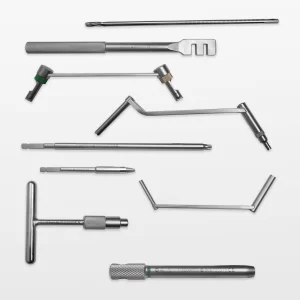
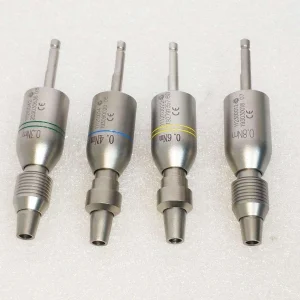
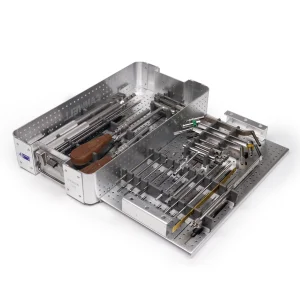
Singapore's medical technology landscape stands out as one of the most sophisticated in the Asia-Pacific region. As a primary healthcare hub, the Singapore market demands surgical equipment that strictly conforms to international quality thresholds. Key regulatory benchmarks include those set by the Health Sciences Authority (HSA) and the global standards established by CE (MDR) and ISO 13485. Procurement departments within public health clusters, such as SingHealth, National University Health System (NUHS), and National Healthcare Group (NHG), prioritize sourcing partners that deliver clinical safety, traceable raw materials, and high cost-efficiency.
The global market for trauma fixation devices and associated surgical instrument sets is expanding rapidly. This growth is driven by a rising elderly demographic susceptible to osteoporotic fractures, alongside a high volume of active-lifestyle injuries in metropolitan centers like Singapore. In the local context, public hospitals (such as Singapore General Hospital, Tan Tock Seng Hospital, and National University Hospital) maintain a high demand for instrument sets that can sustain repeated autoclaving cycles without loss of calibration. The regional trend leans heavily toward minimally invasive plate osteosynthesis (MIPO) and intramedullary nailing systems, which require highly specialized, ergonomic instrumentation.
"For modern healthcare systems, the total cost of ownership of trauma instrument sets is determined by their durability and clinical reliability. Even minor miscalibrations in depth gauges or torque limiters can lead to surgical delays, screw stripping, or patient revision surgeries, escalating hospital operational costs."
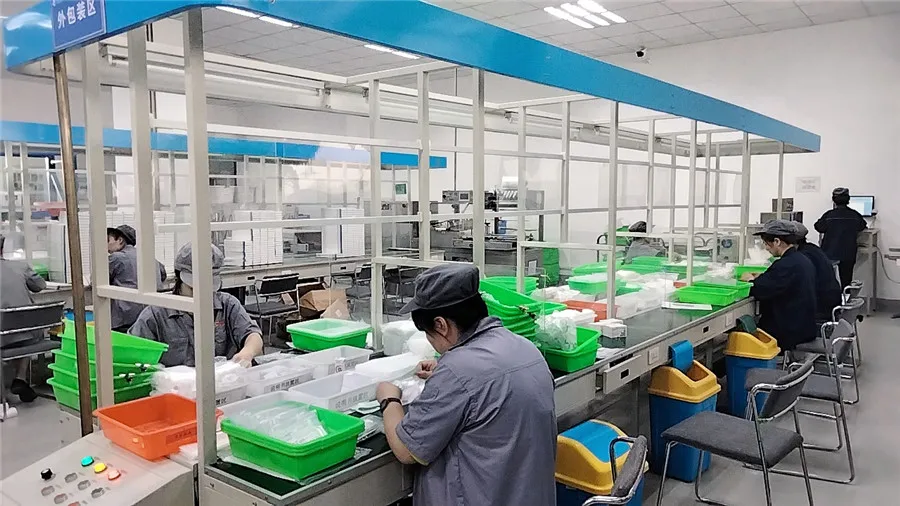
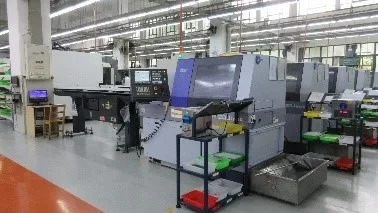
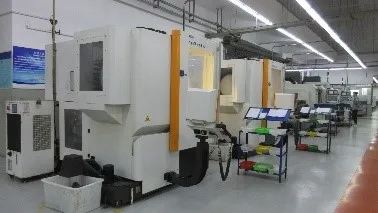
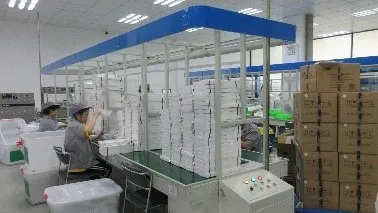
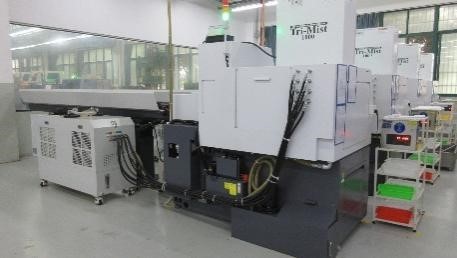
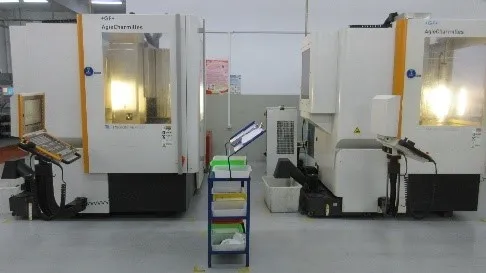
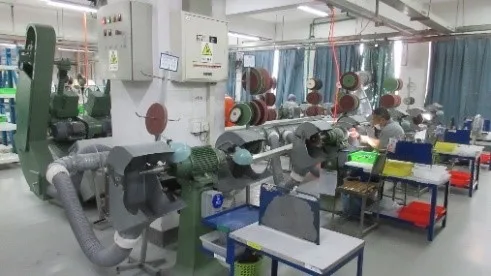
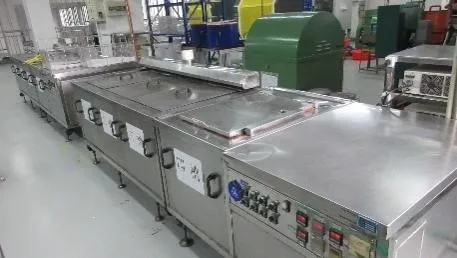
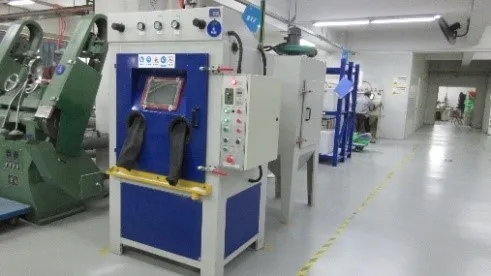
For B2B buyers and global distributors, the paradigm of sourcing from China has evolved. It is no longer just about low labor costs; the shift has been toward high-precision automated manufacturing. Facilities certified under ISO 13485, such as Canwell Medical, utilize state-of-the-art Swiss CNC machining centers, high-capacity wire-cutting systems, and automated passivation lines. This infrastructure ensures that orthopedic instrument sets, including drills, guides, and torque limiters, meet the exact tolerance levels of Western equivalents, but with a highly optimized capital expenditure (CapEx) profile. This efficiency enables healthcare systems to balance tight budgets with uncompromising clinical demands.
Surgical instruments are advancing toward smart integration. Future developments focus on tracking technologies, such as laser-etched matrix codes and integrated RFID tags, to streamline sterile processing department (SPD) inventory audits. Additionally, material science research is yielding ultra-durable carbon-fiber-reinforced polymers (PEEK) and advanced titanium alloys (Ti-6Al-4V ELI). These materials are being used to manufacture lighter, radiolucent retractors and guides, enhancing intraoperative fluoroscopy visualization.
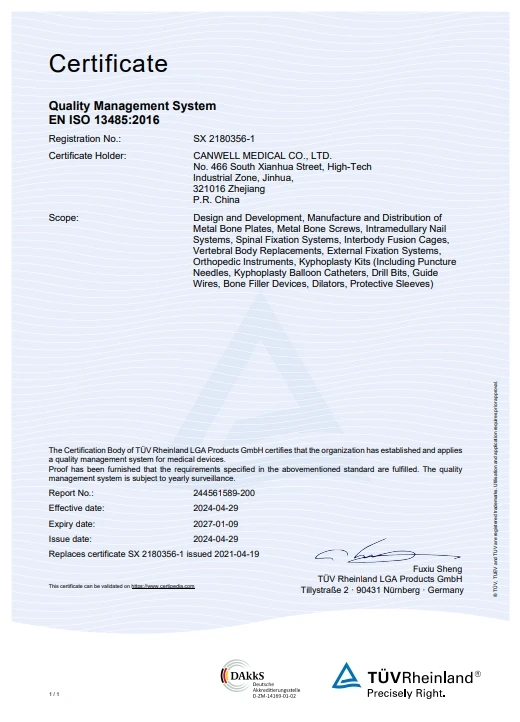
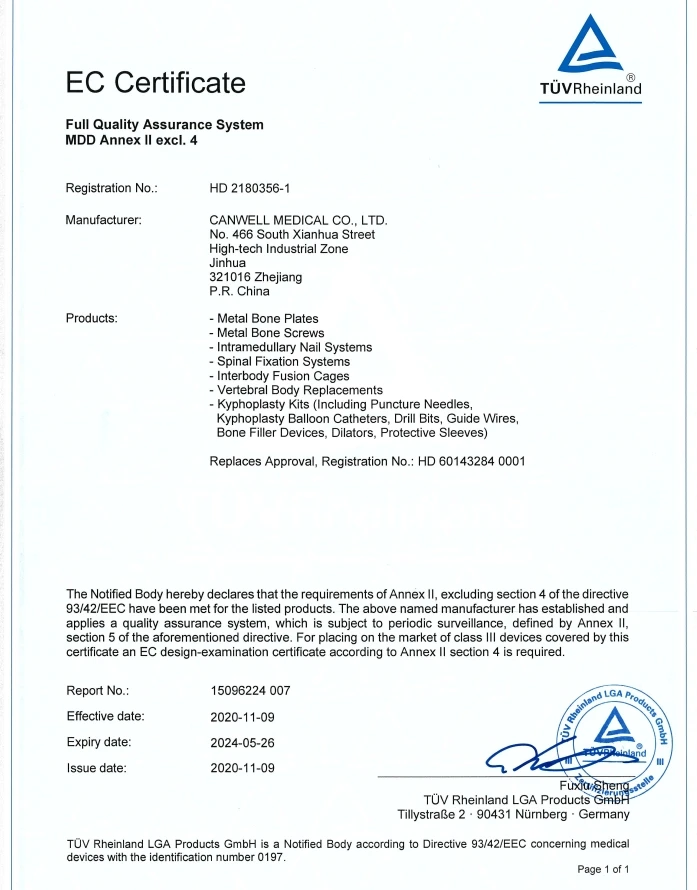
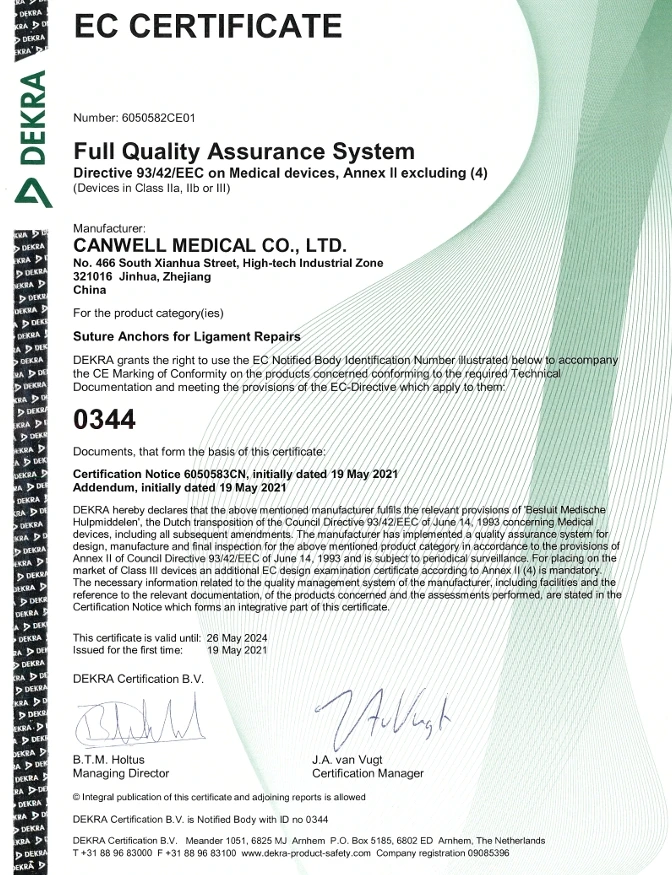
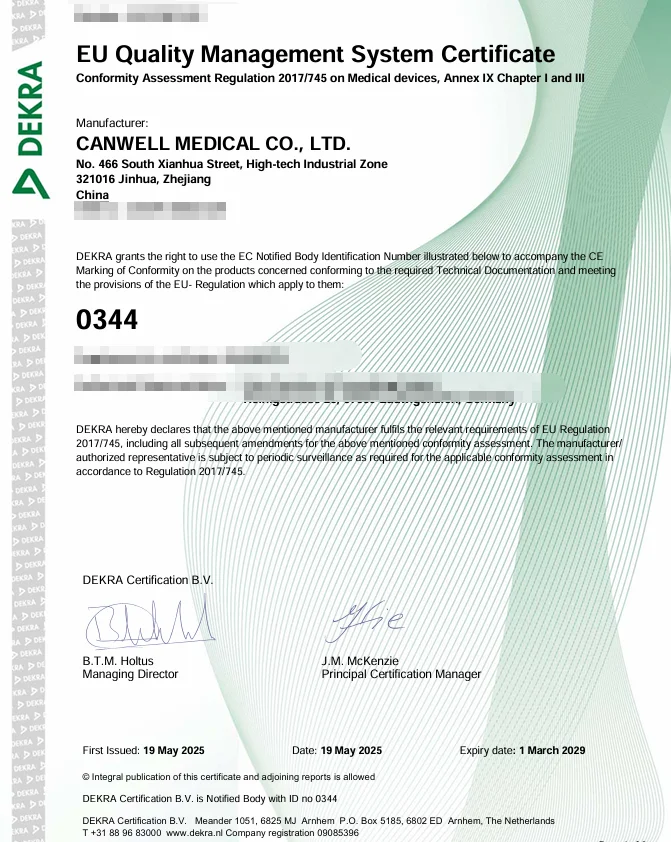
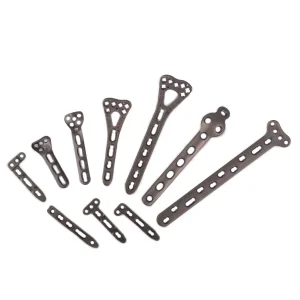
Explore our complete catalog of certified orthopedic implant systems and trauma instruments, built to international medical specifications.
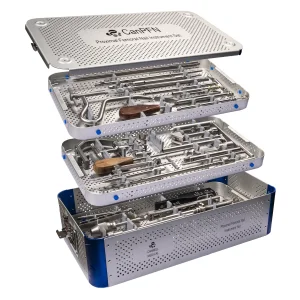
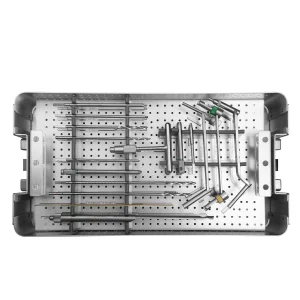
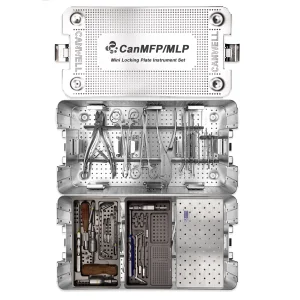
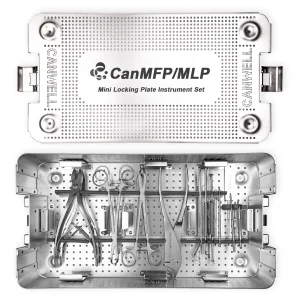
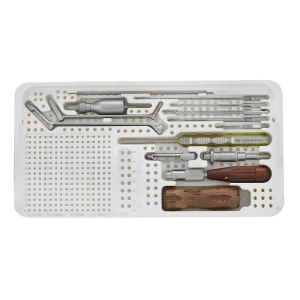
Premium instrumentation sets designed for sports medicine, joint reconstruction, and spinal fusion procedures.
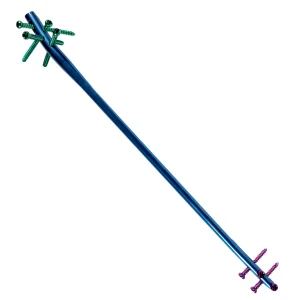
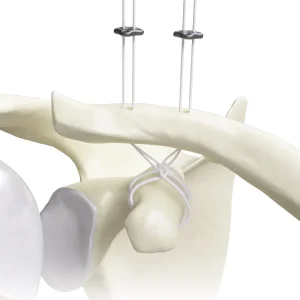
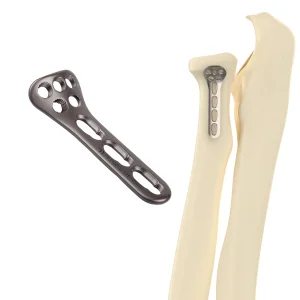
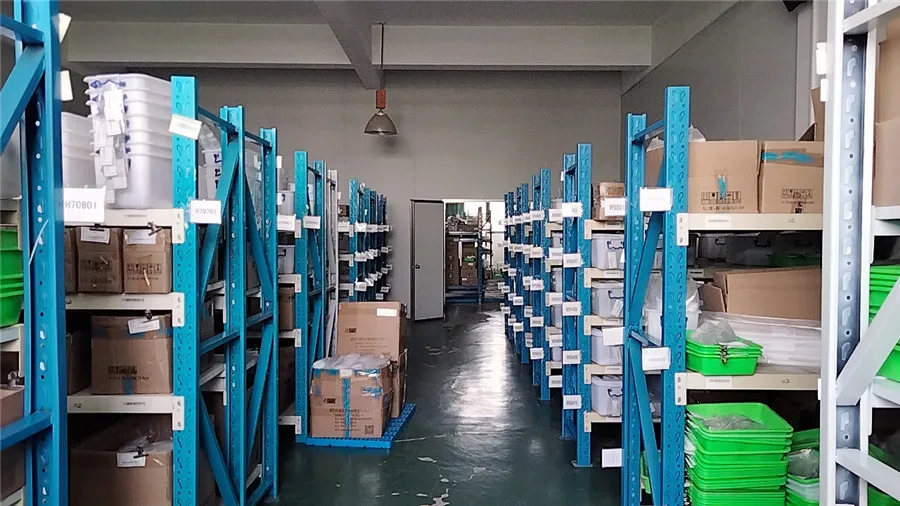
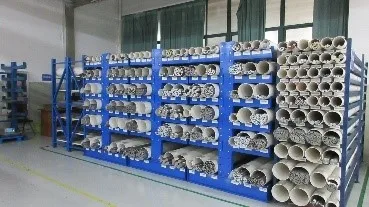
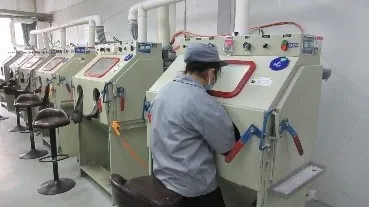
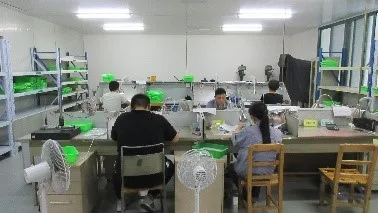
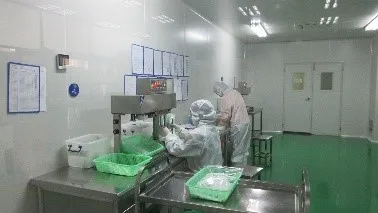
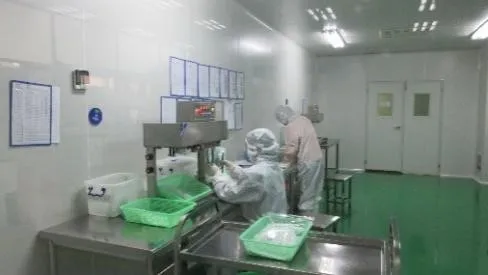
Traceable raw materials transformed via high-tech production. Certified sterile processing ready for global hospitals.
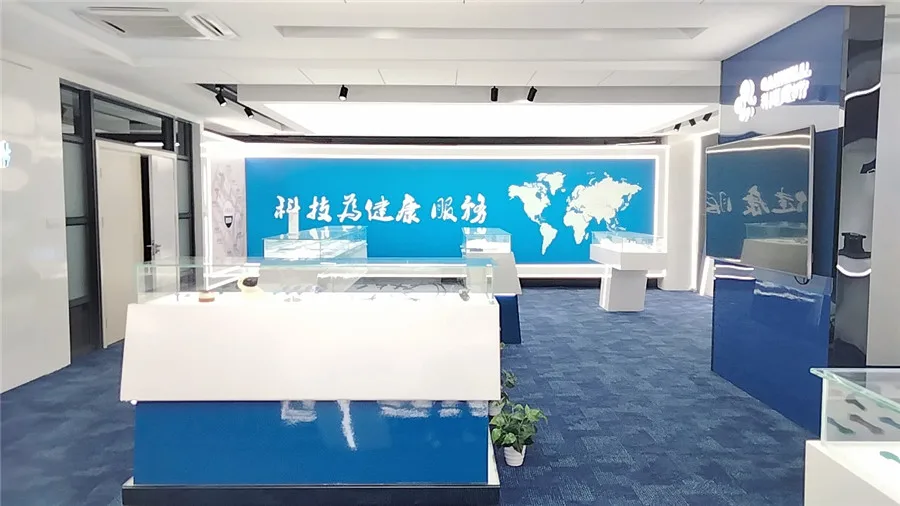
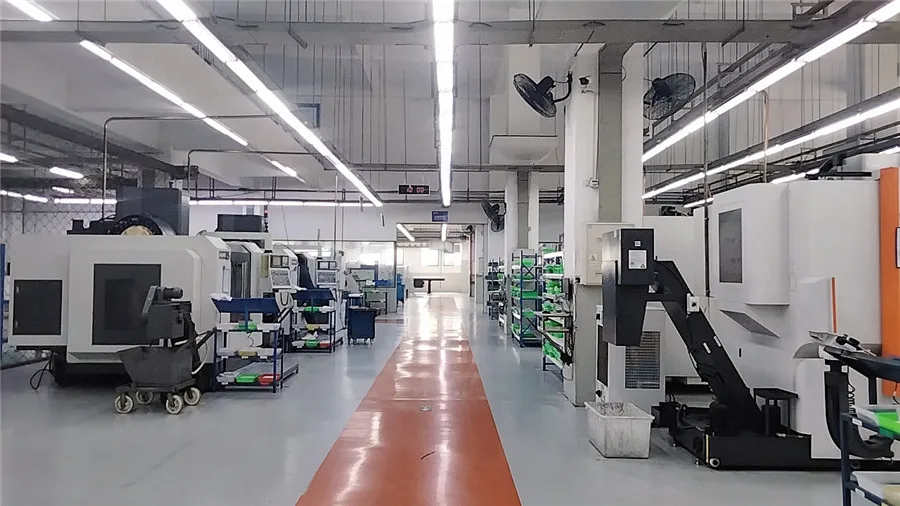
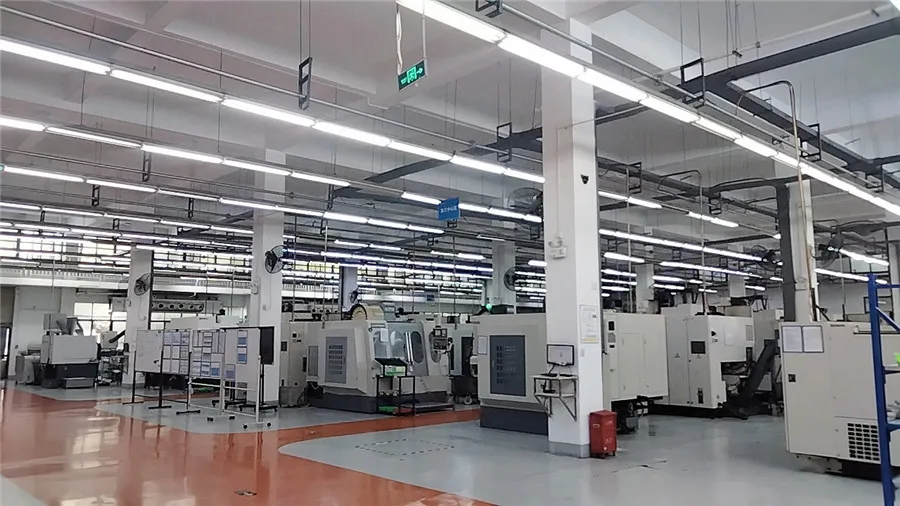
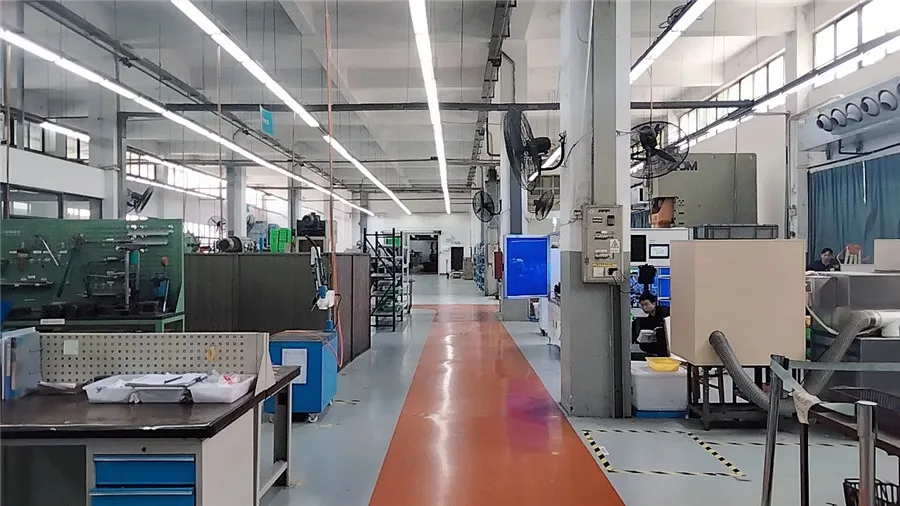










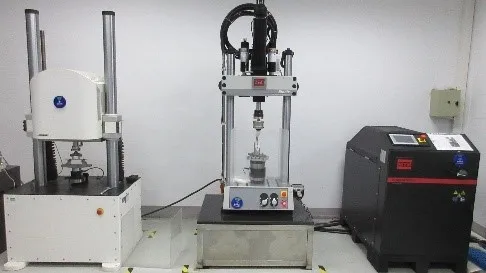
The landscape of orthopedic healthcare sourcing is shifting toward value-based procurement. Hospital administrators and supply chain directors are no longer looking at purchase price in isolation. Instead, they examine the long-term utility, cleaning parameters, and potential vendor customization capabilities. Partnering with a manufacturer equipped with a dedicated R&D division enables the creation of custom surgical instrumentation trays tailored to local surgical protocols.
When selecting a trauma instrument supplier, procurement officers should verify the following capabilities:
 Harney-Well