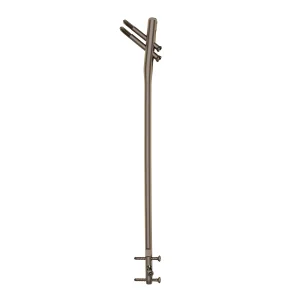
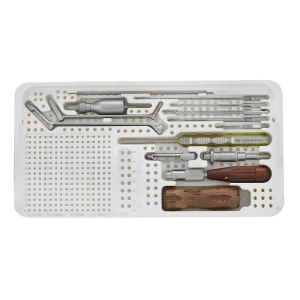
Explore our CE & ISO certified trauma fixation solutions engineered for precise anatomical fit and exceptional primary mechanical stability.
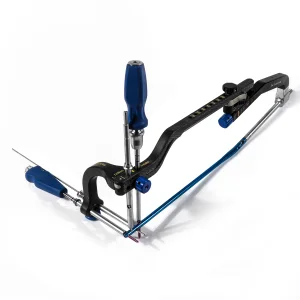
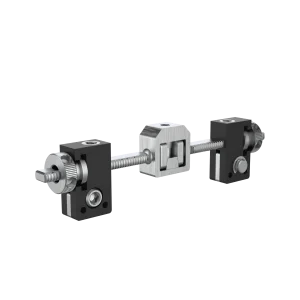
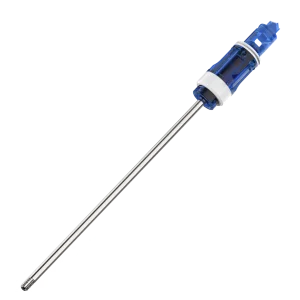
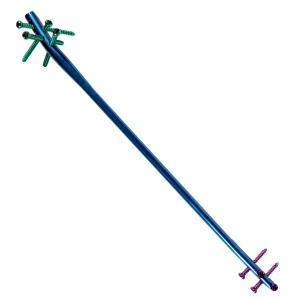
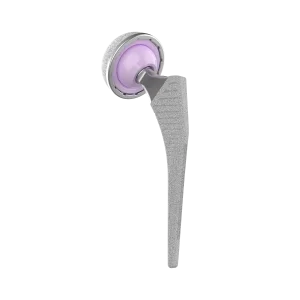
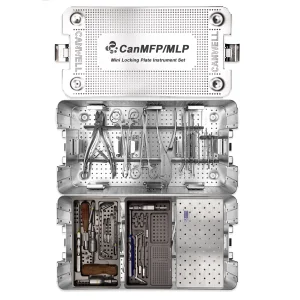
Intramedullary (IM) osteosynthesis represents the gold standard for stabilizing long bone fractures of the lower and upper extremities. Developed historically by Gerhard Küntscher and rapidly advanced by contemporary biomechanical engineering, the modern intramedullary rod operates as a load-sharing device. Unlike conventional plate-and-screw constructs, which rely on rigid eccentric stabilization and are susceptible to stress-shielding, an intramedullary nail is inserted directly into the medullary canal. This axial alignment distributes physiological stresses along the anatomical axis of the bone, encouraging micro-motion that triggers robust secondary bone healing via external callus formation.
The global demand for high-caliber orthopedic implants is rising rapidly, fueled by an aging demographic prone to osteoporotic fractures and a high volume of polytrauma incidents worldwide. Hospital procurement committees, implant distributors, and global medical device brands face a critical challenge: securing an orthopedic supply partner capable of providing high manufacturing accuracy, bio-harmonious raw materials (such as implant-grade ELI titanium alloys), regulatory compliance (including EU MDR and US FDA guidelines), and manufacturing scalability.
In modern orthopedic sourcing, price-per-unit is no longer the sole metric of competitiveness. Leading medical procurement organizations prioritize suppliers that offer full technical transparency, audited manufacturing processes (ISO 13485 compliance), material traceability, and advanced anatomical designs—such as suprapatellar insertion options for tibia nailing and helical blade configurations for proximal femur stabilization.
From a mechanical standpoint, intramedullary rods function as internal splints. During weight-bearing activity, the load is divided between the host bone and the implant. The nail reduces the bending moment experienced by the implant relative to an eccentric plate, significantly lowering the incidence of hardware fatigue and catastrophic failure. Furthermore, the preservation of the periosteal blood supply during the minimally invasive closed insertion technique provides a biological environment superior to open reduction, which inevitably compromises local vascularization.
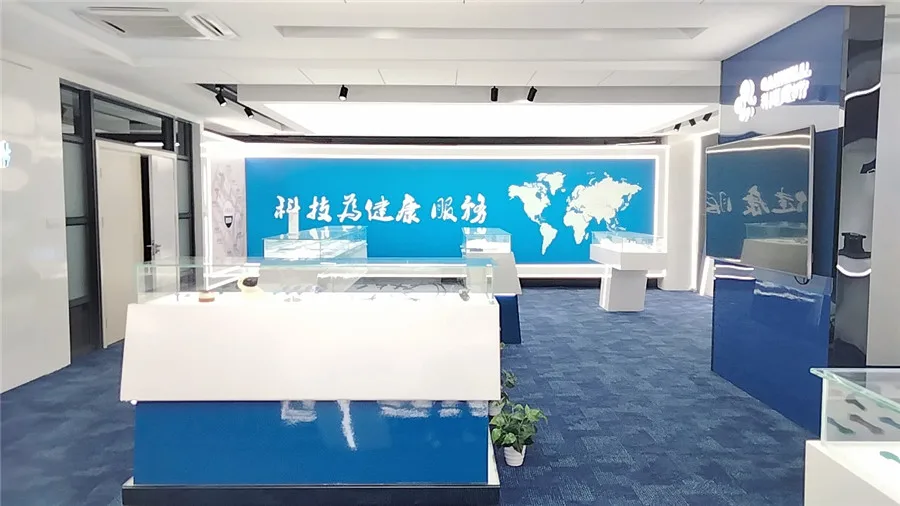
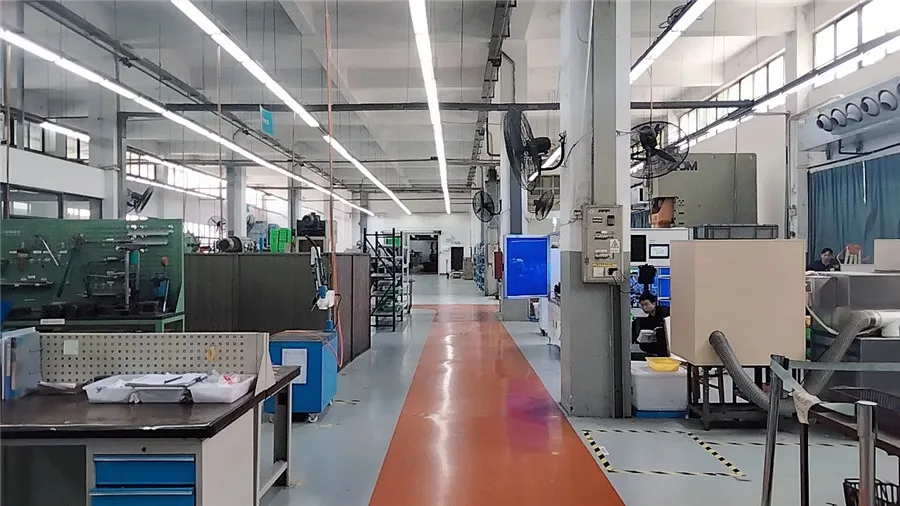
Operating from a state-of-the-art 29,523㎡ manufacturing facility with over 22 years of global export authority.
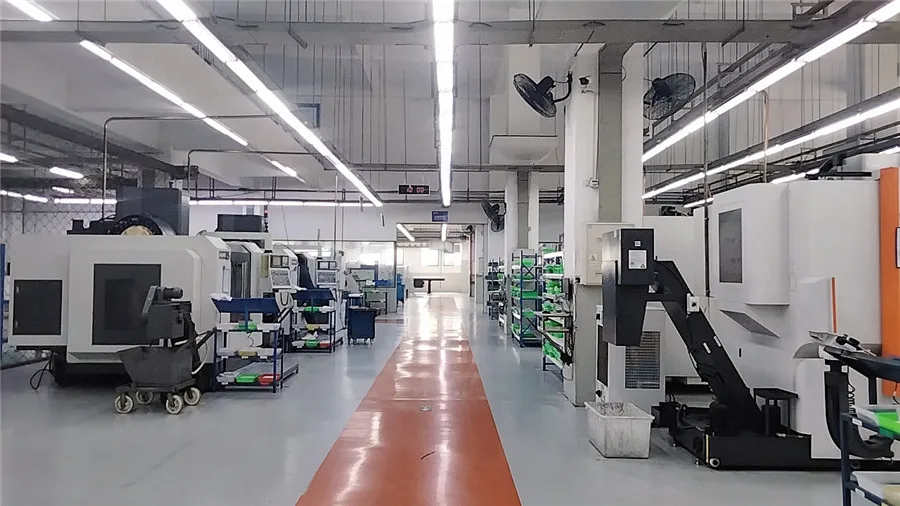
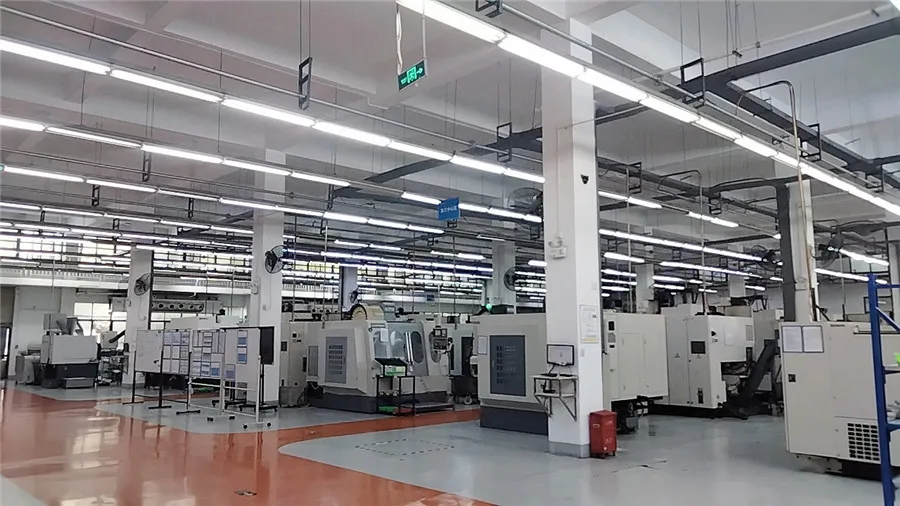
At our core, we implement an uncompromising quality control infrastructure overseen by 69 dedicated QA/QC inspectors. Complete traceability of raw materials is guaranteed; every batch of titanium alloy (Ti-6Al-4V ELI) and implant-grade stainless steel undergoes rigorous spectroscopic analysis, hardness evaluation, and microstructure verification prior to mechanical processing. We perform 100% inspection on dimensional tolerances, surface roughness, and thread profile accuracy using high-resolution multisensor coordinate measuring machines (CMM) and digital profile projectors. This ensures every single component leaving the facility meets the strict standards of surgical safety.
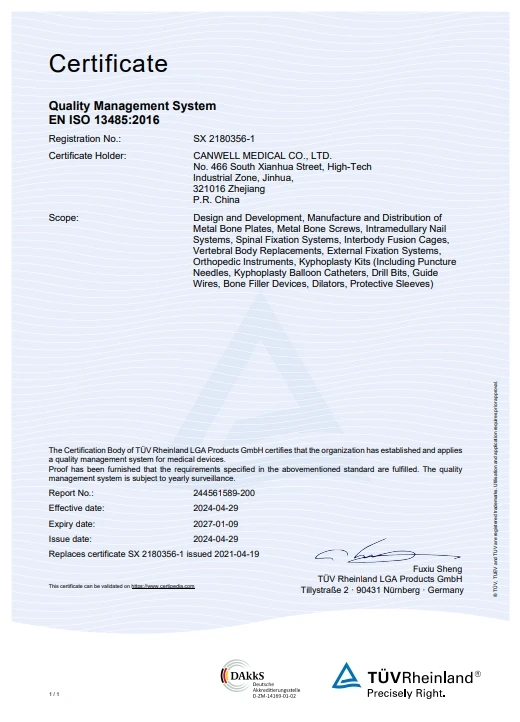
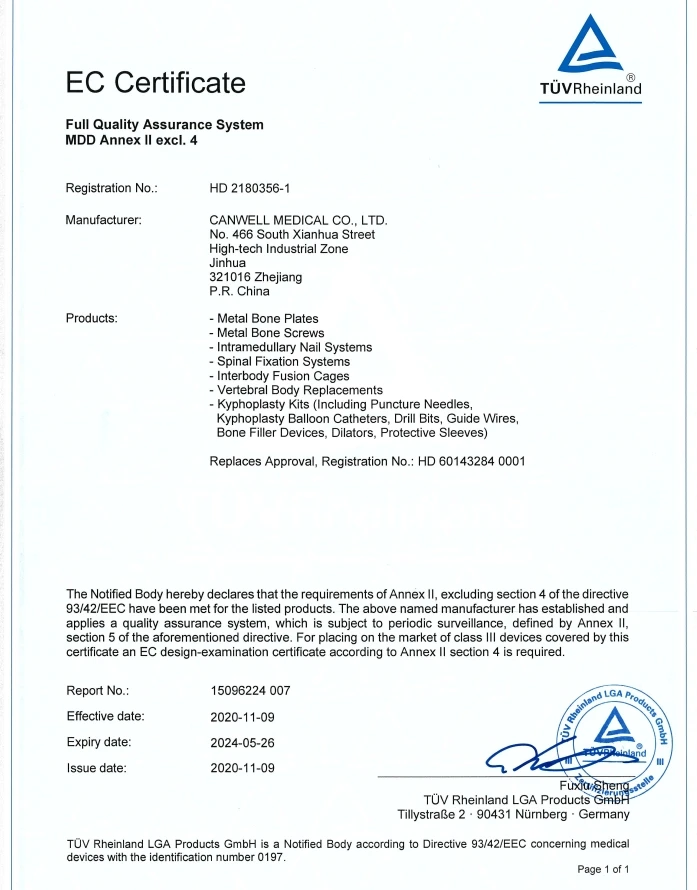
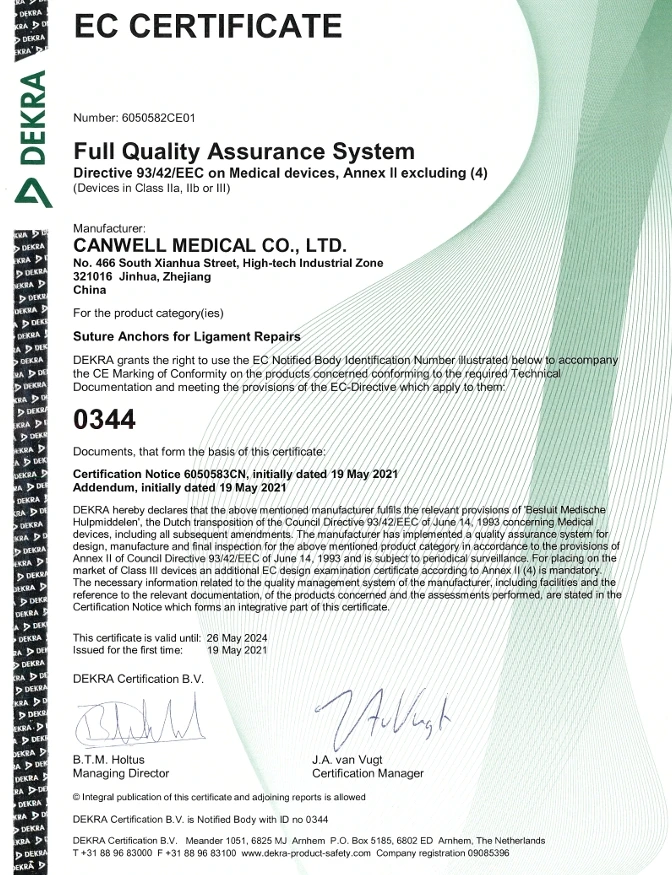
The clinical effectiveness of intramedullary nails depends on matching the implant's design to the patient's local anatomy, bone density, and lifestyle. As a veteran supplier, we recognize that different geographical regions require distinct product modifications to suit their respective healthcare landscapes.
In regions with high trauma volumes, such as Latin America, there is strong demand for reliable, user-friendly implant systems. We provide universal interlocking tibial and femoral nails that accommodate both static and dynamic locking modes, allowing surgeons to adapt to diverse fracture patterns without requiring complex surgical instrumentation.
Western European markets prioritize minimally invasive techniques that lower post-operative complications. Our Suprapatellar Expert Tibial Nail (ETN2) allows for insertion with the knee in semi-extension. This approach protects the patellar ligament, reduces patellofemoral pressure, and helps prevent chronic post-operative anterior knee pain.
To address different patient age groups, we manufacture Titanium Elastic Nails (TEN) designed for pediatric diaphyseal fractures, preserving active growth plates. For geriatric hip fractures, our Proximal Femoral Intramedullary Nail system features dynamic locking options and helical blades to ensure stable fixation in osteoporotic bone.
Our 59 R&D graduate engineers continuous study biomechanical data from various clinical environments. This allows us to adjust critical design parameters, such as the Herzog bend angle in tibial nails and the lag screw angle in proximal femoral nails. By optimizing these dimensions, we ensure our implants align with the natural anatomical variations found across global patient populations.
The field of intramedullary fixation is shifting from purely passive stabilization systems to dynamic, bio-interactive implants. Our engineering team has mapped out a development plan aimed at improving clinical outcomes and simplifying surgical procedures.
By pursuing this technological roadmap, we support global orthopedic distributors in transitioning from standard hardware distribution to offering advanced, clinically distinct treatment solutions.
Over the past two decades, China has developed a highly integrated, high-capacity industrial cluster for medical devices. Our 29,523㎡ facility is strategically situated within this ecosystem, allowing us to source premium materials and coordinate production with exceptional efficiency.
This vertically integrated approach enables us to offer high-quality implants at competitive prices, helping hospital networks and global distributors optimize their procurement budgets without compromising patient care.
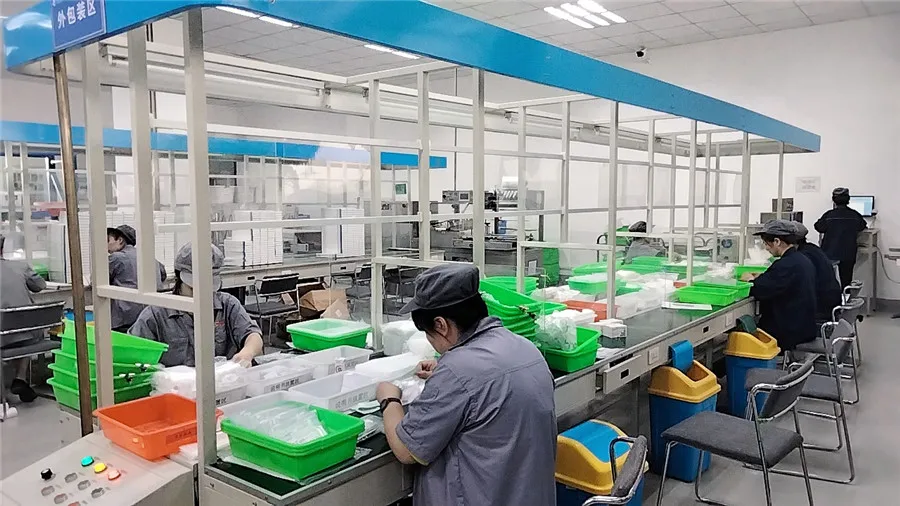
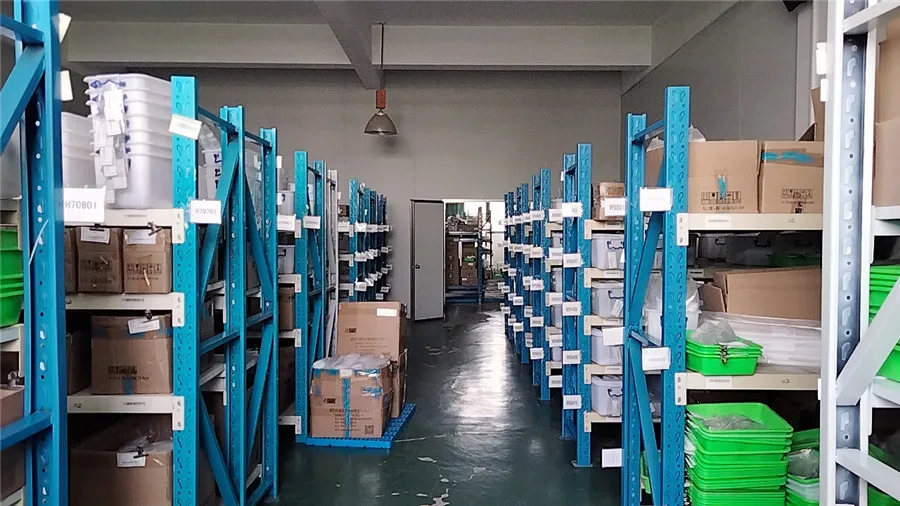
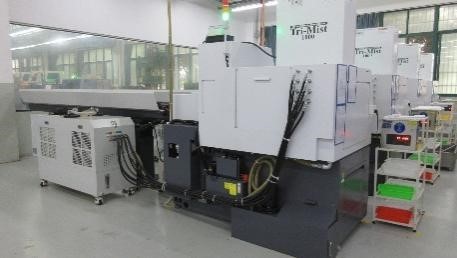
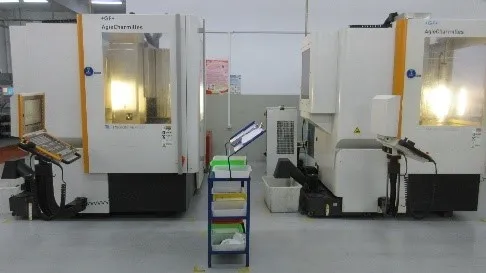
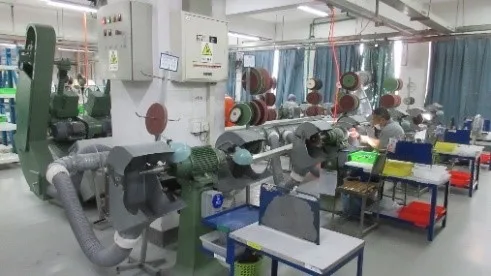
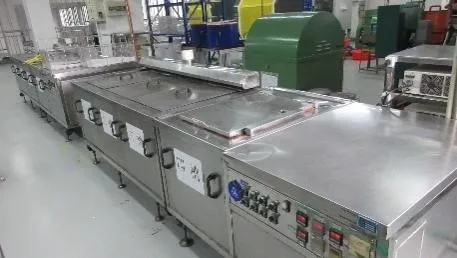
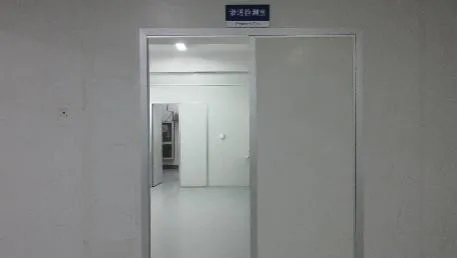
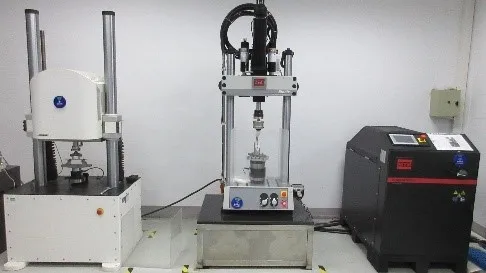
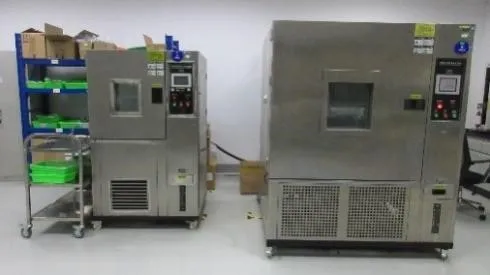
Visual overview of our cleanrooms, precision CNC machining centers, QA laboratories, and testing setups.
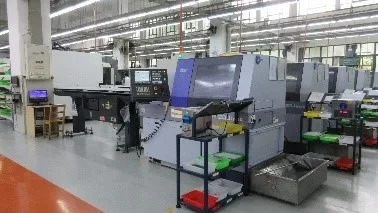
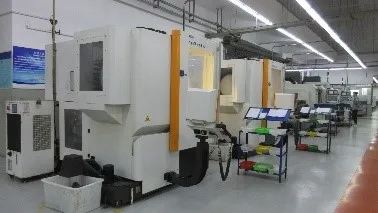
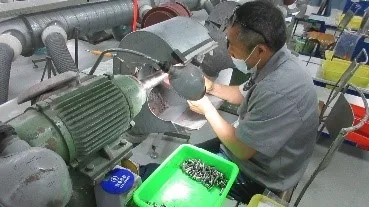
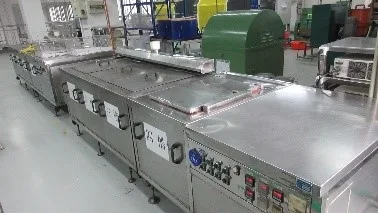
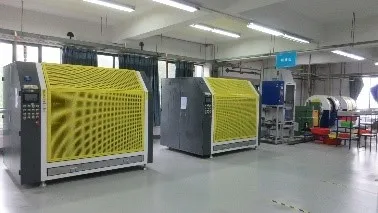
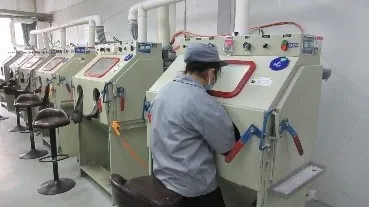

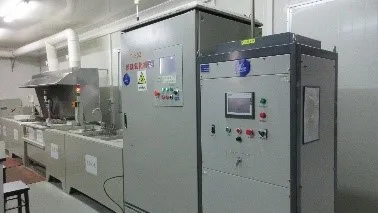
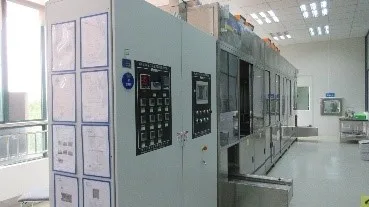
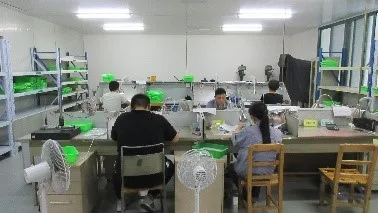
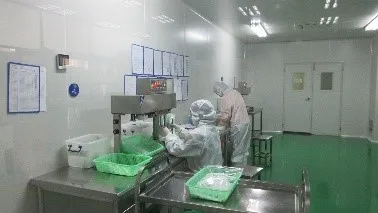
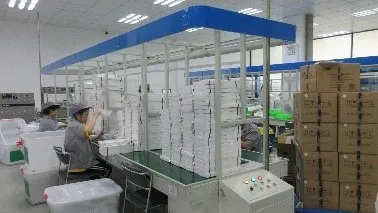
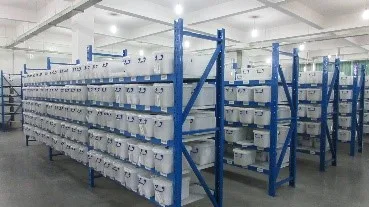
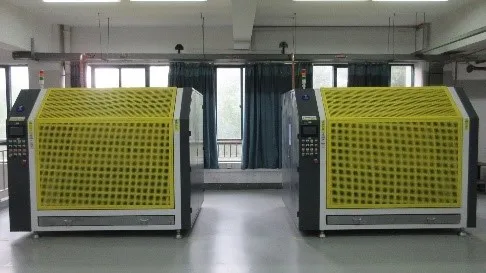
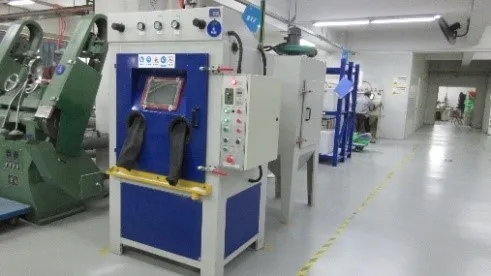
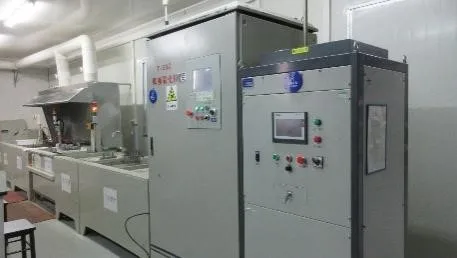
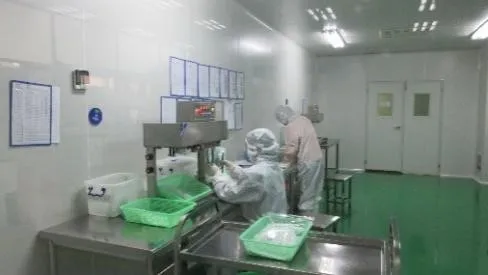
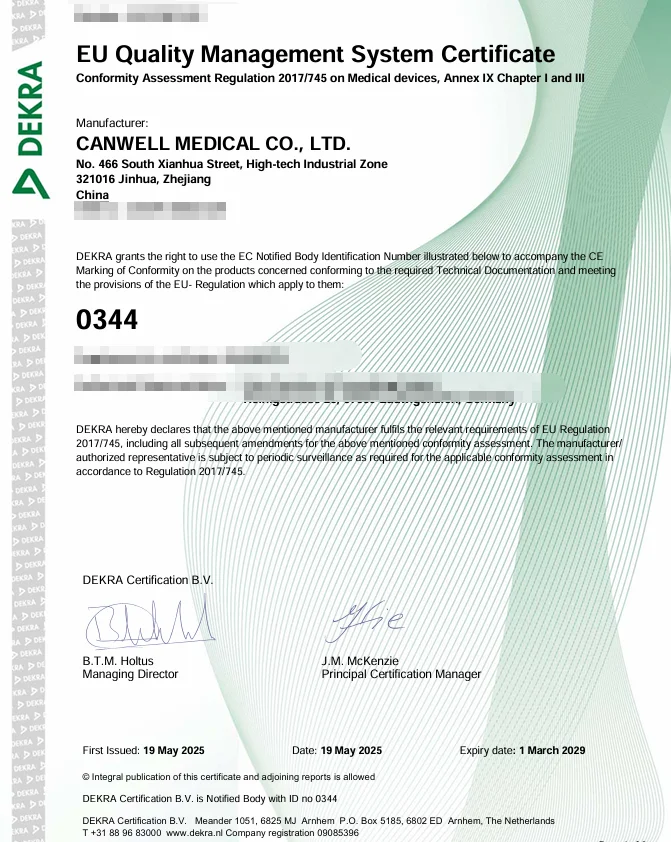
Orthopedic implants are classified as high-risk medical devices (Class III under EU MDR and China NMPA, Class II/III under US FDA). Sourcing from a manufacturer with a robust regulatory foundation is critical to avoiding registration delays, import hold-ups, and post-market safety risks.
Our facility operates under an ISO 13485-certified quality management system designed specifically for medical devices. We maintain clear trace records for all materials and processes, from raw titanium bars to the final sterile packaging. In response to the transition from MDD to EU MDR (Regulation (EU) 2017/745), we updated our technical files and clinical evaluation protocols to ensure full compliance with the updated European standards.
Every product run undergoes a comprehensive validation protocol, which includes raw material verification, machining tolerance checks, ultrasonic cleaning, visual inspections under cleanroom conditions, and package integrity testing. For sterile-packaged products, we run bioburden and sterility tests on every batch, validating our sterilization processes to protect patient safety.
Answers to critical questions regarding design parameters, OEM partnerships, regulatory compliance, and ordering processes.
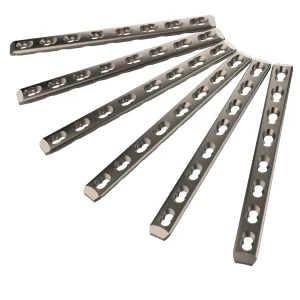
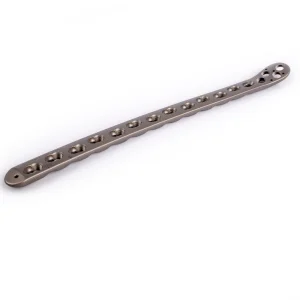
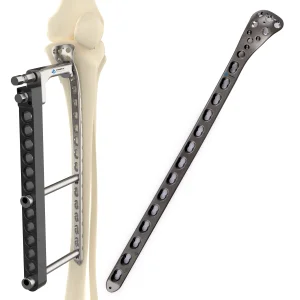
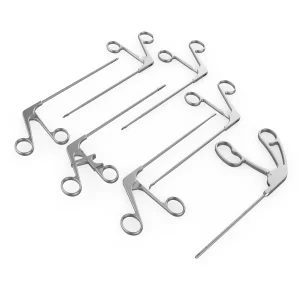
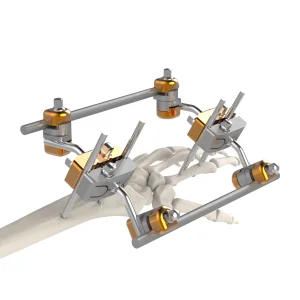
Complete system solutions including anatomical plating, external fixators, and precision instrumentation sets.
 Harney-Well