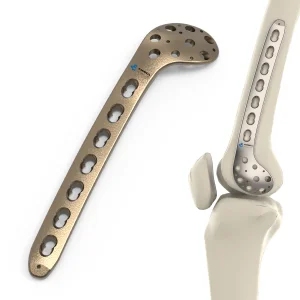
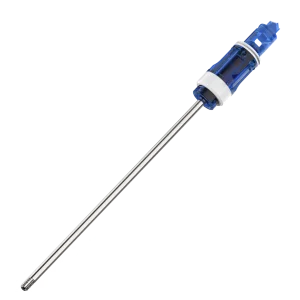
Explore our CE/ISO-certified precision implants, engineered to meet the stringent biomechanical standards of global healthcare systems.
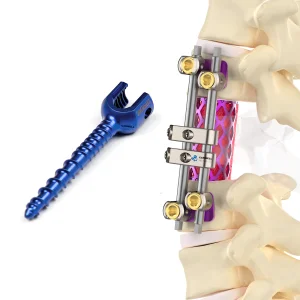
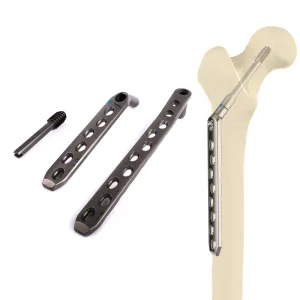
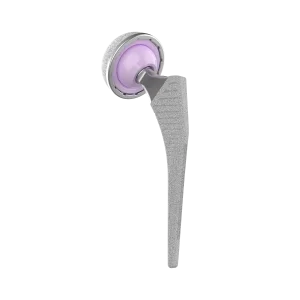
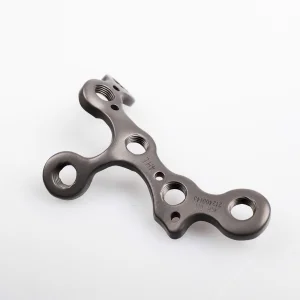
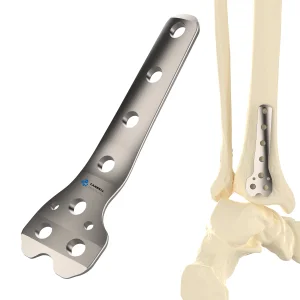
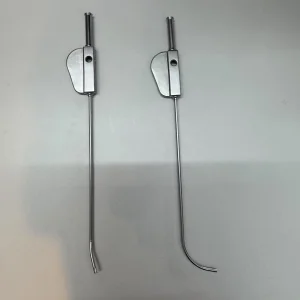
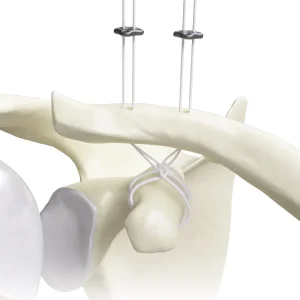
The global sports medicine and ligament reconstruction sector has transitioned from traditional rigid mechanical fixation to dynamic suspensory systems. Loop fixation devices, particularly in anterior cruciate ligament (ACL) reconstructions and acromioclavicular (AC) joint stabilization, represent the pinnacle of this clinical shift. Clinicians worldwide are choosing suspensory fixation because it minimizes the "windshield wiper" and "bungee cord" effects common in biological soft tissue grafts secured with older interference screws.
Currently, the market is driven by an aging yet active global population, rising rates of sports-related injuries, and a preference for minimally invasive surgeries. Suspensory cortical fixation devices distribute tensile loads across the cortical bone shell. This structural approach preserves bone density while providing high primary stability. Medical device distributors and OEM brands are looking for high-quality manufacturing partners that can deliver components conforming to strict biocompatibility and tensile strength specifications.
The performance of a loop fixation system depends on two key material choices: ultra-high-molecular-weight polyethylene (UHMWPE) loop braids and high-tensile Titanium Alloy (Ti-6Al-4V ELI) buttons. Our OEM/ODM service guarantees that every loop device uses medical-grade materials that match standard implant properties:
| Material Component | Technical Standard | Biomechanical Performance Property | Clinical Advantages |
|---|---|---|---|
| Titanium Alloy (Ti-6Al-4V ELI) | ASTM F136 / ISO 5832-3 | Tensile strength ≥ 860 MPa; high fatigue limit | Prevents implant fracture under sudden high load; excellent biocompatibility |
| UHMWPE Suture Loop | ASTM F2848 / ISO 13485 | High modulus of elasticity; low creep profile | Reduces joint laxity during early postoperative healing stages |
| Bio-absorbable Polymers (PLLA/PDLLA) | ASTM F2502 | Gradual degradation matched to bone healing kinetics | Eliminates long-term foreign body presence; facilitates future revision surgeries |
Backed by 22 years of exporting experience and deep industrial expertise, we provide high-precision medical implants that meet global regulatory requirements.
Our OEM/ODM manufacturing framework is designed to help medical brands bring ideas to market quickly and reliably. With a focus on sports medicine and orthopedic trauma implants, our 59 graduate R&D engineers convert customer specifications, mechanical drawings, or 3D mockups into clean, production-ready surgical devices.
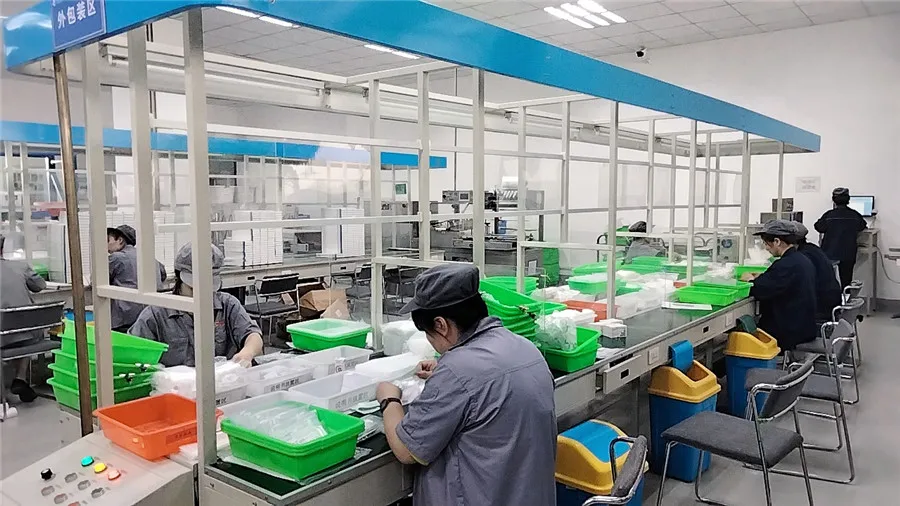
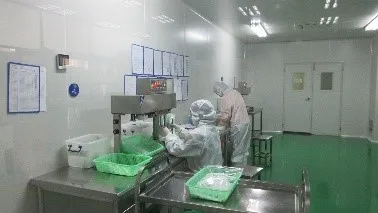
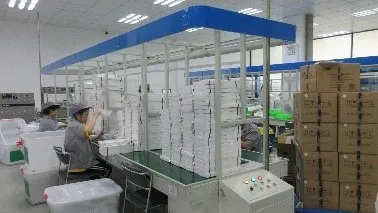
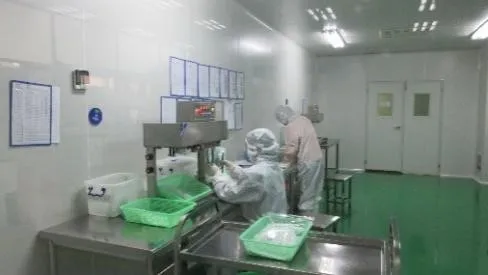
We provide full customization pathways, including light customization, custom laser etching, custom component geometry, and dedicated sterile packaging options. We operate under cleanroom protocols (Class 100,000 / ISO Class 8) to protect raw titanium and ultra-high molecular weight polyethylene components from contamination throughout production.
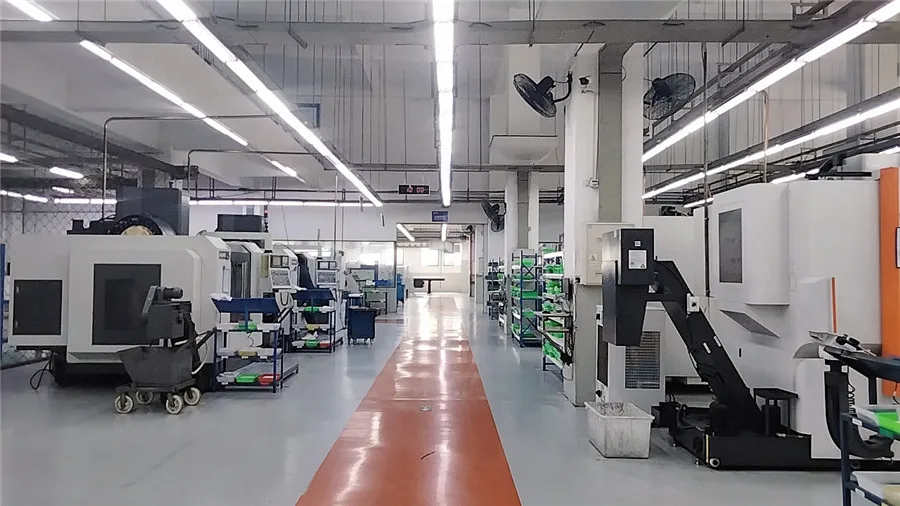
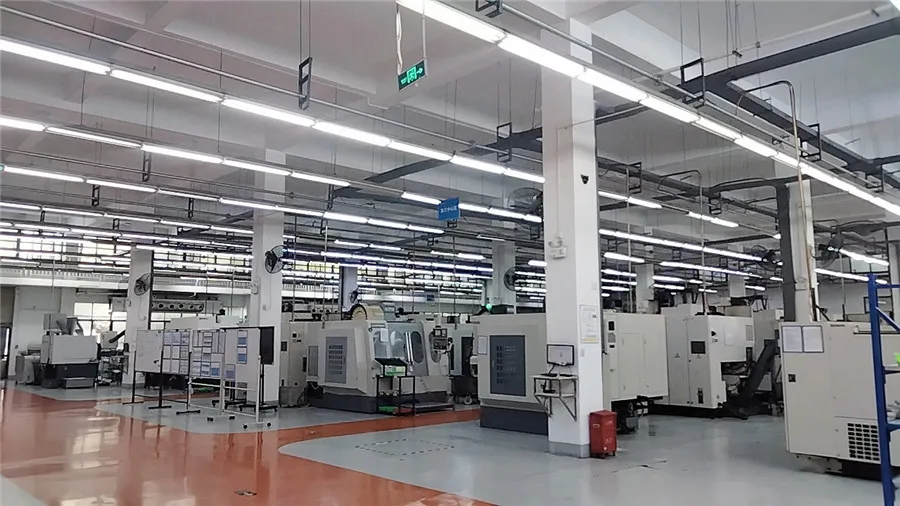
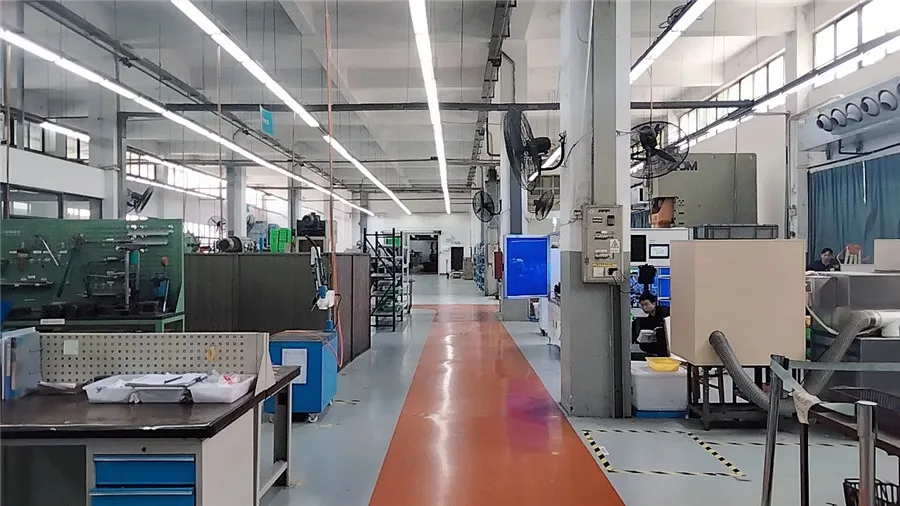
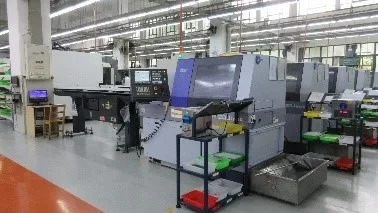
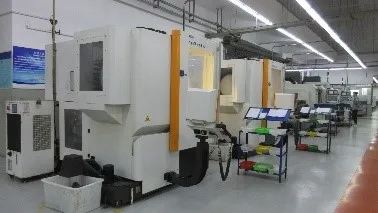
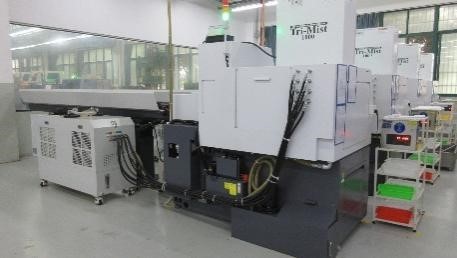
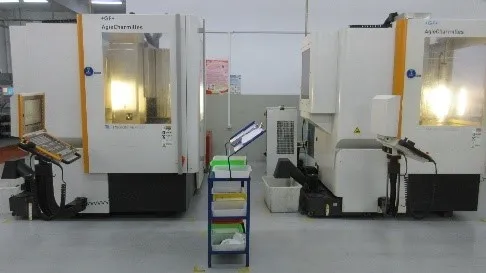
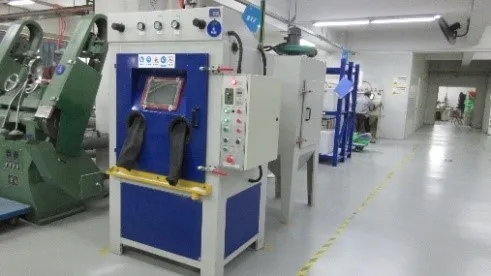
By using Swiss-type CNC automatic lathes and multi-axis machining centers, we keep dimensional tolerances within +/- 5 microns. This precision ensures that loop fixation buttons fit perfectly with their insertion instruments, giving orthopedic surgeons a smooth, reliable experience during procedures.
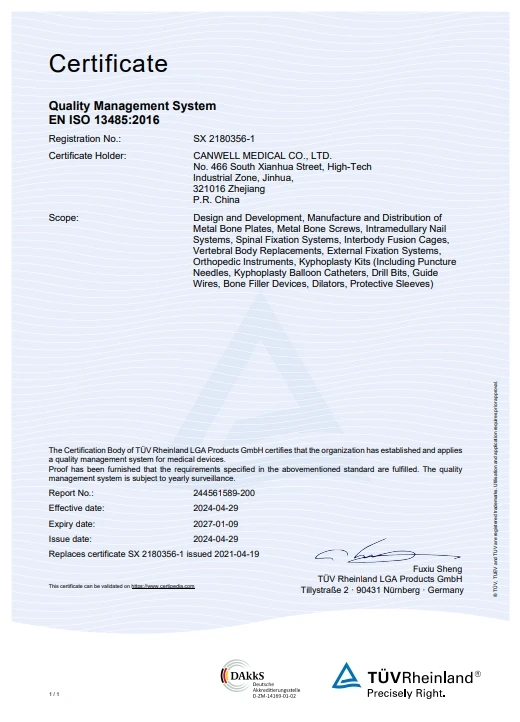
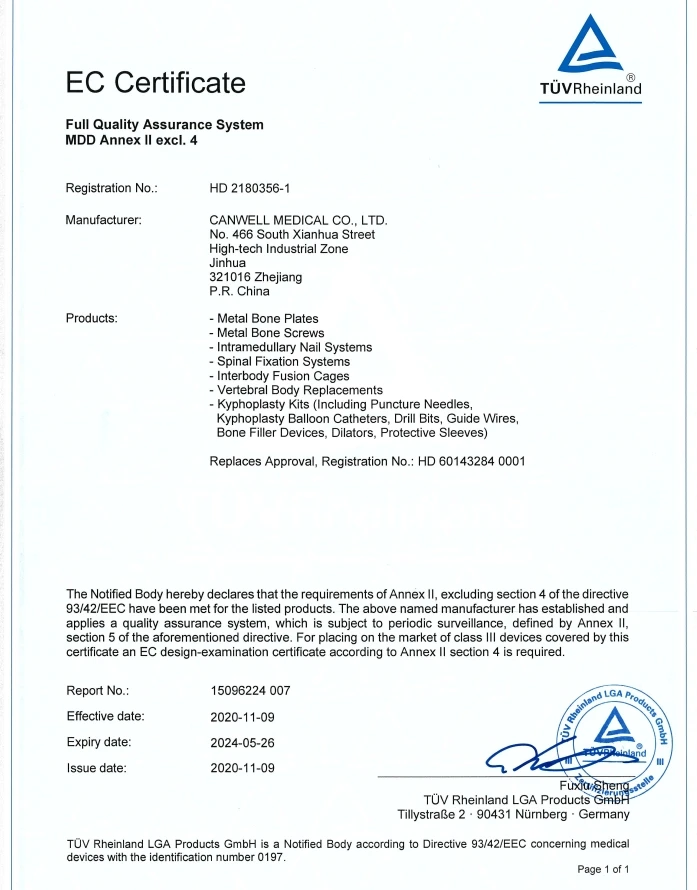
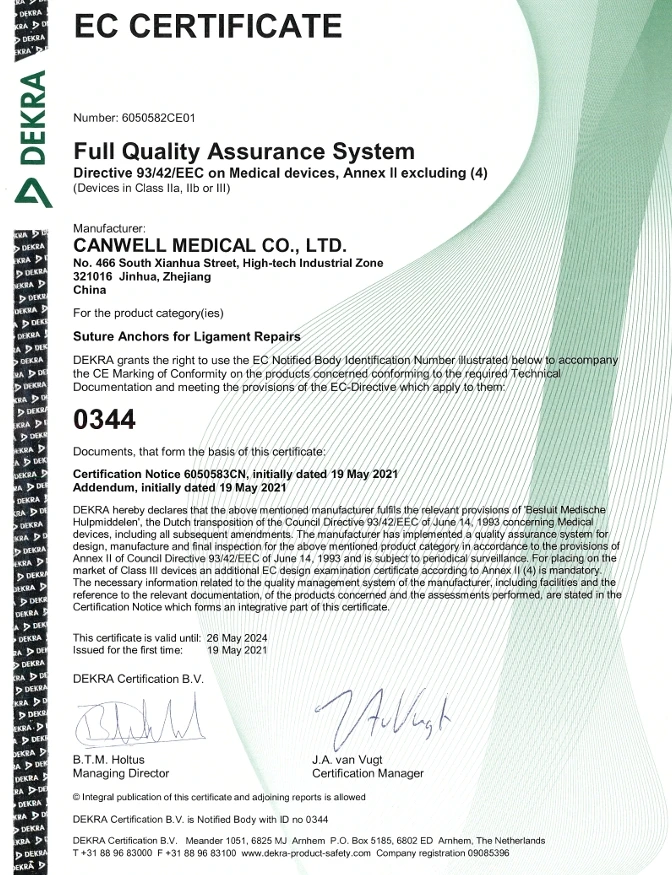

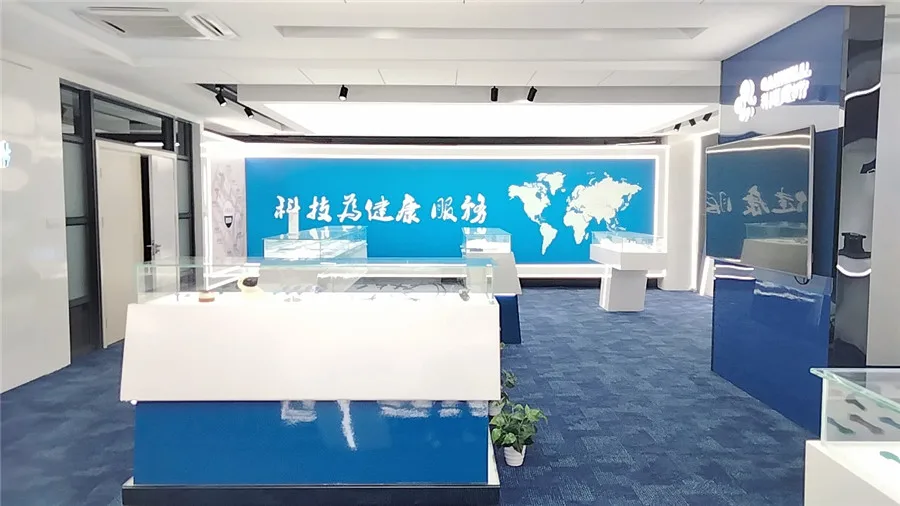
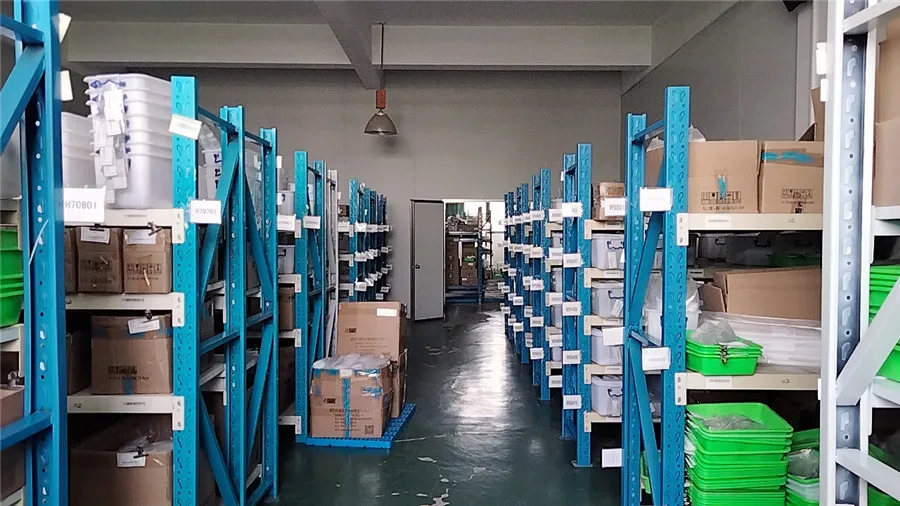
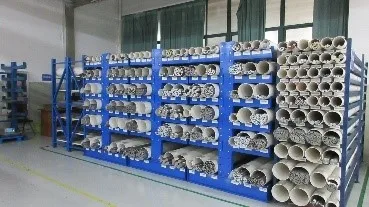
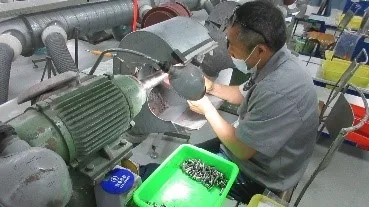
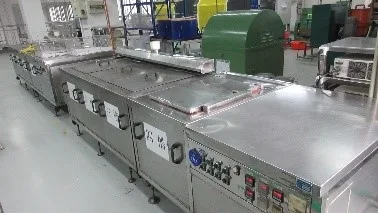
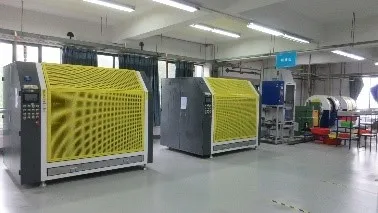
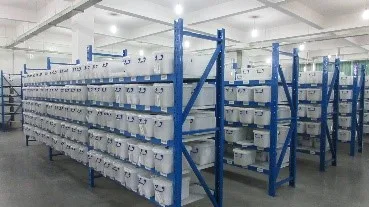
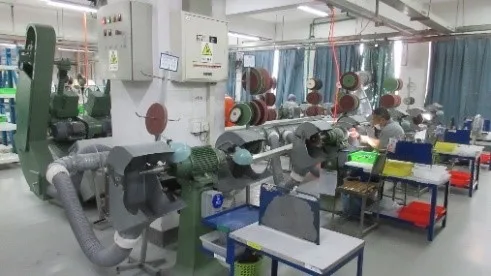
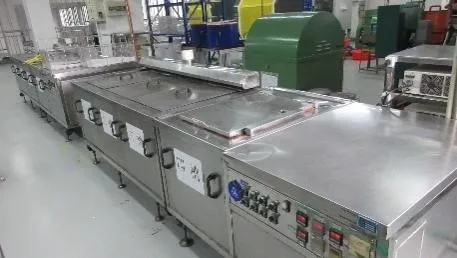
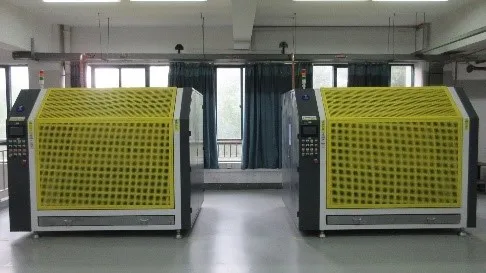
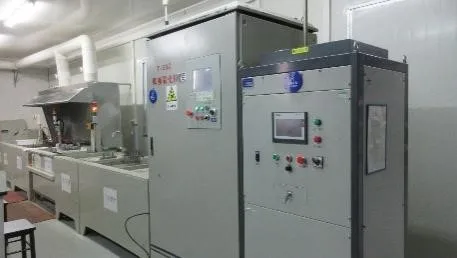
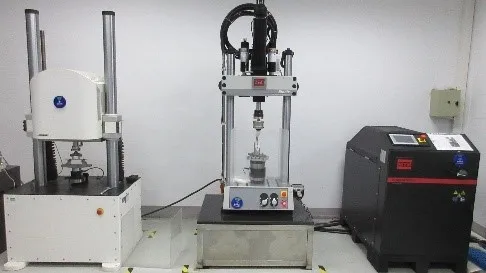
Inside our advanced orthopedic manufacturing facilities. We ensure complete batch traceability and run 100% inspection processes for all implants.
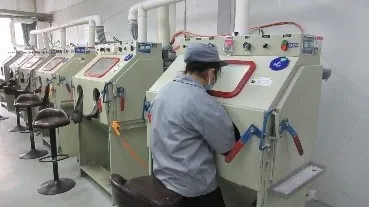

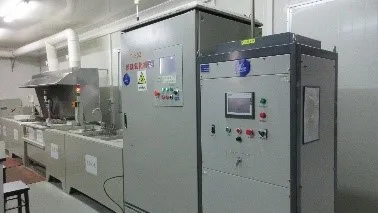
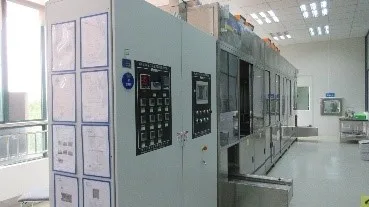
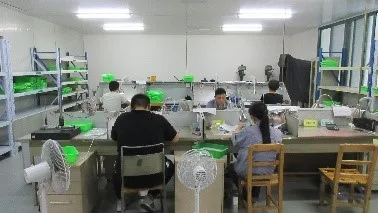

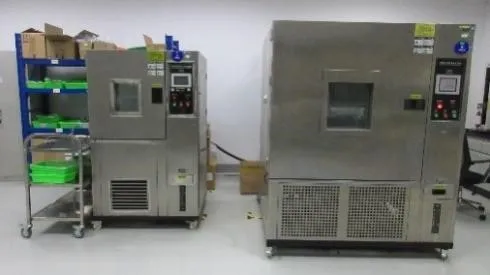
Innovation in soft-tissue fixation is moving toward biomechanically responsive and bio-integrative materials. Our product development roadmap focuses on these critical emerging technologies:
To support global medical supply chains, we customize our manufacturing output to meet localized clinical and regulatory requirements across our key markets:
We track every batch of titanium alloy and medical fiber from the mill source, verifying raw materials before they reach the machining lines.
Our loop weaving and final packaging steps are conducted in certified cleanrooms to meet regulatory particle limits for implantable devices.
We run tension, slip, and structural fatigue tests to confirm our devices can withstand demanding physiological loads over time.
Clear answers to technical, regulatory, and mechanical questions about loop fixation and orthopedic manufacturing.
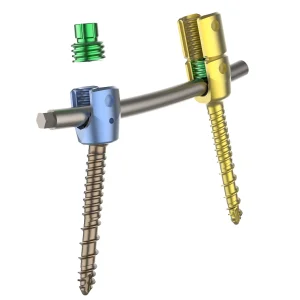
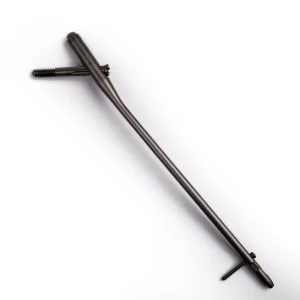
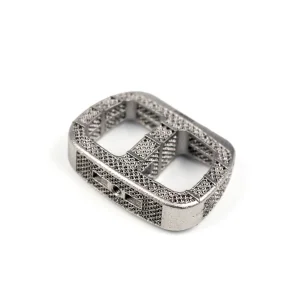
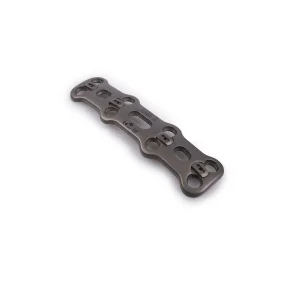
A comprehensive selection of CE-certified implants and instrumentation systems manufactured for global export markets.
 Harney-Well