OEM/ODM Posterior Fixation System Factories & Suppliers

Precision-Engineered Orthopedic Spinal Implants, Global Contract Manufacturing Partnerships, and Certifications Meeting ISO 13485 & EU MDR Standards.

Verification & Industrial Scale

Delivering unmatched regulatory compliance and robust production capacity to medical device brands worldwide.

2004
Registered Since
29,523 ㎡
Production Floor Area
22 Years
Export Experience
69 Inspectors
Dedicated QA/QC Staff

Overview & Capacity

  • Total Floor Space29,523 square meters
  • Industry Tenure22+ Years
  • Accepted LanguageEnglish
  • Export ShareGlobally Structured Logistics

Quality Control Matrix

  • Raw Material TraceabilityYes (Full heat tracing)
  • Inspection Standards100% full visual & dimensional
  • QC Staffing69 Certified QA Specialists
  • R&D Engineers59 Postgraduates / Specialists

Commercial & Customization

  • Customization OptionsOEM, ODM, Graphic/Sample Custom
  • Top MarketsSouth America (30%), West Europe (20%), Southeast Asia (20%)
  • ComplianceISO 13485, CE MDR, 93/42/EEC
  • Partner ProfileBrand Owners, Engineers, Wholesalers
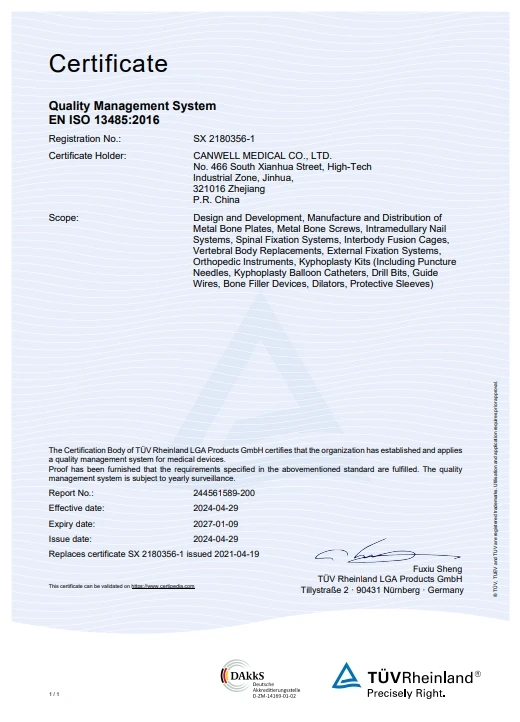
ISO13485 Certificate Preview
ISO Icon ISO13485
SX 2180356-1
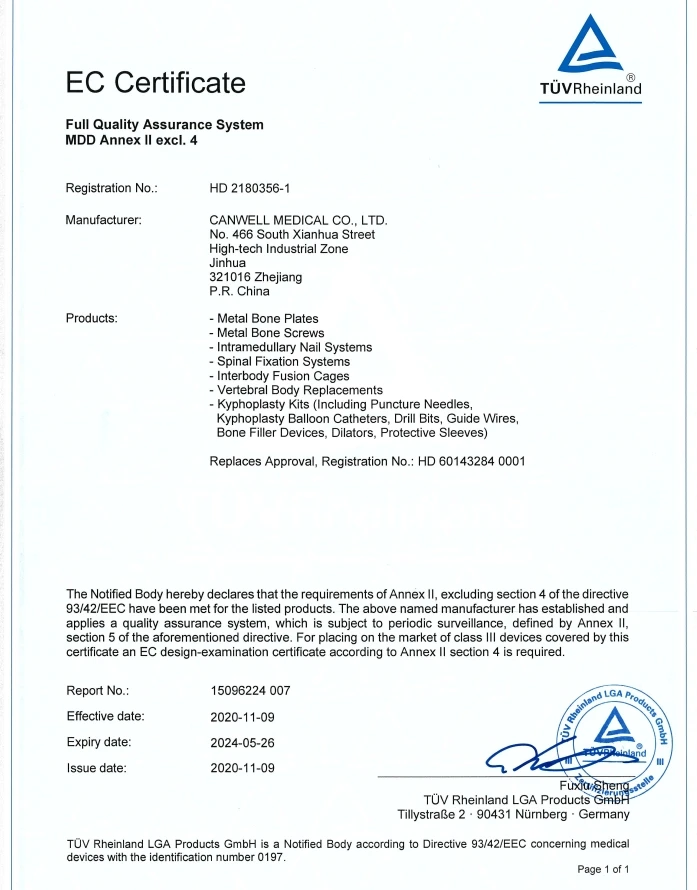
93/42/EEC Certificate Preview
CE Icon 93/42/EEC
HD 2180356-1
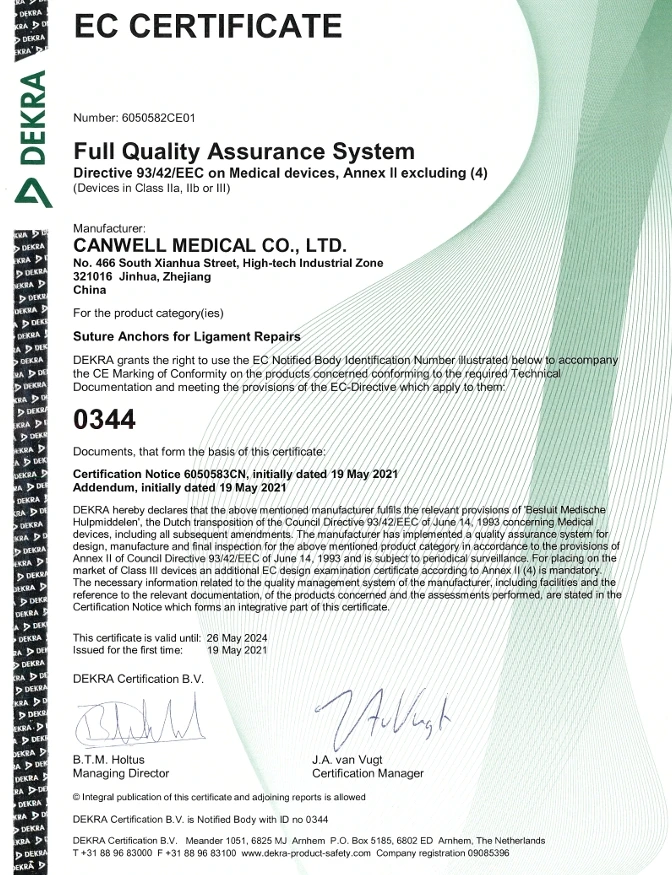
93/42/EEC Certificate CE
CE Icon 93/42/EEC
6050582CE01
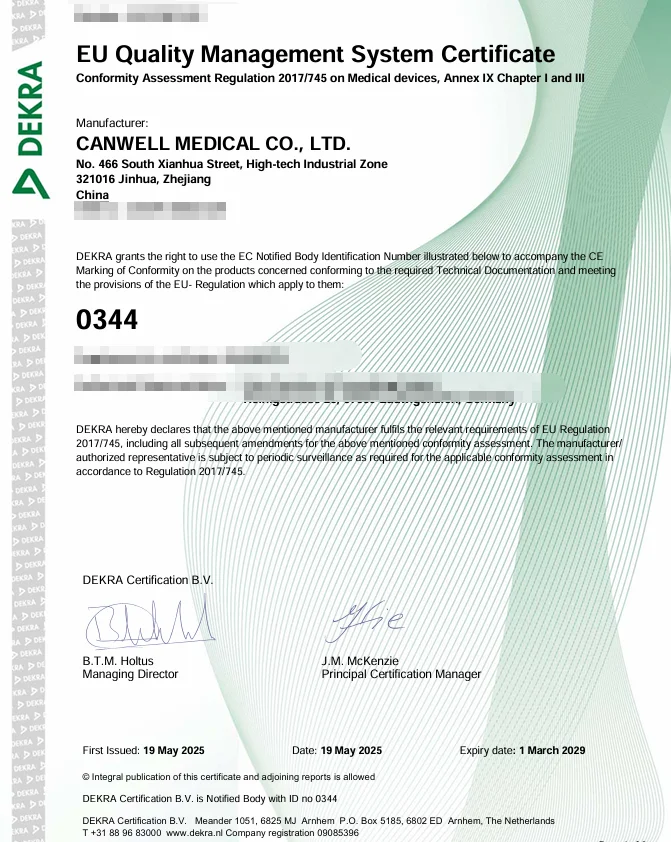
MDR Certificate Preview
MDR Logo MDR
6142788CE02

Global Commercial and Industrial Landscapes of Posterior Fixation Systems

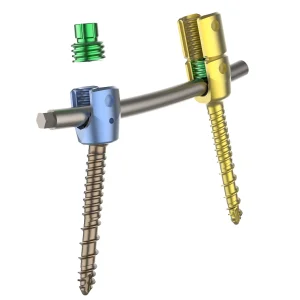
The posterior fixation system serves as a foundational pillar in spine surgery, designed to provide stability, promote fusion, and maintain spinal alignment across the thoracolumbar and cervical regions. Over the last two decades, the global orthopedic market has experienced a significant demographic shift, propelled by aging populations, a rising prevalence of spinal disorders, and advancements in minimally invasive spine surgery (MISS).

From a commercial standpoint, pedicle screws, rods, cross-links, and connectors command the largest market share in the spinal instrumentation sector. Key clinical indications include degenerative disc disease, spinal stenosis, severe spondylolisthesis, scoliosis, and trauma. Multi-national brands face intense pressure to balance structural innovation with cost reduction.

  • Increasing shift toward minimally invasive percutaneous posterior systems.
  • Adoption of medical-grade Titanium Alloys (Ti-6Al-4V ELI) and PEEK.
  • High demand for modular implants tailored to patient-specific anatomical variations.
  • Global standard conformance (ASTM F1717, ISO 12189) for fatigue limits.
Industrial Materials Standard

Our posterior fixation components utilize Ti-6Al-4V ELI (Extra Low Interstitial) alloy conforming to ASTM F136 specifications. This medical-grade titanium provides exceptional tensile yield strengths exceeding 800 MPa and enhanced fatigue resistance, vital for resisting the multi-axial dynamic loading profiles encountered in human spine motion segments.
Tensile Strength ≥ 860 MPa
Biocompatibility ISO 10993 Compliant

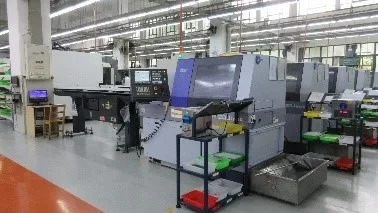
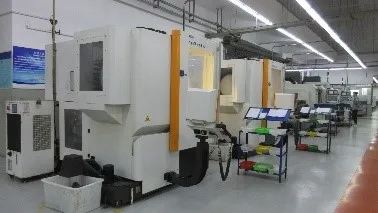
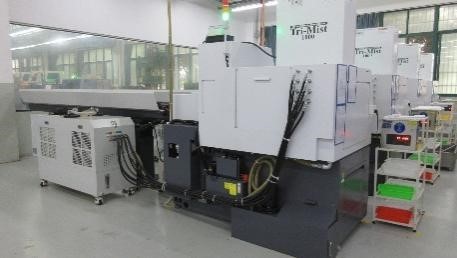
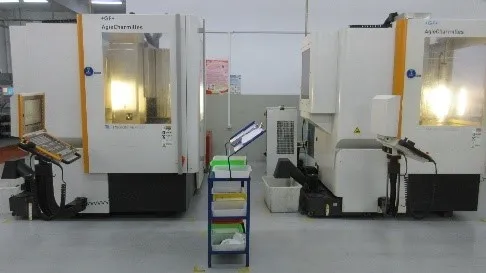
Switzerland Tornos Decolletage Lathes

High-precision multi-axis Swiss CNC sliding headstocks achieve micrometer tolerances on intricate pedicle screw threading profiles.
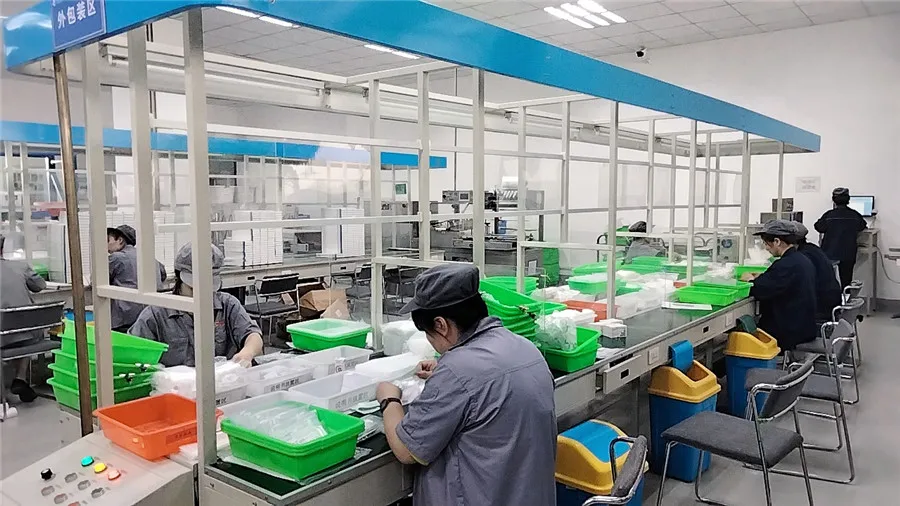
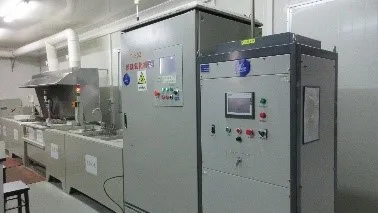
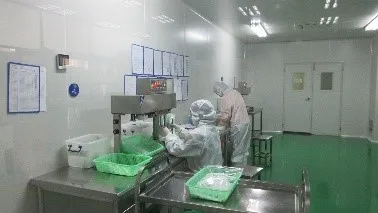
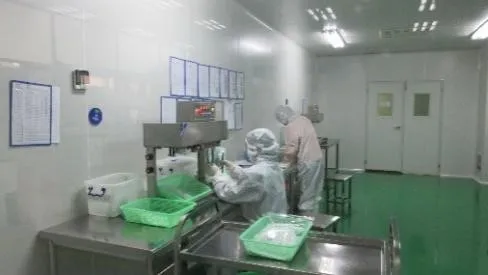
ISO Class 7 Cleanroom Verification

Controlled environment packaging prevents particulate contamination, ensuring bio-burden counts satisfy sterilization parameters.
Continuous Cycle Optimization

Vertically integrated raw material sourcing and custom tooling design teams accelerate prototype-to-production speeds.

China's Precision Manufacturing & Industrial Scale Efficiency

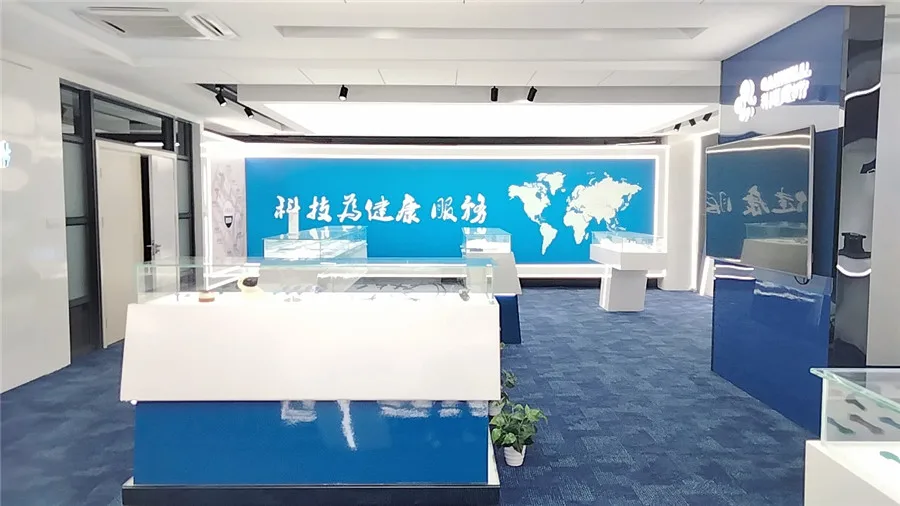
Our facility, established in 2004, represents the forefront of Chinese orthopedic implant manufacturing. Covering a 29,523 m² production floor, the facility utilizes raw materials sourced from certified aerospace-grade suppliers. The critical efficiency advantage lies in our deep engineering clusters, localized supply chains, and specialized technology partners.

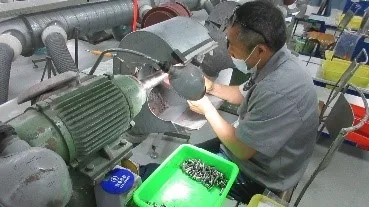
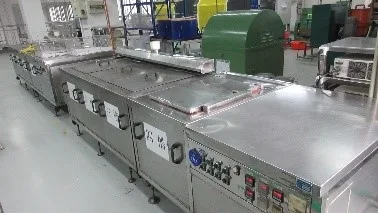
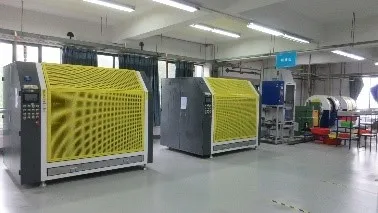
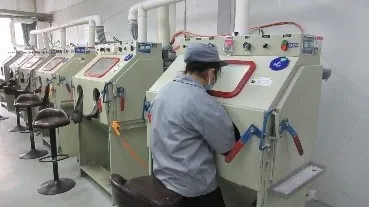
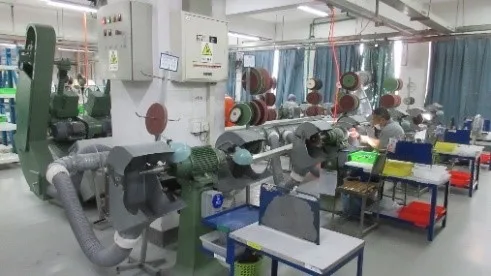
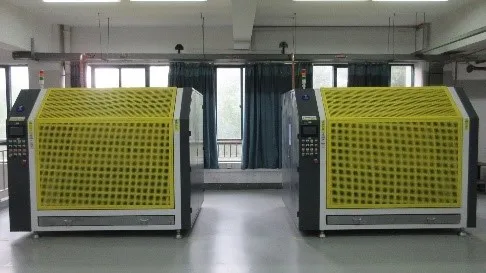
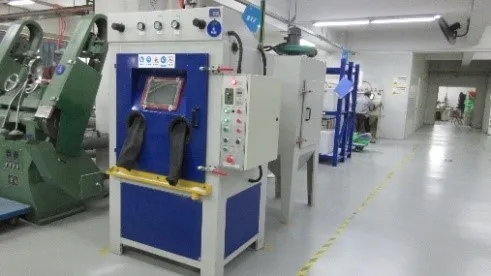
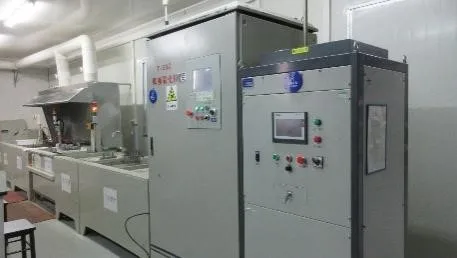
Unlike Western manufacturing centers characterized by fragmented outsourcing, our factory maintains end-to-end processing. We perform multi-axis Swiss CNC machining, electrochemical anodization, surface blasting, cleanroom washing, cleanroom packaging, and comprehensive mechanical verification under one corporate umbrella. This localized control minimizes logistics delay risk and delivers high cost-efficiency without compromising metallurgical integrity.

Additionally, our 59 graduate-level R&D engineers collaborate directly with medical device brands. By employing sophisticated CAD/CAM environments and Finite Element Analysis (FEA), we accelerate transition cycles from graphic customization to pilot production runs.

Localized Clinical Application Scenarios & Technology Trends

Evaluating the deployment of posterior fixation instrumentation across different global healthcare sectors and next-generation product design pipelines.

Localized Application Scenarios

Surgical demands fluctuate by region. In Western European and North American hospitals, there is a clear trend toward minimally invasive surgeries (MIS). Posterior systems must support cannulated screws, guide wires, and specialized tissue-retracting systems that reduce blood loss and hospital stay durations.

Conversely, in developing regions such as Southeast Asia and South America, surgical teams require robust, highly cost-effective, and versatile open-surgery spinal fixation systems. These systems must support multi-level construct combinations to treat severe post-traumatic spinal collapse and advanced congenital deformities.

Next-Gen Technology Trends

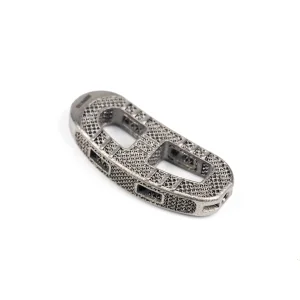
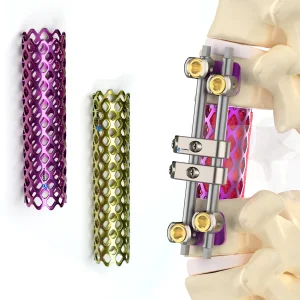
The spinal fixation sector is evolving rapidly. Key shifts include the rise of 3D-printed porous titanium fusion cages designed to lock with posterior pedicle systems, encouraging direct osseointegration and reducing the risk of adjacent segment degeneration.

We are also seeing the integration of bioactive surface coatings, such as hydroxyapatite (HA) or titanium plasma spray. These coatings improve the pullout strength of pedicle screws in osteoporotic bone. Additionally, systems are increasingly designed to integrate with surgical robotic navigation platforms for real-time screw placement.

Global Enterprise Procurement Checklist for OEM/ODM Spine Implants

For supply chain managers, QA directors, and commercial sponsors, auditing an offshore medical contract manufacturer requires verification of technical capabilities. The following metrics are essential:

  • Metallurgical Verification: Review raw material heat traceability certificates for compliance with ASTM F136 or ISO 5832-3 standards.
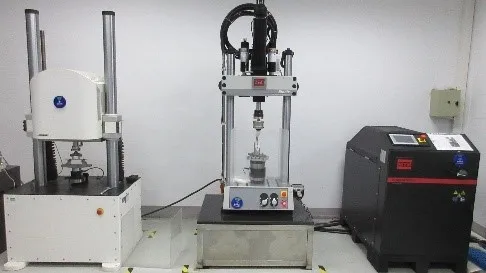
  • Dynamic Mechanical Testing: Ensure implants have undergone ASTM F1717 / ISO 12189 testing (evaluating static compression bending, tension, and fatigue life up to 5,000,000 load cycles).
  • Cleanroom Validation protocols: Request IQ (Installation Qualification), OQ (Operational Qualification), and PQ (Performance Qualification) reports for cleaning and sterile packaging systems.
  • Regulatory Documentation: Verify the presence of updated ISO 13485 certifications and look for active preparation for EU MDR transition.

Procurement Audits Matrix

QA/QC Audits 69 Certified Inspectors
Design Verification 3D FEA Simulation
Traceability Laser Etch Serialization
Custom Packing Double Sterile Tyvek Pouches
Product Lead Time Flexible OEM Runs

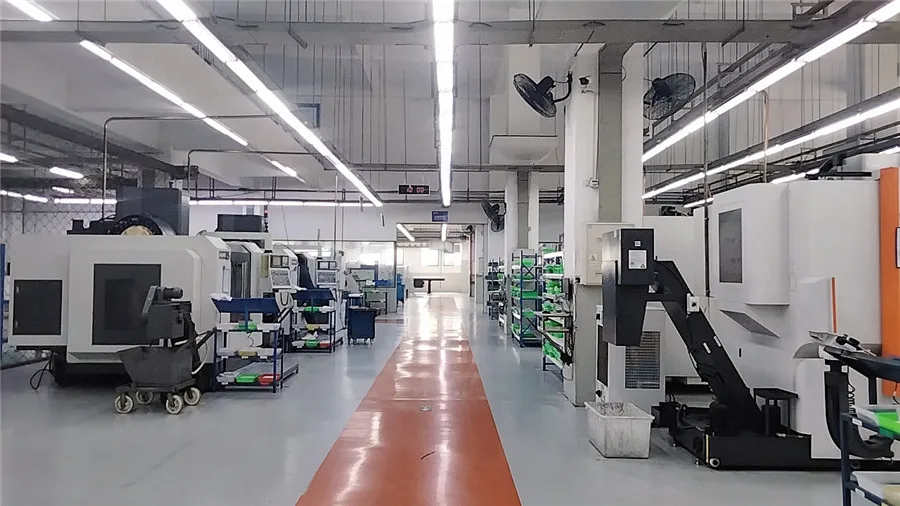
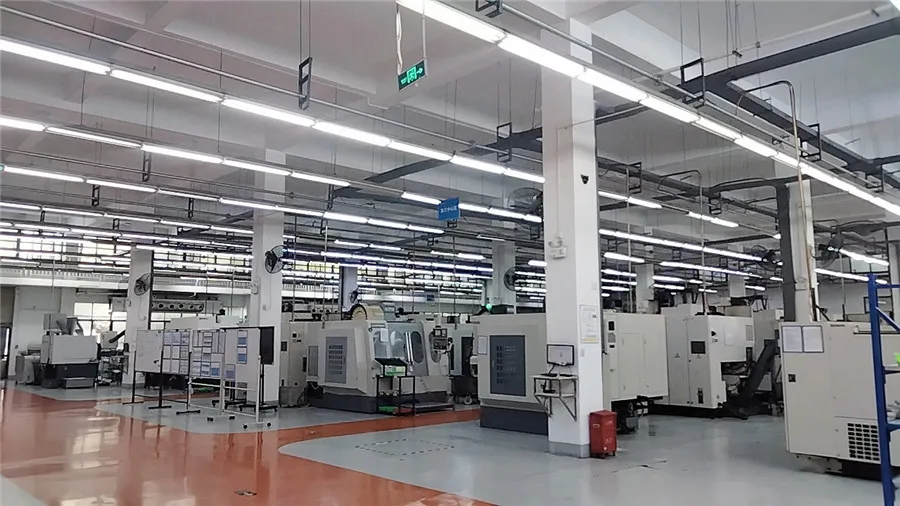
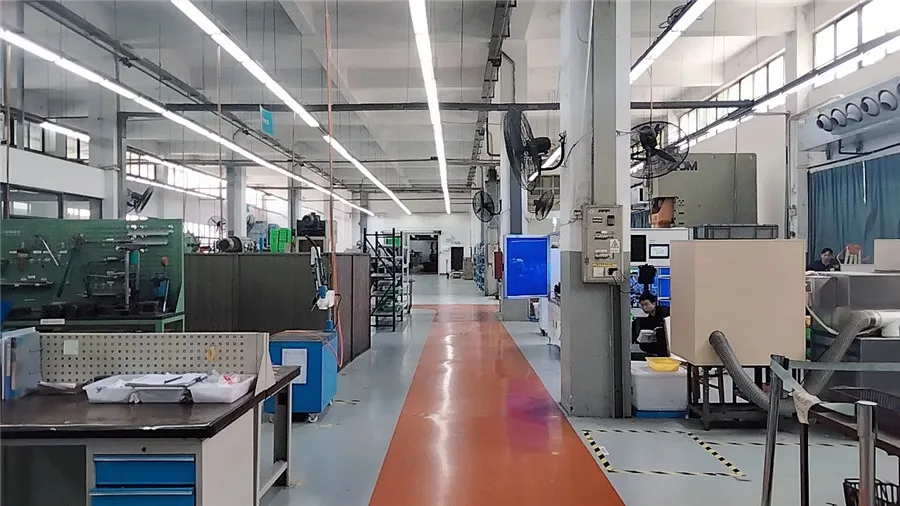
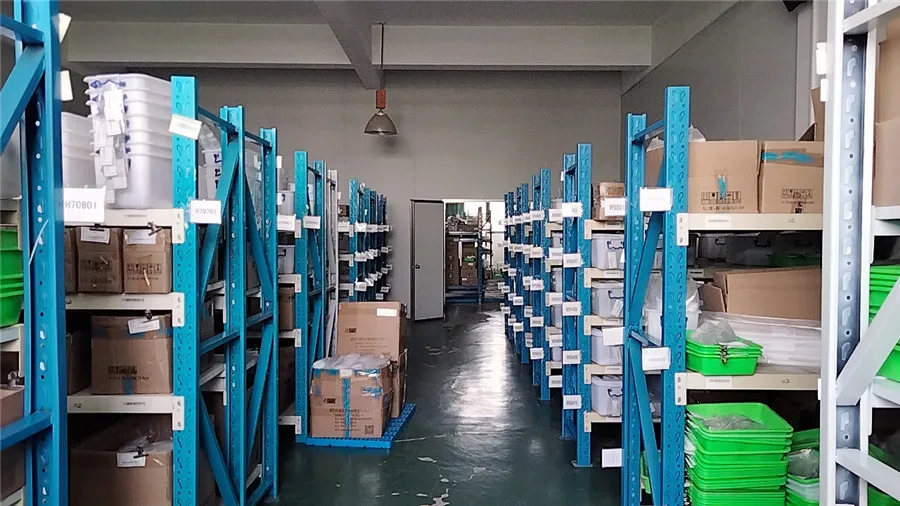
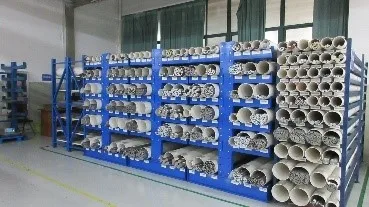
Advanced Cleanrooms & Machining Infrastructure

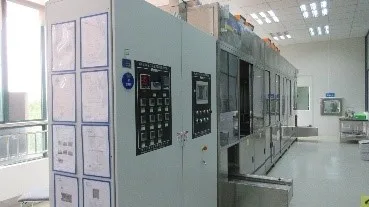
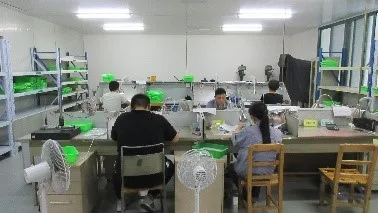
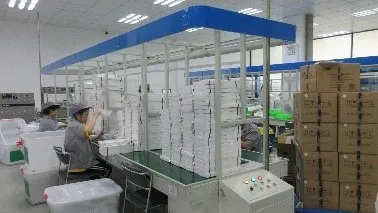
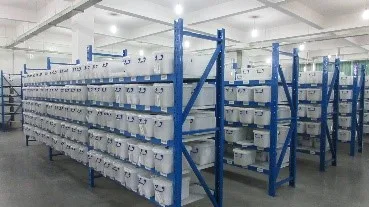
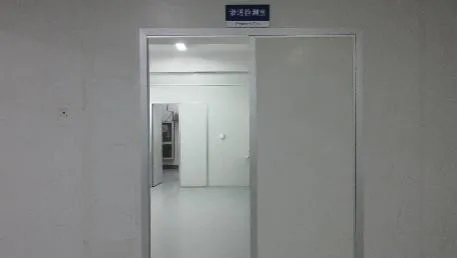
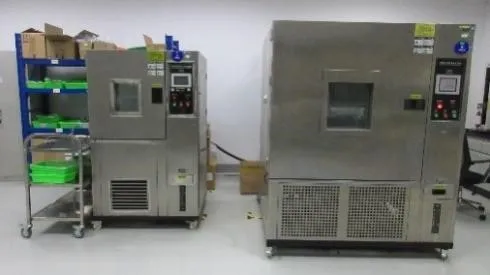
Raw visual documentation of our production workshop, CNC centers, material stores, and quality assurance processes.

Technical & Commercial FAQ

Critical information detailing engineering specifications, regulatory routes, and custom OEM processes.

1. What titanium alloy options do you offer for OEM pedicle screw production?
We primarily use titanium Ti-6Al-4V ELI (Extra Low Interstitial) alloy conforming to ASTM F136 and ISO 5832-3 standards. For specific customization orders, we can also supply components utilizing unalloyed titanium (ASTM F67) or polyetheretherketone (PEEK-OPTIMA) for specialized radiolucent spinal constructs.
2. How does your facility ensure complete batch traceability for global audits?
Each manufacturing batch is assigned a unique tracking number linked directly to the raw material's heat melt test certificate. During processing, laser etching is used to print unique serial identifiers directly onto each screw, plate, or rod, ensuring traceability through chemical formulation, lathe tooling, anodization, sterilization validation, and distribution.
3. Are your posterior fixation systems tested to ASTM F1717?
Yes, our spinal systems undergo comprehensive biomechanical testing in accredited third-party laboratories. This testing includes static tension, static compression bending, and dynamic fatigue testing in accordance with ASTM F1717 and ISO 12189 protocols. These tests simulate anatomical loads over 5,000,000 cycles to confirm long-term fatigue limit stability.
4. Can you support custom screw geometry or thread pitches under an ODM setup?
Yes. Our 59 postgraduate-level R&D engineers can modify thread profiles (e.g., dual-lead threads, cortical-cancellous transition steps), polyaxial head angle limits, and driver interface styles (e.g., torx, hex). We can create rapid prototypes using CAD/CAM simulation, perform FEA structural analysis, and generate pilot runs for validation.
5. What is the regulatory status of your facilities for selling implants in Western Europe?
Our facilities operate under a certified ISO 13485 quality management system. We hold CE certificates under MDD 93/42/EEC and are actively updating our technical documentation to meet the transition requirements of the European Medical Device Regulation (MDR 2017/745), ensuring long-term continuity in Western European markets.
6. What is the typical lead time for custom production batches?
For standard OEM products with minor customization (e.g., custom laser marking, non-standard lengths), lead times range from 30 to 45 days. For complex, custom ODM designs requiring mold fabrication, regulatory test verification, or special packaging validation, typical cycles span 60 to 90 days.
7. How does your facility validate washing and cleanroom packaging?
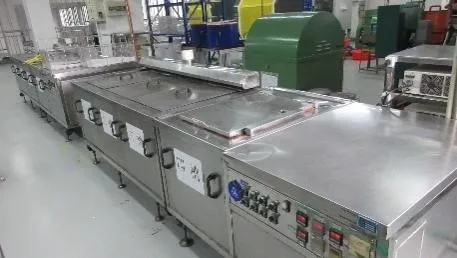
We use multi-stage ultrasonic washing systems using purified water. Our packaging takes place in verified ISO Class 7 (Class 10,000) cleanroom zones. Packaging processes, including medical-grade Tyvek heat sealing, are validated under ISO 11607 standards to guarantee sterile barrier stability over a long shelf life.
8. Can you supply complete surgical instrument sets along with the implants?
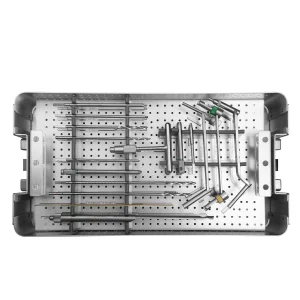
Yes. We design and manufacture comprehensive surgical instrument kits that complement our spinal systems. These kits include torque-limiting screwdrivers, rod benders, reduction jacks, and pedicle probes, all housed in anodized aluminum sterilization trays.