 Harney-Well
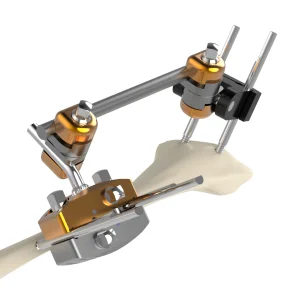
Providing High-Performance Orthopedic External Fixation Systems, SAHPRA-Compliant Solutions, and Factory-Direct Supply Chains for Complex Trauma Reconstructions
Engineered for immediate skeletal stability, micro-adjustment versatility, and optimized healing in trauma setups across South Africa.
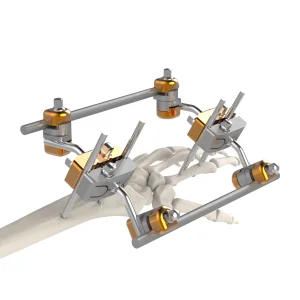
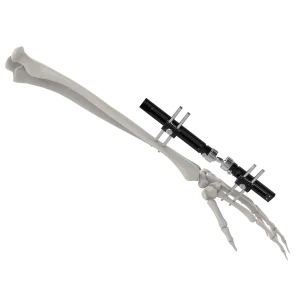
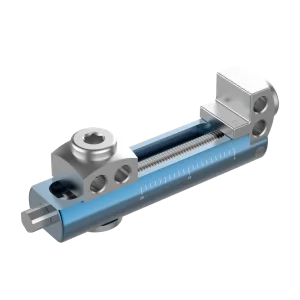
The South African medical sector operates under a unique two-tiered framework consisting of a highly specialized private health system and a heavily burdened public healthcare system. According to epidemiological records, South Africa faces one of the world's highest rates of orthopedic trauma due to high incidences of motor vehicle accidents (MVAs), industrial injuries within mining and heavy manufacturing regions, and interpersonal violence. Consequently, the demand for reliable, cost-effective, and highly adaptable External Fixator Systems remains critical for regional trauma centers across provinces like Gauteng, KwaZulu-Natal, and the Western Cape.
Historically, orthopedic wards in major teaching hospitals—such as Charlotte Maxeke Johannesburg Academic Hospital, Tygerberg Hospital, and Groote Schuur Hospital—face recurring challenges regarding surgical supply chain logjams and budget constraints. High-cost imports from multinational legacy brands often restrict patient access, emphasizing the urgent need for high-quality, CE-approved, and SAHPRA (South African Health Products Regulatory Authority) compliant alternatives. To meet these demands, we offer a comprehensive catalog of external fixation devices, balancing optimal biomechanical properties with sustainable procurement metrics.
For an external fixator to be clinically viable, it must ensure mechanical stiffness to control segment displacement under muscular forces and weight-loading conditions while allowing appropriate micro-strain to stimulate osteogenesis. Our systems leverage advanced materials like aerospace-grade Titanium Alloys (Ti-6Al-4V) and high-strength medical Stainless Steel (316LVM) to guarantee durability and biocompatibility.
Developed in collaboration with clinical orthopedists to address complex trauma management in high-throughput healthcare settings.
We work directly with South African medical distributors to provide full compliance dossiers, including Class B/C technical declarations and ISO 13485 documentation, ensuring seamless registration and local clearance.
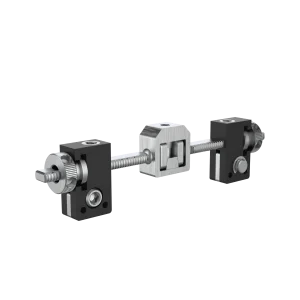
Features snap-on clamping mechanics compatible with major international 11mm systems. Allows rapid conversion from unilateral temporary constructs to complex multi-planar frames in high-stress trauma rooms.
By optimizing manufacturing footprints and using automated Chinese Factory 4.0 production lines, we reduce costs by up to 35-50% compared to Western legacy suppliers, without sacrificing material performance.
The evolution of bone trauma stabilization is transitioning from rigid external immobilization to dynamic, customized, and smart reconstruction systems. Our technical roadmap aims to integrate structural biomechanics with patient-specific recovery profiles, optimizing post-surgery healing outcomes.
Carbon fiber composite technology has largely replaced heavy stainless steel rods, offering high tensile strength, structural rigidity, and exceptional radiolucency. Surgeons in South Africa's public and private academic hospitals can capture clear, unobstructed X-ray images, allowing them to monitor bone alignment and consolidation without shadow artifacts.
Pediatric trauma and distal extremity reconstructions require lightweight, low-profile fixator configurations. Our mini-fixators and wrist stabilization kits utilize high-precision micro-clamps, providing high-integrity holding power on metacarpals and phalanges without adding unnecessary bulk to patients' limbs.
Complex limb lengthening and non-union management continue to rely on the tensioned-wire construct of the Ilizarov Ring Fixator. Modern refinements include strut modifications, computerized software calculations for hexapod rings, and quick-adjusting wire-clamping bolts to optimize correction accuracy and user safety.
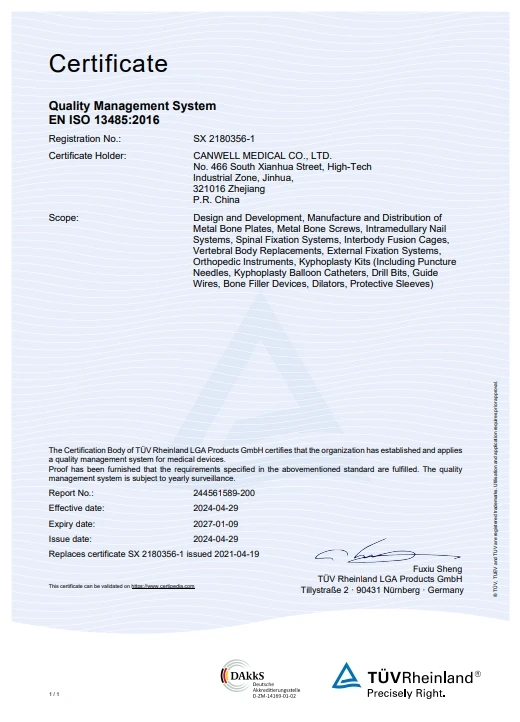
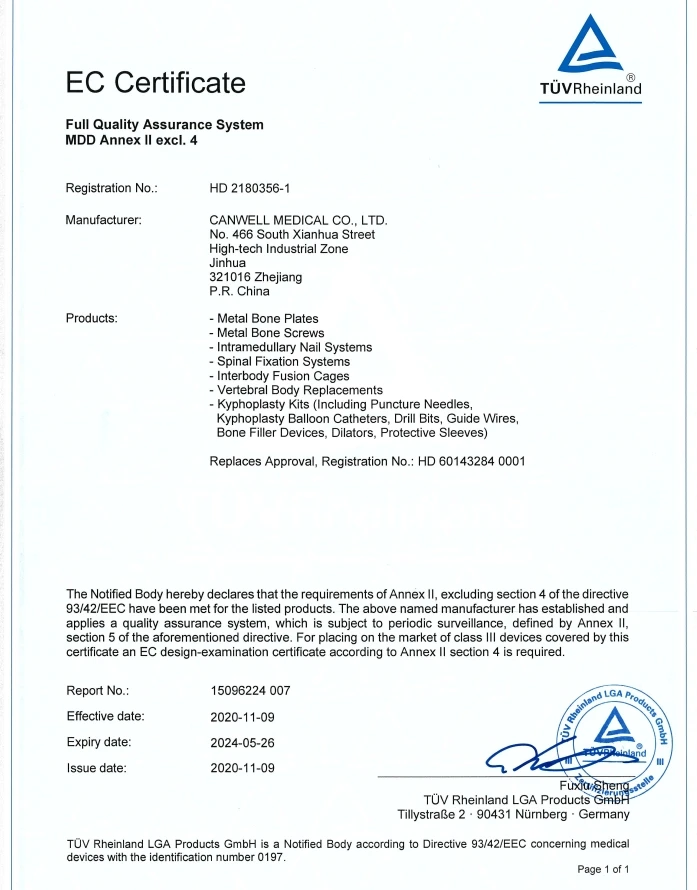
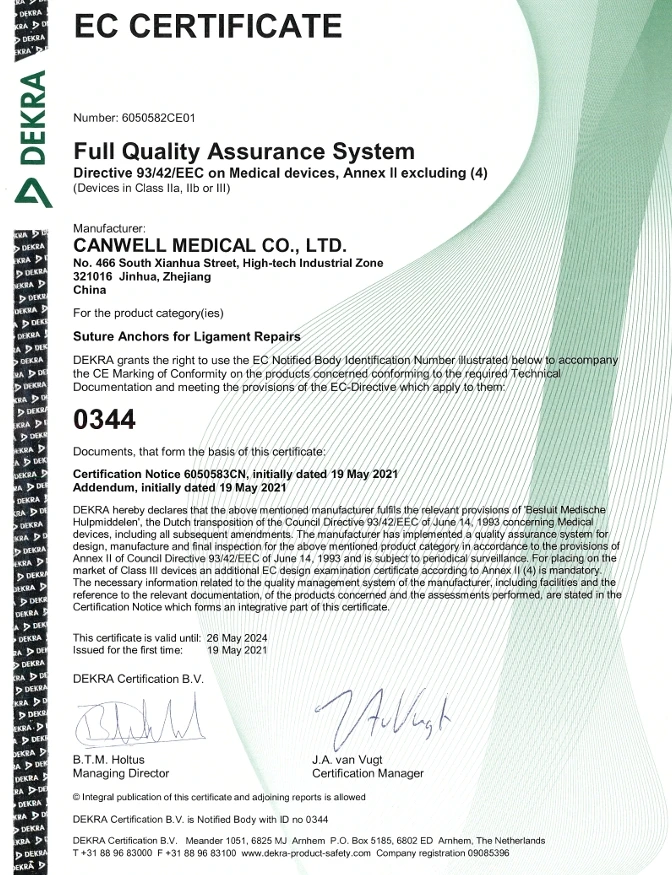
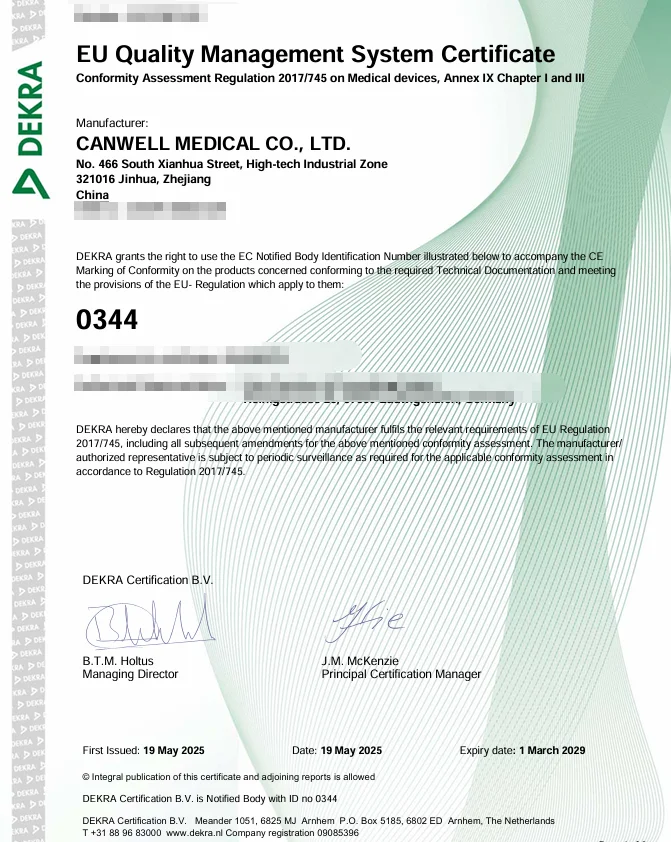
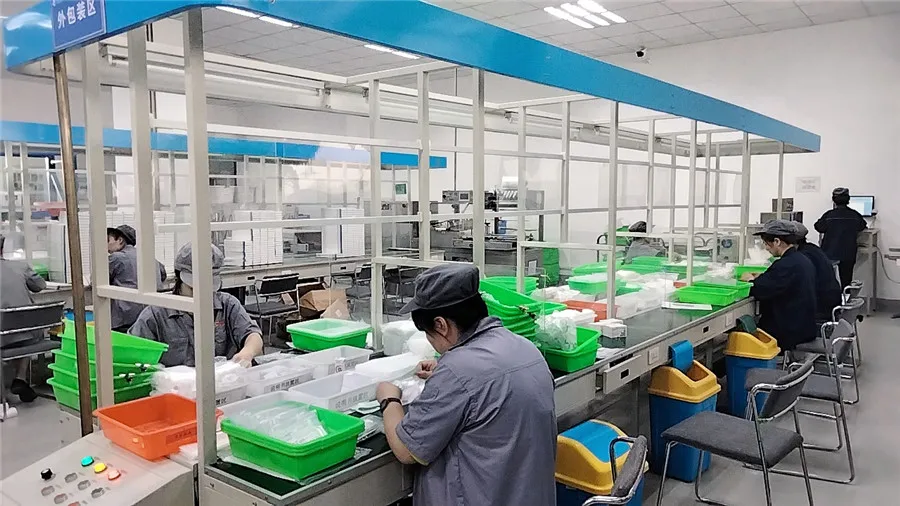
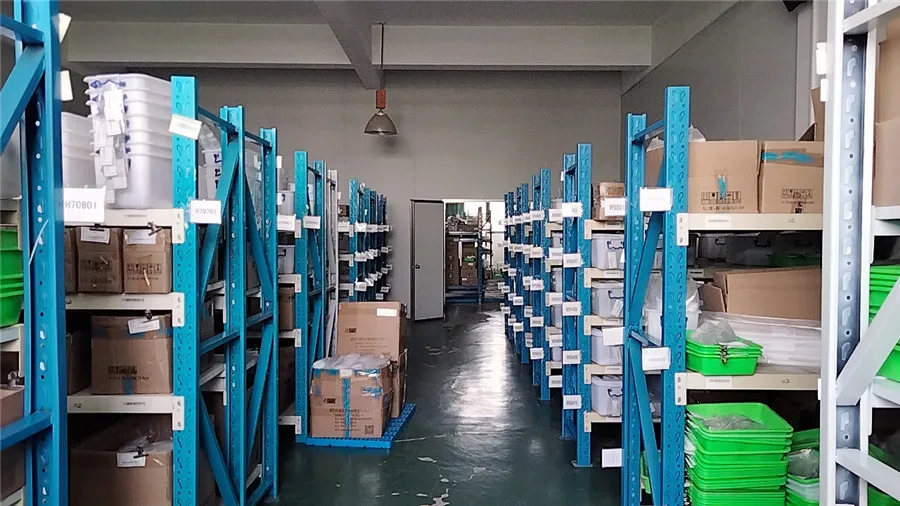
Underpinned by 22 years of exporting experience and deep technology integration to ensure zero-defect production.
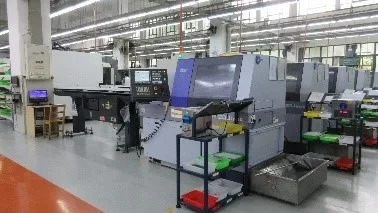
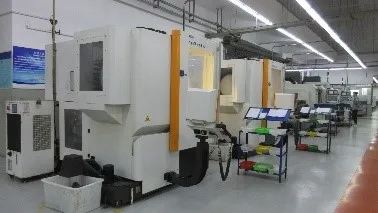
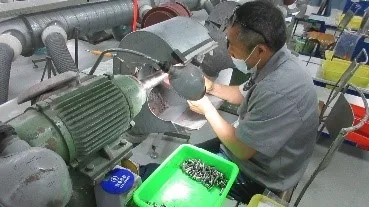
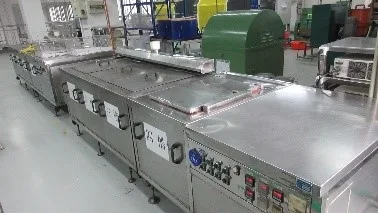
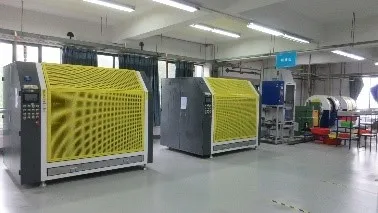
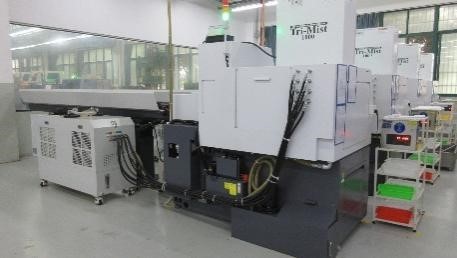
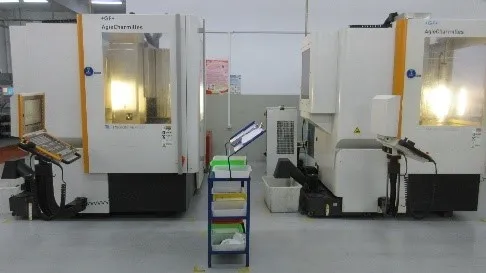
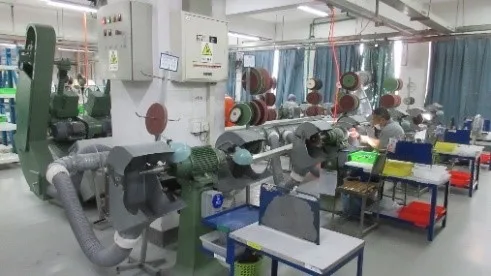
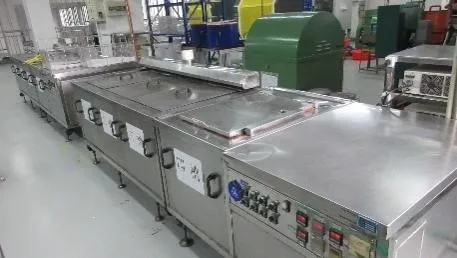
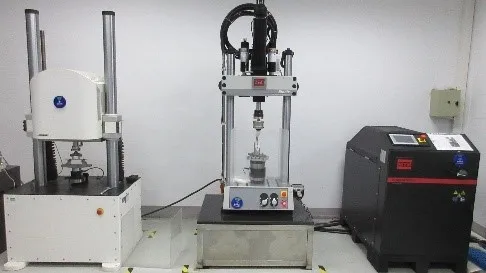
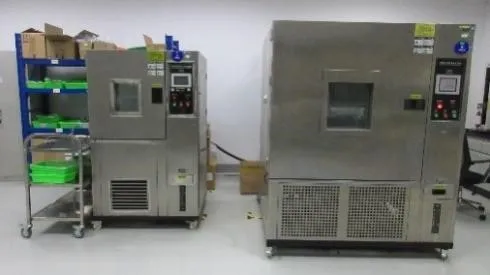
Our intelligent factory features advanced manufacturing execution systems (MES) and automated CNC processing arrays. Every external fixator component undergoes rigorous inspection, verifying dimensional tolerances down to 0.005mm. This high level of precision prevents component binding or loose clamping, which can cause frame failure in clinical environments.
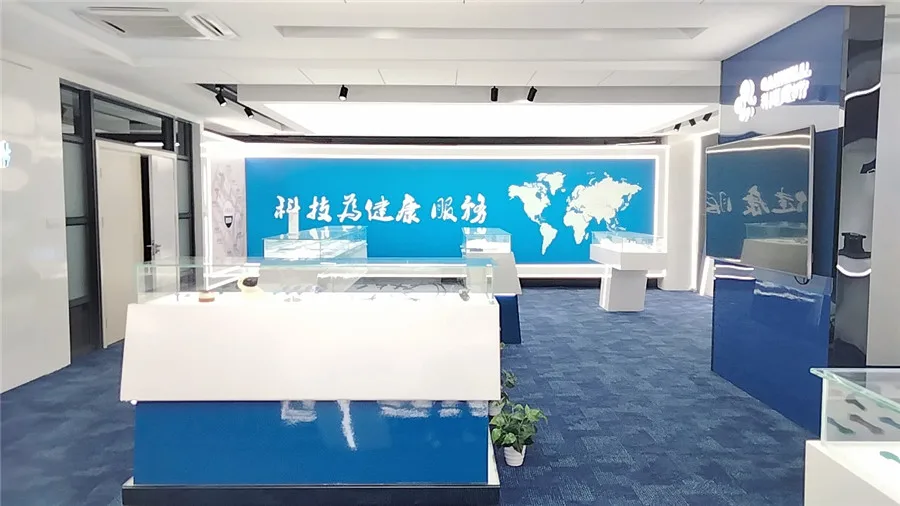
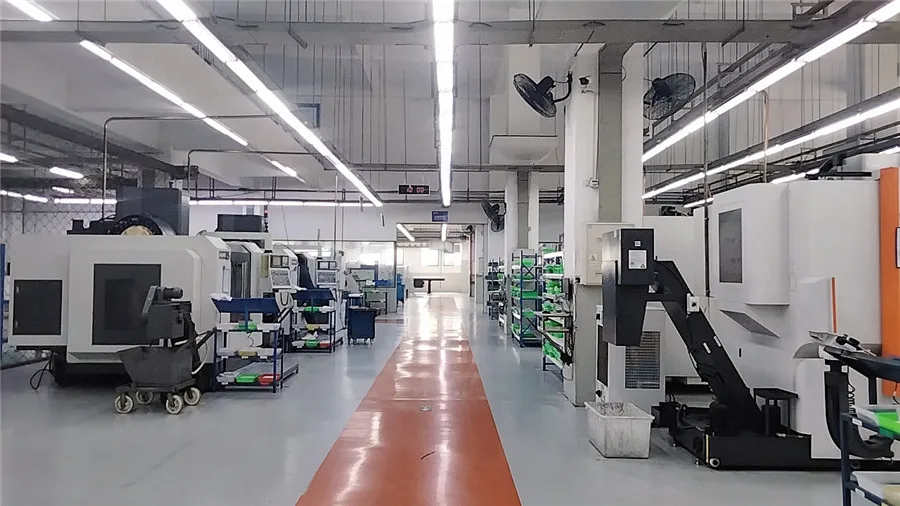
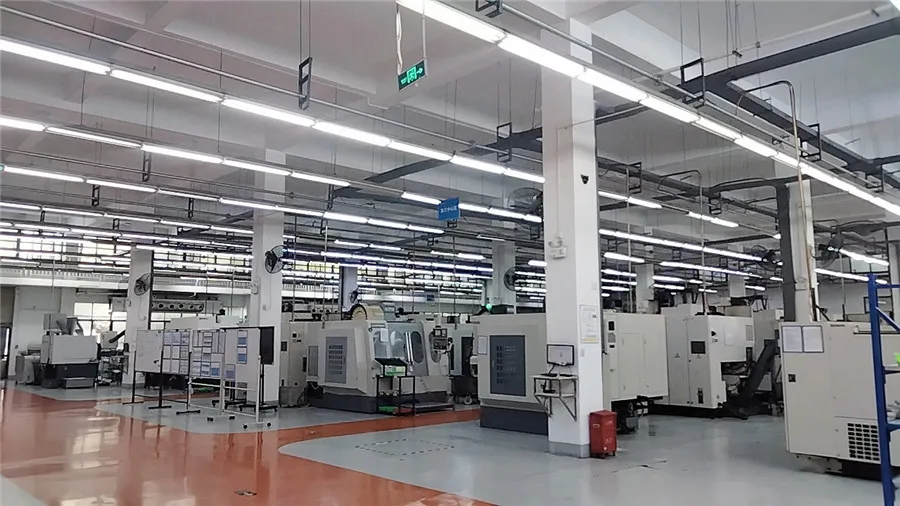
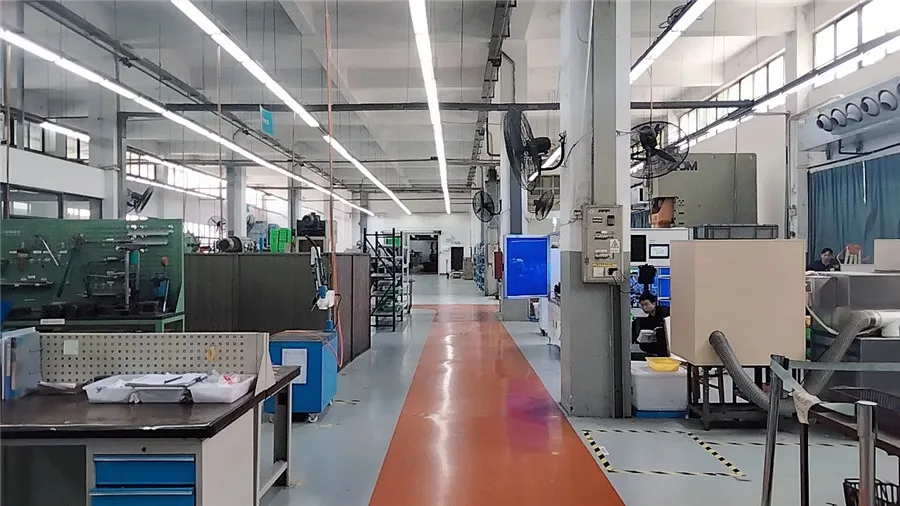
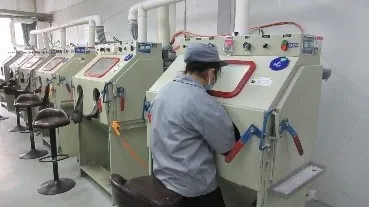
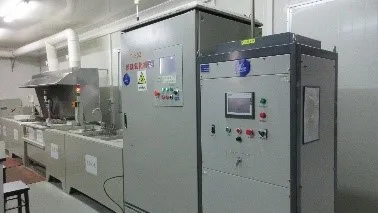
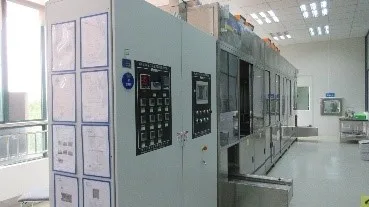
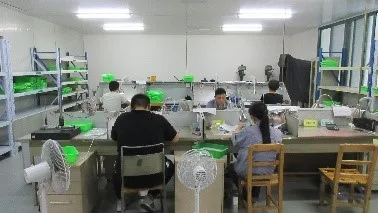
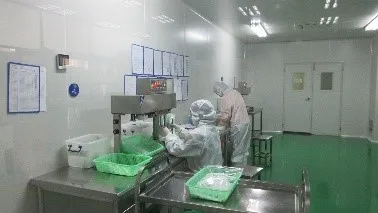
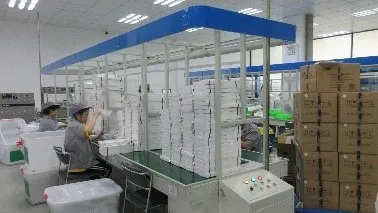
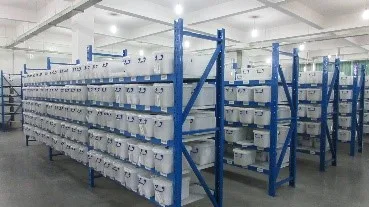
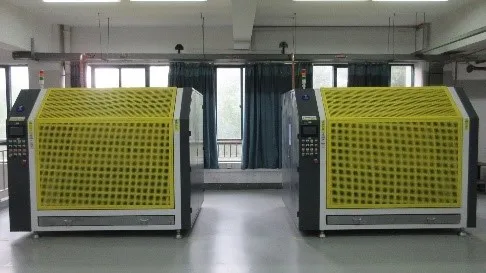
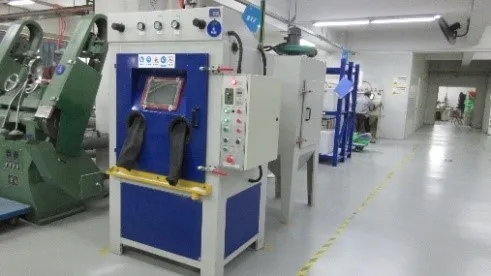
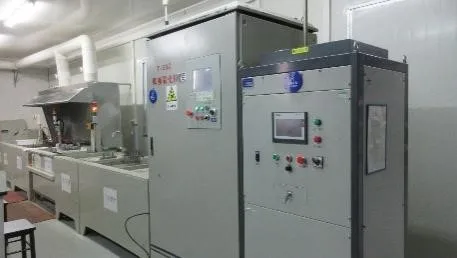
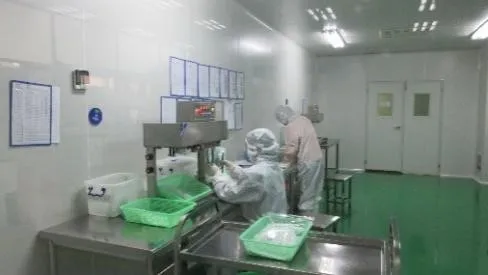
Browse our wide range of orthopedic solutions, including mini external fixators, spinal implants, arthroscopy tools, and osteotomy plates.
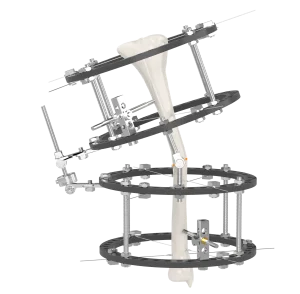
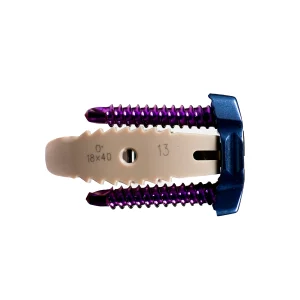
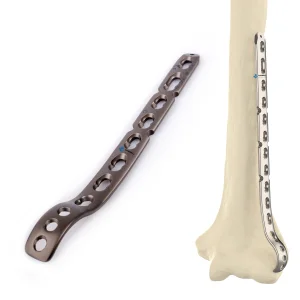
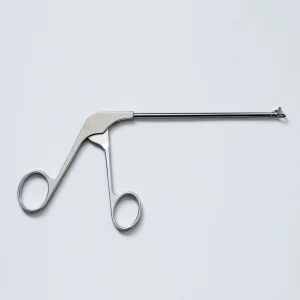
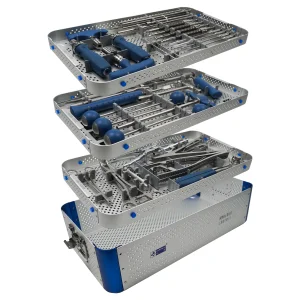
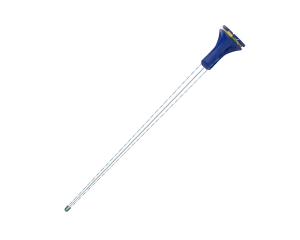
Procuring surgical implants for public hospital groups (managed by provincial Departments of Health) or private networks (such as Netcare, Life Healthcare, and Mediclinic) requires strict adherence to technical and regulatory guidelines. The table below highlights key parameters evaluated during orthopedic tenders in South Africa.
Answers to common technical, logistics, and compliance inquiries from South African orthopedic distributors and hospital groups.
Our manufacturing facility holds comprehensive international certifications, including ISO 13485 and CE (under MDR regulations). To import into the South African market, we support local distributors by providing complete technical dossiers, product master files, and certificates of conformity required for SAHPRA registration.
Our connecting rods are available in high-strength carbon fiber (for optimal radiolucency and low weight) or aerospace-grade titanium alloy. The pins (Schanz screws) are manufactured from implant-grade Stainless Steel 316LVM or Titanium Alloy (Ti-6Al-4V), with optional Hydroxyapatite (HA) coating to minimize pin-tract infection rates.
Yes. Our large external fixator clamps are designed to fit standard 11mm connecting rods, making them compatible with legacy systems used in many South African trauma theaters. This compatibility allows surgical teams to use our cost-effective clamps alongside existing hospital inventory.
For standard configurations, manufacturing and dispatch take 15 to 30 days. Air freight to OR Tambo International Airport (Johannesburg) typically takes 5 to 7 days, while sea freight to the Port of Durban ranges from 25 to 35 days, depending on shipping schedules.
Yes. We offer customization options, including custom laser branding, custom-configured instrument layouts, and specialized trays tailored for specific clinical preferences or public tender specifications.