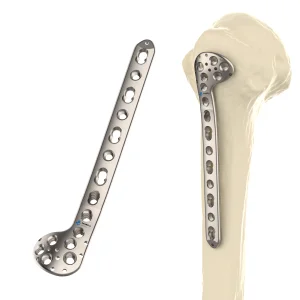
High-precision orthopedic implants engineered for durability and physiological load distribution, optimized for surgical success in Thailand’s medical sector.
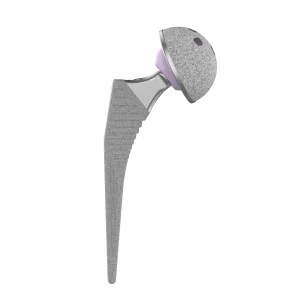
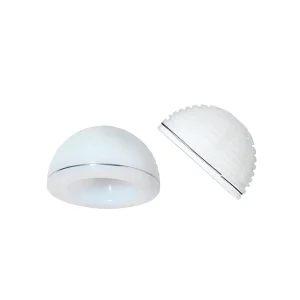
An in-depth analysis of the healthcare dynamics, import policies, and anatomical requirements driving reconstructive surgery in Thailand.
Thailand has officially transitioned into an aging society. According to statistics from the Ministry of Public Health, over 20% of the Thai population is aged 60 or older, a figure projected to approach 30% by 2035. This demographic shift has catalyzed a steep rise in degenerative joint diseases, particularly osteoarthritis of the knee and hip.
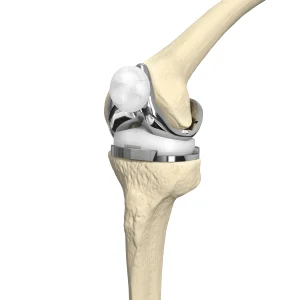
The Thai healthcare ecosystem operates via a dual system comprising private medical institutions—largely catering to high-end medical tourists and affluent domestic patients—and public hospitals overseen by the National Health Security Office (NHSO) under the Universal Coverage Scheme (UCS). Public procurement demands high-volume, reliable implants with long survivorship and favorable cost-to-benefit ratios. Conversely, private orthopedic hospitals in Bangkok, Phuket, and Chiang Mai require globally-certified, premium-grade prosthetic designs (HA-coated titanium stems, dual mobility acetabular systems, and customized knee replacement components) to maintain clinical standards that appeal to global patients.
Historically, orthopedic implants designed by Western multinational manufacturers were dimensioned based on Caucasian morphometric data. However, studies show that Asian patients, including the Thai population, have significantly different femoral and tibial geometries. Typically, Thai patients present:
Canwell's dedicated Asian-fit geometry models address these exact morphometric parameters, preventing overhang, reducing intraoperative bone resection, and achieving primary mechanical stability.
Balancing rigorous international regulatory compliance with high-volume production efficiency to stabilize global medical supply chains.
The global hip and knee reconstruction market is evolving towards long-term biological fixation and minimally invasive surgery. Key technological standards include the utilization of Vacuum Plasma Sprayed Hydroxyapatite (HA) coatings and porous titanium coatings, which stimulate osteoblast activity for rapid osseointegration. For articulating surfaces, the industry standard demands highly cross-linked polyethylene (XLPE) blended with antioxidants (like Vitamin E) to prevent oxidation, drastically reducing wear rates and extending implant longevity to over 20–25 years.
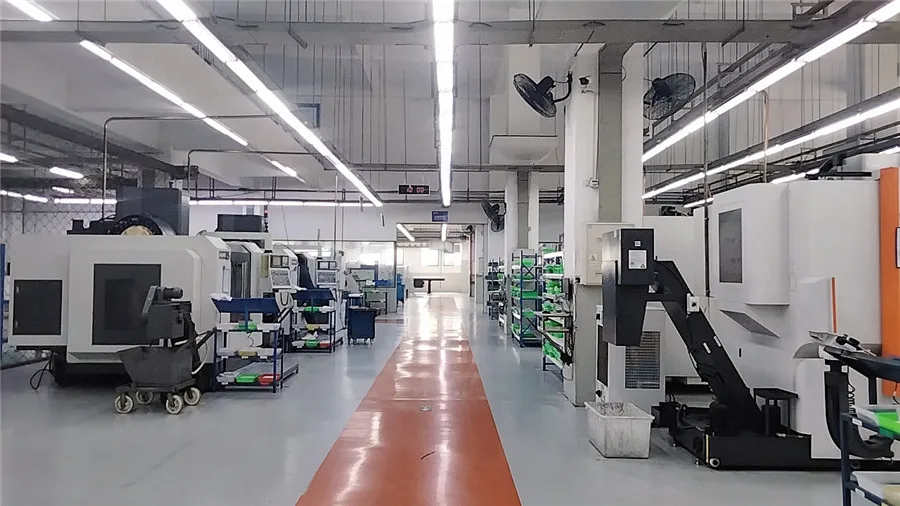
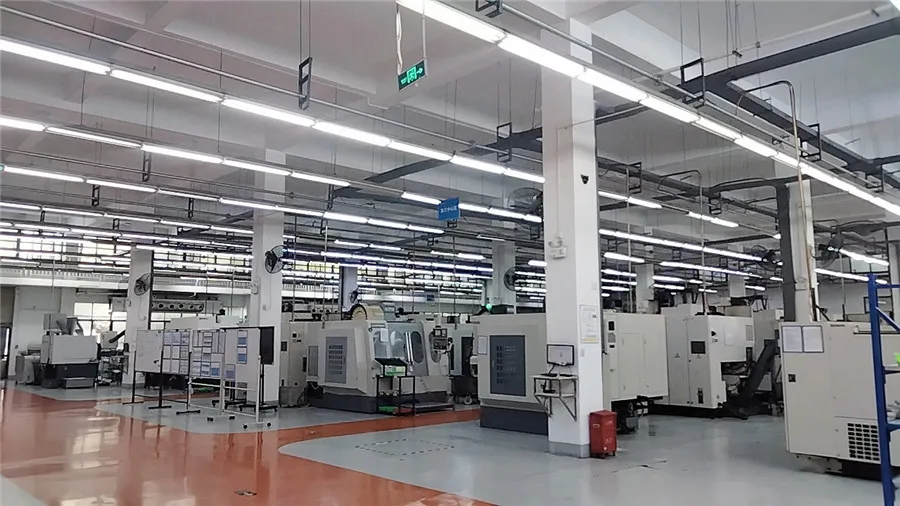
Chinese orthopedic manufacturing has transitioned from low-cost casting to premium, high-tech precision engineering. Powered by advanced 5-axis CNC milling centers (imported from Germany and Switzerland) and computerized coordinate measurement machines (CMM), factories achieve tolerances down to the sub-micron level.
Canwell's state-of-the-art facilities leverage:
Rigorous industrial audit parameters confirming our capabilities as a Tier-1 supplier for international distributors.
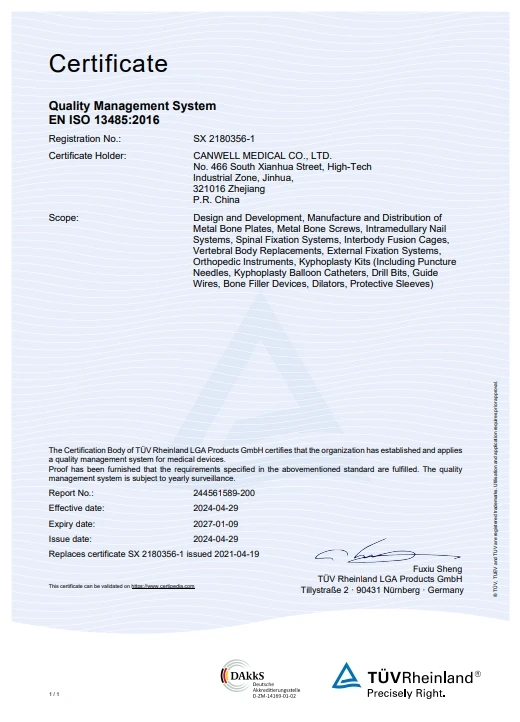
 ISO13485
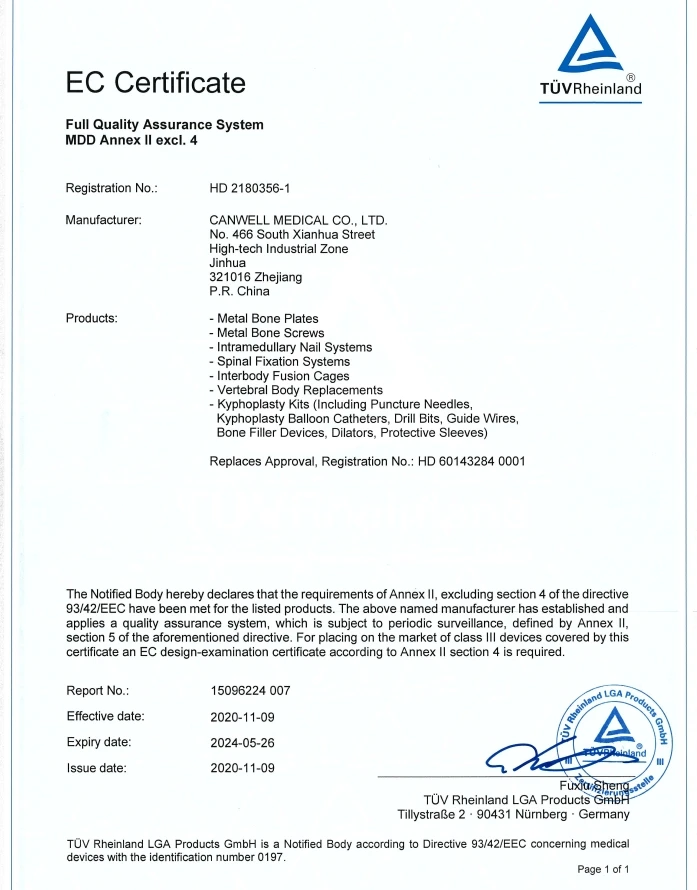
 93/42/EEC
 93/42/EEC

 MDR
MDR
Visualizing our raw material processing, 5-axis CNC machining, sterile packaging cleanrooms, and computerized testing labs.
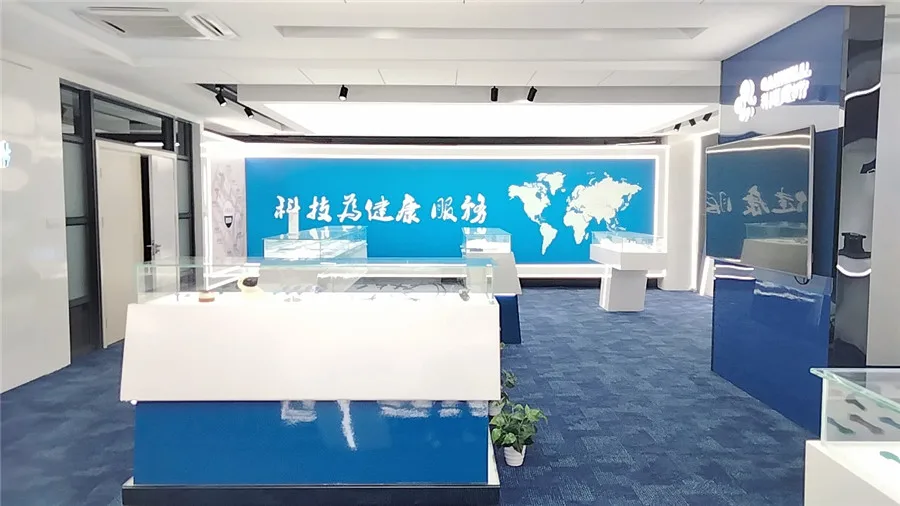
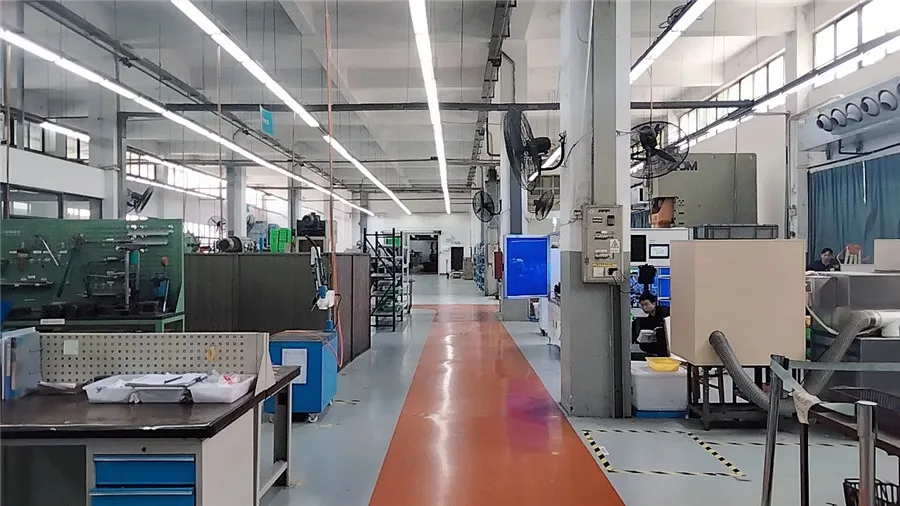
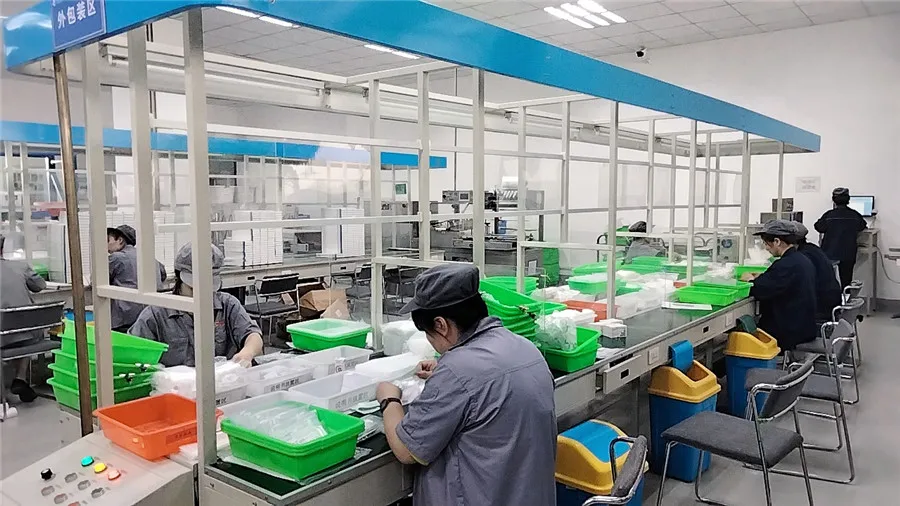
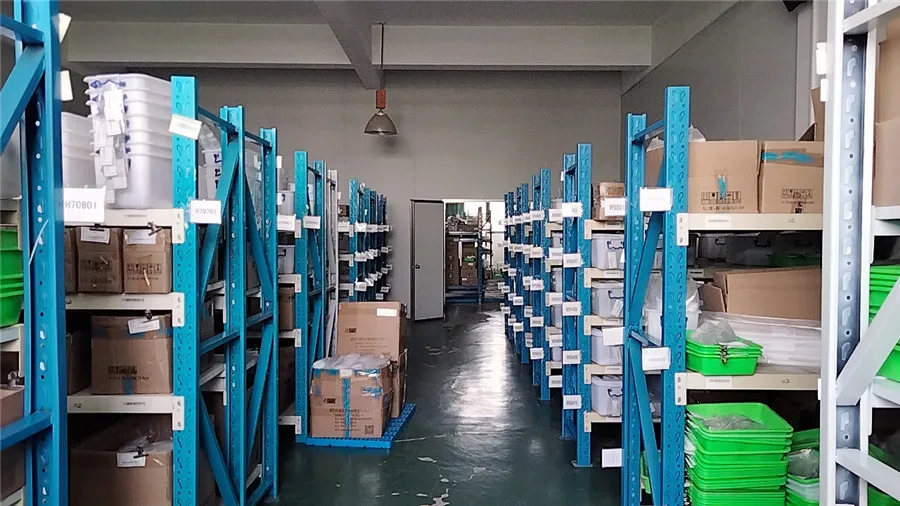
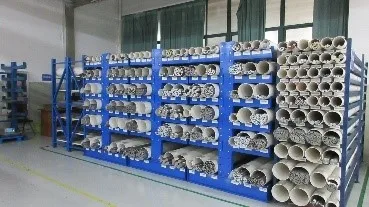
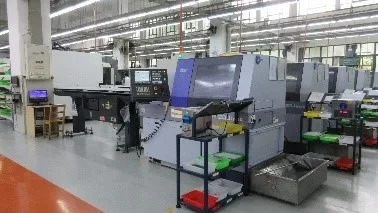
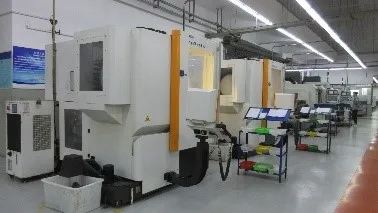



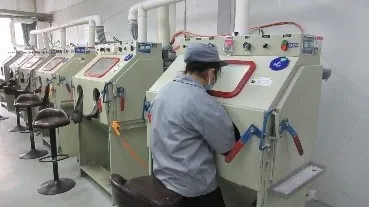



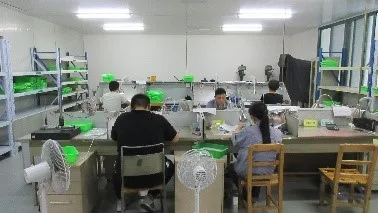


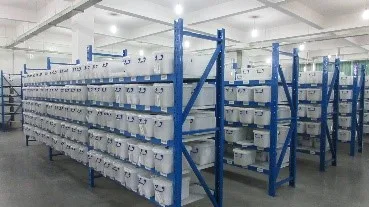
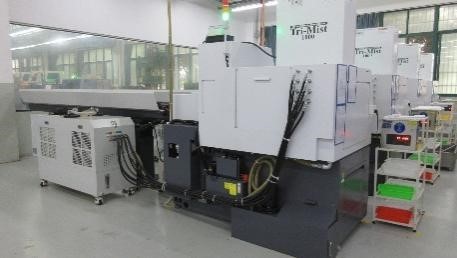
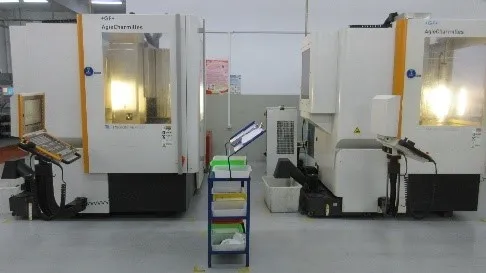
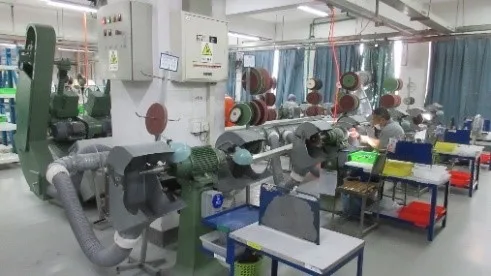


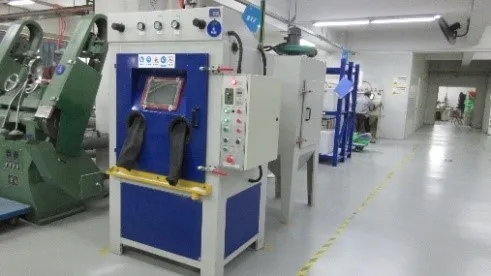



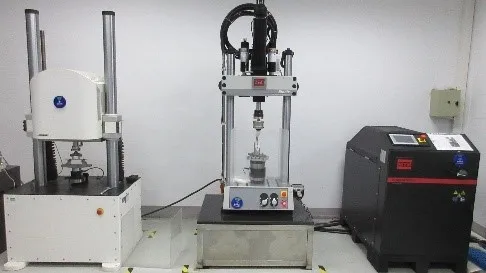
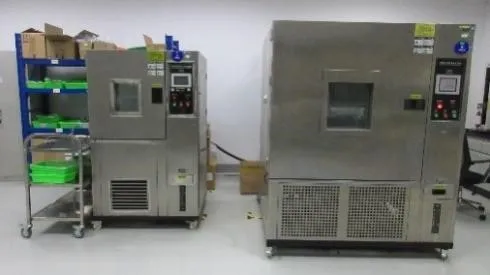
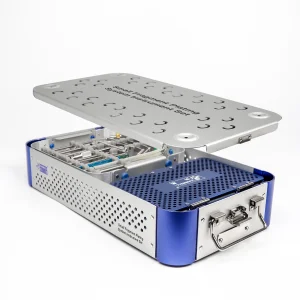
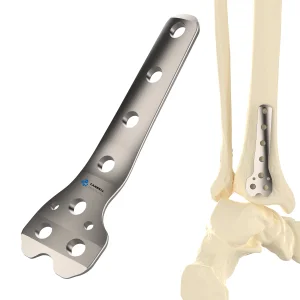
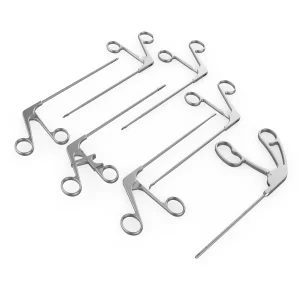
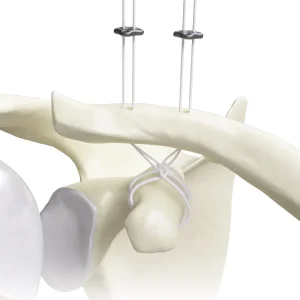
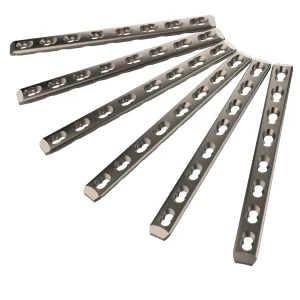
From advanced joint arthroplasty to traumatology systems, supplying complete surgical kits to medical distributors across Thailand.


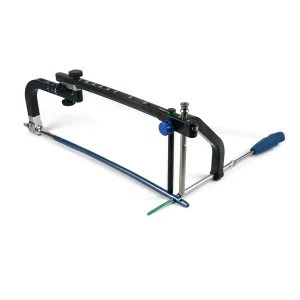
Exploring the clinical integration of 3D-printing, robotic surgery compatibility, and specialized biomechanics.
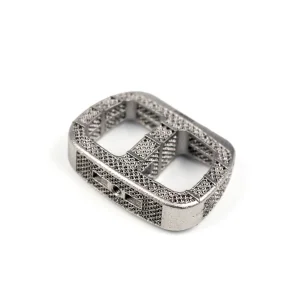
The adoption of electron beam melting (EBM) and direct metal laser sintering (DMLS) has enabled the creation of Trabecular Titanium structures. These porous designs mimic human cancellous bone, optimizing the elastic modulus of the implant to match natural bone tissue, thereby reducing the risk of "stress shielding"—a primary cause of post-operative bone resorption and aseptic loosening. In spinal applications (such as TLIF/PLIF cages) and femoral stem components, 3D-printed porous implants demonstrate superior osteoconduction, allowing patient bone cells to grow directly into the implant matrix.
Orthopedic surgery in Thailand is increasingly guided by optical navigation and robotic systems (such as MAKO or ROSA). These platforms require implants with high geometric consistency. Canwell’s computerized design validation guarantees that each femoral component and tibial tray aligns with pre-operative CT-guided digital software, enabling surgeons to achieve precise ligament balancing and implant alignment, minimizing revision rates.
Addressing standard procurement, regulatory, and technical inquiries for hospital groups and distributors in Thailand.
Establish direct contact with our OEM/ODM technical team. Receive comprehensive product catalogs, certification documentation, and competitive pricing for bulk supply contracts.
Send Inquiry Now Harney-Well