Pioneering clinical excellence in Uzbekistan through high-performance implantable devices, engineered to withstand high physiological load and expedite recovery.
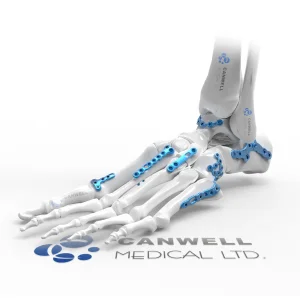
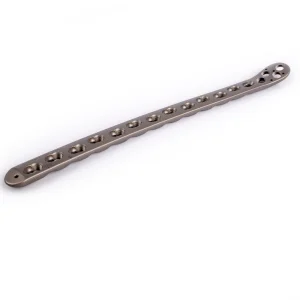
The healthcare infrastructure of the Republic of Uzbekistan is currently experiencing a historic modernization phase. Driven by national reforms aiming to decentralize high-tech surgical procedures from Tashkent to outer regional capitals, local hospitals are demanding global-standard titanium implant systems. Spine implants represent one of the most critical subsets of these demands, where biocompatibility, mechanical endurance, and dimensional precision directly dictate clinical outcomes.
"As local healthcare facilities modernize, our supply chain ensures that clinics throughout Tashkent, Samarkand, Fergana, and Bukhara get instant access to certified, traceably manufactured spine and orthopedic devices without clinical downtime."
Uzbekistan is the most populous country in Central Asia. An expanding demographic profile, coupled with an active agricultural sector and urban construction expansions, has led to a significant volume of spinal pathologies and traumatic bone injuries. Degenerative spine conditions, spinal stenosis, and spondylolisthesis require reliable fusion techniques utilizing pedicle screw systems, interbody cages, and anterior cervical plating systems.
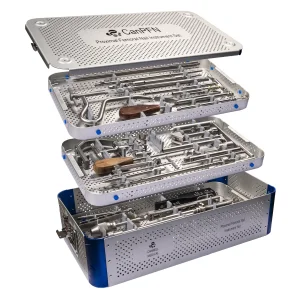
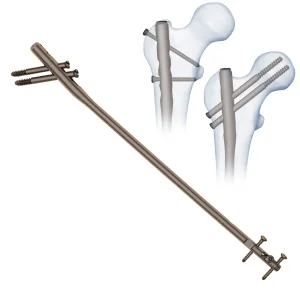
To address this clinical volume, the Ministry of Health of the Republic of Uzbekistan has streamlined import procedures for certified medical device manufacturers. However, clinical buyers demand more than simple hardware—they require a complete ecosystem of raw material traceability, specialized surgical instrumentation sets (such as our PFN/PFNA instrument configurations), and robust local training to guarantee optimal post-operative stability.
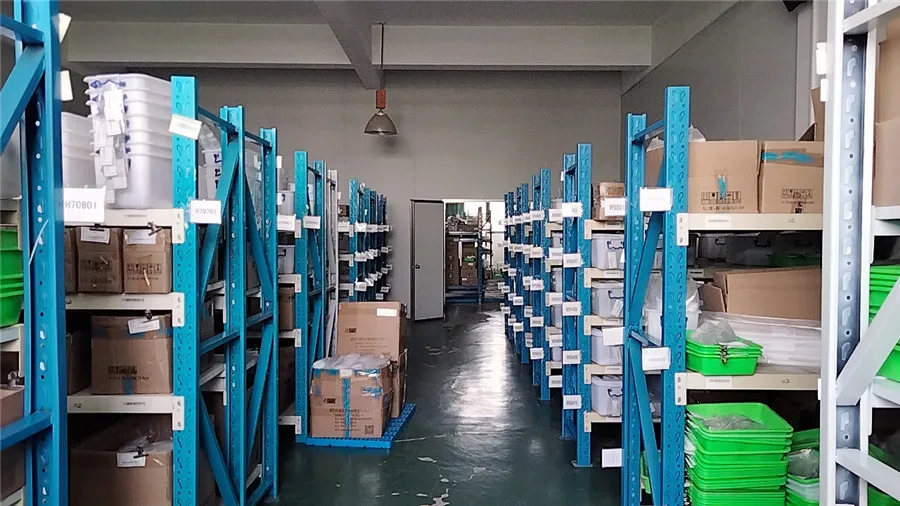
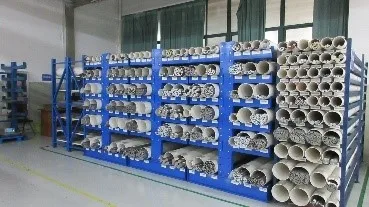
Our manufacturing philosophy leverages raw material superiority. Titanium alloys (primarily Grade 5 ELI / Ti6Al4V) and medical-grade PEEK (Polyetheretherketone) are our standard substrates. These choices guarantee maximum load distribution and prevent stress shielding, which can lead to bone resorption near the implant interfaces.
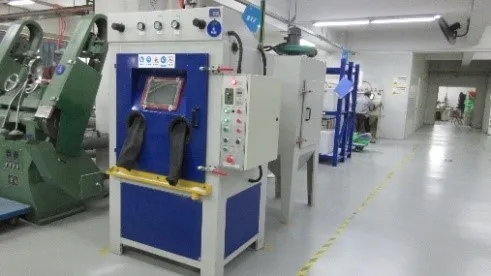
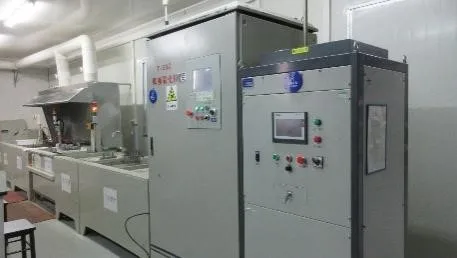
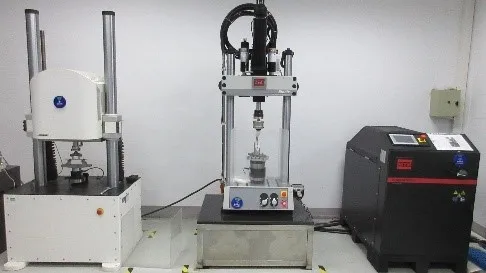
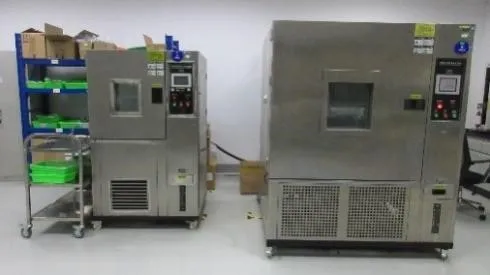
Our quality verification team runs extensive stress testing simulating millions of compression cycles. In compliance with European standards, including ISO 13485 and 93/42/EEC CE marks, all spinal implants feature micro-anodized or sandblasted porous topologies that facilitate prompt osseointegration, significantly decreasing the typical recovery timeline for spinal arthrodesis.
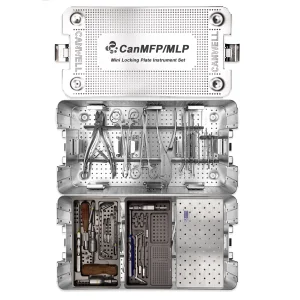
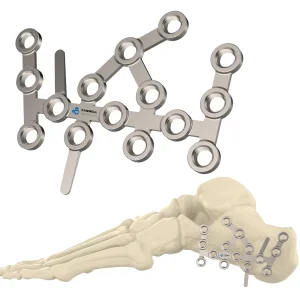
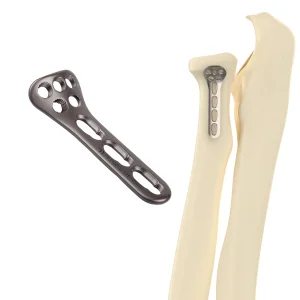
The practical application of our products spans the diverse surgical domains of Uzbekistan's major medical organizations. In trauma centers, our intramedullary nail systems and locking compression plates facilitate urgent osteosynthesis in motor vehicle accidents. In specialized spinal departments, our pedicle fixation platforms allow spinal realignment in pediatric scoliosis surgeries and stabilizing adult degenerative pathologies.
Our design configurations are tailored to the distinct anatomical requirements of Central Asian patient cohorts, ensuring surgeons do not have to perform extensive intra-operative plate modifications. This reduces anesthesia time, minimizes surgical trauma, and optimizes operating room throughput.
The next era of spine treatment will center around customization. Our research and development team is driving innovations in customized 3D-printed titanium cages designed using patient-specific MRI/CT data. These bespoke systems fit complex bone deficits perfectly, lowering revision rates. Furthermore, our development pipeline is targeting smart implants featuring sensor layers to monitor intra-body healing loads, signaling diagnostic platforms dynamically to warn of implant migration or infection.
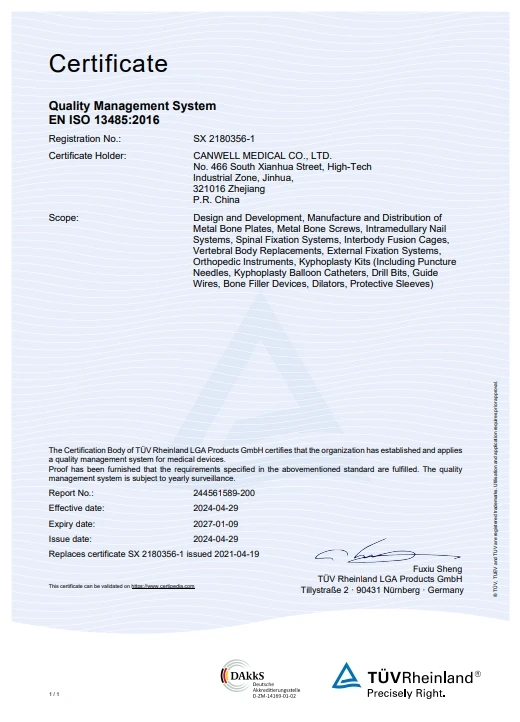
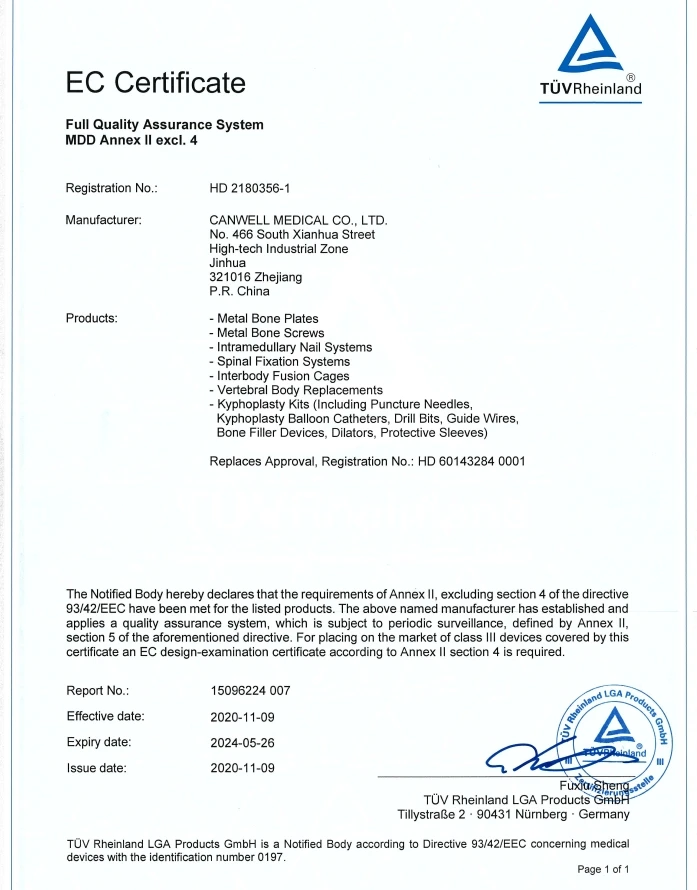
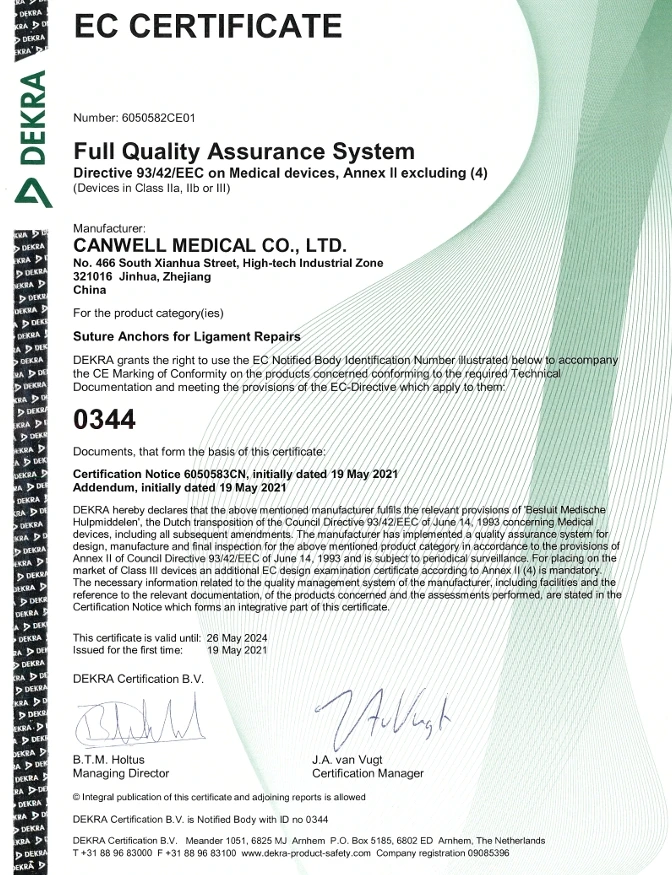
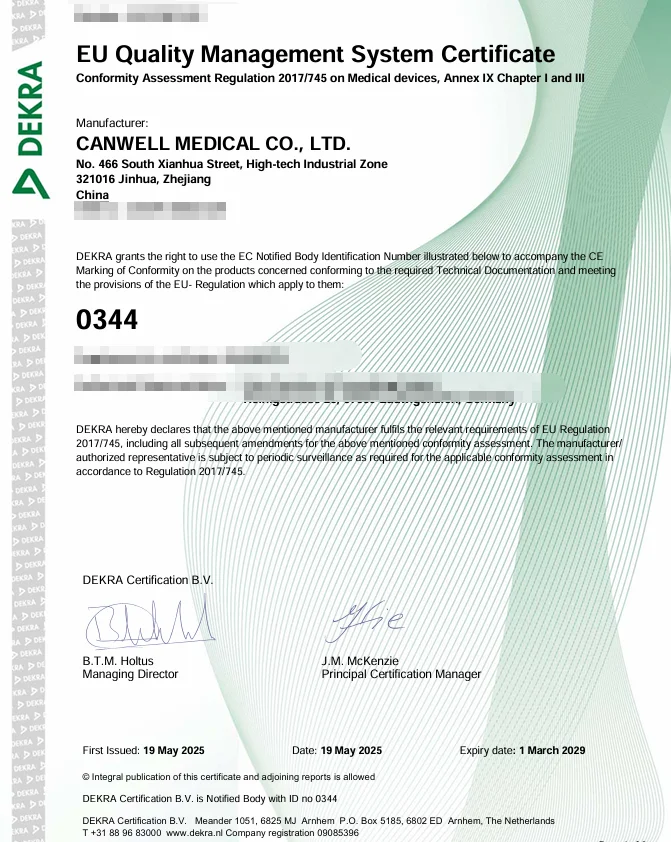
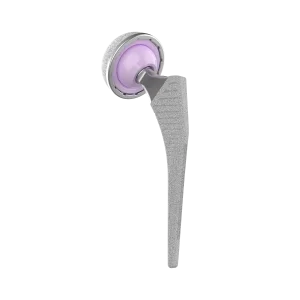
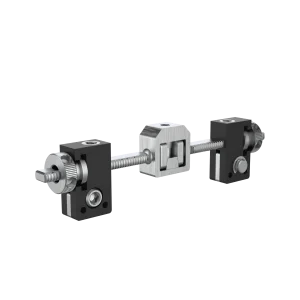
Fully registered, medical-grade components utilizing modern osteosynthesis designs to maximize post-operative recovery rates.
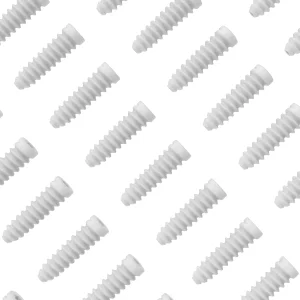
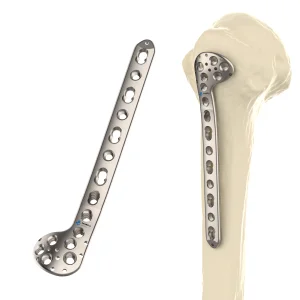
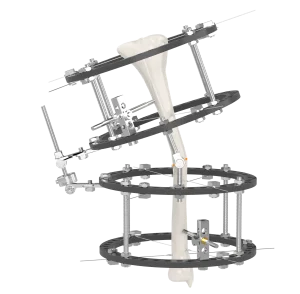
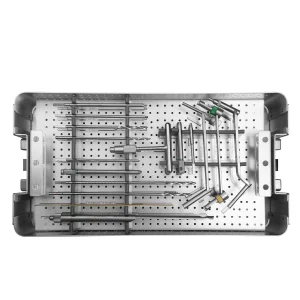
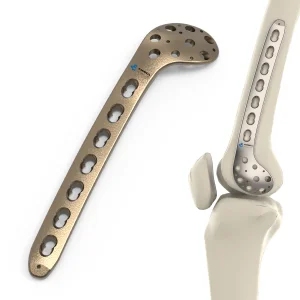
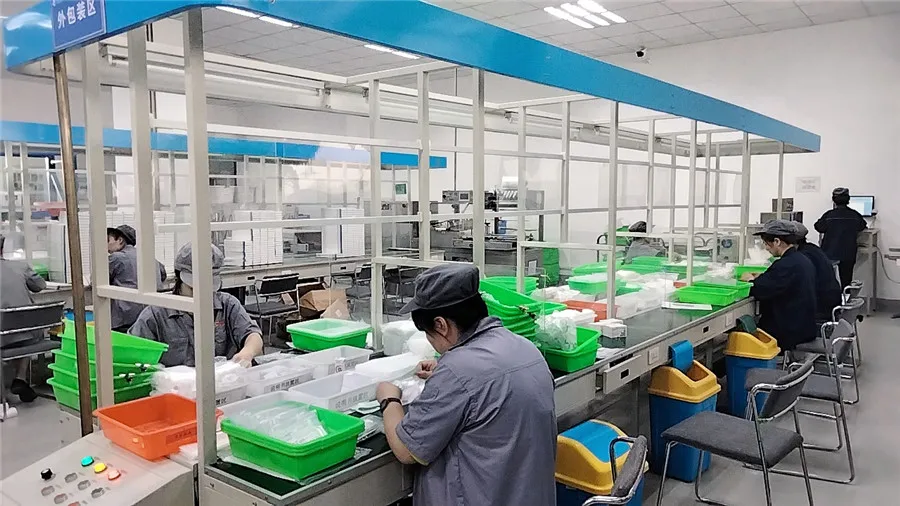
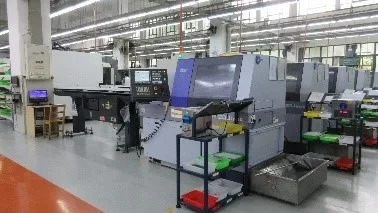
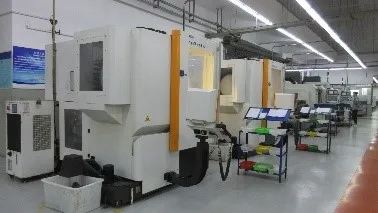
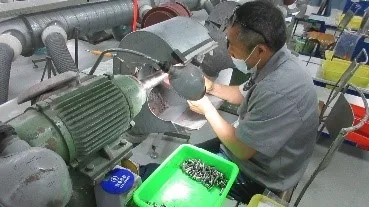
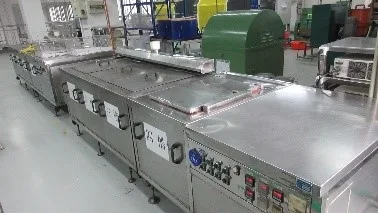
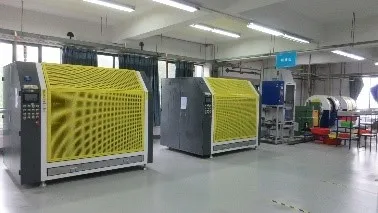
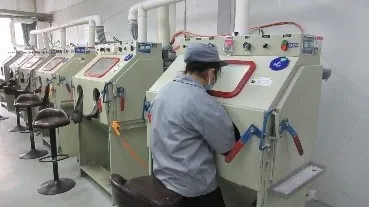
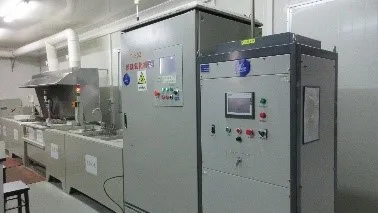
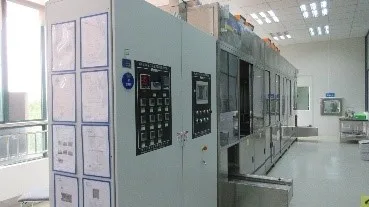
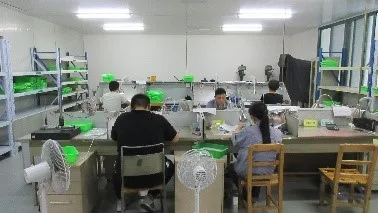
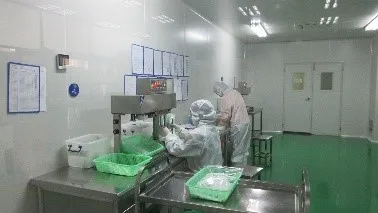
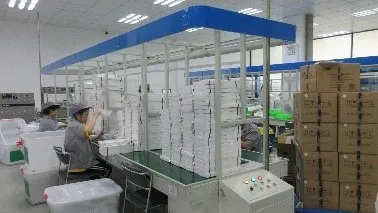
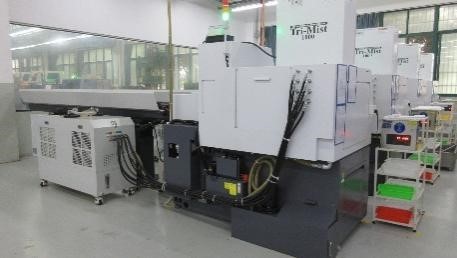
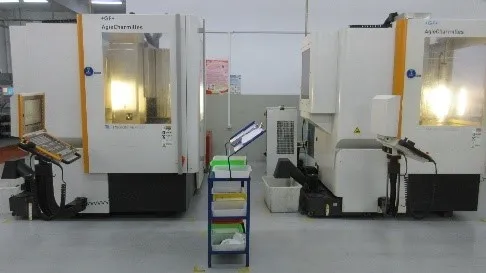
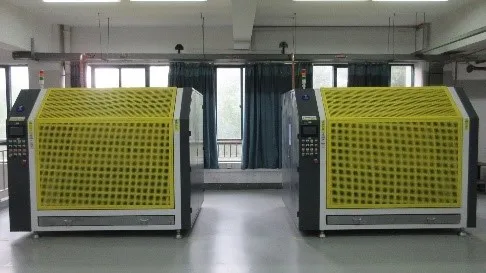
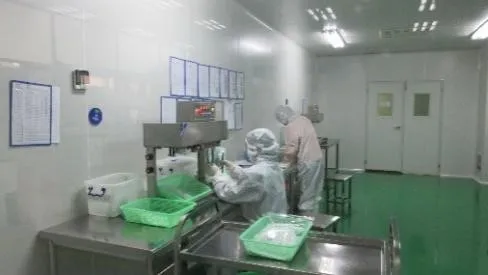
Operating inside ISO 13485 accredited cleanrooms utilizing state-of-the-art multi-axis CNC Swiss machining centers.
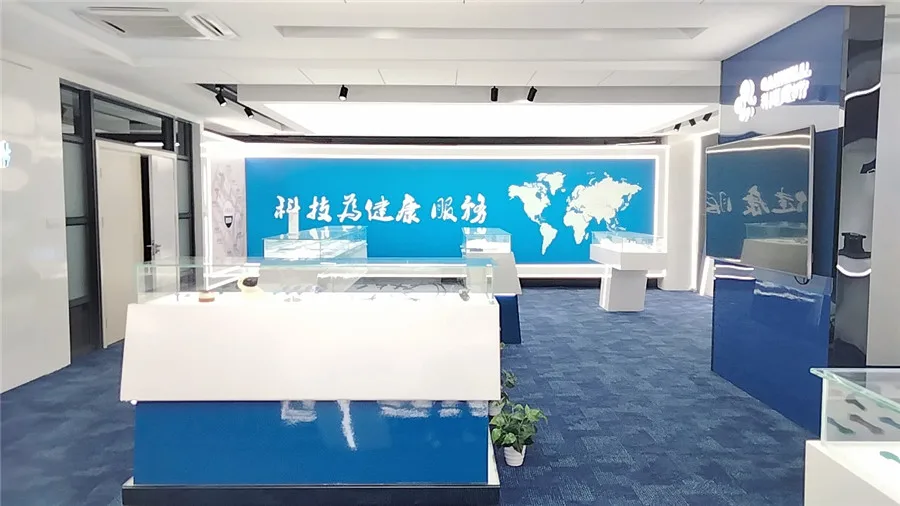
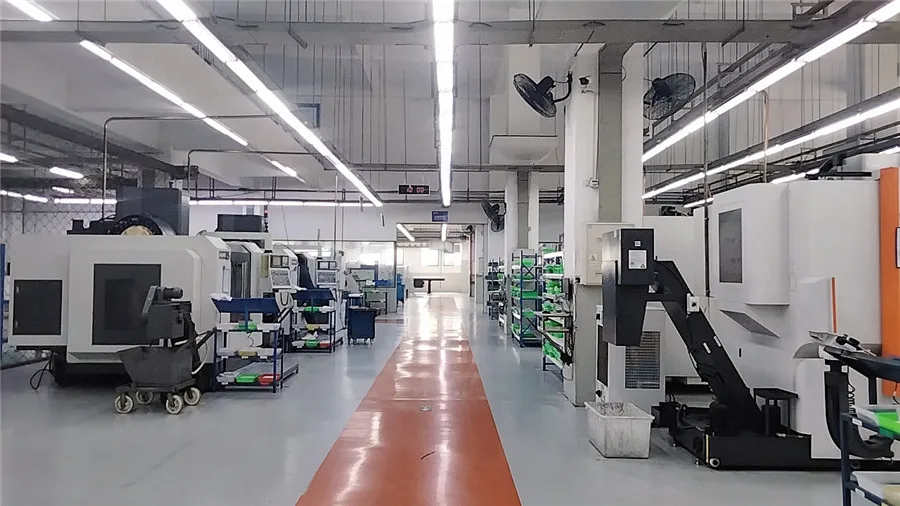
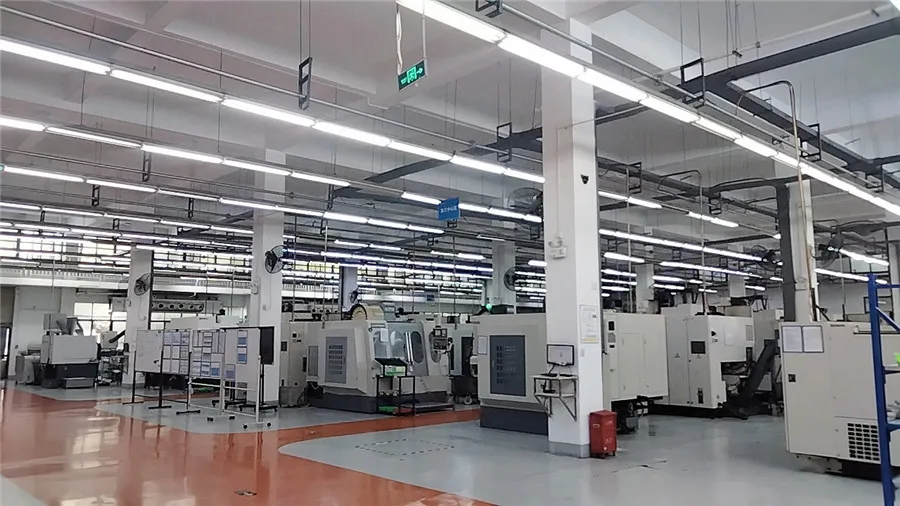
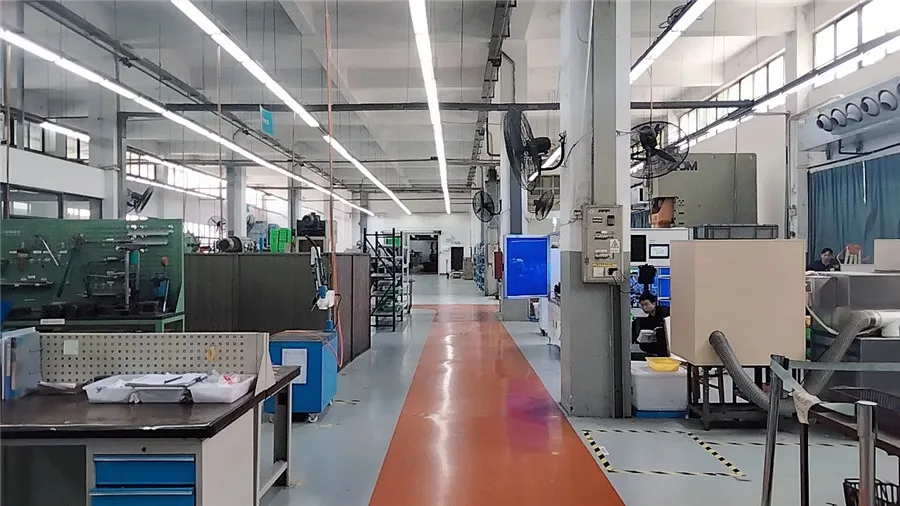
Key technical and regulatory answers for hospital procurement departments, orthopedic distributors, and head surgeons.
All of our medical device exports are fully certified under ISO 13485 quality management standards and CE 93/42/EEC certifications. We support local distributors in Tashkent with complete documentation packages including Certificates of Conformity, raw material chemical analyses, and sterile packaging compliance reports to fast-track MOH registrations.
We utilize titanium alloy Grade 5 ELI (Ti6Al4V) conforming to ASTM F136 standards for high mechanical strength and excellent biocompatibility. For select interbody cages, we use medical-grade Polyetheretherketone (PEEK) from world-class suppliers, mimicking the modulus of elasticity of natural cortical bone to limit stress shielding.
Yes, we provide extensive custom engineering. Driven by our 59 graduate R&D engineers, we offer customized surgical setups, custom-length locking plates, and custom-labeled surgical instrument cases. This is especially useful for university hospitals and regional trauma centers looking for personalized solutions.
Our quality control department operates 69 QA/QC inspectors in modern laboratories. Every spinal configuration undergoes dynamic fatigue testing according to ASTM F1717 standards, verifying performance under compression, torsion, and bending over millions of cycles to ensure long-term clinical safety.
For high-demand items (such as PFN/PFNA nail instrument sets or locking plate systems), we maintain buffer stock. Express air freight shipments to Tashkent International Airport (TAS) typically deliver within 7 to 10 days. Ocean and overland rail routing solutions are also available for bulk container shipments.
 Harney-Well